9 Ohio Plants That Turn Your Yard Into A Quiet Retreat From Street Noise
The noise gradually fades into the background, and before you know it, it becomes your new normal. Eventually, you notice that your backyard doesn’t really feel quiet anymore.
It doesn’t have to remain that way. The answer isn’t a fence or a sound machine. It’s actually plants.
Homeowners in Ohio can use native trees, shrubs, and greenery to soften noise and provide real privacy. The right mix can turn a yard into a place that feels truly separate from the outside world.
The science behind it is simple. Plants disrupt sound waves and create a psychological feeling of separation that alters how a space feels.
Ohio is especially suited for this method because of the wide variety of native plants that thrive here with little effort. Many can handle harsh winters and dry summers without any issues.
Some even grow quickly enough to provide noticeable results in just two or three seasons. Plant one or mix several, and your backyard will start to work for you instead of against you.
1. Plant Eastern Red Cedar For Year-Round Calm
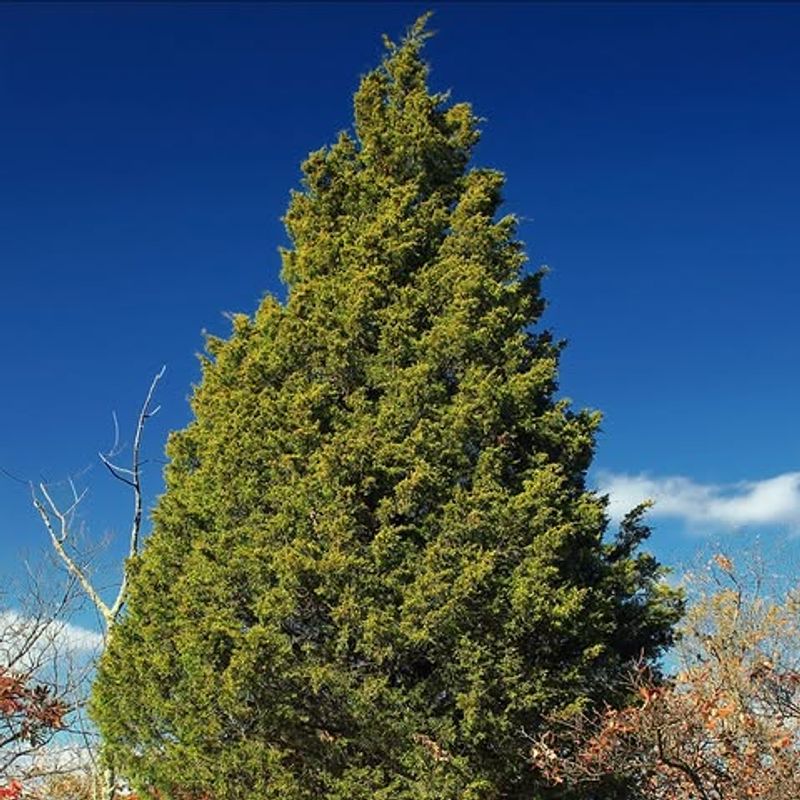
The Eastern Red Cedar never takes a break. While all the other trees around it lose their leaves in November, this evergreen keeps its rich foliage throughout every winter.
There are no gaps and no six-month view of the street you were trying to ignore. In the most straightforward way, it’s a tree you can always rely on.
The Eastern Red Cedar thrives in dry, rocky, and nutrient-poor soils that would make other trees struggle. It can handle full sun, drought, and hard clay without much fuss. Once it’s settled in, it requires almost no maintenance.
Plant them six to eight feet apart and let nature take its course. The branches will gradually form a screen thick enough to make a busy road feel like a distant whisper.
But don’t forget about the wildlife benefits too! Birds see the Eastern Red Cedar as a luxury hotel.
If you plant a row along your fence, you won’t just block the street. You’ll create a little habitat in the process.
Ohio State University Extension supports it as a tough native tree, and honestly, this tree proves it on its own.
2. Add White Pine For A Softer Street Edge
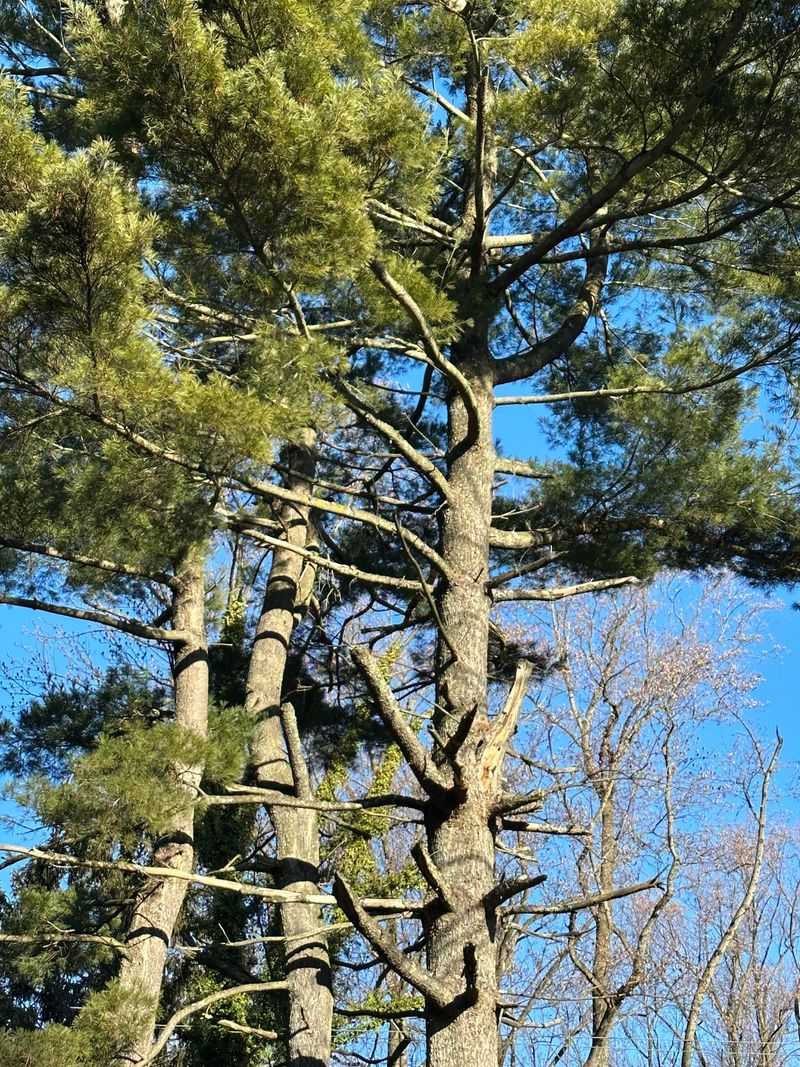
White Pine has a character that many other evergreens just don’t have. When you stand next to one, it’s hard not to notice how the street sounds seem to fade away.
This calming effect comes with impressive size. White Pine can grow between 50 to 80 feet tall, making it one of the tallest options for privacy in an Ohio yard.
Just be sure your yard has enough vertical space for it before you decide to plant.
Its growth rate is one of its biggest advantages. White Pine grows faster than most evergreens, so you won’t be waiting around for ten years to see results.
After just a few good seasons, it starts to really establish itself along the street edge.
Your Ohio Garden Changes Every Week. Your Plan Should Too.
Gardening in Ohio changes quickly throughout the season. Every Friday you’ll receive a simple weekly plan showing exactly what to plant, prune, fertilize, harvest, and protect so you never miss the right timing.
Instead of planting it as a solitary figure, use it as the centerpiece of a layered border. Place shorter native shrubs in front to fill in the lower sightlines while the Pine towers above.
This combination looks more natural and covers much more area than a row of just one type of tree ever could.
Ohio State University Extension suggests it for well-drained soils in Ohio that get full to partial sun, and this tree usually thrives when given the right conditions.
3. Grow Red Maple For Leafy Backyard Shelter
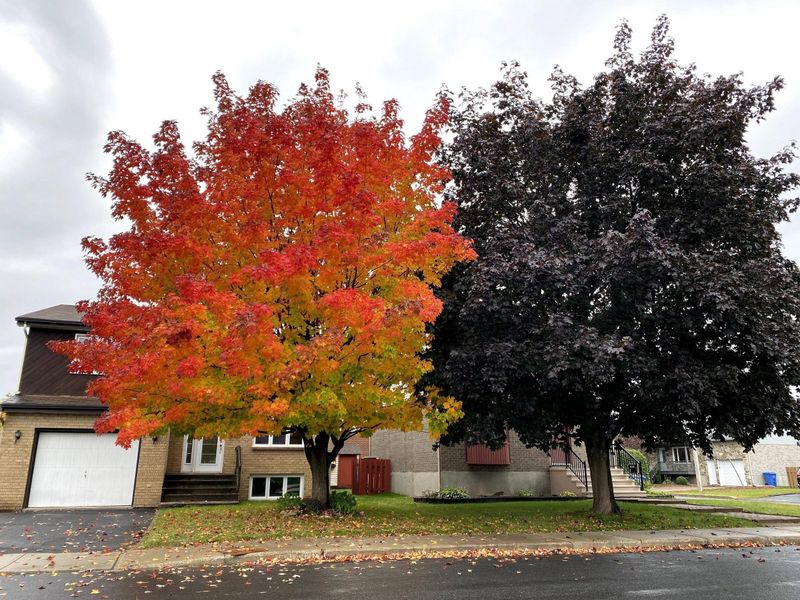
Strolling beneath a mature Red Maple on a warm afternoon feels like a revelation. The sounds fade away. The street vanishes. Suddenly, your backyard feels like it truly belongs to you.
That wide canopy offers a kind of shelter that no fence can match. It transforms the entire vibe of an outdoor area, and once you experience it, you’ll question how you ever lived without it.
The Red Maple is a native tree in Ohio and it’s not picky at all. Clay soil? No worries. Wet areas that drown other trees?
It’s all good. It thrives in conditions that would make other species struggle without missing a beat.
In spring, it showcases small red flowers even before the leaves emerge. By fall, the entire canopy becomes a sight that makes people stop in their tracks. This tree definitely doesn’t slack off between seasons.
Now, for the truth. The Red Maple is deciduous, which means it loses its leaves in winter, leaving your view less dense when the cold hits.
The solution is easy. Plant Eastern Red Cedar or evergreen shrubs nearby, and the border will stay thick all year long.
The Red Maple takes care of the upper canopy while the evergreens fill in the lower gaps. Together, they create a beautifully layered and effective landscape. Think of it as the foundation that holds the entire planting scheme together.
4. Use Pawpaw To Fill Shady Quiet Corners
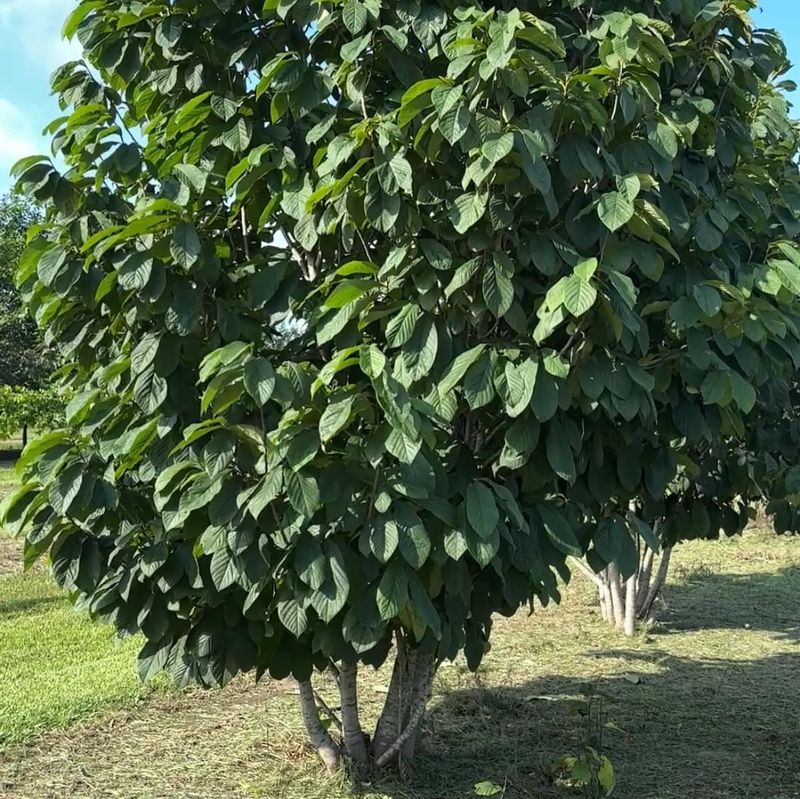
Most homeowners in Ohio are familiar with pawpaw primarily for its fruit. However, many overlook the benefits the tree itself can bring to a yard.
Pawpaw leaves can grow up to a foot in length. They droop a bit and create a jungle-like density that makes shaded areas feel truly secluded.
No other native tree in Ohio can achieve that tropical vibe in spots with limited sunlight. And that’s the main idea.
Pawpaw is naturally an understory tree. It has adapted to thrive under taller trees in forest environments, meaning it doesn’t just tolerate shade.
It actually prefers it. This makes it one of the few reliable choices for low-light areas in a yard where most plants tend to struggle.
It can grow between 15 to 25 feet tall and spreads slowly through suckers without needing any assistance from you. After a few seasons, a neglected corner can start to look purposeful.
The large leaves also help to break up airflow in tight spaces, which muffles ambient noise in a subtle yet noticeable way.
And let’s not forget about the fruit. Late summer brings clusters of pawpaws that taste like a mix of banana and vanilla custard. A tree that provides privacy and delicious fruit is hard to beat, right?
5. Let Flowering Dogwood Soften Patio Noise
A patio that looks out onto the street isn’t really a getaway. It’s just out in the open. You can sense it as soon as you take a seat. The openness and the feeling that anyone walking by has a front-row view of your afternoon.
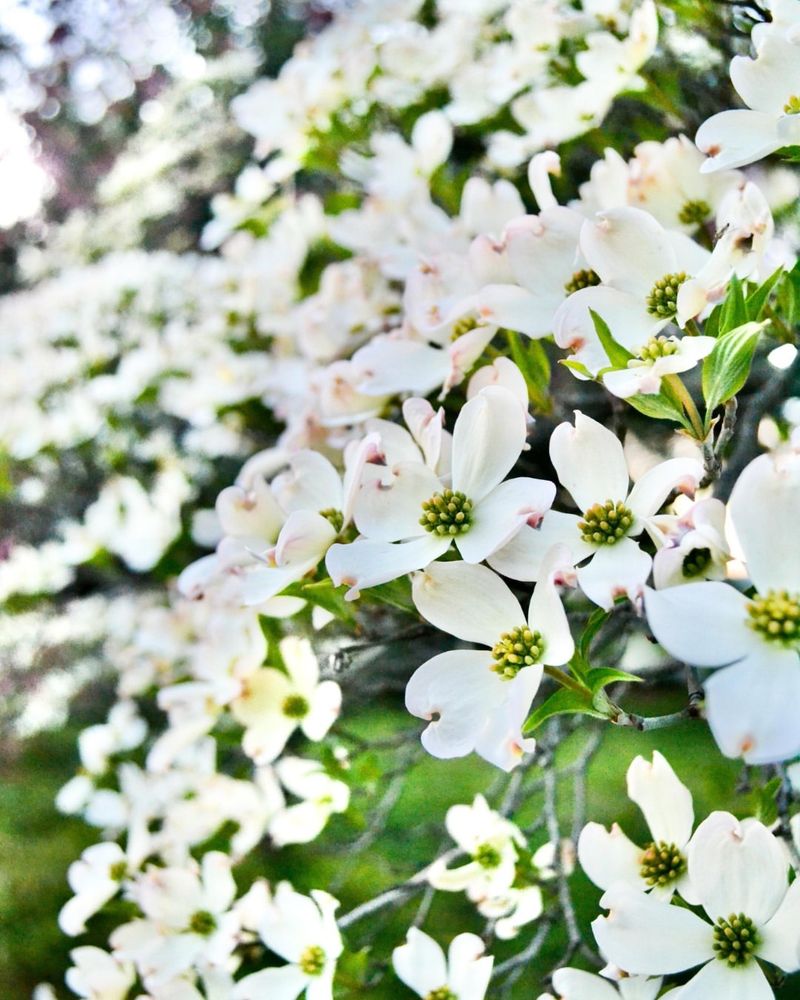
Flowering Dogwood changes that without turning your yard into a fortress. The way this tree branches out is what makes it unique. It spreads out in horizontal layers that naturally break up sightlines.
The result is gentler than a line of evergreens and honestly more attractive. Your patio begins to feel cozy instead of cut off.
Flowering Dogwood is a native tree in Ohio and does well in partial shade. Plant it on the east or north side of a building where it can soak up morning sunlight and get some afternoon shade.
It grows to about 15 to 30 feet tall, which is just the right size for a patio area. Big enough to be useful, yet small enough not to dominate the space.
Spring is when it really shines. White or pink bracts blanket the tree before most of the yard has even come to life. It’s the kind of sight that makes neighbors stop and ask questions.
Fall follows closely behind. Red berries attract birds from all around, and the leaves turn a deep burgundy that stays vibrant well into the season.
When placed near a seating area, Flowering Dogwood forms an overhead canopy that creates a truly intimate atmosphere.
It benefits from good placement, so pick a location that gets morning sunlight, afternoon shade, and has good drainage. If you put it in tough conditions, it will definitely show you that it doesn’t like it.
6. Choose Serviceberry For A Gentle Green Screen
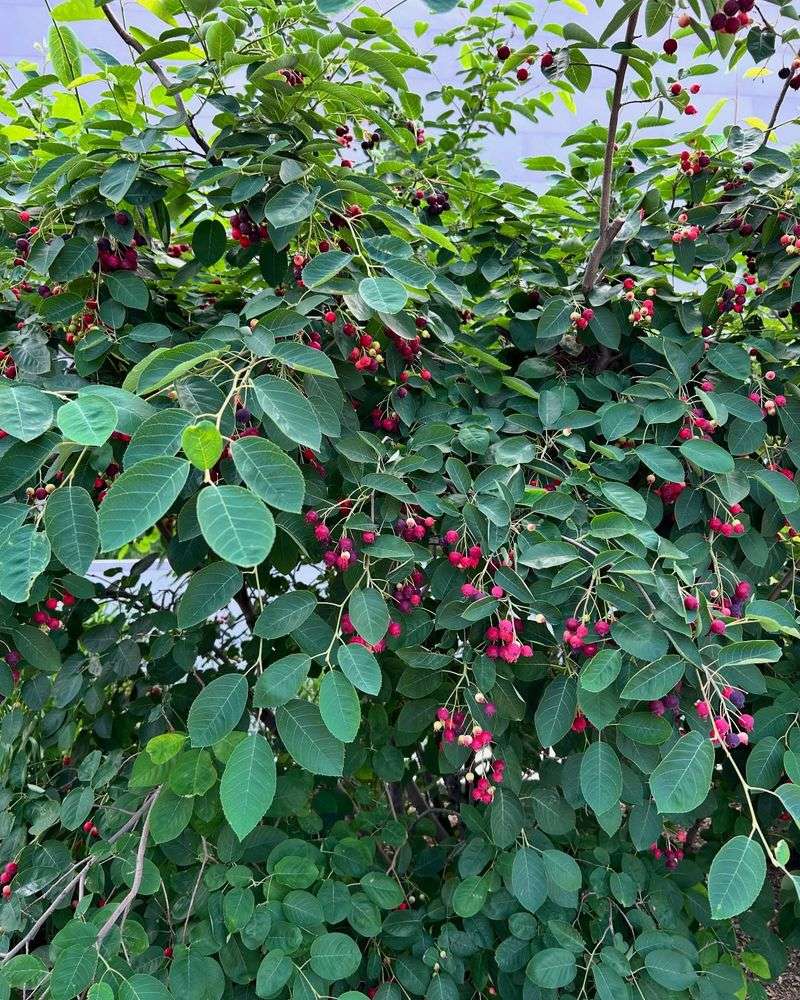
Most plants choose a season to shine and only do so once. Serviceberry, however, seems to have missed that memo.
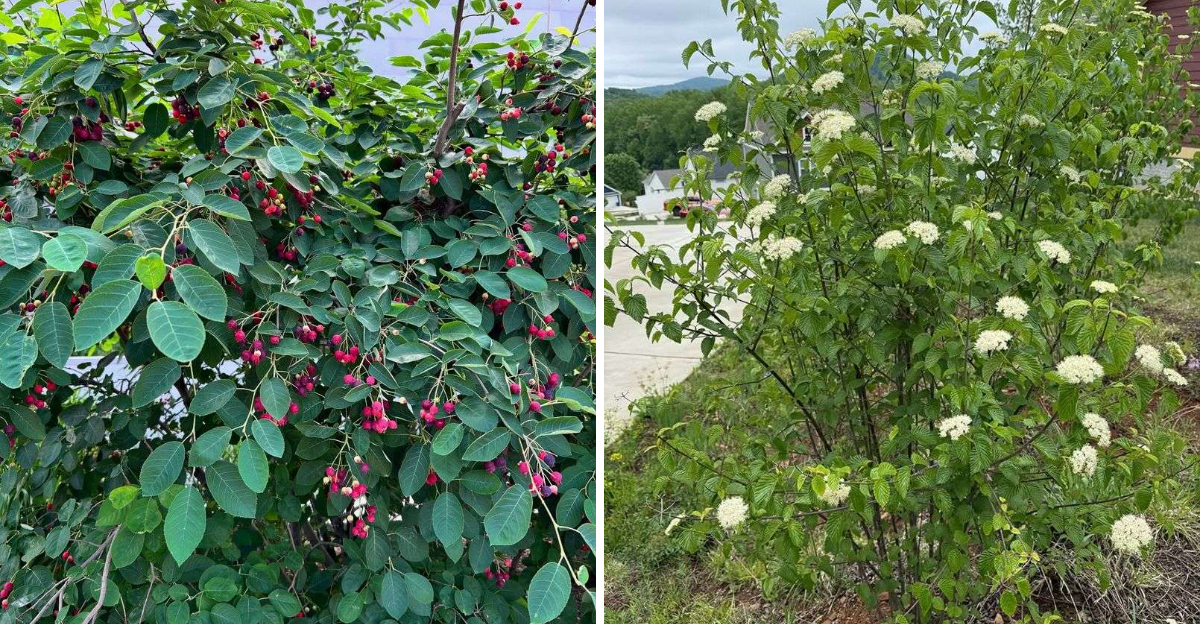
It kicks off in early spring, before nearly anything else has even thought about waking up. After the flowers fade, the berries come in.
Small, purple-red, and totally irresistible to birds, the fruit appears in early summer. Robins, cedar waxwings, and catbirds treat Serviceberry like an all-you-can-eat buffet.
When fall arrives, the orange and red leaves keep the yard looking vibrant long after most plants have given up for the season.
However, one of its most useful features is its size. Serviceberry can grow as a large multi-stemmed shrub or a small tree, reaching heights of 15 to 25 feet.
This mid-sized scale is just what a layered planting needs. It’s too tall for the front row and too compact for the canopy.
Plant it in full sun to partial shade, and it adapts to a wide variety of Ohio soils without any issues. It’s genuinely low maintenance in a way that you don’t need to take anyone’s word for it.
Serviceberry is a fantastic option for wildlife-friendly, multi-season landscapes in Ohio. And the four seasons of performance?
It’s a big plus.
7. Plant Arrowwood Viburnum For Dense Coverage
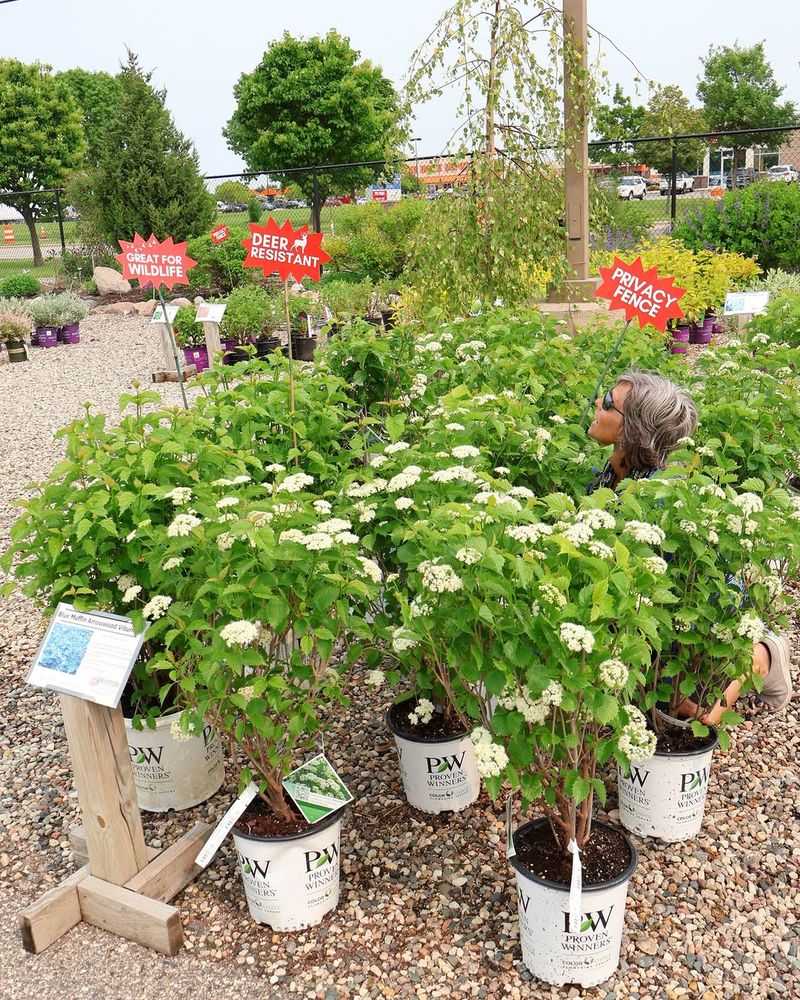
Some shrubs look the part but let you down when it matters. You can easily see through them and the noise from the street comes through as if the plant isn’t even there. Arrowwood Viburnum is not one of those shrubs. Its growth is thick, upright, and committed to filling space.
When planted along a fence or a road-facing border, it creates a nice visual barrier. No gaps, no weak coverage, and no need to squint through bare stems.
And it is doing its job. A single plant can grow between 6 to 10 feet tall and spreads just as wide. One Arrowwood can cover a significant area before you even consider adding another.
It thrives in clay soil, partial shade, or full sun without any fuss. That level of adaptability is hard to find in such an effective shrub. In late spring, it produces flat-topped clusters of white flowers that blanket the entire plant.
By late summer, those flowers turn into dark blue-black berries that attract songbirds. For substantial coverage near a busy road, consider planting a staggered double row.
Two offset lines of Arrowwood create a screen so thick that the street behind it starts to feel like a distant whisper. Add taller evergreens behind it, and the density remains all the way through the winter.
8. Add Nannyberry Viburnum Along Busy Borders
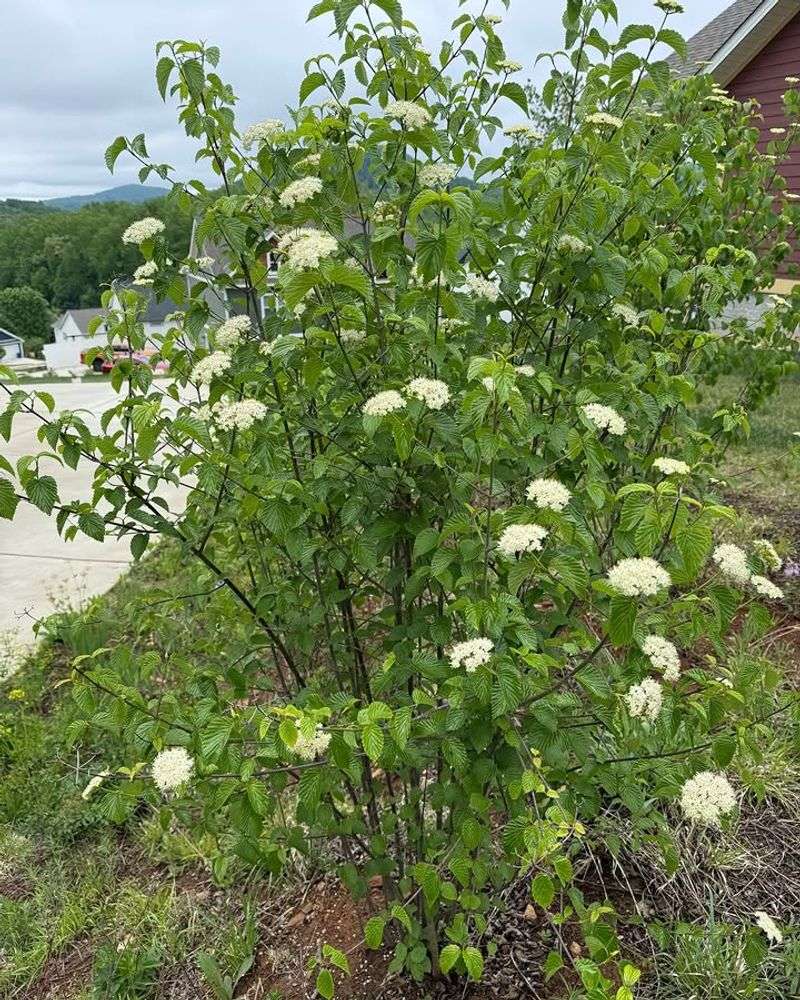
Not every privacy shrub has to appear as if it was cut with a ruler. Some yards need a look that feels more natural rather than overly arranged. Nannyberry Viburnum embodies that essence.
There’s nothing forced or overly formal about it, and that’s precisely the idea. It occupies space the way good landscaping should: generously, gradually, and without drawing attention to itself.
The height is where Nannyberry truly makes its mark in a layered planting. It can reach 12 to 18 feet at maturity, which is a height that most shrubs can’t achieve.
That added vertical space fills the awkward gap between shorter shrubs and tall canopy trees.
Whether in sun, shade or moist soil, it adapts to all kinds of Ohio conditions. Plant it in those tricky spots along a border that gets uneven light, and it will manage just fine on its own.
In spring, it produces large clusters of creamy white flowers that attract pollinators right away. By fall, those flowers turn into bluish-black berries that migrating birds depend on.
The leaves then change to beautiful shades of red and purple before falling for the season. For a border that truly separates you from a noisy street, Nannyberry provides from April to November without demanding much in return.
9. Grow Blackhaw Viburnum For Thicker Privacy
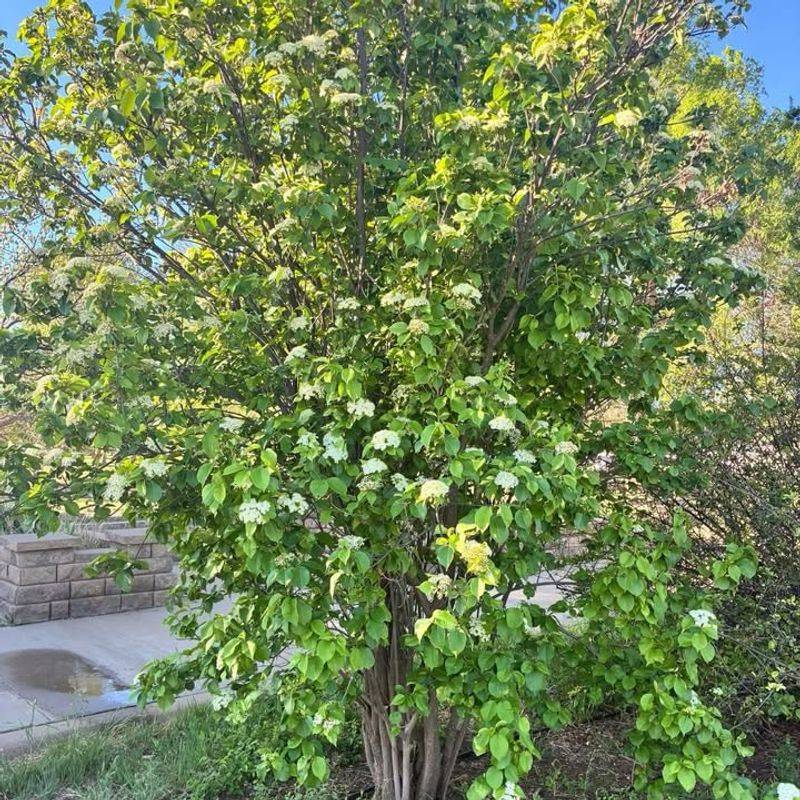
Blackhaw Viburnum doesn’t make a big entrance. It simply gets to work quietly.
While more showy plants seek the spotlight, Blackhaw focuses on creating something more meaningful over time. It brings density, structure, and a solid presence along the edge of your yard.
The branches are dense and a bit stiff compared to other viburnums. It maintains its shape, fills its area, and continues to grow year after year with little help from you.
It can reach heights of 8 to 15 feet and almost as wide, giving you options in how you want to manage it. If you let it grow freely, it turns into a large, multi-stemmed shrub.
If you trim it a bit, it can take on more of a small tree appearance. Either way, it makes its presence known.
Clay soil and the cold winters of Ohio don’t hold it back. Whether in full sun or partial shade, it adjusts without any fuss.
In spring, the entire plant is covered in clusters of white flowers. Then, late summer brings bluish-black fruit that attracts wildlife.
When fall comes, Blackhaw surprises you with its foliage changing to deep reds and purples.
If you plant it alongside Eastern Red Cedar or White Pine behind it, you’ll create a layered screen that has density at every level and throughout every season.