Tough Texas Front Yard Plants That Stayed Alive Through Last Summer’s Heat Wave
Last summer, Texas didn’t just experience heat. It became personal.
For weeks, temperatures soared into the triple digits, with no rain in sight. Sprinkler systems worked overtime, water bills skyrocketed, and most of the plants people had put in the ground ended up withering anyway.
But while the grass turned brown, a select few plants thrived. No drooping, no brown edges. Same heat, same dry soil, completely unaffected. That isn’t luck.
It’s about having the right plant in the right spot. Plants native to this area don’t see summer as a challenge. They see it as home. Every plant listed here passed that test last summer.
Some bloomed during the worst of it. Others attracted hummingbirds and butterflies while everything around them looked worn out.
Plant one, or plant all, and next summer your yard will be a choice rather than a catastrophe.
1. Plant Red Yucca Where The Hose Cannot Reach
Every front yard has that one spot. The far corner where the soil turns to dust by June, and nothing you plant there ever really makes it. Red Yucca was made for that corner.
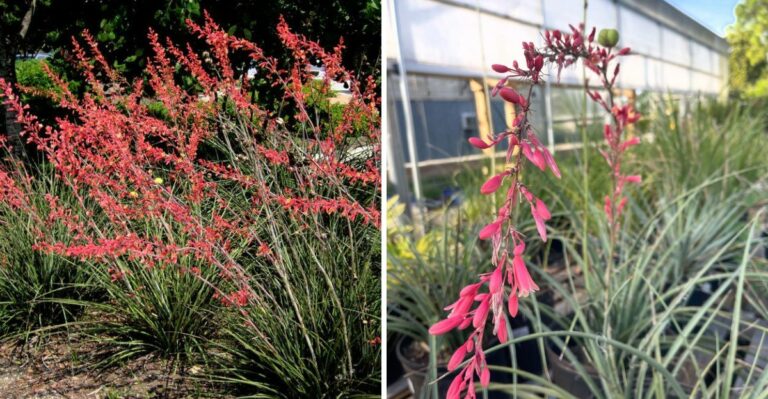
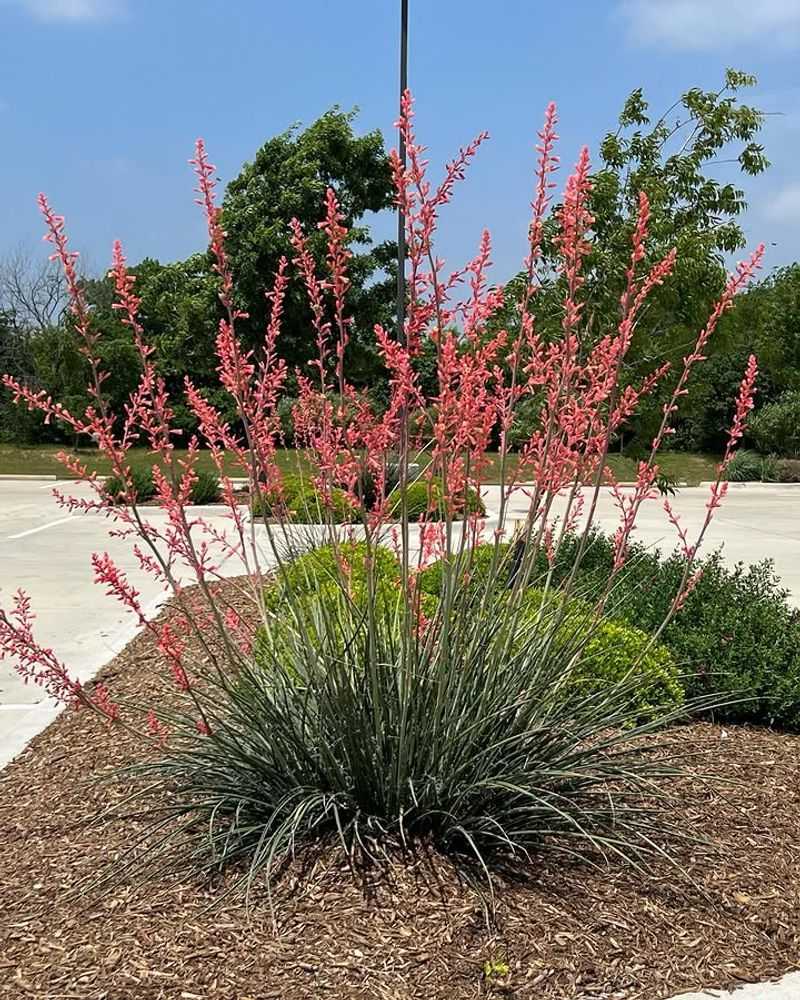
Hesperaloe parviflora is a Texas native that treats poor soil and full sun like a perfectly reasonable living situation. Texas A&M AgriLife Extension backs it as one of the most heat-tolerant plants available for front yard beds.
The plant forms a graceful clump of long, arching leaves that stay green year-round. No seasonal drama, no bare patches, just consistent structure through every month of the year.
Then late spring arrives and the whole thing shifts. Tall flower spikes shoot up four to five feet and open into coral-pink blooms that hummingbirds find immediately.
Watering during the first season is straightforward. Once or twice a week until the roots settle in, then back off significantly.
Established Red Yucca handles extended dry periods without complaint, which is exactly the kind of reliability a Texas front yard demands.
One thing to get right from the start. Plant it slightly raised or in a spot with solid drainage. Sitting in wet soil is one of the few things Red Yucca genuinely dislikes.
Pair it with gravel mulch and a few ornamental boulders and that neglected corner suddenly looks like it was always part of the plan.
2. Let Texas Sage Carry The Curb Appeal
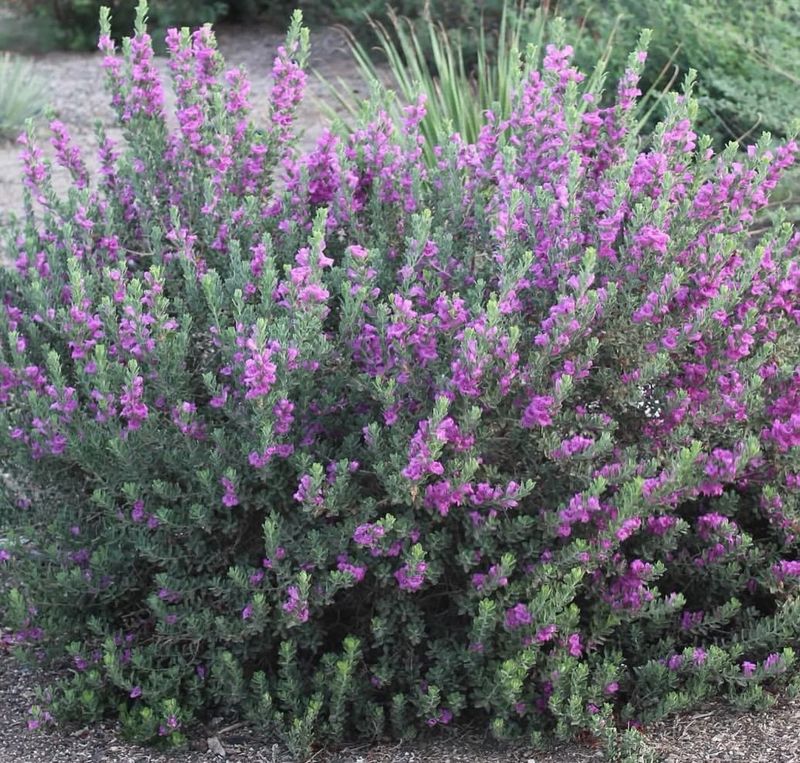
Texas Sage has a unique ability that no other shrub in Texas can compete with.
After a summer rain or even just a rise in humidity, the entire plant bursts into purple flowers almost overnight. Locals refer to it as the barometer bush for this very reason.
It senses the weather and reacts, which means your front yard gets a colorful display perfectly timed for when you want to be outside.
The silvery-gray leaves are attractive even when the flowers aren’t blooming. They have a soft, glowing quality that reflects light from the street, making the whole area look purposeful.
Most shrubs seem like just fillers between flowers, but Texas Sage stands out as the main attraction.
Your Texas Garden Changes Every Week. Your Plan Should Too.
Gardening in Texas changes quickly throughout the season. Every Friday you’ll receive a simple weekly plan showing exactly what to plant, prune, fertilize, harvest, and protect so you never miss the right timing.
This native shrub is designed for the alkaline soils and harsh sun typical of central and west Texas.
It requires full sun and well-drained soil as its two essential needs. When establishing the plant, water it deeply once or twice a week and allow the soil to dry out completely between watering.
After that, ease up and let the plant thrive on its own. It’s that simple.
The only real danger is wet roots. Heavy clay soil without proper drainage can cause issues, and overwatering can lead to the same problems.
A light trim after each blooming cycle helps maintain its shape. If you plant a row along a driveway or front walkway, you’ll create a border that flowers with the storms and never asks for extra care.
Amazing, right?
3. Give Blackfoot Daisy The Hottest Spot
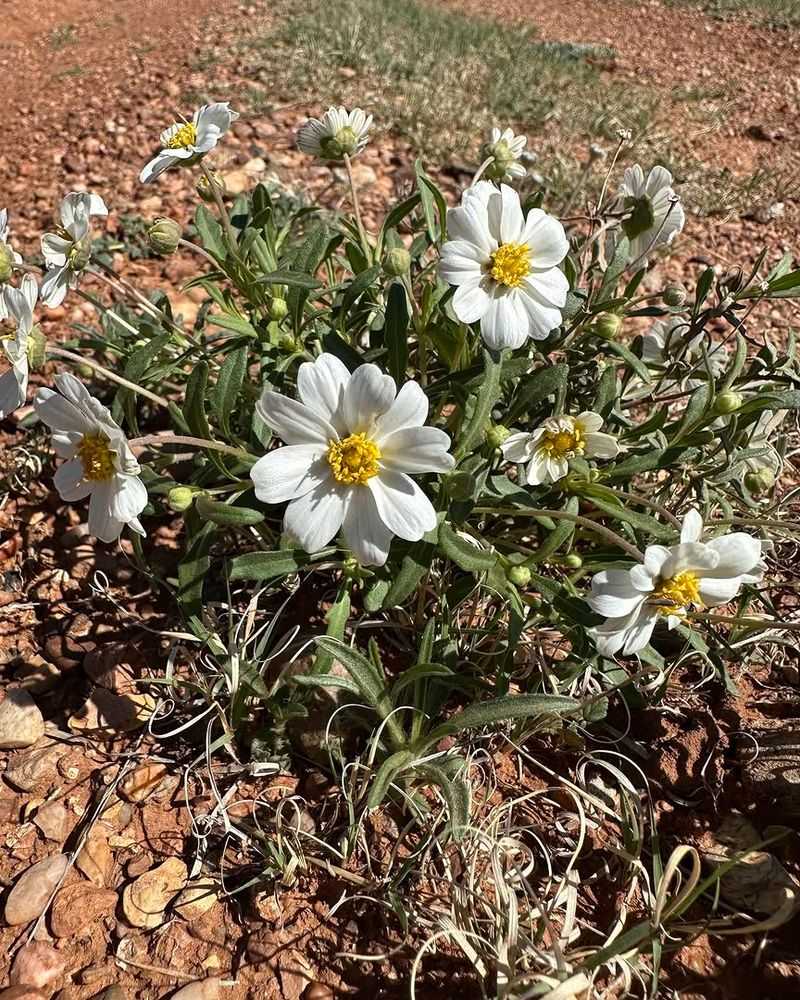
The Blackfoot Daisy may seem fragile, but it’s anything but.
This small wildflower thrives from spring to fall, continuously producing blooms even during the scorching heat of a Texas summer.
The flowers are tiny white daisies with vibrant yellow centers. They are simple, cheerful, and persistent.
While everything else in the garden may have wilted and turned brown, the Blackfoot Daisy continues to flourish.
However, the sweet, honey-like scent is what catches people off guard. If you stroll by a healthy patch on a warm morning, it will grab your attention.
A front yard plant that smells this delightful while enduring drought is truly impressive.
It grows low and bushy, reaching about one foot in height and two feet in width, making it ideal for lining sidewalks.
But, getting the drainage right is crucial. Heavy clay soil can cause issues.
However, rocky, sandy, or improved soil will help it thrive. Plant it in full sunlight and water it regularly for the first few months to help the roots establish.
After that, just let it be.
Also, skip the fertilizer. Rich soil can actually hinder blooming and cause the plant to droop.
This flower prefers lean conditions and full sun, so giving it less is truly the best approach.
4. Use Flame Acanthus For Color That Holds Strong
Most flowering plants see a Texas summer as a personal attack. They droop, turn brown, and stop flowering around July, just waiting for October.
In contrast, Flame Acanthus views July as a chance to shine.
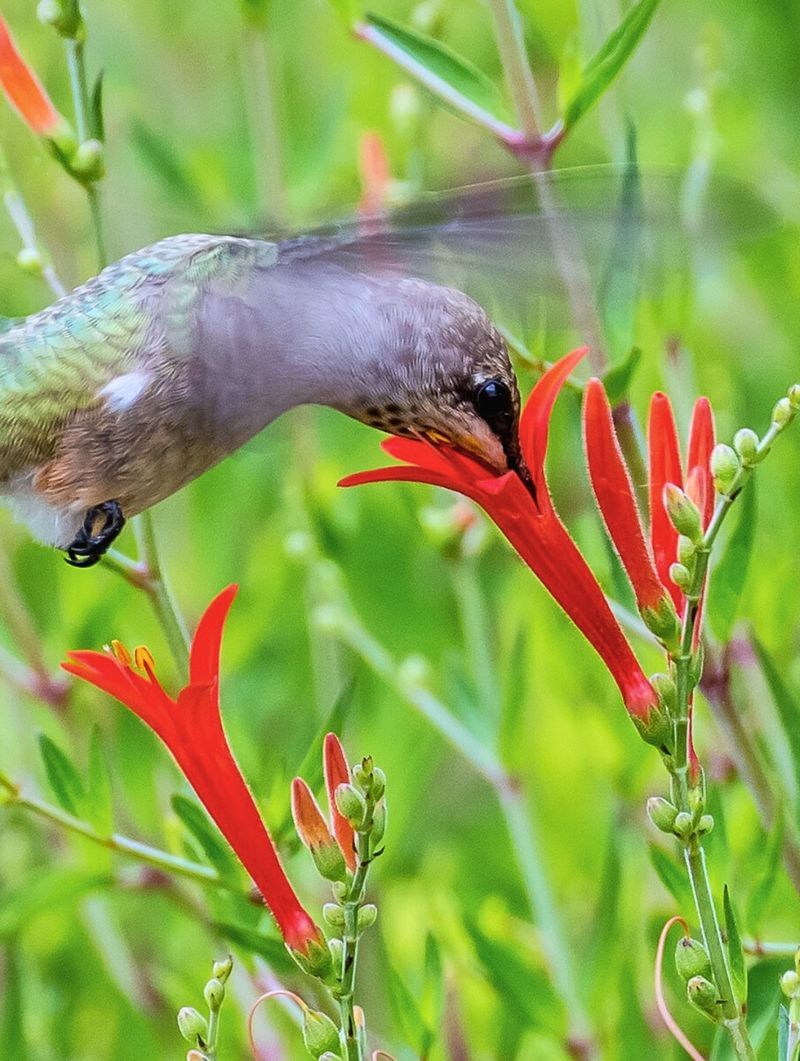
This native Texas shrub produces vibrant clusters of red-orange tubular flowers during the hottest months of the year. Not in spite of the heat, but because of it.
The key lies just beneath the surface. Flame Acanthus develops a deep root system that taps into moisture far below the soil during dry spells.
While shallow-rooted plants struggle above ground, this one quietly finds what it needs below.
Hummingbirds and butterflies are quick to notice it. A front yard that feels still and parched in August suddenly bursts with movement, color, and life.
Water it once or twice a week during the first season, then reduce the frequency significantly. Deep watering during prolonged dry spells is all an established plant requires.
One important thing to know before winter comes: Flame Acanthus goes dormant and wilts back to the ground. This is completely normal.
When spring arrives, it comes back strong without any assistance from you.
5. Make Texas Lantana Your Summer Workhorse
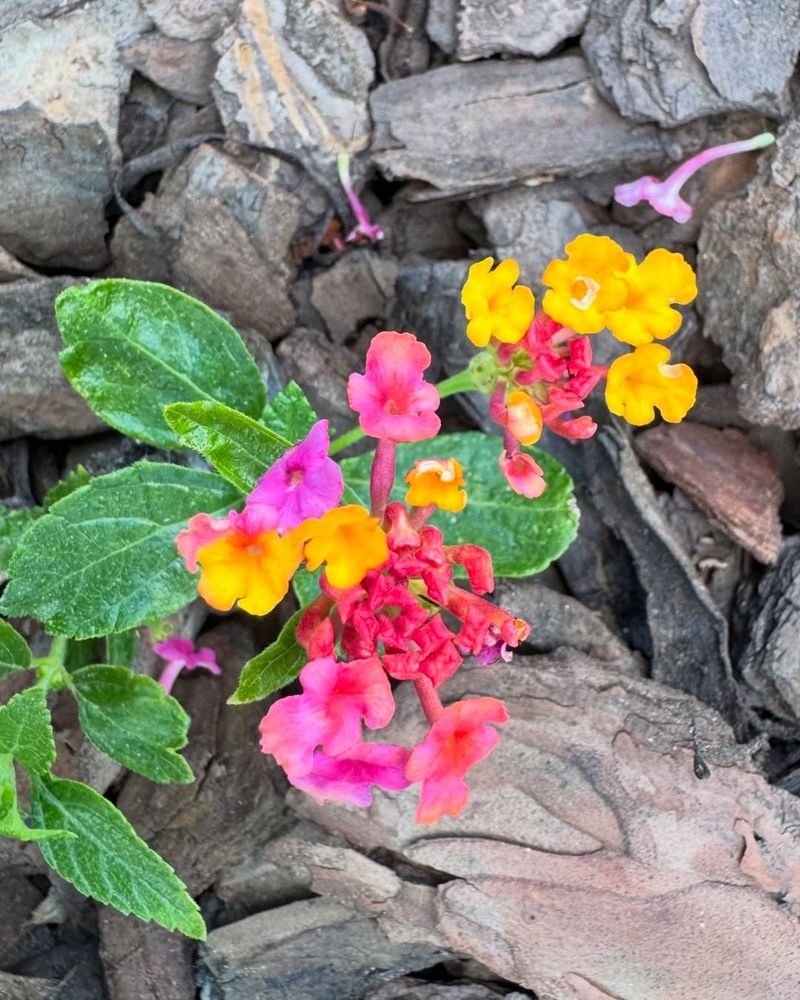
Some plants just refuse to quit, and Texas Lantana is one of them. Lantana urticoides is the native species found naturally across Texas, and it is built for exactly the kind of summer punishment that causes imported landscape plants to wilt and fade.
The Lady Bird Johnson Wildflower Center lists it as a tough, reliable native that supports pollinators while thriving in hot, dry conditions.
The blooms run from late spring through first frost in warm clusters of yellow and orange, occasionally edged with red. Butterflies swarm it, particularly swallowtails and skippers.
The color holds strong even when temperatures stay above 100 degrees for days at a stretch.
Texas Lantana grows best in full sun and tolerates poor, dry soils remarkably well. During its first season, water it regularly to help it establish.
After that, it handles drought conditions with minimal intervention. Plants can reach three to four feet tall and wide, so give them room to spread and avoid crowding them against the house or walkway.
One thing to keep in mind: the berries are toxic to pets and small children, so placement matters. Along a front fence or in an open bed away from high-traffic areas works well.
Prune it back in late winter to encourage fresh growth and a fuller shape come spring. Few plants give you this much bloom for this little effort in a Texas summer.
6. Trust Trailing Lantana In Poor Dry Soil
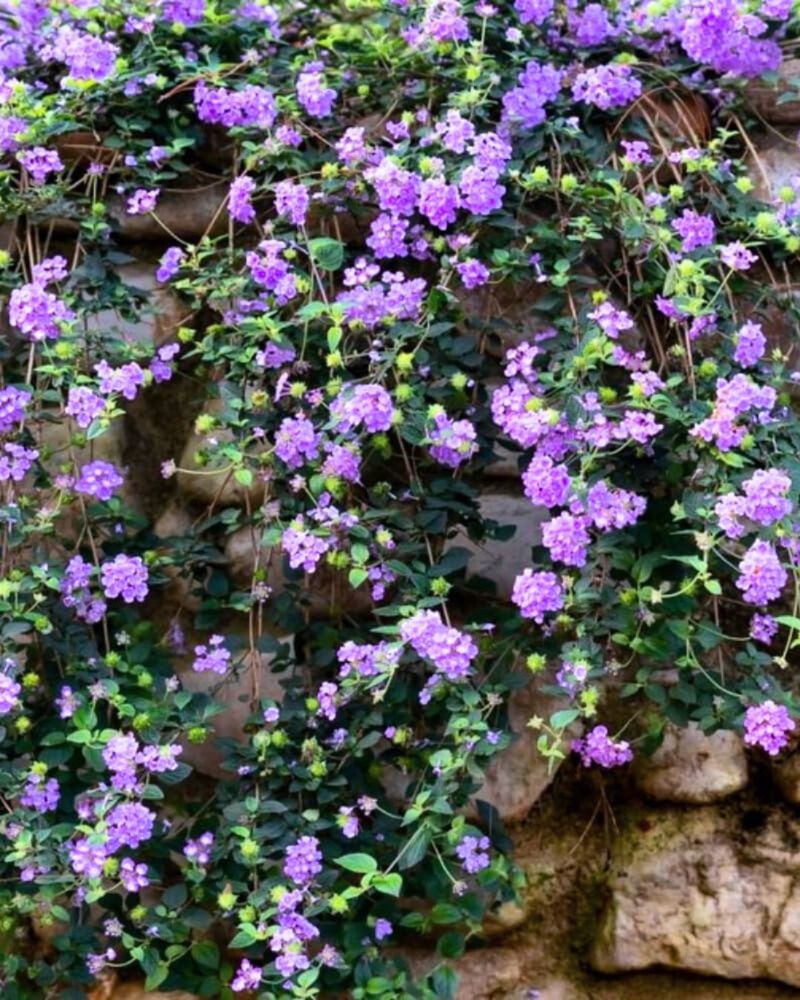
Trailing Lantana isn’t trying to take the spotlight in your front yard. It’s too busy spreading out on the ground to care.
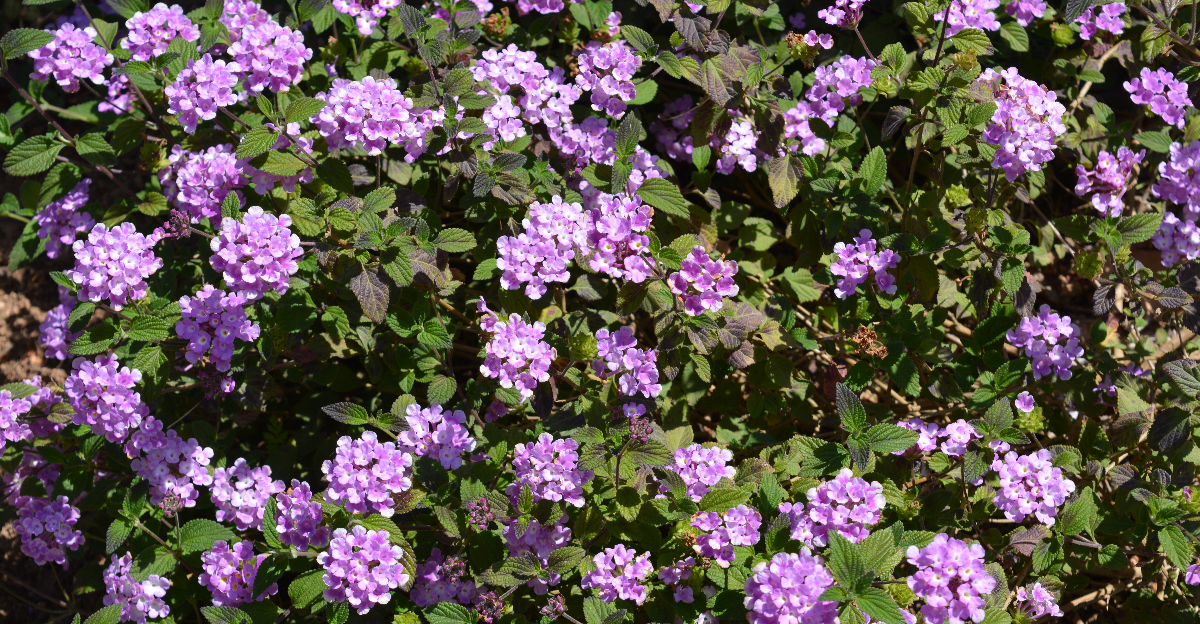
From late spring until the first frost, this plant grows low and wide. It creates clusters of lavender to purple flowers that keep blooming no matter how hot it gets.
Even a week of extreme heat doesn’t slow it down. The colors just keep coming.
Full sun and dry, poor soil are not issues for this plant; they are what it likes best. Water it regularly during the first season to help the roots settle in, then just let it do its thing.
It stays low, usually between one to two feet tall, but can spread three to six feet wide when fully grown. Make sure to give it space to spread and keep it away from walkways where it might spill over and become a tripping hazard.
One important placement tip: the berries are toxic to pets and small children, so plant it away from busy areas.
Trim it back in late winter, and it will come back fuller every spring. In the colder regions of Texas, it might wilt back more.
However, in most of the state, it bounces back without much fuss.
7. Lean On Prickly Pear For Serious Staying Power
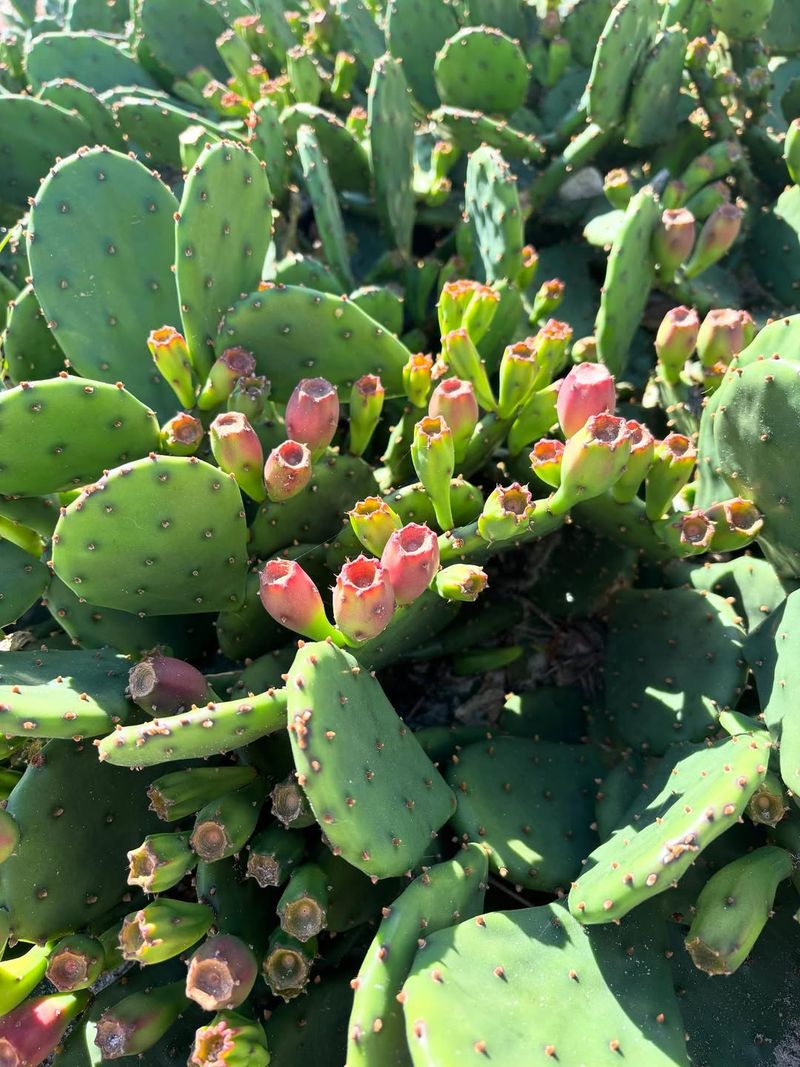
Prickly Pear doesn’t mind your drought. When every other plant in the neighborhood looks defeated, Opuntia engelmannii stands in its spot in the front yard, completely unfazed.
According to Texas A&M AgriLife Extension, it’s a fantastic option for low-water landscapes. Once established, Prickly Pear relies almost entirely on rainfall in central and east Texas.
You just need to water it monthly during the first year to help the roots settle. After that, the rain takes care of it.
The flat, paddle-shaped pads have a striking geometric look that seems intentional from the street. In late spring, large yellow flowers bloom along the edges of those pads.
By summer and fall, those flowers turn into deep red and purple fruit that attract birds and wildlife in droves.
A plant that looks this attractive, provides food for wildlife, and requires almost no water is a rare find. Prickly Pear manages to do all three without needing any extra effort from you.
The only decision that really needs some thought is placement. The spines are sharp and unforgiving, so make sure to keep it far from walkways, play areas, and anywhere people might brush against it.
It fits perfectly in a raised bed, a rocky corner, or a gravel xeriscape area. Pair it with agave or ornamental grasses, and the whole scene looks like something out of a Texas garden magazine.
And you won’t have to worry about a maintenance bill.
8. Add Agave For Structure That Shrugs Off Heat
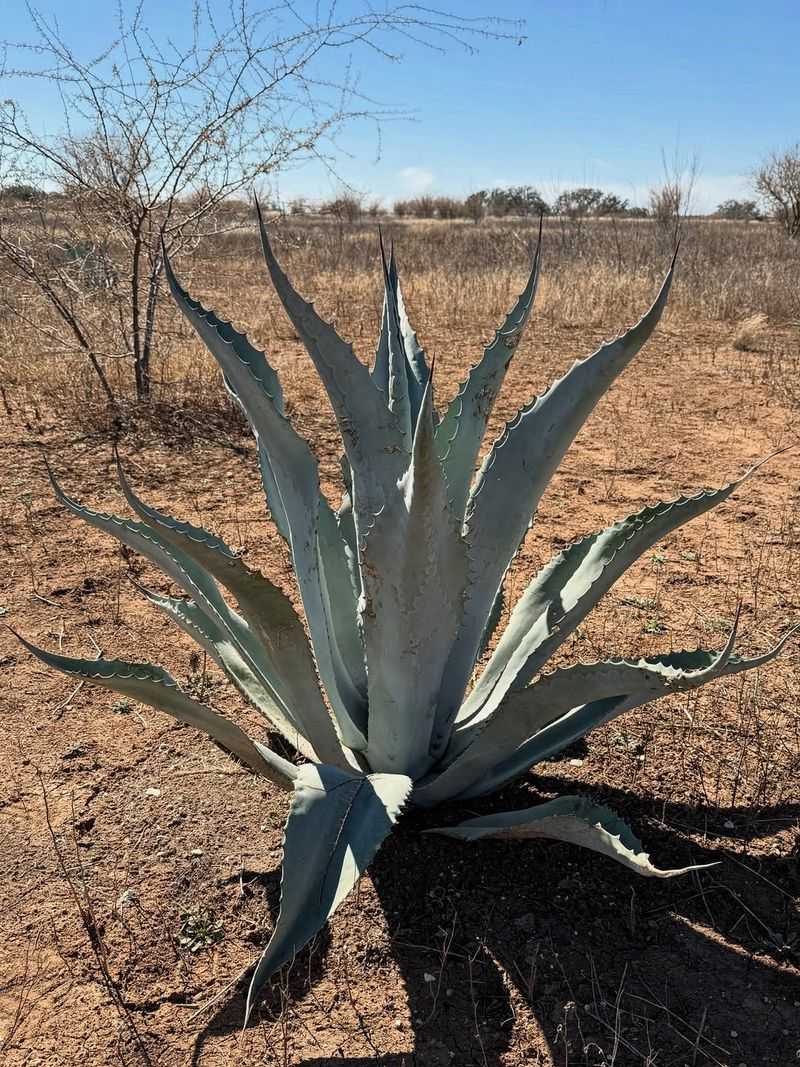
Some plants take up space, but Agave truly owns it. From the street, a strategically placed Agave appears to be a thoughtful design choice.
Both Agave americana and the more compact Agave lophantha thrive exceptionally well in Texas conditions. Texas A&M AgriLife Extension identifies both as excellent options for hot, dry landscapes.
Agave retains water in its thick leaves, meaning that long periods without rain are not a disaster. They are just another Tuesday.
Once established, the need for irrigation drops to nearly zero. Deep watering once a month during extremely dry spells is typically enough.
In the first growing season, water every week or two to promote root growth, then gradually reduce as the plant becomes established.
Overwatering is more detrimental than underwatering for Agave. Keep this in mind, and you’ll avoid the most common mistake people make.
Proper drainage is another essential factor. Heavy clay soil without any amendments can lead to root issues over time.
Placement also requires careful consideration. The leaf tips are sharp and serious.
So, keep Agave far from sidewalks, driveways, and any areas where children or pets might rush by without looking.
Get the placement right, and it will be the best low-maintenance choice your front yard has ever made. Believe me.