Hidden Reasons Your Wisconsin Tomatoes Split That Nobody Talks About
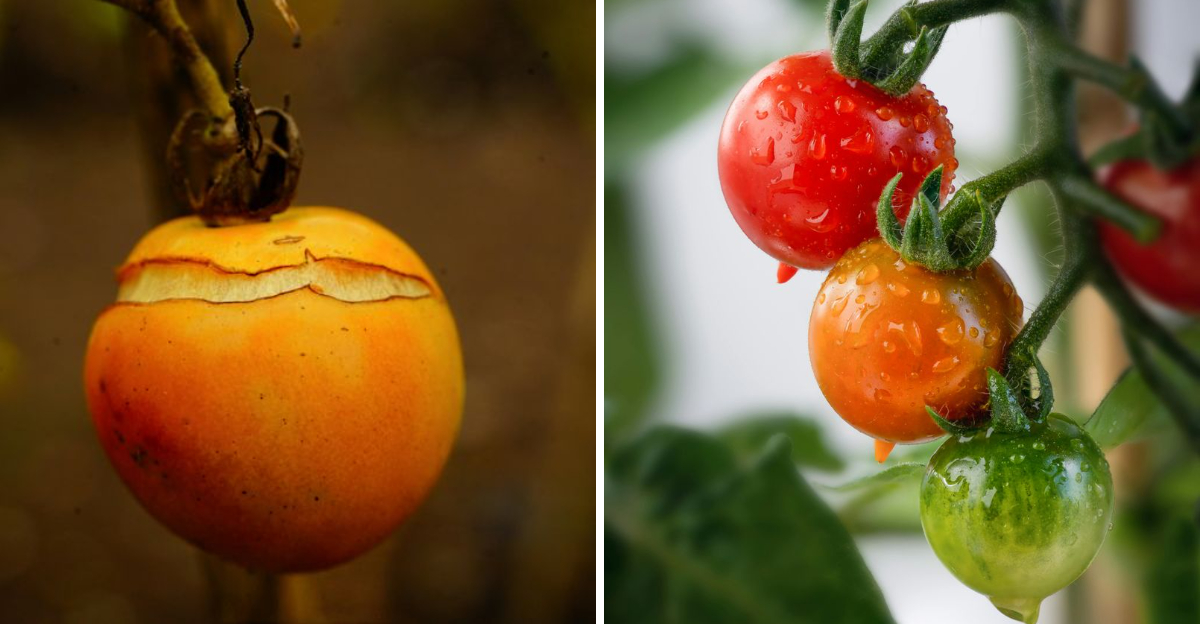
What if the rain you’ve been praying for all summer is the very thing destroying your tomatoes? Every year, Wisconsin gardeners walk out to their raised beds and find the same heartbreaking sight.
Beautiful, almost-ripe tomatoes split wide open overnight. All that waiting.
All that careful tending. Gone in a single rainy night.
Here’s the truth: tomato splitting is not random bad luck. It’s your plant doing exactly what it’s designed to do, just too fast.
Tomatoes absorb water quickly. Their skin can’t keep up.
Something has to give. The good news?
Once you understand what’s really happening, you can stop it before it starts. No special equipment needed.
No expensive fixes. Just a few smart habits that make all the difference between a cracked crop and a perfect harvest.
Wisconsin gardeners are closer to saving their tomatoes than they think.
1. Uneven Watering Splits Your Tomatoes Wide Open
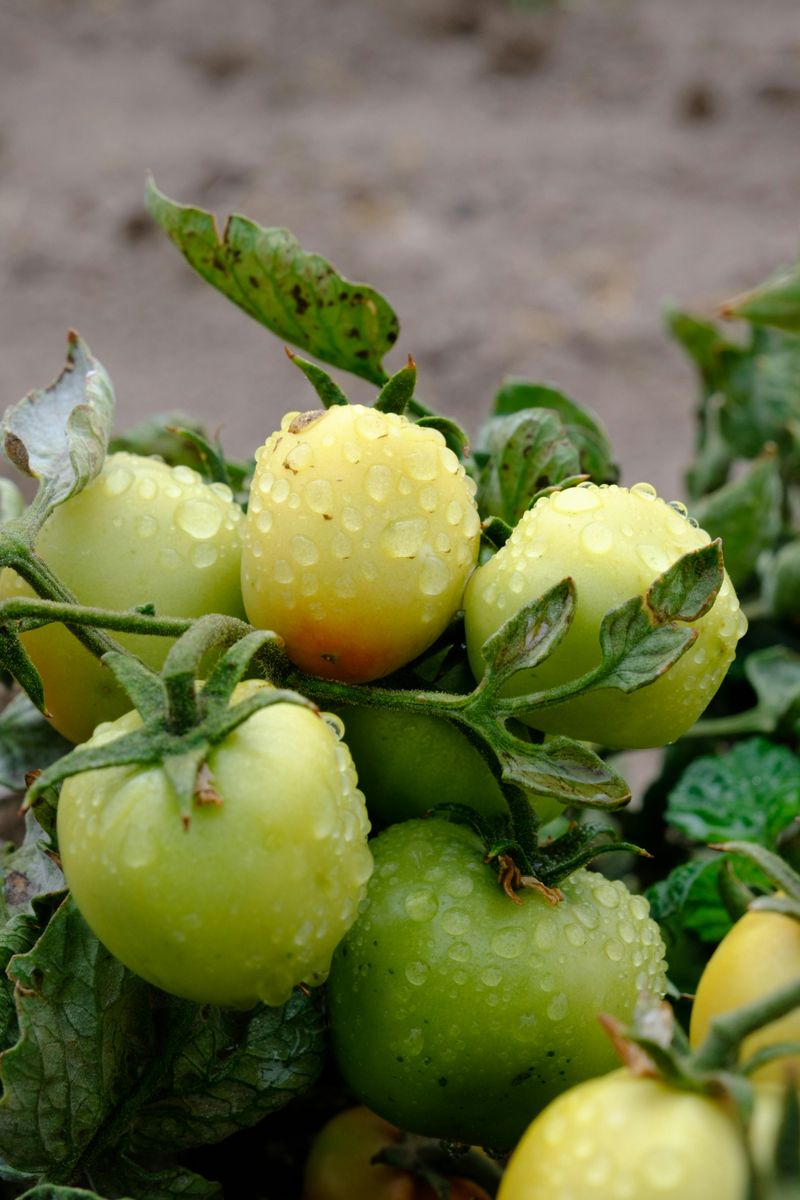
Watering your tomatoes on a random schedule is basically handing them a one-way ticket to split city.
Inconsistent watering is the single most common reason Wisconsin tomatoes crack, and most gardeners do not even realize they are doing it.
When a tomato plant goes through dry periods followed by sudden heavy drinks, the fruit cannot handle the shock.
Think of a tomato skin like a rubber band that has been sitting in the sun too long.
Stretch it slowly and it holds together fine.
Yank it fast and it snaps.
The fruit pulp inside swells rapidly when water suddenly floods in, but the outer skin has already tightened during the dry stretch.
Something has to give, and that something is always the skin.
Cracks appear along the top of the fruit or in circular rings around the stem end.
The fix is surprisingly straightforward: water deeply and on a consistent schedule.
Aim for about one to two inches of water per week, spread evenly across several days.
Using a drip irrigation system or a soaker hose makes this much easier to maintain, which is especially helpful during Wisconsin’s unpredictable summer weather.
Consistency is the whole game here.
2. Overwatering After Drought Stress
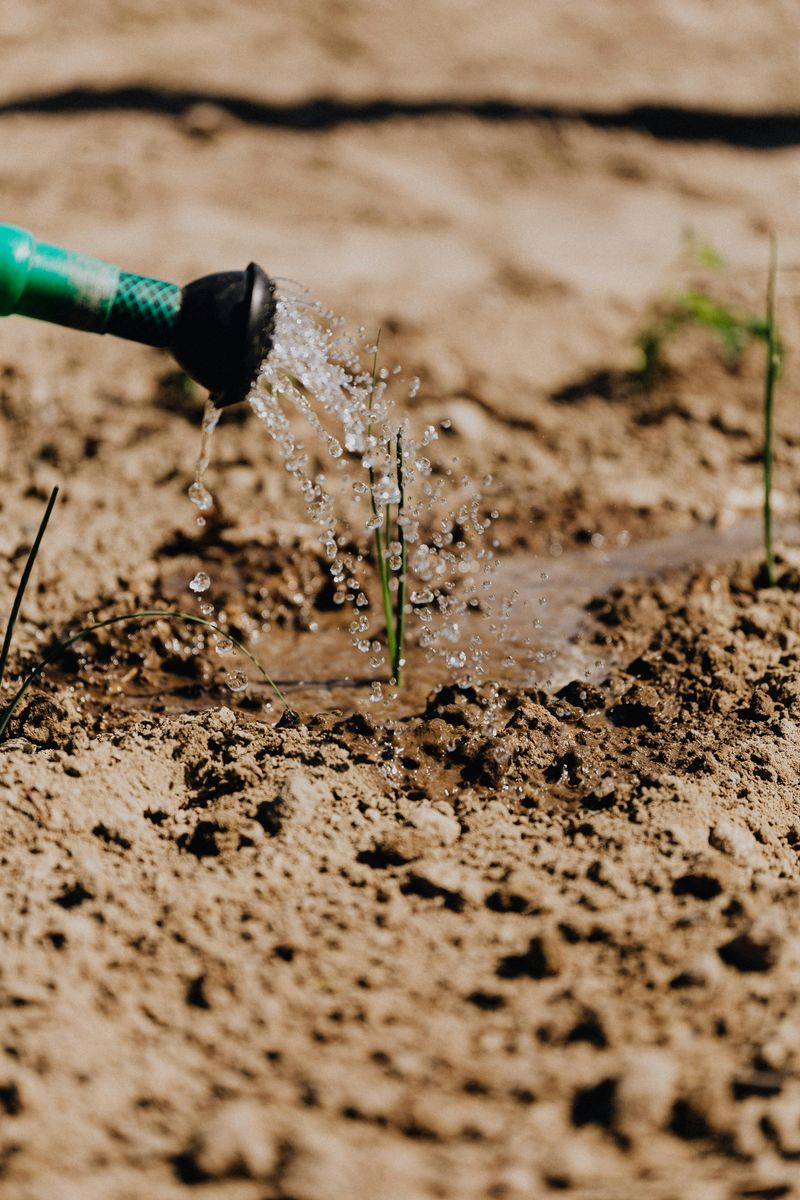
Reaching for the hose after watching your tomato plants wilt in a Wisconsin heat wave feels like the right thing to do.
But flooding drought-stressed tomatoes with a huge amount of water all at once is one of the most common mistakes home gardeners make.
The results show up fast and they are not pretty.
Drought stress causes the tomato skin to harden and lose some of its natural flexibility.
When a large surge of water finally arrives, the interior of the fruit expands rapidly.
The stiffened outer skin simply cannot keep up with that sudden growth, and splitting follows almost immediately.
A smarter approach after a drought period is to rehydrate your plants gradually.
Give them a moderate, steady drink over the course of a few days rather than dumping a full bucket of water on them in one shot.
Your Wisconsin Garden Changes Every Week. Your Plan Should Too.
Gardening in Wisconsin changes quickly throughout the season. Every Friday you’ll receive a simple weekly plan showing exactly what to plant, prune, fertilize, harvest, and protect so you never miss the right timing.
This gentler method lets the skin slowly regain its flexibility as the fruit rehydrates at a manageable pace.
Watching your plants closely during Wisconsin heat waves and responding early, before they reach the wilting stage, saves you a lot of trouble.
Keeping a consistent moisture baseline through mulch and scheduled watering prevents drought stress from building up in the first place.
Small, regular efforts beat emergency fixes every time.
3. Meeting Heavy Rain
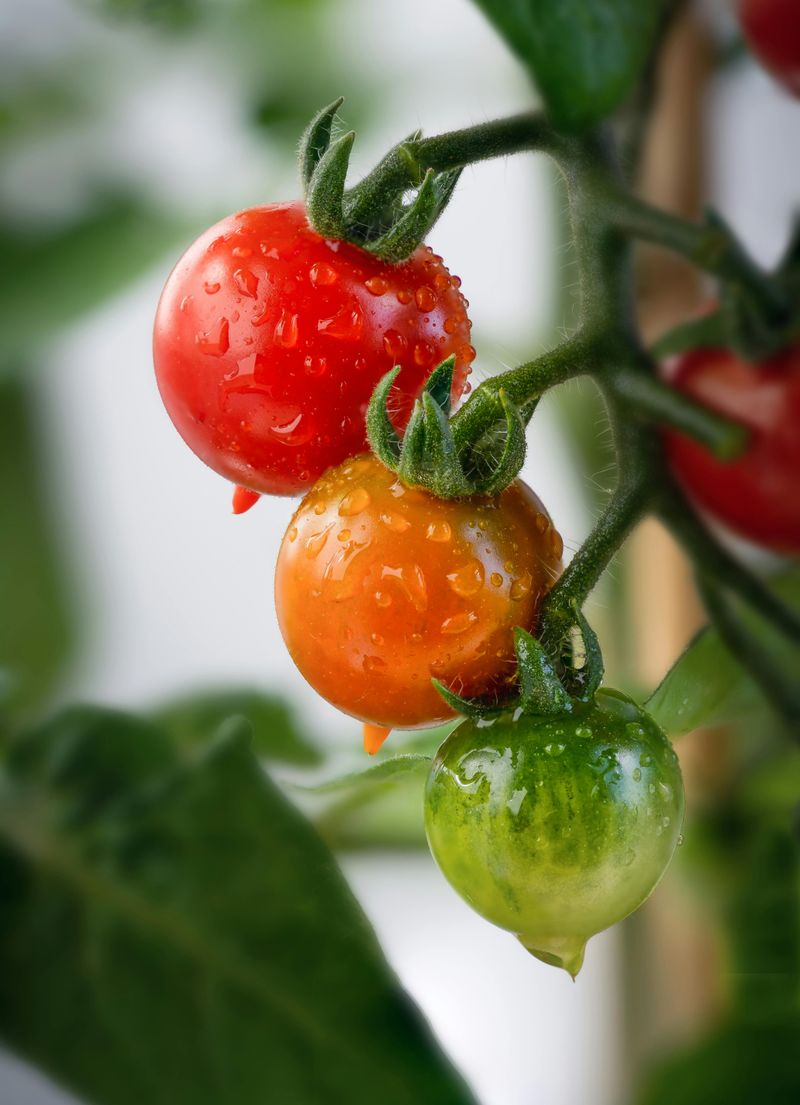
A single Wisconsin summer thunderstorm can undo weeks of careful gardening work in under an hour.
Sudden heavy rainfall after a dry spell is one of the fastest ways to trigger tomato splitting, and unfortunately, you cannot stop the rain.
What you can do is prepare your garden before the storm clouds roll in.
When the soil has been bone-dry for days or even weeks, the roots of your tomato plants are primed to absorb every drop they can find.
A downpour delivers a massive surge of water all at once.
The roots pull it in greedily, the plant sends it straight to the fruit, and the tomatoes swell faster than their skins can stretch.
Picking tomatoes that are close to ripe before a big Wisconsin storm is one of the smartest moves you can make.
A nearly ripe tomato will finish ripening perfectly on your kitchen counter.
That is far better than finding a split mess in your garden the morning after a storm.
Keeping your soil moisture levels stable through mulching and consistent irrigation before dry spells hit also reduces how dramatically your plants react to sudden rain.
A well-prepped garden handles weather surprises much better than a neglected one.
4. Going From Bone Dry To Soaking Wet
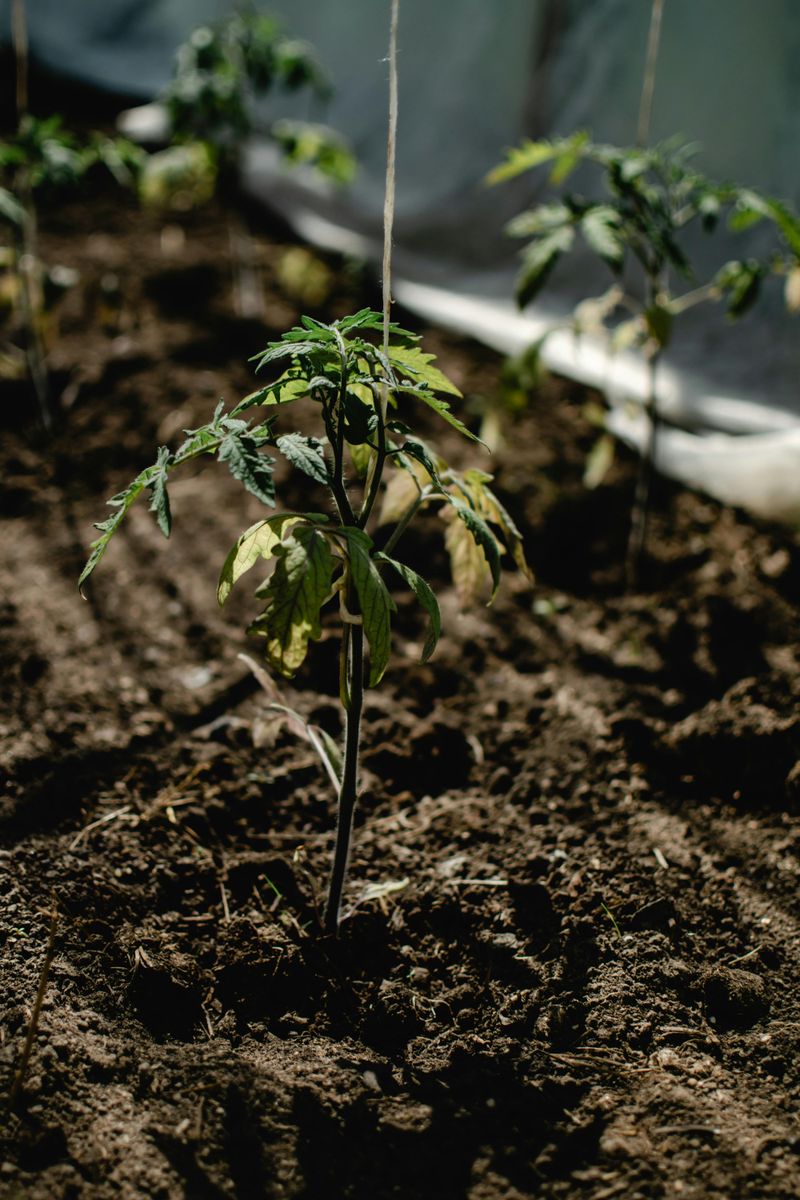
Your soil holds the key to whether your Wisconsin tomatoes thrive or split open before you can pick them.
Wild swings in soil moisture, going from soaking wet to bone dry and back again, put enormous stress on developing fruit.
Tomatoes are surprisingly sensitive to what is happening underground, even when the plants look fine on the surface.
Sandy soils drain fast and dry out quickly, while heavy clay soils can hold too much water after rain and then harden into a brick during a hot stretch.
Both extremes create the kind of moisture roller coaster that leads to cracked tomatoes.
Amending your soil with compost helps it hold a steadier level of moisture across changing weather conditions.
A simple soil moisture meter, available at any Wisconsin garden center, takes the guesswork out of watering decisions.
You do not need to be an expert to use one.
Just stick it in the soil near your plants and check the reading before you water.
Raised beds tend to have better drainage and are easier to manage than in-ground plots, which is part of why so many Wisconsin home gardeners swear by them.
Controlling what goes into your raised bed soil gives you real power over moisture consistency.
That control translates directly into fewer split tomatoes at harvest time.
5. Harvesting Too Late
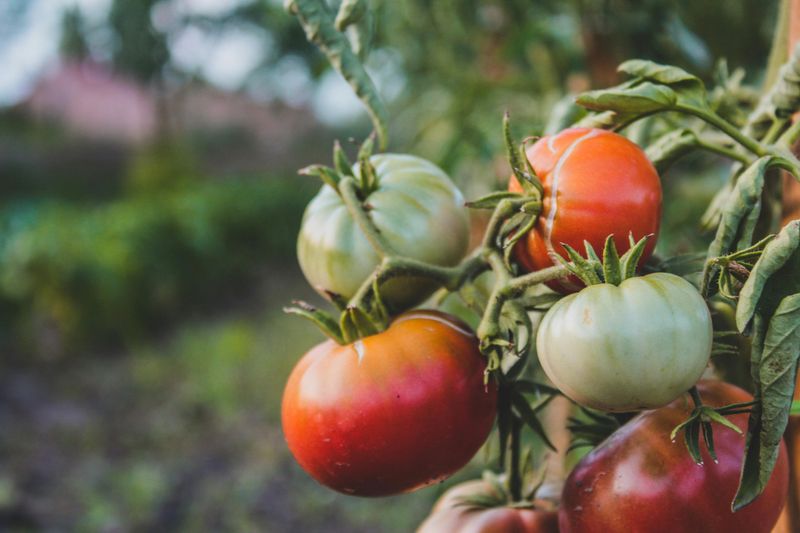
Leaving tomatoes on the vine past their peak is a habit that costs Wisconsin gardeners a lot of perfectly good fruit every season.
The longer a tomato hangs on the plant, the more vulnerable its skin becomes to splitting.
A tomato that is fully ripe has already maxed out its skin-stretching capacity, and any extra moisture from rain or irrigation pushes it right over the edge.
Here is something most people do not realize: tomatoes do not need to be fully red before you pick them.
Once a tomato has started to change color and has softened slightly at the blossom end, it will ripen beautifully indoors.
Picking at this stage, called the breaker stage, protects the fruit from weather-related splitting and actually extends its shelf life.
Check your plants every single day during peak Wisconsin season.
Ripe tomatoes can go from perfect to split overnight, especially after rain or a sudden temperature drop.
Developing a daily harvest habit is one of the most effective ways to protect your crop.
Store picked tomatoes at room temperature, away from direct sunlight, stem side down.
Refrigerating them damages the flavor and texture, so resist that urge.
Patience pays off here, and a countertop tomato ripened off the vine is still far better than a cracked one left in the Wisconsin garden.
6. Using Too Much Nitrogen Fertilizer
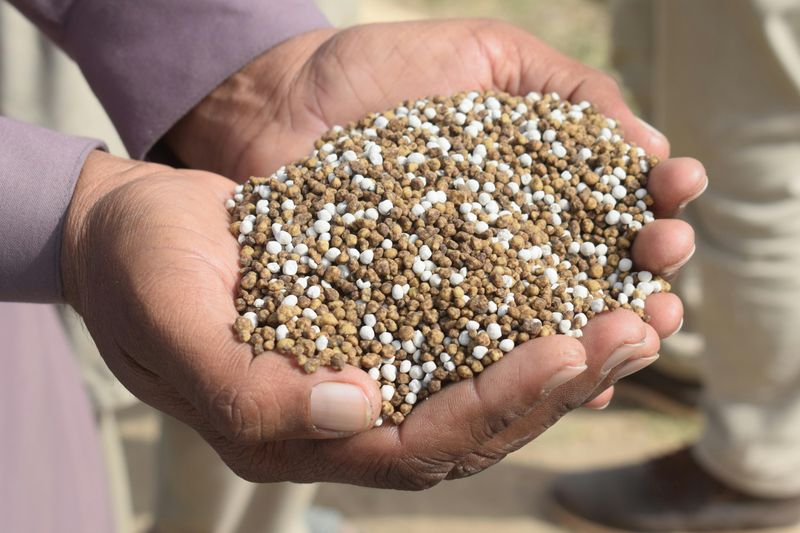
More fertilizer does not always mean more tomatoes, and nitrogen is the perfect example of why.
Pushing too much nitrogen into your Wisconsin tomato plants triggers explosive leafy growth, but the fruit development side of things gets left behind.
When the plant eventually does set fruit, it grows rapidly and unevenly, which sets the stage for splitting.
Nitrogen encourages fast cell division throughout the plant.
That speed is great for building stems and leaves, but tomato skin cells need time to develop strength and elasticity.
Rapid fruit growth fueled by excess nitrogen produces tomatoes with thin, underdeveloped skins that crack under even modest pressure from moisture.
A balanced fertilizer approach matters far more than simply throwing down the strongest product you can find.
Once your plants begin to flower and set fruit, switch to a fertilizer that is lower in nitrogen and higher in phosphorus and potassium.
This shift supports fruit development rather than pushing more leafy growth.
Getting a basic soil test done before planting season tells you exactly what your Wisconsin garden needs.
Over-fertilizing is often a bigger problem than under-fertilizing, especially with nitrogen.
Gardeners who test their soil first tend to have fewer problems with cracking, blossom drop, and poor fruit quality overall.
Knowing your soil is genuinely empowering.
7. Skipping Mulch Is One Of The Easiest Ways To Lose Tomatoes
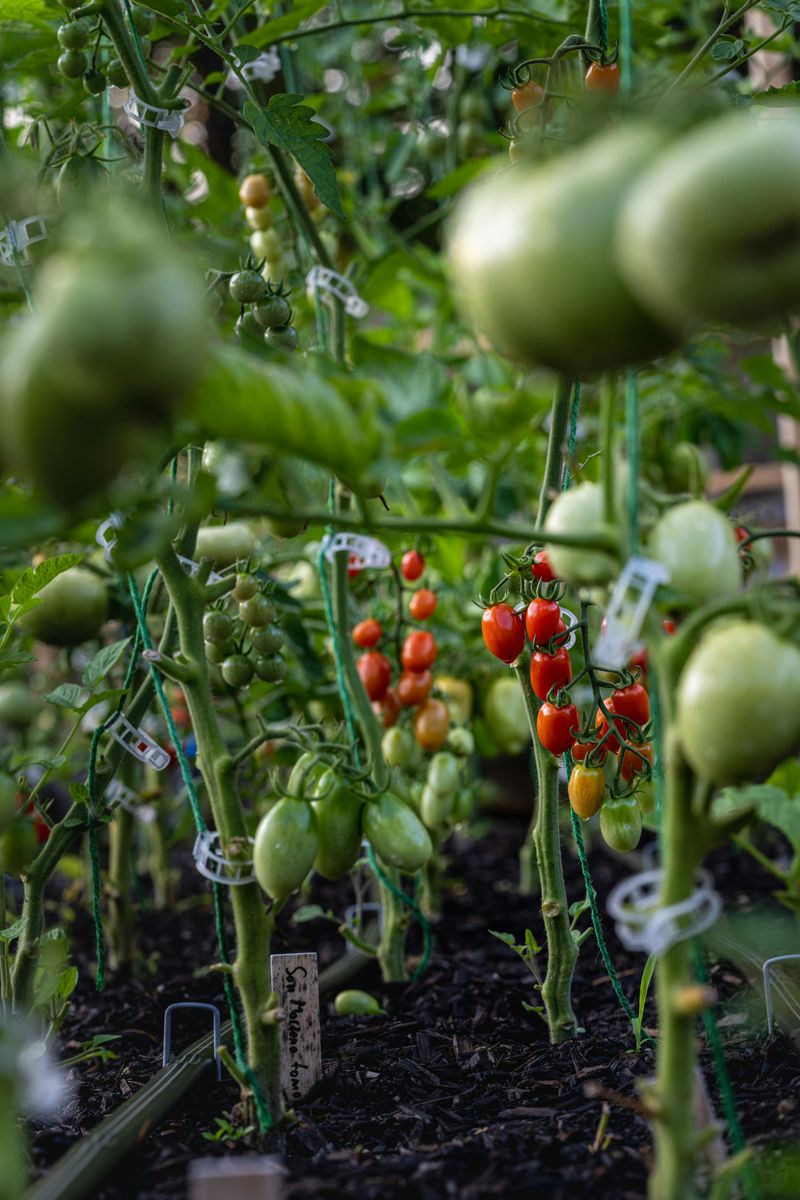
Bare soil around your Wisconsin tomato plants is doing you no favors.
Without a good layer of mulch, soil temperatures swing wildly between hot afternoons and cool nights, and moisture evaporates fast between waterings.
That constant cycle of wet and dry at the root zone is one of the main drivers of tomato splitting.
Mulch acts like a shock absorber for your soil.
A two-to-three-inch layer of straw, shredded leaves, or wood chips slows evaporation, keeps soil temperature more stable, and buffers the roots from sudden weather changes.
The result is a steadier moisture supply to the plant, which means steadier fruit development.
Applying mulch is one of the easiest and cheapest improvements you can make to a Wisconsin vegetable garden.
Spread it out around the base of your tomato plants, keeping it a few inches away from the main stem to prevent rot.
Refresh the layer mid-season if it starts to break down or thin out.
Straw mulch is especially popular among Wisconsin vegetable gardeners because it is affordable, widely available, and breaks down into the soil over time to improve its structure.
Wood chip mulch lasts longer and breaks down more slowly than straw.
Either option beats bare soil by a wide margin when it comes to protecting your tomatoes from splitting.
8. Absorbing Calcium Too Slowly
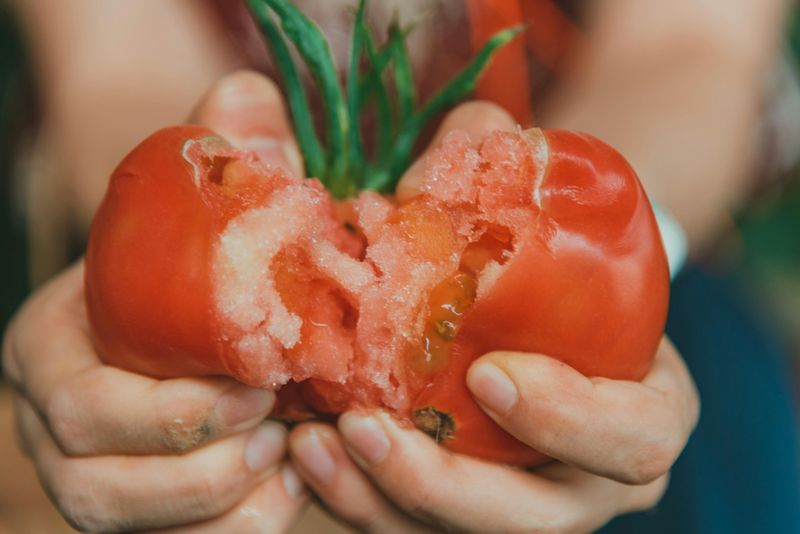
Calcium does not get nearly enough credit for the role it plays in keeping Wisconsin tomatoes intact.
This mineral is responsible for building strong cell walls throughout the fruit, and when calcium uptake is poor, those walls become fragile and prone to cracking.
The frustrating part is that calcium deficiency is not always about what is in your soil.
Even if your soil has plenty of calcium, your tomatoes may not be absorbing it properly.
Calcium moves through the plant slowly and needs a consistent water supply to travel from the roots to the developing fruit.
Inconsistent watering disrupts this process, which is one reason moisture management and calcium uptake are so closely connected.
Soil pH plays a huge role here too.
Calcium becomes less available to plants when soil is too acidic.
Testing your soil and adjusting pH to between 6.2 and 6.8 with lime if needed can make a significant difference in how well your Wisconsin tomatoes absorb this essential nutrient.
Foliar calcium sprays are generally considered a faster way to address a deficiency mid-season. The plant can absorb calcium directly through the leaves, which may help when deficiency symptoms appear.
Crushed eggshells worked into the soil at planting time may help add calcium over time. They tend to break down slowly, so they are likely more of a long-term amendment than a quick seasonal fix.
Avoid high-ammonium fertilizers, which compete with calcium absorption.
Small adjustments to your soil care routine can eliminate this hidden cause of splitting entirely.
9. Choosing Split-Prone Tomato Varieties
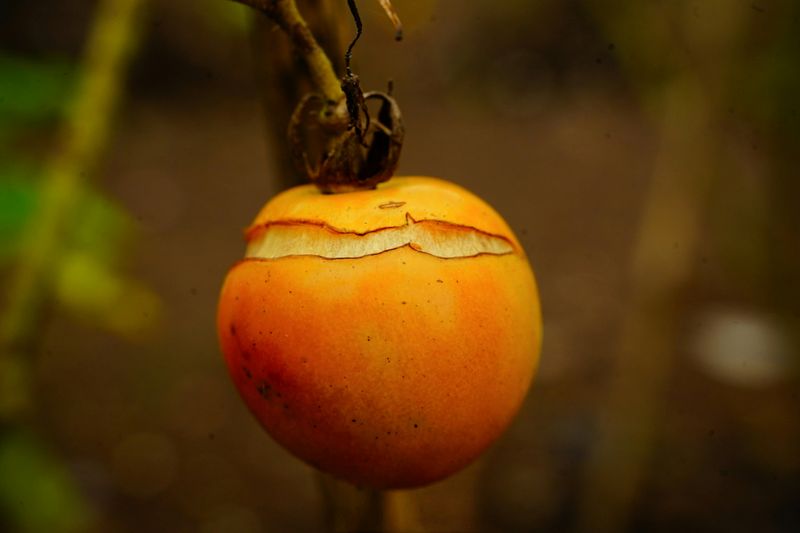
Image Credit: © Ruyat Supriazi / Pexels
Not all tomatoes are built the same, and some varieties are simply more prone to splitting than others.
Certain heirloom and beefsteak types are gorgeous on the outside but have skins that simply cannot handle the moisture swings that come with a typical Wisconsin summer.
Choosing the wrong variety before you even put a seed in the ground sets you up for frustration from day one.
Large-fruited varieties like Brandywine and many heirlooms have notoriously thin, delicate skins that crack easily.
That does not mean you should never grow them, but going in with realistic expectations helps.
If you do plant split-prone varieties, extra attention to consistent watering and timely harvesting becomes even more important.
Crack-resistant varieties have been specifically bred with tougher, more flexible skins that can handle moisture fluctuations far better.
Look for varieties labeled crack-resistant or with the letters CR in seed catalogs.
Juliet, Celebrity, and Mountain Fresh Plus are solid performers in Wisconsin home gardens across a wide range of climates.
Trying a mix of varieties in your garden is a smart strategy.
If one type struggles during a rainy Wisconsin stretch, another may come through just fine.
Talking to neighbors at local garden clubs or checking with a Wisconsin county extension office gives you real-world variety recommendations specific to your growing region.
Local knowledge beats any generic seed catalog advice.