The Georgia Tomato Mistakes That Lead To Fewer Flowers In May
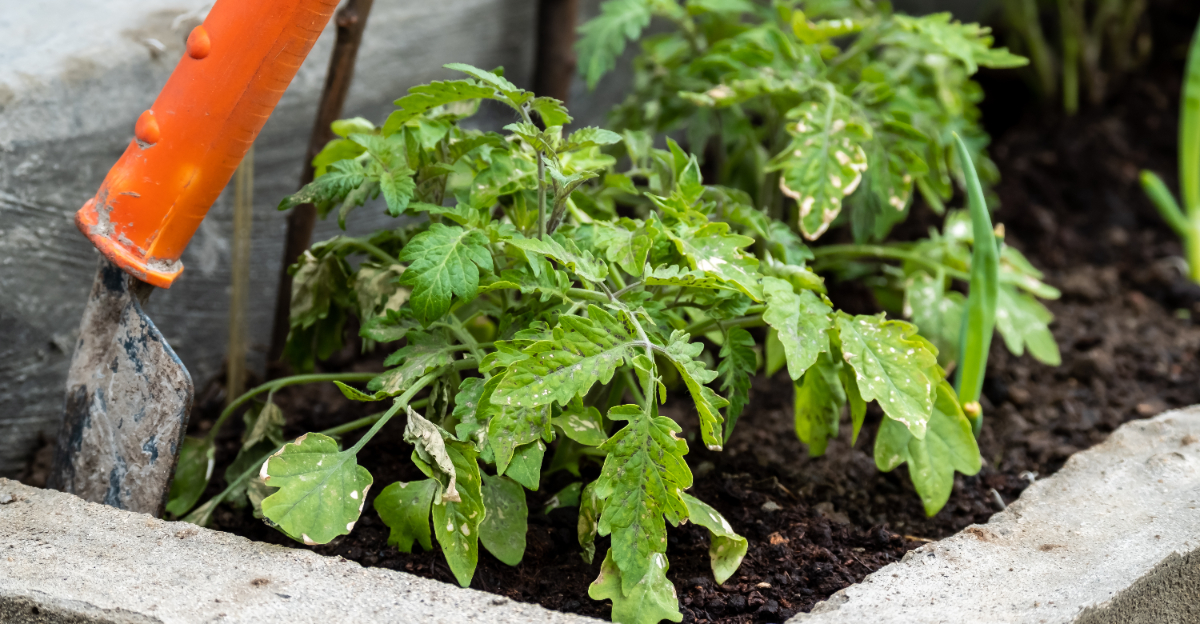
Tomato plants usually look strong and healthy in Georgia during May. Growth speeds up fast once warm weather settles in, and plants can suddenly double in size within a short stretch of time.
Everything appears on track at first, then flowering starts slowing down right when gardeners expect even more blooms to appear.
Too much fertilizer is one of the biggest reasons this happens. Tomatoes often respond by pushing out thick leafy growth instead of focusing energy on flowers.
Uneven watering, tight spacing, and rising nighttime temperatures can create similar problems once humidity starts building outside.
Early stress signs are easy to miss. Flower clusters may stay smaller, blossoms can begin dropping sooner, or plants may look lush without producing the number of blooms expected for this stage of the season.
Fixing those issues early often helps plants recover faster before summer heat puts even more pressure on flower production and fruit development later on.
1. Watering Too Deeply During Cooler Spring Weeks
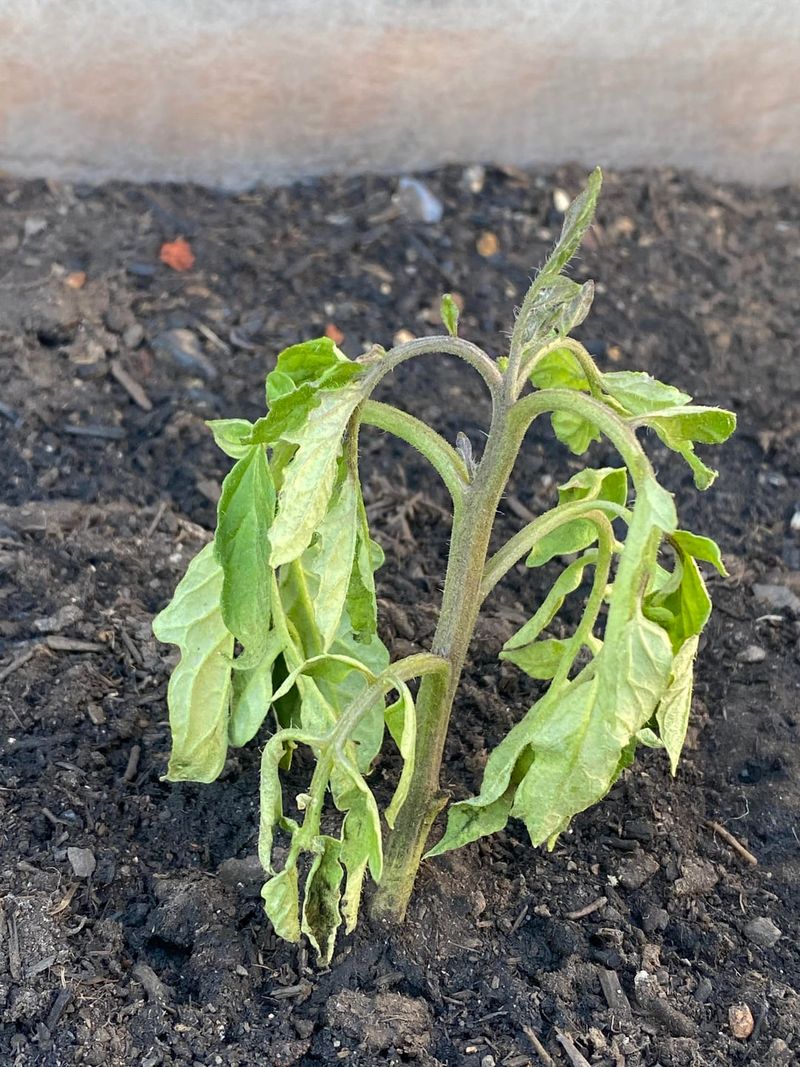
Soggy roots in cool soil are a recipe for slow, frustrated tomato plants that never quite get going. Early spring in Georgia can fool gardeners into thinking plants need the same amount of water they will need in July.
Cooler temperatures mean soil holds moisture much longer than most people expect. When roots stay wet for extended periods during spring, oxygen gets pushed out of the soil.
Without enough oxygen, roots struggle to absorb nutrients properly, and the plant starts directing energy toward survival instead of flower production. Fewer flowers in May often trace back to watering habits formed earlier in March and April.
A good rule is to check about two inches below the soil surface before watering. If the soil still feels damp, skip watering entirely that day.
Tomatoes in southern parts of the state may need water every three to four days during cooler spring stretches, while northern areas can often go even longer between watering sessions.
Sandy soil drains faster and may need slightly more frequent watering than heavier clay soil.
Understanding your soil type matters far more than following a strict watering schedule.
2. Adding Too Much Nitrogen Early In The Season
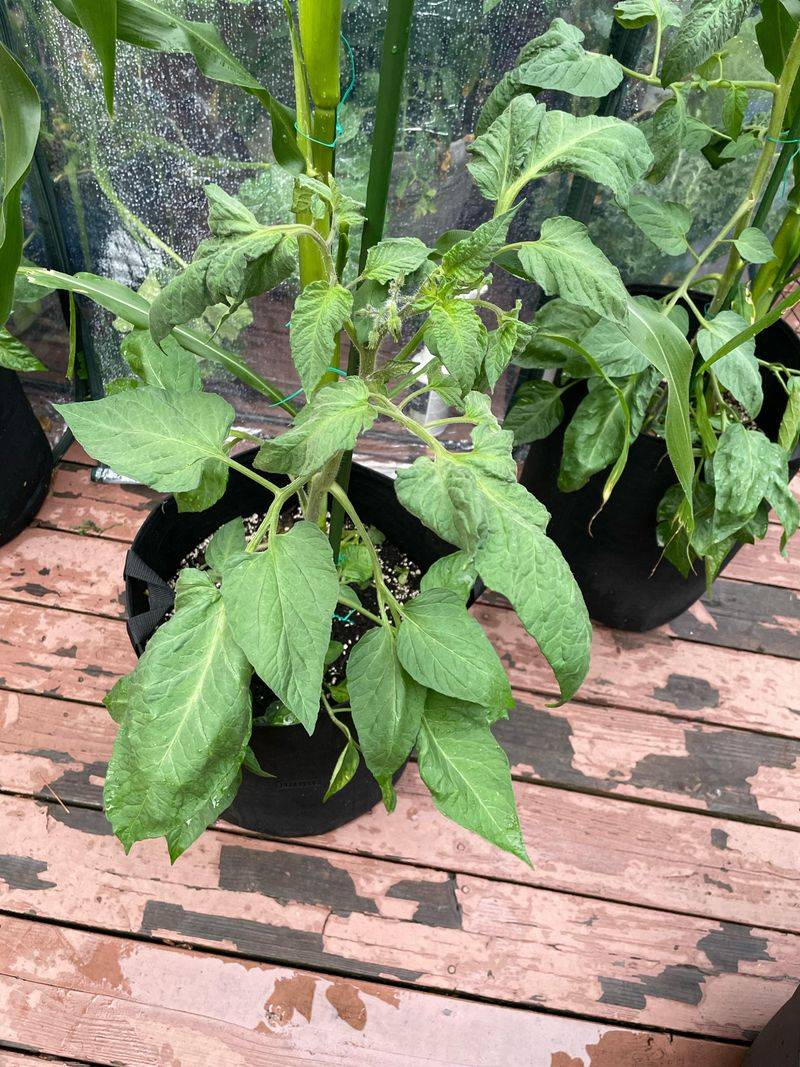
Nitrogen is not the enemy, but timing is everything when it comes to feeding tomatoes in Georgia.
Dumping a heavy nitrogen fertilizer into the bed right after transplanting is one of the most common mistakes gardeners make each spring.
Plants respond by growing fast, green, and bushy, which looks impressive until May arrives with very few flowers. Excess nitrogen pushes vegetative growth hard.
Stems thicken, leaves multiply, and the plant appears incredibly healthy on the surface. Underneath all that green growth, the plant is not getting the signal it needs to shift toward reproduction.
Flowering depends on that transition, and too much nitrogen keeps the plant focused on producing leaves and stems instead. Phosphorus is the nutrient that supports root development and flower production.
A starter fertilizer that is lower in nitrogen and higher in phosphorus gives transplants what they actually need during those first weeks. Look for products with a higher middle number in the N P K ratio when choosing an early season tomato fertilizer.
Your Georgia Garden Changes Every Week. Your Plan Should Too.
Gardening in Georgia changes quickly throughout the season. Every Friday you’ll receive a simple weekly plan showing exactly what to plant, prune, fertilize, harvest, and protect so you never miss the right timing.
After the first four to six weeks, a balanced fertilizer usually works well for maintaining steady growth without pushing excessive leaf production.
Georgia soil warms fairly quickly in spring, which speeds up nutrient uptake and can make tomato plants more sensitive to excess nitrogen.
3. Planting Tomatoes Too Close Together
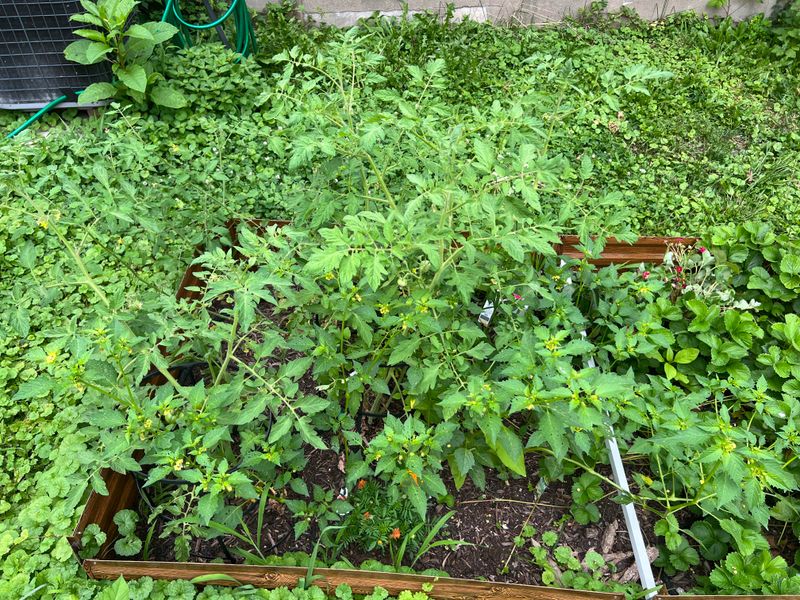
Crowded tomato plants compete for everything: light, water, nutrients, and airflow. When spacing gets too tight, plants start focusing more on reaching light than producing flowers.
It is a survival response, and it happens especially fast in Georgia where spring growth can become vigorous very quickly. Standard indeterminate varieties usually need at least 24 to 36 inches between plants.
Compact or determinate varieties can handle slightly less space, around 18 to 24 inches, but even they struggle when packed too closely together.
Many gardeners underestimate how large tomato plants become by late spring, especially with the warm and humid conditions common across much of the state.
Poor airflow between crowded plants also creates humid pockets that encourage fungal problems. Once fungal stress begins, plants start directing energy toward managing disease pressure instead of producing flowers.
Weak flowering in May can sometimes be traced back to spacing decisions made weeks earlier during planting season.
Pruning suckers on indeterminate tomatoes helps control spread in smaller spaces, but it does not completely replace proper spacing.
4. Letting Weeds Compete For Moisture And Nutrients
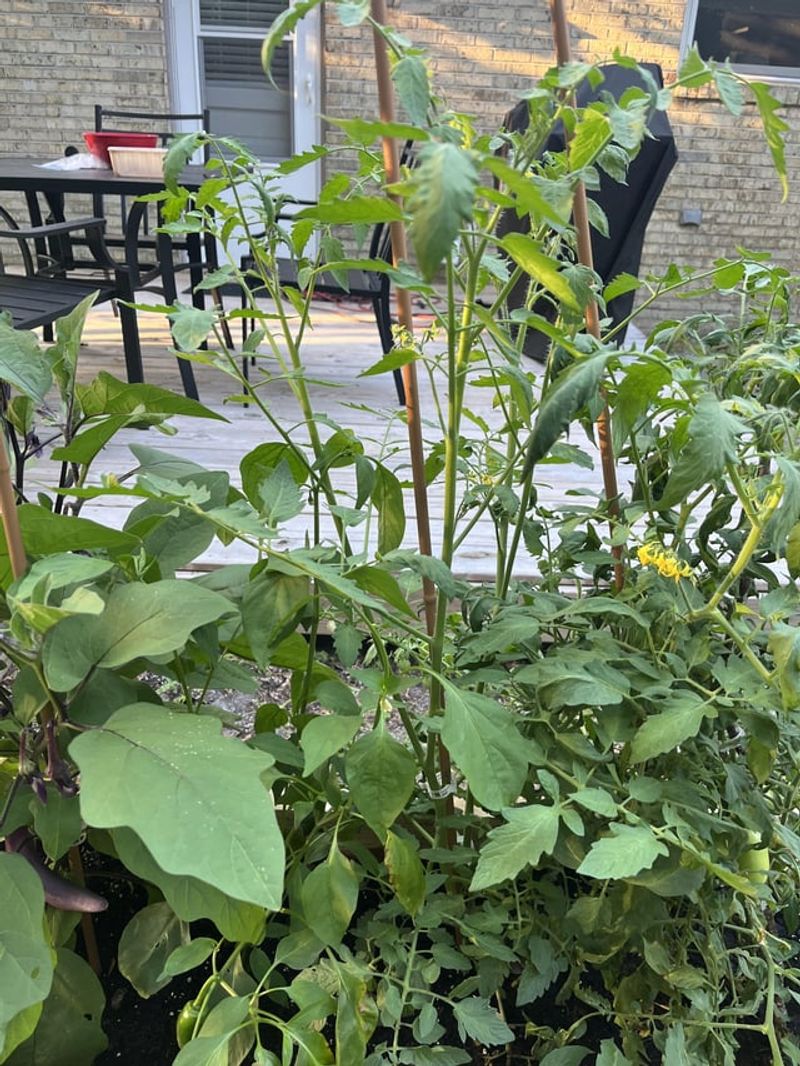
Weeds are quiet competitors, and many gardeners underestimate how much they take from tomato plants during spring.
A few weeds around the bed in April might not seem like a big issue at first, but by May those weeds have already been pulling moisture and nutrients from the same root zone tomatoes rely on for flower production.
Common weeds like crabgrass, nutsedge, and broadleaf varieties grow aggressively in Georgia’s warm spring soil.
Nutsedge especially becomes a persistent problem in southern and coastal areas because it spreads underground through tubers that are difficult to remove completely.
Every weed left growing acts like another plant competing for the same resources your tomatoes need. Consistent weeding every seven to ten days during spring helps prevent weeds from developing deep root systems.
Pulling weeds while they are still small takes far less effort than dealing with established growth later on.
A sharp hoe used lightly between plants can also disrupt young weed seedlings before they become a serious problem without damaging nearby tomato roots.
Combining regular weeding with a solid mulch layer is one of the most effective approaches experienced gardeners use. Mulch greatly reduces weed germination and helps soil moisture stay more stable between watering sessions.
Fewer weeds during April and early May allow tomatoes to receive the steady nutrients and moisture they need for stronger flower production once temperatures begin pushing the growing season forward.
5. Skipping Mulch Before Temperatures Start Rising
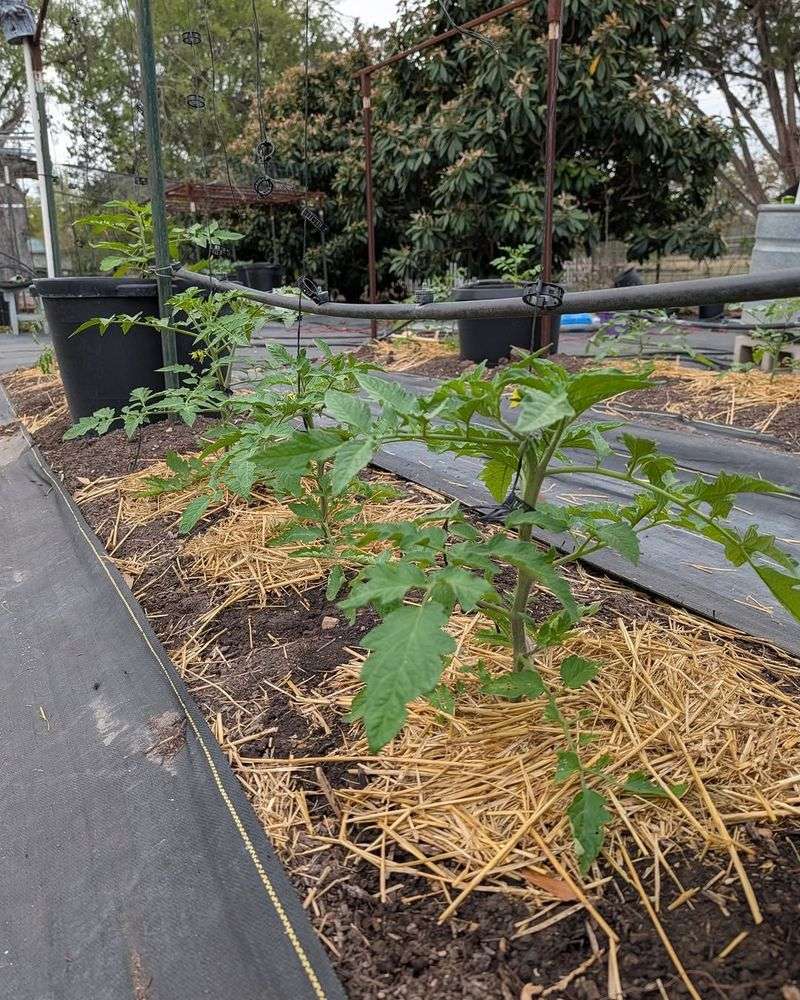
Bare soil around tomatoes in Georgia becomes a problem quickly once temperatures start climbing. Without mulch, soil heats up fast during warm April afternoons, placing stress on root systems before plants are fully established.
Root stress during spring can directly affect how well tomato plants support flower production later in May. Mulch helps in several ways at once.
It holds moisture, keeps soil temperatures more stable, reduces weed growth, and slowly improves soil as it breaks down over time.
Adding two to three inches of straw, pine straw, or shredded wood chips around each plant can make a noticeable difference in overall growth and flowering.
Pine straw is especially practical because it is affordable and easy to find across much of the state. Sudden swings in soil temperature stress tomato plants in ways that are not always obvious right away.
A plant struggling below ground during April may still look healthy on the surface while producing weaker flower clusters once May arrives.
Stable soil temperatures are one of the quieter factors that often separate productive tomato beds from disappointing ones.
Apply mulch after the soil has warmed slightly in early spring rather than immediately after transplanting into cold ground. Covering cold soil too early can slow root establishment.
6. Allowing Sudden Soil Moisture Swings In May
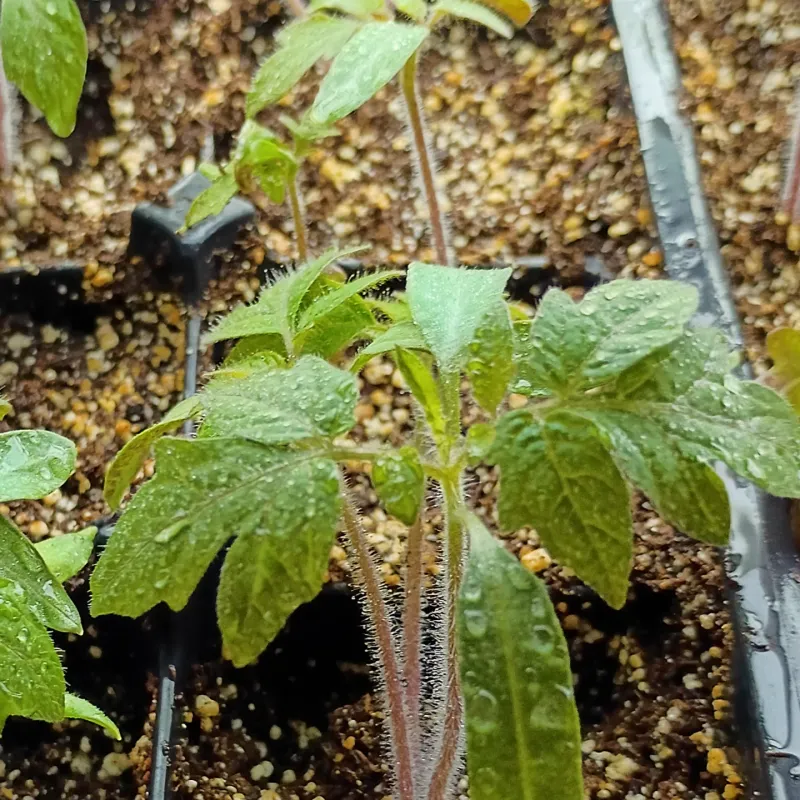
Tomato plants struggle when soil moisture constantly swings between too dry and too wet. In Georgia, unpredictable May weather often creates exactly those conditions, and that stress can quickly interrupt flowering.
When soil repeatedly shifts from dry to soaked, plants often respond with blossom drop or slower flower development. May can bring heavy afternoon thunderstorms followed by several hot and sunny days without rain.
Without a steady watering routine to balance those swings, moisture levels around the roots become inconsistent.
Tomatoes do not need perfect moisture, but they do respond badly to constant extremes between drought and oversaturated soil.
Drip irrigation is one of the most effective ways to keep moisture levels more stable in home gardens. Even a simple soaker hose placed beneath mulch can deliver slow and even watering directly to the root zone.
Overhead watering with a sprinkler or hose during May usually makes moisture control harder and increases the chance of foliar disease in humid conditions.
Checking soil moisture around the same time every morning helps build a more reliable watering routine.
Using a basic rain gauge also helps prevent unnecessary watering after storms, which can be just as stressful as letting plants dry out.
7. Leaving Tomato Plants In Heavy Afternoon Shade
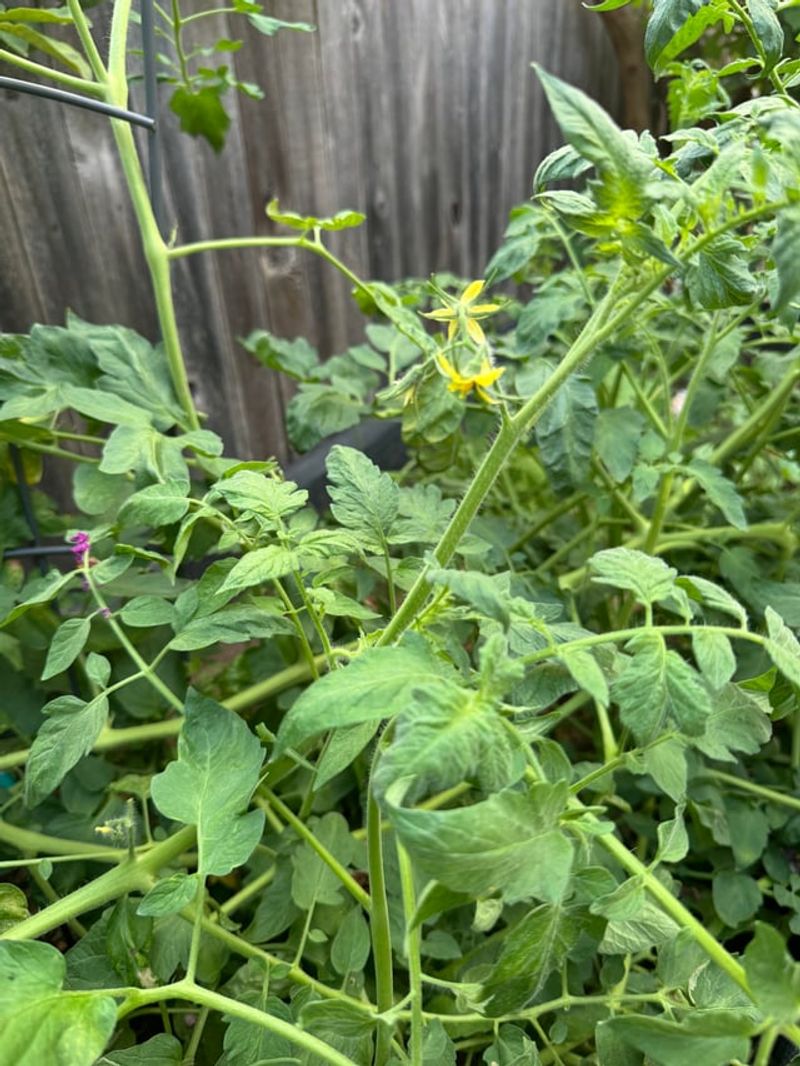
Sunlight drives tomato flowering, and plants sitting in heavy afternoon shade usually do not receive enough energy to produce strong blooms.
Tomatoes need at least six to eight hours of direct sun each day, and in Georgia, afternoon sunlight plays an especially important role in pushing plants toward flower production.
Shaded plants may continue growing taller, but they often focus more on reaching light than producing flowers. Many gardens start running into shade problems later in spring once nearby trees fully leaf out.
A planting area that looked sunny in February can become noticeably darker by late April after deciduous trees fill in.
Watching how sunlight moves across the yard from late March through early May helps reveal potential shade issues before flowering slows down.
Structures like fences, sheds, and neighboring buildings also cast longer shadows during spring because of the sun’s angle.
A tomato bed that receives excellent sunlight in midsummer might still be partially shaded during the important flowering period in May.
Planning with changing seasonal light patterns in mind makes a bigger difference than many gardeners realize. Moving containers into sunnier areas is fairly simple, but fixing shade problems in in ground beds usually requires planning ahead.
Choosing the brightest location available and avoiding the eastern or northern side of tall structures can improve flowering significantly.