The First Things Georgia Homeowners Should Check After Armadillo Damage Appears
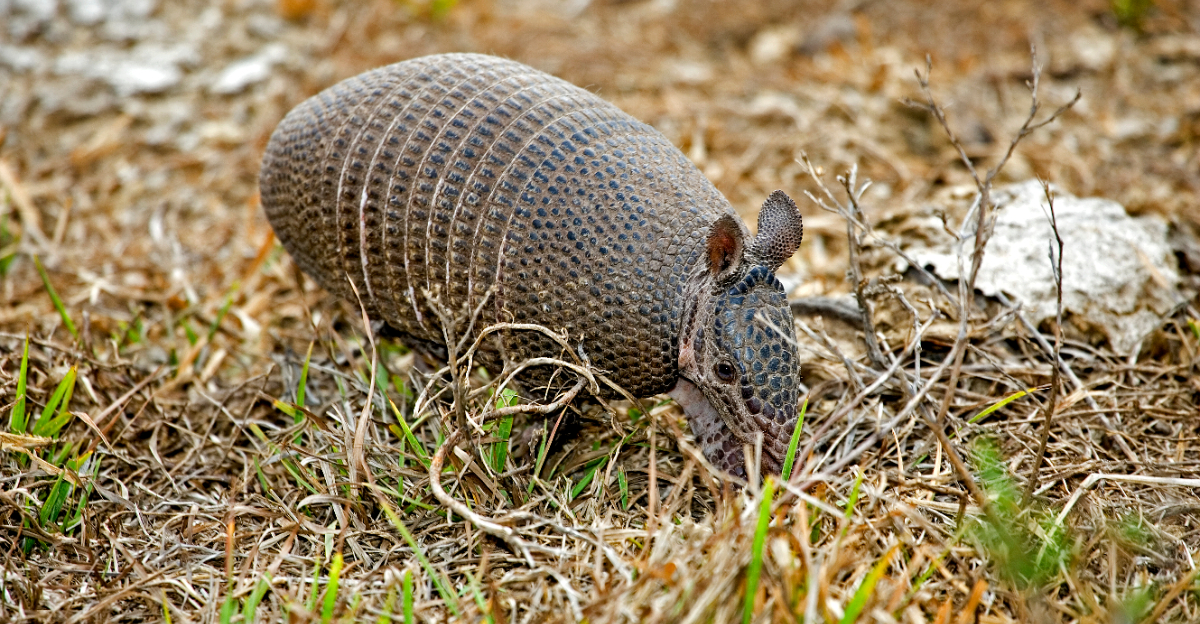
Fresh holes in the yard usually catch people off guard because armadillo damage often seems to appear overnight.
One evening the lawn looks completely normal, then suddenly shallow digging, torn mulch, or flipped soil starts showing up across the yard.
That surprises a lot of Georgia homeowners during late spring and summer when armadillos become more active around soft soil and garden beds.
Many people immediately focus on trapping or scaring the animal away, but the first steps are usually much simpler than that. Certain areas of the yard often attract repeated digging without homeowners realizing it.
Moist soil, mulch buildup, hidden insects, and easy access points can all encourage armadillos to stick around longer.
Checking the right things early can prevent much bigger problems later.
Small signs around the yard often reveal why the digging started in the first place, and spotting those clues quickly makes it much easier to stop new damage from spreading across the landscape.
1. Check For Fresh Holes Around Garden Beds
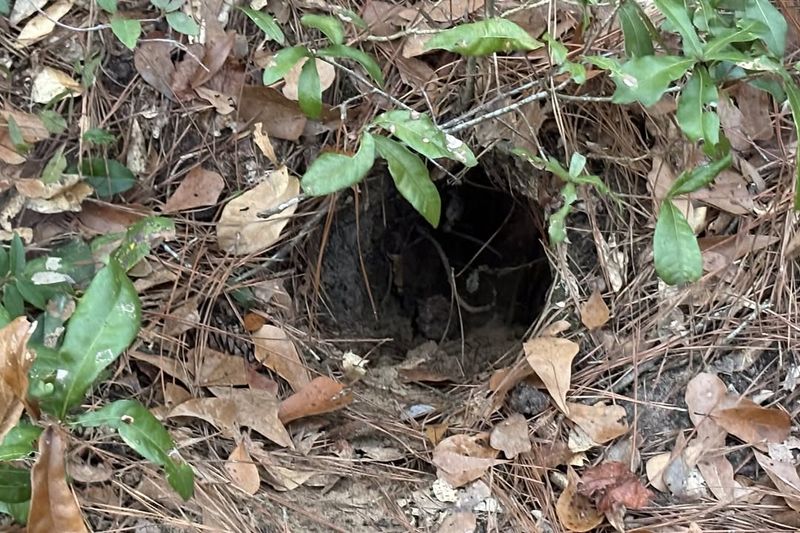
Fresh holes near garden beds are usually the first sign that an armadillo has been working your yard overnight. Armadillos dig fast and move in patterns, so you will often find several small holes clustered together rather than one large spot.
Each hole is typically three to five inches wide and shaped like a cone or small scoop.
Walk the perimeter of every garden bed in your yard first thing in the morning. Georgia homeowners often notice the damage before they spot any other signs, because garden beds have loose, easy-to-dig soil that armadillos prefer.
Fresh holes will have moist, disturbed dirt around the edges and may still smell earthy from overnight activity.
Pay close attention to the direction the holes face. Armadillos tend to dig along a path rather than randomly, which can help you figure out where they entered your yard.
Check both sides of any fencing or border edging, since armadillos squeeze under gaps more easily than most people expect.
Mark the holes you find with small flags or sticks so you can track whether new ones appear the following night.
2. Look For Signs Of Grubs Beneath Damaged Lawn Areas
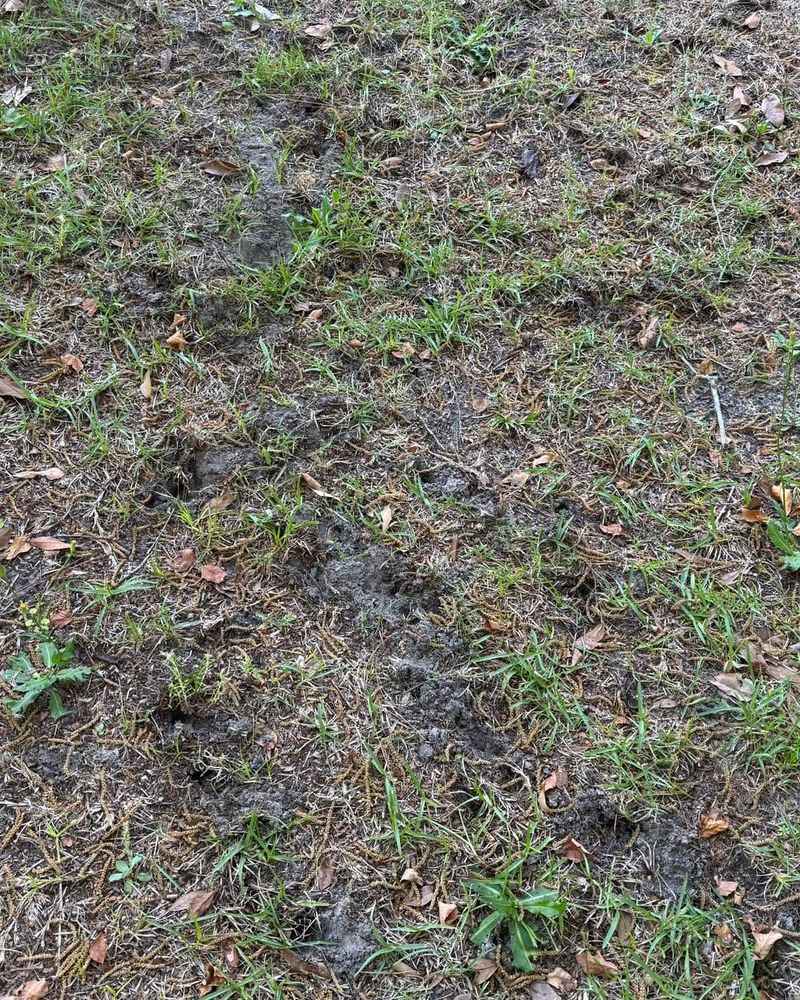
Grubs are the main reason armadillos tear up lawns across Georgia, so checking beneath damaged grass is one of the smartest moves you can make early on.
Pull back a section of loose or lifted turf near the damaged area and look just an inch or two below the surface.
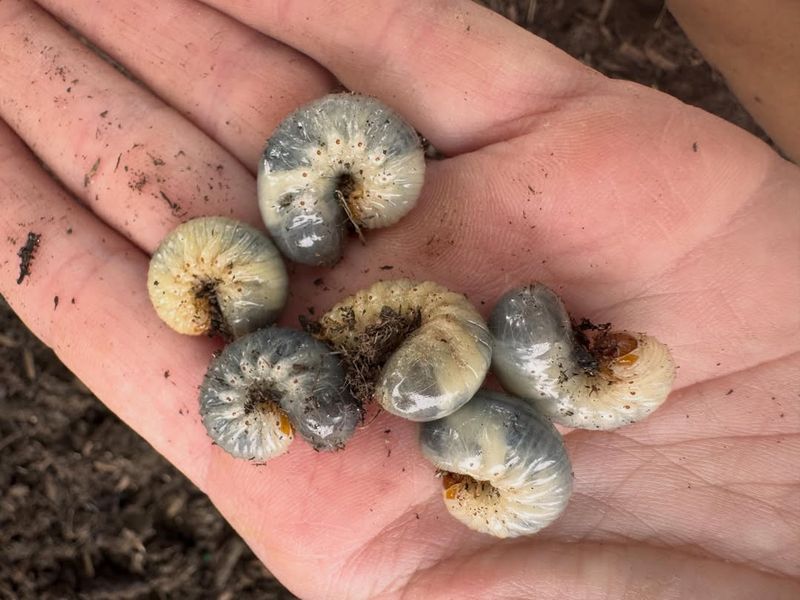
White, C-shaped grub larvae are easy to spot once you know what to look for.
A single square foot of heavily infested soil can hold dozens of grubs, which is more than enough to keep an armadillo coming back night after night.
Georgia lawns are especially prone to grub activity during late summer and early fall, which lines up with peak armadillo foraging season in the region.
Finding grubs confirms that the armadillo is not just passing through.
Use a small hand trowel or even a sturdy stick to check several spots across the damaged area, not just one location. Grub populations can be uneven, so checking multiple patches gives you a better picture of how widespread the food source actually is.
Your Georgia Garden Changes Every Week. Your Plan Should Too.
Gardening in Georgia changes quickly throughout the season. Every Friday you’ll receive a simple weekly plan showing exactly what to plant, prune, fertilize, harvest, and protect so you never miss the right timing.
If grubs show up in more than a few spots, the armadillo will likely return until the supply runs out.
Knowing the grub situation helps you decide whether lawn treatment makes sense as part of your response plan.
3. Inspect Mulch And Compost For Overnight Digging
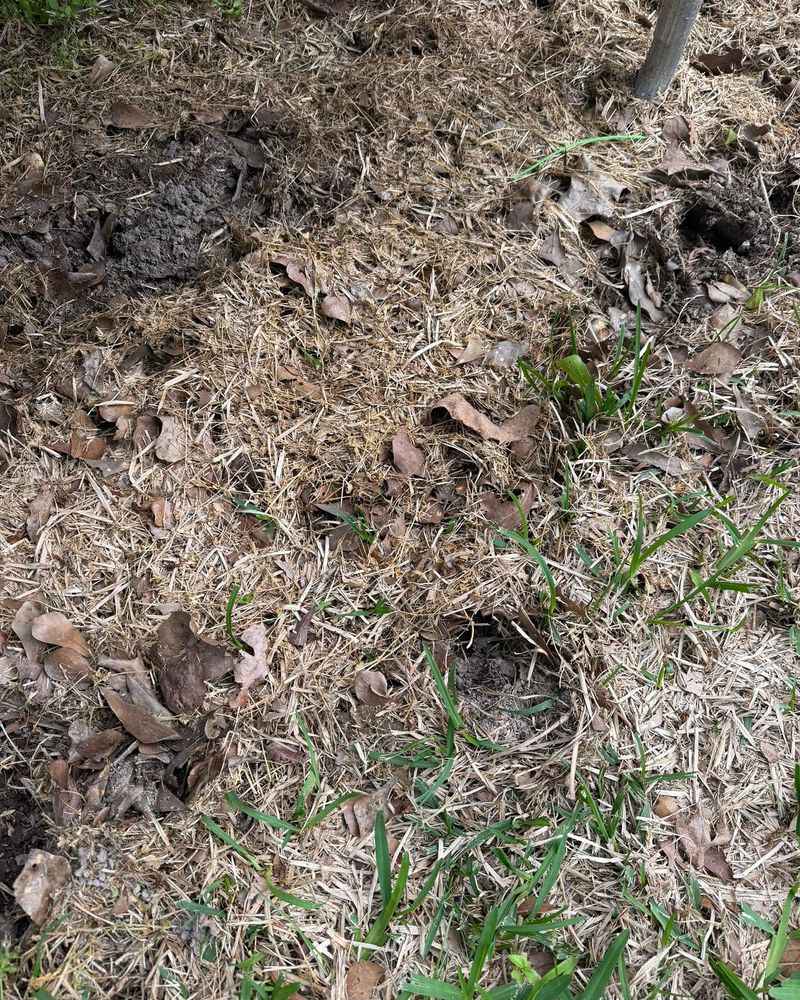
Mulch piles and compost bins are irresistible to armadillos because they stay warm, hold moisture, and often attract insects and worms.
An overnight visit can scatter mulch several feet in every direction, leaving garden beds exposed and compost bins tipped or burrowed into.
Checking these areas early helps you catch a pattern before the damage spreads further.
Look for scattered mulch with a rough, scooped appearance rather than wind-blown displacement. Armadillo digging in mulch tends to be deeper and more concentrated than surface-level disturbance from rain or foot traffic.
You may also notice small cone-shaped depressions in the mulch similar to what shows up in open soil around Georgia yards.
Compost bins deserve a close look too, especially if they sit directly on the ground. Armadillos can push under a loose bin edge or dig beneath an open-bottom composter overnight.
Check the soil directly beneath and around the base of any compost structure, not just the surface layer of mulch nearby.
If you find evidence of digging in both mulch and compost on the same night, that tells you the armadillo spent significant time in your yard and found multiple food sources worth revisiting.
4. Watch For Damage Near Decks And Foundations
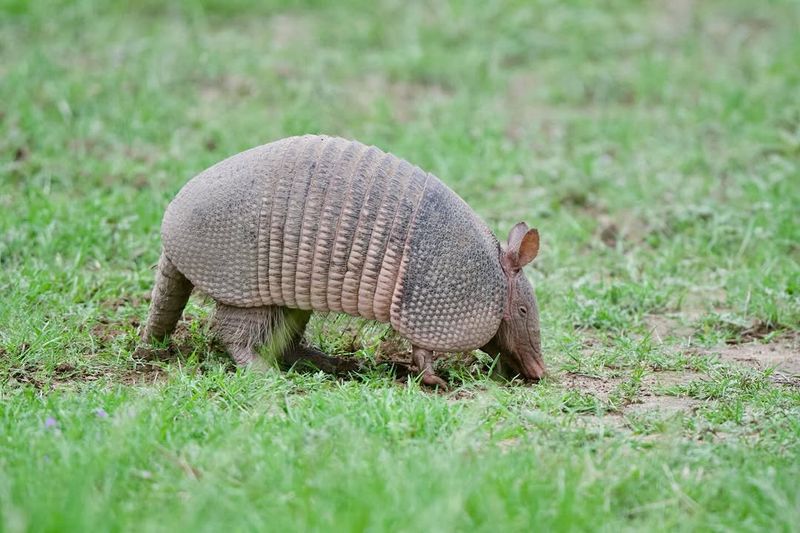
Damage near a deck or home foundation is a serious concern that goes beyond cosmetic yard issues. Armadillos sometimes burrow along the edges of structures where the soil stays shaded and slightly cooler, especially during Georgia summers.
Even shallow digging in these spots can loosen soil that supports landscaping, pathways, or structural elements over time.
Check the ground along every side of your deck and the perimeter of your home foundation after spotting armadillo activity elsewhere in the yard. Look for loose soil, small entry-point holes, or disturbed landscape fabric near the base of structures.
Armadillos rarely create full burrows under homes in Georgia the way they might in more rural areas, but they will dig repeatedly along the same edge if insects are present.
Gaps between the ground and the bottom of a deck are worth measuring.
An armadillo needs only about four inches of clearance to squeeze underneath, and once they find a shaded, protected space, they tend to return.
Decks in Georgia that sit close to the ground are particularly worth inspecting after any yard damage appears.
5. Reduce Easy Food Sources Around The Yard
Cutting off the food supply is one of the most direct ways to make your Georgia yard less interesting to armadillos. Grubs, earthworms, beetles, and other soil insects are what keep these animals coming back, so reducing those populations changes the equation.
A yard with little to eat is a yard an armadillo will pass through rather than return to.
Start by checking whether your lawn has a grub problem worth treating.
Beneficial nematodes are a natural option that can reduce grub populations without harsh chemicals, and they work reasonably well in Georgia soil conditions during warm months.
Grub control products are also available at most garden centers, but timing matters since applications work best when grubs are young and close to the surface.
Bird feeders and pet food left outdoors can also attract insects and other small creatures that armadillos follow. Bring in pet bowls at night and clean up any spilled seed beneath feeders regularly.
These small habits reduce the overall insect activity in your yard without requiring any major changes to your routine.
Fallen fruit from trees is another underrated food source. Rotting fruit draws fruit flies, beetles, and other insects that armadillos detect easily with their strong sense of smell.
6. Water Lawns Earlier To Avoid Damp Soil Overnight
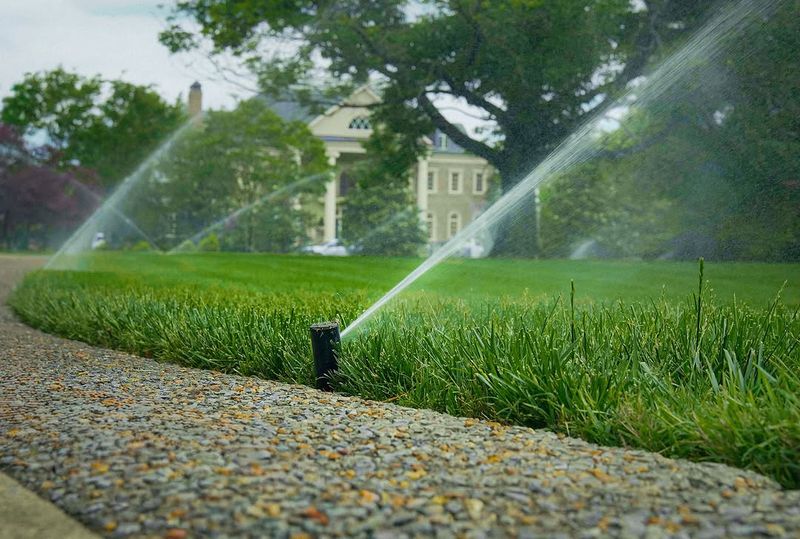
Watering habits have a bigger impact on armadillo activity than most homeowners realize. Damp soil overnight is easier to dig through and brings earthworms and insects closer to the surface, essentially setting the table for a foraging armadillo.
Shifting your irrigation schedule to earlier in the day can make a real difference without any extra cost.
Run sprinklers in the early morning rather than the evening whenever possible. Watering between 5 and 9 a.m. gives your lawn time to absorb moisture and partially dry out before nightfall.
Soil that has had several hours to settle and firm up is noticeably harder to dig through compared to freshly watered ground, and armadillos tend to prefer the path of least resistance.
Summer heat makes early watering especially practical because morning moisture evaporates quickly once temperatures rise. Evening watering not only attracts armadillos but can also encourage fungal growth in warm, humid conditions.
Adjusting the schedule addresses two separate yard problems at once.
7. Use Barriers Around Areas Getting Repeated Damage
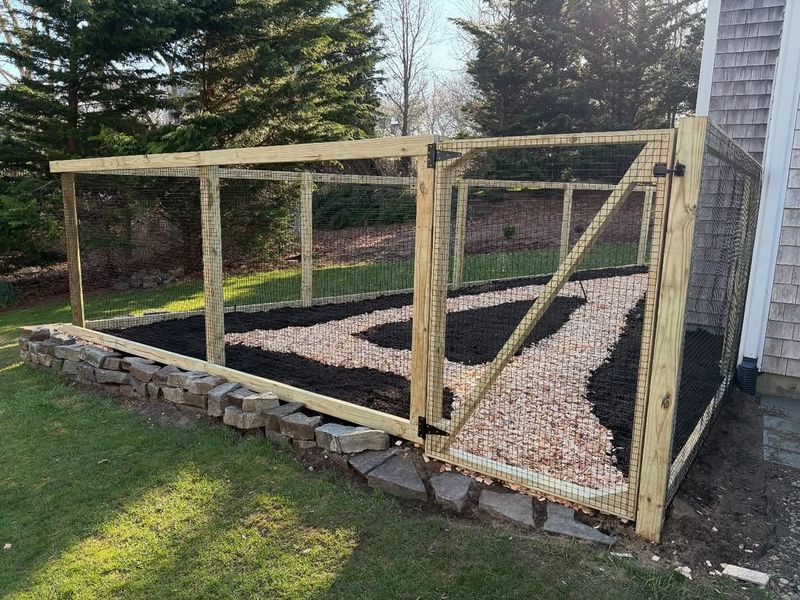
When an armadillo keeps returning to the same spot, a physical barrier is often the most reliable short-term fix available to Georgia homeowners.
Repeated damage in one area usually means a consistent food source is present, and waiting for that to change naturally can take weeks.
Blocking access directly addresses the problem while you work on longer-term solutions.
Hardware cloth with a half-inch mesh works well around raised garden beds and flower borders. Bury the bottom edge at least six inches deep since armadillos will probe along a barrier looking for a gap or a soft spot to push through.
Bending the buried edge outward at a 90-degree angle underground adds an extra layer of resistance against digging under the fence line.
Fencing along deck edges or foundation perimeters can also be effective, especially when combined with filling in any existing holes with compacted soil or gravel. Loose, unfilled holes invite armadillos to return and continue digging in the same spot.
Packing those holes firmly removes the easy starting point they rely on.