The Plants That Keep Eastern Bluebirds Returning To Georgia Yards
Bluebirds do not stay in just any yard. They keep returning to places that feel safe, open, and full of food during the warmer months.
That is why some yards suddenly become regular bluebird spots while nearby areas barely see them at all.
Plants play a much bigger role than many people expect. Certain shrubs, trees, and flowers help create the exact conditions bluebirds look for when searching for insects, resting between flights, or feeding young birds.
A yard filled with the right plants can quietly turn into a place they remember season after season.
Open lawn areas also matter because bluebirds like spotting insects from fences, branches, and low perches before swooping down to feed. Thick crowded growth can make that harder.
Simple planting choices often change how comfortable bluebirds feel almost immediately.
Once bluebirds begin visiting regularly, many homeowners start noticing morning activity around the same parts of the yard every single day across Georgia.
1. Eastern Red Cedar Gives Bluebirds Shelter And Berries
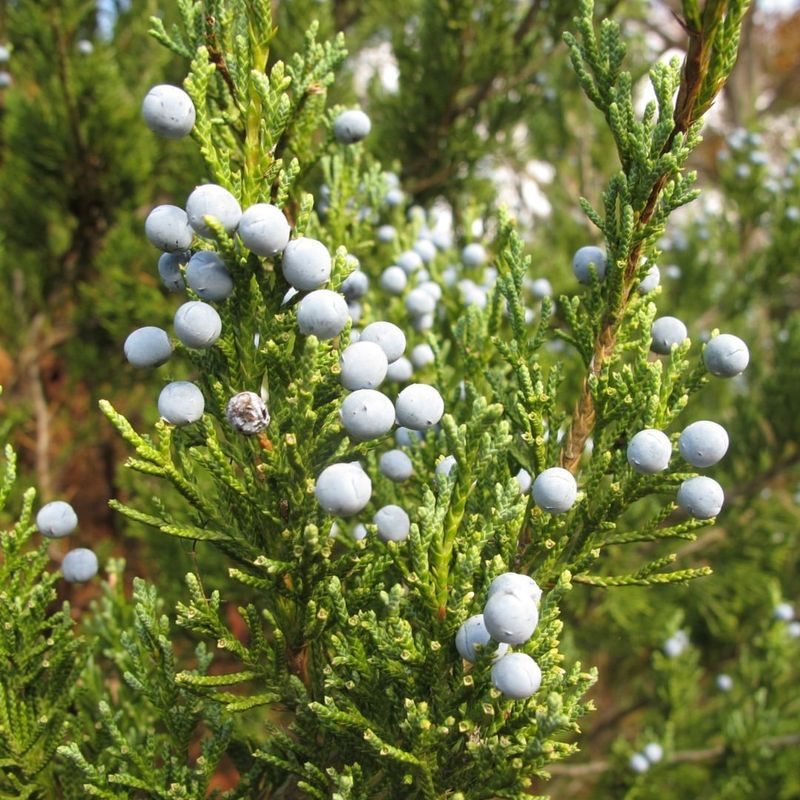
Few trees in Georgia pull double duty quite like the Eastern Red Cedar. Bluebirds use it year-round, not just for its berries but for the dense evergreen cover it provides when other plants have gone bare.
On cold January mornings, you’ll often spot bluebirds tucked into the thick branches waiting out a frost.
The small, waxy, blue-gray berries ripen in fall and cling to the branches well into winter. That timing matters a lot because bluebirds need reliable food sources when insects aren’t available.
Eastern Red Cedar fills that gap without any extra effort on your part once it’s established.
It grows well in full sun and tolerates the dry, red clay soils common across much of the region. Young trees can look a little scraggly at first, but give them three to five years and they fill out into a solid, wildlife-friendly tree.
Planting one near an open area of lawn gives bluebirds the combination of foraging space and safe retreat they naturally look for.
If you have room for more than one, a small cluster creates even better habitat. Cedar waxwings and hermit thrushes will also show up, making it a genuine hub of winter bird activity in the yard.
Eastern Red Cedar also handles drought and poor soil far better than many ornamental evergreens once it becomes established.
2. American Beautyberry Keeps Berries In The Yard Longer
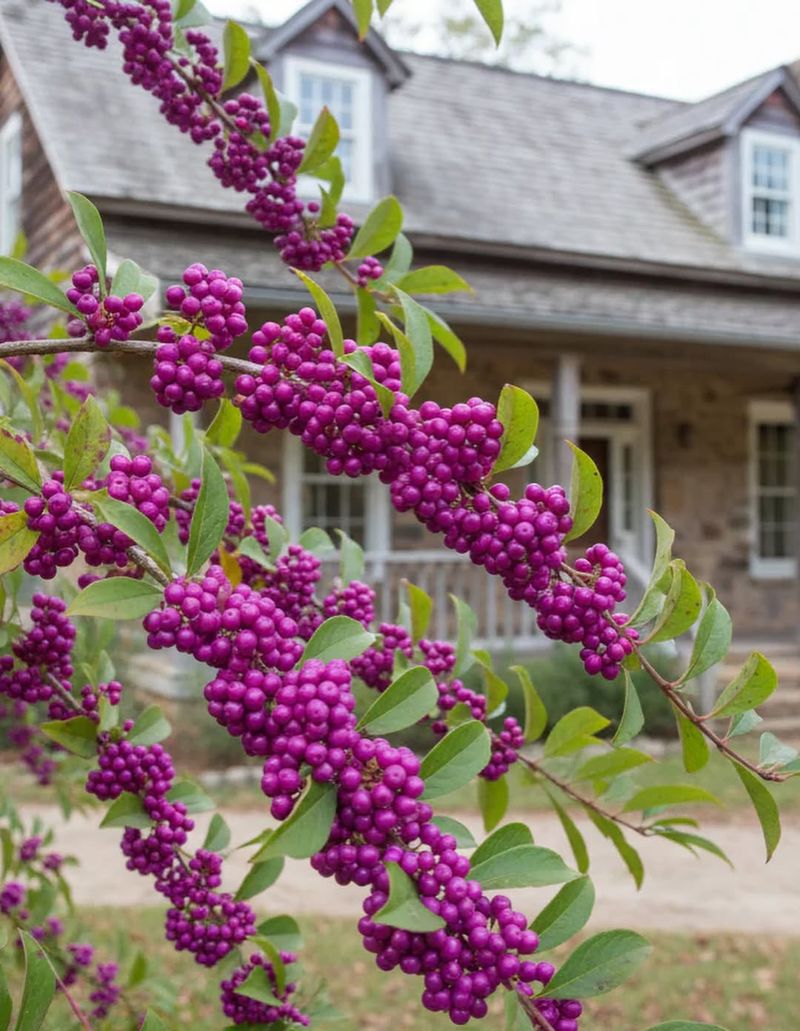
Shocking magenta berry clusters on bare branches stop people in their tracks every fall.
American Beautyberry is native to the southeastern United States, and bluebirds have been eating its fruit long before anyone thought to plant it in a garden bed.
What makes it especially valuable is how long the berries persist, often staying on the shrub well past the first cold snaps of November.
Bluebirds aren’t always the first birds to hit the beautyberry, but they absolutely come back for it once other food sources run low.
Mockingbirds and brown thrashers tend to grab the fruit early, so planting several shrubs gives everyone a share.
Your Georgia Garden Changes Every Week. Your Plan Should Too.
Gardening in Georgia changes quickly throughout the season. Every Friday you’ll receive a simple weekly plan showing exactly what to plant, prune, fertilize, harvest, and protect so you never miss the right timing.
One shrub can produce an impressive amount of berries with very little care.
American Beautyberry prefers partial shade and moist, well-drained soil, which means it fits nicely under the edge of a tree canopy or along a fence line. It grows fast, sometimes reaching six feet in a single season under good conditions.
Cutting it back hard in late winter encourages dense new growth and bigger berry clusters the following fall.
It’s a genuinely low-maintenance native shrub that earns its place in any yard serious about supporting bluebirds and other wildlife through the colder months.
Beautyberry also tends to stay attractive well after most summer flowering shrubs have completely faded for the season. Established plants usually recover quickly even after occasional winter cold damage or hard pruning.
3. Flowering Dogwood Brings Seasonal Fruit Bluebirds Use
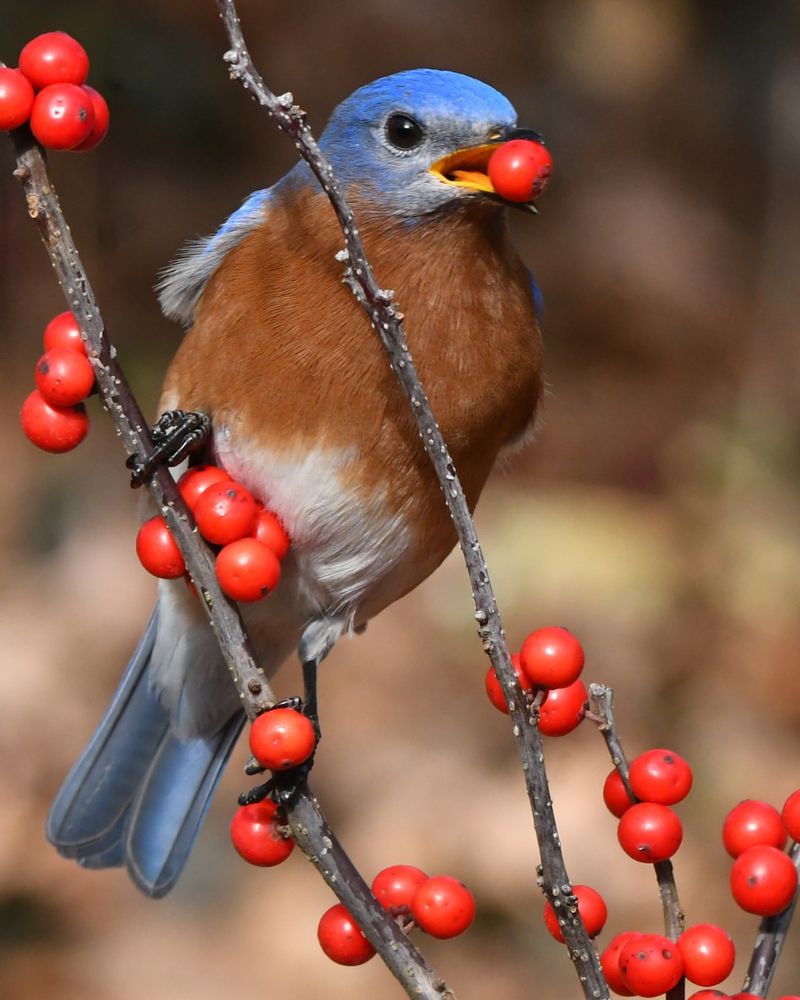
Georgia’s state tree has a lot going for it beyond the spring bloom that makes neighborhoods look like postcards.
By early fall, Flowering Dogwood produces clusters of shiny red berries that ripen right when bluebirds are starting to shift away from insects and toward fruit.
The timing lines up almost perfectly with the birds’ seasonal needs.
Bluebirds will visit dogwoods repeatedly through September and October, sometimes returning to the same tree multiple times in a day. The berries are high in fat, which helps birds build up energy reserves heading into cooler weather.
Native dogwoods offer that nutritional quality in a way that ornamental varieties often don’t match.
Flowering Dogwood grows best in partial shade with well-drained, slightly acidic soil. It’s not the easiest tree to establish in heavy clay or full blazing sun, so picking the right spot matters.
Once settled in, though, it rewards patience with decades of spring flowers and fall fruit.
Avoid planting it in low spots where water pools after rain, as it doesn’t tolerate wet feet for long.
A healthy, established dogwood becomes a reliable food stop for bluebirds and at least a dozen other fruit-eating bird species every single year.
Flowering Dogwood also provides valuable nesting cover during spring once the branching structure fully fills out with leaves.
4. Serviceberry Offers Fruit Early In The Year
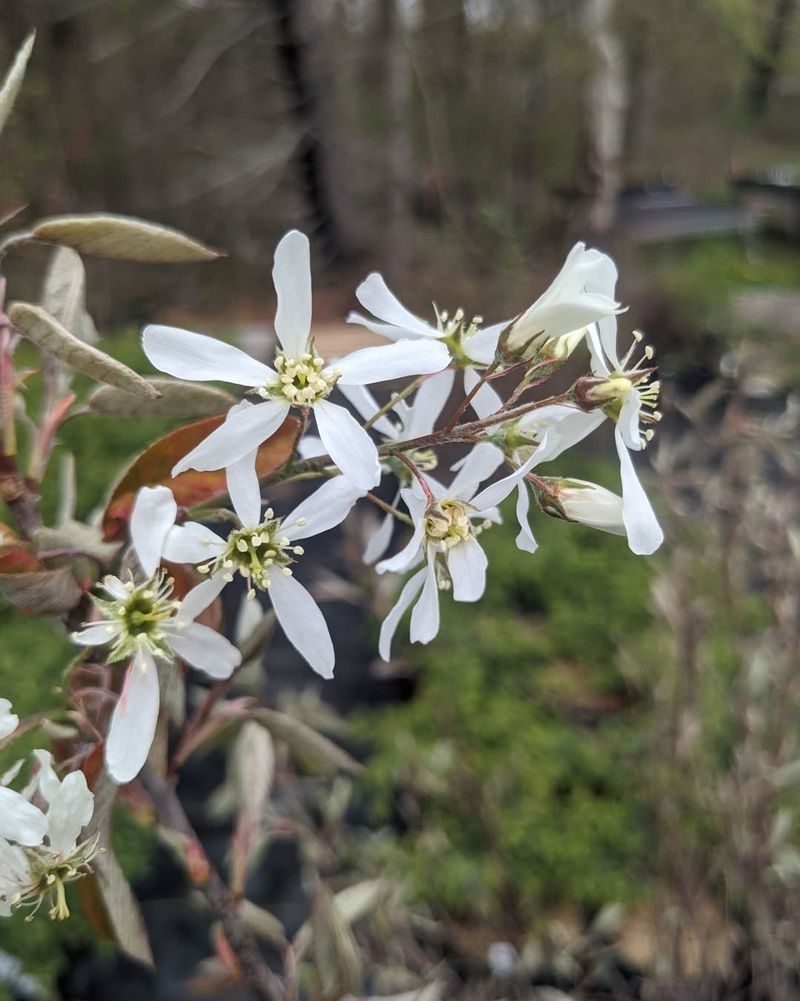
Bluebirds are already nesting in Georgia by the time most fruit trees are just leafing out, which is exactly why Serviceberry is so valuable.
It produces ripe berries in late April through May, earlier than nearly any other native fruiting plant in the region.
That early window fills a critical gap when parent birds are feeding nestlings and need energy-rich food close to home.
Serviceberry, sometimes called Juneberry or Shadbush depending on where you grew up, grows as either a multi-stemmed shrub or a small tree depending on the species.
Both forms work well in yards, and both produce berries that bluebirds find highly attractive.
The fruit looks like a small blueberry and ripens to a deep red-purple that stands out clearly against the green foliage.
It adapts to a range of conditions but generally does best in full sun to partial shade with moist, well-drained soil. In warmer regions, afternoon shade helps during summer heat.
Serviceberry also offers white spring flowers that arrive before the leaves fully open, making it a genuinely attractive landscape plant beyond its wildlife value.
Birds often strip the berries within days of ripening, so planting two or three plants close together gives bluebirds more to work with and extends the availability of fruit through the early nesting season.
5. Black Cherry Trees Make Yards More Appealing To Bluebirds
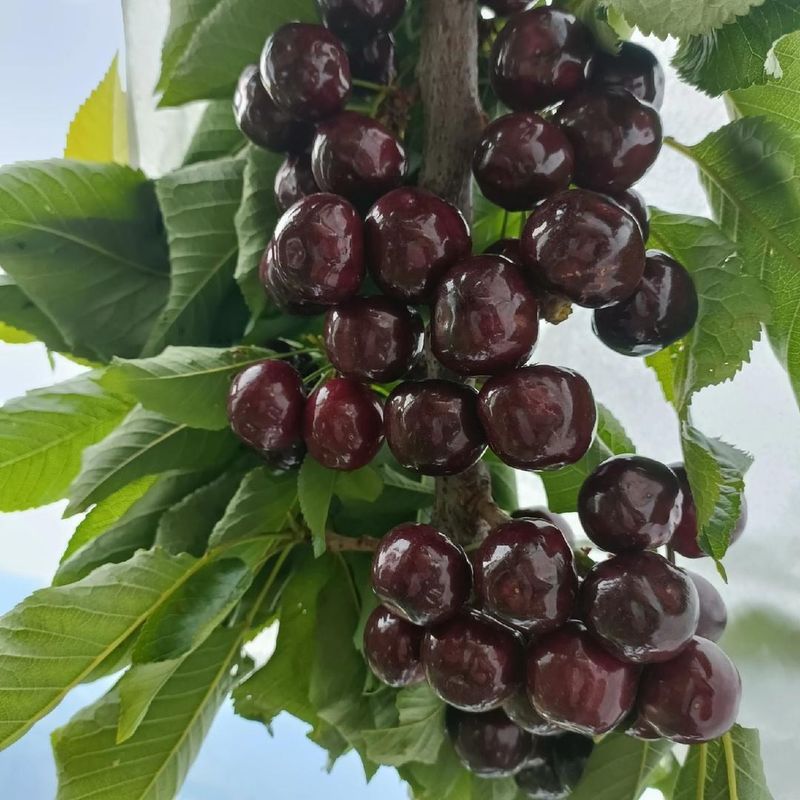
Ask any serious birder in Georgia what one tree they would plant if they could only choose one, and a lot of them will say Black Cherry without hesitating.
It produces massive quantities of small cherries that ripen from red to nearly black in early summer, and the fruit attracts an almost overwhelming variety of birds, bluebirds very much included.
Black Cherry can grow large, sometimes reaching 60 feet at maturity, so it works better in bigger yards or along property edges rather than small suburban lots.
That said, even a young tree starts producing fruit within a few years, and bluebirds don’t wait for the tree to reach full size before paying it a visit.
The fruit ripens in June and July across most of Georgia, a period when other berry sources have faded.
One thing worth knowing is that Black Cherry leaves and seeds contain compounds that are harmful to some animals, so it’s worth keeping that in mind if you have dogs or horses nearby.
For birds, though, it’s completely safe and genuinely one of the most productive wildlife trees you can grow in Georgia.
It prefers full sun and adapts to a wide range of soils. Caterpillars also love the foliage, and bluebirds feed caterpillars to their nestlings, making the tree doubly useful during breeding season.
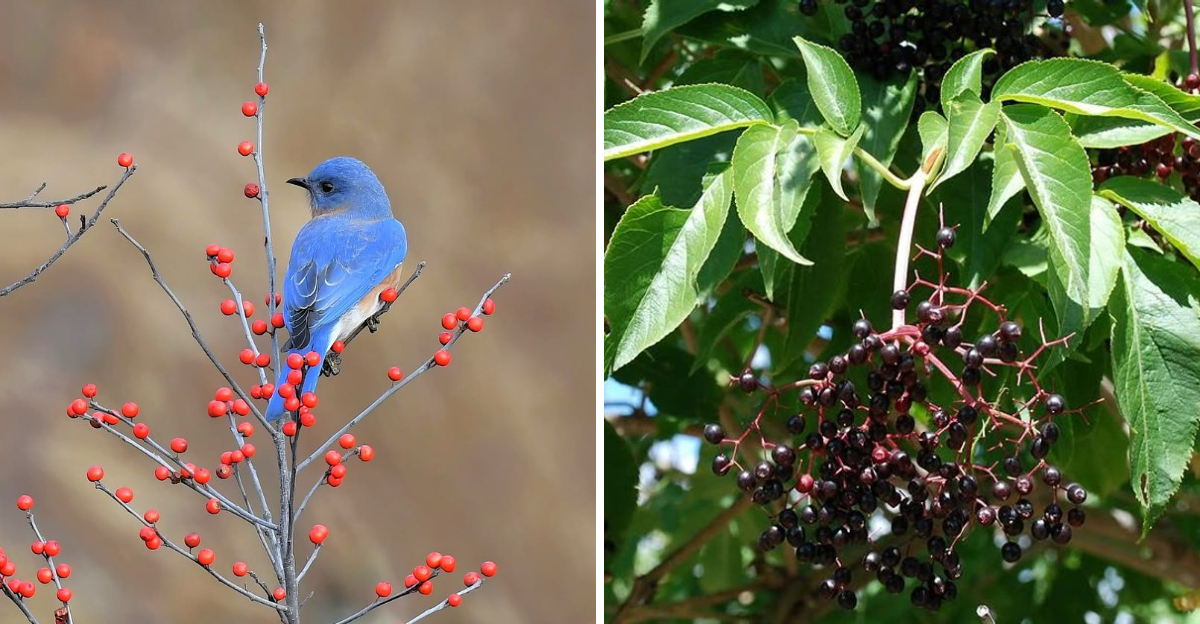
6. Elderberry Shrubs Give Bluebirds Food And Cover
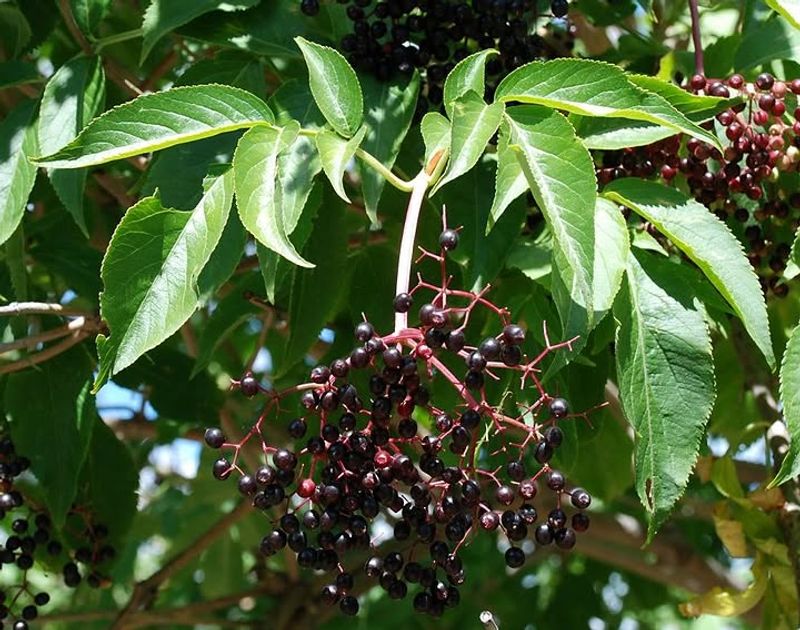
Elderberry grows fast, fruits heavily, and provides the kind of layered cover that bluebirds genuinely use. It can go from a small transplant to a six foot, berry loaded shrub in just a couple of growing seasons under decent conditions.
That speed makes it one of the most rewarding natives to add when you want results without a long wait.
Ripe elderberries appear in late summer, typically August through September, right when bluebirds are finishing their last nesting cycle and starting to move in loose family groups.
The dark purple black berries ripen in large, flat topped clusters that make feeding easy for birds.
Bluebirds will often perch right in the shrub and work through a cluster methodically.
Elderberry grows best in full sun with moist soil, and it naturally thrives along stream banks and forest edges. In a yard setting, it does well near a low spot or a rain garden where moisture collects.
Planting two different elderberry varieties nearby improves berry production since cross pollination helps.
The shrub also spreads by root suckers over time, so give it some room or be ready to manage the edges.
Beyond bluebirds, it supports a wide range of pollinators during its early summer bloom, making it a genuinely multi purpose addition to any wildlife garden.
7. Winterberry Holly Holds Fruit Into Colder Months
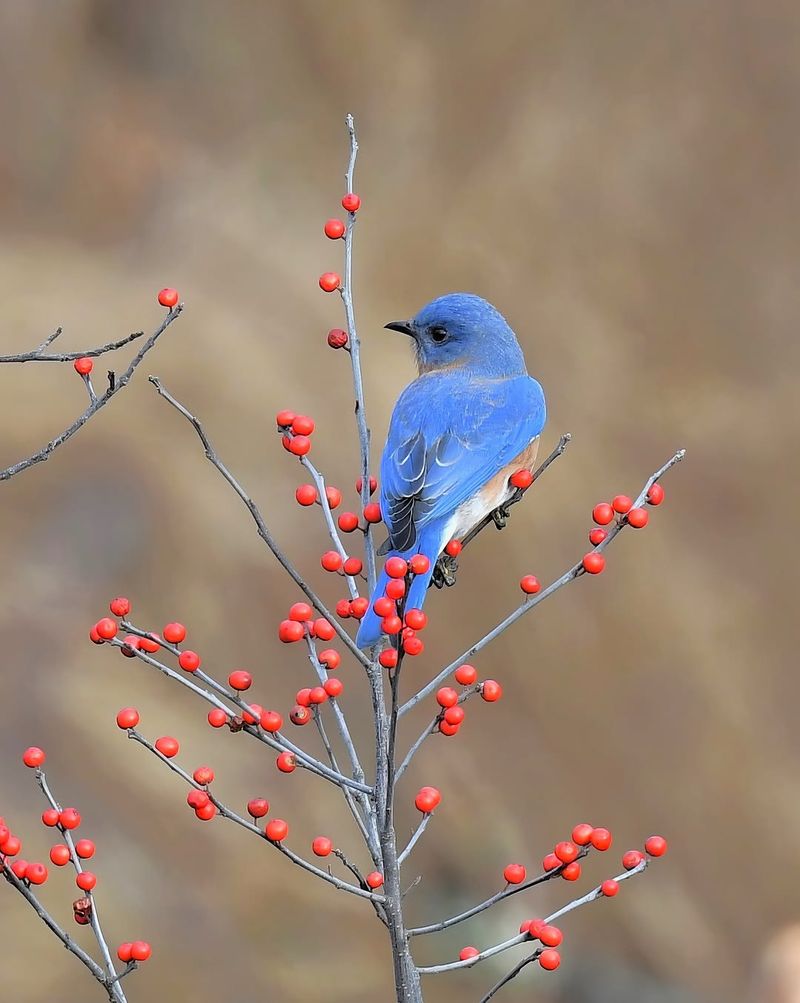
When the leaves drop and most of the yard looks empty, Winterberry Holly turns into something almost unreal.
The bare branches become completely loaded with bright red berries that practically glow on a gray December afternoon.
Bluebirds notice it from a distance, and once they find it, they come back repeatedly until the fruit is gone.
Winterberry is a deciduous native holly, meaning it drops its leaves in fall and leaves those red berries completely exposed on the branches. That visibility actually helps birds find it more easily during winter months when natural food is scarce.
Unlike many plants that drop their fruit quickly, Winterberry holds its berries well into January or even February in some years.
Growing Winterberry does require a bit of planning. It needs moist to wet soil and does best in full sun to partial shade.
It also requires both a male and female plant to produce berries, so you’ll need at least one male pollinator planted nearby. One male plant can pollinate several females, so a small grouping works well.
Native Winterberry is different from the compact cultivated varieties sold in garden centers, though both support wildlife. Across wetter lowlands and stream edges, it grows naturally and vigorously.
Adding it to a yard with a low, consistently moist area is a straightforward way to bring bluebirds in through the coldest part of the year.
8. Native Sumac Gives Bluebirds Another Berry Source
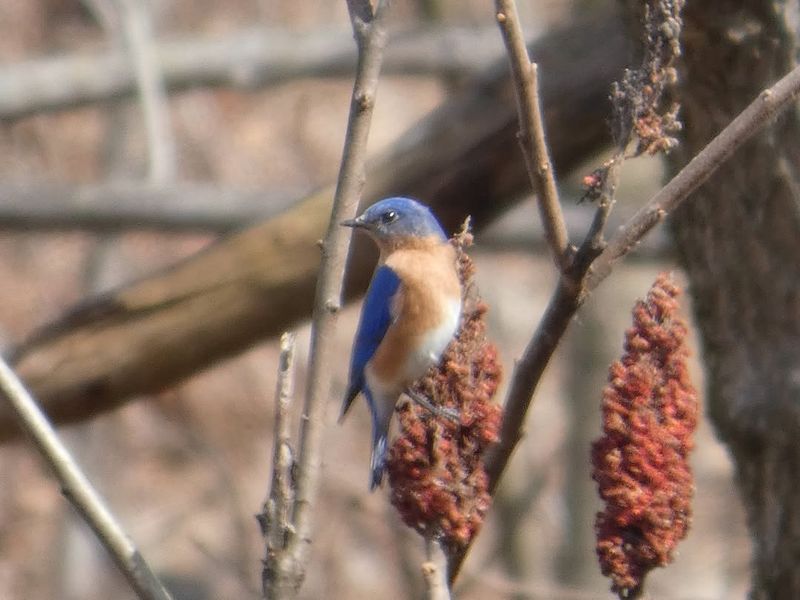
Sumac gets overlooked by a lot of Georgia gardeners, partly because it spreads aggressively and partly because people confuse it with Poison Sumac, which is a completely different plant found in wet areas.
Native Smooth Sumac and Winged Sumac are both harmless, easy to grow, and genuinely useful for bluebirds during the lean winter months when almost nothing else is fruiting.
Sumac berries ripen in late summer but stay on the plant through winter, sometimes all the way to March. Bluebirds don’t always hit sumac first, preferring juicier fruits earlier in the season, but when options run low they come to it readily.
The fuzzy red berry clusters are packed tightly together and hold up through freezes and rain, making them a reliable backup food source across Georgia’s unpredictable winters.
Both Smooth Sumac and Winged Sumac handle poor, dry soils extremely well, which makes them useful in spots where other plants struggle. Rocky slopes, dry banks, and sunny field edges are all fair game.
They spread by root suckers, so mowing around the edges keeps them contained without much trouble. Fall color is genuinely stunning, ranging from orange to deep red, which makes sumac attractive beyond its wildlife value.
Dense sumac thickets also provide valuable shelter for small birds trying to escape winter wind and predators.
Once established, sumac usually needs very little supplemental watering even during long dry stretches.