Read This Before Growing Zucchini In Arizona Heat This Year
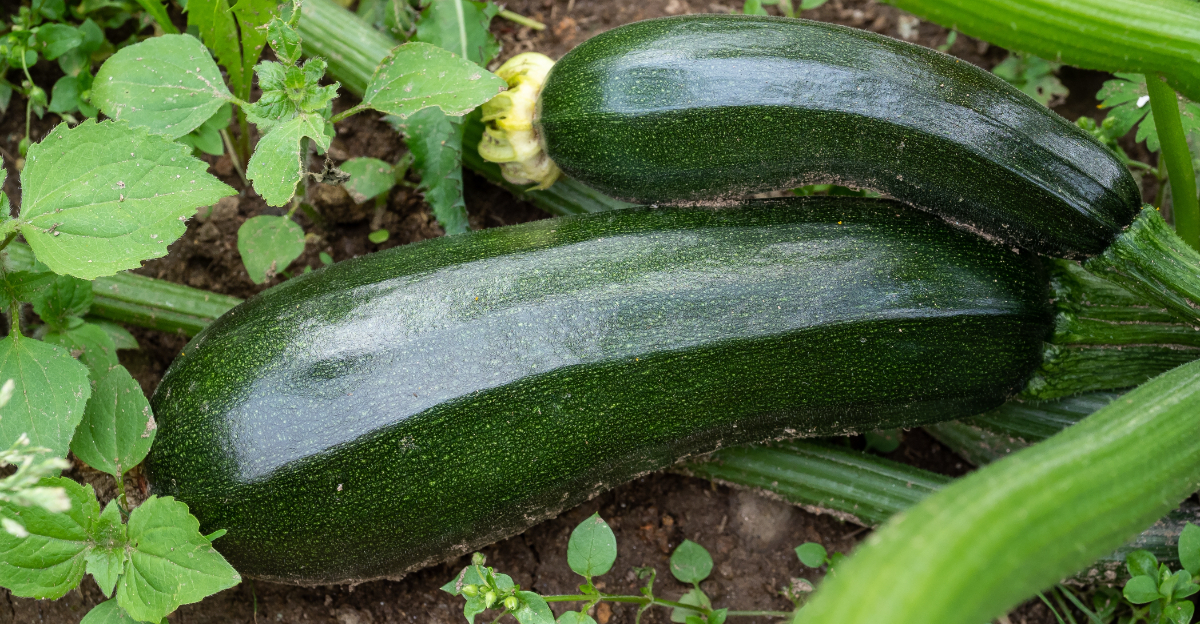
Zucchini can grow incredibly fast in Arizona at first, then suddenly start struggling once serious heat arrives.
Leaves droop faster during the afternoon, flowers stop appearing as often, and young squash sometimes shrivel before fully developing.
Many plants look healthy one week, then noticeably weaker the next once temperatures stay high day after day.
Sun exposure, watering habits, and timing all affect how well zucchini handles rising heat. Plants started too late often face stress much sooner, especially once warm nights begin slowing recovery after long afternoons outside.
Small problems also spread quickly with zucchini. Dry soil, crowded growth, and poor airflow can make plants decline much faster once summer conditions intensify.
A few early adjustments usually make the biggest difference before extreme heat fully settles in.
1. Start Seeds Before Extreme Heat Arrives
Timing matters more than almost anything else when growing zucchini in Arizona, and getting ahead of extreme heat is often the difference between a productive plant and a struggling one.
Zucchini usually needs around 50 to 60 days from planting to harvest, which means waiting until temperatures already feel hot outside can shorten the productive season significantly.
Many experienced desert gardeners start seeds as early as late January through mid February for a spring crop. That timing allows plants to mature before daytime temperatures consistently move into triple digits.
Once extreme heat settles in, pollination often declines and fruit production slows even when plants still appear healthy.
A second planting window usually opens in late summer around early August in lower desert areas when temperatures begin easing slightly for a fall harvest.
Cooler northern parts of the state often have a longer growing window and allow more flexibility with planting times.
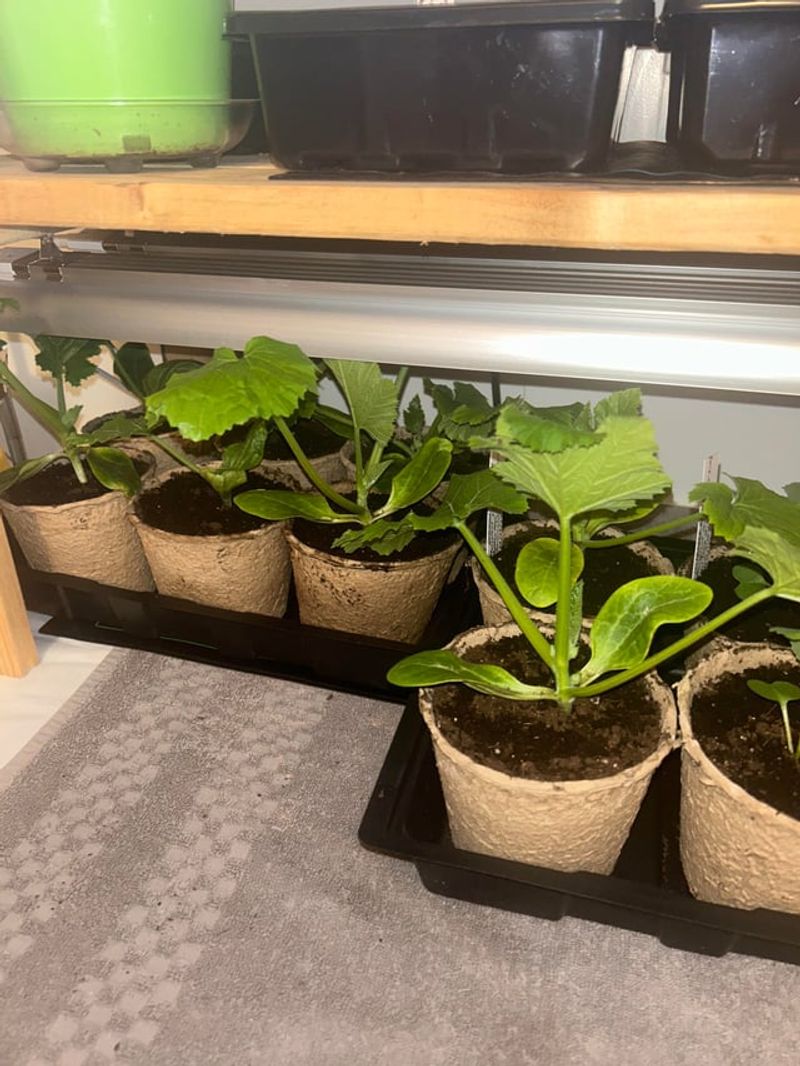
Starting seeds in biodegradable pots can help reduce transplant shock because zucchini roots dislike disturbance once they begin growing quickly.
2. Choose A Spot With Morning Sun Exposure
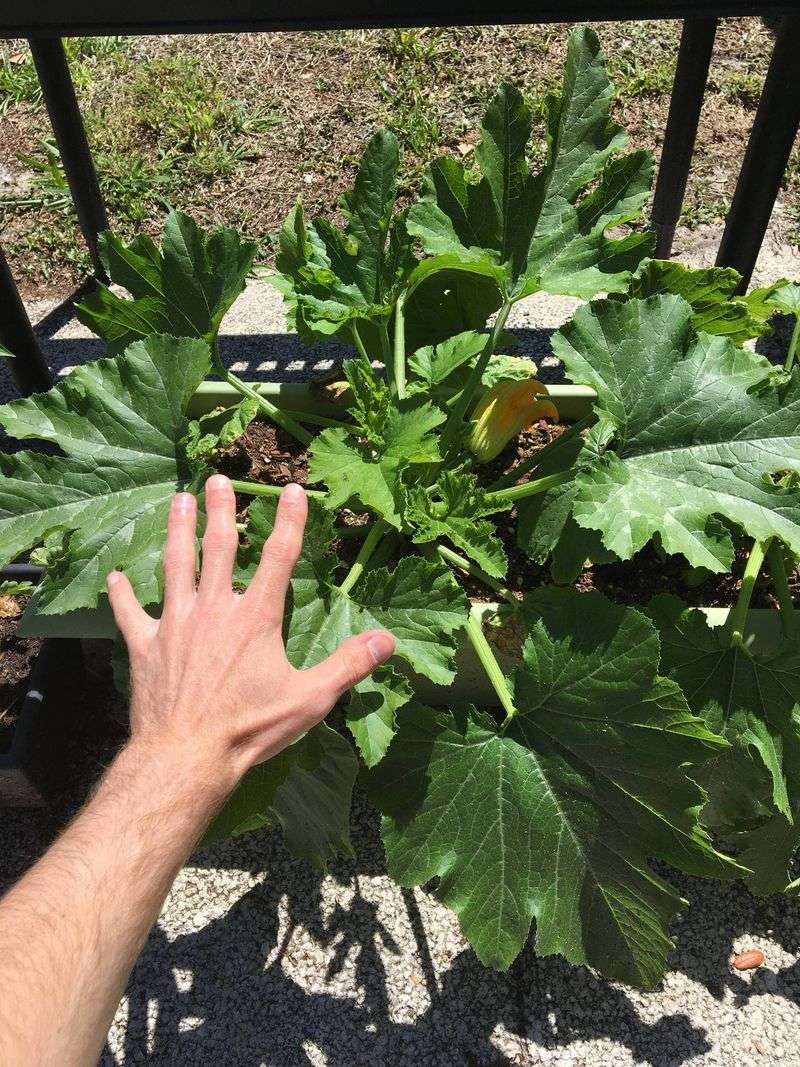
Not all sunlight affects zucchini the same way in Arizona, especially once late spring and summer heat arrives. Zucchini planted in direct sun all day often struggles once afternoon temperatures become extreme.
Morning sunlight gives plants the energy they need for healthy growth without exposing them to the harshest heat later in the day.
Garden areas that receive sun from early morning until around late morning or midday followed by partial afternoon shade usually work much better for zucchini in desert climates.
East facing beds or planting areas beside walls, shrubs, or fences that block western sun can help reduce stress significantly. Afternoon shade also helps soil hold moisture longer and keeps leaves from constantly battling reflected heat.
Plants that stay cooler through the hottest hours are usually able to focus more energy on flowering and fruit production instead of basic survival.
Watching how sunlight and shadows move through the yard before planting can prevent many common summer problems.
Some locations that seem ideal early in the day may collect intense reflected heat from gravel, block walls, patios, or metal raised beds by afternoon.
3. Improve Soil Before Planting Zucchini
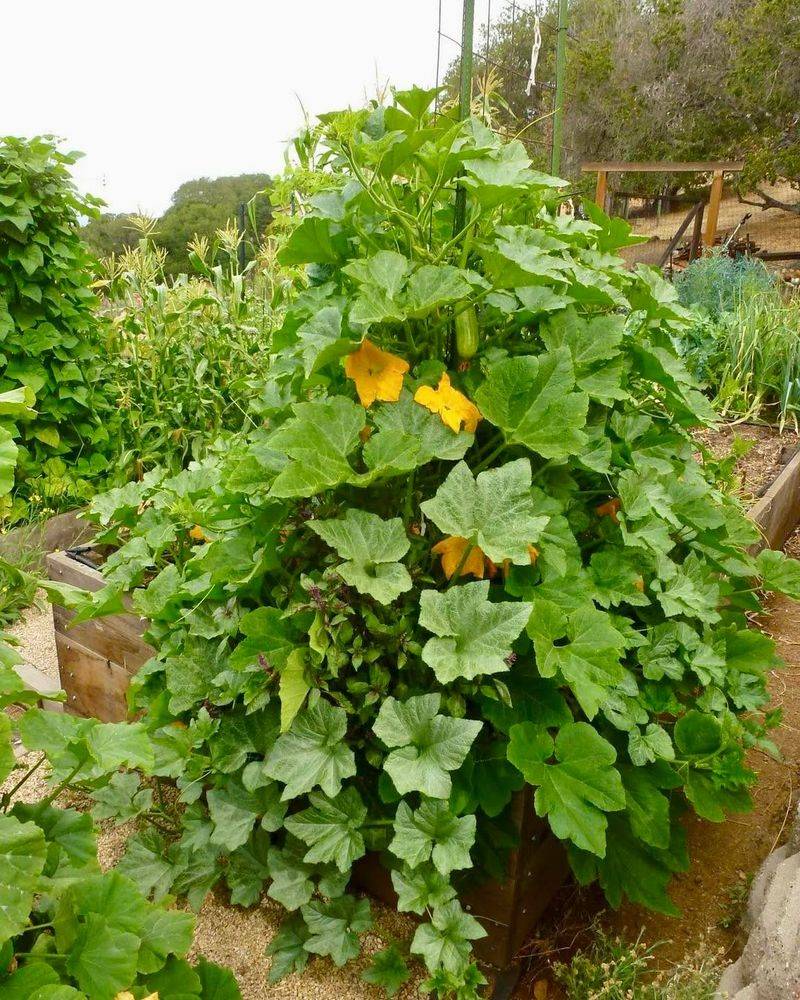
Desert soil straight from the ground is usually not the best starting point for zucchini.
Your Arizona Garden Changes Every Week. Your Plan Should Too.
Gardening in Arizona changes quickly throughout the season. Every Friday you’ll receive a simple weekly plan showing exactly what to plant, prune, fertilize, harvest, and protect so you never miss the right timing.
Much of Arizona has caliche, low organic matter, sandy soil, or heavy alkaline clay, while zucchini grows best in loose soil that drains well but still holds enough moisture for its large root system.
Preparing the soil properly before planting makes a major difference once temperatures begin rising.
Mixing three to four inches of quality compost into the top foot of soil helps improve both drainage and moisture retention depending on the existing soil type.
Compost also increases microbial activity in the soil, which helps roots absorb nutrients more effectively during rapid growth. Some gardeners also add small amounts of coconut coir or peat moss to help soil stay evenly moist without becoming waterlogged.
Soil pH is another factor worth checking because zucchini generally performs best between 6.0 and 7.0, while many desert soils naturally test much higher. Simple pH test kits are inexpensive and easy to find at garden centers.
Sulfur amendments can help lower pH gradually over time, although results depend on the specific soil conditions in each yard.
4. Water Deeply To Support Larger Leaves
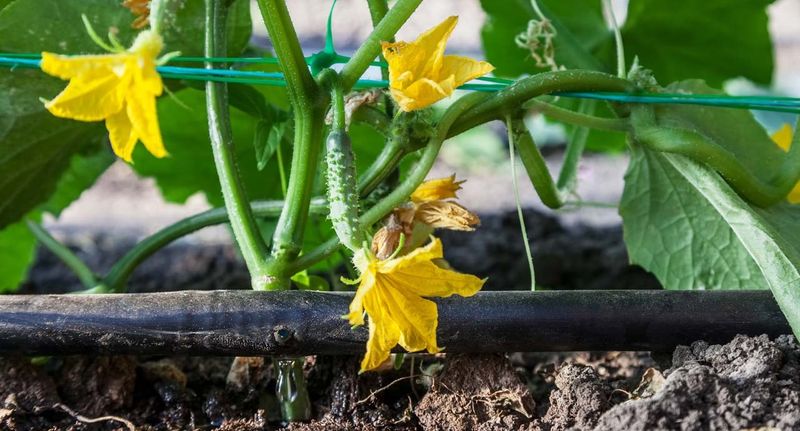
Zucchini has enormous leaves, and those leaves lose water to the dry desert air at a rate that surprises gardeners who are used to more humid climates.
Shallow, frequent watering encourages roots to stay near the surface, which makes plants more vulnerable to heat stress and moisture swings.
Deep watering, on the other hand, trains roots to grow further down into the soil where temperatures are cooler and moisture is more stable.
Wet leaves in hot, dry conditions can actually increase stress and invite powdery mildew, which is already a common issue for squash plants in desert climates.
Setting drip emitters to run long enough to wet the soil 8 to 10 inches deep gives roots the resources they need to support vigorous leaf and fruit production.
Watering frequency depends heavily on your soil type, the current temperature, and whether your plants are in containers or in-ground beds. During peak spring warmth, established plants may need watering every one to two days.
A simple finger test works well; push a finger two inches into the soil and if it feels dry, water thoroughly.
5. Add Mulch To Slow Moisture Loss
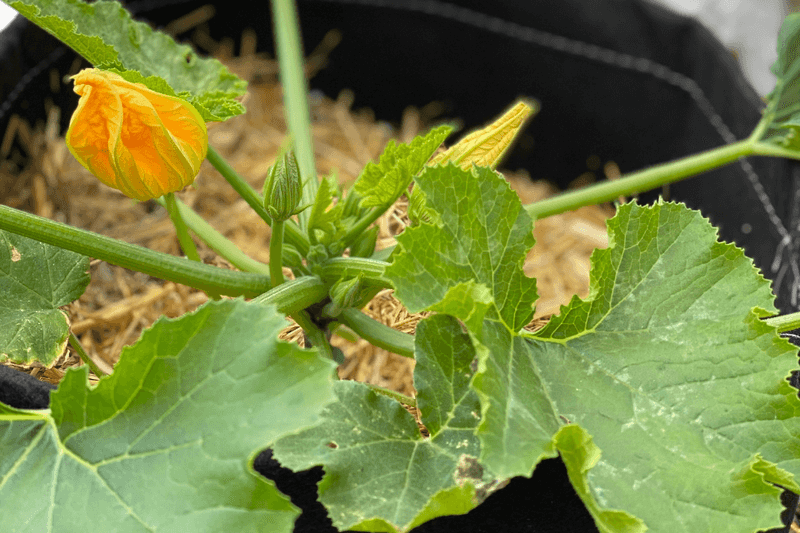
Bare soil under direct desert sun can reach extremely high temperatures, sometimes hot enough to damage shallow roots and dry the upper soil layer very quickly.
Mulch creates a protective barrier between intense sunlight and the root zone below, helping soil stay cooler and retain moisture longer through hot weather.
Even a layer only a few inches thick can noticeably reduce surface temperatures around vegetable plants growing in Arizona gardens.
Straw remains one of the most popular mulch choices for vegetable beds because it is lightweight, easy to spread, and lasts through much of the growing season before breaking down.
Wood chips also work well, although they are often better suited for walkways and perennial beds since they can temporarily reduce available nitrogen near the soil surface while decomposing.
Untreated grass clippings can also be used in thinner layers as a low cost option as long as they are not piled too heavily.
Keeping mulch slightly away from the main stem of zucchini plants helps reduce excess moisture buildup around the base. That lowers the chance of fungal problems developing later.
Replacing or refreshing mulch after heavy watering or long periods of heat helps maintain its effectiveness through the season.
6. Harvest Zucchini Before Fruits Become Oversized
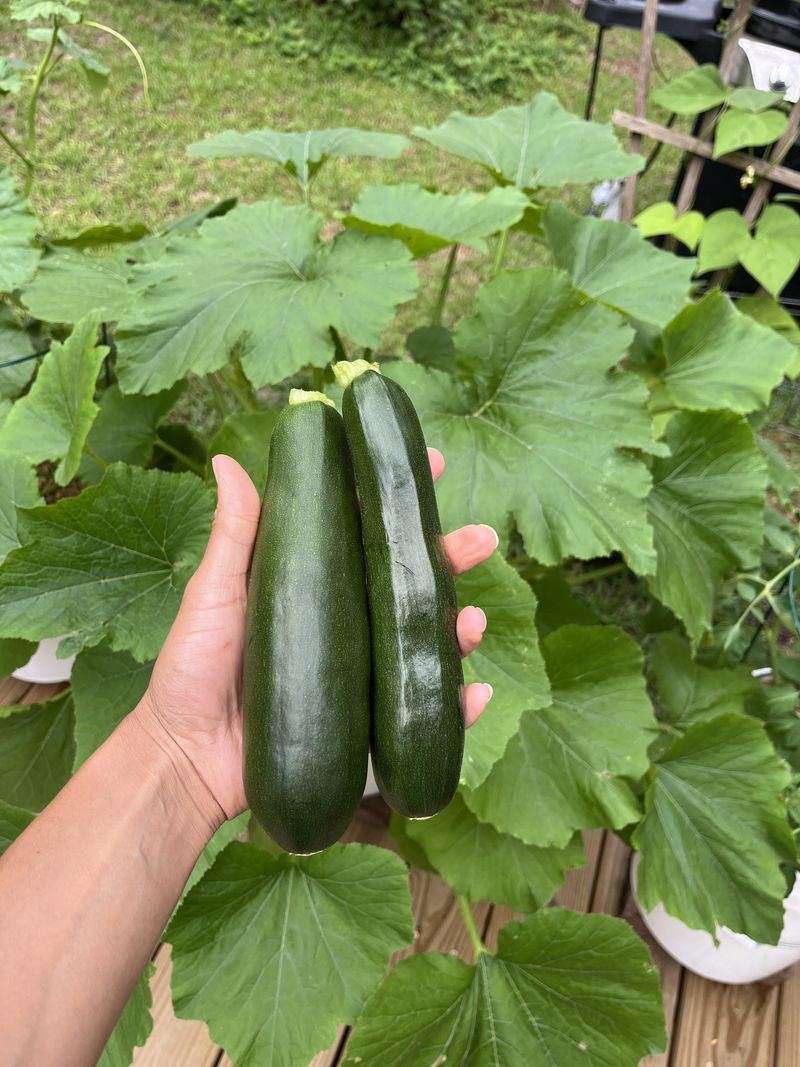
Zucchini grows extremely fast once temperatures warm up, and in Arizona a small fruit can become oversized within a couple of days during spring heat.
Leaving large fruits on the plant too long signals that reproduction is already complete. That often causes the plant to slow down flower and fruit production.
Harvesting early and consistently helps keep the plant producing steadily through the season. Most gardeners prefer harvesting zucchini when fruits reach about six to eight inches long.
At that stage the flesh stays tender, the seeds remain small, and the flavor is usually much better. Once fruits grow past ten or twelve inches, the texture often becomes softer and more watery.
Allowing oversized zucchini to remain on the plant too long can reduce production noticeably for several days afterward.
Checking plants daily once fruiting begins becomes especially important during warm weather because zucchini can grow surprisingly fast overnight.
Using clean garden shears or a sharp knife to cut fruits from the stem helps avoid damaging the vine. Pulling or twisting fruits off can create wounds that make plants more vulnerable to pests or disease.
7. Watch Leaves Closely During Sudden Heat Spikes
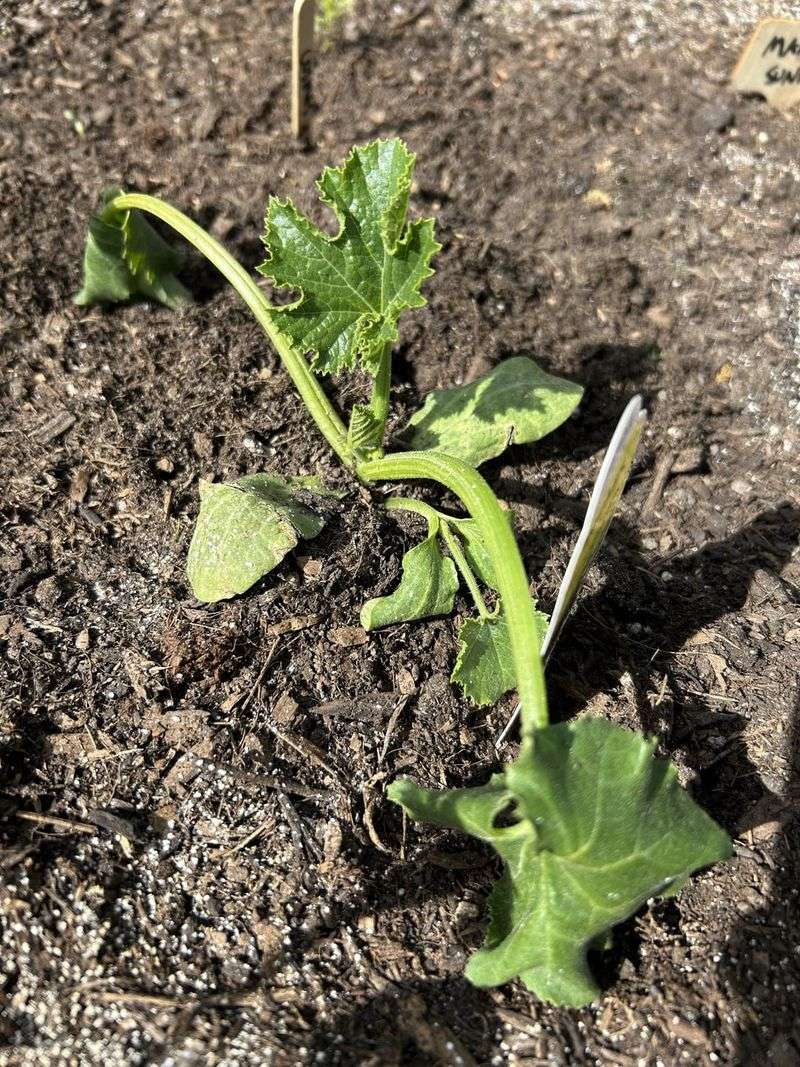
A sudden jump in temperature, even for just a day or two, can show up on zucchini leaves faster than almost any other common vegetable.
Leaves may wilt dramatically by midday even when soil moisture is adequate, which can be alarming if you are not expecting it.
Midday wilting in extreme heat is often a temporary stress response rather than a sign of a serious problem, and plants frequently recover on their own once temperatures drop in the evening.
Persistent wilting that does not recover overnight is a different situation and usually points to either a watering issue or root damage from overheating soil.
Check soil moisture at root depth before adding more water, because overwatering in response to wilt can cause its own set of problems in desert conditions.
Shade cloth rated at 30 to 40 percent can be draped temporarily over plants during an unexpected heat spike to reduce leaf temperature and slow moisture loss.
Lightweight row cover fabric works in a similar way and is easy to remove once conditions improve.
Checking leaves in the morning before temperatures climb gives a much clearer picture of actual plant health.
Afternoon heat often exaggerates stress symptoms and makes plants look worse than they really are.
Daily observation matters much more during Arizona heat spikes. That attention often separates productive gardens from plants that begin struggling right when they should be thriving.