These Are The Things Arizona Homeowners Do In June That Make Scorpion Season Significantly Worse
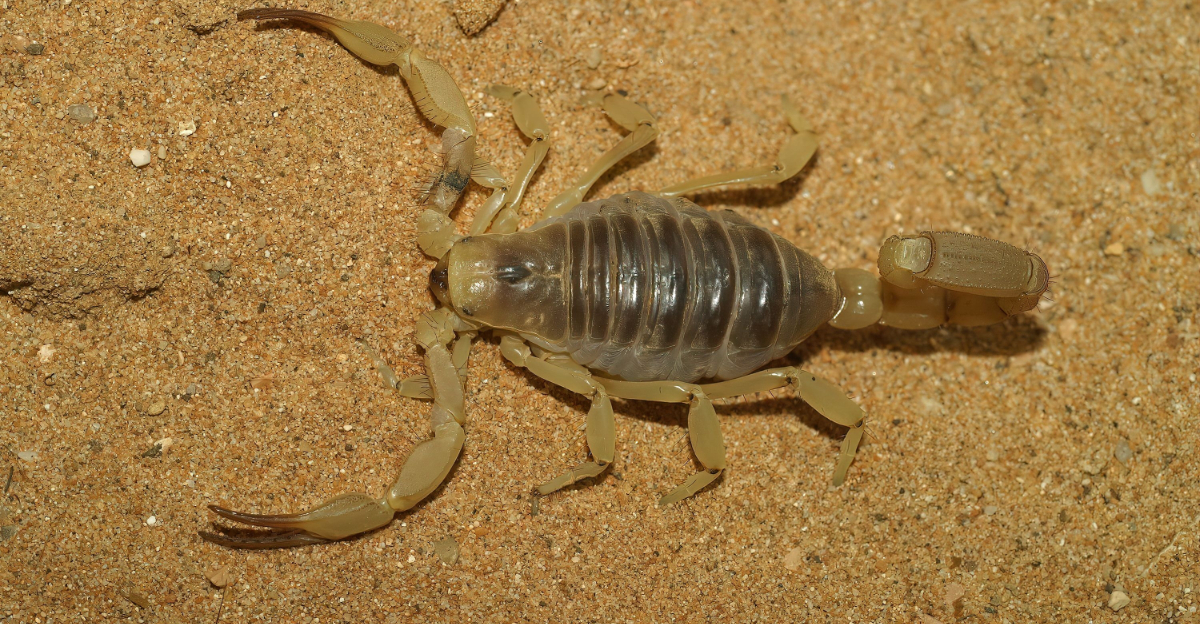
June changes how people use their yards in Arizona. Chairs stay outside later at night, pets spend more time near patios after sunset, and warm evenings keep outdoor spaces active long after dark.
That shift also changes what starts moving through the yard once temperatures stop climbing for the day.
Scorpions become more active around areas that stay quiet during the afternoon, especially where shade, moisture, or clutter hold cooler conditions overnight.
A few common homeowner habits accidentally make those spaces even more attractive during the busiest part of the season.
The problem usually builds slowly until sightings suddenly start happening much more often around entryways, walls, and outdoor sitting areas. Most people do not notice the pattern until scorpion activity already feels difficult to ignore.
1. Leaving Pool Toys Outside Adds More Hidden Scorpion Spaces
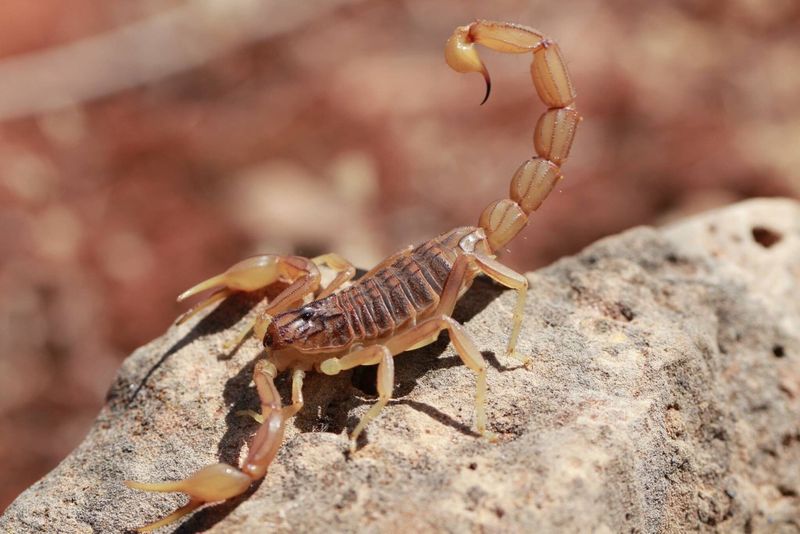
Pool toys left outside overnight are basically scorpion hotels. Foam noodles, inflatable rings, and rubber toys hold warmth long after sunset.
Scorpions are active at night and actively seek out warm, sheltered spots to rest.
Tucked under a float or wedged between a noodle and the pool wall, a scorpion can stay hidden for hours. You might grab that float the next morning without a second thought.
That is exactly when stings happen most often.
Stacking pool toys in a pile near the fence makes things worse. Layered items create multiple hidden pockets that are nearly impossible to check quickly.
Even a quick shake before use does not always dislodge a scorpion that has settled deep inside a folded float.
A simple storage bin with a sealed lid changes everything. Bring toys inside or lock them away each evening during peak season.
Mesh bags that hang and drain work well for smaller items.
Scorpions are not attracted to the toys themselves. They are attracted to the shelter and warmth those toys provide.
Remove the shelter, and you remove the reason for them to linger near your pool area.
Consistency matters more than anything here. One night of leaving toys out is all it takes.
Make it a habit to clear the deck before heading inside for the night.
2. Outdoor Storage Bins Trap Shade During Hot Afternoons
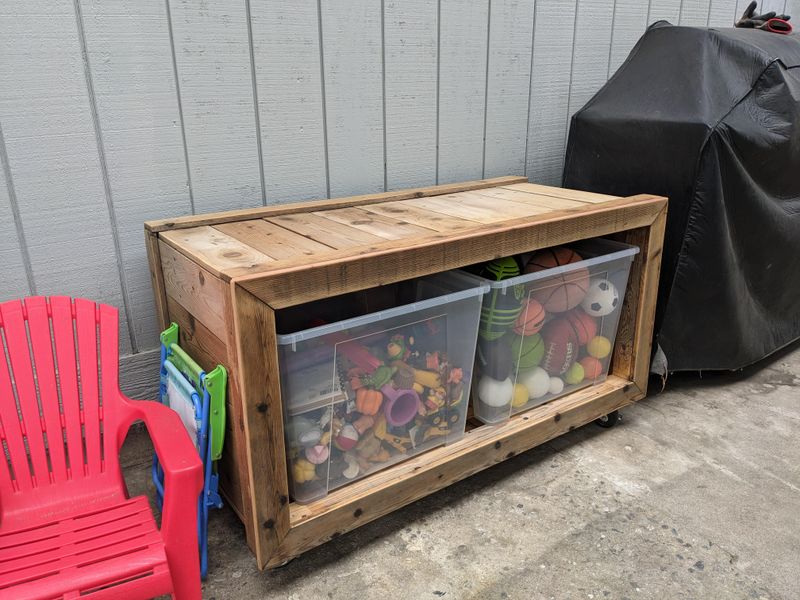
Not all outdoor storage bins are created equal when it comes to scorpion prevention. Cheap plastic bins with warped or cracked lids are an open invitation.
Gaps along the edges let scorpions slip inside without any effort.
Even bins that close tightly can cause problems. Bark scorpions are notorious for hiding underneath bins rather than inside them.
The shaded underside of a bin sitting on warm concrete becomes a prime resting spot during afternoon heat.
Bins placed directly against a block wall are especially risky. Scorpions travel along walls and naturally pause where shade and shelter meet.
A bin flush against the wall creates a perfect corridor for them to linger.
Raising bins off the ground using simple rubber feet or a small shelf removes the underside hiding spot. It also makes it easier to inspect the area around the bin regularly.
Your Arizona Garden Changes Every Week. Your Plan Should Too.
Gardening in Arizona changes quickly throughout the season. Every Friday you’ll receive a simple weekly plan showing exactly what to plant, prune, fertilize, harvest, and protect so you never miss the right timing.
A quick glance underneath takes seconds and can prevent a nasty surprise.
Sealing the lid with a bungee cord or latch adds another layer of protection. Weatherstripping along the lid edge fills gaps that scorpions could otherwise squeeze through.
Reorganizing what goes inside the bin matters too. Avoid storing gardening gloves, rags, or soft items loosely.
Scorpions love to nestle into fabric, and those items are often grabbed without inspection.
3. Fallen Citrus Near Patios Pulls In More Nighttime Insects
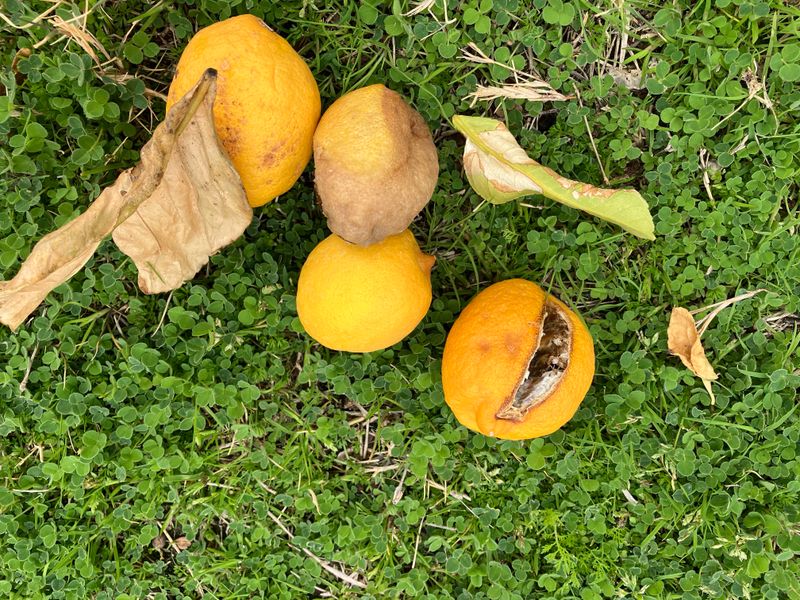
Citrus trees are a staple in many desert yards, and June is when early drops start hitting the ground. Those fallen fruits rot fast in the heat.
Rotting citrus draws ants, beetles, and other small insects almost immediately.
Scorpions are predators. Where insects gather, scorpions follow.
A patio surrounded by rotting fruit is essentially a buffet line set up right outside your back door.
Most homeowners pick up the obvious fruit but miss the pieces that roll under shrubs or get hidden by ground cover. Those forgotten pieces keep feeding insects for days.
The longer they sit, the bigger the insect population around your patio becomes.
Clearing fallen fruit every day or two during June makes a measurable difference. A simple rake and a bucket are all you need.
Toss the fruit into a sealed compost bin or bag it for trash pickup right away.
Avoid leaving citrus scraps in an open compost pile near the house. Open compost attracts the same insects that scorpions hunt.
Move compost bins as far from the home as practical.
Checking the ground under trees at dusk with a UV blacklight is also a smart move. Scorpions glow bright green under UV light.
Spotting them near your citrus tree before you step outside barefoot is much better than the alternative.
4. Decorative Pot Saucers Hold Moisture After Watering
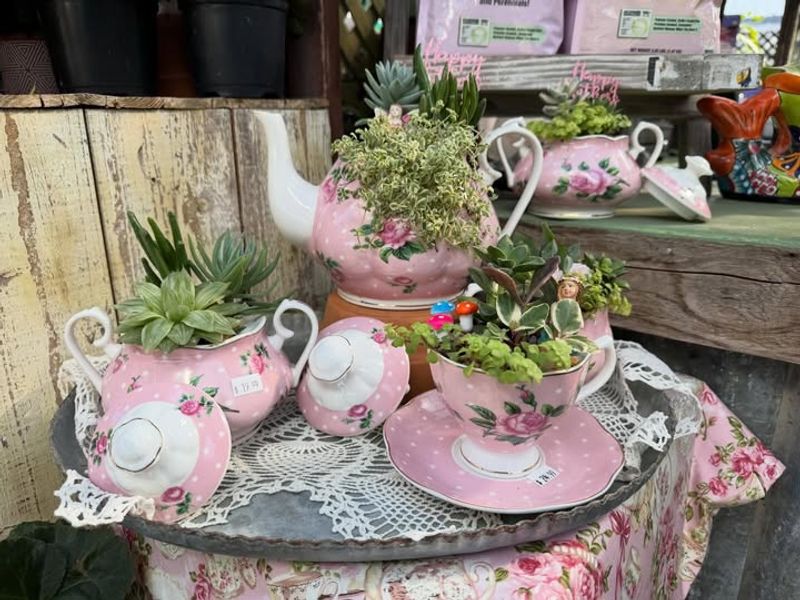
Decorative saucers under potted plants look nice, but they create a moisture trap in an otherwise dry environment. In Arizona summers, that small pool of water is rare and valuable to insects.
Insects drawn to that moisture become food for scorpions.
Bark scorpions also drink water when they find it. A saucer that holds water overnight gives them both hydration and a reason to stay close to your home.
That combination is more of a draw than most people expect.
Saucers pushed against the pot base trap debris underneath. Leaves, dirt, and dried insects collect in that dark, moist gap.
Scorpions hide in tight spaces like that without hesitation.
Emptying saucers after each watering session is the simplest fix. Tip them over, let them dry, and replace them before the next watering.
The extra thirty seconds per pot adds up to a much less attractive environment for scorpions.
If you water on a timer system, check saucers the morning after. Drip systems and misters can overflow saucers without you realizing it.
Standing water that sits for eight or more hours starts drawing insects quickly in summer heat.
Switching to pot feet that elevate containers slightly allows drainage without saucers entirely. That removes the moisture trap and the debris buildup in one change.
Fewer hiding spots and less insect activity near your plants is always the better outcome.
5. Unused Garden Hoses Become Easy Resting Spots
A coiled garden hose sitting on the ground looks harmless. To a scorpion, it looks like a tunnel.
The hollow center of a coiled hose is dark, slightly cooler than the surrounding ground, and completely enclosed.
Hoses left in the same spot for days or weeks become even more attractive. Moisture residue inside the hose lingers longer than you might expect.
That faint moisture combined with shelter is exactly what scorpions seek during peak summer heat.
Picking up the hose end before you turn on the water is a good habit. Shake it out, check the nozzle area, and make sure nothing has crawled inside.
This takes five seconds and prevents a very unpleasant surprise when water pressure forces something out the other end.
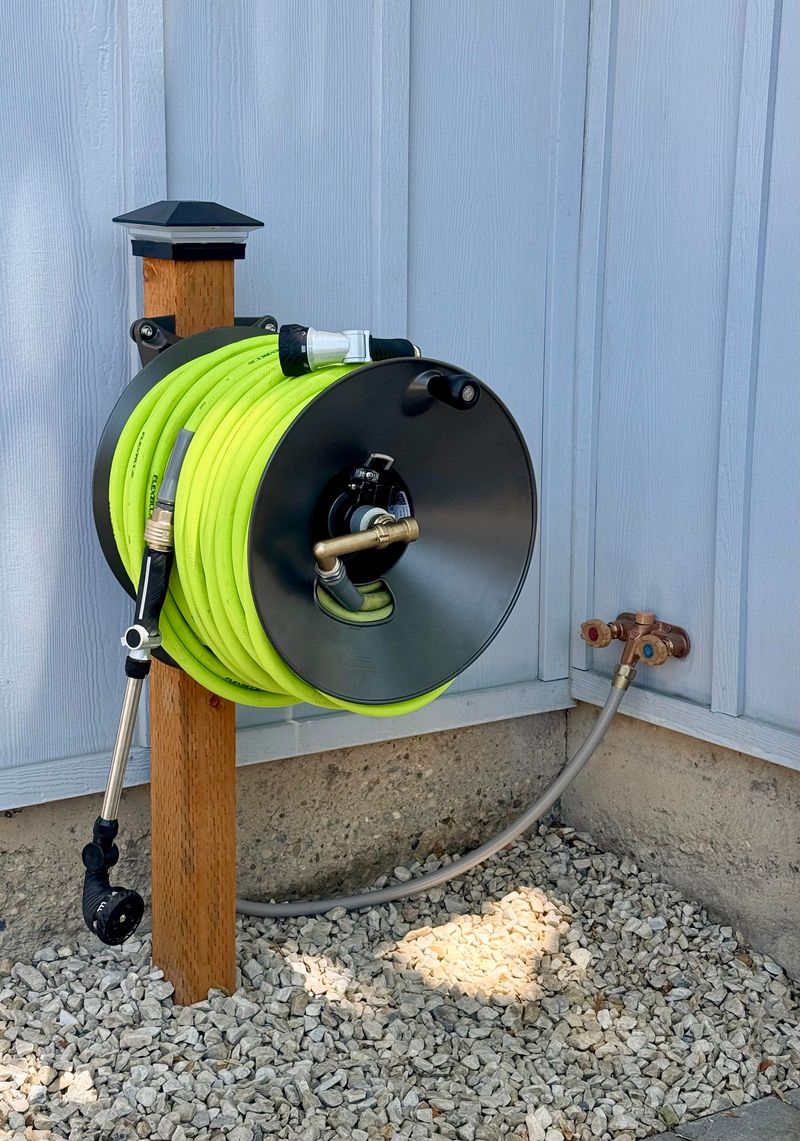
Hanging hoses on a wall-mounted reel keeps them off the ground entirely. No ground contact means no cool, shaded hiding spot.
Wall reels also extend hose life by reducing kinking and UV damage.
Hose reels with covers add another layer of protection. Covered reels block scorpions from entering the coiled section when the hose is stored.
Basic models are inexpensive and available at most hardware stores.
Check the area where the hose connects to the spigot as well. Moisture near spigots encourages moss and algae growth, which attracts moisture-seeking insects.
Keeping that zone dry and clear reduces foot traffic from insects that scorpions follow.
6. Block Wall Gaps Give Bark Scorpions Faster Travel Paths
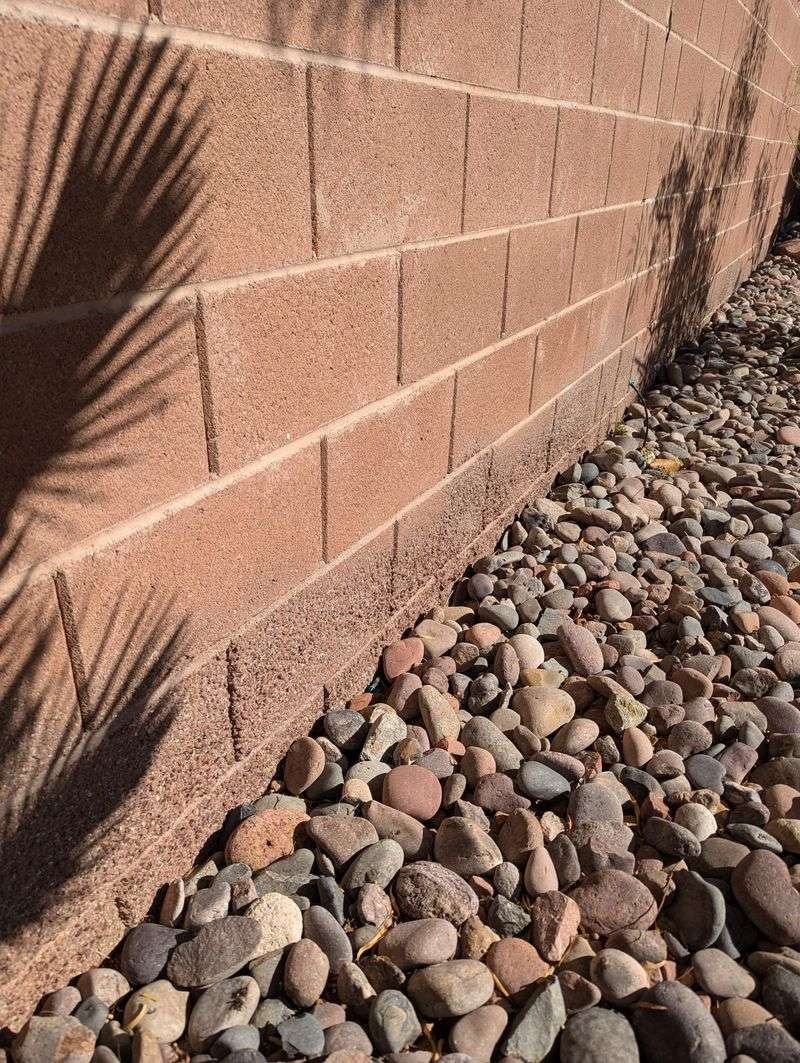
Block walls are everywhere in desert neighborhoods, and they are one of the main highways scorpions use to move between properties. Gaps between blocks, cracked mortar, and weep holes create a connected network of passages.
Bark scorpions are flat enough to squeeze through openings as thin as a credit card.
Many homeowners patch obvious cracks but overlook weep holes at the base of walls. Weep holes are intentional drainage gaps built into block walls.
Scorpions use them constantly as entry and exit points along their nightly routes.
Mesh screens cut to size and pressed into weep holes block scorpion access without affecting drainage. Hardware cloth with a tight weave works well for this purpose.
Staple or press the mesh firmly so it stays in place through summer monsoon rain.
Mortar cracks that develop over time are worth sealing in early summer. A tube of exterior-grade mortar repair compound handles most small gaps.
Checking the full length of your wall takes under an hour and pays off through the entire season.
Vines and dense plants growing along block walls make inspections harder. Scorpions also use plant stems touching the wall as a bridge from the ground up.
Keeping plants trimmed back from the wall surface removes that climbing path.
A clean gravel border along the base of the wall also helps. Bare gravel offers no cover and makes scorpions more visible when they cross it.
Less cover near the wall means fewer scorpions making it to your yard undetected.
7. Overgrown Ground Covers Make Scorpion Activity Harder To Spot
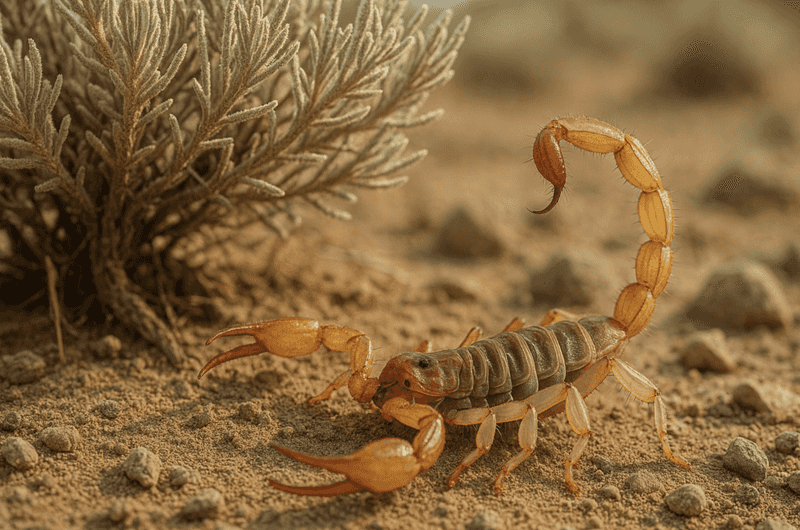
Ground cover plants spread fast in June when monsoon moisture starts building. What looked neat in spring can become a dense mat of foliage within a few weeks.
Thick, low-growing plants press against the soil and create a covered layer that is nearly impossible to see through.
Scorpions move through that kind of cover with ease. Dense ground cover keeps the soil underneath cooler and slightly more humid than exposed gravel.
Both of those conditions are favorable for scorpions and the insects they feed on.
Trimming ground covers back from the house foundation is more important than most people realize. A clear gap of at least a foot between plants and the structure removes the covered pathway scorpions use to approach entry points.
Foundation gaps and weep screed openings become much easier to monitor when plants are not pressing against them.
Thinning out the interior of dense ground covers also helps. Removing some of the older growth opens up airflow and lets sunlight reach the soil.
Drier, sunlit soil is far less attractive to the insects scorpions hunt.
Pulling back sections of ground cover during routine yard checks reveals what is living underneath. Isopods, beetles, and crickets are common finds.
A yard with a high insect population under ground cover is almost certainly drawing scorpion attention at night.
Replacing very dense, low-growing varieties with more open desert plants reduces habitat complexity. Simpler landscaping near the home perimeter is easier to maintain and much easier to inspect regularly.
8. Messy Outdoor Workbenches Provide Protected Shelter
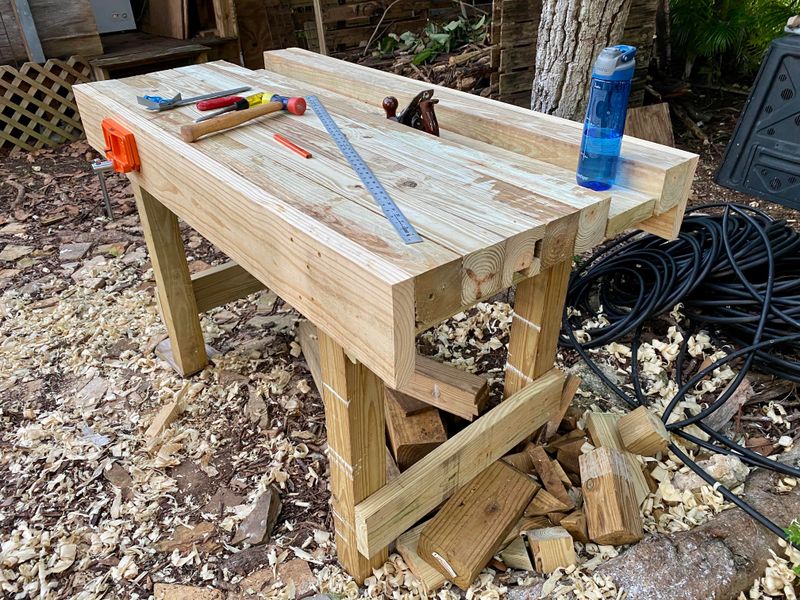
Outdoor workbenches covered in clutter are one of the most overlooked scorpion habitats in any backyard. Old rags, stacked cardboard, loose gloves, and piled tools create a layered environment with dozens of hidden gaps.
Scorpions settle into those gaps and stay for days without being disturbed.
Cardboard is especially problematic. It insulates well, compresses into tight layers, and holds slight moisture from morning humidity.
Scorpions are frequently found between layers of stacked cardboard during summer months.
Workbench gloves deserve special attention. Reaching into a glove without shaking it first is a common way people get stung.
Always tap gloves firmly against the bench before putting them on, and store them in a sealed container when not in use.
Clearing the bench surface down to bare wood or metal every week or two removes the accumulated clutter scorpions rely on. It also makes it easier to spot droppings, shed exoskeletons, or other signs of pest activity nearby.
Lighting matters around work areas too. A bright LED light mounted above the workbench makes nighttime activity more visible.
Scorpions prefer darkness and tend to avoid well-lit open surfaces.
Organizing tools on pegboards or hooks keeps them off the bench surface entirely. Fewer items lying flat means fewer hidden gaps at ground level.
A clean, organized work area is simply harder for scorpions to use as shelter, and that small change makes a noticeable difference over an entire season.