I Skipped Mowing For A Month, Here’s What Colorado Grass Really Looks Like
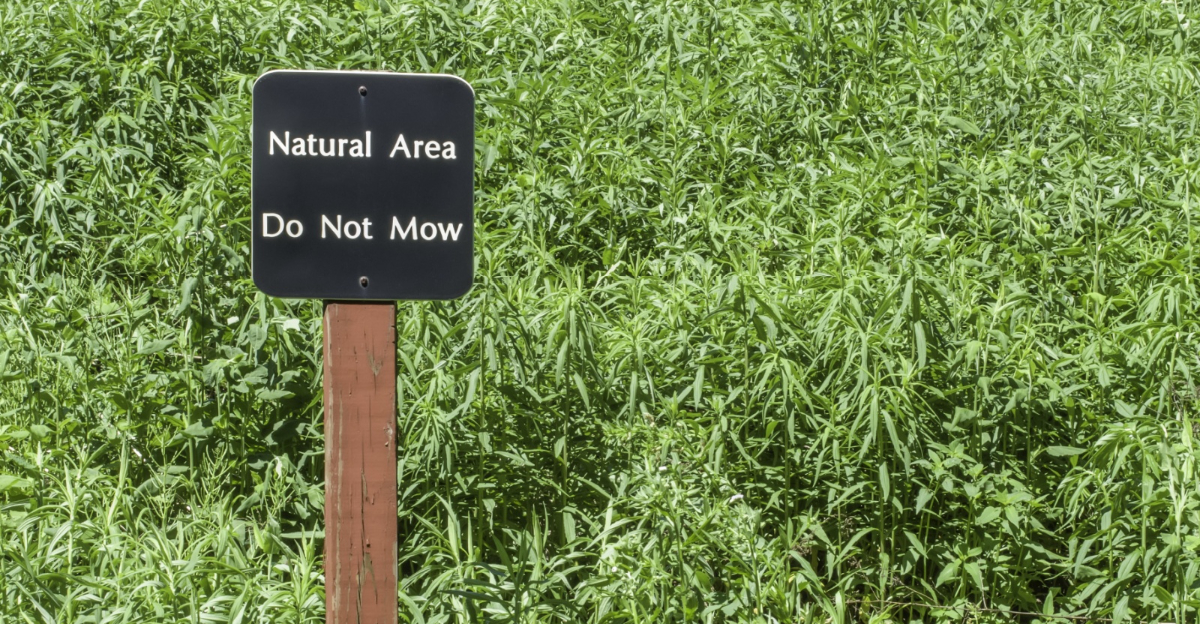
What would happen if you simply walked past your mower every weekend for an entire month? For most homeowners, that thought alone triggers mild panic.
Visions of neighbor side-eyes, HOA notices, and a yard gone fully wild tend to follow. But there is a genuinely surprising story hiding underneath that anxiety.
Colorado grass is not like turf in wetter, more forgiving climates. It battles intense UV rays, dramatic temperature swings, afternoon thunderstorms, and stretches of bone-dry heat.
Sometimes all in the same week. Remove the mower from that equation and the lawn does not simply grow taller.
It starts revealing which plants actually belong there. It exposes pests that were hiding in plain sight.
It tells you whether your soil has been quietly struggling all season. Skipping the mow feels like laziness. Thirty days later, it turns out to be one of the most honest tests your Colorado lawn will ever face.
1. Taller, Weaker Grass
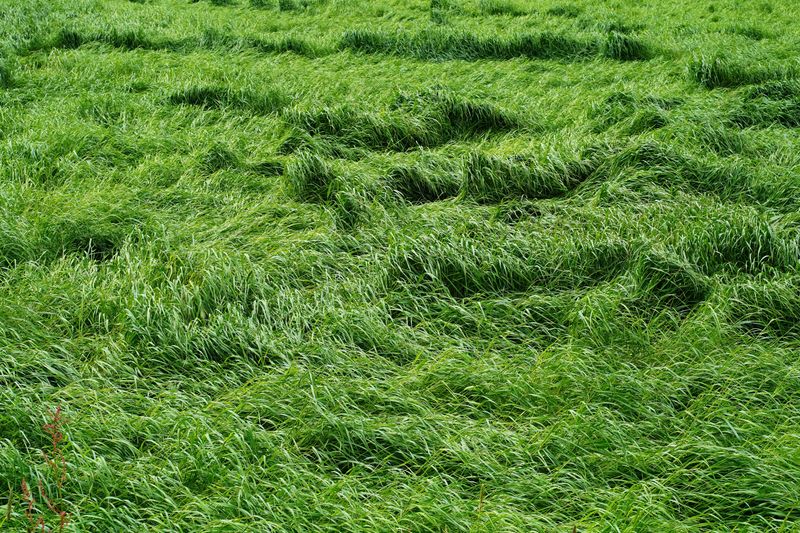
Long grass sounds lush, but looks can fool you completely.After a month without mowing, Colorado grass tends to shoot upward fast, especially during warm summer weeks.
But all that height comes at a serious cost to the plant itself.
Grass blades grow tall in search of sunlight, stretching themselves thin in the process.The lower portions of each blade get shaded out by the growth above, turning pale yellow or almost white near the soil.
That bleached base is a sign the plant has weakened, not thrived.
Cool-season grasses common across Colorado, like Kentucky bluegrass and tall fescue, were never designed to grow freely without occasional trimming.Regular cutting actually encourages thicker, denser growth by triggering lateral spreading.
Without that signal, blades just go tall and spindly instead.
The result is a lawn that looks wild from a distance but feels flimsy up close.Bending over and grabbing a handful reveals stems that fold easily under light pressure.
Strong, healthy turf should feel firm and springy, not floppy and soft.Giving your lawn a trim every seven to ten days keeps it dense, resilient, and better equipped to handle Colorado’s intense sun and dry spells.
2. More Weeds
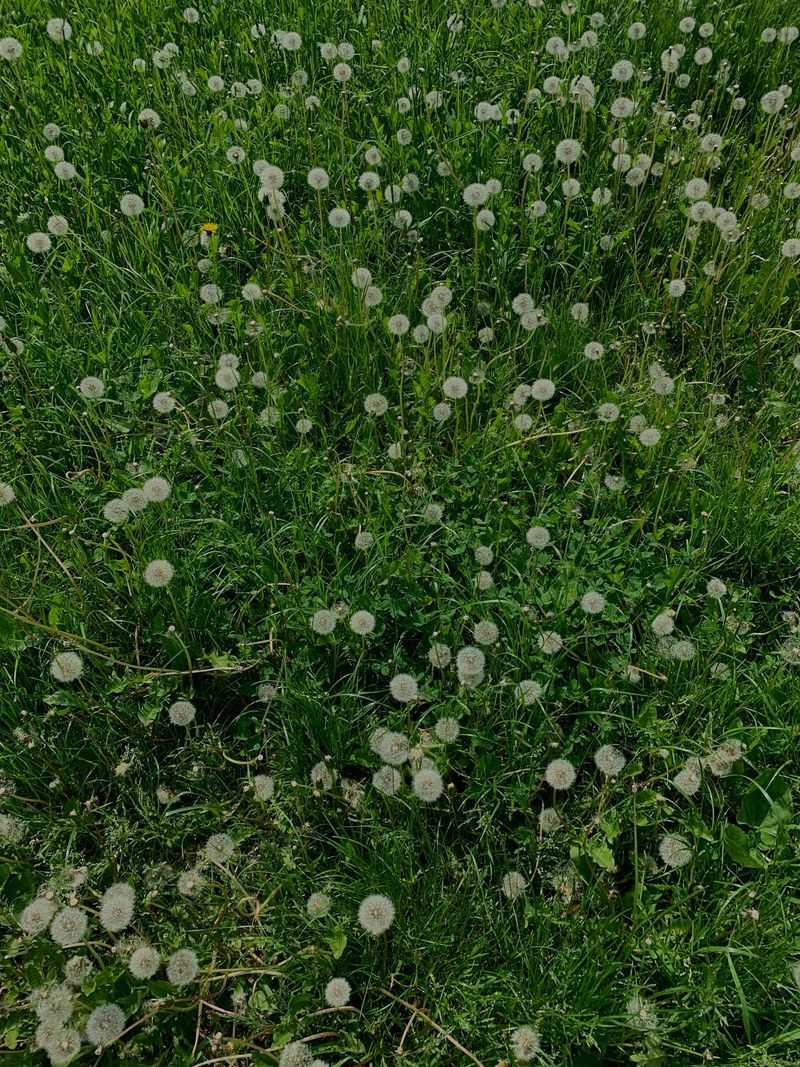
Weeds are patient, and they have been waiting for exactly this opportunity. The moment mowing stops, weed species spread rapidly with energy that turf grasses simply cannot match.
Dandelions, bindweed, and crabgrass are among the first to take full advantage in Colorado yards.
Mowing actually suppresses many broadleaf weeds by cutting them off before they can flower and set seed.
Skip that routine, and those same plants race to maturity in just a few weeks.
One mature dandelion can release dozens to hundreds of seeds into neighboring soil before you ever pick up the mower again.
Colorado’s dry climate creates bare soil patches where turf thins out, and weeds are perfectly adapted to colonize those spots fast.
They have deeper root systems, better drought tolerance, and faster germination rates than most lawn grasses.
That combination makes them fierce competitors when left unchecked.
Your Colorado Garden Changes Every Week. Your Plan Should Too.
Gardening in Colorado changes quickly throughout the season. Every Friday you’ll receive a simple weekly plan showing exactly what to plant, prune, fertilize, harvest, and protect so you never miss the right timing.
After a month, a lawn that looked mostly green can suddenly appear half weeds.
Pulling them by hand becomes a longer project than expected because roots have had extra time to anchor deep.
Pre-emergent herbicide applied in early spring helps reduce the workload significantly.
But honestly, consistent mowing remains one of the most effective and chemical-free ways to keep weed pressure manageable all season long.
3. More Pollinators
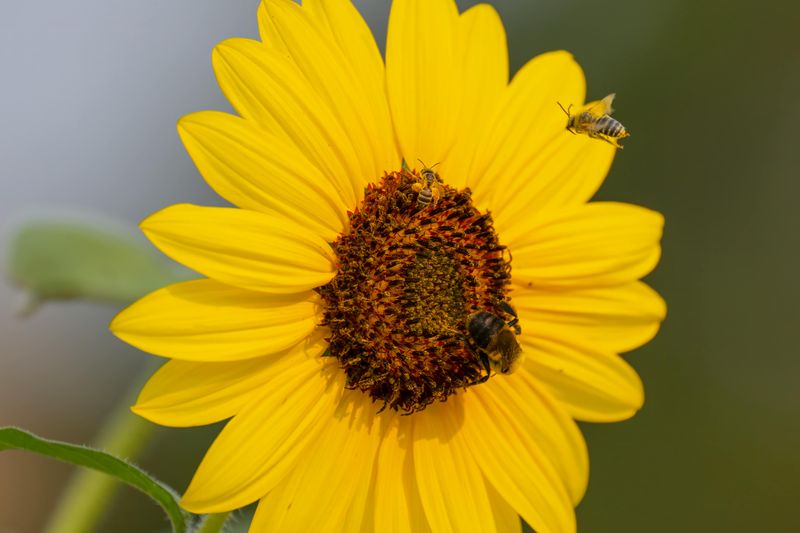
Skipping mowing accidentally creates a pollinator paradise, and that part is genuinely cool.
When grass grows tall enough to flower and weeds like clover and dandelions bloom freely, bees and butterflies show up in noticeable numbers.
Colorado is home to over 950 native bee species, and they are always hunting for food sources.
Clover, which hides in most lawns, bursts into white flowers within days of mowing stopping.
Those small blooms are loaded with nectar that honeybees and bumblebees absolutely love.
Even a modest patch of flowering clover can support dozens of bee visits per hour on a warm afternoon.
Monarch butterflies, swallowtails, and painted ladies also benefit from the temporary bloom buffet.
If milkweed or other native flowering plants are already established nearby, taller grass gives these travelers a resting and feeding spot during migration.
For pollinators facing habitat loss across North America, even a small unmowed patch matters more than most people realize.
The trade-off is real, though.
Once mowing resumes, those blooms disappear and the visitors move on.
If supporting pollinators is a genuine goal, consider leaving a small corner of the yard unmowed permanently.
Even a three-foot by three-foot patch planted with native Colorado wildflowers can make a lasting difference for local pollinator populations all summer.
4. More Ticks And Pests
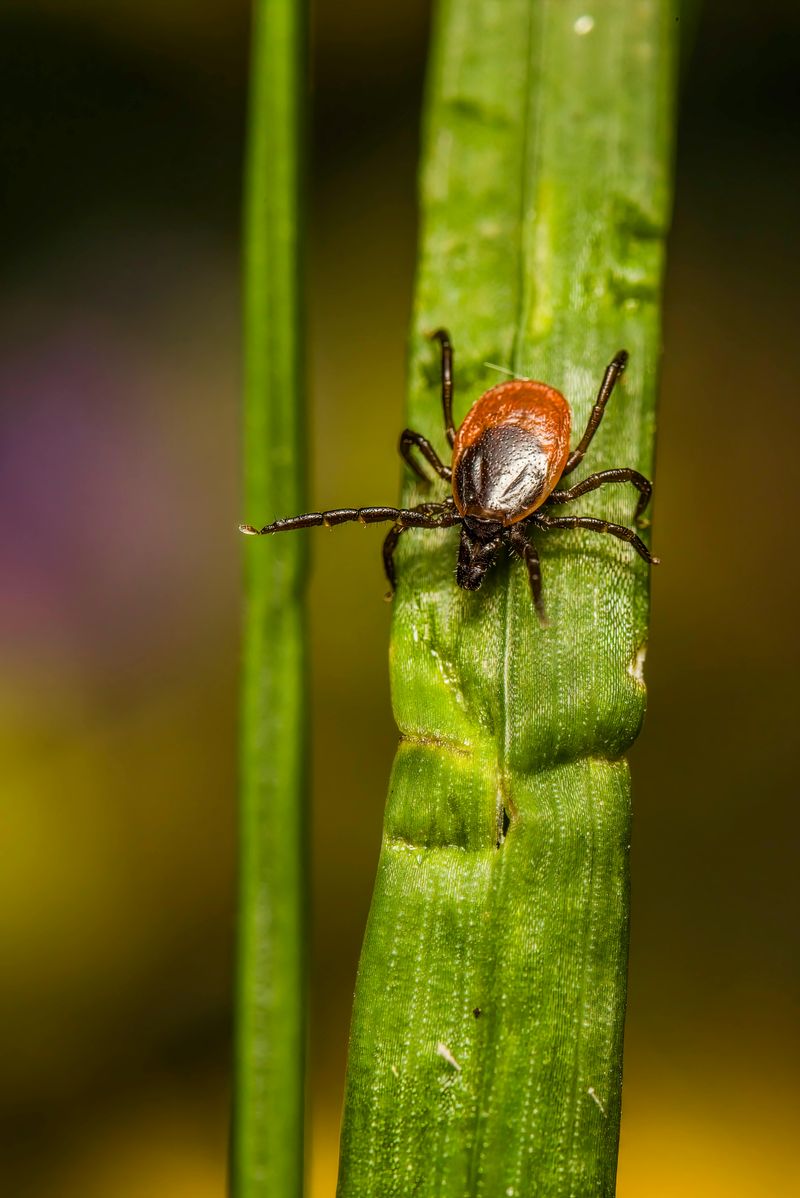
Tall grass is basically a five-star hotel for ticks, and they check in fast.Deer ticks and Rocky Mountain wood ticks, both present in Colorado, prefer sheltering in long vegetation where they can easily latch onto passing hosts.
A month of unchecked growth creates exactly the warm, humid microclimate these pests need to thrive.
Ticks do not jump or fly.They practice a behavior called questing, where they climb to the tips of grass blades and stretch their front legs outward, waiting for a warm body to brush past.
Taller grass means more questing spots at exactly the height where legs, ankles, and pets move through the yard.
Beyond ticks, other pests move in too.Chinch bugs, sod webworm larvae, and armyworms find dense, tall turf ideal for laying eggs and feeding undisturbed.
By the time mowing resumes, a small pest problem can have quietly grown into a full lawn infestation.
Keeping grass trimmed below four inches significantly reduces tick habitat and pest pressure.After spending time in an overgrown yard, check clothing and skin carefully before going indoors.
A quick shower and a full body check within two hours of outdoor exposure is the single most effective way to catch ticks before they attach.
5. Possible HOA Complaints

Nothing tests neighbor relationships faster than a shaggy lawn in an HOA community.
Most HOAs across Colorado Front Range suburbs have specific rules about grass height, typically capping it between four and six inches.
After a month without mowing, most lawns blow past that limit within the first two weeks.
HOA violations usually follow a predictable path.
A written notice arrives first, giving the homeowner a short window, often seven to fourteen days, to bring the lawn into compliance.
Ignoring that notice can trigger fines that escalate quickly, sometimes reaching hundreds of dollars per week in active enforcement communities.
Beyond the paperwork, there is the social dimension.
Neighbors notice, and overgrown lawns can create friction that outlasts the lawn itself.
In tight-knit neighborhoods, that kind of tension can be surprisingly hard to shake even after the mowing problem is resolved.
Before skipping mowing for any extended stretch, review the HOA guidelines specific to your community.
Some associations allow exceptions for documented reasons like injury, travel, or intentional pollinator gardens with proper signage.
A quick email to the HOA board explaining your situation can prevent a formal complaint entirely.
Being proactive and communicative goes a long way toward keeping both your lawn and your neighbor relationships in decent shape.
6. Minimal Soil Improvement
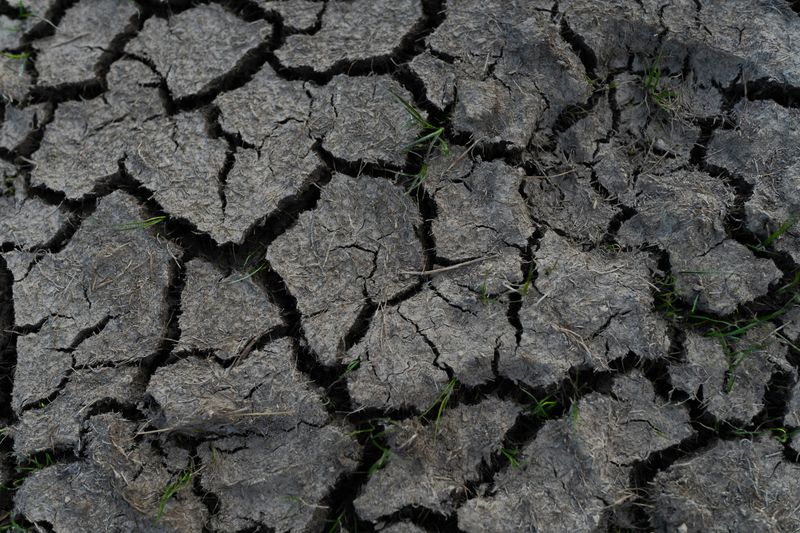
A common belief is that letting grass grow tall enriches the soil beneath it.
The truth is more nuanced and honestly a little disappointing.
One month of skipped mowing produces minimal measurable improvement in Colorado’s notoriously challenging clay or sandy soils.
Soil health builds slowly through consistent organic matter input over months and years.
Grass clippings left on the lawn after mowing, a practice called grasscycling, actually contribute more nitrogen back to the soil than simply letting the grass grow tall without cutting.
That nitrogen feeds the microbial activity that genuinely improves soil structure over time.
Colorado soils face specific challenges that one month of neglect cannot fix.
High alkalinity, low organic content, and compaction from clay-heavy substrates require intentional amendments.
Compost topdressing, aeration, and organic fertilizers applied consistently across multiple seasons can make a real difference.
For better soil health, combine regular mowing with grasscycling, annual core aeration in fall, and a two-inch layer of compost spread across the lawn each spring.
That combination builds genuine soil structure that supports deeper roots and better drought tolerance over time.
Skipping the mower for a month without any of those supporting practices leaves the soil largely unchanged while creating several other problems in the process.
7. Better Habitat For Insects
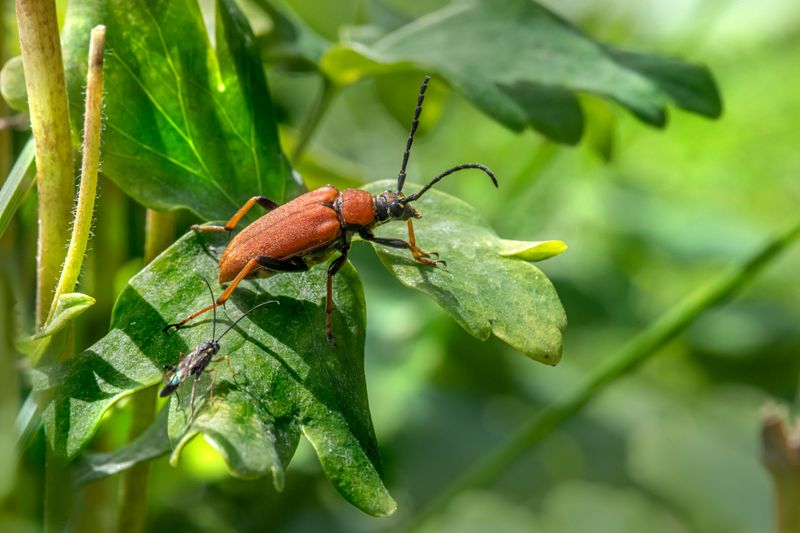
Beneath the tall blades, a whole community quietly sets up shop.
Beetles, spiders, crickets, and dozens of other beneficial insects move into the dense ground layer that forms when mowing stops.
For these small creatures, tall grass is not just shelter, it is a complete ecosystem offering food, protection, and breeding space.
Ground beetles alone are worth celebrating.
A single ground beetle can consume significant numbers of aphids, caterpillar eggs, and small soil pests each week.
Having more of them patrolling the lawn base is genuinely useful for natural pest management without any spraying required.
Spiders, often misunderstood and underappreciated, build their webs low in the grass canopy where flying insects travel.
A healthy spider population in a lawn acts like a living pest control system that works around the clock without any human intervention.
Tall grass supports spider density in ways that closely mowed turf simply cannot.
The catch is that not all insects moving into overgrown grass are beneficial.
Some, like sod webworm larvae, use tall turf as a breeding ground before feeding on the grass itself.
Balance matters here.
A permanently wild section of yard supports beneficial insects without turning the entire lawn into a pest nursery.
Even a small unmowed border strip provides meaningful habitat while keeping the main lawn manageable and healthy.
8. Increased Shade At Soil Level
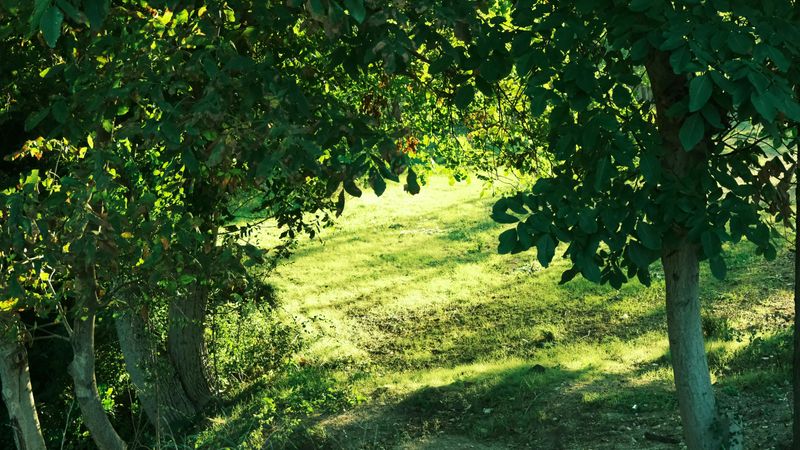
Tall grass creates its own microclimate right at the soil surface, and the effects are surprisingly significant.As blades grow and overlap, they form a loose canopy that blocks direct sunlight from reaching the ground below.
In Colorado’s intense high-altitude sun, that shade can actually slow moisture evaporation from the top inch of soil.
On paper, that sounds like a win for water conservation.And during mild spring conditions, it can be.
Soil under tall grass sometimes stays noticeably cooler and slightly more moist than soil under a neatly trimmed lawn exposed to full sun.
But the benefit flips quickly in Colorado’s dry summer heat.That same shade creates a persistently damp environment at the soil surface that encourages fungal growth, moss patches, and the breakdown of grass crowns near the base.
The crown is the most critical part of the grass plant, sitting right at or just below soil level, and keeping it healthy requires good air circulation.
Proper mowing height, around three to four inches for most Colorado cool-season grasses, strikes the right balance.It provides enough leaf area to shade soil and reduce moisture loss without creating the dense, airless conditions that lead to crown rot and fungal problems.
That middle ground is where a lawn stays genuinely healthy through Colorado’s unpredictable summer weather swings.
9. Potential Fungal Growth
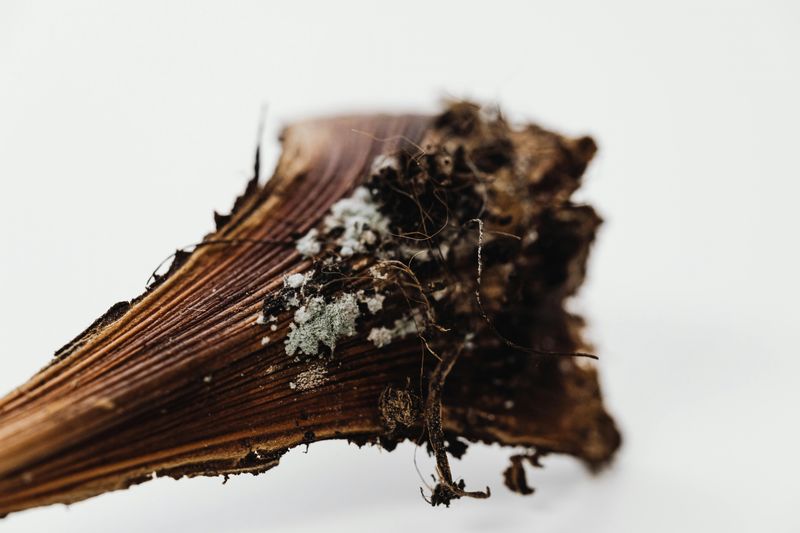
Fungal lawn diseases love exactly the conditions that an unmowed lawn creates.
Dense, tall grass traps moisture and restricts airflow near the soil surface, turning the lawn floor into a warm, humid environment where fungal spores germinate rapidly.
Colorado’s afternoon thunderstorms in July and August add frequent moisture that accelerates the problem.
Brown patch, dollar spot, and necrotic ring spot are among the most common fungal diseases affecting Colorado lawns.
Brown patch shows up as circular tan or brown areas surrounded by a darker outer ring.
Dollar spot leaves small bleached patches roughly the size of a silver dollar scattered across the lawn.
Both diseases spread through moisture, warm temperatures, and poor air circulation, a combination that describes an overgrown summer lawn almost perfectly.
Once established, some fungal diseases can persist in the soil for years even after the visible symptoms disappear. That makes prevention far easier than treatment.
Mowing regularly at the correct height is one of the most effective fungal prevention tools available to homeowners.
Avoiding evening watering, which leaves moisture sitting on blades overnight, also reduces risk significantly.
If fungal patches appear after resuming mowing, a labeled fungicide applied at the first sign of symptoms can stop spread before it escalates into large bare zones that require overseeding to repair.
10. Encourages Biodiversity Slightly
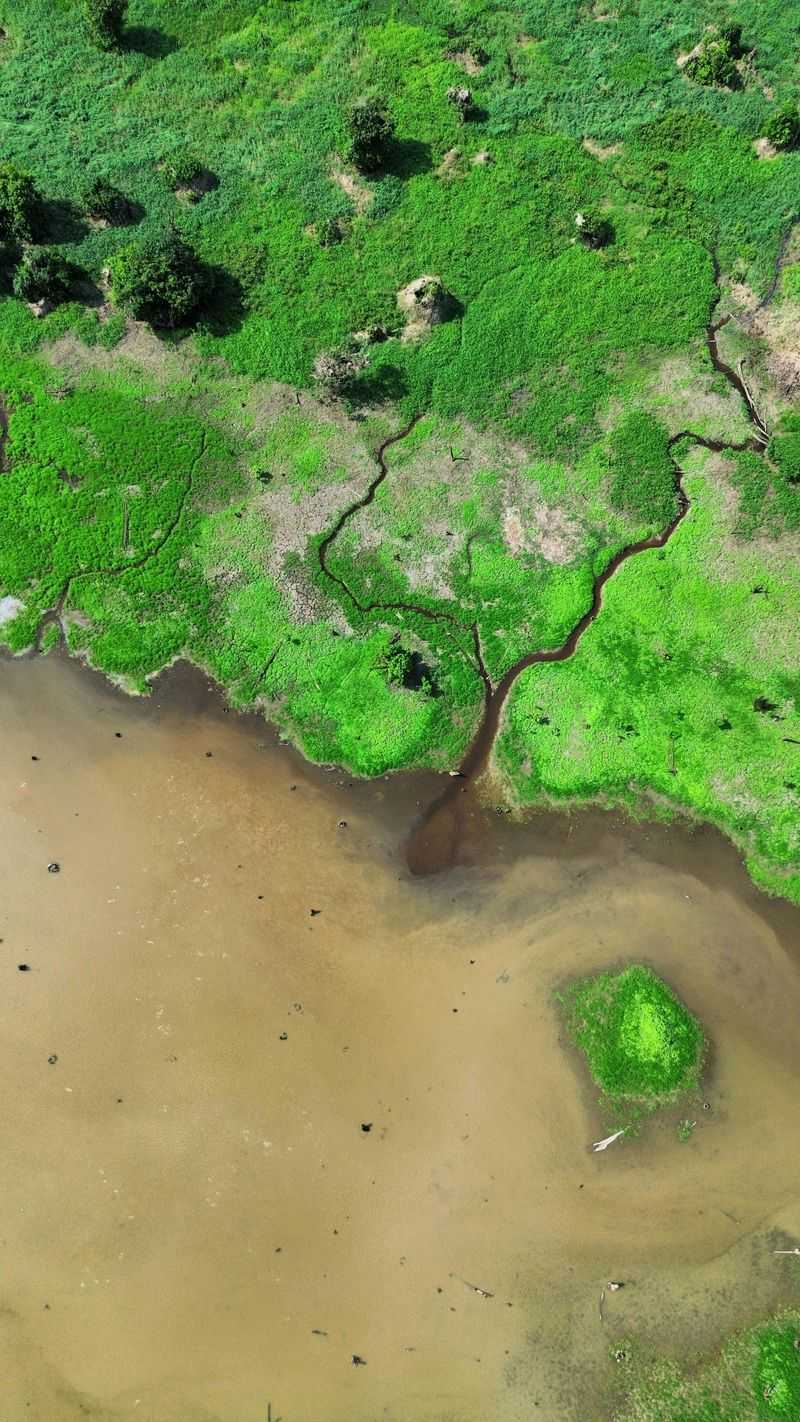
Biodiversity in a suburban lawn sounds like a lofty ecological goal. A month without mowing nudges things in that direction in small, observable ways.
Species that normally get cut before they can establish, like clover, self-heal, and native grasses, get a foothold when the mower stays parked.
The result is a more varied plant community than the single-species turf most homeowners aim for.
That variety has real ecological value, even at a small scale.
Different plant species attract different insects, support different soil microbes, and create slightly varied microhabitats within just a few square feet.
Even a modest increase in plant diversity can ripple outward to support more animal species in the surrounding area.
The scale of the benefit matters, though.
One unmowed suburban lawn in Colorado is a drop in a very large bucket.
Meaningful biodiversity restoration at the landscape level requires coordinated effort across neighborhoods, parks, and open spaces, not just one skipped mowing session.
Still, every small contribution adds up over time.
Homeowners who want to lean into this idea can overseed with a diverse native grass and wildflower mix rather than a monoculture turf blend.
Mixing buffalo grass, blue grama, and native wildflowers creates a lawn-like surface that supports far more biodiversity year-round while also requiring less water and maintenance than traditional Kentucky bluegrass turf.
11. Can Stress Cool-Season Turf In Heat

Colorado’s summer heat is no joke, and cool-season grasses feel every degree of it.
Kentucky bluegrass, tall fescue, and perennial ryegrass all struggle once temperatures push past 85 degrees Fahrenheit.
Leaving them unmowed during a heat wave adds significant stress on top of an already difficult situation.
Tall grass may seem like it would provide self-shading benefits, but the physiology works against the plant at high temperatures.
Longer blades expose more surface area to heat and sun, increasing water loss through transpiration.
That means an unmowed lawn in a Colorado heat wave can actually dehydrate faster than a properly trimmed one.
An already stressed root system works even harder when the plant is pushing excessive top growth.
Root depth and density suffer as a result, making the lawn more vulnerable to drought and heat damage just when resilience matters most.
During summer heat stretches, mowing at a slightly higher setting, around three to four inches, helps cool-season turf manage temperature stress without the downsides of going fully unmowed.
That height shades the soil without creating the airflow problems that come with truly tall, dense growth during the hottest weeks of the year.
12. More Seed Heads And Pollen
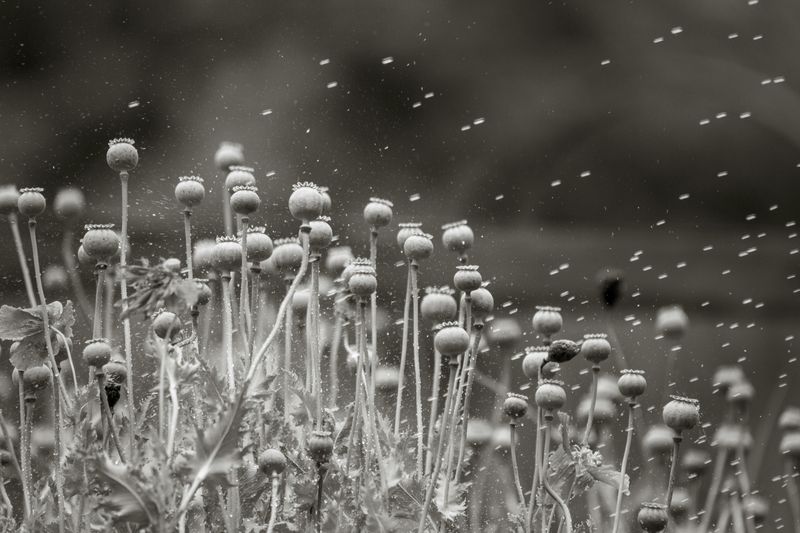
Grass that grows long enough will eventually do what all plants are designed to do: reproduce.
Around week three of skipping mowing, most Colorado lawn grasses begin sending up seed stalks topped with feathery or spiky seed heads that release pollen into the air.
For allergy sufferers, this development is genuinely miserable.
Grass pollen is one of Colorado’s top allergy triggers, ranking alongside tree pollen and ragweed.
Kentucky bluegrass pollen is particularly potent, and an unmowed lawn full of seed heads can noticeably increase local pollen counts.
Neighbors with allergies may notice the effects before they ever see the overgrown lawn itself.
Seed heads also signal a shift in the grass plant’s priorities.
Once a grass plant enters its reproductive phase and commits energy to seed production, it pulls resources away from root growth and lateral spreading.
That shift weakens the overall turf density, making the lawn thinner and more susceptible to weed invasion over the following weeks.
Mowing before seed heads fully develop, typically when stalks first appear above the canopy, interrupts the reproductive cycle and redirects the plant’s energy back into vegetative growth.
That keeps the lawn denser, reduces local pollen output, and gives allergy-prone neighbors one less reason to be unhappy with the yard next door.
13. Uneven Lawn Growth
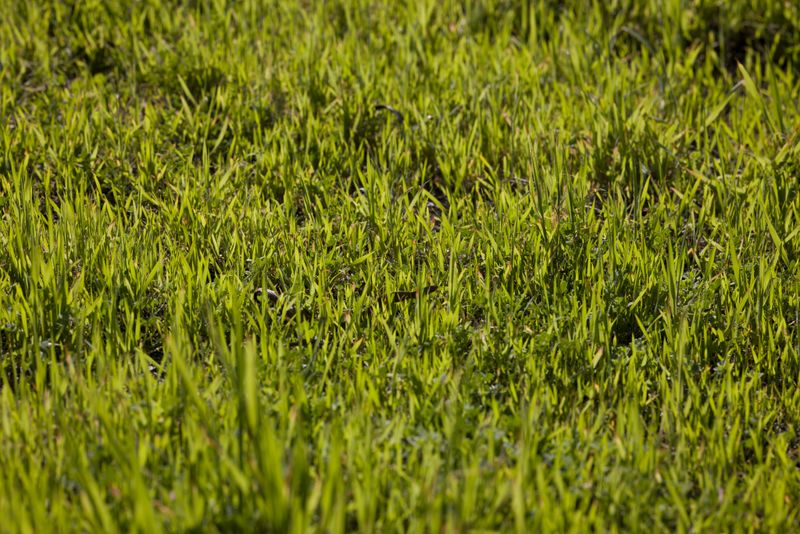
A month without mowing reveals the truth about a lawn that regular cutting was quietly hiding.Not all grass grows at the same rate, and without the leveling effect of the mower blade, those differences become impossible to ignore.
Some patches shoot up thick and dark green while others stay stubbornly sparse and pale, creating a patchwork effect that looks worse than any neat trim would.
Soil variation drives much of this unevenness in Colorado yards.Areas with heavier clay retain more moisture and support denser growth, while sandy or rocky patches drain fast and leave grass thin and struggling.
Sun exposure differences across the yard amplify those contrasts further, especially in yards with partial shade from trees or fences.
Thatch buildup also plays a role.Areas with thick thatch layers between the soil and the green blades above restrict water and nutrient penetration, causing those spots to grow slower and look patchier than surrounding areas.
After a month of growth, those thatch-heavy zones stand out clearly as shorter, yellower sections in an otherwise tall lawn.
Addressing uneven growth requires more than just mowing.Core aeration in fall breaks up compacted and thatch-heavy areas, while overseeding thin patches with a matching grass variety fills in the gaps.
A soil test from Colorado State University Extension can identify nutrient deficiencies driving the patchiness and guide a targeted amendment plan for spring.
14. Lower Mowing Emissions Temporarily
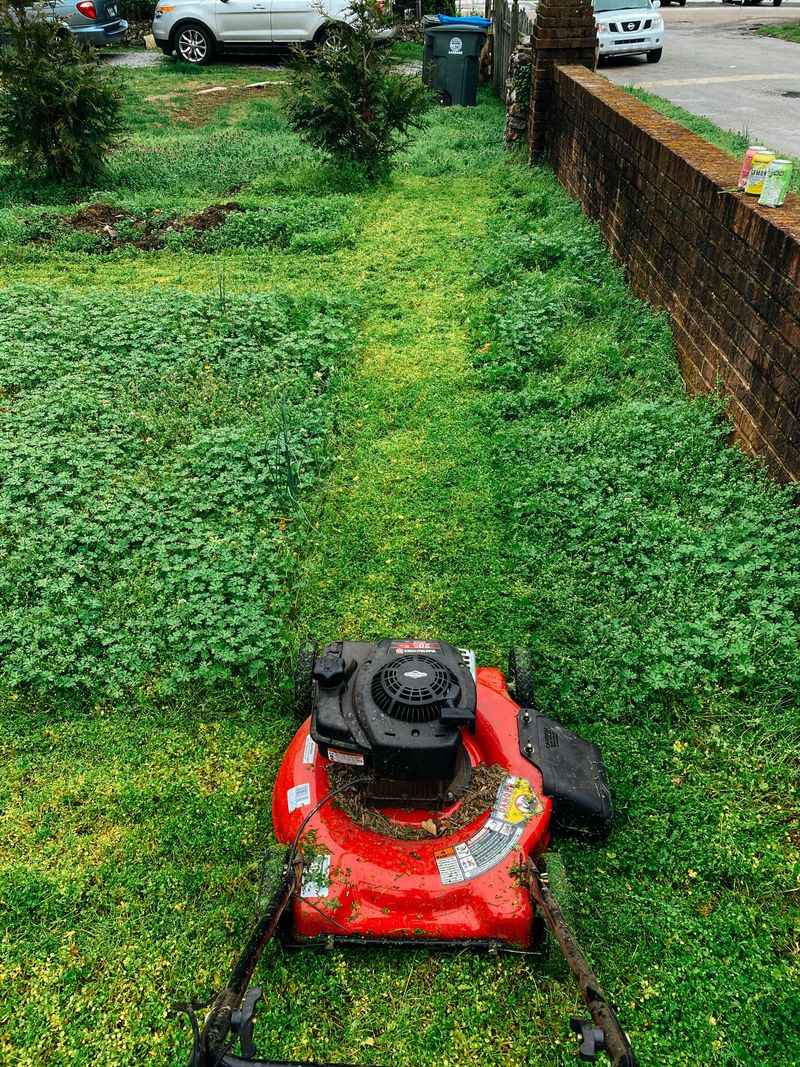
Parking the mower for a month does have one genuinely positive side effect that does not get mentioned enough.
Gas-powered lawn mowers are surprisingly significant polluters, producing emissions comparable to driving a modern car for several hundred miles in a single mowing season.
Skipping even a few sessions adds up to a measurable, if modest, reduction in local air pollution.
Older carbureted gas mowers are the worst offenders. The EPA estimates that running one for just an hour can produce smog-forming emissions roughly comparable to driving a car for up to 45 miles.
For a typical suburban homeowner mowing weekly, that represents a significant seasonal footprint that most people never think about.
Four skipped mowing sessions in a month means four hours of engine runtime and associated emissions avoided.
Colorado’s Front Range already struggles with air quality, particularly ozone levels during summer months when atmospheric conditions trap pollutants close to the ground.
Reducing small engine use during high-ozone days, which Colorado’s Air Quality Control Commission sometimes flags as Action Days, is one small but real contribution individual homeowners can make.
Switching to an electric or battery-powered mower eliminates this concern entirely while still keeping the lawn maintained properly.
Modern battery mowers handle most Colorado lawn sizes comfortably on a single charge and produce zero direct emissions during operation.
That swap pays off environmentally and often financially over a few seasons compared to ongoing gas and maintenance costs.
15. Harder First Mow Afterward
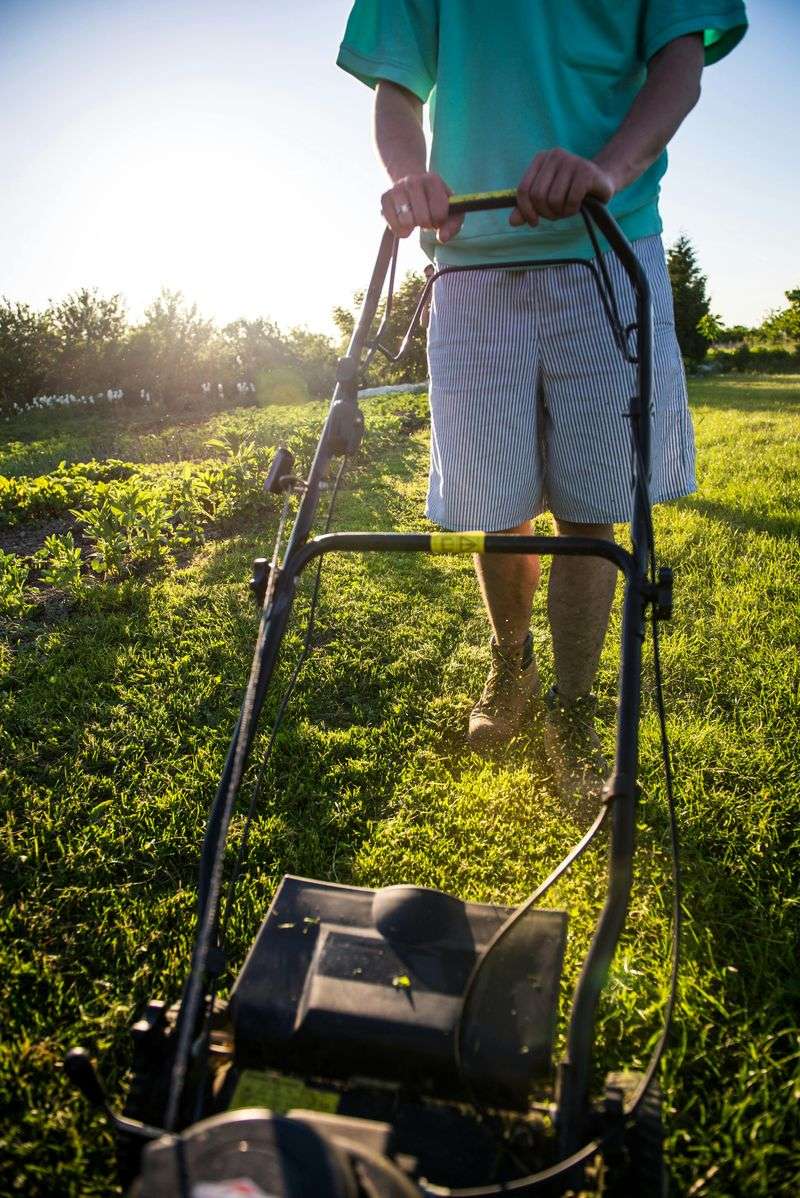
Coming back to an unmowed lawn after a month takes more effort than most people expect.
Tall, matted grass overwhelms standard rotary mowers, causing the blade to bog down, stall, or leave ragged uneven cuts.
What normally takes thirty minutes can turn into a two-hour battle with frequent stops to unclog the deck.
The real problem is cutting height.
Mowing experts recommend never removing more than one-third of the blade length in a single pass.
After a month of growth, Colorado grass can reach six to twelve inches tall, meaning you need multiple passes at progressively lower settings to get back to a healthy mowing height safely.
Skipping that gradual step and scalping the lawn all at once puts enormous stress on the plants.
Sudden exposure of the pale, shaded lower stem to intense Colorado sun can cause sun scald and leave brown patches that take weeks to recover.
That is the last thing a lawn needs heading into a dry stretch.
Sharpen the mower blade before tackling an overgrown lawn.
A dull blade tears grass instead of cutting it cleanly, leaving jagged tips that brown quickly and invite disease.
Plan for at least two separate mowing sessions spaced a few days apart to bring the lawn back to a manageable height without causing lasting damage.