Florida Gardeners, Don’t Make These Hydrangea Mistakes Before Summer
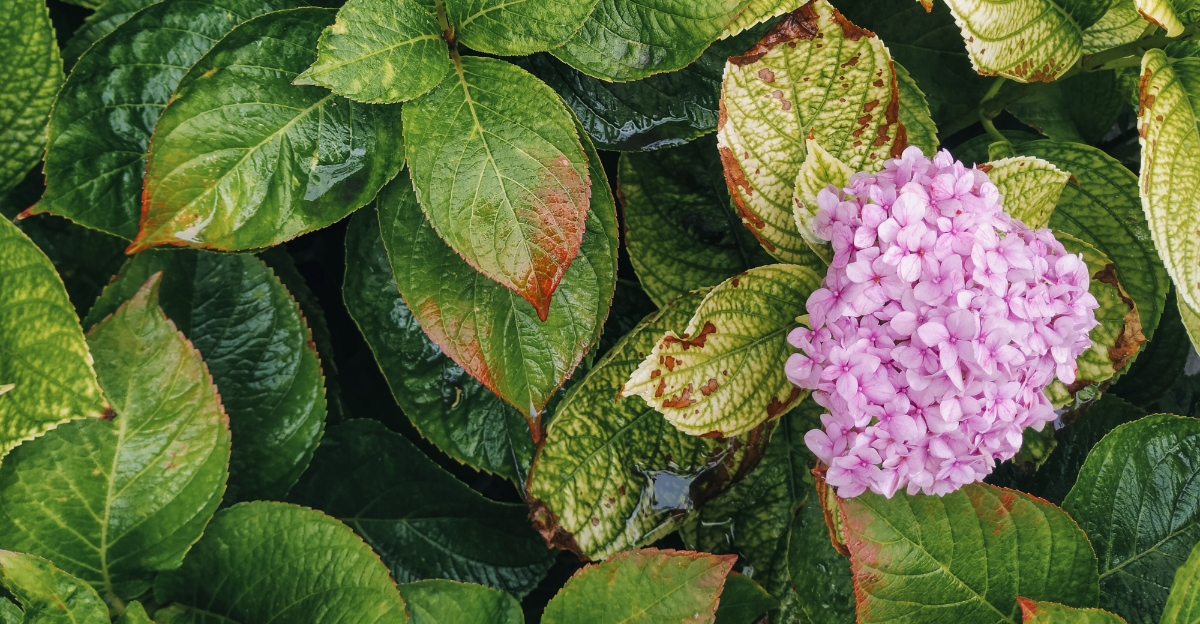
Hydrangeas and Florida have a complicated relationship. The plants are beautiful, widely sold, and constantly tempting at every garden center heading into the warmer months.
They are also frequently misunderstood in a climate that plays by completely different rules. Those rules are nothing like the cool, moist conditions hydrangeas prefer in other parts of the country.
Most mistakes happen before summer even arrives, in the variety chosen, the spot selected, and the soil prepared. By the time the heat settles in and the problems show up, the decisions that caused them are weeks behind.
Florida gardeners who love hydrangeas are not wrong to grow them, but the margin for error here is narrower than the plant’s reputation suggests.
A few adjustments made now can be the difference between a hydrangea that struggles and one that actually delivers on its promise.
1. Planting Hydrangeas In Harsh Afternoon Sun
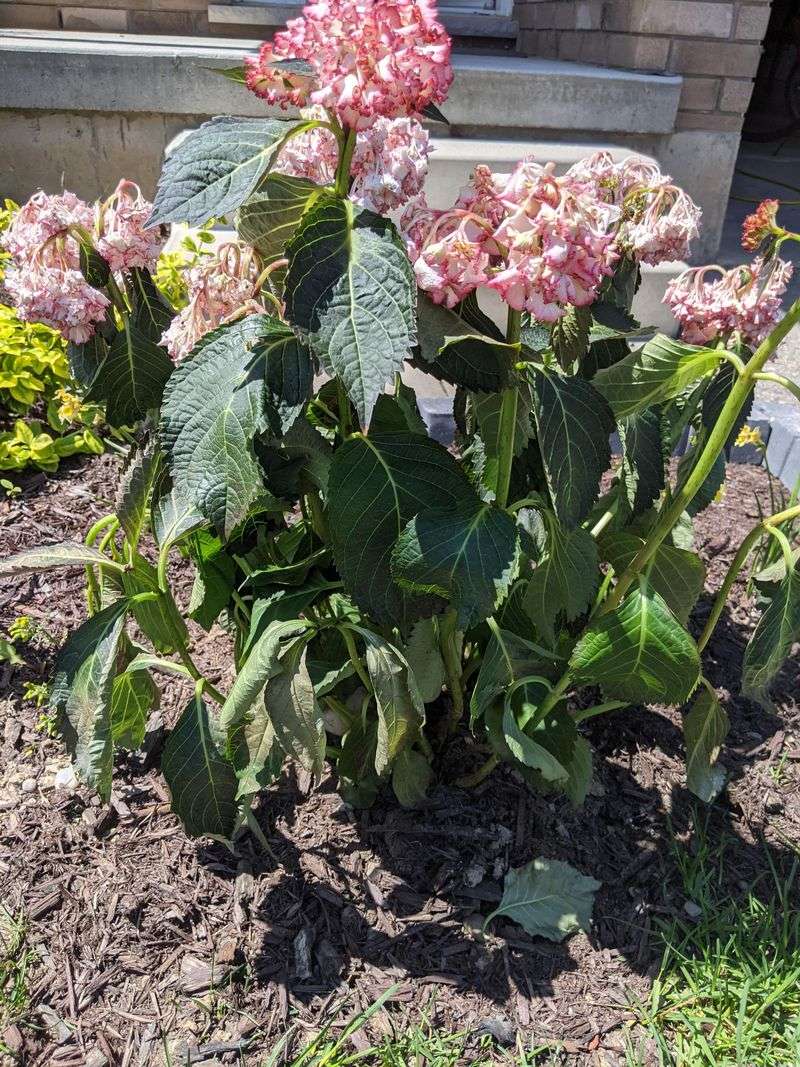
The first mistake often happens right at planting time, when a spot looks open and bright and seems perfect for a flowering shrub.
Many hydrangeas perform best with morning sun and afternoon shade, especially in warm climates where summer heat hits hard and fast.
Placing a plant in a spot that bakes in direct sun from noon onward can stress the leaves and blooms well before August arrives.
Morning sun helps hydrangeas set their blooms and build energy for the day. Once the afternoon rolls around and the sun is at its strongest, most hydrangeas appreciate a break.
An east-facing planting spot is often a good starting point because the plant gets light early and shade later. That lines up well with how these plants naturally prefer to grow.
Filtered light from tall trees or open canopy shrubs can also work well in local gardens. The goal is to soften the harshest rays without blocking all light completely.
Too much deep shade can reduce blooming, so balance matters here.
One detail that many gardeners overlook is reflected heat. Walls, fences, and pavement can hold and bounce heat back onto nearby plants even when direct sunlight has passed.
A hydrangea planted too close to a south-facing wall or a concrete patio may experience more heat stress than one sitting in an open garden bed.
Before choosing a planting spot, spend a day watching how sun and shade move across your yard. Notice where the light shifts after noon and where heat seems to linger.
Moving a container plant to test a location first can save a lot of effort. Getting the placement right from the start is one of the most helpful things you can do before summer arrives.
2. Letting Sandy Soil Dry Out Too Fast
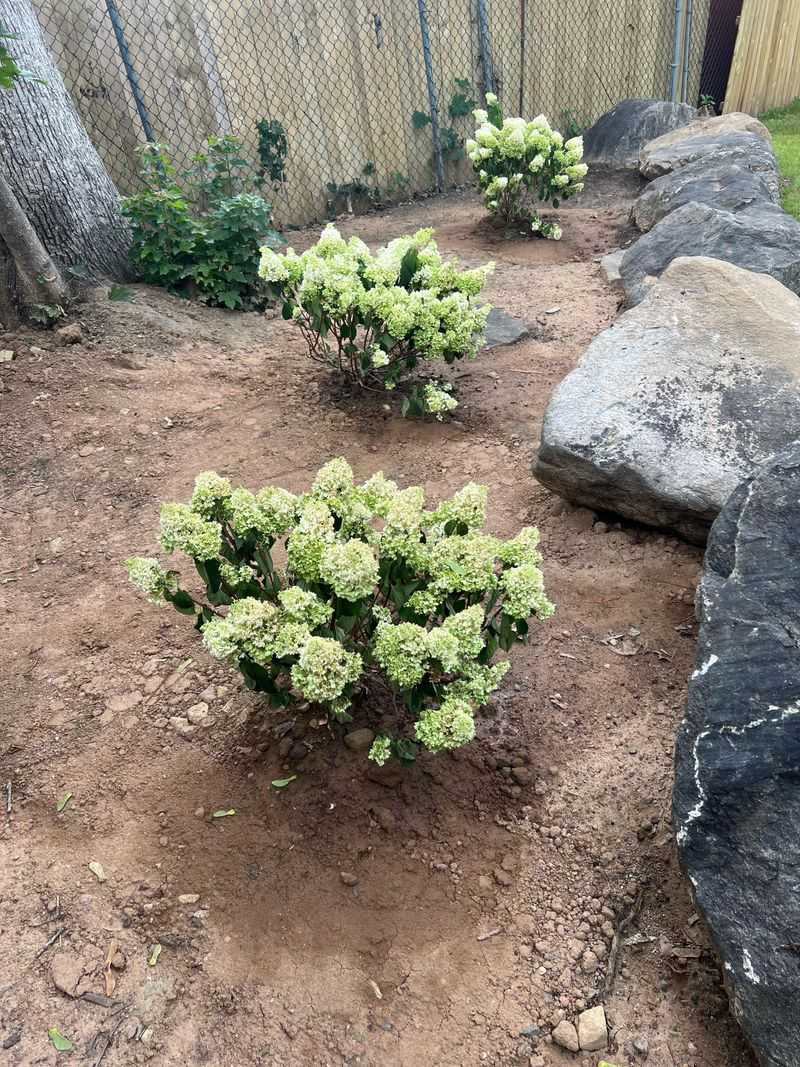
Fast-draining soil can fool Florida gardeners into thinking their plants are getting enough water when they really are not.
Sandy soil, which is common across much of this state, drains quickly and may not hold moisture long enough for hydrangeas during warm weather.
A plant can look watered in the morning and be stressed by early afternoon if the soil dries out too fast between sessions.
Your Florida Garden Changes Every Week. Your Plan Should Too.
Gardening in Florida changes quickly throughout the season. Every Friday you’ll receive a simple weekly plan showing exactly what to plant, prune, fertilize, harvest, and protect so you never miss the right timing.
Adding organic matter to the planting area can help improve moisture retention over time. Compost worked into the soil before planting is a practical step that many experienced gardeners recommend.
That said, amendments alone may not solve every site problem. This is especially true in areas with extremely fast-draining soil or where water competition from nearby tree roots is heavy.
Mulch is one of the most useful tools for keeping moisture in the ground longer. A layer of mulch spread across the root zone can slow evaporation, moderate soil temperature, and reduce how often you need to water.
Pine bark, pine straw, and shredded wood are all commonly used options in local gardens.
One important detail is to keep mulch pulled back slightly from the base of the plant. Piling mulch directly against the stem can hold moisture against the bark in a way that may cause problems over time.
A small gap around the base keeps things healthier.
Before watering, press a finger into the soil a few inches deep. If it feels dry at that depth, the plant likely needs water.
If it still feels slightly cool and moist, you can usually wait. Checking soil moisture this way takes only a few seconds and helps prevent both overwatering and underwatering, both of which can stress hydrangeas heading into summer.
3. Watering The Leaves Instead Of The Roots
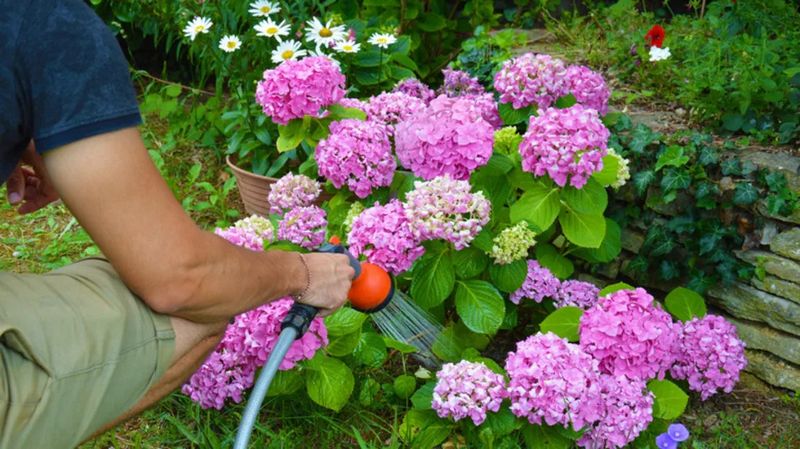
A wet leaf is not the same as a watered root, and this is a distinction that matters a lot in humid weather. Hydrangeas need consistent moisture delivered to the root zone, not frequent splashing across the foliage.
Watering the leaves may look thorough, but much of that water evaporates before it ever reaches the roots where it is actually needed.
In a warm, humid climate, wet foliage can also stay damp for extended periods, especially when air circulation is limited. This can create conditions that are less than ideal for leaf health over time.
Keeping the leaves as dry as possible during watering is a small habit that can make a noticeable difference across the growing season.
Watering near the base of the plant is a more effective approach. A slow, steady stream directed toward the soil around the root zone gives water time to soak in rather than run off.
Drip irrigation systems work well for this purpose and are worth considering for gardeners who want a more consistent routine without a lot of daily effort.
If you use a standard garden hose, holding it low and letting the water flow gently at the base achieves a similar result. Soaker hoses laid around the root zone are another practical option that many home gardeners find easy to manage.
Timing also plays a role. Watering early in the morning allows any moisture that does land on leaves to dry off before evening.
Watering late in the day can leave foliage wet overnight, which is not ideal in a climate where nights stay warm and humidity remains high.
Early morning watering gives roots a good supply heading into the heat of the day and keeps the leaves drier through the night.
4. Pruning At The Wrong Time Before Summer
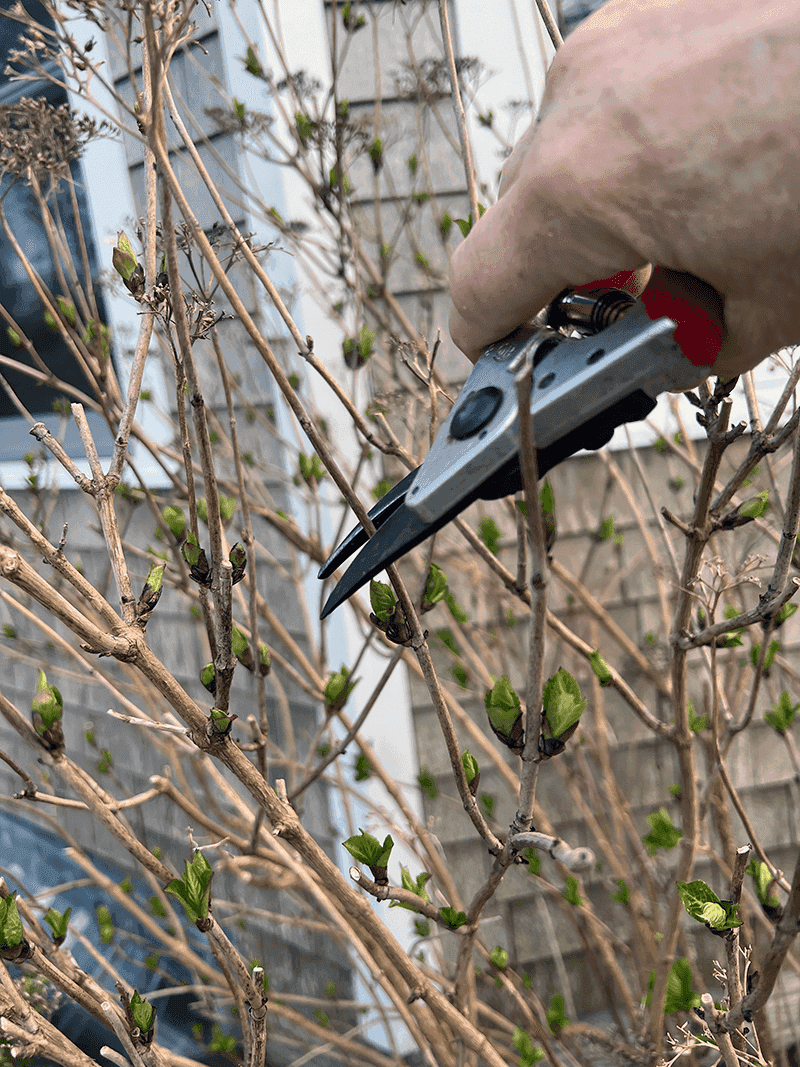
Pruning gets tricky because not all hydrangea types bloom the same way, and cutting at the wrong time can mean fewer flowers for an entire season. Some hydrangeas bloom on old wood, meaning the buds that will open this summer were set on last year’s growth.
If those stems get cut off before they bloom, the plant may not produce many flowers at all until the following year.
Other hydrangea types bloom on new wood, meaning they set buds on growth that develops in the current season. These plants are generally more forgiving about pruning timing because new stems will grow and produce flowers regardless.
Bigleaf hydrangeas are among the most popular types in home gardens, and they typically bloom on old wood. Some newer reblooming varieties can bloom on both old and new wood.
The key step before picking up the pruners is identifying what type of hydrangea you have. This is worth doing carefully, because a single cut at the wrong time can remove an entire season of blooms.
If you are unsure of the type, it may be safer to do very light maintenance pruning only and wait until you can confirm the variety.
Avoid heavy pruning right before summer unless you are confident it is appropriate for your specific plant. Removing large amounts of growth just as temperatures begin climbing can also stress a plant that is already working hard to manage heat.
Light shaping and the removal of any clearly damaged or crossed stems is usually the most sensible approach in late spring.
Resources from university extension programs, including UF/IFAS, can help you identify hydrangea types and understand when pruning is most appropriate for each one.
Taking a few minutes to research your specific plant before cutting can save a full season of blooms.
5. Feeding Too Much When Heat Is Coming
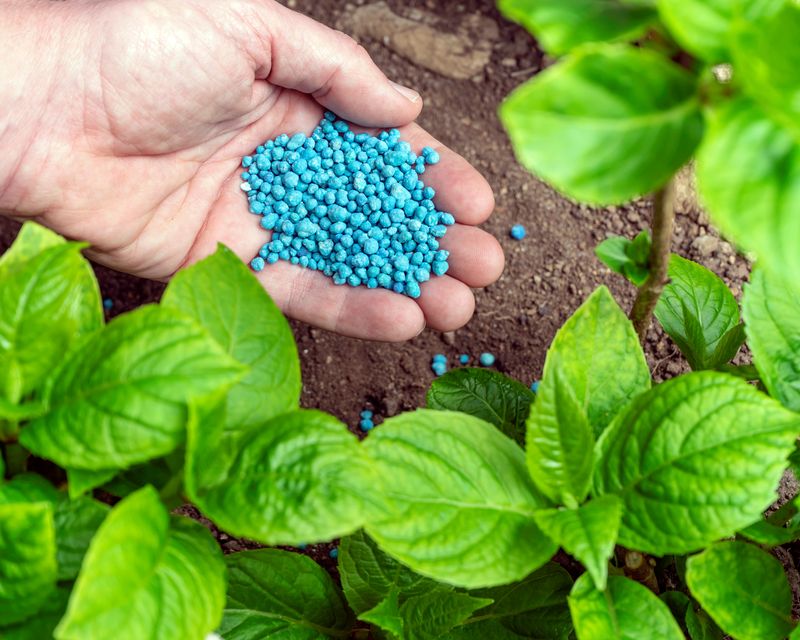
Extra fertilizer sounds helpful until heat arrives and the problems start to show. Pushing a lot of soft, fast-growing new growth right before the hottest months can leave a hydrangea less prepared for the stress that summer brings.
That tender new growth may struggle to handle heat, and the plant can end up looking worse rather than better by midsummer.
Fertilizer should be used according to the product label and applied with some awareness of the season. Many gardeners in warm regions find that lighter feeding earlier in the growing season works better.
It is usually more effective than heavy applications close to summer, before the most intense heat settles in. The goal is to support healthy, steady growth rather than push a burst of rapid development at the wrong time.
It is also worth remembering that fertilizer cannot fix the underlying conditions that stress a hydrangea. If a plant is sitting in too much afternoon sun, struggling in dry sandy soil, or not getting consistent water, adding more fertilizer will not solve those problems.
Addressing shade, moisture, and soil health first gives fertilizer something to build on.
Slow-release fertilizer formulas are often recommended for ornamental shrubs because they deliver nutrients gradually rather than all at once. This steadier approach tends to match how plants actually use nutrients through the season.
Always water the plant well before and after applying any fertilizer to help it move into the soil properly.
If your hydrangea has been struggling, a soil test can be a useful starting point. Soil tests can reveal whether nutrients are actually lacking or whether the soil pH may be affecting how well the plant absorbs what is already there.
Many local extension offices offer affordable soil testing that can guide your fertilizer decisions more precisely than guessing.
6. Ignoring Regional Heat And Shade Needs
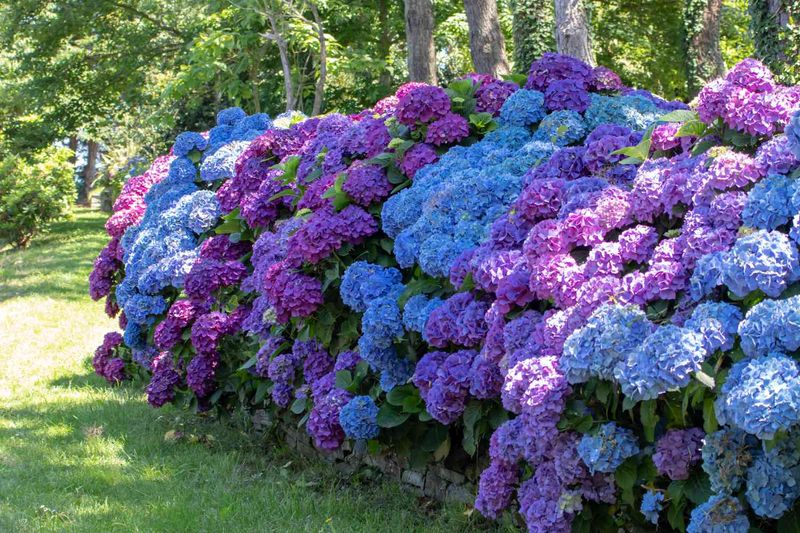
A plant that works beautifully in one part of this state may struggle noticeably in another, and hydrangeas are a clear example of that. Growing conditions change significantly from the northern panhandle down through central regions and into the far south.
Treating hydrangea care as one-size-fits-all across the entire state can lead to real disappointment.
Northern regions of the state often experience cooler winters and milder spring temperatures. That can give hydrangeas a longer comfortable growing window before intense summer heat arrives.
Gardeners in these areas may have more flexibility with variety selection and placement, though afternoon shade and consistent watering still matter as summer approaches.
Central regions tend to heat up earlier in the year and stay warm longer. Shade becomes more important here, and the window for getting plants established before summer stress sets in is shorter.
Mulching and consistent watering are especially valuable in central gardens where sandy soil and heat can combine to dry out root zones quickly.
Choosing hydrangea varieties that are noted for better heat tolerance can also improve your results in this zone.
Southern regions present the most challenging conditions for many hydrangea varieties. Long stretches of heat, warm overnight temperatures, and high humidity through much of the year can limit which types will perform reliably.
Some gardeners in the south have success with oakleaf hydrangeas or certain heat-tolerant selections, but results can vary by site, microclimate, and care practices.
Checking with a local UF/IFAS extension office or a trusted local nursery is a practical and honest approach. Ask which varieties have performed well in your specific region.
Local knowledge, based on real experience in your area, is often more useful than general advice. That broader advice may not account for the differences across this diverse and warm state.
7. Skipping Pest And Problem Checks Before Summer
Warm weather has a way of bringing out problems that were easy to miss during cooler months, and hydrangeas are not immune to that pattern.
Heading into summer without giving your plants a careful once-over can mean that small issues grow into larger ones once heat and humidity settle in.
A few minutes of attentive observation before the hottest weather arrives is time well spent.
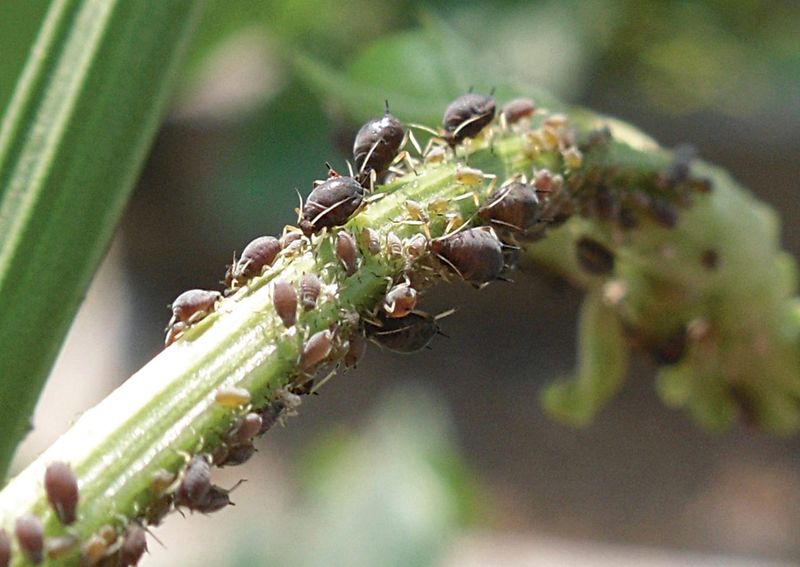
Common things to look for include leaf spots, unusual discoloration, sticky residue on leaves, or the presence of small insects on the undersides of foliage.
Aphids, spider mites, and scale insects can all affect hydrangeas, and they tend to become more active or harder to manage once conditions warm up.
Catching them early gives you more options for handling them with less effort.
Root health is another area worth considering before summer. If a plant has been sitting in consistently waterlogged soil during the rainy season or from overwatering, root problems can develop quietly.
A plant that looks slightly off, with yellowing leaves or weak new growth, may be signaling that something is happening below the surface. Adjusting drainage or watering habits before summer can give roots a chance to recover.
It is also a good time to check whether the plant has enough room to grow. Crowded plants with poor air circulation tend to stay wetter longer in humid weather, which can contribute to leaf and stem problems.
Thinning out nearby plants or trimming back branches that crowd a hydrangea can improve airflow without stressing the plant itself.
A simple walk through your garden with fresh eyes, looking at each plant from the top down and checking the undersides of a few leaves, can catch problems early.
Starting summer with cleaner, healthier plants gives you a much better foundation for the months ahead.