9 Reasons Your Maryland Tomatoes Split In Summer (And What To Do About It)
There’s a particular kind of gardening heartbreak that hits different than the rest.
Not the aphids, not the rogue squirrel, not even the mystery blight that took out half your pepper plants last August.
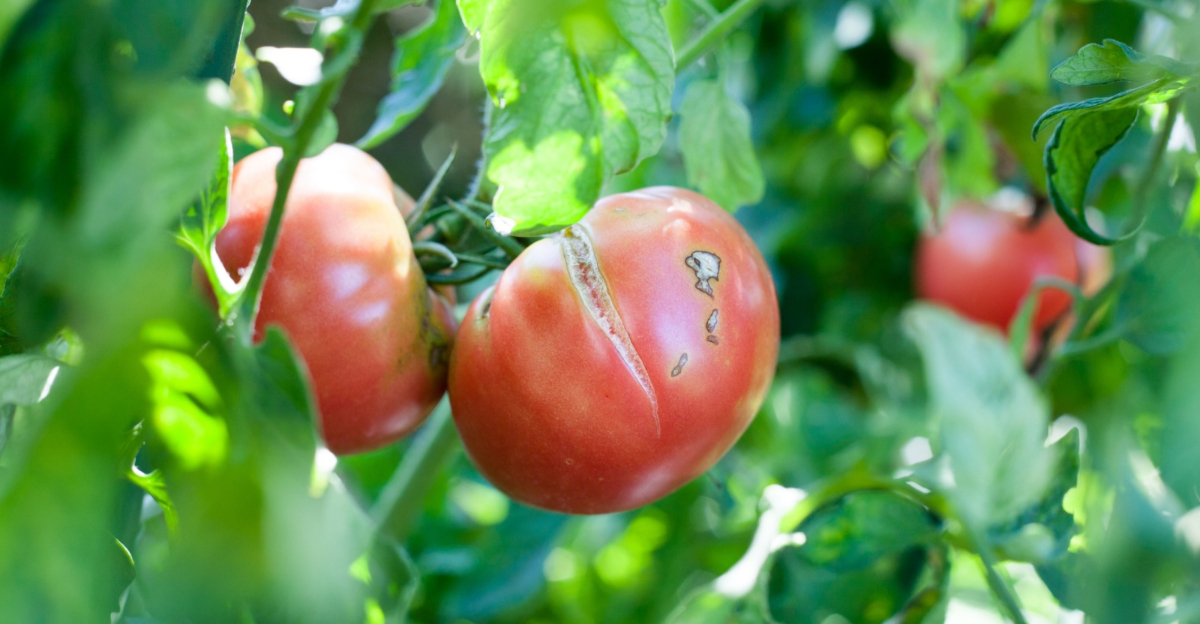
It’s walking out to your garden on a warm Maryland morning, coffee in hand, and finding a tomato that looked absolutely perfect yesterday.
Split wide open, like it had somewhere better to be.
Tomato splitting is one of those problems that feels random and cruel, but it almost never is.
There’s almost always a reason, usually a quiet, preventable one that’s been building for days before the skin finally gives.
The frustrating part isn’t that it happens.
It’s that once you understand what’s actually going on beneath the surface, most of it is completely within your control.
That’s exactly what I’m going to unpack here.
1. Inconsistent Watering
Tomatoes have no patience for inconsistency, and an irregular watering schedule is basically setting them up to fail.
Inconsistent watering is the number one reason Maryland tomatoes crack in summer, and it comes down to simple plant biology.
When a tomato plant goes without water for a few days and then gets a big drink, the fruit absorbs moisture faster than its skin can stretch.
That rapid swelling causes the skin to crack, sometimes in deep, ugly splits that run right through the fruit.
The inside of the tomato grows too fast, and the outside just cannot keep up.
It is the same idea as overfilling a water balloon too quickly.
The fix is straightforward: water deeply and on a regular schedule, ideally every one to two days during hot stretches.
Aim for about one to two inches of water per week, delivered at the base of the plant rather than overhead.
A drip irrigation system or a soaker hose makes this much easier to manage without overthinking it.
Mulching around the base of your plants also helps by keeping the soil moisture steady between watering sessions.
A thick layer of straw or wood chips can make a noticeable difference almost immediately.
Lock in a steady rhythm and your tomatoes will show up at harvest exactly the way you pictured them, smooth, full, and completely worth the wait.
2. Heavy Rain After A Dry Period
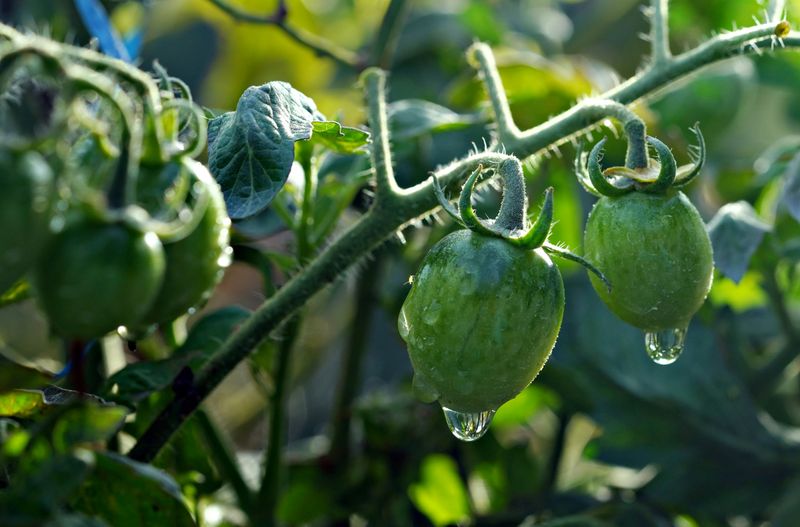
Picture this: two weeks of dry, blazing heat followed by a massive thunderstorm rolling in off the Chesapeake.
Your tomato plants, stressed and thirsty, suddenly get more water than they have seen all month.
The result is almost always the same, and it is not pretty.
Heavy rain after a dry period is one of the sneakiest causes of tomato splitting because you cannot control the weather.
The plant drinks up that rainfall aggressively, pushing water into the fruit at a rate the skin simply cannot handle.
Within hours, you can see cracks forming on tomatoes that looked perfectly fine the day before.
Since you cannot stop the rain, your best defense is preparation.
Your Maryland Garden Changes Every Week. Your Plan Should Too.
Gardening in Maryland changes quickly throughout the season. Every Friday you’ll receive a simple weekly plan showing exactly what to plant, prune, fertilize, harvest, and protect so you never miss the right timing.
Keep your soil consistently moist even during dry spells so the contrast between dry and wet is not so dramatic.
When a big storm is in the forecast, check your garden beforehand and water lightly if the ground is very dry, which softens the shock.
Picking tomatoes that are close to ripe before a major storm is also a smart move.
They will finish ripening indoors just fine, and you will save yourself the heartbreak of finding cracked fruit after the rain.
A little planning goes a long way when Maryland summer weather decides to be unpredictable.
3. Extreme Heat Spikes
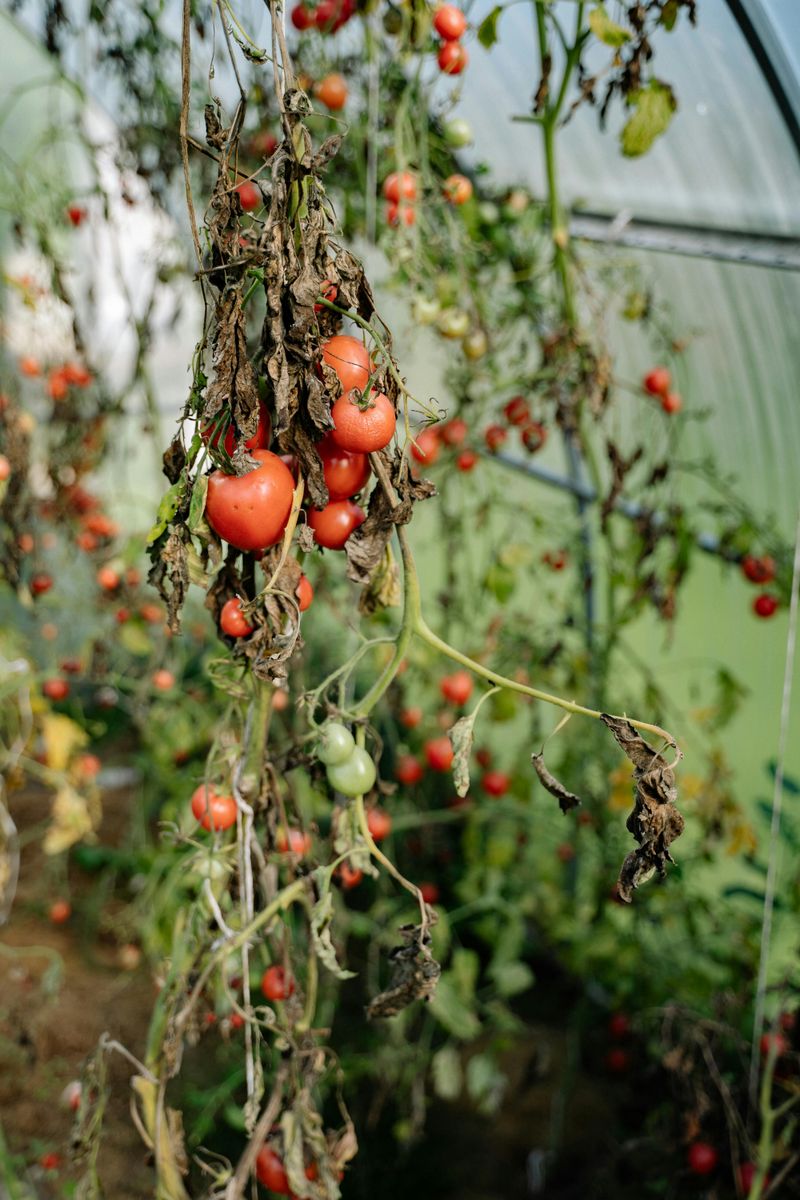
Ninety-five degrees by noon, no breeze, and tomatoes baking in full sun.
That is a Maryland summer in a nutshell, and it is brutal for your plants.
Extreme heat spikes stress tomato plants in ways that go beyond just wilting leaves.
When temperatures soar, the plant struggles to distribute water evenly across the fruit.
Then, when you water or rain arrives, the fruit rehydrates rapidly and unevenly.
That uneven pressure inside the tomato is exactly what causes splitting, and it can happen within a single afternoon.
Shade cloth is one of the best tools for managing heat spikes in a home garden.
A lightweight row cover or shade cloth rated at thirty to forty percent can drop the temperature around your plants by several degrees.
That small reduction makes a big difference when you are fighting off a heat wave that lasts a week or more.
Watering in the early morning also helps your plants stay hydrated before the hottest part of the day hits.
Avoid watering in the afternoon, most of the water evaporates before it reaches the roots, and wet foliage in peak heat is an open invitation for disease.
Growing heat-tolerant tomato varieties like Solar Fire or Heatmaster is another smart strategy for gardeners dealing with intense summers.
Giving your plants every advantage possible means fewer cracked tomatoes and more satisfying harvests.
4. Overripe Fruit Left On The Vine
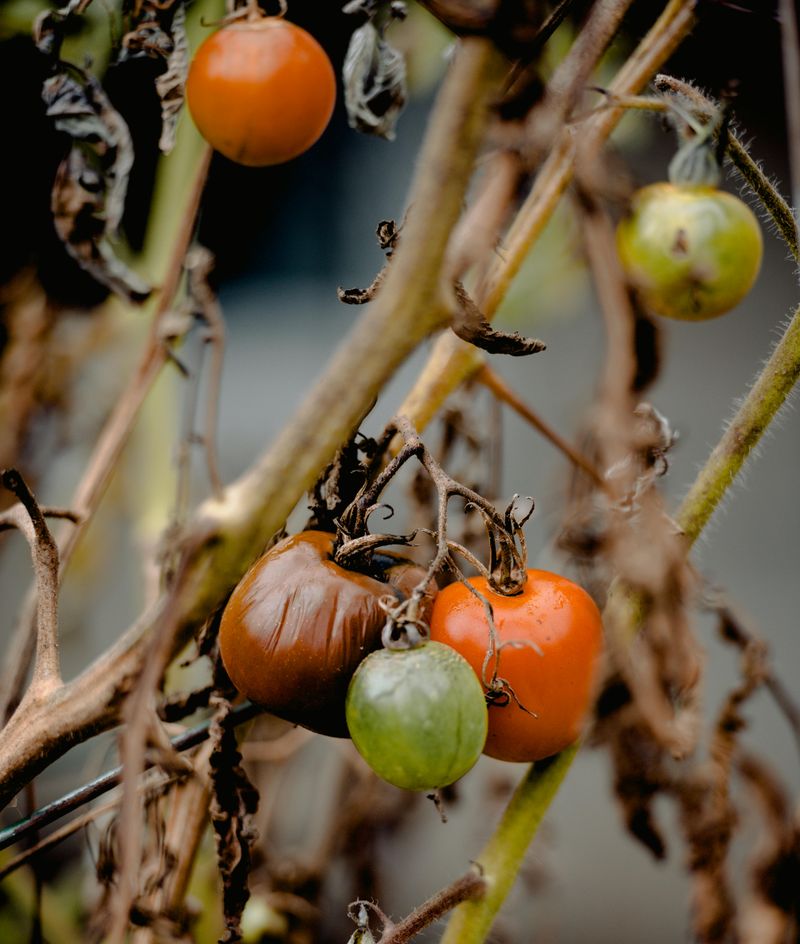
Leaving tomatoes on the vine past their prime is a mistake that feels innocent but costs you the whole fruit.
Once a tomato reaches full ripeness, its skin becomes thinner and more fragile with each passing day.
At that point, even a light rain or a standard watering can trigger a split.
Overripe tomatoes are basically ticking clocks in your garden.
The longer they hang there, the more vulnerable they become to cracking, insect damage, and rot.
Many gardeners wait too long because they want maximum flavor on the vine.
The problem is that the window between perfect and overripe is shorter than most people realize.
Harvest your tomatoes when they are fully colored but still slightly firm to the touch.
They will continue to ripen off the vine at room temperature, developing full flavor without the risk of splitting.
Never refrigerate a tomato you plan to eat soon, since cold temperatures destroy the texture and flatten the taste.
Doing a quick daily walk-through of your garden during peak season helps you catch tomatoes at just the right moment.
Bring a basket and pick anything that looks close, because waiting another day often means losing that fruit entirely.
Staying on top of your harvest schedule is one of the simplest ways to stop cracking before it starts.
5. Sudden Temperature Drop At Night
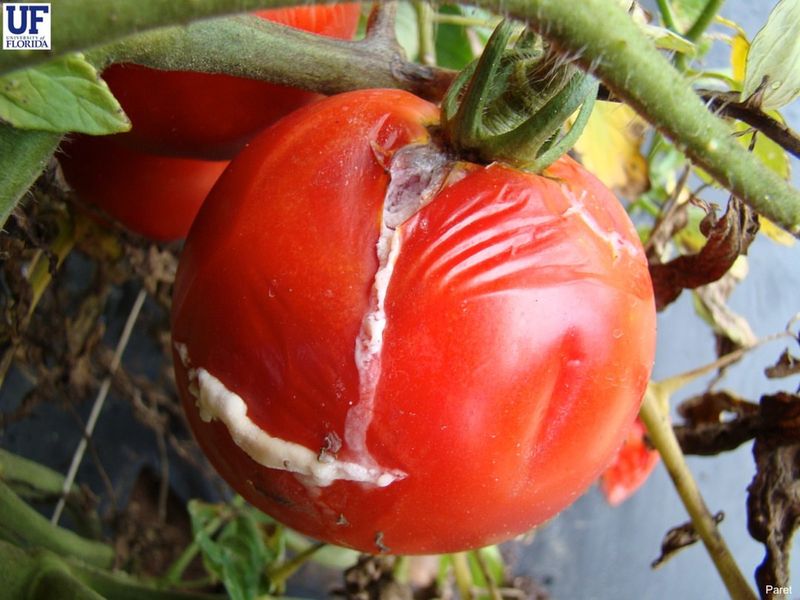
Warm, sticky afternoons followed by surprisingly cool nights are a classic Maryland summer pattern.
That dramatic swing in temperature does more damage to your tomatoes than most gardeners ever suspect.
The fruit expands in the heat and then contracts as the air cools, putting stress on the skin from both directions.
Repeated cycles of expansion and contraction weaken the tomato skin over time.
Even if a single night does not cause an obvious crack, the cumulative effect builds up across a week of temperature swings.
By the time you notice cracking, the damage has actually been building for days.
Covering your tomato plants with a lightweight row cover on nights when the temperature is expected to drop sharply can reduce this stress significantly.
Try it on the first cold night of the season, the difference in your fruit by morning might surprise you.
The cover traps a small amount of warmth around the plants and keeps the temperature more stable through the night.
You do not need anything fancy, just a breathable fabric that lets air circulate while buffering the chill.
Choosing tomato varieties with thicker skins also helps when nighttime temperature swings are a regular issue in your area.
Varieties like Celebrity or Mountain Fresh tend to hold up better under these conditions.
Pair the right variety with a little nighttime protection and you’ve essentially stacked the odds in your favor.
That’s the kind of harvest where splitting feels like someone else’s problem.
6. Too Much Nitrogen Fertilizer
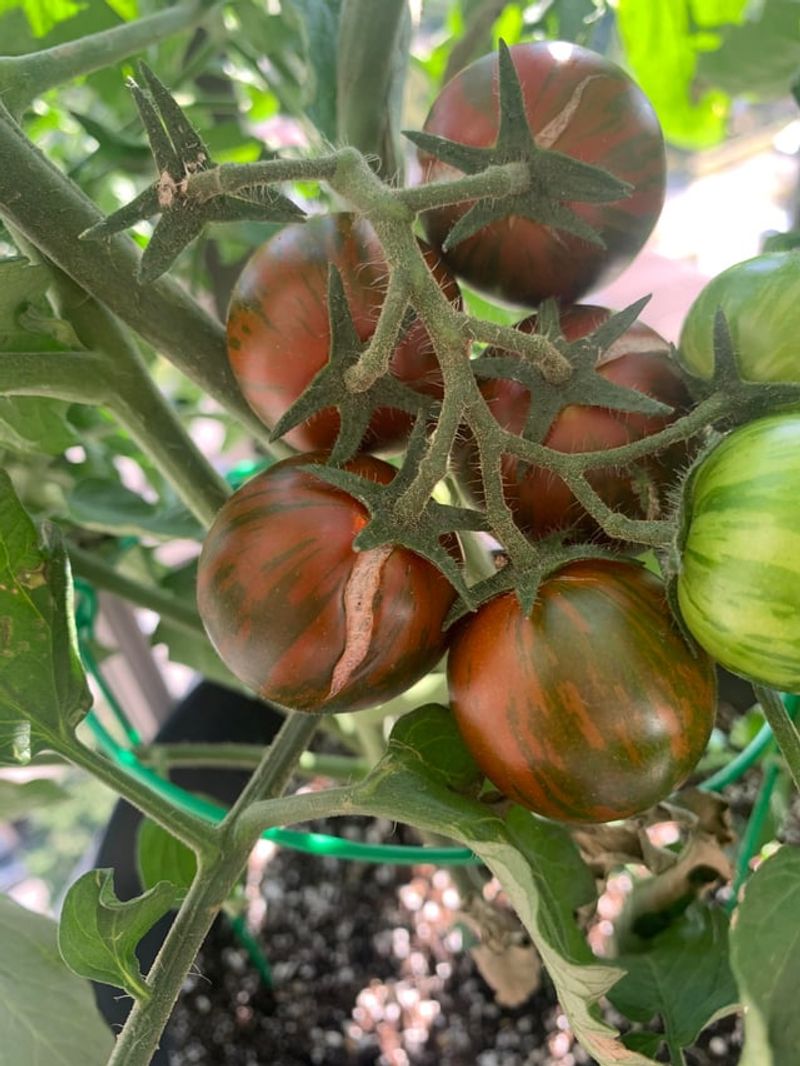
Nitrogen is one of the best things you can give a tomato plant, until you give it at the wrong time.
When you pour on too much nitrogen, your tomato plants respond by putting all their energy into growing big, lush green leaves.
That sounds great until you realize the fruit development gets left behind.
Plants loaded with excess nitrogen tend to produce cells that multiply quickly but develop unevenly.
When water is added, those cells expand quickly and unevenly, making splits far more likely.
The outside of the tomato essentially cannot keep pace with what is happening on the inside.
Stick to a balanced fertilizer during the fruiting stage, something with equal or lower nitrogen compared to phosphorus and potassium.
Once your plants are flowering and setting fruit, switch to a tomato-specific blend that supports fruit development rather than leaf growth.
Reading the fertilizer label carefully before applying saves you a lot of frustration down the road.
Soil testing is one of the smartest investments a home gardener can make.
Maryland’s University of Extension program offers affordable soil tests that tell you exactly what your garden needs and what it already has too much of.
Knowing your soil chemistry takes the guesswork out of feeding your plants and gives you a clear path to stronger, crack-free tomatoes all summer.
7. Root Damage
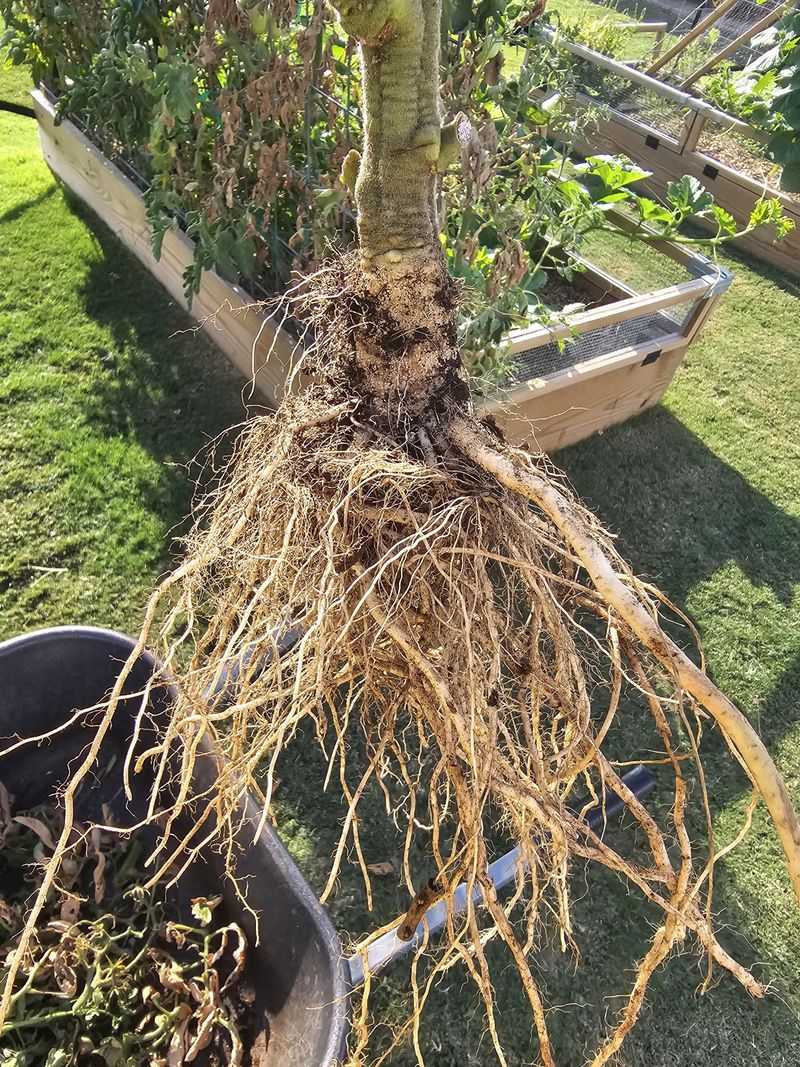
Healthy roots are the foundation of a healthy tomato plant, and damaging them sends shockwaves through the entire system.
Root damage can happen in several ways, from aggressive hoeing too close to the plant base, to foot traffic compacting the soil around the roots.
Even a well-meaning gardener can accidentally cause serious root harm without realizing it.
When roots are damaged, the plant loses its ability to absorb water efficiently and consistently.
That inconsistency in water uptake creates the same pressure imbalance inside the fruit that leads to cracking.
Essentially, damaged roots mean the plant cannot regulate moisture properly, and the tomatoes pay the price.
Avoid cultivating or weeding within six to eight inches of your tomato plant stems.
Use your hands to pull weeds close to the base rather than a hoe, which can slice through shallow roots without you noticing.
Mulching heavily around the plant base also protects roots from being disturbed and keeps the soil temperature more stable.
If you suspect root damage, give your plants a consistent watering schedule and avoid adding any heavy fertilizer while they recover.
Healthy, undisturbed roots are one of the best defenses against tomato splitting, and protecting them costs you nothing but a little extra care.
Treat the area around your plants like sacred ground and your harvest will reflect that respect.
8. Soil Temperature Fluctuations
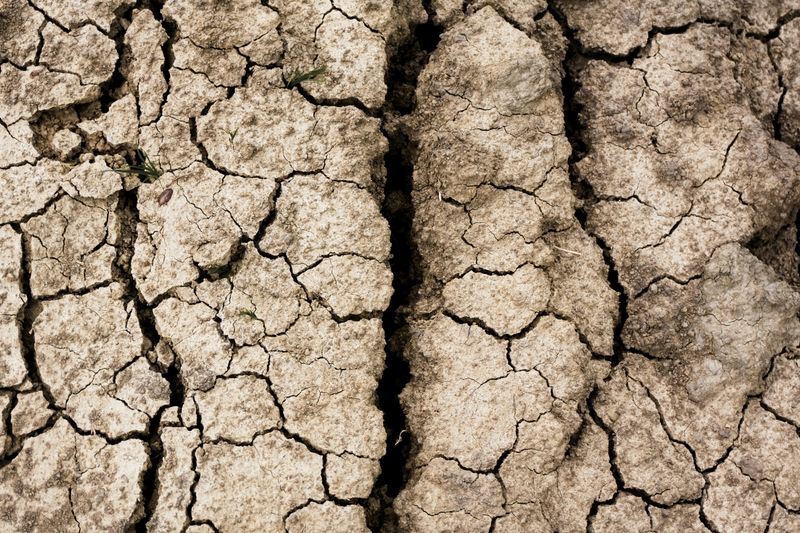
Most gardeners watch the forecast and call it a day.
But for tomatoes, what’s happening underground matters just as much as what’s happening in the air above them.
Soil that swings between extremes disrupts everything.
Scorching hot during the day and cool at night, roots struggle to absorb water and nutrients consistently.
That disruption flows directly into the fruit, contributing to the same uneven growth that causes tomatoes to split.
Dark, bare soil can reach temperatures well above one hundred degrees on a sunny afternoon.
At those extremes, root activity slows down dramatically, cutting off the steady moisture supply the plant needs.
When evening comes and the soil cools rapidly, root activity surges again, sending water rushing into the fruit all at once.
Mulching is the single most effective way to stabilize soil temperature throughout the day and night.
A two to four inch layer of straw, shredded leaves, or wood chips insulates the soil and keeps the swings much smaller.
You will notice the difference in both your plant health and your fruit quality within a week of applying a proper mulch layer.
Watering in the early morning also helps cool the soil before the afternoon heat peaks.
Keep your garden beds mulched and evenly moist.
That alone creates the kind of underground stability where roots can do their job without interruption.
Stable soil means stable fruit, and that is the simplest path to a crack-free tomato harvest all summer long.
9. Planting Too Close Together Makes Every Other Problem Worse
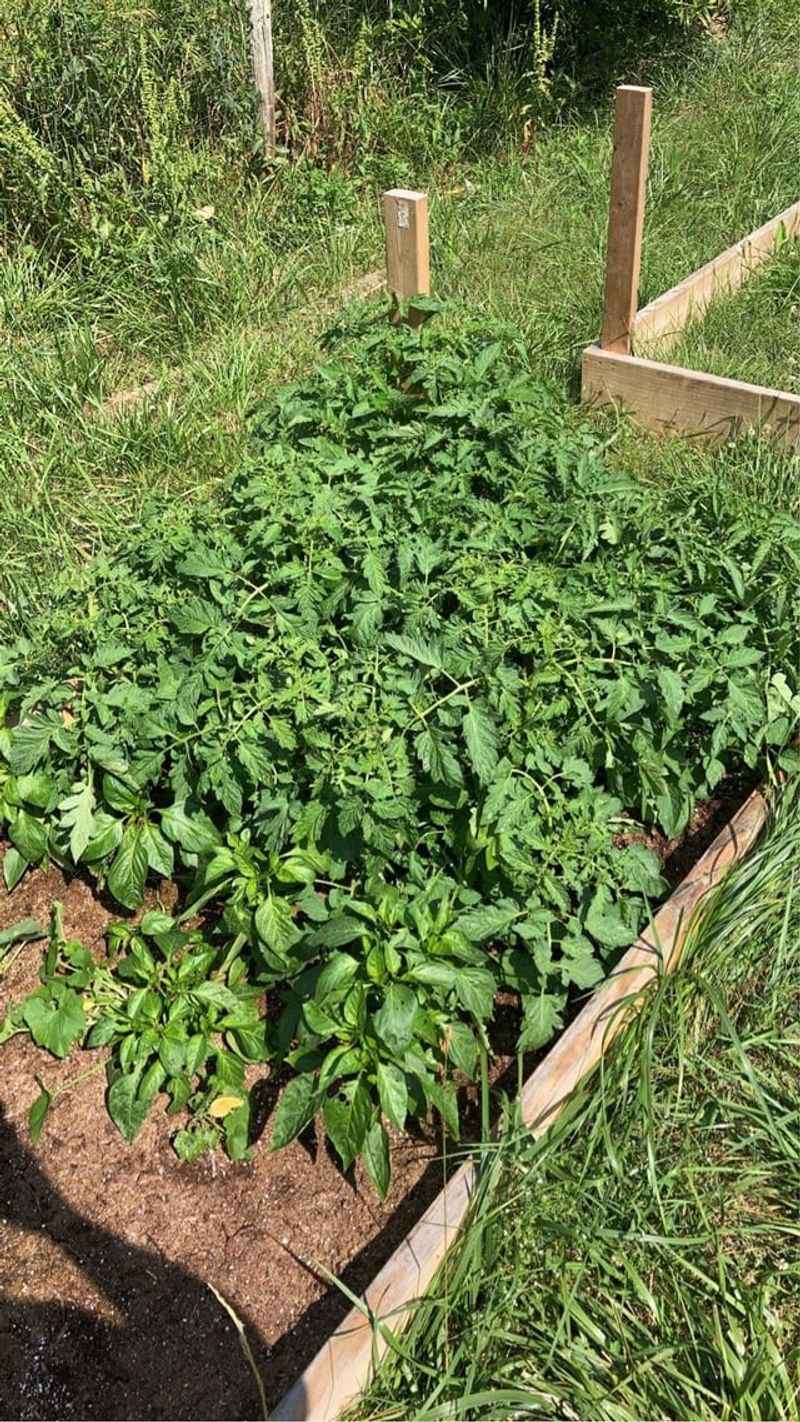
When tomatoes are planted too close together, airflow between the plants drops significantly.
That might not sound like a big deal, but in practice it changes everything.
Moisture lingers longer and the ground stays wet between waterings.
That kind of persistent dampness quietly amplifies every other problem on this list.
Inconsistent watering hits harder.
Late-season nitrogen has nowhere to go.
Overnight temperature swings affect crowded plants more dramatically because the air around them simply doesn’t move.
And when one plant is stressed, the ones packed in around it often follow.
There’s also a light issue.
Tomatoes need full sun to ripen evenly, and plants that are shading each other are never going to develop the way you want them to.
Uneven ripening means some parts of the fruit mature faster than others, which puts the skin under exactly the kind of uneven pressure that leads to splitting.
The general rule is to give indeterminate varieties at least two feet of space, and closer to three if your garden allows it.
It feels like wasted space in spring when the plants are small, but by midsummer you’ll understand exactly why the room matters.
A little breathing space goes a long way, for the plants and for your harvest.