9 Arizona Plants That Handle Driveway Heat Without Leaf Scorch
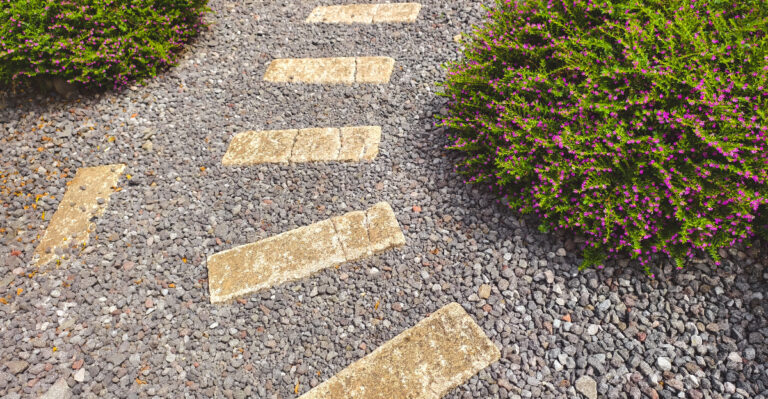
Driveways create some of the hottest spots in Arizona yards once summer temperatures start climbing. Concrete, gravel, and reflected sunlight can push nearby plants far beyond what many gardeners expect during the afternoon.
Leaves often start browning fast in these areas, especially when heat builds day after day without much relief overnight.
A lot of popular landscape plants struggle near driveways even when watering stays consistent. Thin leaves, shallow roots, and softer growth usually burn first once intense reflected heat starts building around pavement and block walls.
That is why plant choice matters so much in these exposed parts of the yard.
Tougher plants often handle these conditions far better with less maintenance through summer. Many continue looking healthy even during long stretches of extreme heat and dry air.
The right plants can keep driveway areas colorful and full instead of dry, faded, and stressed by midsummer.
1. Damianita Holds Its Shape Through Intense Summer Sun
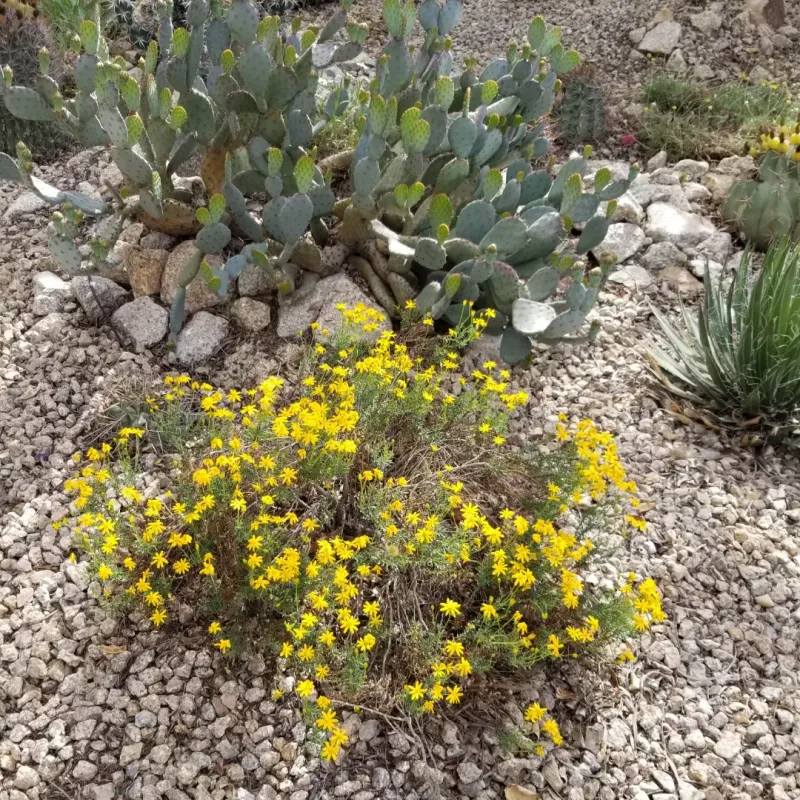
Damianita is one tough little shrub. It sits low to the ground, rarely exceeds two feet tall, and pushes out cheerful yellow flowers even when pavement nearby is scorching hot.
Most plants would look ragged in that environment. Damianita just keeps going.
Its needle-like leaves are small and resinous, which helps limit water loss during peak heat. That waxy coating also reflects some sunlight, which protects the plant’s tissue from burning.
You won’t see the leaf scorch that plagues softer-leafed plants near driveways.
Plant it in full sun with well-draining soil and almost no irrigation once established. It handles rocky, nutrient-poor ground without complaint.
Crowded roots or waterlogged soil are bigger problems for this plant than summer heat ever will be.
Damianita blooms in spring and sometimes again in fall. Between bloom cycles, its dense mounding shape still looks tidy.
It works well as a low border plant along driveway edges without needing trimming to stay compact. Native to the Chihuahuan Desert region, it’s completely at home in hot, dry landscapes throughout the Southwest.
Even reflected heat from concrete and gravel rarely slows it down once roots are established.
A light trim after the main spring bloom can also encourage a fuller shape and occasional repeat flowering later in the season.
2. Pink Fairy Duster Adapts Well To Harsh Western Exposure
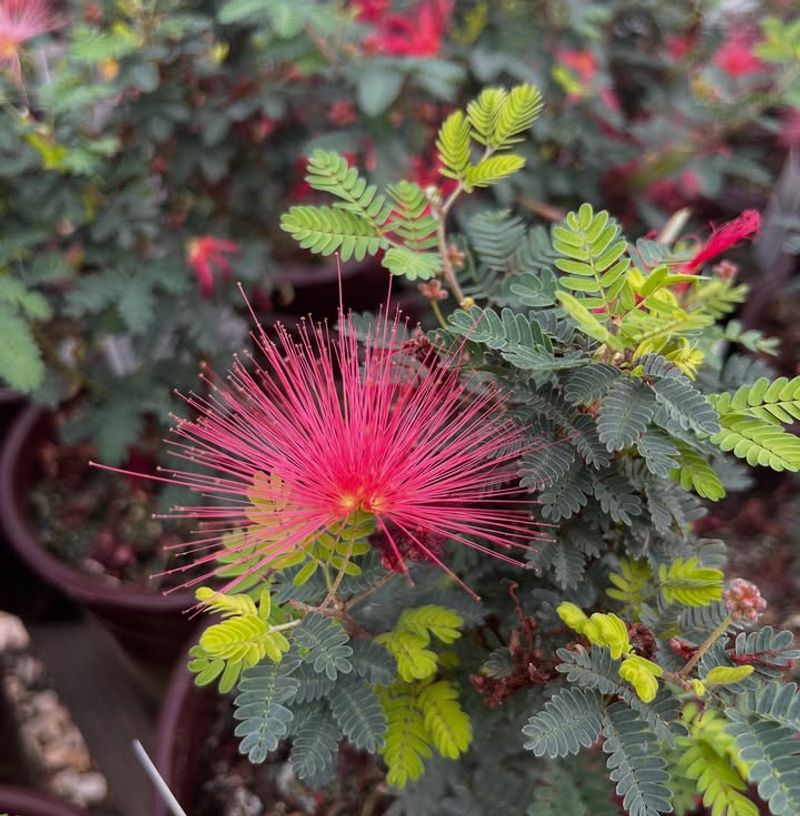
West-facing exposures are brutal. Afternoon sun hits hard, pavement stores that heat, and most shrubs planted in those spots look fried by August.
Pink Fairy Duster handles that punishment without losing its charm.
Its feathery pink blooms appear in late winter through spring, attracting hummingbirds before most other plants have leafed out. Even after flowers fade, the fine-textured foliage stays attractive and doesn’t brown under intense reflected heat.
Growth is open and airy, usually reaching three to five feet tall. That loose structure actually helps the plant manage heat by allowing airflow through the canopy.
Dense, tightly packed shrubs trap heat near their center. Fairy Duster avoids that problem naturally.
Water it occasionally during the first summer to help roots establish. After that, natural rainfall in most low-desert areas is usually enough to keep it going.
Your Arizona Garden Changes Every Week. Your Plan Should Too.
Gardening in Arizona changes quickly throughout the season. Every Friday you’ll receive a simple weekly plan showing exactly what to plant, prune, fertilize, harvest, and protect so you never miss the right timing.
It prefers rocky or sandy soil with excellent drainage. Heavy clay or overwatered beds cause more trouble than heat stress ever does.
Plant it where afternoon sun hits hard, and it will reward you with reliable performance season after season without special attention.
Mature plants stay surprisingly resilient during long stretches of triple digit heat, especially when planted away from heavily irrigated lawns or flower beds.
3. Little Leaf Cordia Maintains Dense Growth Through Extreme Heat
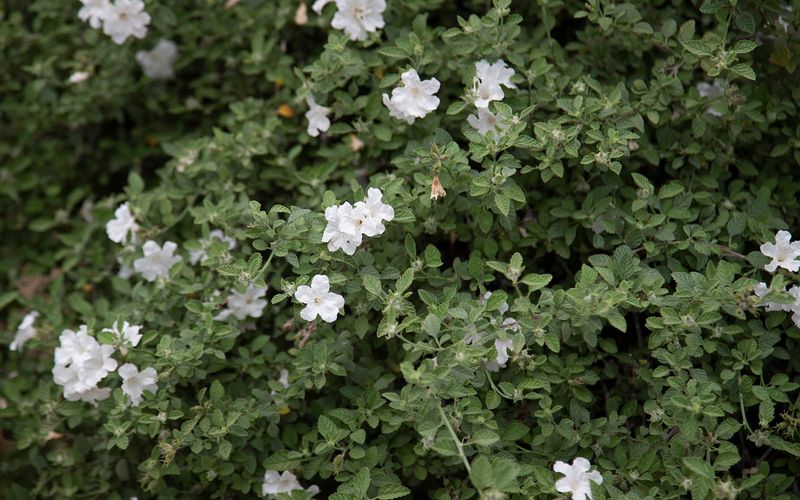
Few shrubs stay as consistently dense and tidy as Little Leaf Cordia when planted near a hot driveway. It doesn’t thin out in summer.
It doesn’t drop leaves under stress. It just holds its shape and keeps growing.
White flowers appear multiple times throughout the warm season, which is a real bonus near an entry. The blooms are small but plentiful, giving the plant a delicate look that contrasts nicely with its tough performance.
Hummingbirds and pollinators visit regularly.
Height stays manageable, usually between four and six feet with a similar spread. It works well as a screen or backdrop along a longer driveway border without needing heavy pruning to stay in bounds.
Natural growth habit is rounded and full, which saves time on maintenance.
Reflected heat from concrete or asphalt rarely causes visible stress on this plant. Its small leaves are key.
Less leaf surface means less area exposed to scorching radiant heat. Established plants handle dry spells without irrigation in most low-desert climates.
Plant in full sun with good drainage, give it one full season to root in, and it becomes one of the most reliable shrubs you can use near a hot driveway edge.
4. Valentine Bush Keeps Its Color Near Reflective Surfaces
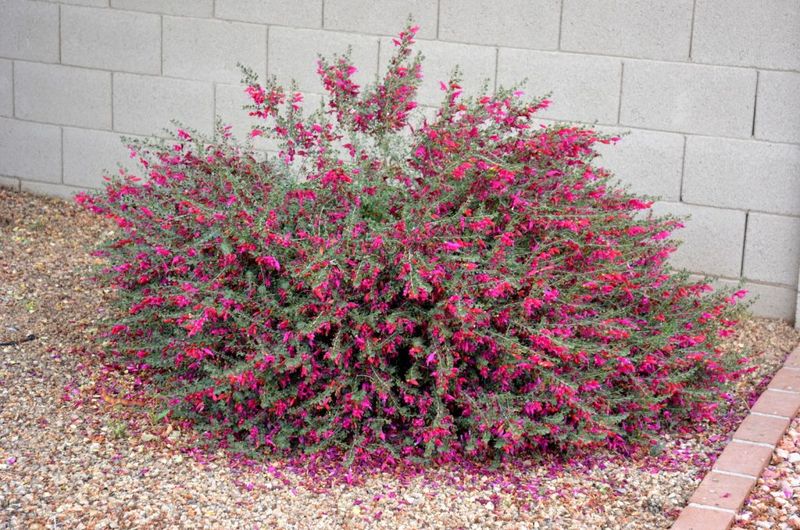
Magenta flowers blooming in February near a concrete driveway is a striking sight. Valentine Bush earns its name by flowering right around Valentine’s Day, and it keeps producing blooms well into spring.
Near reflective surfaces, that color pops even harder.
What makes this plant practical beyond its looks is its tolerance for heat bounce off pavement and walls. Glossy, small leaves help deflect radiant heat rather than absorbing it.
Even in spots where reflected light is intense enough to damage softer plants, Valentine Bush stays clean and green.
It grows into a medium shrub, usually reaching five to eight feet tall. Give it room to spread naturally rather than cutting it back hard.
Heavy pruning can reduce flowering and stress the plant unnecessarily. Light shaping after blooming is all it really needs.
Water it occasionally during the first two summers while roots establish. After that, natural rainfall in most low-desert areas supports it through the year.
Avoid planting in poorly drained soil. Root rot is a real risk in heavy clay, especially with summer monsoon rain.
Well-draining native soil or amended beds with added gravel work best. Near a driveway, it delivers reliable color and structure without demanding much in return.
5. Chuparosa Handles Dry Borders With Minimal Stress
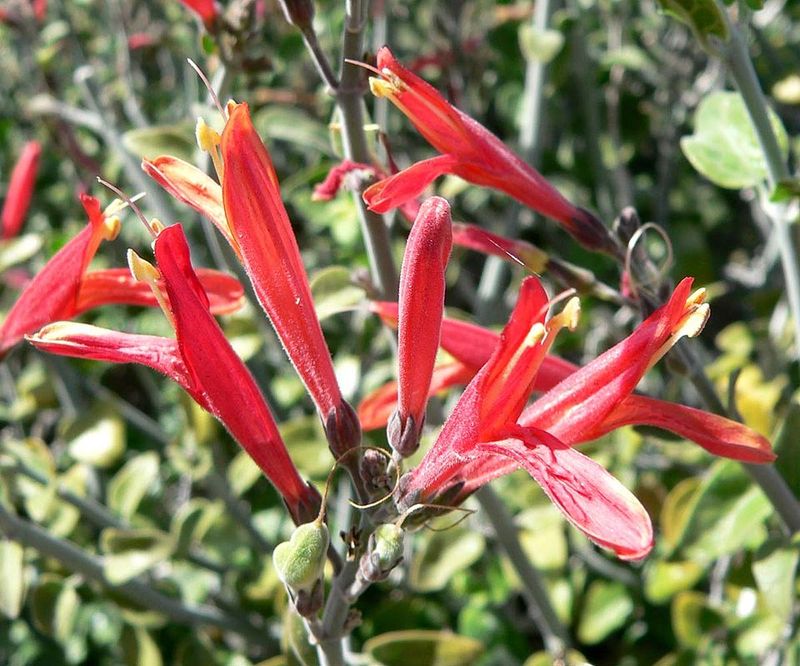
Red tubular flowers on a leafless shrub in the middle of winter sounds unusual, but that’s exactly what Chuparosa does. It blooms heavily when most other plants are dormant, which makes it a standout near a driveway entry during cooler months.
During summer, the plant may drop most of its leaves to conserve moisture. That’s completely normal behavior, not a sign of trouble.
Green stems continue photosynthesizing while the plant waits out extreme heat. New growth and flowers return as temperatures ease in fall.
Dry borders along driveways suit Chuparosa perfectly. It handles poor, rocky soil and thrives without supplemental irrigation once established.
Overwatering is actually more of a concern than drought stress with this plant. Well-draining soil and infrequent deep watering during the first season are all it needs to get going.
Height ranges from three to five feet with a similar spread. Its open, arching branch structure allows heat to pass through without building up inside the canopy.
Hummingbirds are strongly attracted to the red flowers, which adds real life and movement near a driveway. Plant it in full sun along a hot south or west-facing border, and it will surprise you with how little care it demands while still looking purposeful.
6. Turpentine Bush Thrives In Rocky Heat Soaked Landscapes
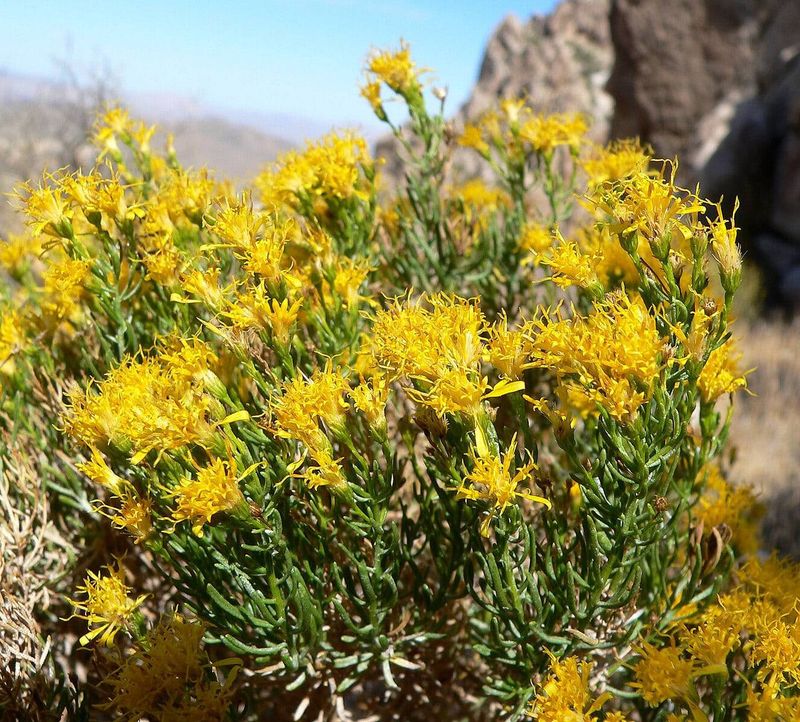
Rocky, shallow soil near a driveway edge is where many plants struggle and Turpentine Bush excels. It looks right at home wedged between boulders or tucked into caliche-heavy ground where nothing else wants to grow.
Fall blooming is one of its most useful traits. Yellow flowers appear from September through November, right when most summer-blooming plants have finished.
Near a driveway, that late-season color keeps the border looking alive and intentional well into autumn.
Aromatic foliage is another distinctive feature. Brushing against the plant releases a sharp, resinous scent.
Some people find it pleasant, others less so. Either way, it doesn’t attract deer, which is a practical advantage in areas where browsing is a problem.
Turpentine Bush stays compact, usually under three feet tall. It doesn’t sprawl or need much shaping.
Full sun and rocky, fast-draining soil are its main requirements. Once established, it handles extended dry periods without visible stress.
Reflected heat from pavement doesn’t cause leaf scorch because the small, resinous leaves manage heat and moisture loss efficiently.
Plant it in a sunny rock garden border near a driveway and it will fill in steadily without needing much attention beyond initial establishment watering.
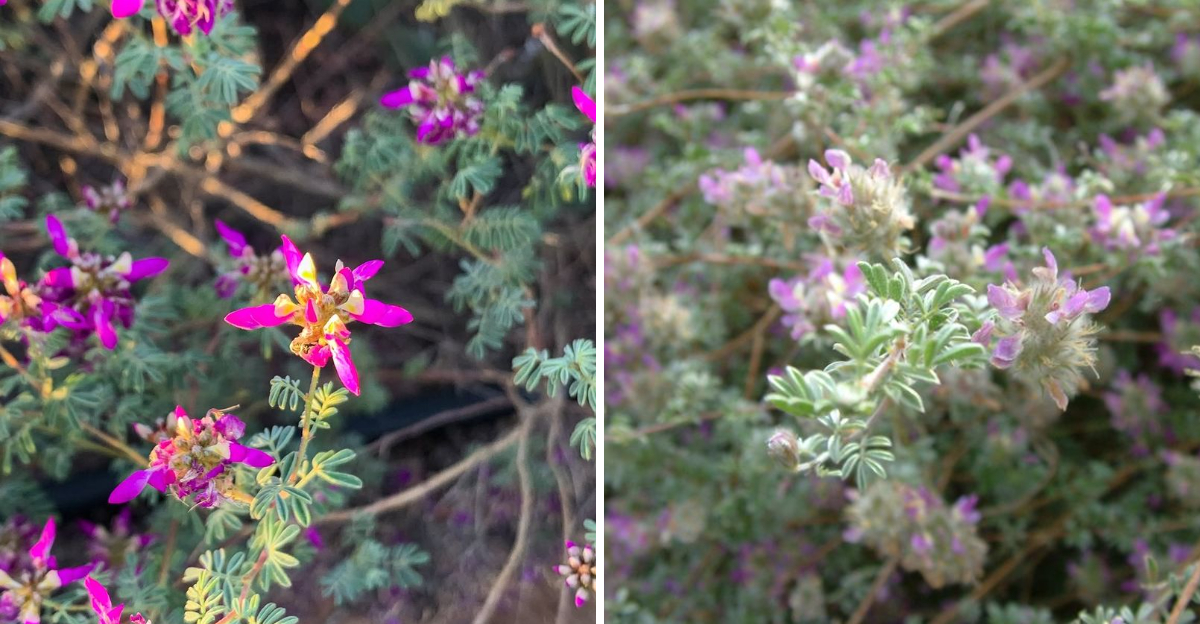
7. Black Dalea Tolerates Blazing Conditions Once Established
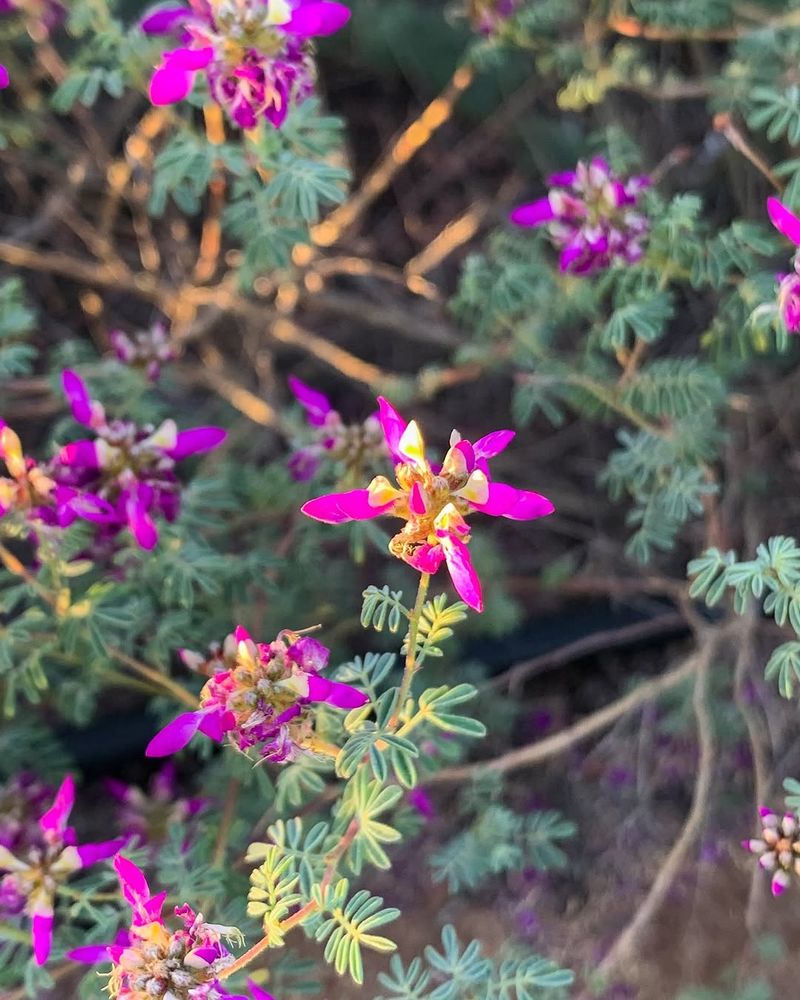
Deep purple flowers on a compact desert shrub near a sun-blasted driveway edge is an unexpected combination. Black Dalea pulls it off without effort.
The blooms are small but intensely colored, and they appear in fall when the rest of the landscape is winding down.
Getting through the first summer is the main challenge with this plant. Young roots haven’t spread far enough to pull moisture from deep soil.
Supplemental watering every week or two during the first hot season helps bridge that gap. After roots establish, drought tolerance improves significantly.
Mature plants handle blazing reflected heat from pavement without showing leaf damage. Fine-textured foliage with small individual leaflets reduces the surface area exposed to radiant heat.
That structure is one reason desert plants with compound leaves often outperform broad-leafed species near hot hardscaping.
Growth stays low and mounding, usually under two feet tall and wider than it is tall. That spreading habit makes it useful for filling gaps along a driveway border without blocking sightlines.
Full sun is essential. Partial shade reduces flowering and weakens the plant over time.
Pair it with decomposed granite mulch to keep soil temperatures lower near the root zone and it will perform consistently from year to year with minimal care.
8. Trailing Indigo Bush Spreads Comfortably Across Hot Slopes
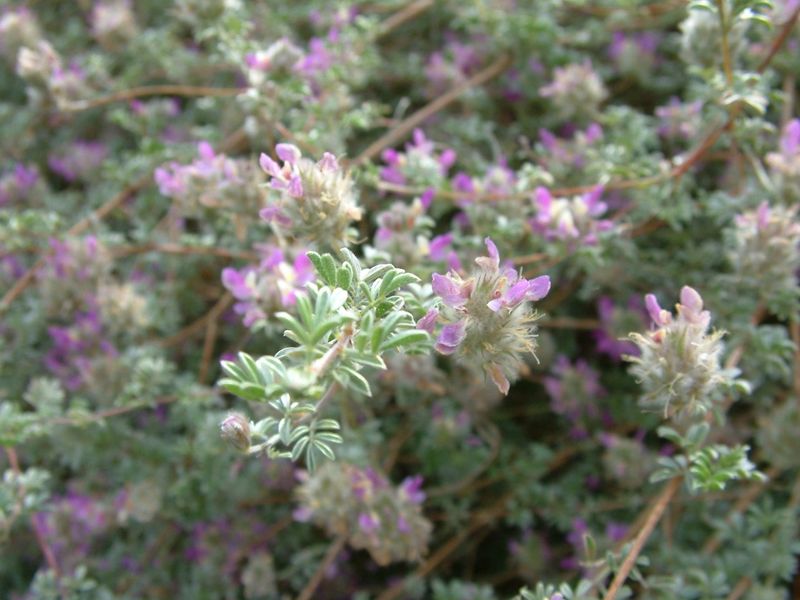
Slopes near driveways are tricky spots. Soil drains fast, heat builds from below and above, and most ground covers either wash away or bake out.
Trailing Indigo Bush was practically built for those conditions.
It spreads low and wide, rarely lifting more than two feet off the ground. Purple blooms appear in spring and give the plant real color during a season when driveway borders often look bare.
After blooming, the gray-green foliage holds steady through summer without scorching.
Root depth is what makes this plant so dependable on slopes. Once established, roots push down into rocky soil and anchor the plant firmly.
Water needs drop significantly after the first season. Supplemental irrigation during extreme dry spells can help, but it’s rarely critical once the plant has settled in.
Reflected heat from pavement doesn’t seem to stress it much. The small leaves limit surface area exposed to radiant heat, which reduces moisture loss during hot afternoons.
Pair it with boulders or decomposed granite mulch along a driveway edge, and it will fill in naturally over a season or two. It’s a reliable spreader that earns its space without drama.
9. Desert Senna Handles Reflected Heat Without Frequent Watering
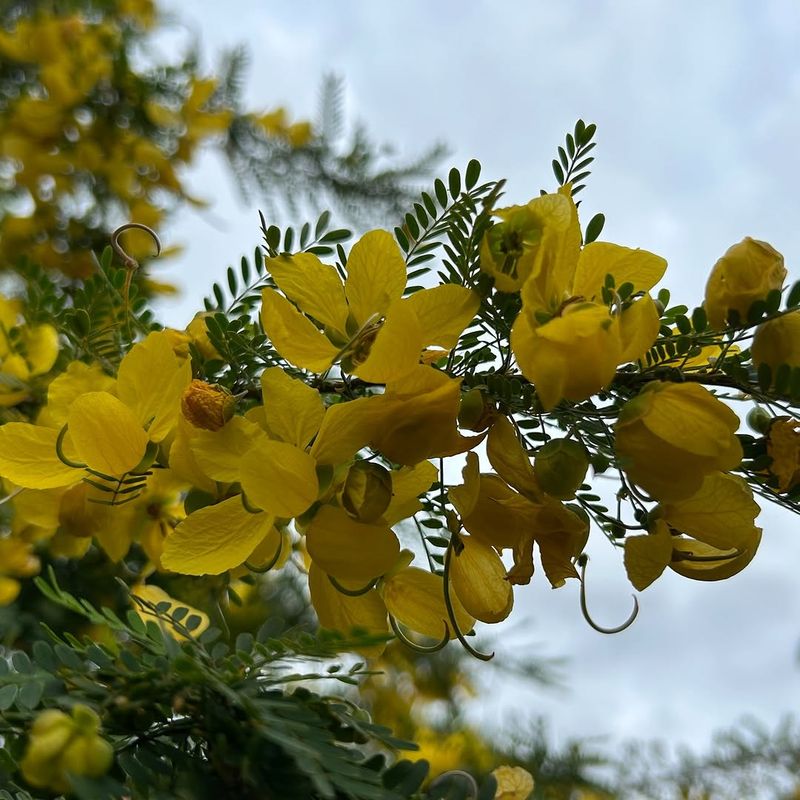
Bright yellow flowers against dry desert soil near a concrete driveway create an eye-catching contrast. Desert Senna delivers exactly that, and it does it without needing a regular watering schedule to stay healthy.
Blooms appear in late winter through spring, sometimes as early as February in lower desert elevations. The flowers are bold and plentiful, covering the shrub densely before most other plants have started their season.
After blooming, seed pods form and add visual texture through summer.
Reflected heat from driveways doesn’t cause visible leaf damage on established plants. Compound leaves with small individual leaflets handle heat exposure better than large, flat leaves.
Less surface area per leaflet means less moisture loss during peak afternoon heat near pavement.
Size varies depending on growing conditions, but most plants reach three to six feet tall with good spread. It works well as a background shrub or mid-border plant along a longer driveway.
Water it regularly during the first season to encourage deep rooting. After that, natural rainfall in most low-desert zones carries it through the year without supplemental irrigation.
Avoid heavy clay soil, as drainage matters more than soil fertility for this plant. Given the right spot, it grows confidently and requires very little from you.