8 Lavender Types That Bring Long-Lasting Color To Arizona Gardens
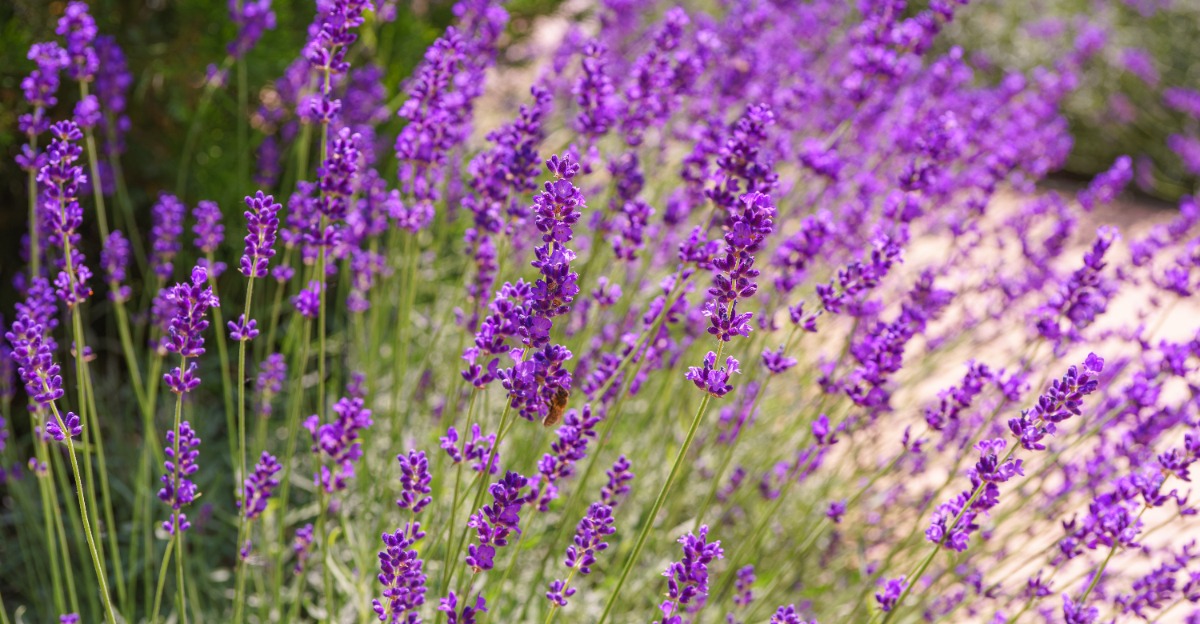
Lavender starts getting a lot of attention once gardens begin struggling with intense heat and dry air.
Some varieties fade quickly once summer temperatures climb, while others continue looking colorful and healthy for much longer with surprisingly little effort.
Choosing the right type matters more than most people expect in Arizona. Certain lavenders handle rocky soil, reflected heat, and long dry stretches far better than others.
Bloom time can also vary a lot depending on the variety. Some stay colorful for weeks, while others keep pushing out fresh flowers through much of the warm season.
Size becomes important too, especially in smaller yards or container gardens. Compact varieties fit easily near walkways and patios, while larger types can fill empty spaces with color and fragrance very quickly.
A healthy lavender plant often becomes one of the easiest parts of the garden once roots settle in properly. The hardest part is usually deciding which variety to grow first.
1. Spanish Lavender Tolerates Dry Heat Better Than Many Varieties
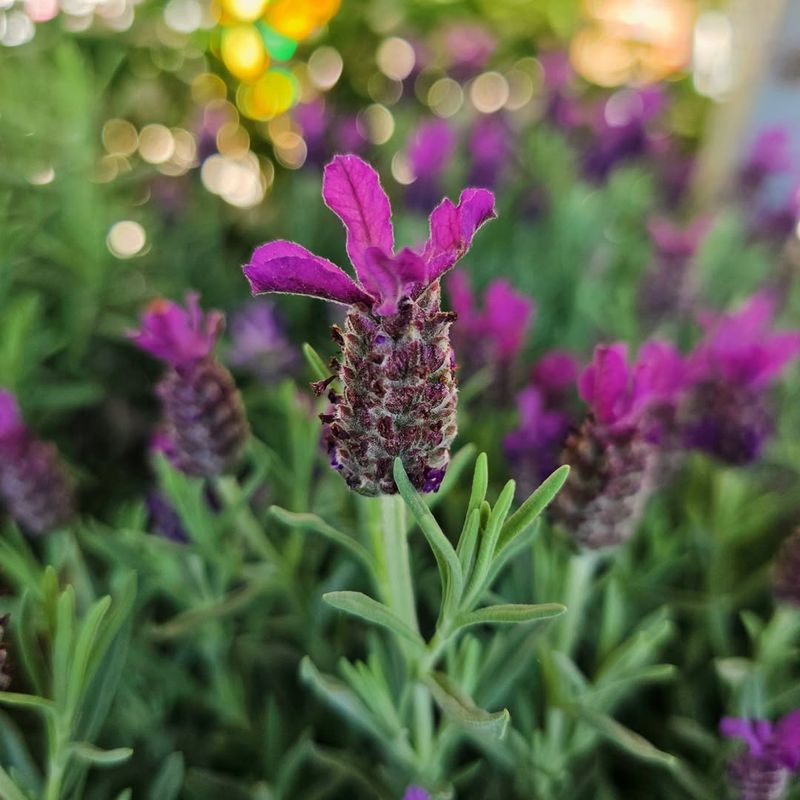
Spanish lavender is tough in ways that surprise most gardeners. Lavandula stoechas handles dry heat without much complaint, making it one of the most reliable options for desert landscapes.
Its distinctive petal tufts on top of each flower head look almost like rabbit ears, giving it a playful, eye-catching appearance.
In hot desert areas, Spanish lavender often blooms earlier than other varieties. It can push out flowers in late winter and keep going into spring before summer heat peaks.
Deadheading spent blooms encourages a second flush later in the season.
Sharp drainage is non-negotiable with this variety. Planting in raised beds or sloped ground with sandy or gravelly soil keeps roots healthy.
Waterlogged soil is the biggest threat, especially during monsoon season.
Spacing plants about 18 to 24 inches apart allows good airflow, which reduces fungal problems in humid monsoon months. Full sun exposure, ideally six or more hours daily, keeps growth compact and flowering strong.
Fertilizing lightly in early spring supports new growth without causing weak, floppy stems.
Spanish lavender grows about 18 to 24 inches tall and wide. It pairs naturally with other drought-tolerant plants like rosemary, salvia, and desert marigold in xeriscape designs.
A light trim after the main spring bloom helps maintain its rounded shape and encourages fuller growth before the next flowering cycle begins.
2. English Lavender Prefers Cooler Desert Nights And Sharp Drainage
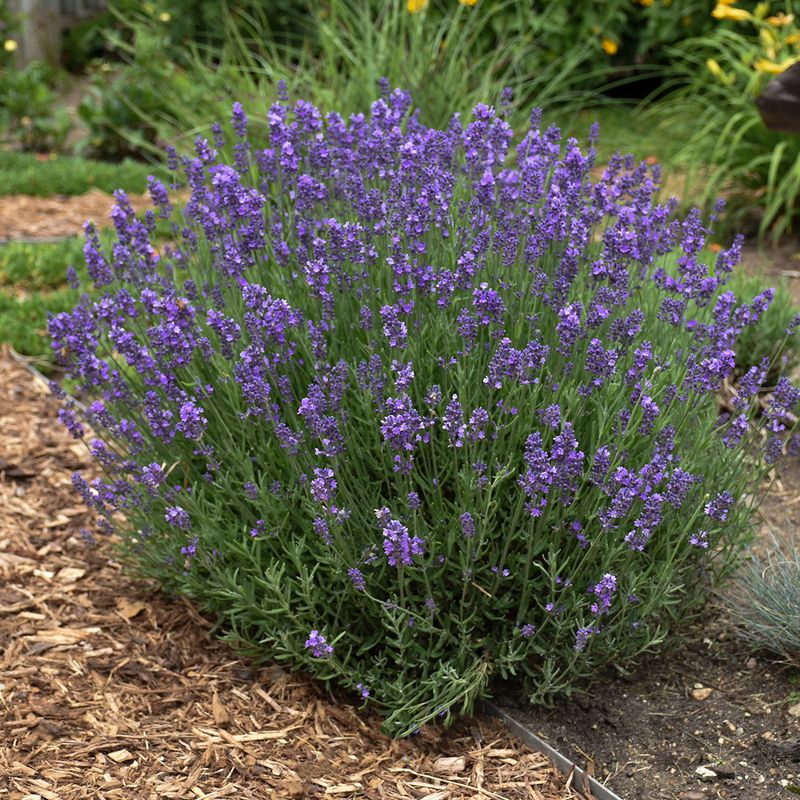
Not every lavender loves relentless heat, and English lavender is honest about that.
Lavandula angustifolia does best where nights cool down noticeably.
It is better suited to higher elevation desert areas or gardens that get some afternoon shade during peak summer months.
Tucson and Flagstaff gardeners often have better luck with English lavender than those in the low desert valleys. Cooler nighttime temperatures help the plant recover from daytime heat stress.
Without that nightly cooldown, plants can struggle to stay vigorous through summer.
Soil preparation matters a great deal here. English lavender demands excellent drainage above almost everything else.
Raised beds with a mix of native soil, coarse sand, and small gravel create the conditions this variety needs to stay healthy long-term.
Your Arizona Garden Changes Every Week. Your Plan Should Too.
Gardening in Arizona changes quickly throughout the season. Every Friday you’ll receive a simple weekly plan showing exactly what to plant, prune, fertilize, harvest, and protect so you never miss the right timing.
Watering should be infrequent but thorough once plants are established. Letting soil dry out between waterings mimics the plant’s native Mediterranean conditions.
Overwatering causes root problems faster than heat does in most cases.
Popular cultivars like Hidcote and Munstead stay compact, reaching about 12 to 18 inches tall. Both produce classic deep purple blooms that dry beautifully for indoor arrangements.
Pruning lightly after the first bloom encourages a second round of flowers and keeps the plant from getting woody too quickly.
Good airflow around the plant becomes especially important during humid monsoon periods when moisture lingers longer overnight.
3. French Lavender Continues Sending Out Blooms During Warm Weather
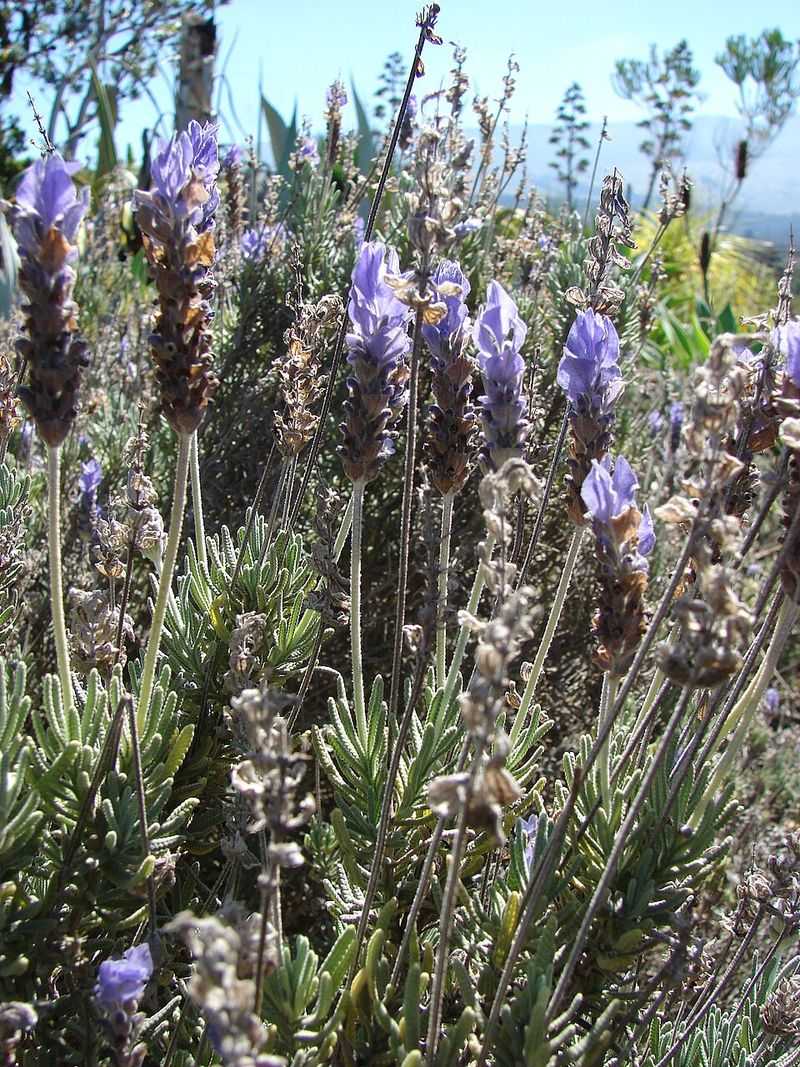
French lavender has an impressive ability to keep blooming when other varieties have already quit for the season.
Lavandula dentata, named for its toothed leaf edges, pushes out flowers repeatedly through warm months.
Gardeners who want consistent color from spring into fall often reach for this variety first.
Its silver-green leaves stay attractive even when not in bloom, giving the plant year-round visual interest. Leaf texture is soft and slightly fuzzy, which helps reduce water loss in dry, windy conditions.
That built-in drought adaptation makes it well-suited to low desert gardens.
French lavender handles heat better than English lavender but still benefits from some afternoon shade in the hottest months. A spot with morning sun and filtered afternoon light extends the plant’s productive season.
Too much intense afternoon exposure can scorch foliage and slow bloom production.
Watering every one to two weeks during summer, depending on temperature and soil type, keeps plants looking their best. Mulching with gravel around the base helps regulate soil temperature and reduce evaporation.
Avoid organic mulch piled against stems, as it holds too much moisture.
Plants typically reach two to three feet tall and wide at maturity. Regular light pruning after each bloom cycle keeps French lavender tidy and encourages fresh growth.
It also works well in large containers with a fast-draining potting mix.
4. Lavandin Develops Taller Flower Spikes With A Strong Aroma
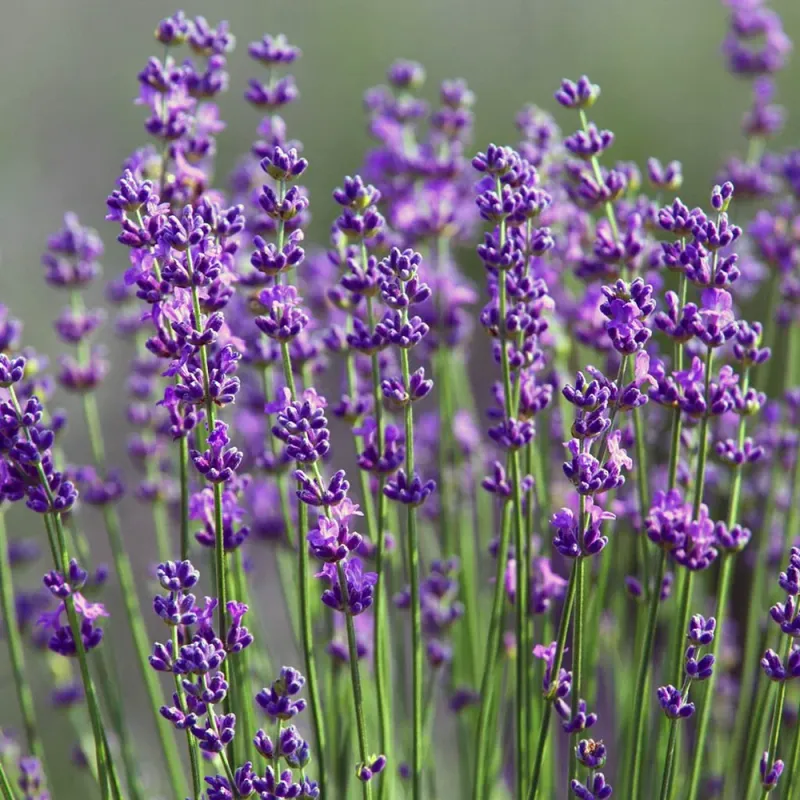
Lavandin is what happens when English and Portuguese lavender cross naturally, and the result is a showstopper. Lavandula x intermedia grows noticeably taller than most other varieties, with flower spikes that can reach up to three feet under good conditions.
Its fragrance is intense and camphor-forward, which makes it a favorite for essential oil production worldwide.
In desert landscapes, lavandin performs well where drainage is reliable and sun is plentiful. It tolerates heat better than pure English lavender because of its hybrid vigor.
Established plants handle dry spells without much intervention, though young plants need consistent watering for the first season.
Popular cultivars like Grosso, Provence, and Phenomenal are among the most widely grown. Each has slightly different bloom timing, fragrance intensity, and cold hardiness.
Grosso is especially known for its large, dense flower spikes that dry exceptionally well.
Spacing plants generously, at least 24 to 36 inches apart, prevents crowding and allows air to move freely around foliage. Good airflow reduces the risk of fungal issues during humid monsoon periods.
Pruning back by about one-third after bloom encourages strong regrowth.
Lavandin blooms slightly later than English lavender, typically in early to midsummer.
Its tall, dramatic flower spikes make a bold visual statement in large beds, along pathways, or as a low fragrant hedge in sunny garden areas.
Gravel mulch around the base helps keep roots drier and reflects heat away from the crown during humid stretches of the summer.
5. Goodwin Creek Gray Stands Out With Soft Silver Foliage
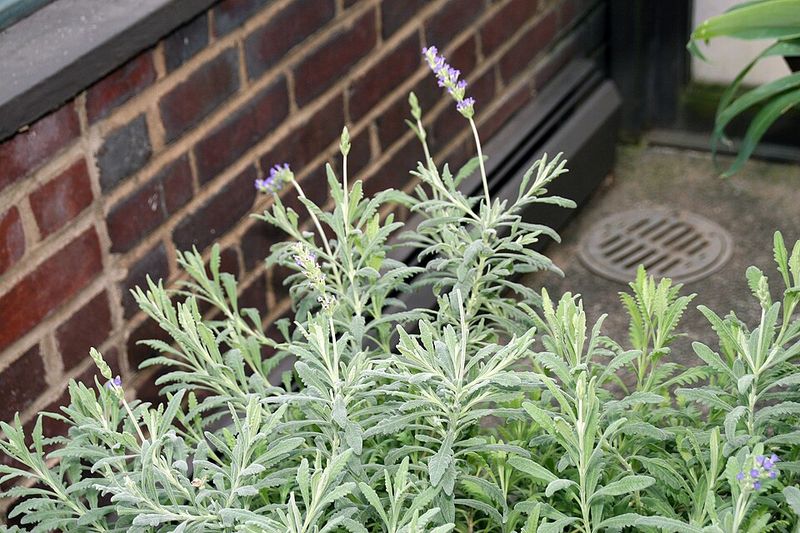
Silver foliage that glows in full sun is Goodwin Creek Gray’s calling card. Lavandula ‘Goodwin Creek Gray’ is a hybrid known for its exceptionally soft, woolly leaves that hold their silver color year-round.
Even without flowers, this plant earns its place in the garden purely through its foliage texture and color.
Bloom season stretches from spring well into summer, with purple-blue flower spikes rising above the mounded silver leaves. In mild desert winters, it may even push out a few blooms during warmer stretches.
That extended bloom window makes it a reliable color source across multiple seasons.
Heat tolerance is one of this variety’s genuine strengths. It thrives in full sun with minimal supplemental water once established.
Plants typically reach 18 to 24 inches tall and slightly wider, fitting well into mid-sized garden borders or gravel beds.
Soil with excellent drainage is critical. Rocky or sandy native soil amended lightly with coarse grit works well.
Avoid rich, heavily amended beds that retain too much moisture around the roots.
Deer resistance is a practical bonus in areas where wildlife browsing is common. Strong aromatic oils in the foliage discourage grazing.
Goodwin Creek Gray also attracts pollinators steadily throughout its long bloom season, supporting local bees and butterflies without extra effort from the gardener.
6. Fernleaf Lavender Stays Productive Through Mild Desert Winters
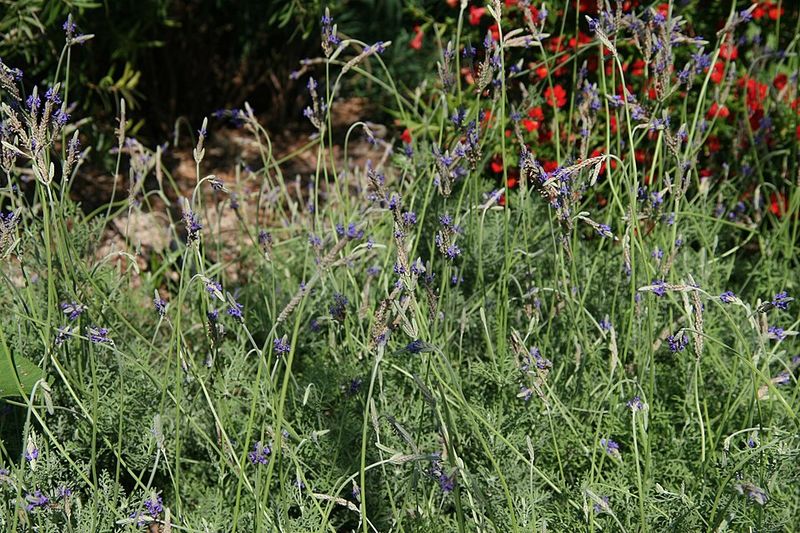
Fernleaf lavender looks different from the start. Lavandula multifida has finely divided, almost feathery leaves that set it apart visually from every other lavender variety.
That distinctive texture makes it interesting in garden beds even when flowers are not present.
One of its best traits is winter productivity in mild desert climates. While most lavenders rest or slow down in cooler months, fernleaf lavender keeps producing flowers through mild winters in low desert areas.
Gardeners in warmer zones can enjoy blooms from fall through early spring with this variety.
Summer heat does slow it down noticeably. During the hottest months, bloom production drops and the plant may look a bit tired.
Light pruning and reduced watering during that stretch help it conserve energy until temperatures become more favorable again.
Fernleaf lavender is somewhat shorter-lived than other varieties, often behaving more like a biennial in harsh conditions. Keeping a few volunteer seedlings or taking cuttings ensures continuity in the garden.
It self-seeds modestly in loose, sandy soil.
Plant in full sun with very fast-draining soil for best results. Avoid heavy clay or compacted ground.
Containers work well for this variety, especially if the native soil is not ideal. A mix of coarse sand and potting soil creates a suitable growing medium that drains quickly after watering.
Its softer foliage and extended cool-season bloom period give desert gardens color at a time when many heat-loving plants are barely growing.
7. Thumbelina Leigh Works Well In Smaller Gravel Landscapes
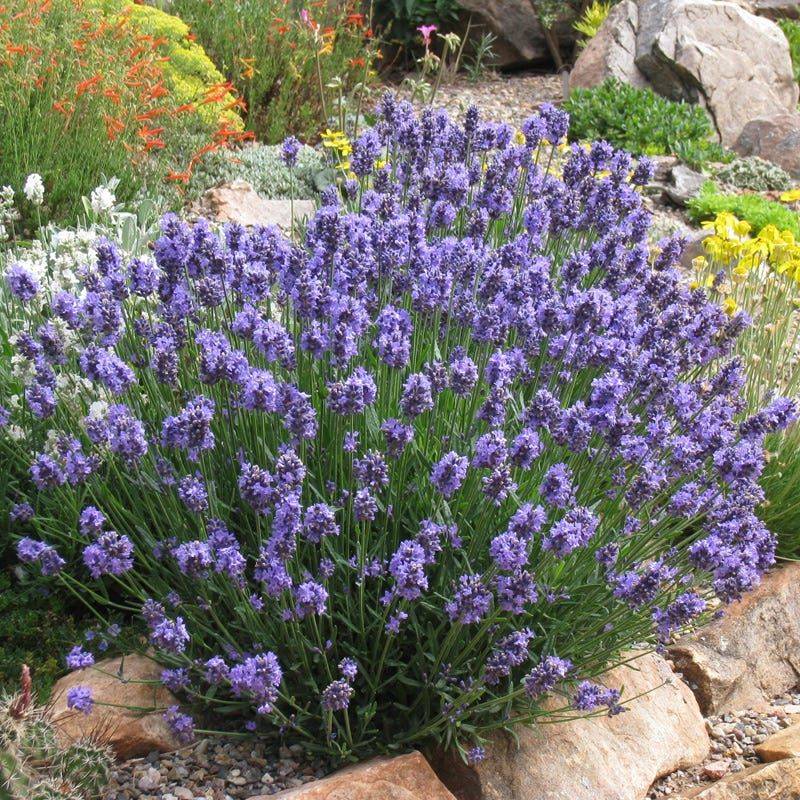
Small gardens and tight spaces finally have a lavender that fits without taking over.
Thumbelina Leigh is a compact dwarf variety that stays under 12 inches tall, making it ideal for gravel gardens, rock features, container groupings, and narrow borders.
Its proportions are tidy without any pruning required to maintain shape.
Purple flower spikes appear in spring and often repeat later in the season with minimal encouragement. The blooms are proportionate to the plant’s small size but still attract pollinators reliably.
Bees visit regularly, which adds life and movement to even the smallest garden corner.
Gravel mulch suits this variety particularly well. It keeps the root zone cool, improves drainage, and complements the plant’s neat, mounded form visually.
Avoid piling gravel directly against stems to prevent moisture buildup against the base.
Full sun is a firm requirement for compact lavenders like this one. Shade causes stretching, weak stems, and reduced flowering.
At least six hours of direct sunlight daily keeps Thumbelina Leigh performing at its best throughout the growing season.
Watering deeply but infrequently works well once plants are established. In gravel beds, soil dries out faster, so checking soil moisture an inch below the surface helps gauge when to water.
Established plants are quite drought-tolerant and rarely need attention beyond seasonal light pruning after bloom cycles finish.
8. Phenomenal Lavender Adjusts To Harsh Summer Conditions More Easily
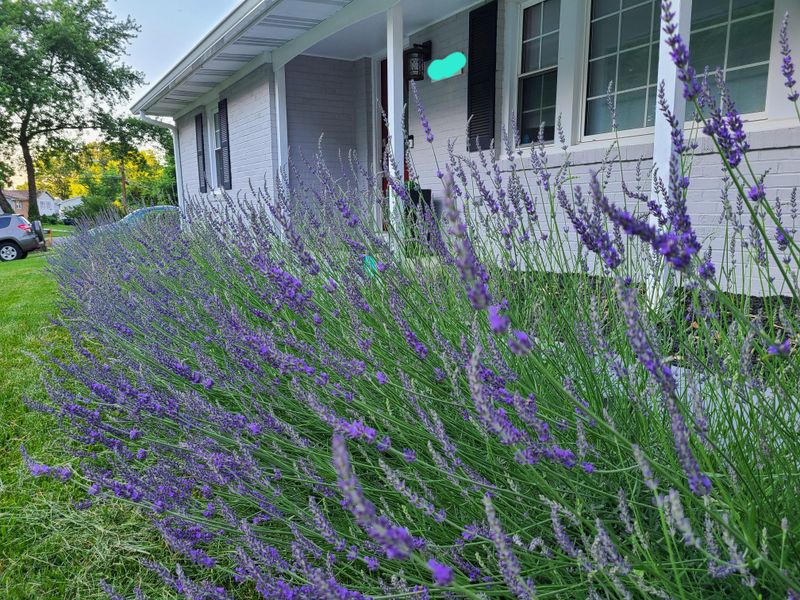
Phenomenal lavender earned its name honestly.
Lavandula x intermedia ‘Phenomenal’ was developed specifically for heat, humidity, and challenging growing conditions.
This variety handles desert summers with more resilience than many other lavender varieties.
It was bred to stay healthy where other types struggle to maintain good form.
Foliage stays silvery green and attractive through summer heat without significant browning or decline.
Flower spikes are long and fragrant, typically blooming in early to midsummer. Even after the main bloom finishes, the plant holds its shape well through the rest of the season.
Root establishment is the most critical phase. Water newly planted Phenomenal lavender consistently for the first season to help roots spread deep into surrounding soil.
Once established, irrigation can be reduced significantly, letting the plant rely more on natural rainfall and minimal supplemental watering.
Spacing generously, around 24 to 30 inches apart, allows good airflow and prevents crowding. Airflow matters especially during Arizona’s monsoon season when humidity spikes unexpectedly.
Good spacing reduces the chance of fungal problems developing in the dense foliage.
Pruning after the main bloom cycle, removing about one-third of growth, encourages fresh stems and keeps the plant from becoming overly woody.
Phenomenal lavender can live for several years with proper care, offering reliable fragrance, color, and pollinator activity season after season in desert landscapes.