The Plants Oregon Gardeners Wish They Had Removed From Their Yard Sooner
Some plants seem harmless when they first show up in an Oregon yard. They may have pretty leaves, fast growth, or flowers that make them feel worth keeping.
Then a season passes, and the plant starts acting like it owns the place. Roots creep farther than expected. Seedlings appear in odd corners. Vines climb into shrubs like they have big plans.
By the time the problem is obvious, removing it can feel like a much bigger job. Oregon’s mild, wet weather can make certain plants spread faster than homeowners expect, especially in shady beds and along fences.
The tricky part is that many of these problem plants were planted on purpose. They looked useful at first, then became a yard headache.
Spotting the warning signs early can save hours of pulling later. Some plants are easier to remove before they get too comfortable.
1. Lesser Celandine
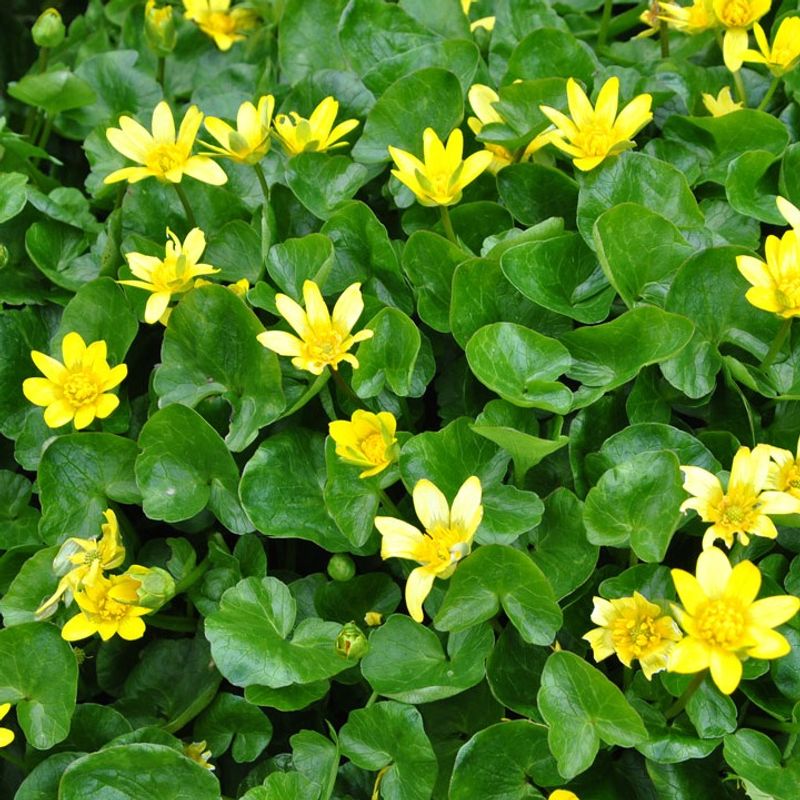
At first glance, lesser celandine looks almost cheerful. Its bright yellow flowers pop up in early spring before most other plants even wake up.
Many gardeners see it blooming and think they have stumbled onto something special. But that charm fades fast once this plant shows its true colors.
Lesser celandine spreads through tiny bulbils, which are small bulb-like structures that break off and travel easily through soil, water, and even on gardening tools.
One plant can multiply into a thick mat that smothers everything underneath it. Native wildflowers and ground covers do not stand a chance once it moves in.
What makes this plant especially tricky is that it disappears by early summer. The leaves and flowers vanish, so you might forget it was ever there.
But underground, those bulbils are just waiting for next spring. Many gardeners have made the mistake of thinking the problem solved itself, only to find an even bigger patch the following year.
Removing it takes patience and persistence. Hand-pulling works, but you must get every tiny bulbil out of the soil or it will come right back.
Repeated removal over several seasons is usually necessary. Covering infested areas with thick cardboard and mulch can also help suppress regrowth.
If you spot it early, act quickly. The longer lesser celandine stays in your yard, the harder it becomes to reclaim your garden space.
2. Italian Arum
Few plants pull off a disguise quite like Italian arum. In fall and winter, it sends up gorgeous, arrow-shaped leaves with silvery markings that look almost artistic.
Gardeners often plant it on purpose, thinking it will add elegant texture to a shady corner. That is exactly how it tricks you.
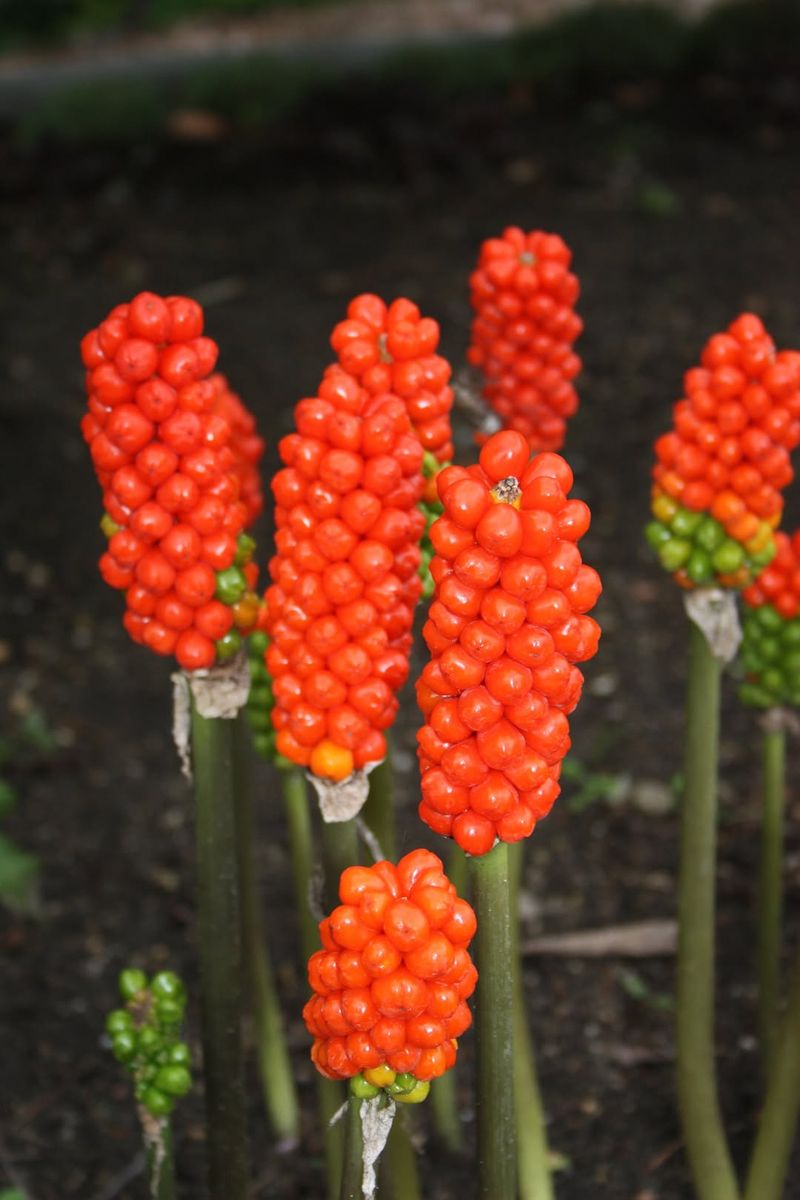
By spring, those pretty leaves disappear, and in their place come spikes of bright orange-red berries. Those berries are poisonous to people and pets, which is already a serious concern.
But the bigger problem is that birds love to eat them and then spread the seeds all over the neighborhood. A single plant can colonize a wide area surprisingly fast.
Italian arum thrives in the shady, moist conditions that are so common in western Oregon. It has been spotted spreading into natural areas and pushing out native plants.
Your Oregon Garden Changes Every Week. Your Plan Should Too.
Gardening in Oregon changes quickly throughout the season. Every Friday you’ll receive a simple weekly plan showing exactly what to plant, prune, fertilize, harvest, and protect so you never miss the right timing.
The Oregon Department of Agriculture lists it as a noxious weed, which tells you just how serious the problem has become in this state.
Getting rid of it means removing the entire corm, which is a thick underground storage root, before it sets berries. Wear gloves because the sap can irritate your skin.
Bag and dispose of any berries carefully so birds cannot spread them further. Check the area every season for new sprouts.
Many gardeners wish they had researched this plant before bringing it home, but now you know better than they did.
3. Bishop’s Weed / Goutweed
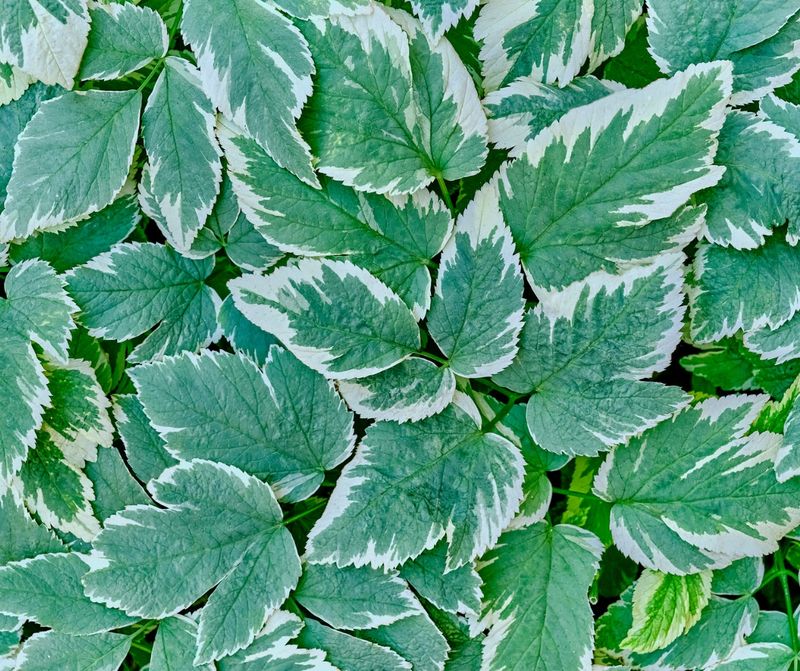
Variegated bishop’s weed gets sold at garden centers with the best of intentions. Its green-and-white leaves look crisp and bright, and it fills in bare spots quickly.
For busy gardeners who want low-maintenance ground cover, it sounds like a dream. Unfortunately, that dream has a way of turning into a frustrating reality.
Once established, goutweed spreads through an underground network of rhizomes that are nearly impossible to remove completely. Even a tiny fragment of root left in the soil can regrow into a full plant.
It spreads into lawns, flower beds, and vegetable gardens with zero respect for boundaries. It will edge out plants you actually want, including established perennials that took years to grow.
The variegated variety is slightly less aggressive than the all-green type, but do not let that fool you. Both versions are problematic in the Pacific Northwest climate.
Gardeners who planted it along a fence or pathway have later found it creeping into every corner of their yard within just a few seasons.
Smothering it with thick layers of cardboard and wood chips can slow it down. Repeated hand-pulling over multiple seasons helps, but you have to stay on top of it.
Herbicide applications can be effective, but they require multiple treatments and careful timing.
Many experienced gardeners say the best move is to never plant it at all. If it is already there, plan for a multi-year removal effort and stay consistent.
4. Periwinkle / Vinca
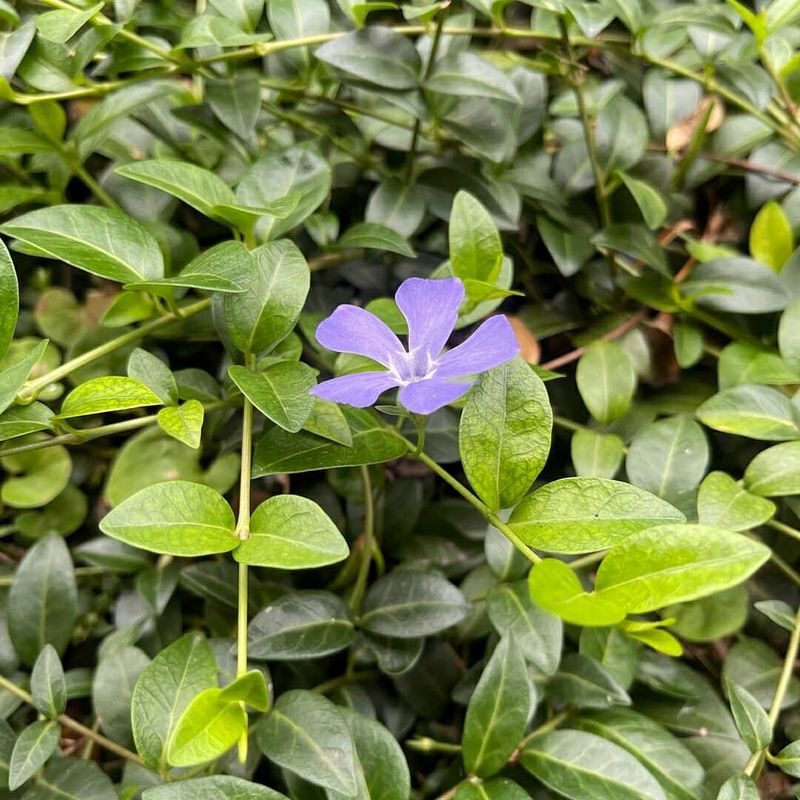
Periwinkle has been a garden favorite for decades, and it is easy to see why. Those pretty purple-blue flowers are charming, and the glossy green leaves stay green all year long.
It handles shade well and holds soil on slopes, so it sounds like a practical choice. Many gardeners have planted it without a second thought.
The trouble is that vinca does not know when to stop. It creeps steadily outward, forming thick mats that block sunlight from reaching the soil.
Native plants, wildflowers, and even tree seedlings cannot compete with it. In forested areas near homes, it has been known to escape into the wild and disrupt natural ecosystems.
Both Vinca minor and Vinca major are considered invasive in Oregon. They spread not by seed but by rooting wherever their stems touch the ground.
That means every trailing stem is a potential new plant. A patch that looks manageable in spring can double in size by fall without much effort at all.
Removing vinca is labor-intensive but doable. Pull it up by hand, making sure to get the roots and any rooted stems.
Work in sections so the job does not feel overwhelming. Dispose of pulled material in the trash rather than composting it, since stems can re-root easily.
After clearing an area, plant it quickly with something else so vinca does not simply return to fill the empty space. Staying vigilant is key to keeping it out for good.
5. Himalayan Blackberry
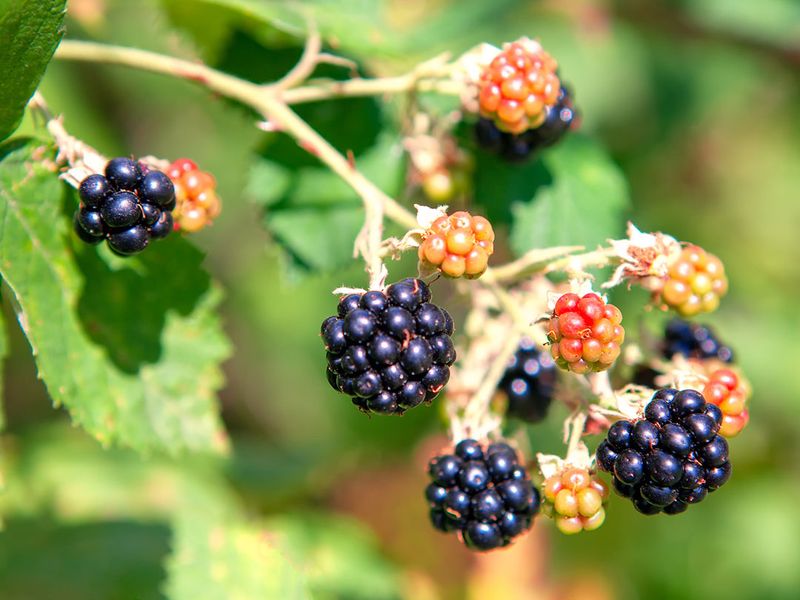
Almost everyone in the Pacific Northwest has a complicated relationship with Himalayan blackberry. The berries are undeniably delicious, and picking them on a warm summer afternoon is a beloved tradition for many families.
But those sweet berries come at a serious cost, and most gardeners eventually reach a breaking point with this plant.
Himalayan blackberry is one of the most aggressive invasive plants in this state. Its canes can grow up to twenty feet in a single season.
The arching stems root wherever they touch the ground, creating dense, thorny thickets that are extremely difficult to walk through or remove. Wildlife habitat, stream banks, and open fields have all been overtaken by this plant across the region.
Cutting it back feels satisfying in the moment, but the roots go deep and the plant bounces back fast. You have to remove the root crown to make real progress.
That usually means digging, which is hard work when the canes are thick and the thorns are everywhere. Wear heavy gloves and long sleeves every single time you work with it.
Repeated cutting close to the ground over an entire growing season can weaken the plant significantly. Goats are sometimes used in larger areas to graze it down.
Herbicide is another option for severe infestations, but it requires careful application. Whatever method you choose, expect a multi-season commitment.
Gardeners who start removal early have a much easier time than those who wait until the thicket takes over the whole yard.
6. English Ivy
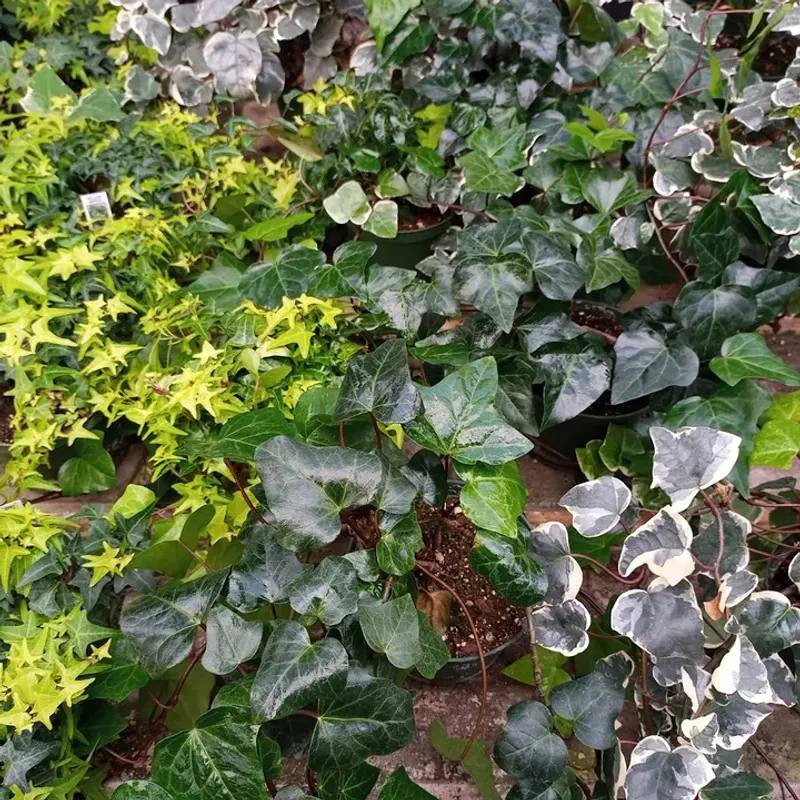
English ivy has been planted around homes for generations. It covers fences, climbs walls, and fills shady spots where little else will grow.
For a long time, it was considered a classic, reliable garden plant. But gardeners who have lived with it for more than a few years tell a very different story.
On the ground, ivy forms thick mats that block light and prevent native plants from growing.
On trees, it climbs high into the canopy and adds so much extra weight that branches become vulnerable to breaking in wind and ice storms.
Trees covered in ivy also become harder for birds to nest in and for insects to use as habitat.
English ivy spreads by seed, carried by birds that eat the berries, and by rooting stems along the ground. It has escaped into forests across western Oregon and is now considered a Class B noxious weed.
Homeowners near natural areas have a real responsibility to keep it in check or remove it entirely.
Pulling ivy out by hand is the most common removal method. Cut the stems away from any trees first, then work on the ground-level mats.
Leave the cut stems on the tree and let them dry out naturally before removing them. Pulling ivy from high up in a tree is risky and usually unnecessary.
After clearing the ground, monitor the area regularly for new seedlings. Replanting cleared areas with native ground covers helps prevent ivy from returning and fills the space with something that actually supports local wildlife.
7. Butterfly Bush
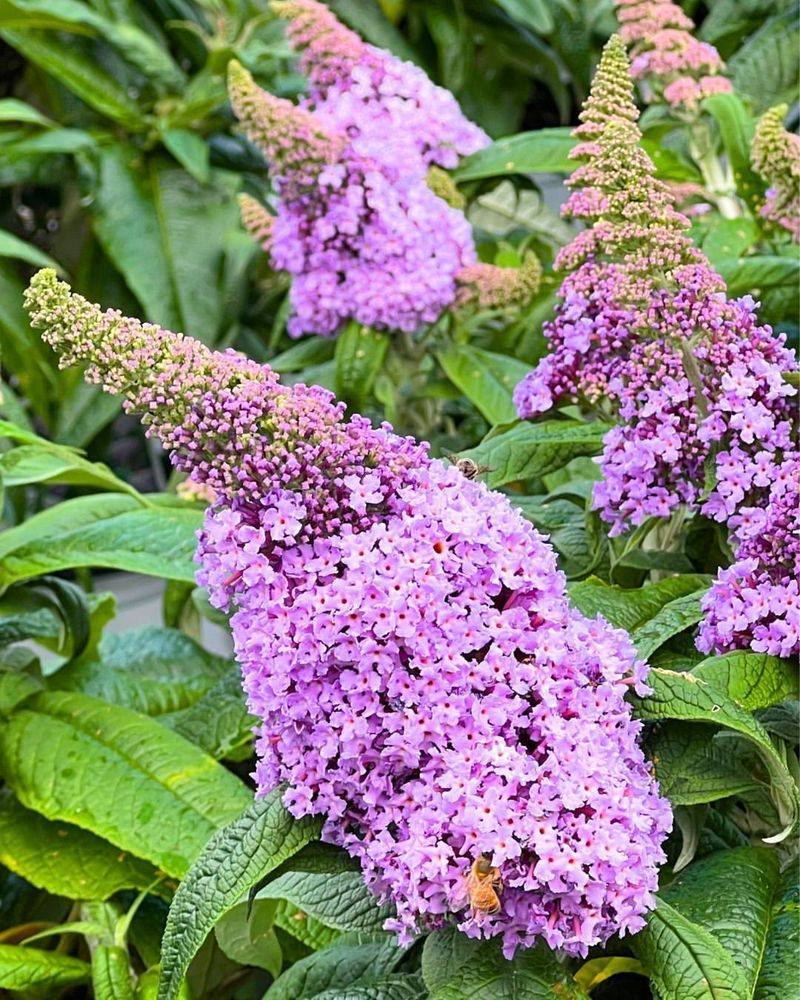
The name alone makes it sound like something every pollinator-friendly gardener should have. And yes, butterflies do love the nectar from those long, fragrant flower spikes.
Walk past a blooming butterfly bush in July and it is hard not to be impressed. But there is a lot more to this shrub than its good looks and butterfly-attracting flowers.
Butterfly bush, or Buddleja davidii, produces thousands of tiny seeds that blow on the wind and sprout readily in disturbed soil, gravel, roadsides, and stream banks.
In Oregon, it has naturalized in many areas and competes with native plants that pollinators actually depend on for nesting, larval food, and habitat.
Native bees and other insects need more than just nectar. They need the full plant community that butterfly bush tends to crowd out.
Oregon has placed restrictions on selling certain varieties of this plant because the invasive risk is real and well-documented.
Some sterile cultivars have been developed and are considered lower risk, but even those should be monitored and deadheaded before seeds can form.
If you already have one in your yard, deadhead it religiously after each bloom cycle to prevent seed spread.
Removing it entirely and replacing it with native alternatives like native ceanothus, red flowering currant, or Oregon grape gives pollinators far more long-term value.
Those plants support the full life cycle of local butterflies and bees, not just the adults looking for a quick sip of nectar on a summer afternoon.
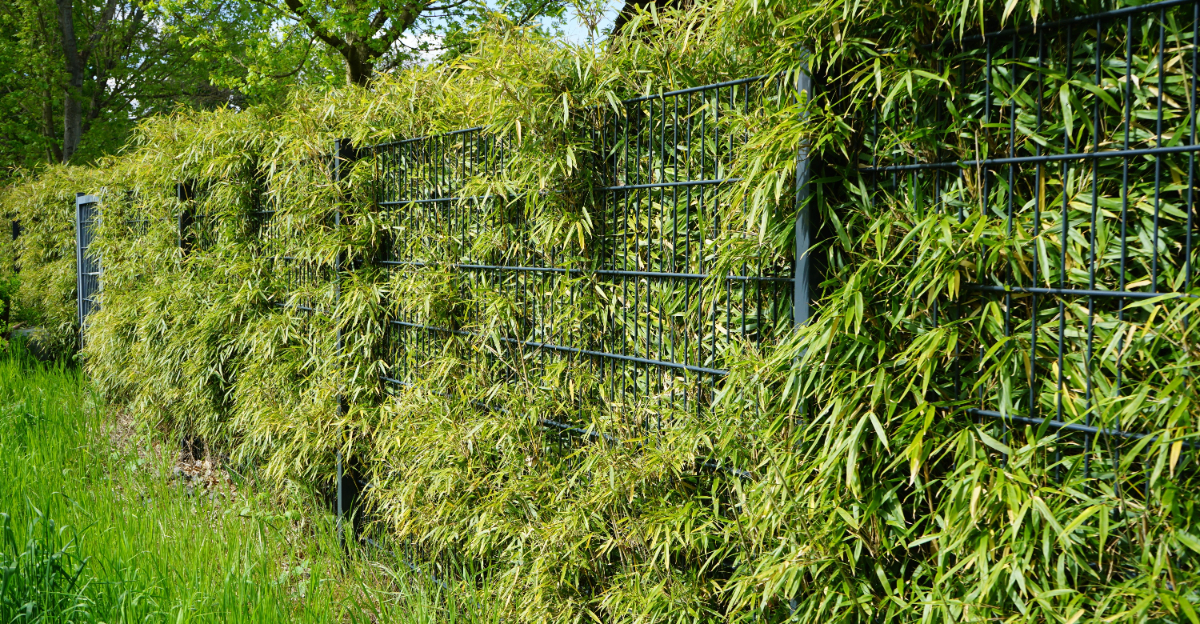
8. Running Bamboo
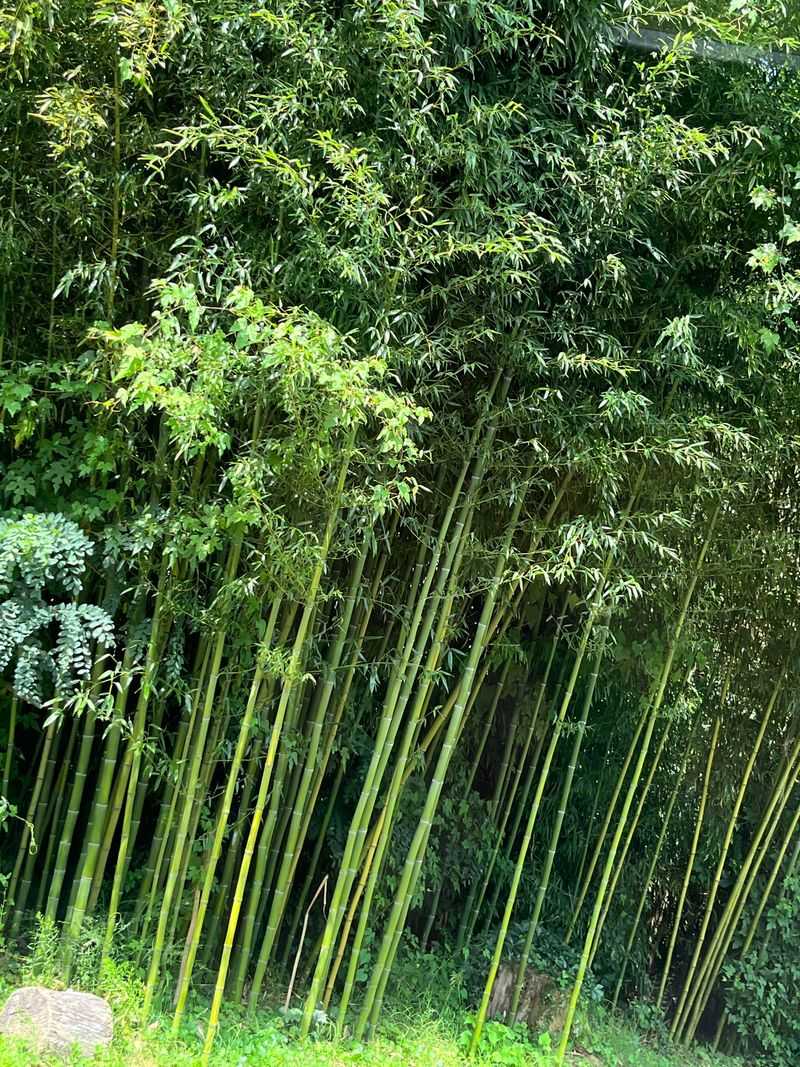
Bamboo has a reputation for being exotic and architectural, and plenty of homeowners have planted it to create a living privacy screen or add a tropical feel to their yard.
It works beautifully for that purpose, at least for the first year or two. Then the rhizomes start moving, and everything changes.
Running bamboo spreads underground through rhizomes that can travel ten feet or more in a single season. These rhizomes push under fences, through garden beds, and even into neighbors yards.
New shoots can pop up far from the original planting, sometimes cracking pavement or pushing through raised beds.
Once running bamboo is established, it is one of the hardest plants to fully remove from a residential property.
Many gardeners in this state have spent years digging up rhizomes only to find new shoots appearing the following spring. The underground network can go several feet deep in some cases.
Even a small piece of rhizome left in the soil is enough to start the whole process over again.
If you want bamboo, clumping varieties are a much safer choice. They stay in a manageable clump and spread slowly.
For running bamboo that is already in the ground, install a root barrier that goes at least two feet deep around the planting. Cut all shoots to the ground repeatedly throughout the growing season to exhaust the plant over time.
Removing it completely often takes three to five years of consistent effort. Most gardeners say they wish they had chosen clumping bamboo from the very beginning.
9. Horsetail
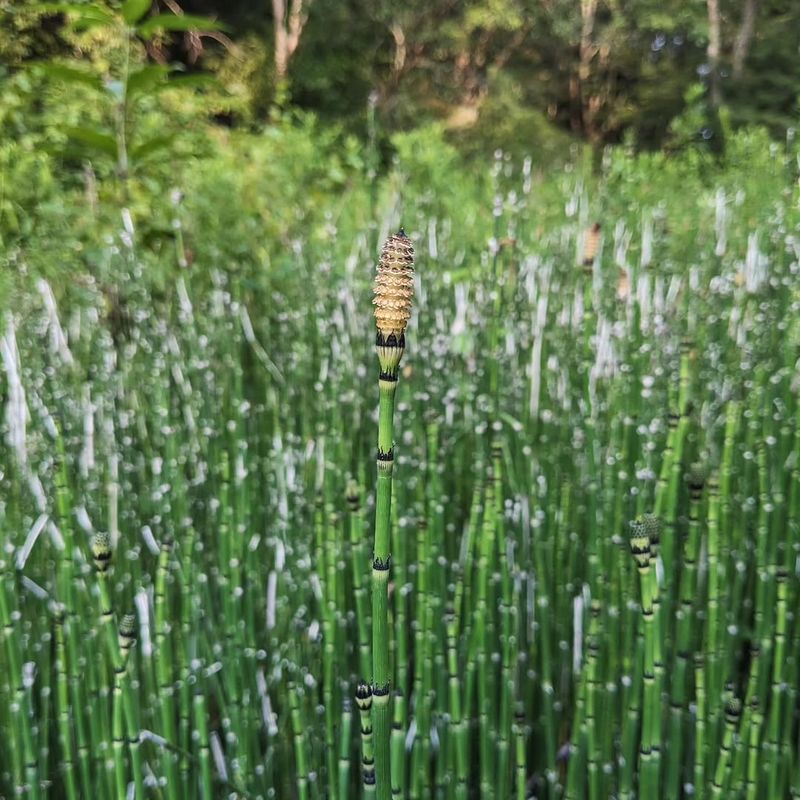
Horsetail is one of the oldest plant families on Earth. It has been around since the age of dinosaurs, which might explain why it is so incredibly hard to get rid of.
Gardeners who have battled it describe the experience as humbling. This plant has had millions of years to perfect the art of survival, and it shows.
Also known as Equisetum, horsetail thrives in moist, poorly drained soil, which is extremely common in western Oregon. It spreads through both spores and underground rhizomes that go very deep into the soil.
Digging it up stirs the rhizomes and can actually make the problem worse by breaking them into pieces, each of which can grow into a new plant.
It shows up in vegetable gardens, flower beds, lawns, and along fence lines. Because it loves wet conditions, it often appears near downspouts, rain gardens, or low spots in the yard.
Once it is established in an area, it can be nearly impossible to remove without years of persistent effort.
Improving soil drainage is one of the most effective long-term strategies. When the soil dries out more between rains, horsetail struggles to thrive.
Cutting it repeatedly at ground level weakens it over time by draining its energy reserves. Mulching heavily can slow its spread.
Herbicides have limited effectiveness on horsetail because its waxy stems resist absorption.
Many gardeners find that consistent, repeated removal combined with drainage improvements is the only approach that makes a real difference over time.