What Oregon Gardeners Should Mulch In June Before The Soil Dries Out
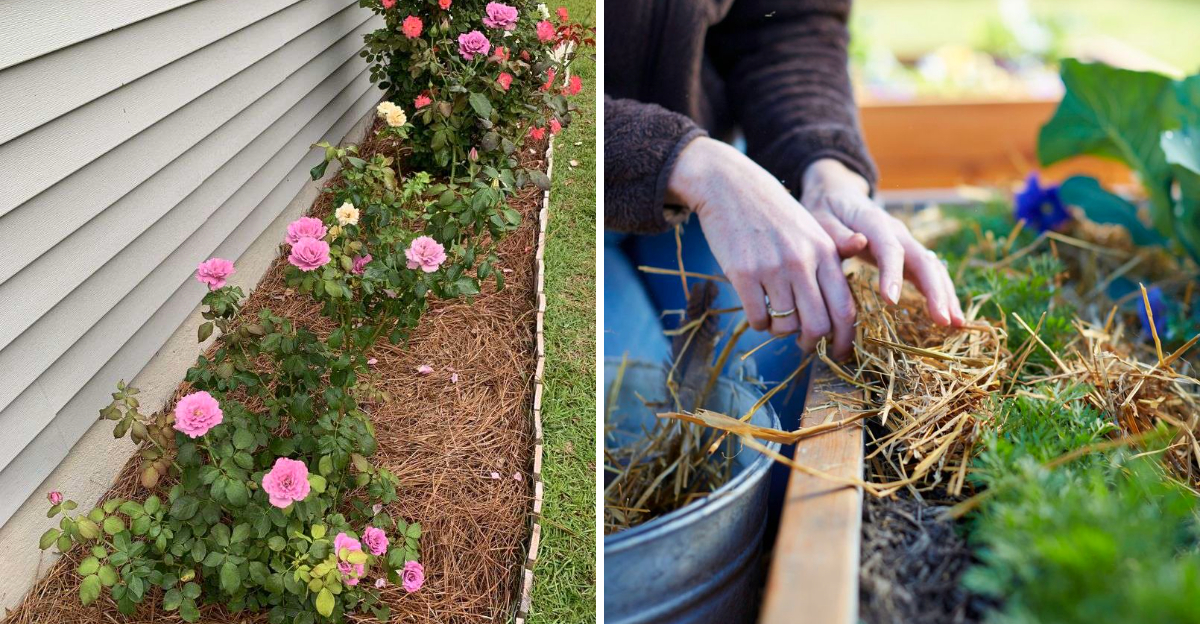
Mulch is one of those garden tasks that is very easy to keep bumping down the to-do list. It is not as exciting as planting something new or as satisfying as harvesting your first tomato.
It is just mulch. But here is the thing: Oregon gardeners who get mulch down in June consistently have an easier summer than those who skip it, and the difference is genuinely noticeable.
Once the rain backs off and those long dry stretches settle in, unmulched soil dries out fast, weeds seize the opportunity immediately, and soil temperatures swing in ways that stress plant roots.
A good layer of mulch applied right now acts like a quiet, low maintenance ally working in the background all summer long.
Unglamorous? Sure. Absolutely worth doing? One hundred percent.
1. Ornamental Beds Need Mulch Before Summer Dryness Builds
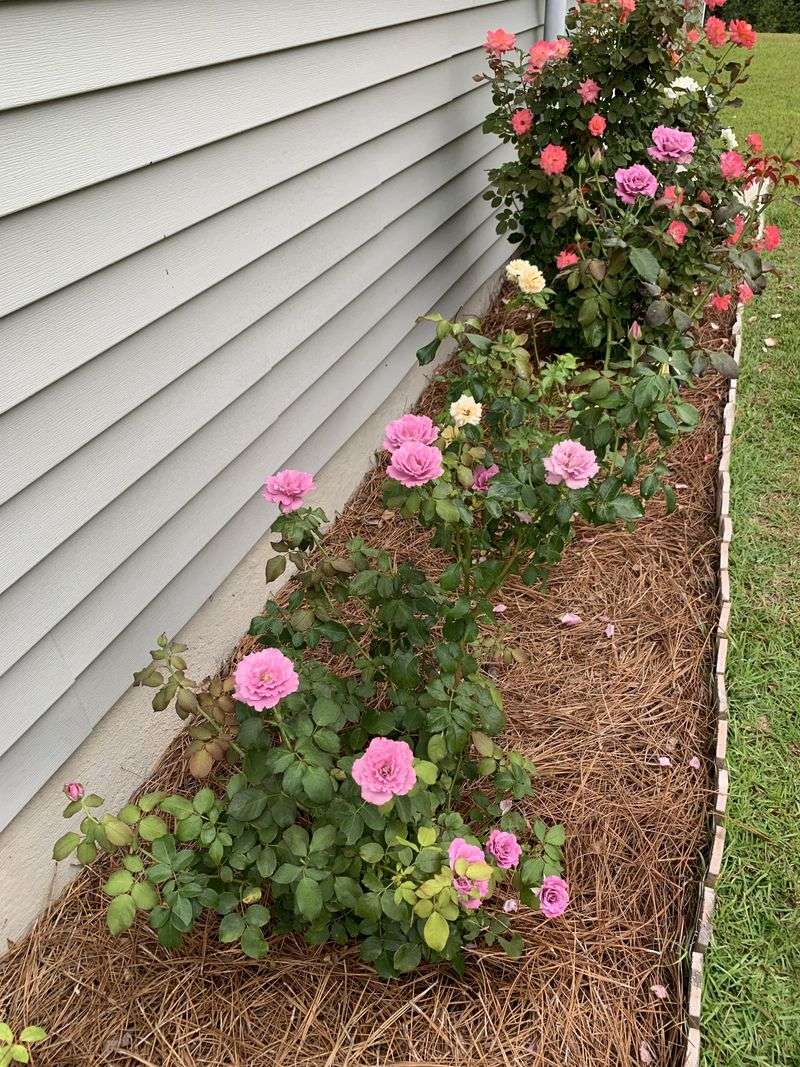
Flower borders and ornamental beds in Oregon can lose moisture surprisingly fast once warm June days arrive. Soil that felt moist just a week ago can become dry and crumbly near the surface, especially in beds with direct sun exposure.
Adding a layer of organic mulch now, before summer dryness builds, can make a real difference in how your ornamental plants handle the season.
A 2 to 3 inch layer of bark mulch, wood chips, or shredded leaves spread across the bed can help slow evaporation from the soil surface. This means the water you put down has more time to soak in and stay available to plant roots rather than disappearing into the air.
For ornamental beds with perennials, roses, or ornamental grasses, that steadier moisture level can support healthier foliage and more consistent blooming through the warmer months.
When applying mulch to ornamental beds, pull it back slightly from the base of each plant so the crowns stay exposed. Mulch piled against stems can hold too much moisture against the plant and create conditions that invite rot or pest issues.
Keep the layer even and topped off, and your Oregon ornamental beds will look tidier while holding onto soil moisture more reliably through the dry summer stretch ahead.
2. Raised Beds Dry Faster Than Garden Soil
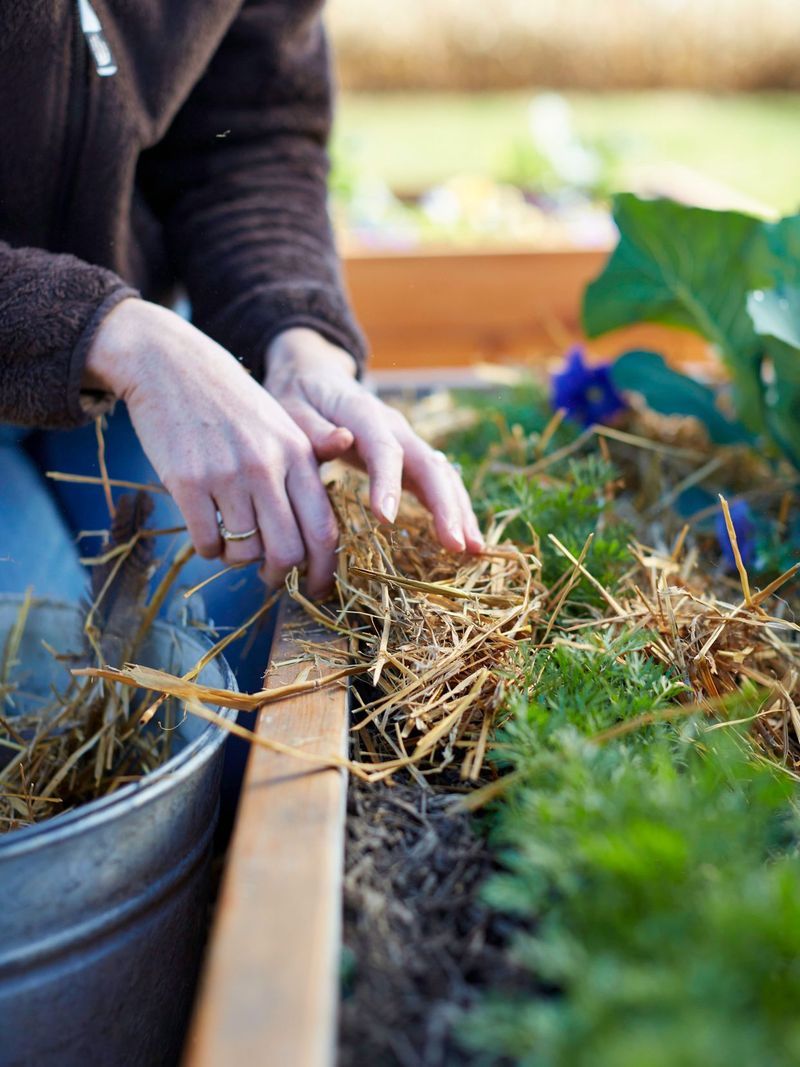
Anyone who has grown vegetables in raised beds knows that the soil in them behaves differently than ground-level garden soil.
Raised beds are exposed on multiple sides, which means heat moves through them more quickly and moisture escapes faster, especially during warm Oregon afternoons in June.
By the time you notice the top layer looks dry, the soil a few inches down may already be losing moisture too.
Getting mulch onto raised beds in early June can help slow that process. A 2 inch layer of straw, wood chips, or compost spread around your seedlings creates a barrier between the soil surface and the warm air above it.
This can reduce how often you need to water, and it also helps keep soil temperature from swinging too dramatically between morning and afternoon.
Raised beds used for tomatoes, peppers, cucumbers, and summer squash will benefit most from mulching early in the season, before the plants fill in and shading from leaves takes over.
Your Oregon Garden Changes Every Week. Your Plan Should Too.
Gardening in Oregon changes quickly throughout the season. Every Friday you’ll receive a simple weekly plan showing exactly what to plant, prune, fertilize, harvest, and protect so you never miss the right timing.
For beds with smaller starts or recently transplanted seedlings, keep the mulch pulled back a few inches from the base of each plant so young stems are not buried.
Oregon raised bed gardeners who mulch in June often find that their beds stay more workable and productive through the hottest weeks of the summer.
3. Warm-Season Vegetables Benefit From Covered Soil
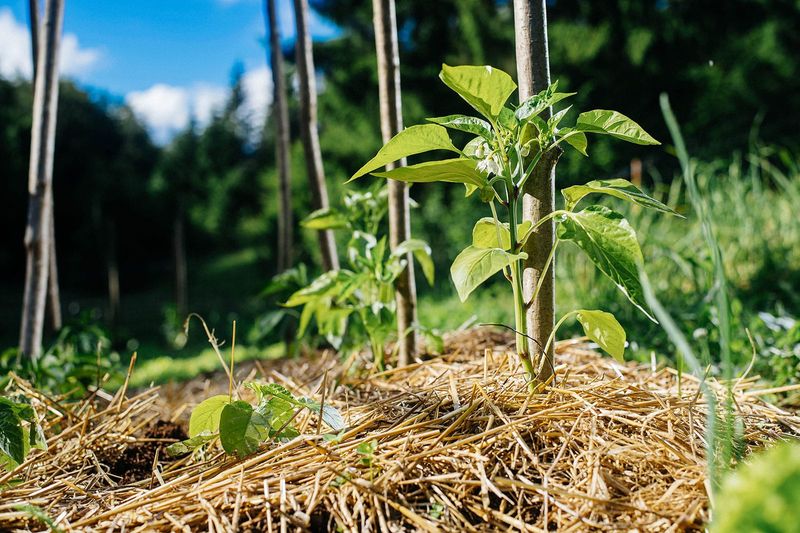
Tomatoes, peppers, cucumbers, melons, sweet corn, and pole beans all have something in common: they grow best when soil moisture stays relatively even.
Wide swings between wet and dry soil can affect how these crops develop, sometimes causing issues like blossom drop in peppers or uneven fruit development in tomatoes.
Covering the soil around these plants with mulch in June can help create more consistent conditions as Oregon summers warm up.
Straw is one of the most popular choices for vegetable garden mulching because it is lightweight, easy to spread, and breaks down gradually to add organic matter to the soil. Wood chips and shredded leaves also work well.
Spreading 2 to 3 inches around your warm-season crops after they are established and the soil has had a chance to warm up can support steady growth through the season.
Mulch between rows also helps keep weeds from taking hold, which means less competition for water and nutrients that your vegetables need.
In Oregon vegetable gardens, where June can bring a mix of mild rain and sunny warm days before the drier weeks of July set in, getting mulch down early is a practical step.
Just make sure the mulch is not piled against plant stems, and check the soil beneath the mulch occasionally to make sure moisture is reaching the root zone.
4. Blueberries Appreciate A Moisture-Holding Mulch Layer
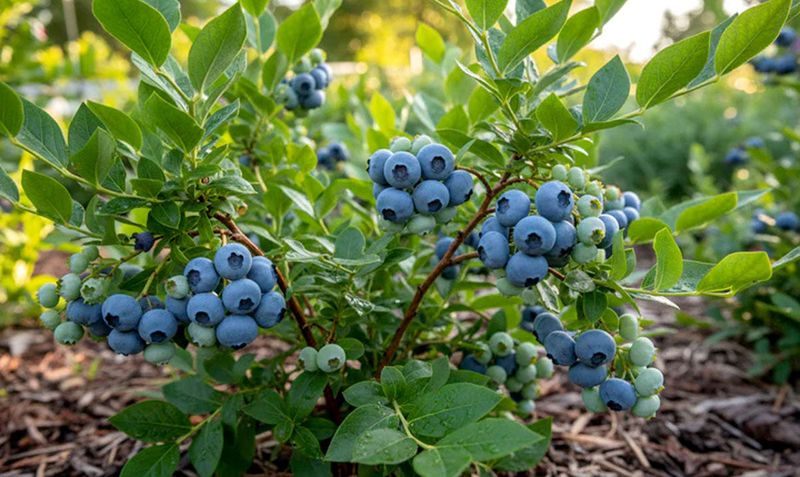
Blueberries are one of the most rewarding fruits to grow in Oregon, but they have specific needs that make mulching especially worthwhile. These plants prefer acidic, well-drained soil that stays consistently moist without becoming waterlogged.
During June, when Oregon weather can shift from mild and damp to warm and dry within just a few weeks, keeping moisture available around blueberry roots becomes more important.
Sawdust, wood chips, and pine bark are among the most commonly recommended mulch materials for blueberries because they tend to break down in ways that support the slightly acidic soil conditions these plants prefer.
Spreading a 3 to 4 inch layer around each bush, keeping it pulled back from the base of the canes, can help conserve moisture and reduce weeds that would otherwise compete with the shallow root system.
Blueberry roots tend to stay close to the soil surface rather than growing deep, which makes them more vulnerable to drying out quickly during warm spells.
A solid mulch layer acts as a buffer, helping the soil beneath stay cooler and retain moisture longer between waterings.
Oregon gardeners with blueberry patches often notice that well-mulched plants look more vigorous through the summer and produce more reliably than plants left with bare soil around their base.
June is a good time to refresh or add to the mulch layer before berry development peaks.
5. Berry Rows Need Mulch During Fruit Season
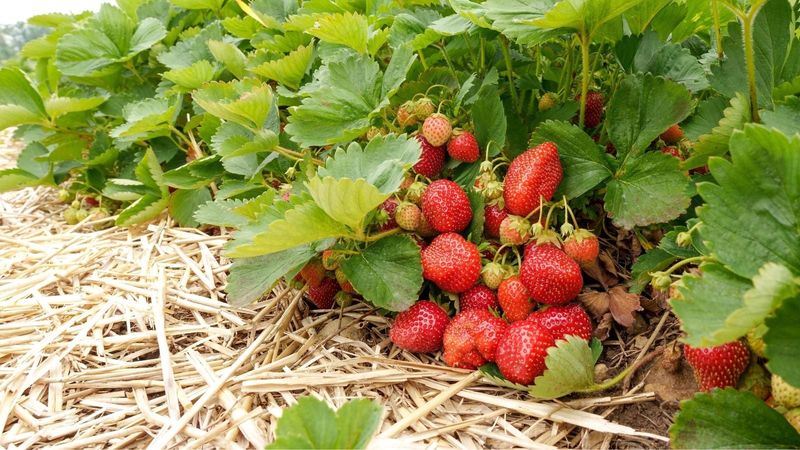
Strawberries, raspberries, and other cane berries are often at or near peak production in June across much of Oregon, which makes this a critical time to think about what is happening at soil level.
Berry plants in active fruiting mode need steady moisture to support fruit development, and bare soil between rows can dry out quickly during warm afternoons.
Mulching berry rows now supports the plants right when they need it most.
Straw is a traditional choice for strawberry beds because it keeps fruit off the soil surface, helps reduce soil splash onto berries during watering, and conserves moisture at the same time.
For raspberry and blackberry canes, wood chips or straw spread along the row can help retain moisture and keep weeds from crowding the base of the canes.
Both approaches help reduce how much time you spend hand-watering during the busiest part of the harvest season.
One thing to keep in mind is that crowns and cane bases should not be buried under mulch. Piling mulch too deep against the crown of a strawberry plant or the base of raspberry canes can create conditions that encourage rot or attract pests.
A 2 to 3 inch layer applied around but not on top of plant crowns gives you the moisture benefits without creating problems. Oregon berry growers who mulch in June tend to see more consistent fruit quality through the rest of the season.
6. New Shrubs Need Mulch Kept Away From Stems
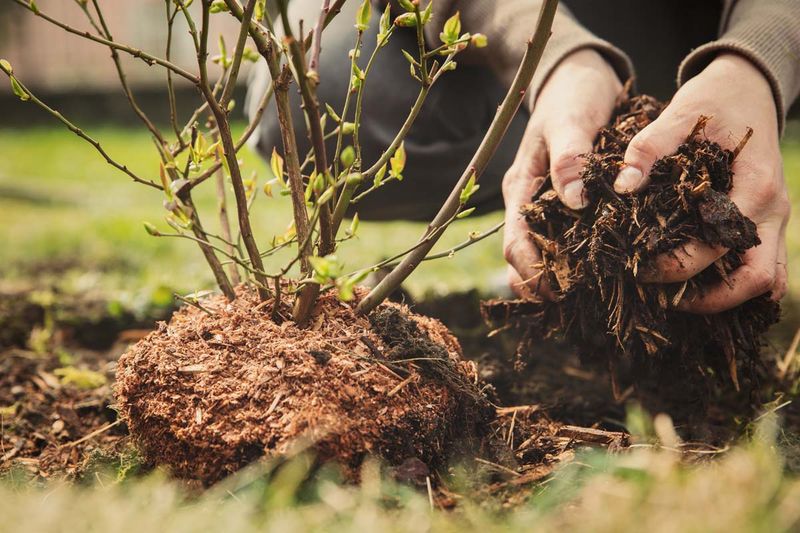
Planting new shrubs in spring is common across Oregon, and many homeowners add them to borders and foundation plantings between March and May.
By June, those new additions are still getting established, meaning their root systems have not yet spread far enough to access moisture from a wide area.
That makes the soil right around the root zone especially important to protect as summer warmth builds.
A 2 to 3 inch layer of bark mulch or wood chips applied in a ring around a new shrub can help conserve the moisture those developing roots need. It also helps reduce weeds that would otherwise compete for water and nutrients in the same soil.
For newly planted shrubs, keeping the soil moisture more even can support root development through the summer rather than stressing the plant with repeated dry spells.
The most important thing to remember is to keep the mulch pulled back from the base of the shrub. Mulch piled against the stem can hold moisture against the bark and create conditions that may lead to stem rot or pest activity over time.
Aim for a few inches of clear space around the stem, then spread the mulch outward to cover as much of the root zone as possible.
Oregon homeowners who mulch new shrubs correctly in June give those plants a much better chance of settling in well before the drier months arrive.
7. Young Trees Need A Wide Mulch Ring
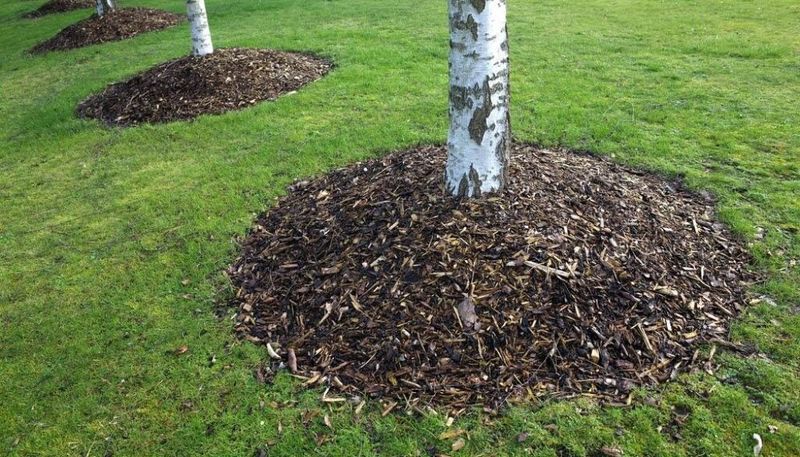
Young trees planted within the last few years are still working to establish deep, spreading root systems, and June in Oregon can be a stressful time for them if soil moisture drops too quickly.
Grass and weeds growing right up to a young tree trunk compete directly for water and nutrients in the soil closest to the roots.
A wide mulch ring helps address both of those challenges at once.
Spreading wood chips or shredded bark in a ring that extends 3 to 4 feet out from the trunk, or even wider for larger young trees, can help conserve soil moisture and reduce competition from surrounding grass.
The wider the ring, the more of the root zone benefits from the moisture-holding effect of the mulch.
In Oregon landscapes where summer irrigation may be limited, that wider coverage can be meaningful for a young tree trying to push new growth through July and August.
Keep the mulch layer about 2 to 4 inches deep across the ring, but taper it so that no mulch is actually touching or piled against the trunk.
Mulch mounded against tree bark, sometimes called a mulch volcano, can contribute to bark moisture issues and attract insects over time.
Flat, even mulch that stops a few inches short of the trunk is the approach most arborists and extension horticulturists recommend.
Oregon homeowners who take time to mulch young trees correctly in June are giving those trees a real advantage heading into the dry season.
8. Containers Need Moisture Checks More Than Guesswork
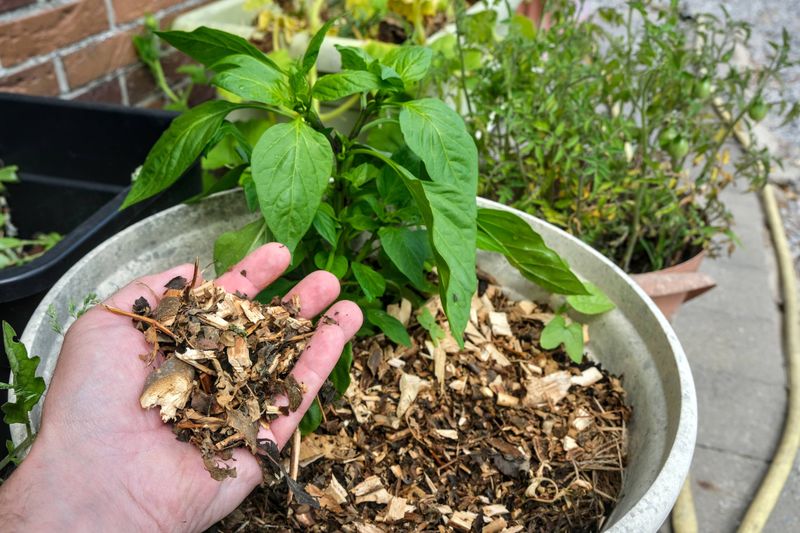
Pots and containers are some of the quickest-drying spots in any Oregon garden during warm weather.
Unlike in-ground beds where soil volume helps buffer temperature and moisture changes, containers hold a limited amount of potting mix that can go from moist to dry in a single warm afternoon.
June is when many Oregon gardeners first notice their containers needing water more frequently than earlier in the season.
Adding a thin layer of mulch on top of the potting mix in containers can help slow surface evaporation somewhat.
A half inch to an inch of fine bark, gravel, or shredded material can reduce how quickly the top layer dries out and may help moderate soil temperature in pots sitting in direct sun.
For large containers with trees, shrubs, or perennials, this step can be worth trying alongside regular watering.
That said, mulch in containers is not a substitute for checking the actual moisture level of the soil regularly. Pushing a finger an inch or two into the potting mix is still the most reliable way to know whether a container needs water.
Oregon warm spells in June can be unpredictable, with some days being much hotter than others, so watering schedules may need to shift week to week.
Checking containers every day or two rather than relying on a fixed schedule tends to produce better results than guessing based on the weather alone.