The Shrubs Oregon Homeowners Regret Planting Once Summer Arrives
Some shrubs look like easy wins when they are small at the nursery. They have glossy leaves, neat shapes, or flowers that make the whole cart feel more exciting.
Then Oregon summer arrives, and the truth starts showing. A shrub that seemed simple in spring may need constant watering once dry weather settles in.
Another may grow too wide, drop messy debris, or crowd paths faster than expected. Some plants also struggle when heat builds after months of cool rain.
That shift can turn a pretty choice into a yard problem. The frustrating part is that many regret plants are sold as dependable, so homeowners do not always see the warning signs early.
Once roots spread and branches fill the space, removing them takes more effort. A summer stressed shrub can make the whole yard feel harder to manage.
The smartest planting choices often start by knowing which ones people wish they had skipped.
1. Arborvitae Can Brown Out Before Homeowners Know Why
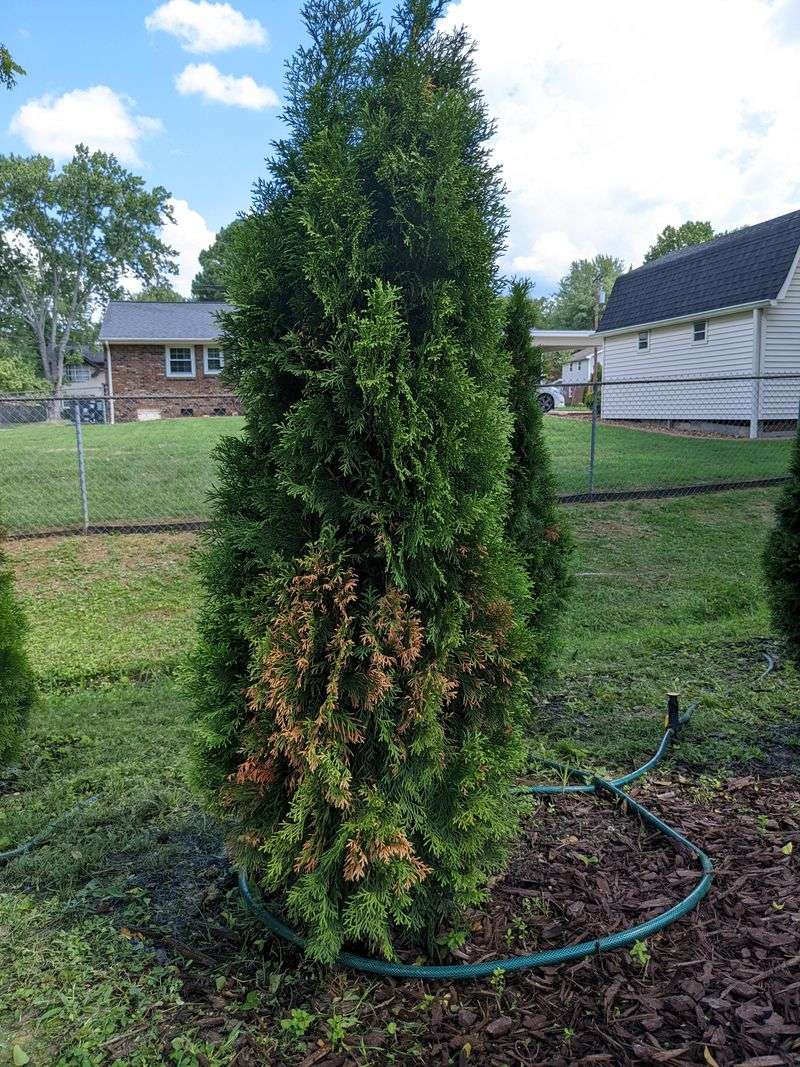
Few things are more frustrating than watching a perfectly green hedge slowly turn brown in the middle of summer.
Arborvitae is one of the most popular privacy shrubs sold at garden centers across our state, and for good reason.
It grows fast, looks tidy, and promises a lush green screen between you and your neighbors.
But summer heat tells a different story. These shrubs are surprisingly sensitive to dry conditions, and our state’s dry summers can cause sections of the plant to brown out quickly.
By the time most homeowners notice the problem, the damage is already well underway. Spider mites are another big issue. They love hot, dry conditions and can infest arborvitae fast.
The mites feed on the foliage, causing it to look dusty and yellow before turning fully brown.
A hard spray of water can help, but many homeowners do not catch the problem early enough.
Bagworms are also common in warmer months. These pests build small cocoon-like bags on the branches and feed on the foliage inside. Left unchecked, they can strip large sections of the shrub completely bare.
Planting arborvitae in full sun without adequate water access is one of the most common mistakes made in our state.
If you want to keep them healthy, deep watering two to three times per week during dry spells is a must. Many homeowners find that commitment harder than expected once summer fully arrives.
2. Boxwood Needs More Pest And Pruning Attention Than Expected
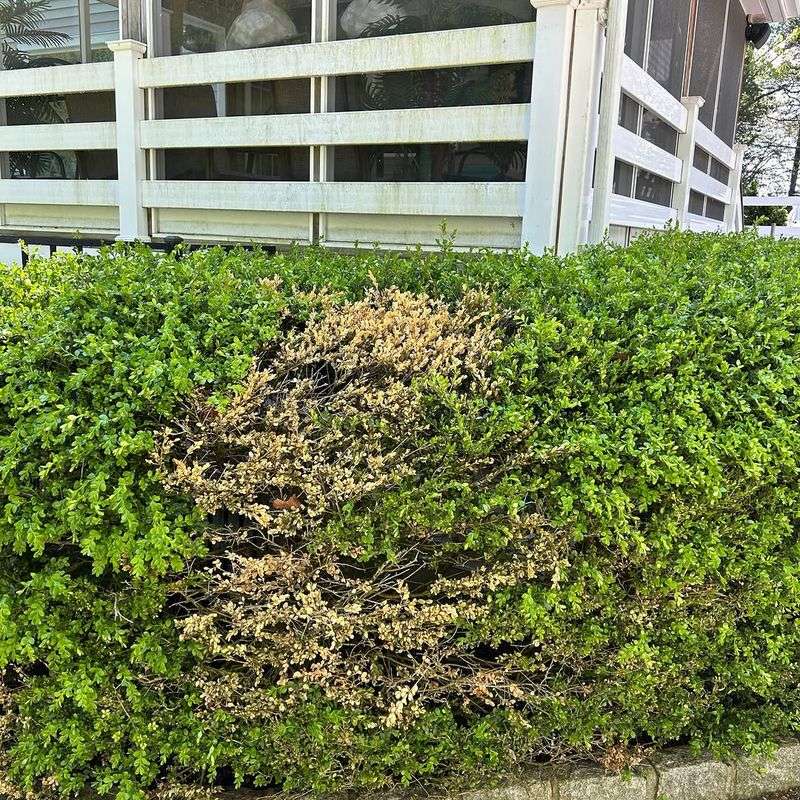
Boxwood has a reputation for being one of the most dependable shrubs you can plant. It holds its shape, stays green through most seasons, and looks polished in almost any yard setting.
That reputation is part of why so many homeowners in our state plant it without a second thought.
Summer, though, tends to expose its weaknesses fast. Boxwood blight is a serious fungal disease that spreads rapidly in warm, humid conditions.
It causes brown spots on leaves, followed by rapid defoliation.
Once it takes hold, controlling it requires consistent fungicide treatment and careful pruning to remove affected branches. Boxwood leafminers are another summer nuisance.
Your Oregon Garden Changes Every Week. Your Plan Should Too.
Gardening in Oregon changes quickly throughout the season. Every Friday you’ll receive a simple weekly plan showing exactly what to plant, prune, fertilize, harvest, and protect so you never miss the right timing.
These tiny insects lay eggs inside the leaves, and the larvae feed from within, causing blistered, discolored foliage that looks unsightly all season long. You may not notice the damage until it is already widespread.
Pruning boxwood is also more demanding than most people expect. To keep it looking sharp, it needs trimming two to three times during the growing season.
Skip a trimming and the shrub quickly loses its clean shape, growing in uneven and leggy directions.
Root rot can also develop if the soil does not drain well, which is common in parts of our state with heavy clay soil. Boxwood planted in poorly draining spots often struggles silently before showing visible symptoms.
For a shrub that looks simple to maintain, it demands a surprising amount of ongoing attention from homeowners.
3. Cherry Laurel Turns Into A Constant Trimming Job
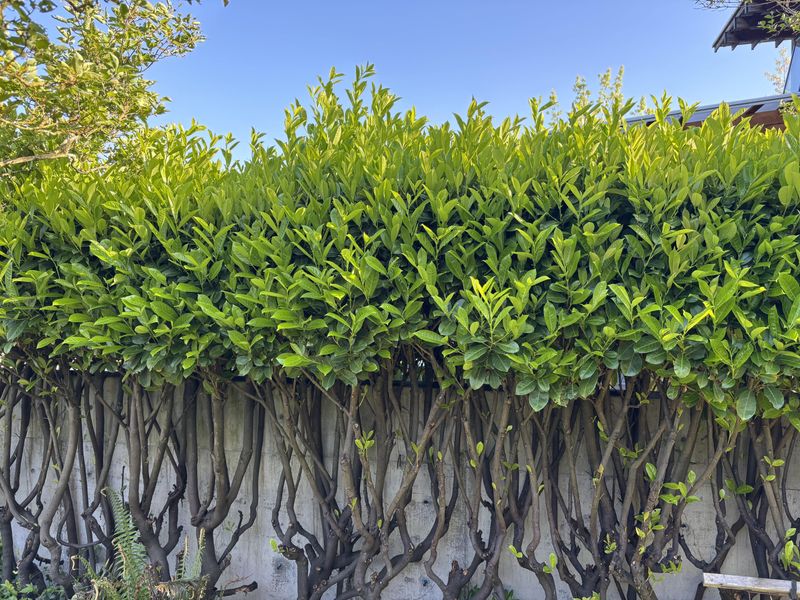
Cherry laurel is often sold as a low-maintenance privacy hedge, and that label is a little misleading. Yes, it grows quickly and fills in gaps fast.
But that fast growth is exactly the problem once summer arrives in our state.
During the warm growing season, cherry laurel can put on several feet of new growth in just a matter of weeks.
What starts as a neat, manageable hedge can become a sprawling, overgrown wall of dense foliage that blocks light and crowds out nearby plants.
Homeowners who plant it along fences or property lines often find themselves trimming it every few weeks just to keep it in check.
The size alone makes pruning a serious chore. Cherry laurel can grow twelve to thirty feet tall if left unchecked.
Getting the top sections trimmed safely requires a ladder and often a pole pruner. For older homeowners or those without the right tools, that kind of maintenance becomes genuinely burdensome.
Birds love cherry laurel berries and spread the seeds freely. This means seedlings often pop up in unexpected places around the yard, requiring extra weeding throughout the season.
In some parts of our state, cherry laurel is considered invasive because of how aggressively it spreads into natural areas.
If you want a privacy hedge that stays manageable, there are better options suited to our state’s climate.
Cherry laurel looks great in spring but quickly becomes a full-time project once the summer growing season kicks into high gear.
4. Photinia Often Looks Rough Once Leaf Spot Shows Up
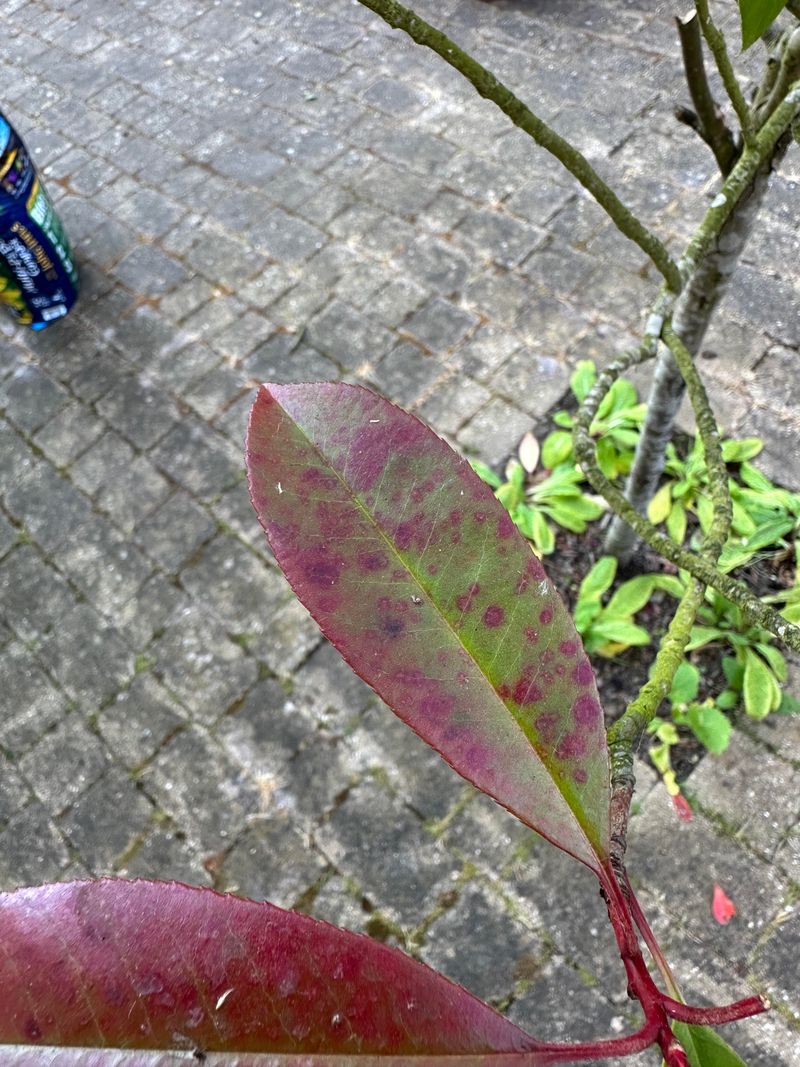
When photinia first flushes out in spring, it is genuinely stunning. The bright red new growth catches the eye and makes the whole yard feel vibrant.
Many homeowners fall in love with it at that moment and plant it without knowing what summer can bring.
Entomosporium leaf spot is the main villain here. This fungal disease targets photinia specifically, causing circular red or brown spots to form on the leaves.
As the infection spreads, leaves turn fully brown and drop from the plant. A shrub that looked brilliant in April can look ragged and half-bare by July.
Our state’s wet springs followed by warm summers create ideal conditions for this disease to thrive. The spores spread through splashing water, so overhead irrigation makes things much worse.
Switching to drip irrigation and avoiding watering the foliage directly can help slow the spread, but it rarely stops it completely once the plant is infected.
Fungicide sprays can provide some protection if applied early and consistently, but the timing and frequency required make it a demanding task.
Most homeowners who try to treat it find themselves on a spray schedule every one to two weeks during the growing season. Repeated infections also weaken the overall structure of the plant over time.
Photinia that suffers from leaf spot year after year tends to become thin and patchy, losing the full, lush look that made it appealing in the first place. For many homeowners in our state, it ends up being more trouble than it is worth.
5. Gardenias Are Fussier Than Their Flowers Suggest
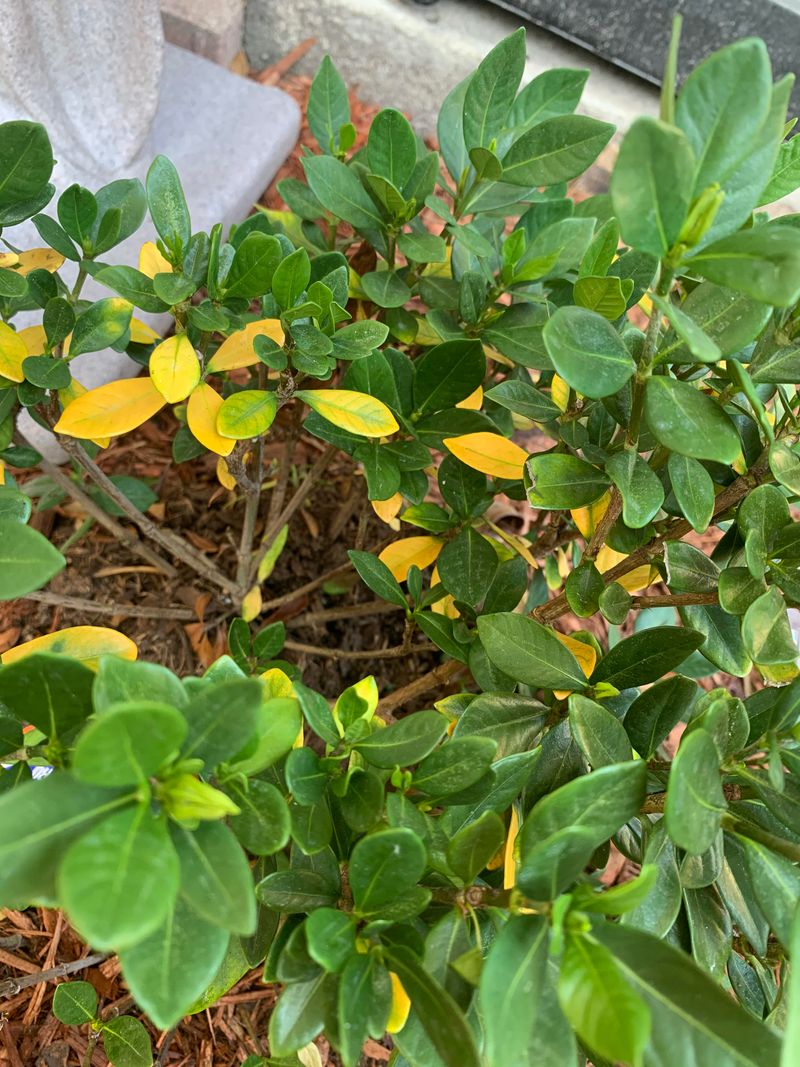
That sweet, intoxicating fragrance is hard to resist. Gardenias smell like summer vacation and old-fashioned gardens all at once, and their white blooms are genuinely beautiful.
It is easy to understand why homeowners in our state reach for them at the nursery every spring.
But gardenias have strong opinions about their growing conditions, and our state’s climate does not always meet their standards. They need acidic soil with a pH between 5.0 and 6.0.
Many yards across our state have soil that leans more neutral or alkaline, which causes gardenias to develop yellowing leaves, a condition called chlorosis. The plant cannot absorb iron properly in the wrong pH, and the foliage pays the price.
Summer heat adds another layer of stress. Gardenias prefer consistent moisture, and the dry months of July and August in our state can cause bud drop before flowers even open.
Homeowners often watch in frustration as the buds they have been waiting for fall off before blooming.
Whiteflies, aphids, and spider mites all target gardenias during warm weather. These pests cluster under leaves and drain the plant’s energy, leaving behind sticky residue and causing further leaf discoloration.
Treating them requires regular monitoring and repeated applications of insecticidal soap or neem oil.
Gardenias planted outdoors in our state also need winter protection in cooler regions, adding yet another seasonal task.
For a shrub that looks elegant and effortless, the actual care routine is anything but simple for most homeowners.
6. Junipers Can Become Woody, Dry, And Mite-Prone
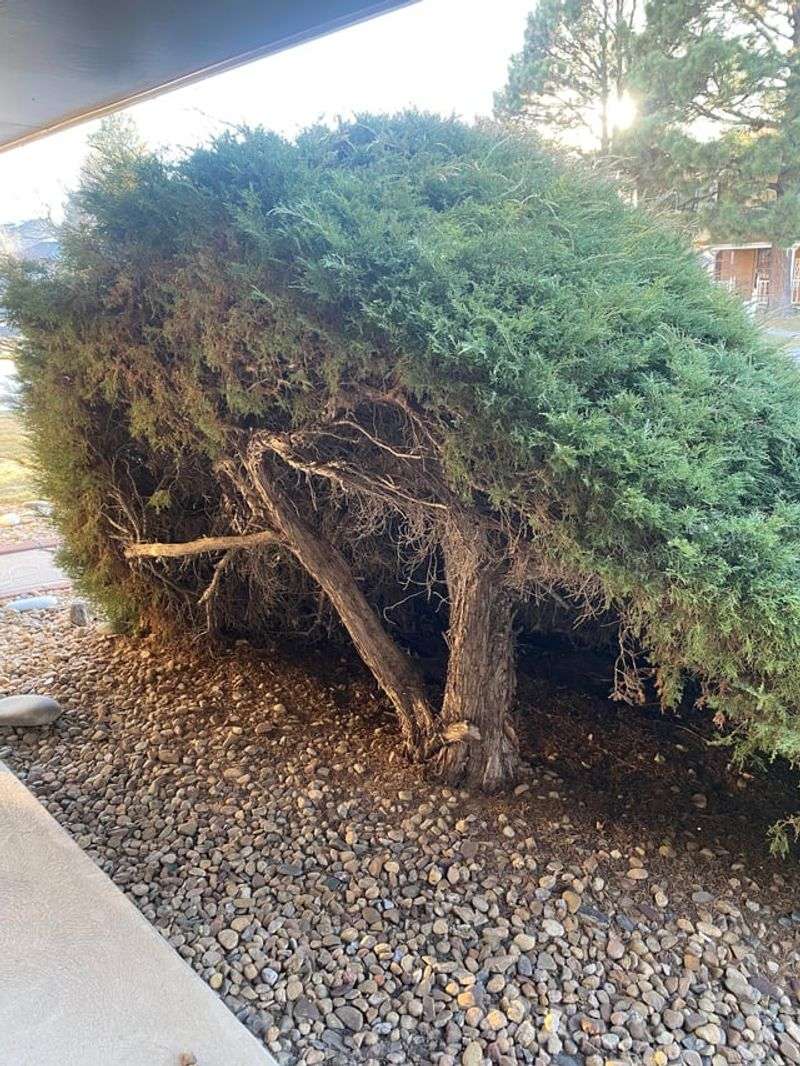
Junipers have been a staple of Pacific Northwest landscaping for decades. They are tough, drought-tolerant once established, and come in dozens of shapes and sizes.
For a long time, they were considered one of the easiest shrubs you could put in a yard and forget about.
The problem is that many homeowners in our state planted them years ago and have since discovered that older junipers come with real issues. As junipers age, the interior of the plant becomes increasingly woody and bare.
New growth only appears at the outer tips, and the dense inner branches receive no light and hold no foliage at all. This creates a look that feels scraggly and neglected rather than full and lush.
Spider mites are the biggest pest concern for junipers in summer. Hot, dry conditions are exactly what spider mites love, and our state’s summer weather delivers both.
A heavy infestation can turn foliage a dull bronze or gray color, and the fine webbing between branches becomes visible up close.
Treatment requires thorough coverage with miticide sprays, which can be tricky given how dense juniper foliage is.
Pruning old junipers back hard is risky because the woody interior rarely pushes new growth. Unlike many other shrubs, junipers do not regenerate well from old wood.
This means that once a juniper becomes overgrown or heavily damaged, the best solution is often full removal rather than a rescue attempt.
For new plantings, there are more forgiving options available that hold up better through our state’s dry summer months.
7. Hydrangeas Wilt Fast When Oregon Summers Turn Dry
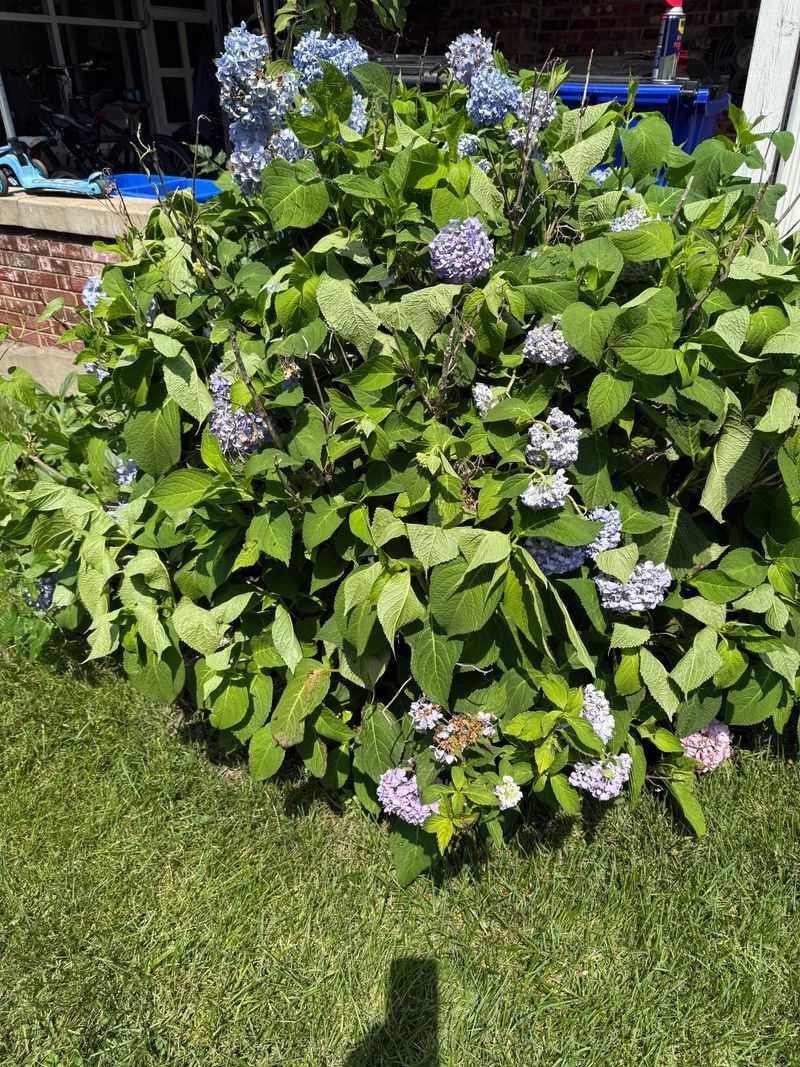
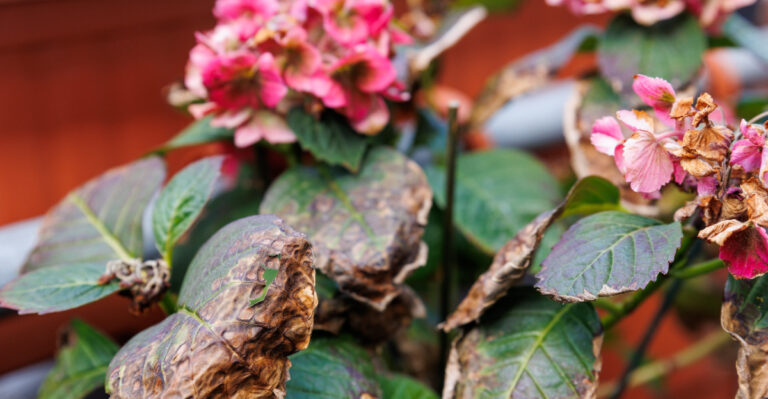
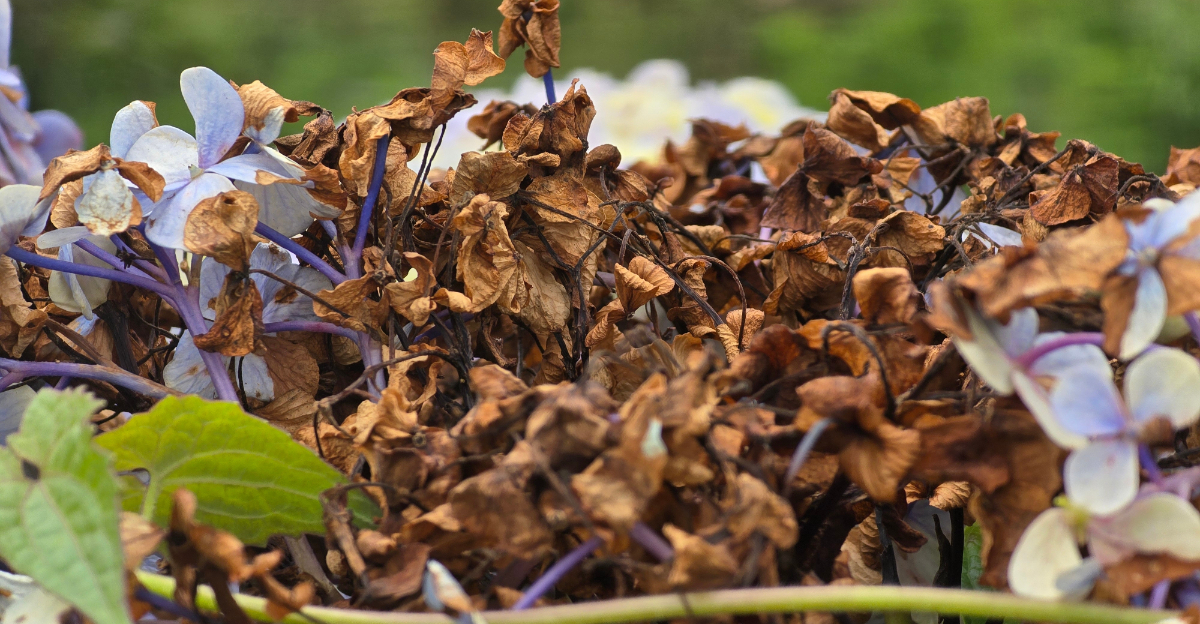
There is something almost theatrical about the way hydrangeas wilt on a hot summer day. The big, beautiful flower heads droop dramatically, and the whole plant looks like it might not survive the afternoon.
For homeowners who planted hydrangeas expecting low-maintenance color all summer, this can be alarming.
Our state gets a generous amount of rain in fall, winter, and spring. But summer is a different story entirely.
July and August can bring weeks of dry heat with little to no rainfall. Hydrangeas, which are native to more consistently moist environments, really struggle in these conditions.
Bigleaf hydrangeas are especially sensitive. They need regular, deep watering to stay upright during summer heat.
Without consistent moisture, the leaves scorch around the edges and the blooms fade prematurely.
Even with daily watering, plants in full sun locations often look stressed by mid-afternoon on the hottest days.
Placement matters a great deal with hydrangeas in our state. Afternoon shade is not optional; it is necessary for survival during peak summer heat.
Many homeowners plant them in full sun spots and then spend the entire summer trying to compensate with extra water and wilting plants.
Panicle hydrangeas handle summer heat and drought better than bigleaf varieties and are worth considering as an alternative. They still need regular water, but they are noticeably more forgiving on hot days.
Choosing the right variety before planting can save a lot of stress once summer temperatures climb and the rain stops falling.
8. Old Rosemary Can Turn Woody Fast
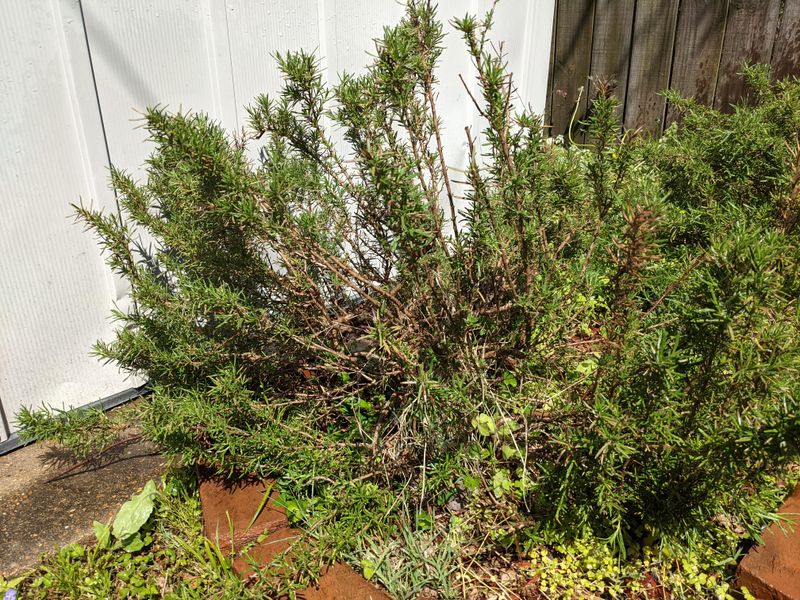
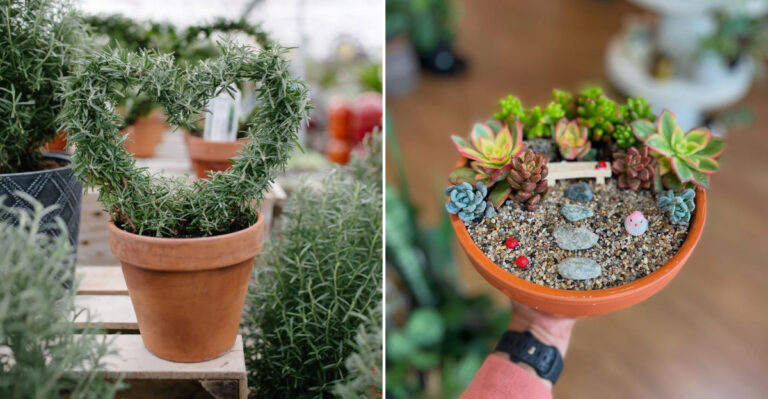
Rosemary starts out as one of the most appealing plants you can put in a yard. It smells incredible, handles dry conditions reasonably well, and offers a nice mix of texture and fragrance.
Plenty of homeowners in our state plant it expecting a low-effort, long-lasting shrub that just keeps giving.
For the first few years, rosemary usually delivers on that promise. But as the plant ages, the lower stems become increasingly thick, hard, and woody.
The lush, soft growth retreats to the branch tips, leaving a dense tangle of bare wood underneath. The shrub starts to look more like a small gnarled tree than the tidy herb plant most people had in mind.
Hard pruning seems like the obvious fix, but cutting back into old wood on rosemary rarely works well. The woody sections do not push new growth reliably, and aggressive pruning can leave the plant looking worse than before.
Many homeowners end up with a half-bare, awkward-looking shrub that no amount of trimming seems to improve.
Summer also brings its own challenges for rosemary. While it tolerates dry heat better than many shrubs, extended periods of intense heat combined with poor air circulation can encourage powdery mildew and root rot if the soil holds moisture unevenly.
Replacing aging rosemary every five to seven years is often the most practical approach. Younger plants stay fuller, more fragrant, and more attractive through the summer months.
Starting fresh beats spending seasons trying to revive a shrub that has simply run its natural course in your yard.