Why Florida Plumeria Leaves Turn Yellow In Early Summer
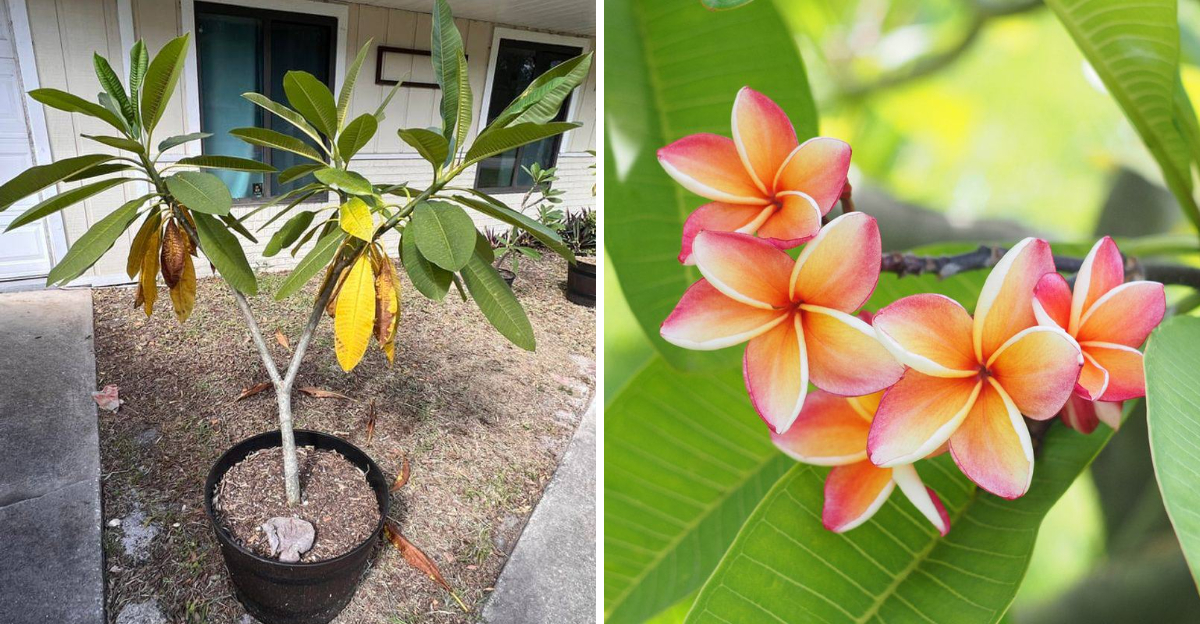
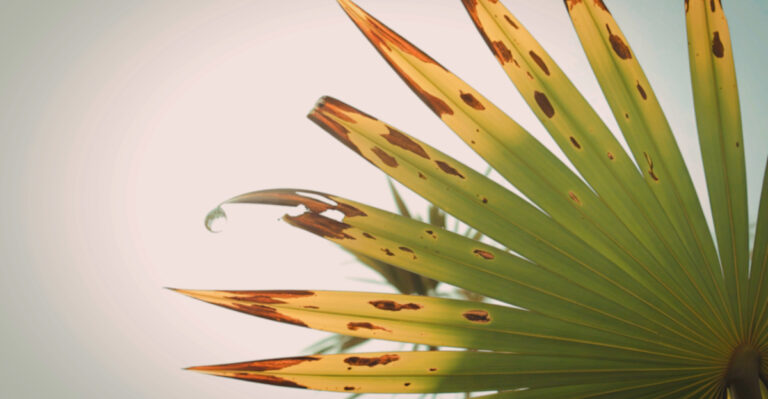
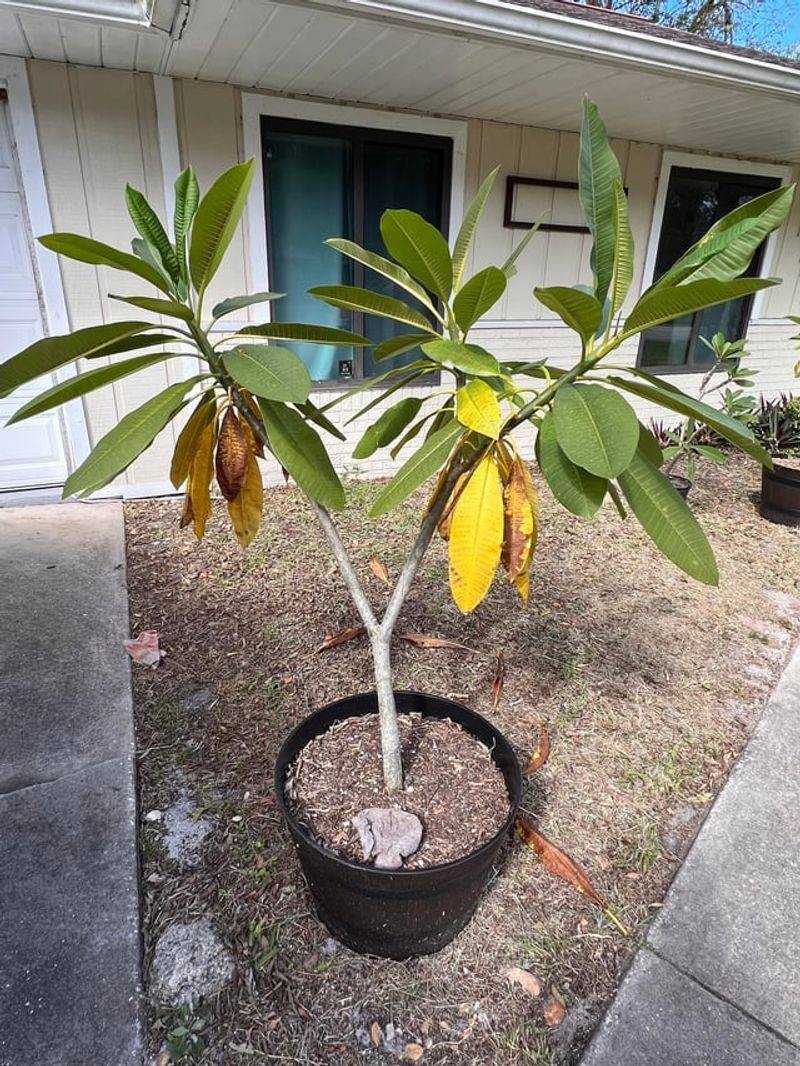
Yellow plumeria leaves in early summer have sent more than a few Florida gardeners into a full panic. The plant looks tropical, acts tropical, and then without warning starts dropping color like something has gone seriously wrong.
Here is the thing: it usually has not. Plumeria is a drama queen about certain things and early summer is prime time for it.
The heat kicks up, conditions shift, and the leaves respond in ways that look alarming but often have a straightforward explanation sitting right underneath the surface. The tricky part is that several different causes wear the exact same yellow disguise.
Watering, drainage, nutrients, and natural seasonal behavior all look identical on a leaf. Chasing the wrong one wastes weeks.
Knowing what to actually look for turns a panic moment into a five minute diagnosis.
1. Check Whether Old Leaves Are Shedding Naturally
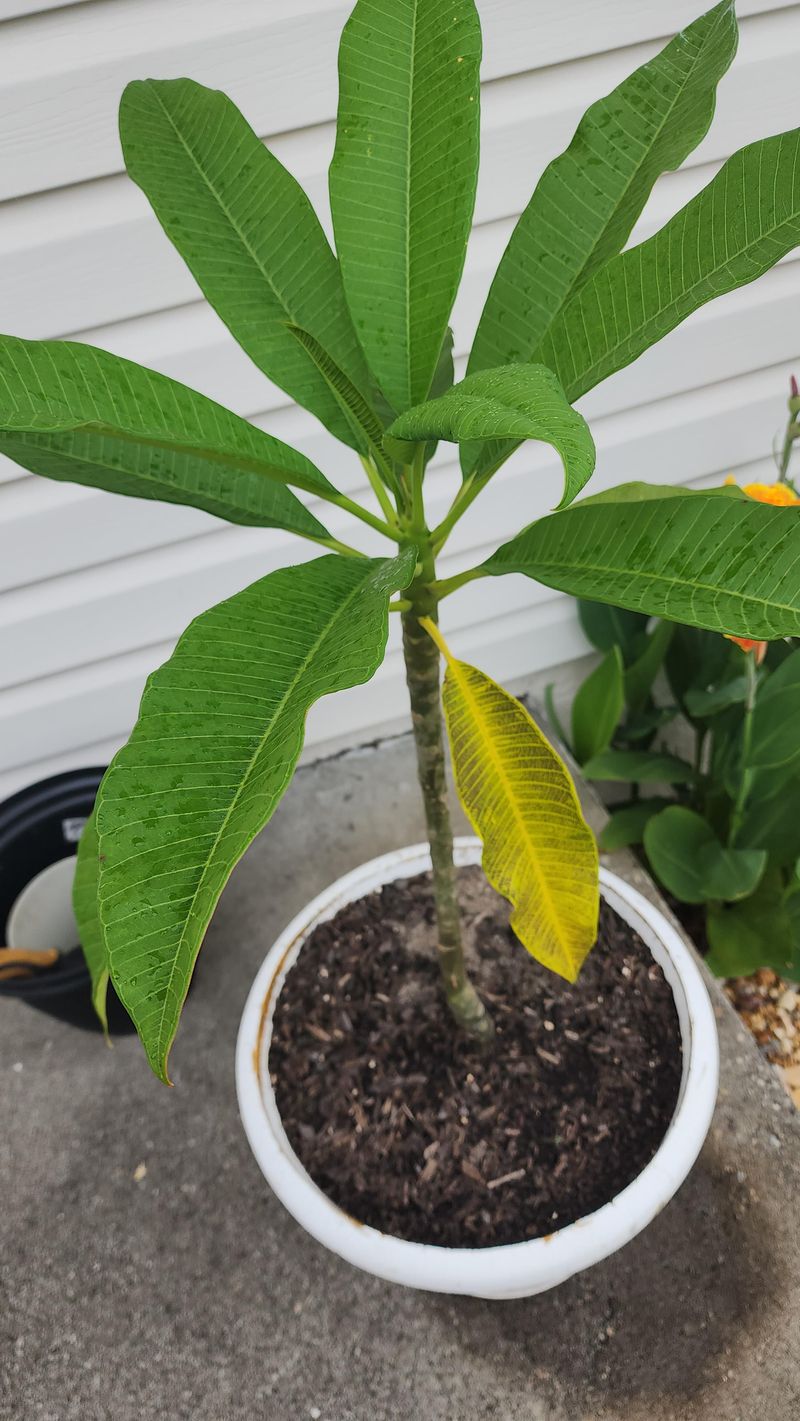
A yellow leaf is not always a warning sign. Plumerias are naturally semi-deciduous plants, which means they shed older leaves as part of their normal growth cycle.
In early summer, when the plant is pushing out new growth at the tips, some of the older lower leaves may turn yellow and drop on their own. This is a routine process, not a sign that something is seriously wrong.
The key is knowing where the yellowing is happening. If just a few leaves near the base of a branch or along the older parts of the stem are turning yellow, that is likely normal seasonal shedding.
The plant is simply redirecting its energy toward new shoots and fresh foliage at the growing tips. You will often notice this pattern more clearly once warm weather and longer days trigger a strong flush of new growth.
Compare this to widespread yellowing that spreads across most of the plant, including newer leaves near the tips. That kind of pattern usually points to something else, like a watering issue, a drainage problem, or a pest.
Widespread yellowing that moves from the tips inward, or that affects leaves of all ages at the same time, deserves a closer look.
When you are checking your plant, take a moment to look at the overall picture. Is the plant producing healthy new growth?
Are the stems firm and full? Are only a handful of lower leaves affected?
If the answers point toward normal activity, then the yellowing is most likely part of the plant doing what it naturally does this time of year.
Give it some time before making any changes to your care routine, and watch for other signs before assuming a bigger problem is at play.
2. Look For Water Stress After Spring Growth Starts
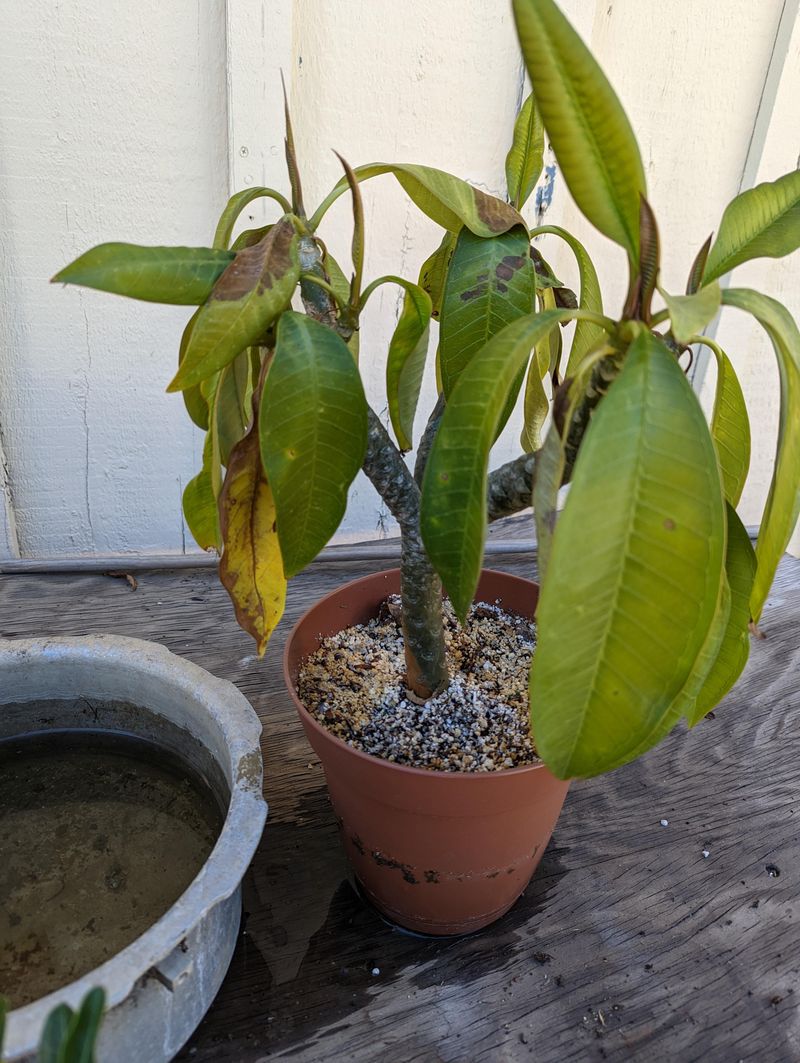
Spring growth can change how much water a plumeria actually needs. Once a plant breaks dormancy and starts pushing out new leaves and branches, its demand for consistent moisture often increases.
If your watering routine has not shifted to match that growth, the plant may start showing stress through yellow or pale leaves, especially on younger growth.
Both too little water and too much water can cause yellowing, which is why checking the soil before watering matters more than following a set schedule. Push your finger about an inch or two into the potting mix or ground soil.
Your Florida Garden Changes Every Week. Your Plan Should Too.
Gardening in Florida changes quickly throughout the season. Every Friday you’ll receive a simple weekly plan showing exactly what to plant, prune, fertilize, harvest, and protect so you never miss the right timing.
If it feels dry at that depth, the plant is ready for water. If it still feels damp or cool, hold off for another day or two and check again.
Container-grown plumerias are especially sensitive to water stress because the root zone is limited and the soil can dry out faster in warm weather. A small pot in full sun can dry out quickly on a hot day in late spring or early summer.
On the other hand, a pot without good drainage or one that sits in standing water can stay too wet for too long, which also leads to yellow leaves.
Ground-planted plumerias in well-drained soil usually handle mild dry spells reasonably well.
They can still show stress if the weather turns hot and dry before the rainy season gets going. In northern parts of the state, the shift from spring to summer may come a bit later, so keep an eye on soil conditions rather than the calendar.
Adjusting your watering approach based on what the soil is actually telling you is one of the most practical steps you can take when yellow leaves appear.
3. Make Sure The Soil Drains Fast Enough
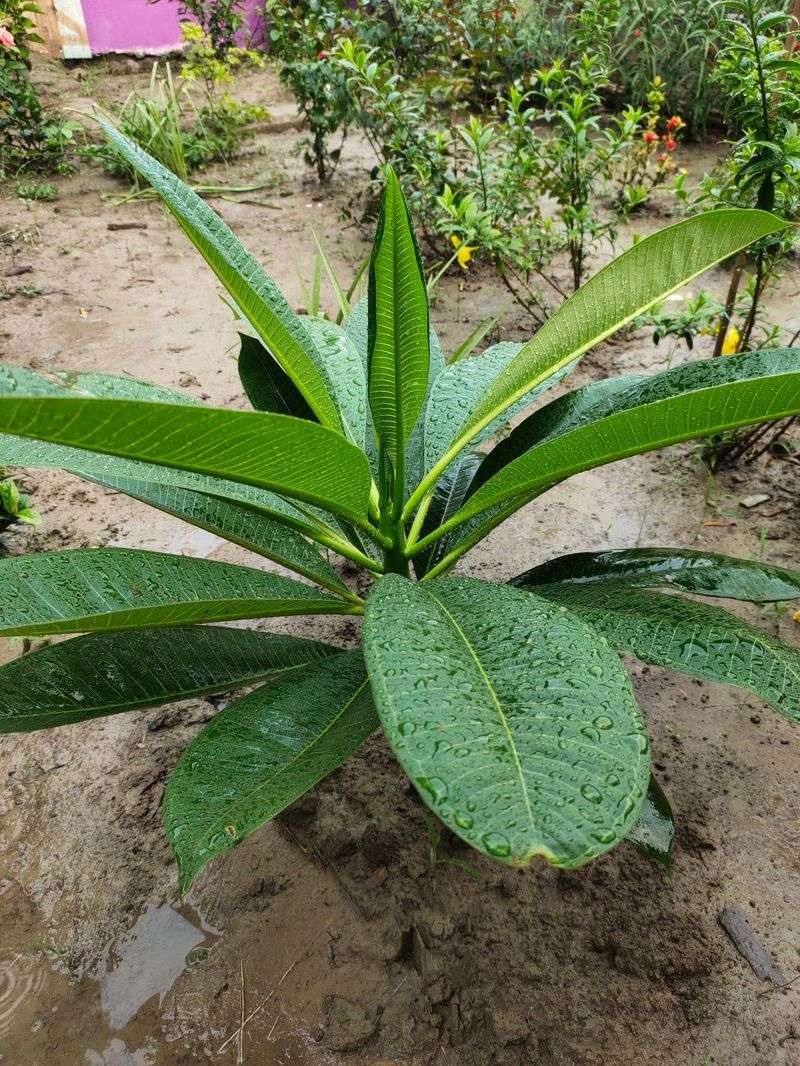
Drainage matters more once rain becomes frequent. Plumerias are tropical plants that thrive in warm conditions, but they do not tolerate soggy soil for long.
As early summer brings more humidity and occasional afternoon showers, poorly draining soil can become a real problem.
Roots sitting in wet conditions for too long can struggle to take up nutrients and oxygen, and yellow leaves are often one of the first visible signs of that stress.
Containers should always have open drainage holes at the bottom, and those holes should not be blocked by saucers full of standing water. If your pot is sitting in a dish that collects runoff, empty that dish after each watering or rain event.
Pot feet are a simple and inexpensive solution that lifts containers off flat surfaces and keeps water from pooling underneath.
The potting mix itself matters just as much as the drainage holes. Plumerias do best in a gritty, fast-draining mix rather than a heavy, moisture-retaining blend.
Many growers use a combination of coarse perlite, bark, or even cactus mix to keep the soil loose and airy. Heavy garden soil or dense potting mixes that stay wet for days can create conditions the roots are not built to handle.
For plumerias growing in the ground, raised beds or slightly elevated planting areas can help move water away from the root zone more quickly. Low spots in the yard that collect water after rain are not ideal locations for these plants.
If your soil feels compacted or stays wet for more than a day or two after a rain, take action.
Amending it with coarse material or choosing a better-draining location can improve plant health and leaf color over time.
4. Watch For Nutrient Needs As Growth Speeds Up
Food may be part of the picture, but it should not be the first guess when yellow leaves appear. Nutrients can play a role in leaf color, especially during periods of fast growth.
But jumping straight to fertilizer without checking other factors first can sometimes make things worse.
Overfeeding a plant that is already stressed from poor drainage or inconsistent watering rarely helps and may add more pressure to the root zone.
That said, early summer is a time when plumerias are often growing quickly, and container-grown plants can use up available nutrients faster than expected.
Regular watering and rainfall can also wash nutrients out of the potting mix over time, leaving the plant with less to draw from.
If you have already confirmed that watering and drainage are in good shape and pests are not the issue, then nutrients are a reasonable next thing to consider.
Plumerias are generally described as moderate to heavy feeders during the active growing season. A fertilizer higher in phosphorus is often recommended to support blooming, while balanced formulas can support general growth.
Always read and follow the label directions on any fertilizer product you use. Applying more than the recommended rate does not speed up results and can cause additional leaf problems.
If you have not fertilized your container plumeria in several months, a light feeding may be worth trying.
Use a balanced or bloom-supporting formula during early summer. For in-ground plants growing in reasonably good soil, nutrient deficiencies are less common but can still occur.
When in doubt, contact your local UF/IFAS Extension office. They can offer guidance specific to your soil type, your region of the state, and the growing conditions in your yard.
5. Inspect Leaves For Pests Before Blaming Fertilizer
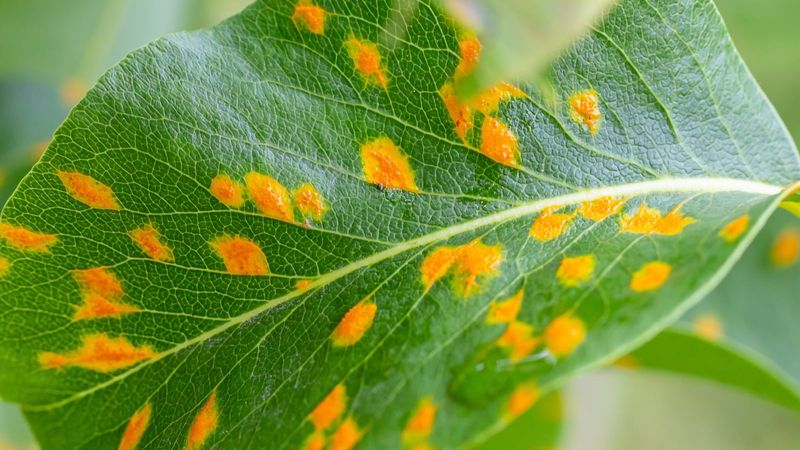
Tiny pests can create big confusion when it comes to yellow leaves. Before assuming your plant needs more fertilizer or a different watering schedule, take a few minutes to look closely at the leaves themselves.
Pests are often small enough to miss at a glance.
A careful inspection of the undersides of leaves, along the stems, and around new growth can reveal what is actually going on.
Spider mites are one of the more common pests that can affect plumerias, especially during warm, dry spells before the rainy season really gets going. They tend to cluster on the undersides of leaves and can cause a stippled, faded, or bronze appearance.
You might also notice fine webbing between leaves or along stems if the population has grown. Other insects, including thrips and scale, can also show up and cause stress that leads to pale or yellow foliage.
The most important step is identification before treatment. Using the wrong product or treating for the wrong pest is not helpful and may harm beneficial insects in your garden.
Your local UF/IFAS Extension office or Florida-Friendly Landscaping resources can help you identify what you are seeing and suggest appropriate management options.
Many Extension offices offer free plant diagnostic help, and some have online tools that can guide you through common pest identification.
When checking for pests, look at multiple leaves and multiple parts of the plant. A single leaf with damage may not tell the whole story.
If you find signs of pest activity on several leaves or on new growth, that is a stronger signal that something needs to be addressed.
Keep a record of what you find and when, so you can track whether the problem is getting better or spreading before you decide on a next step.
6. Match Plumeria Care To Your Region And Rainfall
Rainfall patterns change the way care should look, and that is especially true across a state as long and varied as this one. Plumeria care is not one-size-fits-all.
What works well for a gardener in the southern part of the state may need adjusting in the northern or central regions. Paying attention to your local conditions helps you respond to yellow leaves more accurately.
In northern regions, the growing season tends to start a bit later in the year. Cooler winters and a slower spring warm-up mean the plant may be just waking up in early summer while plants further south are already in full growth mode.
A few yellow leaves during this transition period may simply reflect the plant adjusting to the shift in temperature and light rather than a care problem.
These regions also see less consistent summer rainfall compared to central and southern areas.
Central regions often experience a strong and somewhat predictable rainy season that starts around June. As heat and afternoon storms increase, the soil can stay wetter for longer periods.
This is the time when drainage becomes especially important, and when overwatering in containers is easy to do without realizing it. Keeping a close eye on soil moisture during this shift can prevent a lot of unnecessary yellowing.
Southern regions generally have a longer warm season and more consistent heat and humidity throughout the year.
While plumerias often grow vigorously in these conditions, the added rainfall and humidity can also increase the risk of root stress in poorly draining soils.
Gardeners in these areas may need to be especially careful about container drainage and soil mix choices. Connecting with local Extension resources or a regional gardening group can give you guidance that fits your specific growing zone.
7. Keep A Simple Record To Spot Patterns Over Time
Watching your plant carefully over several weeks often reveals more than any single inspection. Plumeria yellowing can have more than one cause happening at the same time, and a quick check on one afternoon may not give you the full picture.
Keeping a simple record of what you observe, when you water, how much rain has fallen, and whether new growth is healthy can help you connect the dots more clearly.
A garden journal does not need to be complicated. Even a few notes on your phone or a small notebook kept near your potting supplies can be useful.
Write down when you first noticed yellow leaves, which leaves are affected, and any changes you made to your care routine. Note whether the problem is staying the same, getting worse, or slowly improving.
Over a few weeks, patterns often become easier to see.
For example, if yellow leaves appear every time the plant goes more than five days without water during a hot stretch, that is a useful clue about moisture needs.
If yellowing shows up after a week of heavy rain and the pot does not drain well, that points toward a drainage fix.
Tracking these details takes very little time but can save you from making unnecessary changes that do not address the actual cause.
Plumerias are rewarding plants when their basic needs are met, and most cases of early summer yellowing can be traced back to something manageable.
Working through each possible cause one at a time, starting with the simplest explanations, is usually the most practical approach.
If you have checked watering, drainage, pests, and nutrients and still cannot figure out what is going on, ask for help. Reaching out to your local UF/IFAS Extension office is always a solid next step.