9 Climbing Plants That Give Your California Yard Privacy Without Taking Up Space
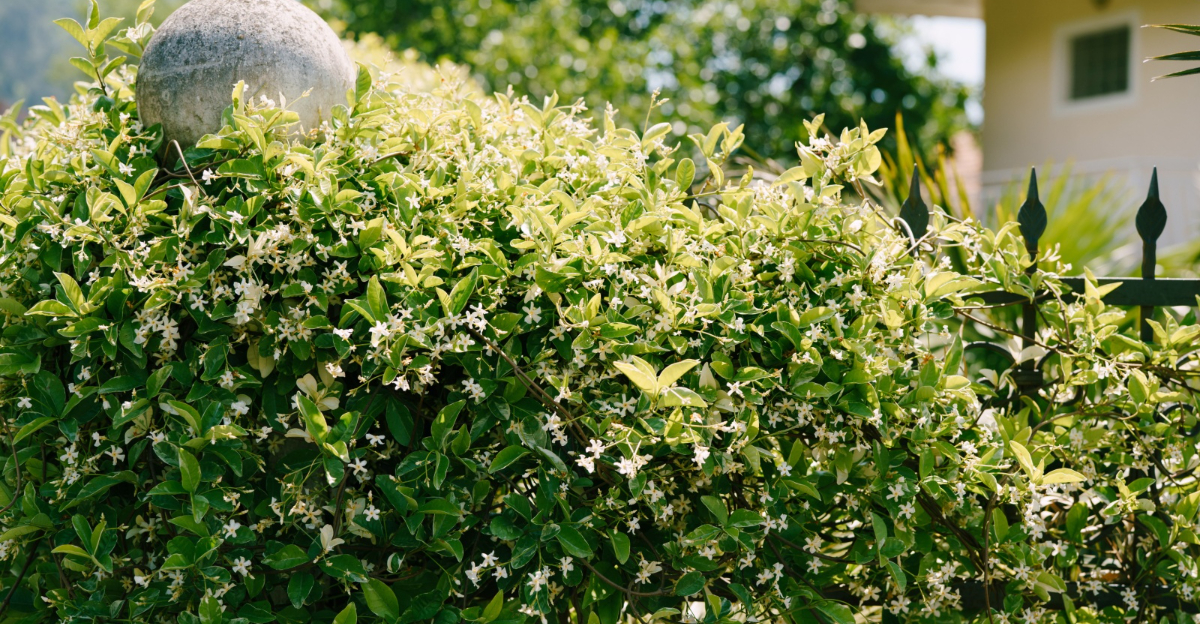
Let’s talk about one of the most underrated tricks in California gardening: going vertical. If your yard feels like it is putting on a bit too much of a show for the neighbors, climbing plants might just be your new best friend.
These hardworking beauties grow up instead of out, which means you get a lush, living screen without sacrificing a single square foot of ground space. We are talking flowers, fragrance, shade, and serious privacy all in one plant.
Pretty good deal, right? Fences, trellises, pergolas, bare walls, climbing plants will practically audition for any surface you give them.
And California’s climate? Let’s just say it is very, very good to climbers.
Your outdoor space is about to feel a whole lot more like a private retreat and a whole lot less like a fishbowl.
1. Pink Jasmine Covers Fences Fast
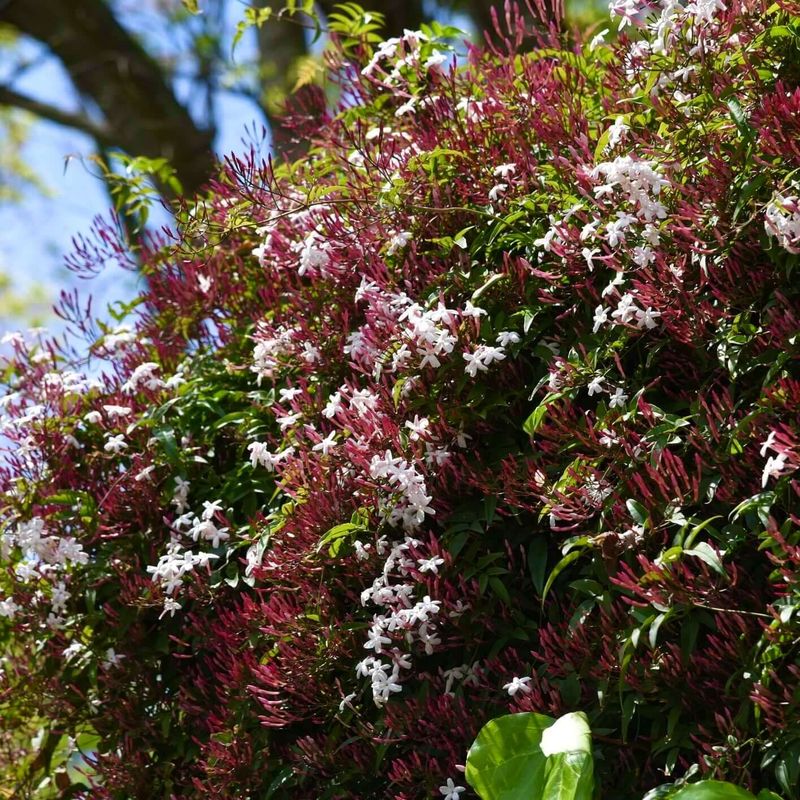
A bare fence along a side yard can feel uninviting and open, but pink jasmine has a way of transforming that emptiness into something lush and fragrant within a season or two.
This fast-growing vine is one of the more vigorous climbers available to gardeners, and it wastes little time establishing itself on a fence, trellis, or wall.
Once it gets going, the coverage builds quickly.
Pink jasmine is semi-evergreen in most California climates, meaning it holds its leaves through mild winters but may drop some foliage in colder inland areas after a frost.
In late winter to early spring, it produces dense clusters of buds that open into white flowers with a rosy pink tint on the outside.
The fragrance is strong and sweet, often noticeable from several feet away, which adds another layer of appeal beyond the visual screening.
Because it grows with enthusiasm, pink jasmine benefits from regular pruning after it blooms to keep it from becoming tangled or overly heavy on its support. Without some management, it can sprawl in ways that reduce its neat privacy value.
Provide a solid trellis or chain-link fence and it will climb rather than spread outward across the ground.
In California yards where fast coverage is the priority, pink jasmine delivers results that are hard to match with a slower-growing alternative.
2. Star Jasmine Brings Evergreen Privacy
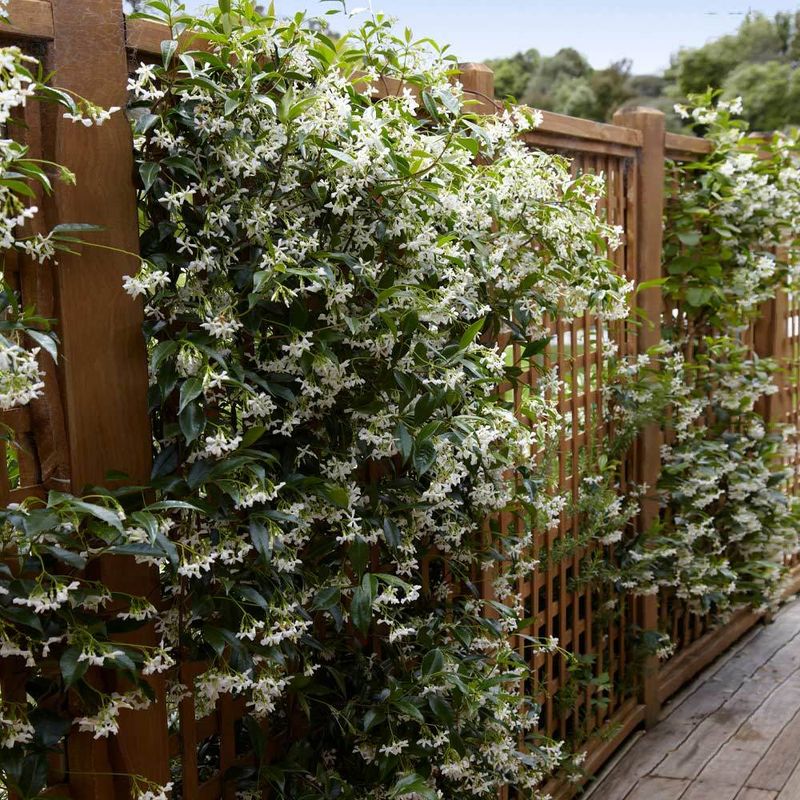
Few plants earn as much loyalty from homeowners as star jasmine, and it is easy to understand why. This evergreen vine clings to fences, trellises, and walls with a dense, glossy canopy of deep green leaves that stays full year-round.
That consistent coverage makes it one of the most reliable privacy plants you can grow in a California yard without sacrificing ground space.
Star jasmine grows at a moderate pace, typically reaching 15 to 20 feet when supported well, though it can be kept smaller with light trimming. In spring, it bursts into masses of small white flowers that release a sweet, distinctive fragrance.
Many gardeners say the scent alone is worth planting it along a patio or near a sitting area.
Water needs are moderate once established, and star jasmine handles both coastal and inland conditions reasonably well.
Your California Garden Changes Every Week. Your Plan Should Too.
Gardening in California changes quickly throughout the season. Every Friday you’ll receive a simple weekly plan showing exactly what to plant, prune, fertilize, harvest, and protect so you never miss the right timing.
It tends to prefer some afternoon shade in hotter inland climates, where direct summer sun can stress the foliage.
Give it a sturdy fence or trellis to climb, and it will fill in steadily over one to two growing seasons. Occasional pruning keeps it tidy and encourages thicker growth, which only improves its screening ability over time.
For California yards that need evergreen privacy with a bonus of fragrance, star jasmine is a strong and sensible choice.
3. Bougainvillea Adds Bold Vertical Color
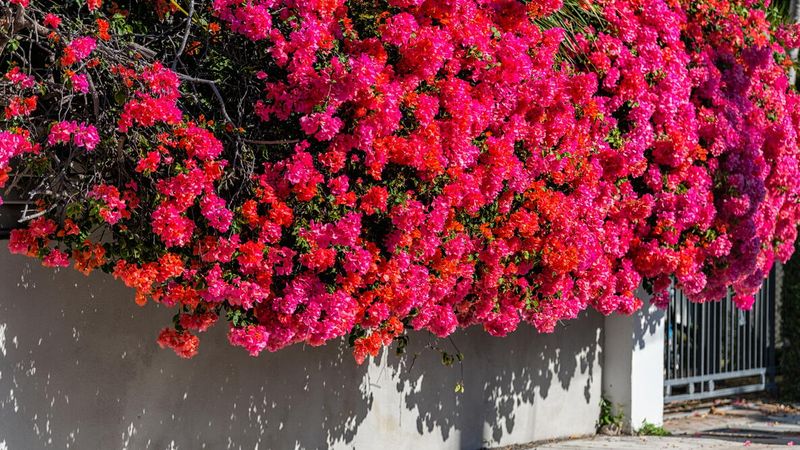
Walk through almost any sun-drenched neighborhood and you will spot bougainvillea draped over walls and fences in shades of magenta, orange, red, purple, or white.
This iconic vine has become a defining feature of California outdoor spaces, not just because it looks stunning but because it grows upward with impressive vigor and creates a dense, thorny barrier that offers real privacy.
The colorful parts of bougainvillea are actually modified leaves called bracts, not true flowers, and they hold their color for months at a time. In mild California climates, bloom periods can stretch from spring through fall, sometimes longer.
The dense growth habit and thorny stems make it an effective screen that most people and animals would rather not push through, which adds a subtle layer of security alongside the visual privacy.
Bougainvillea thrives in full sun and handles dry summers well once it is established, making it a smart choice for water-conscious gardeners. It does best when given a strong support structure such as a masonry wall, a sturdy trellis, or a pergola.
Pruning after bloom cycles encourages fresh growth and keeps the plant from becoming unruly. Inland gardens with hot summers and mild winters tend to produce the most dramatic displays.
For homeowners who want privacy with undeniable visual impact, bougainvillea delivers both without spreading across the ground.
4. Lilac Vine Creates Soft Screening
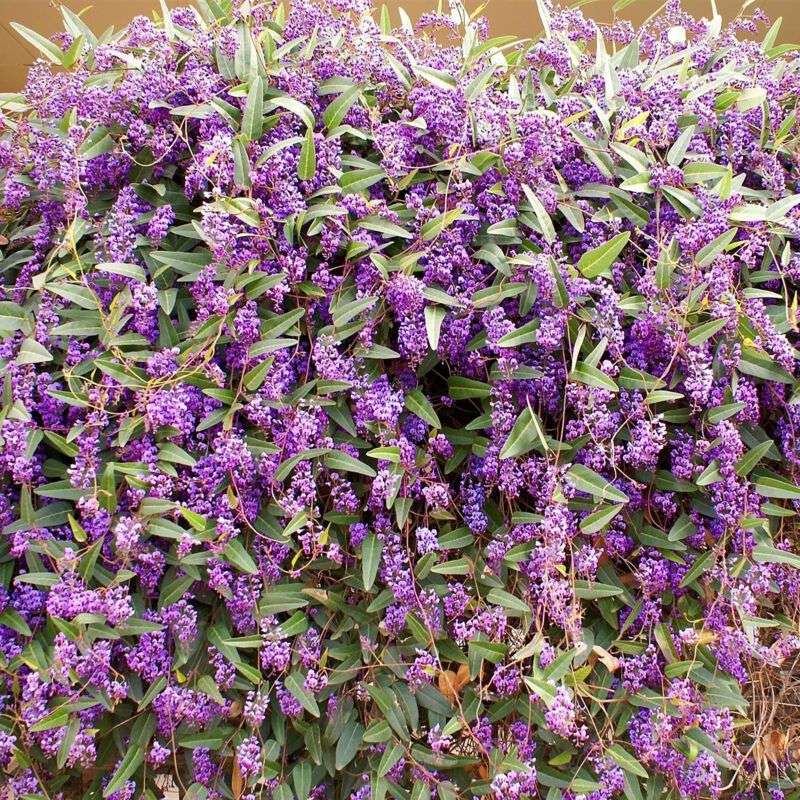
Hardenbergia violacea, commonly called lilac vine, brings a soft and graceful quality to fences and trellises that heavier, more aggressive vines cannot quite replicate.
The delicate clusters of small purple flowers that appear in late winter and early spring are a welcome sight after the quieter months, and they arrive at a time when most other plants are still dormant.
The effect is both charming and surprisingly effective at softening bare structures.
Lilac vine is an Australian native that has adapted well to California growing conditions, particularly in coastal and mild inland zones. It is drought tolerant once established and handles full sun to partial shade with ease.
The evergreen foliage stays tidy throughout the year, providing consistent screening even when the plant is not in bloom. It twines naturally around wire, trellis slats, and fence rails without needing much encouragement.
Growth rate is moderate rather than aggressive, which makes lilac vine easier to manage than faster-growing options. It typically reaches 10 feet or more when supported, enough to cover a standard fence panel thoroughly over a few seasons.
Because it does not spread wide across the ground, it works particularly well in narrow side yards and along boundary fences where space is limited.
Gardeners looking for a lower-maintenance screening vine with genuine seasonal charm tend to respond warmly to what lilac vine brings to the garden.
5. Clematis Climbs Without Crowding
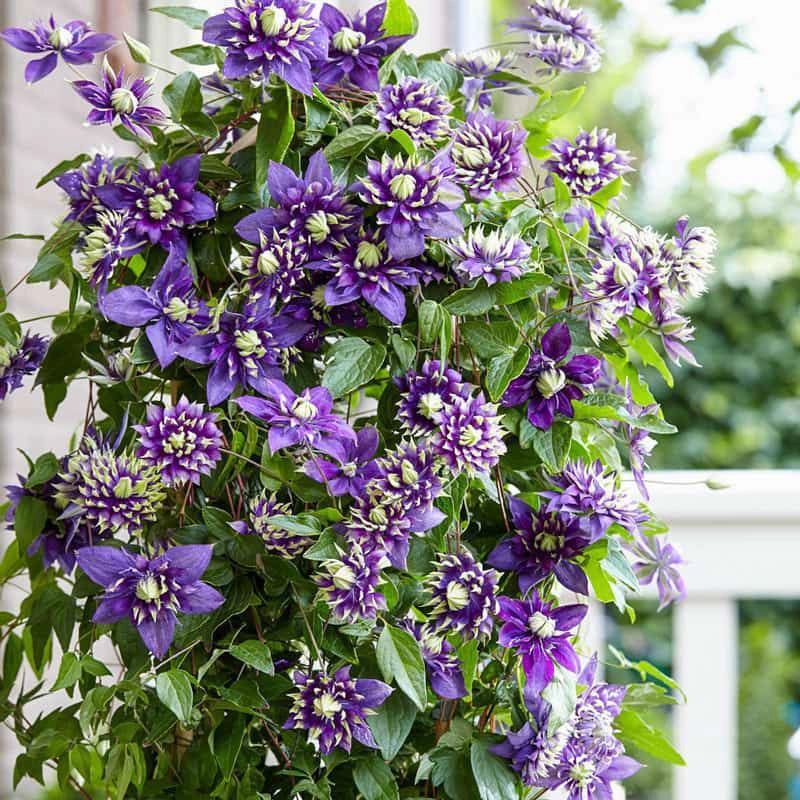
Tight side yards and narrow fence lines call for a vine that grows upward with intention rather than sprawling in every direction. Clematis fits that need well.
Unlike some of the more rambunctious vines on this list, clematis tends to climb in a focused way, wrapping its leaf stems around supports and building height without pushing outward into the surrounding space.
That disciplined growth habit makes it a thoughtful choice for yards where room is genuinely limited.
Several clematis species and cultivars perform well in California, though performance varies by region.
Coastal gardens with mild summers tend to suit clematis better than hot inland valleys, where afternoon shade and consistent moisture become more important.
When conditions are right, clematis produces some of the most striking flowers of any climbing plant, ranging from large, flat blooms in shades of purple, pink, white, and red to smaller, bell-shaped varieties with their own quiet elegance.
Clematis is not fully evergreen in most California climates, so it may drop leaves during cooler months and provide less screening in winter. Pairing it with an evergreen companion on the same fence can help fill that seasonal gap.
Pruning requirements vary by variety, so checking the specific group of your plant before cutting back is a sensible step.
With the right support and a bit of attention, clematis rewards gardeners with beautiful vertical color and respectable seasonal coverage.
6. California Honeysuckle Adds Native Privacy
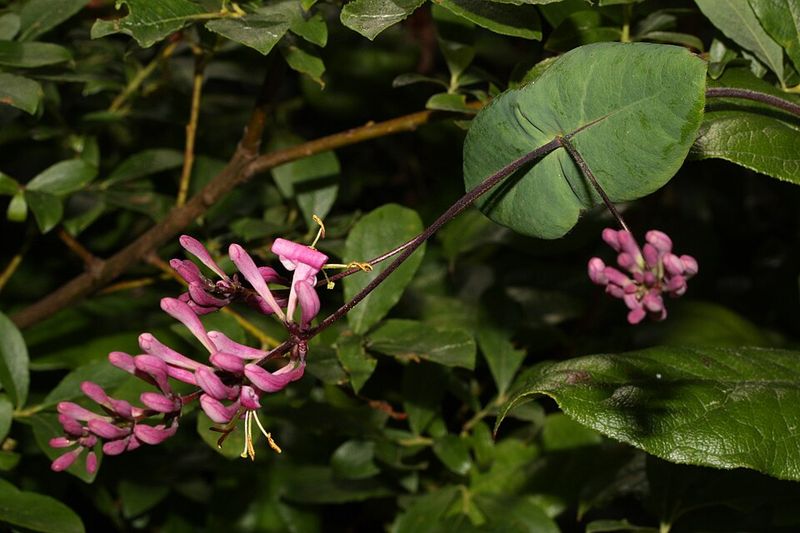
Lonicera hispidula, known as California honeysuckle, is one of those native plants that seems purpose-built for the fences and trellises.
It grows naturally across much of the state in woodland edges and chaparral margins, which means it already understands the rhythms of summers, dry spells, and seasonal rainfall patterns.
Bringing it into a home landscape is less about forcing a plant to adapt and more about giving it a familiar structure to climb.
The tubular pink to rosy flowers that appear in late spring and early summer attract hummingbirds reliably, which turns a simple privacy screen into a small wildlife habitat.
After blooming, the vine produces clusters of small red berries that birds appreciate well into fall.
The foliage is semi-evergreen in milder climates, providing reasonable year-round coverage on a fence or trellis with some seasonal variation depending on your local conditions.
California honeysuckle is notably drought tolerant once established, making it a sensible fit for water-conscious gardens. It grows at a moderate rate and typically reaches 10 to 15 feet with support, enough to cover a standard fence panel over a few seasons.
It does not become invasive or difficult to manage the way some non-native honeysuckle species can.
For homeowners who want a privacy vine that also supports local wildlife and requires minimal supplemental irrigation, California honeysuckle is a genuinely rewarding option.
7. Chaparral Clematis Brings Native Cover
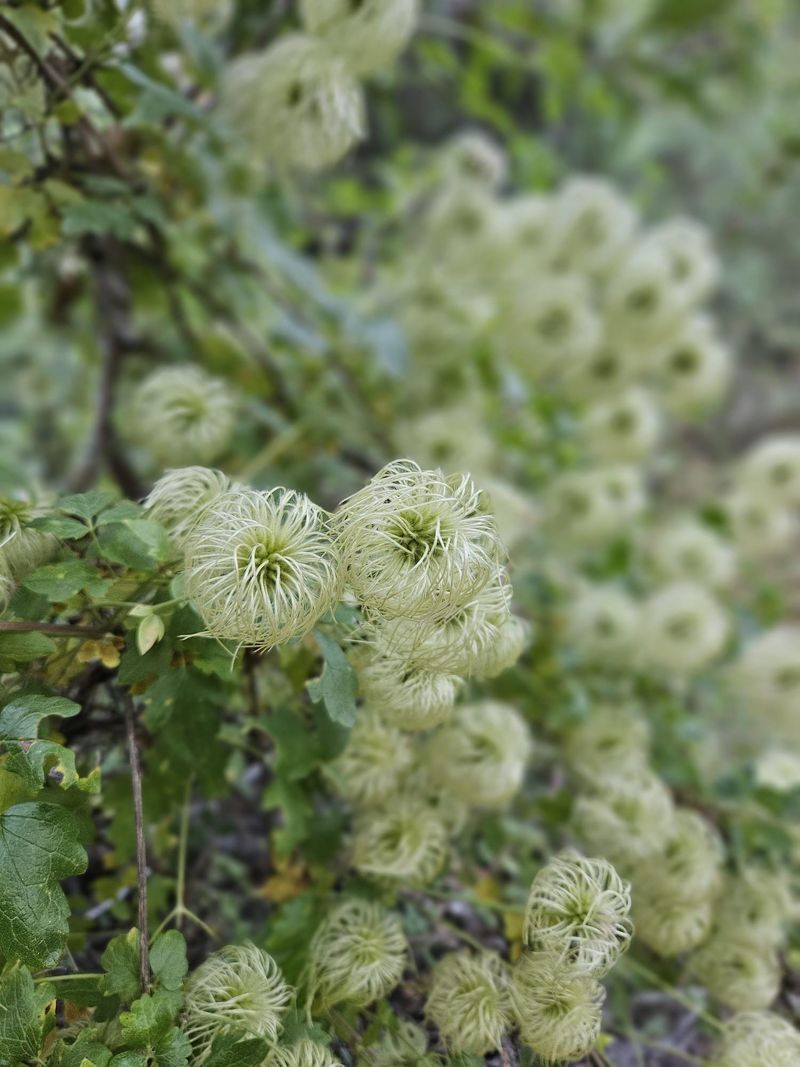
There is something quietly dramatic about chaparral clematis in late summer and fall, when the fluffy silver seed heads catch the light and turn an ordinary fence into something that looks almost sculptural.
Clematis lasiantha is a California native found in coastal sage scrub and chaparral habitats throughout much of the state, and it brings that wild, textured quality into home gardens without demanding much in return.
In late winter and early spring, chaparral clematis covers its support with masses of small creamy white flowers that have a light, pleasant fragrance. The bloom display can be quite dense on a mature plant, and the coverage at that stage is genuinely impressive.
As the season progresses and the flowers give way to those distinctive feathery seed clusters, the vine takes on a different but equally appealing character that lasts well into the cooler months.
As a California native, chaparral clematis is adapted to the state’s dry summers and prefers little to no supplemental irrigation once established in an appropriate setting. It performs best in full sun to part shade and appreciates a sturdy fence or trellis to climb.
Growth can be vigorous in favorable conditions, so occasional pruning after bloom keeps it from overwhelming smaller structures.
For gardeners who want a native screening vine with multi-season visual interest and genuine habitat value, chaparral clematis is a rewarding and ecologically sound choice.
8. California Grape Creates Fast Privacy
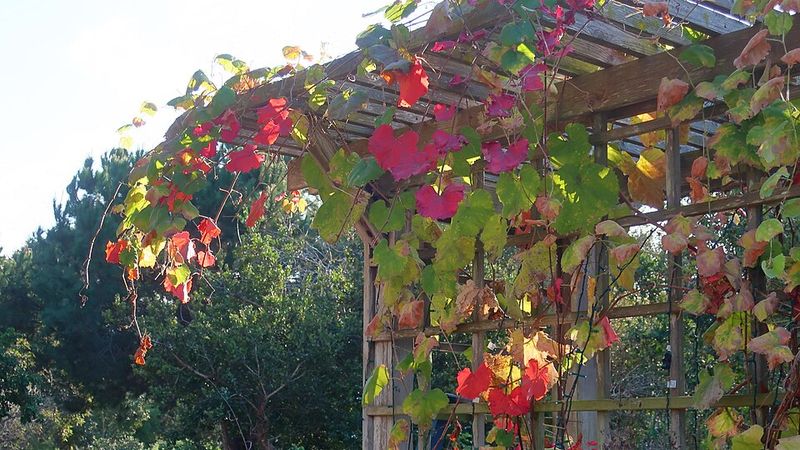
When a fence needs coverage quickly and the goal is maximum screening with minimum fuss, California grape is hard to overlook.
Vitis californica, the native California grape, is a vigorous deciduous vine that can put on several feet of growth in a single season under good conditions.
By midsummer, a well-supported plant can transform a bare fence into a dense green wall of broad, textured leaves that block sightlines effectively.
The large leaves are one of the most appealing features from a privacy standpoint.
They overlap generously as the vine matures, creating a layered canopy that is thick enough to provide real screening during the warmer months when outdoor living is most active.
In fall, the foliage turns shades of gold, orange, and red before dropping, which means winter coverage is minimal.
However, for homeowners who spend most of their outdoor time from spring through early fall, that seasonal trade-off is often quite acceptable.
California grape is highly drought tolerant once established and supports native wildlife including birds, butterflies, and beneficial insects.
It grows naturally along streams and woodland edges across the state, which gives it a built-in familiarity with California’s variable climate.
Providing a strong trellis or fence with horizontal support wires helps guide the growth upward rather than outward.
With some seasonal pruning to manage its enthusiasm, California grape delivers some of the fastest and most satisfying privacy coverage available from a native vine.
9. Passion Vine Offers Tropical Privacy
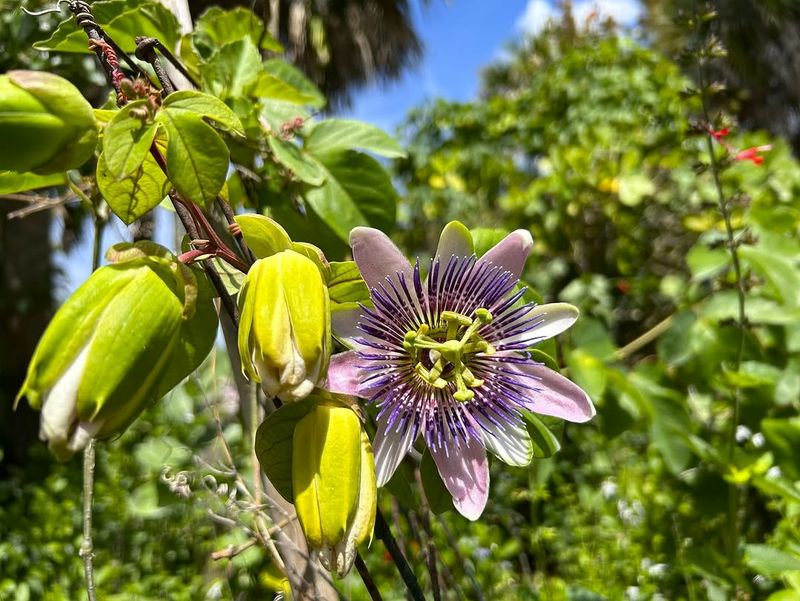
Not many vines stop visitors in their tracks the way passion vine does.
The flowers are genuinely unusual, with layered rings of purple, white, and blue filaments surrounding a central structure that looks like something from a botanical illustration rather than a backyard fence.
Passiflora caerulea and several related species grow vigorously in California’s mild to warm climates and can cover a trellis or fence with impressive speed once they find their footing.
Beyond the flowers, passion vine produces dense, semi-evergreen foliage that builds up over time into a solid screen. The leaves are deeply lobed and overlapping, which creates good visual blocking even between bloom cycles.
In warmer regions, the vine may hold its leaves through most of the year, while cooler coastal areas or occasional frost can cause some seasonal thinning. Either way, the coverage during the active growing season tends to be quite substantial.
Passion vine grows enthusiastically and benefits from regular pruning to keep it from overwhelming its support or spreading beyond its intended space.
It attracts Gulf Fritillary butterflies, which use certain Passiflora species as host plants, turning your privacy screen into a small habitat feature.
Water needs are moderate, and the plant adapts reasonably well to dry summers with some supplemental irrigation.
For homeowners who want a privacy vine with genuine showmanship, passion vine brings exotic character to fences and trellises that few other climbers can match.