Why Smart Kentucky Gardeners Are Hiding Pine Cones Underground (And You Should Too)
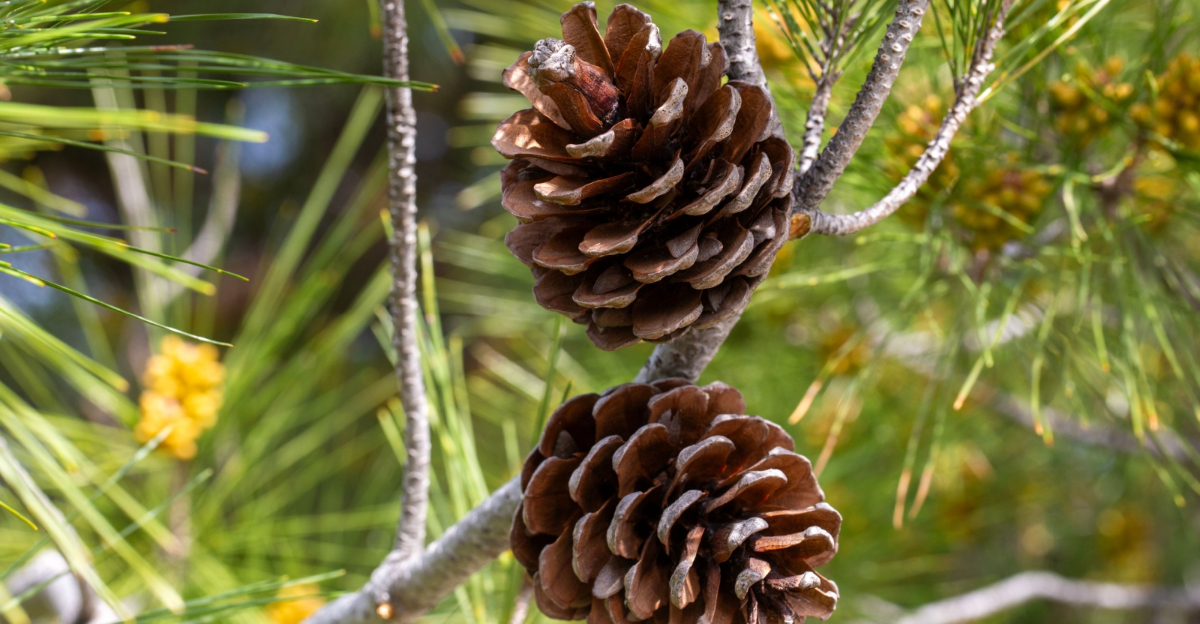
Most Kentucky gardeners walk right past them.
They’re on the driveway, scattered across the lawn, clogging up the gutters, and every fall, millions of them end up in trash bags headed for the curb.
Turns out, that might be the most expensive mistake you’re making in your garden, and it costs you nothing to fix.
Some gardeners reuse pine cones instead of throwing them away.
It starts with drainage and ends with plants that grow better than they ever have before.
Everything in between is the interesting part.
Special tools?
Skip them.
Expensive amendments?
You won’t need them.
Just something that’s been falling from your trees for free every single year.
Once you understand what a buried pine cone actually does to your soil, the only question you’ll have is why nobody told you sooner.
The Hidden Reason Kentucky Gardeners Never Throw Away A Pine Cone
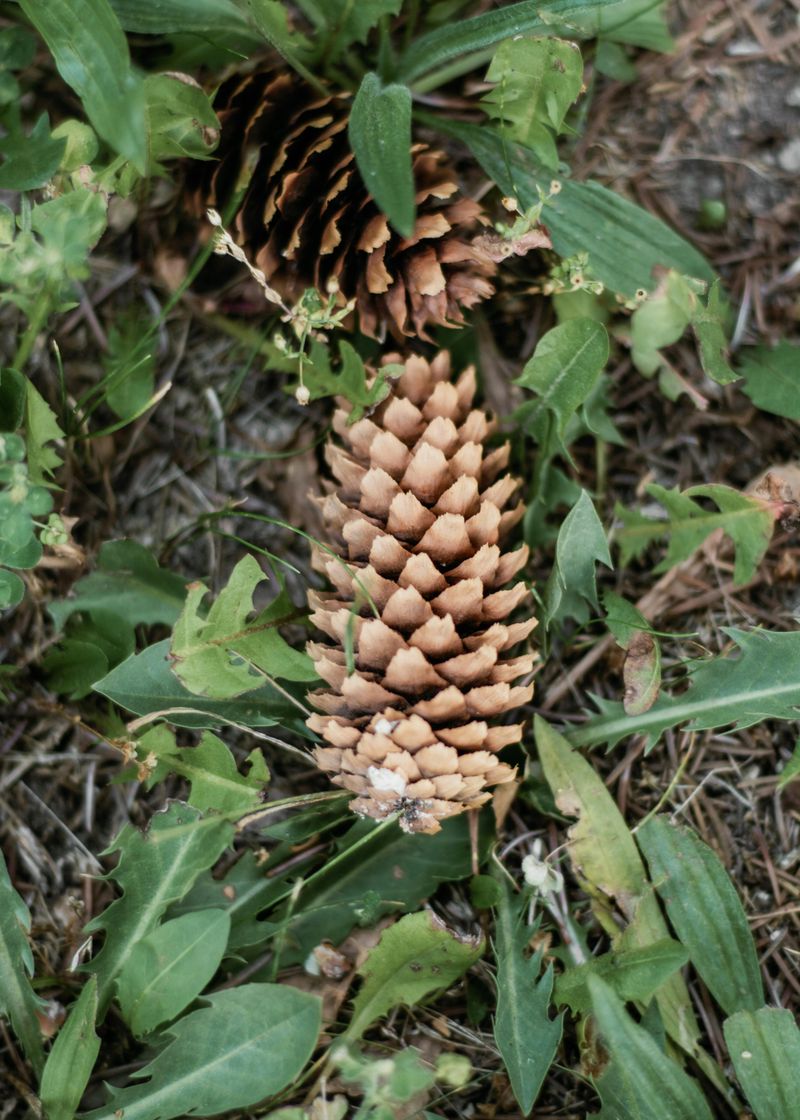
Image Credit: © Nadiye Odabaşı / Pexels
Most people rake pine cones into a pile and haul them straight to the trash.
That habit might be costing your garden more than you realize.
Kentucky gardeners who pay attention to their soil have figured out that pine cones are not yard waste at all.
Buried just a few inches underground, pine cones slowly break down and do something remarkable.
They create tiny air pockets in the soil that roots absolutely love.
Those pockets allow water to drain at just the right speed, keeping roots moist without drowning them.
As they break down, pine cones add organic matter that supports a healthier soil environment overall.m
Gardeners who started burying pine cones two or three seasons ago report noticeably healthier plants with less effort.
The soil around buried cones tends to stay looser and more workable, even after heavy rains.
There is something almost poetic about using what the trees drop to feed what you are growing.
And the best part?
Everything you need is already in your yard, waiting to be picked up.
Once you start noticing pine cones on the ground, you will feel the urge to collect every single one.
What’s Actually Happening Under Your Soil
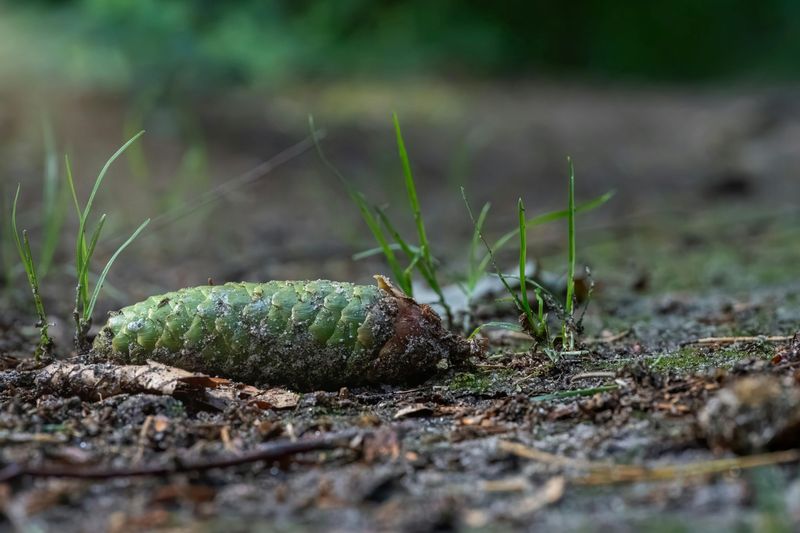
Six inches below your garden bed, a slow and steady transformation is already underway.
Soil is never just dirt sitting still.
It is a living system full of bacteria, fungi, worms, and air channels that either thrive or struggle depending on what you give them.
When a pine cone gets buried, it acts like a tiny sponge and scaffold at the same time.
The layered scales trap moisture during dry spells and release it gradually as the surrounding soil dries out.
This slow-release effect means your plants get a steadier supply of water between rainfalls.
Some fungal species thrive on woody, carbon-rich material like pine cones.
As those networks spread through the soil, they can support nutrient movement toward nearby plant roots.
Gardeners rarely see this happening underground, but some notice their plants responding with deeper color and stronger stems over time.
Your Kentucky Garden Changes Every Week. Your Plan Should Too.
Gardening in Kentucky changes quickly throughout the season. Every Friday you’ll receive a simple weekly plan showing exactly what to plant, prune, fertilize, harvest, and protect so you never miss the right timing.
Earthworms are also drawn to the soft, fibrous material that pine cones become as they break down.
More worms mean more natural aeration, which means roots can push deeper and find more resources.
What looks like nothing from above the ground is actually a whole ecosystem waking up below your feet.
The Underground Science Kentucky Clay Soil Has Been Waiting For
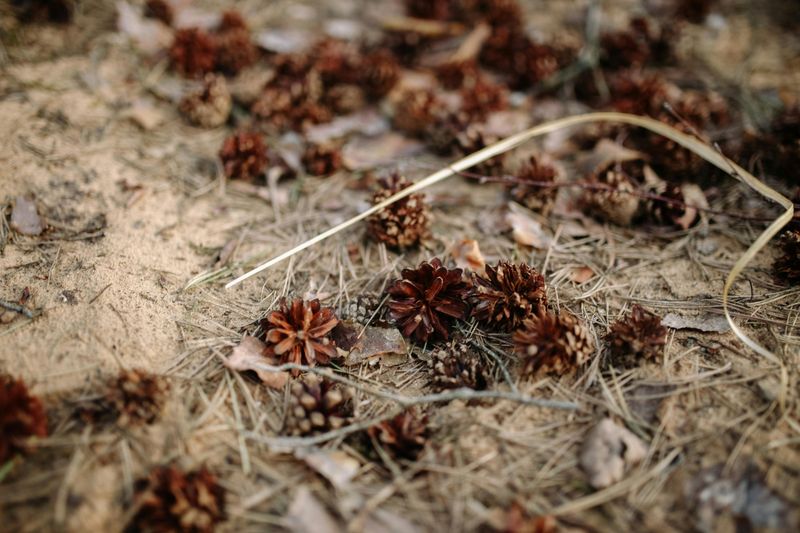
Clay soil has a reputation, and in Kentucky, that reputation is well earned.
After a good rain, it turns into something close to wet concrete, and by midsummer it bakes into hard, cracked slabs.
Plant roots hit that wall and simply stop growing.
Burying pine cones in clay-heavy ground gives the soil something it desperately needs: structure.
As the cones break down over one to three years, they leave behind fibrous channels where roots can actually move.
Water that used to pool on the surface starts soaking in more evenly.
As pine cones break down, they add organic matter that gradually improves the texture of clay-heavy soil, making it more workable over time.
Gardeners in central Kentucky, where clay runs especially deep, have found this trick particularly rewarding.
Unlike adding sand, which can make clay even more brick-like when mixed in the wrong proportions, pine cones improve texture organically and gradually.
They work with the soil rather than fighting it.
Season after season, the ground becomes easier to dig, easier to plant, and easier to love.
If your shovel has ever bounced off a dry Kentucky garden bed in August, keep reading.
What happens underground might surprise you.
Why October Is The Magic Month To Start Burying In Kentucky
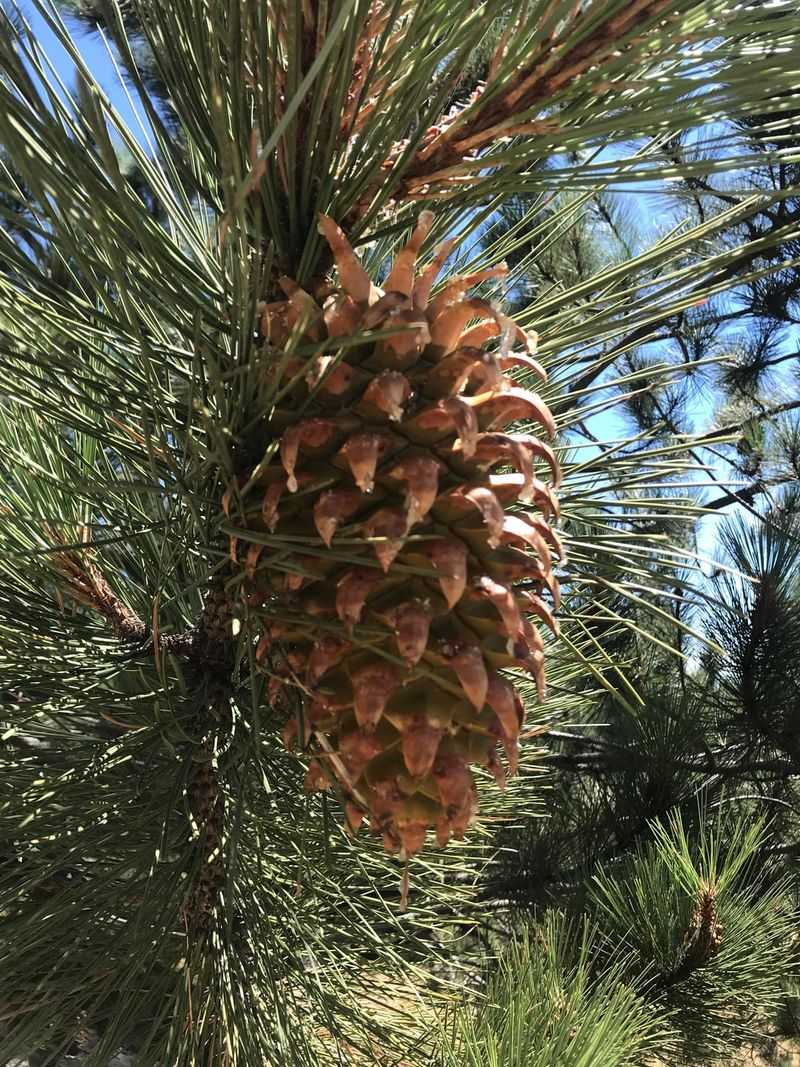
October in Kentucky hits a sweet spot that most gardeners overlook completely.
The soil is still warm enough from summer to stay biologically active, but the air has cooled enough that you can actually enjoy working outside.
That combination makes it the single best window to start burying pine cones.
Soil microbes need warmth to begin breaking down organic material.
If you bury cones in frozen January ground, they just sit there doing nothing until spring.
But cones buried in October get a head start, with decomposition beginning before the first frost even arrives.
By the time spring planting season rolls around, those cones have already been working underground for several months.
The soil around them is softer, more aerated, and loaded with fungal activity ready to support new transplants.
You are essentially giving your spring garden a gift in the fall.
October is also peak pine cone season across much of the state.
Loblolly, Virginia, and shortleaf pines all drop heavily in autumn, leaving the ground covered in free material.
Collecting them feels less like a chore and more like a treasure hunt when you know what they can do.
Grab a bucket, take a walk, and let October do the heavy lifting for next year’s harvest.
How Buried Pine Cones Make Life Harder For Weeds
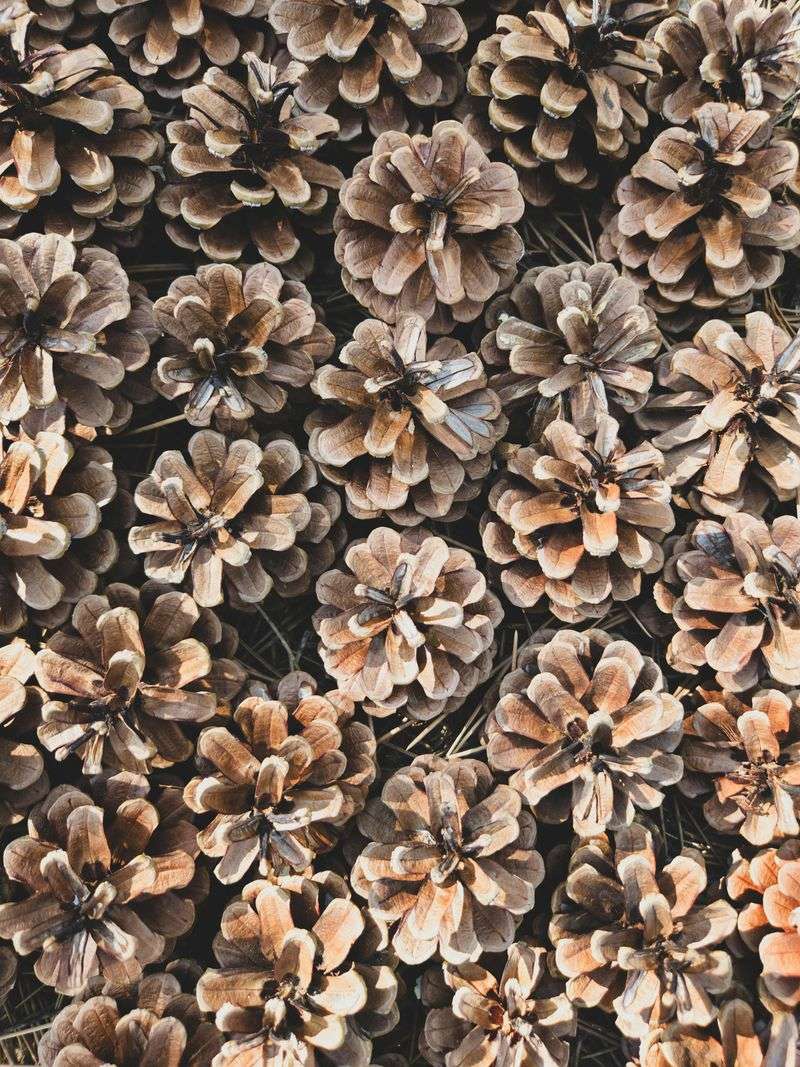
Weeds are relentless, and buying weed barrier fabric every few seasons adds up fast.
Here is something most garden centers will not advertise.
Pine cones laid just below the soil surface create a surprisingly effective physical barrier against shallow-rooted weeds.
Place them in a single layer, about two to three inches underground.
Add your soil or mulch on top.
What you get is an uneven, bumpy layer that weed seeds simply struggle to push through.
The overlapping scales create a physical maze that tender weed sprouts cannot easily navigate.
Common shallow-rooted weeds have a harder time pushing through the uneven layer the cones create.
This method works especially well in raised beds and along garden borders where weeds tend to creep in from the edges.
You get weed suppression and soil improvement happening at the same time, from the same free material.
That kind of double duty is hard to beat.
Unlike plastic weed barriers that block water and suffocate soil life, pine cones let air, water, and beneficial organisms pass through freely.
They suppress without smothering, which is a distinction that matters a lot when you care about long-term soil health.
And when the cones finally break down?
They do not leave behind a tangle of plastic mesh you have to dig out years later.
They become the soil.
Richer, looser, and better than it was before.
Step-By-Step How To Bury Pine Cones
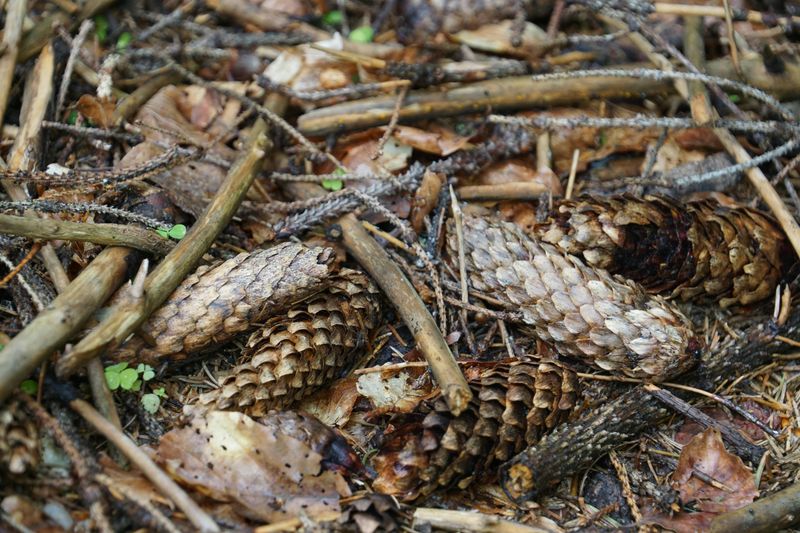
Grab a bucket and collect as many pine cones as you can find, aiming for ones that are fully open and dry.
Fresh, green cones are fine too, but dry ones break down faster once underground.
Heavily matted or fully decomposed cones are fine to skip, they are simply harder to place in a clean, even layer.
Dig a trench about six to eight inches deep in an empty bed or an area you plan to plant next season.
For raised beds, four to five inches is enough.
For raised beds, go four to five inches deep since you have less vertical space to work with.
Place the cones in a single layer at the bottom of the trench, fitting them together like a loose puzzle without stacking them on top of each other.
Cover the cones with a two-inch layer of compost before filling the rest of the trench with your native soil.
That compost layer acts as a bridge between the cones and your plant roots, making nutrients more accessible early on.
Water the area thoroughly after filling to help everything settle.
Mark the spot so you remember where you buried them.
Plant directly above the buried cones the following spring.
Roots will naturally grow toward the moisture and loose texture the cones create below.
Thirty minutes per bed.
Two to three seasons of results.
At some point, the math just makes sense.
The Tomatoes, Blueberries, And Herbs That Will Thank You Most
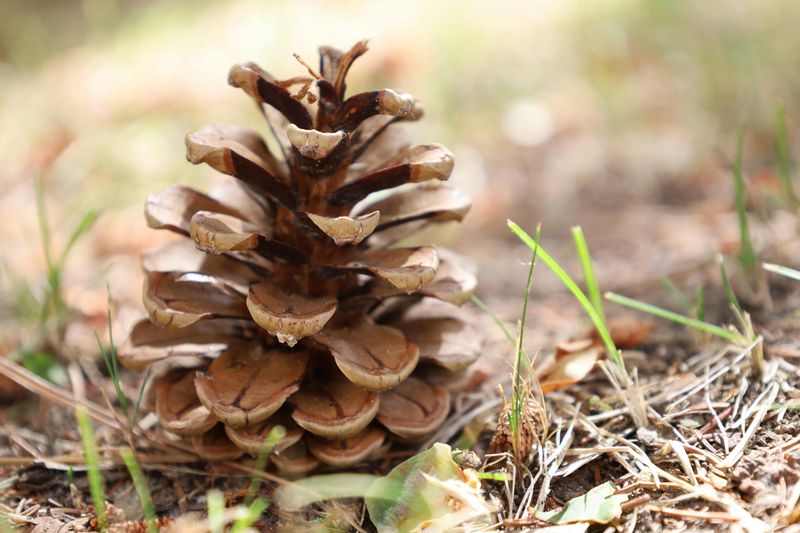
Not every plant will write you a thank-you note.
But a few of them come close, and if you grow any of these, buried pine cones might be the best thing you do for your garden this season.
Tomatoes top the list without question.
They are deep-rooting, moisture-hungry plants that thrive when the soil beneath them stays loose and consistently damp.
Burying pine cones underground before transplanting tomato seedlings gives those roots exactly the environment they want to push into.
Many gardeners who have added organic matter beneath their tomato beds report stronger root development.
Consistent moisture levels throughout the growing season tend to follow, and tomatoes notice the difference.
The slight acidity from the decomposing cones also nudges soil pH closer to the range tomatoes prefer.
Blueberries are acid-loving shrubs that struggle badly in neutral or alkaline soil.
Burying pine cones around the drip line of established blueberry bushes adds organic matter and improves soil structure over time.
Looser, better-draining soil suits acid-loving plants like blueberries particularly well.
After a season or two, some growers notice improved berry size and a longer fruiting window.
Herbs like rosemary, thyme, and oregano also respond well because they prefer well-drained, slightly gritty soil that pine cones help create.
Basil, surprisingly, benefits from the improved moisture retention that buried cones provide during hot Kentucky summers.
One bed is all it takes to find out.
Tomatoes, blueberries, pine cones quietly working underneath, and by midsummer, your garden will make the argument better than any article can.