Native North Carolina Wildflowers That Outperform Coneflowers In Heat And Clay
Coneflowers earn their reputation as tough, reliable wildflowers, and nobody is taking that away from them.
But in North Carolina yards with heavy clay and relentless summer heat, they have real limits.
Clay holds water unevenly, bakes hard during dry stretches, and slows root establishment in ways that stress coneflowers more than their reputation suggests.
Add sustained heat above 95 degrees and some varieties start declining well before the season ends.
North Carolina has native wildflowers that handle both of those pressures more confidently, plants that evolved in the same clay-heavy, sun-baked conditions found across much of the state and bloom through them without skipping a beat.
For gardeners who have watched coneflowers disappoint in a difficult spot, these alternatives are worth knowing before the next planting season begins.
1. Black Eyed Susan
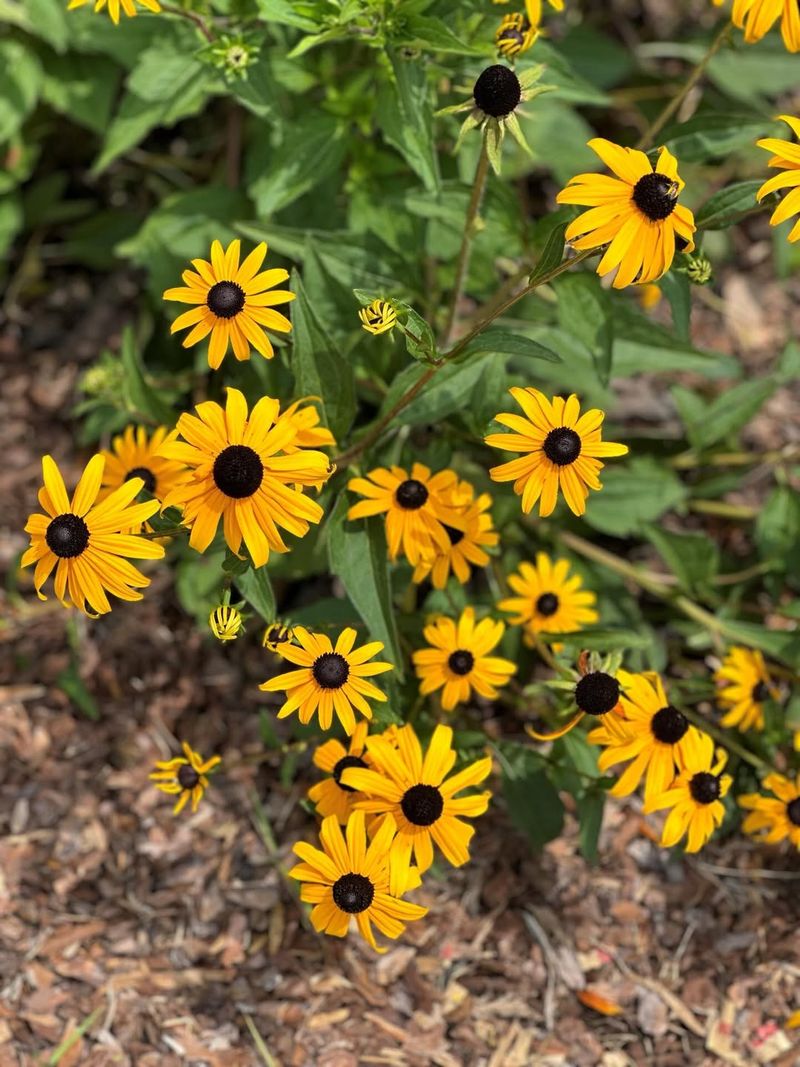
Golden, cheerful, and completely unbothered by a brutal Carolina summer, Black Eyed Susan (Rudbeckia fulgida) is one of the hardest working native wildflowers you can grow in North Carolina.
Those rich yellow petals surrounding a dark brown center bloom from late June straight through September, giving your garden weeks of color without much effort on your part.
What makes Rudbeckia fulgida stand out from coneflowers is its genuine tolerance for clay soil.
While coneflowers can struggle with poor drainage, Black Eyed Susan adapts to average to heavy soil and keeps producing blooms even when conditions are less than ideal.
Pollinators absolutely love it. Bees, butterflies, and goldfinches visit regularly, making your garden feel alive all season long.
Plant in full sun for the best flower production, spacing plants about 18 to 24 inches apart to allow good air circulation during humid summers.
Water regularly during the first growing season to help roots establish, then back off because established plants handle dry spells well.
Removing spent blooms encourages more flowers, but leaving some seed heads in late fall feeds birds through winter.
A light layer of mulch helps regulate soil moisture without smothering the crown. Once settled in, Black Eyed Susan practically takes care of itself.
2. Swamp Milkweed
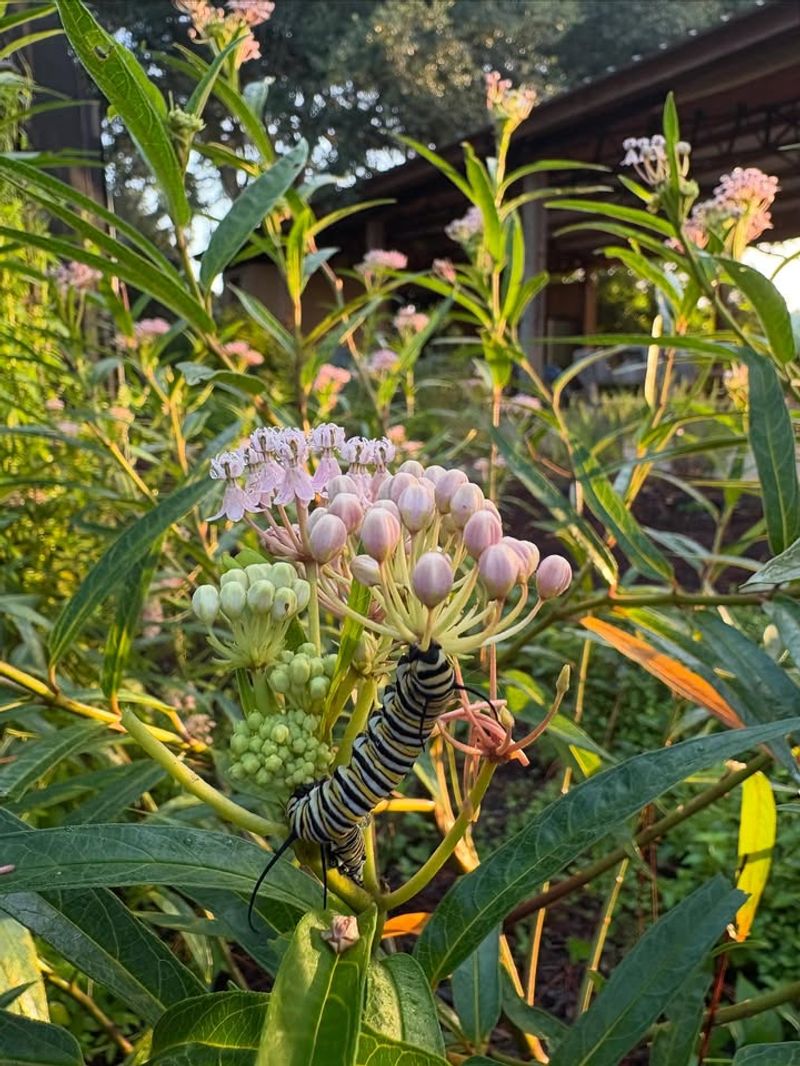
Few native plants carry as much purpose in a single stem as Swamp Milkweed (Asclepias incarnata).
Those rosy pink flower clusters bloom in mid to late summer and attract monarch butterflies at a time when these pollinators need all the support they can get.
Planting Swamp Milkweed is not just good gardening, it is genuinely helpful to the ecosystem.
Unlike many milkweed varieties, Asclepias incarnata actually prefers the moist, moisture-holding clay soils that frustrate so many gardeners.
Low spots in the yard, rain garden edges, and areas where water tends to collect after storms are exactly where this plant shines.
Coneflowers would sulk in those same spots, but Swamp Milkweed settles right in and rewards you with blooms season after season. Give it full sun for the strongest growth and most prolific flowering.
Space plants about 18 to 24 inches apart, and water consistently during the first season while roots develop.
After establishment, the plant handles North Carolina heat with ease as long as soil stays reasonably moist.
Your North Carolina Garden Changes Every Week. Your Plan Should Too.
Gardening in North Carolina changes quickly throughout the season. Every Friday you’ll receive a simple weekly plan showing exactly what to plant, prune, fertilize, harvest, and protect so you never miss the right timing.
Avoid heavy mulching directly around the base since it can hold too much moisture against the crown.
Seed pods that form after flowering look interesting in the garden and eventually split open to release silky seeds that float on the breeze, naturalizing your space beautifully over time.
3. Blue Vervain
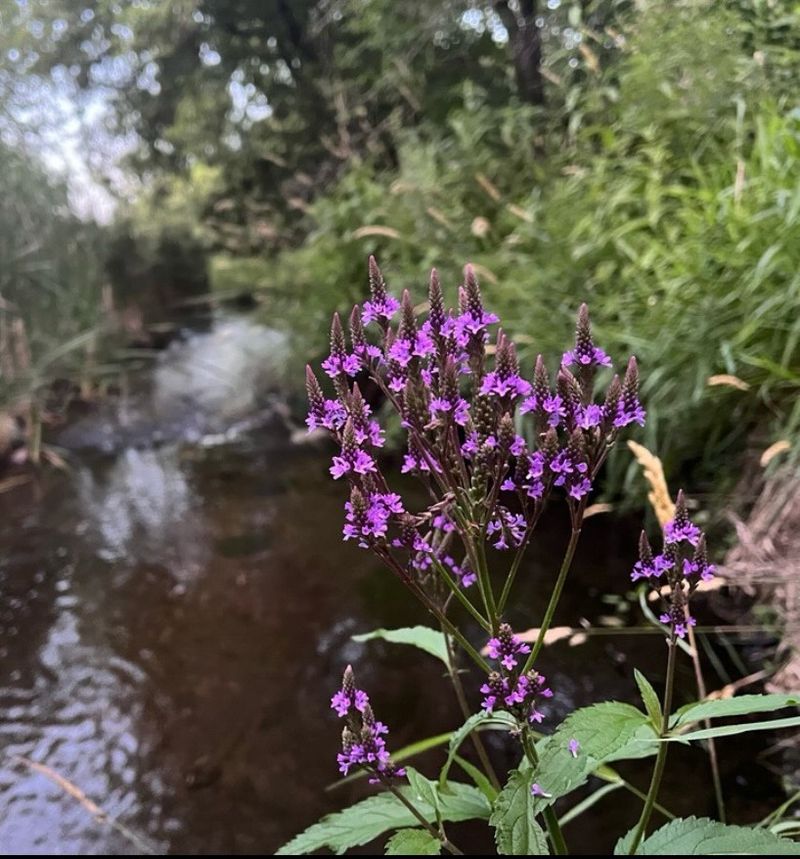
There is something almost architectural about Blue Vervain (Verbena hastata) in full bloom.
Those slender, upright spikes covered in tiny purple-blue flowers shoot up above surrounding foliage and create a striking vertical effect in borders, rain gardens, and naturalized areas.
It blooms from July through September, filling a gap when many other plants are winding down.
Blue Vervain is perfectly matched to the kind of moisture-holding clay soil that can be tricky to plant in. Rather than fighting the conditions, it uses them.
Hot, humid North Carolina summers barely slow it down, and it continues blooming steadily through the season without much fuss.
Bees, especially native bumblebees and small specialist bees, work these flower spikes heavily, and the plant provides good seed value for birds later in the season.
Full sun to light part shade both work well for this plant. Space plants about 18 inches apart to allow natural spreading without overcrowding. Keep soil consistently moist during establishment, especially through the first summer.
Once roots are settled, Verbena hastata handles periodic wet spells and summer heat without complaint.
Cutting back plants by about one third in early summer can encourage bushier growth and delay the bloom period slightly if you want to extend color into early fall.
Minimal maintenance is needed beyond that, making it an easy and rewarding addition to any naturalized planting.
4. Obedient Plant
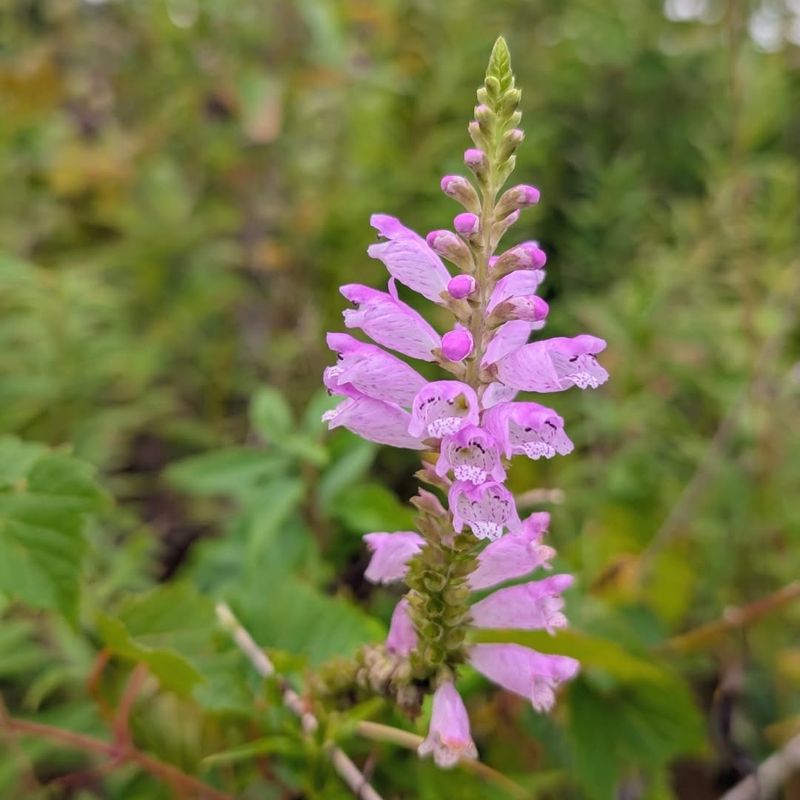
The name might make you smile, but Obedient Plant (Physostegia virginiana) earns it in a funny way.
Each individual flower on the spike can be nudged to one side and it stays put, like tiny hinged blossoms.
Beyond that quirky trait, this native wildflower brings real value to North Carolina gardens with its bold upright flower spikes and impressive heat tolerance.
Physostegia virginiana blooms from late summer into early fall, producing dense spikes of tubular pink to lavender-pink flowers that hummingbirds and bumblebees visit eagerly.
It handles clay soil with steady moisture better than coneflowers do, making it a smart swap for low-lying garden beds or spots that stay reliably damp after rain.
The spreading habit is something to plan for rather than fight against, and in larger naturalized areas or wide borders it creates a bold, lush effect.
Plant in full sun to part sun, spacing about 18 to 24 inches apart since it will fill in over time. Water regularly during establishment, then reduce watering once roots are strong.
In smaller garden spaces, planting inside a buried root barrier or dividing every two to three years keeps the spread manageable.
Cut stems back by half in early June to encourage shorter, sturdier growth that holds up better in summer storms.
With a little planning, Obedient Plant becomes a reliable, season-extending performer in any clay-heavy garden.
5. Mistflower
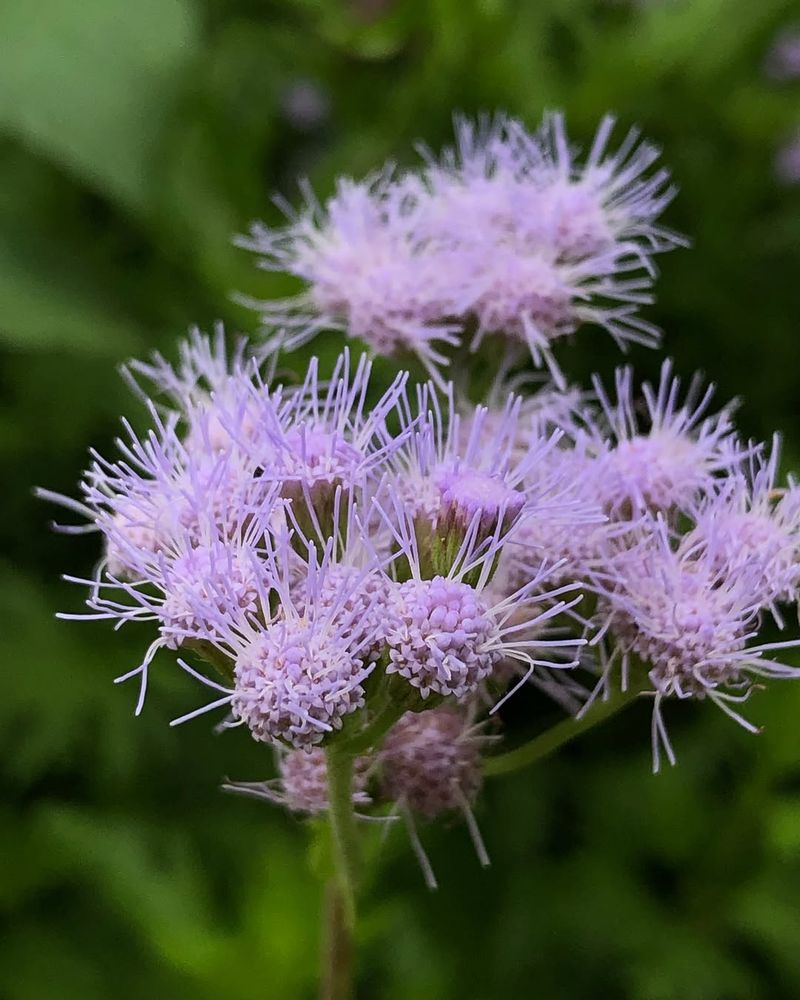
Soft, hazy, and covered in butterflies by late August, Mistflower (Conoclinium coelestinum) brings a completely different texture to the late summer garden.
Those fuzzy blue-purple flower clusters look almost like a gentle mist floating over the foliage, which is exactly how this plant got its common name. It blooms from August through October, arriving just as many other natives start fading.
Conoclinium coelestinum thrives in the evenly moist clay soils that North Carolina gardens often have in abundance. Heat and humidity do not slow it down at all.
Butterflies, especially skippers and sulphurs, flock to the blooms in impressive numbers during peak season.
For gardeners struggling with damp, shady-to-partly-sunny spots where coneflowers refuse to perform, Mistflower fills that role beautifully and with almost no coaxing.
Plant in full sun to part shade, spacing about 18 inches apart with the understanding that it will spread by rhizomes and self-seeding over time.
In managed garden beds, dividing clumps every two to three years keeps growth tidy and vigorous.
Water consistently through the first season, then reduce once established since existing soil moisture usually sustains it well.
Cutting plants back to the ground in late winter refreshes the patch and encourages strong new spring growth.
For rain gardens, damp borders, or naturalized woodland edges, Mistflower is one of the most rewarding and low-maintenance choices available to North Carolina gardeners.
6. Joe Pye Weed
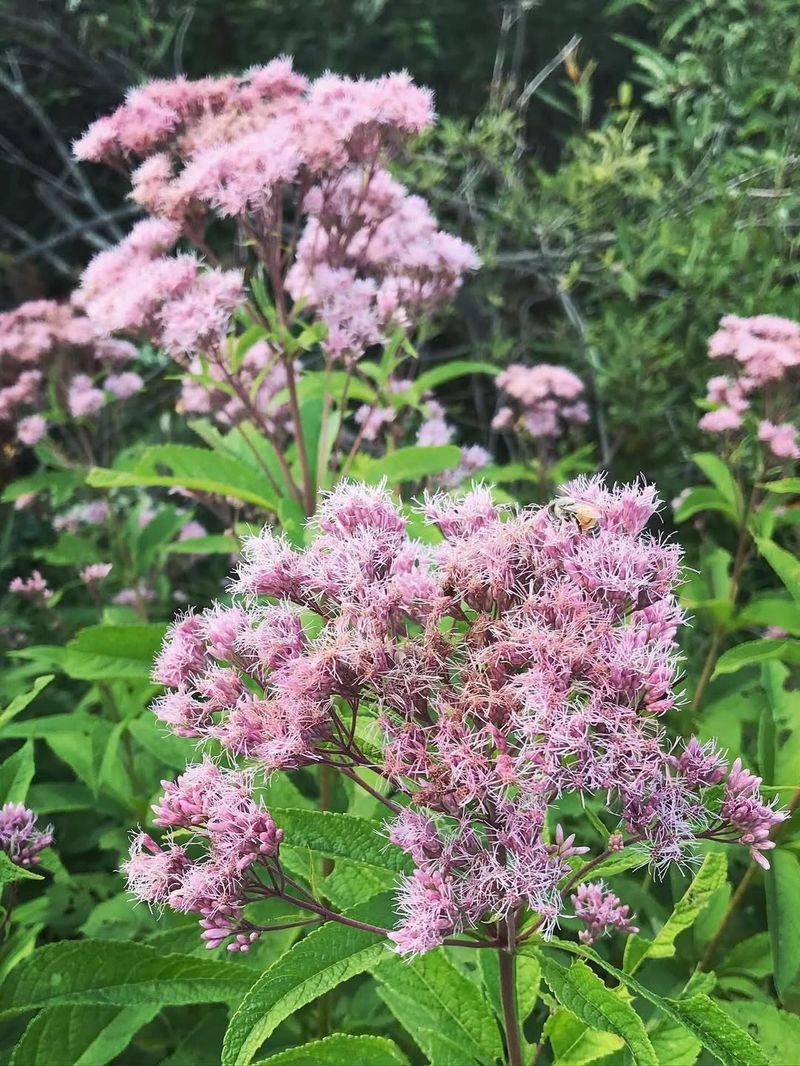
Bold, tall, and covered in butterflies from July through September, Joe Pye Weed (Eutrochium purpureum) commands attention in any garden space large enough to hold it.
Mature plants can reach six to eight feet tall, creating a dramatic back-of-border presence with domed clusters of dusty pink-purple flowers that draw swallowtails, monarchs, and fritillaries in remarkable numbers.
Eutrochium purpureum is genuinely built for the conditions that challenge coneflowers. Heavy, moisture-holding clay soil suits it well, and North Carolina heat only seems to push it harder through the season.
The strong upright stems rarely need staking even in exposed sunny spots, and the foliage stays attractive and healthy through even the most humid summer weeks.
For gardeners with larger beds or naturalized areas, this plant provides structure, height, and incredible wildlife value all in one package.
Plant in full sun to light part shade, spacing plants at least three feet apart to accommodate their mature spread.
Water well during the first growing season to establish deep roots, then maintain consistent moisture through summer using a two to three inch layer of mulch around the base.
If height is a concern in smaller gardens, cutting stems back by one third in late May encourages shorter, bushier growth without sacrificing bloom quality.
Divide clumps every three to four years in early spring to keep plants vigorous and prevent overcrowding in established beds.
7. Ironweed
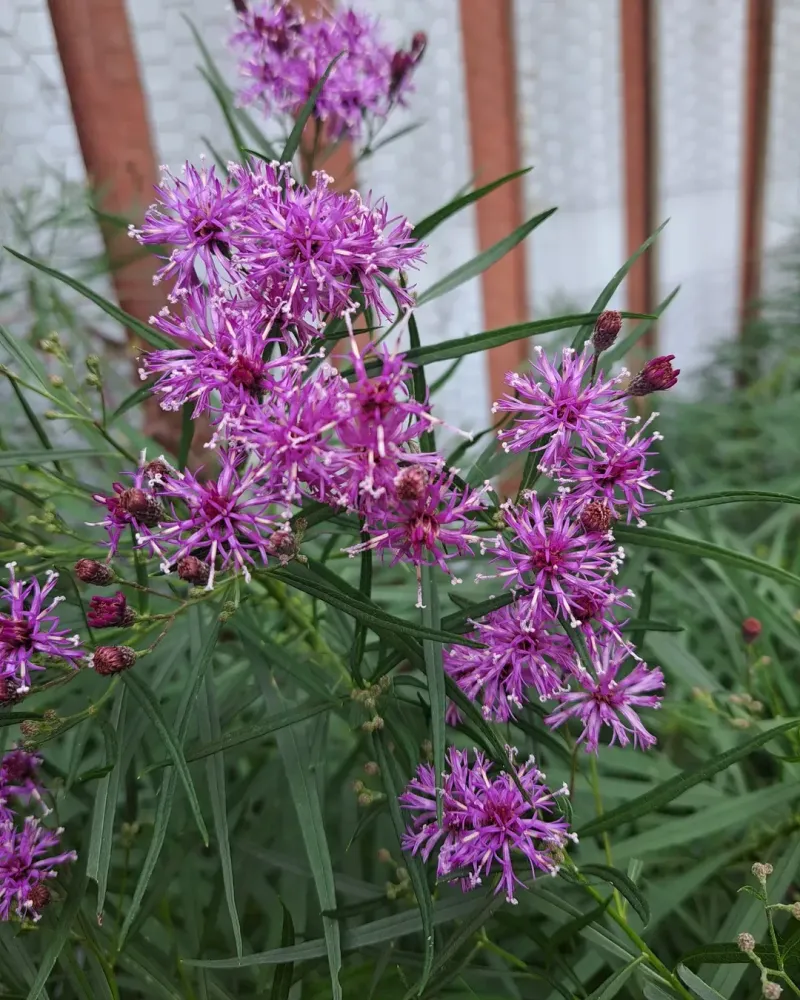
Few native wildflowers hit as hard visually as Ironweed (Vernonia noveboracensis) in full bloom.
That deep, saturated purple is almost electric, and when it peaks in late summer, it stops people in their tracks.
Blooming from August into October, it fills the late season gap when the garden needs color most and pollinators are still actively foraging.
Ironweed earns its name from its tough, fibrous stems that stand upright through storms, heat waves, and everything a North Carolina summer throws at them.
Clay soil and high humidity are not obstacles for Vernonia noveboracensis, they are practically preferred conditions.
Bees, especially native bumblebees and long-tongued specialists, work the blooms intensively, and monarch butterflies stopping through during fall migration use the flowers as a reliable fuel source.
Plant in full sun for the strongest growth and most vivid flower color. Space plants about two to three feet apart since mature clumps develop a solid presence over time.
Water consistently during the first season to establish roots, then maintain moderate moisture through summer.
For gardeners concerned about height, which can reach four to six feet, cutting stems back by one third in early June produces shorter, sturdier plants that still flower generously.
Leaving seed heads standing through winter provides food for small birds and adds quiet structure to the dormant garden. Ironweed rewards patience with a presence that few other natives can match.
8. Sneezeweed
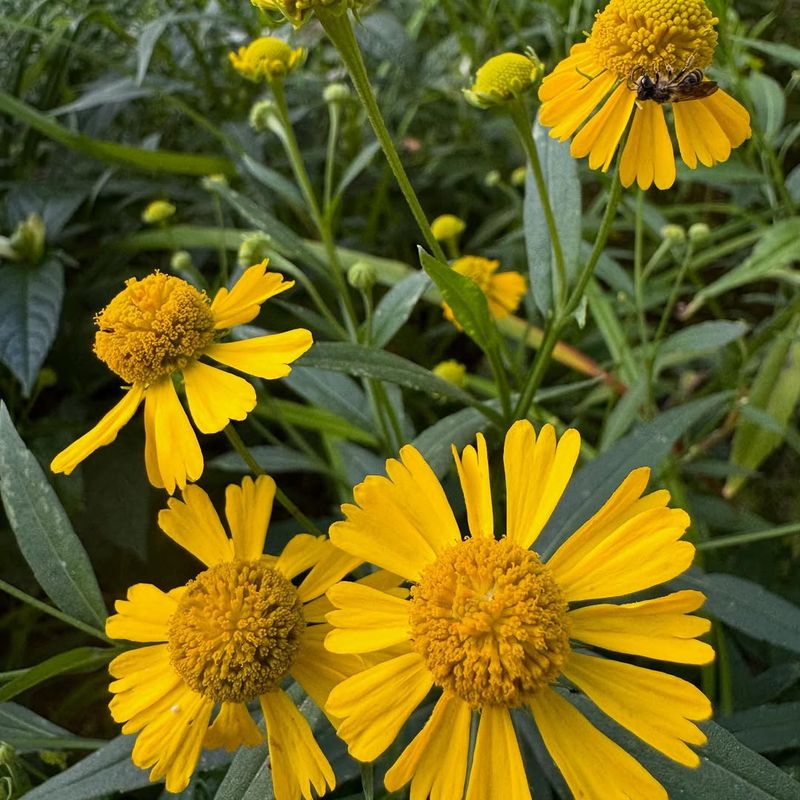
Do not let the name put you off. Sneezeweed (Helenium autumnale) has nothing to do with allergies and everything to do with putting on a spectacular late summer show.
Those warm yellow flowers with distinctive drooping petals and rounded brown centers look like cheerful little sunbursts, and they bloom from August through October when most gardens are starting to look tired.
Helenium autumnale is a genuine performer in North Carolina clay soil, particularly in spots that hold moisture after rain.
Rain gardens, low borders, and areas near downspout drainage are exactly where this plant thrives.
Bees and butterflies visit the flowers heavily through late summer and early fall, making it one of the most pollinator-productive plants you can add to a wet-tolerant garden.
Coneflowers planted in the same moist conditions often struggle with root problems, while Sneezeweed just keeps going.
Full sun is important for strong flowering, so choose a spot that gets at least six hours of direct light daily.
Space plants about 18 to 24 inches apart to allow good air movement through the foliage during humid months.
Water regularly during establishment, then rely on natural rainfall and soil moisture once roots are established.
Cutting plants back by one third in late May delays bloom slightly and produces shorter, more compact growth.
Divide clumps every two to three years in early spring to keep plants producing well and to share extras with other gardeners in your neighborhood.
9. Cardinal Flower
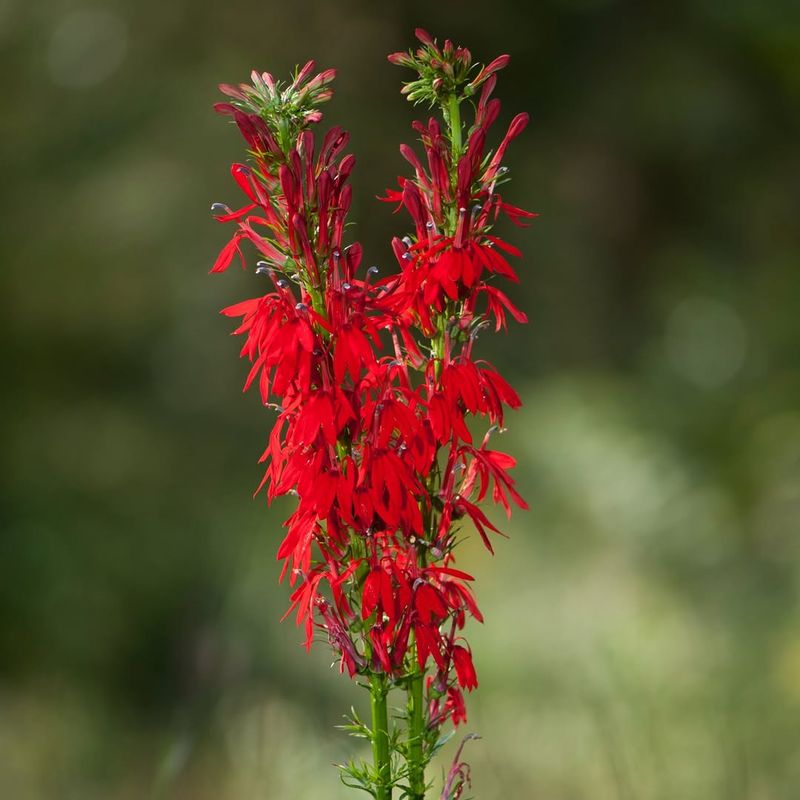
Brilliant red is rare in the native plant world, and Cardinal Flower (Lobelia cardinalis) owns it completely.
Those tall spikes of scarlet blooms are almost impossibly vivid, and hummingbirds treat them like a personal buffet from July through September.
Watching a ruby-throated hummingbird work a Cardinal Flower spike is one of the genuine highlights of a North Carolina summer garden. Lobelia cardinalis is the right plant for the spots that challenge most other perennials.
Moist to wet clay soil, partial shade, pond edges, and rain garden centers are exactly where it performs best.
Coneflowers planted in those same conditions often disappoint, but Cardinal Flower settles into consistent moisture and humid heat without missing a beat.
The key is placement. Put it in a dry, sunny border and it will struggle. Put it where the soil stays reliably moist and it will reward you generously. Part shade to full sun both work depending on moisture availability.
In sunnier spots, consistent watering is critical, especially through dry spells. Space plants about 12 to 18 inches apart and apply a two to three inch layer of mulch to retain soil moisture around the shallow roots.
Water deeply and regularly during the first season to establish a strong root system.
Cardinal Flower tends to be short-lived as an individual plant but self-seeds readily in moist soil, naturalizing the planting over several seasons and keeping the colony going with minimal effort from you.