The Fire-Resistant Texas Groundcovers That Replace Bark Mulch Around Homes
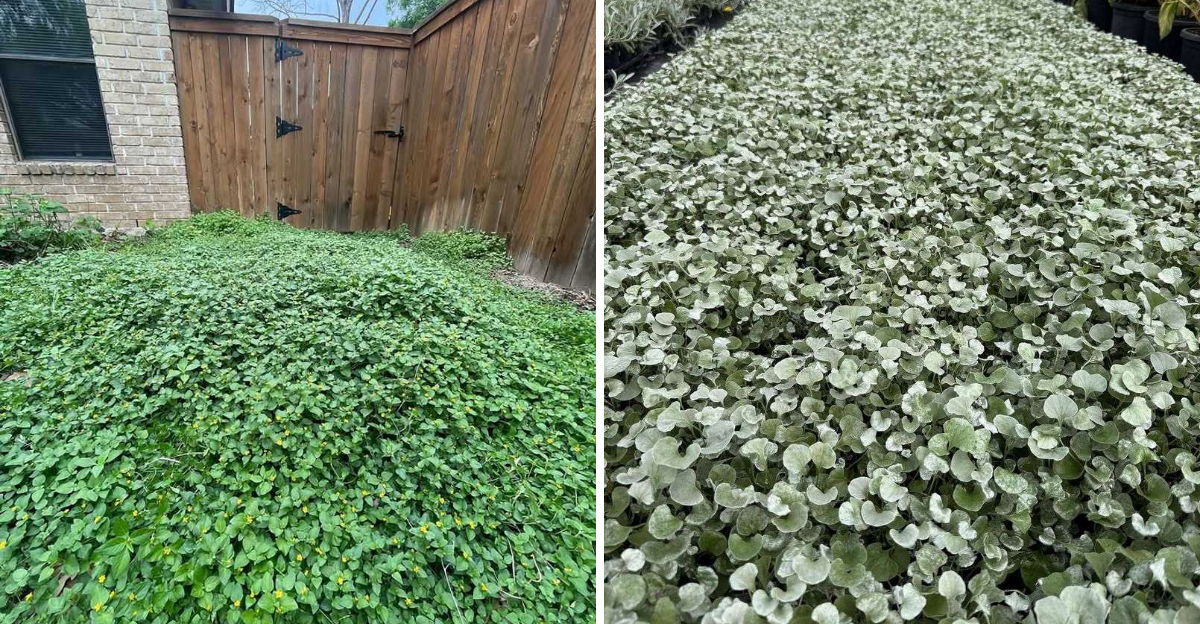
Bark mulch is one of those landscaping habits that feels practical until you start looking into how it behaves in a wildfire situation.
In Texas, where dry conditions and high winds can turn a small spark into a fast moving problem, what sits directly around your home matters more than most people realize.
Bark mulch ignites easily and holds fire close to the structure, which is exactly what you do not want.
The good news is that Texas has some excellent native and adapted groundcovers that do everything mulch does, suppressing weeds, retaining soil moisture, and filling in bare ground, without becoming a fire hazard.
Some of these plants are tough enough to handle full sun and drought, and several stay green and low through conditions that would crisp most landscaping.
Replacing bark mulch with the right groundcover is one of the smarter and better looking upgrades a Texas homeowner can make.
1. Frogfruit
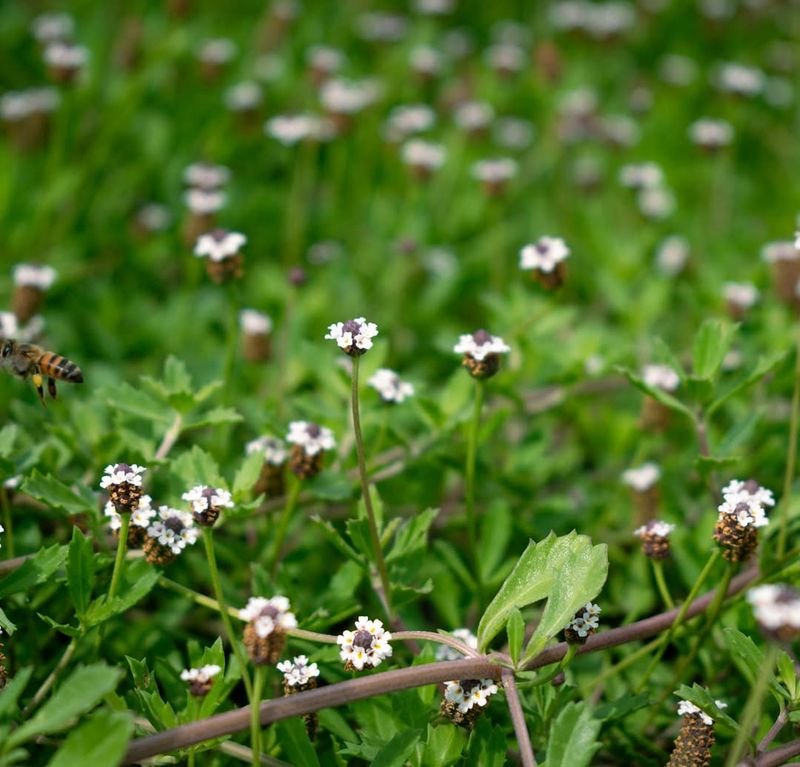
Walk through almost any moist Texas lawn or roadside and you might spot frogfruit creeping along the ground without anyone asking it to.
This tough little native plant forms a tight, low green mat that hugs the soil and stays noticeably more moisture-retentive than dry bark mulch ever could. That extra moisture is exactly what makes it a smarter choice near your home.
Frogfruit spreads by runners, filling in gaps quickly without needing much help from you. It grows only a few inches tall, so there is no need for constant trimming.
The small white flowers it produces are a bonus, attracting butterflies and other pollinators throughout the warmer months.
One of the best things about frogfruit is how well it handles foot traffic. Unlike fragile groundcovers that fall apart when stepped on, frogfruit bounces back quickly.
Plant it along walkways, near patios, or in any zone-one area directly around your home where fire resistance really matters.
It thrives in both full sun and partial shade, making it flexible enough for most yard conditions. Water it occasionally while it gets established, and after that it handles dry spells with minimal fuss.
For Texas homeowners looking for a low-maintenance, fire-resistant alternative to bark mulch, frogfruit checks every important box. It keeps the ground covered, stays greener longer, and adds real ecological value to your outdoor space.
2. Texas Sedge
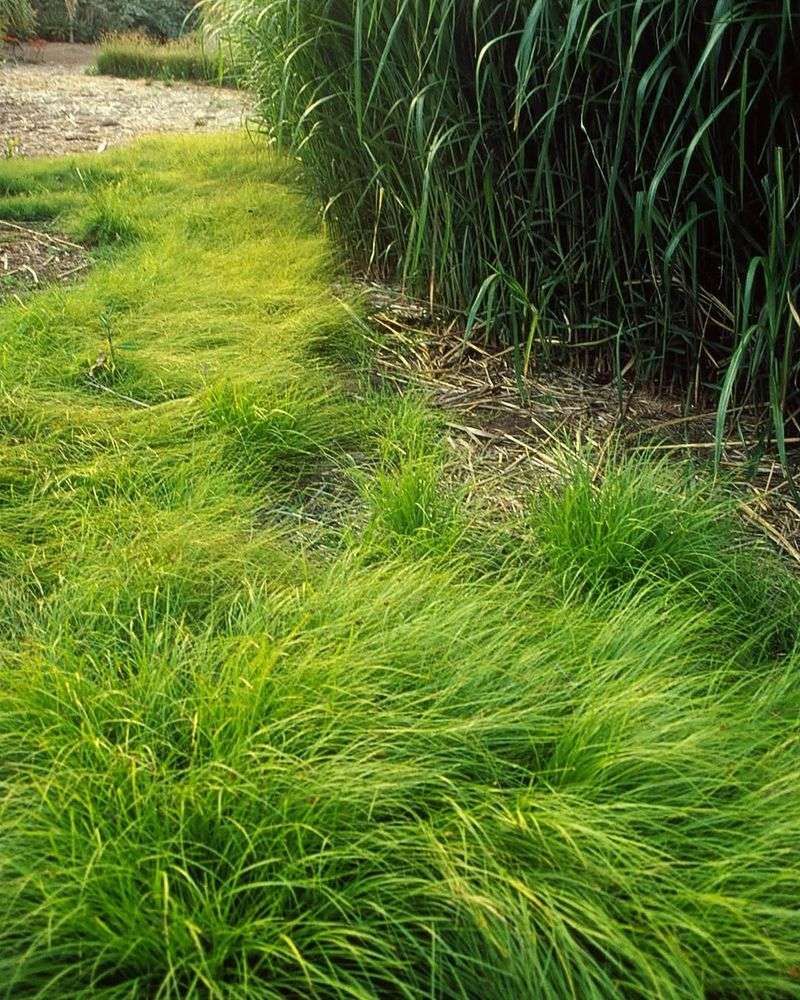
Soft, fine-textured, and quietly reliable, Texas sedge is the kind of groundcover that does its job without any drama.
This native sedge creates dense, lush coverage that crowds out weeds and significantly reduces the amount of dry fuel that can build up on the ground. Less dry material means less risk when fire conditions are high.
Unlike bark mulch, which dries out and becomes highly flammable in summer heat, Texas sedge stays relatively green through much of the year with the right care.
It grows in graceful clumps that overlap and fill in over time, creating a soft carpet effect that looks natural and intentional. Homeowners often find it makes their landscape feel more like a woodland retreat.
Your Texas Garden Changes Every Week. Your Plan Should Too.
Gardening in Texas changes quickly throughout the season. Every Friday you’ll receive a simple weekly plan showing exactly what to plant, prune, fertilize, harvest, and protect so you never miss the right timing.
Texas sedge performs best in shaded or partially shaded areas, which makes it ideal for the north or east sides of a home.
It pairs beautifully with trees and shrubs, thriving in the lower light conditions that many other groundcovers struggle with. Once established, it needs very little supplemental water.
Did you know Texas sedge is actually not a true grass? It belongs to the Cyperaceae family and has triangular stems, which is a fun detail that surprises most gardeners.
Beyond the botany, its real value lies in its ability to create thick, living coverage with minimal dry fuel buildup. For homeowners in shaded zones around the house, Texas sedge is a genuinely smart swap for traditional wood mulch.
3. Horseherb
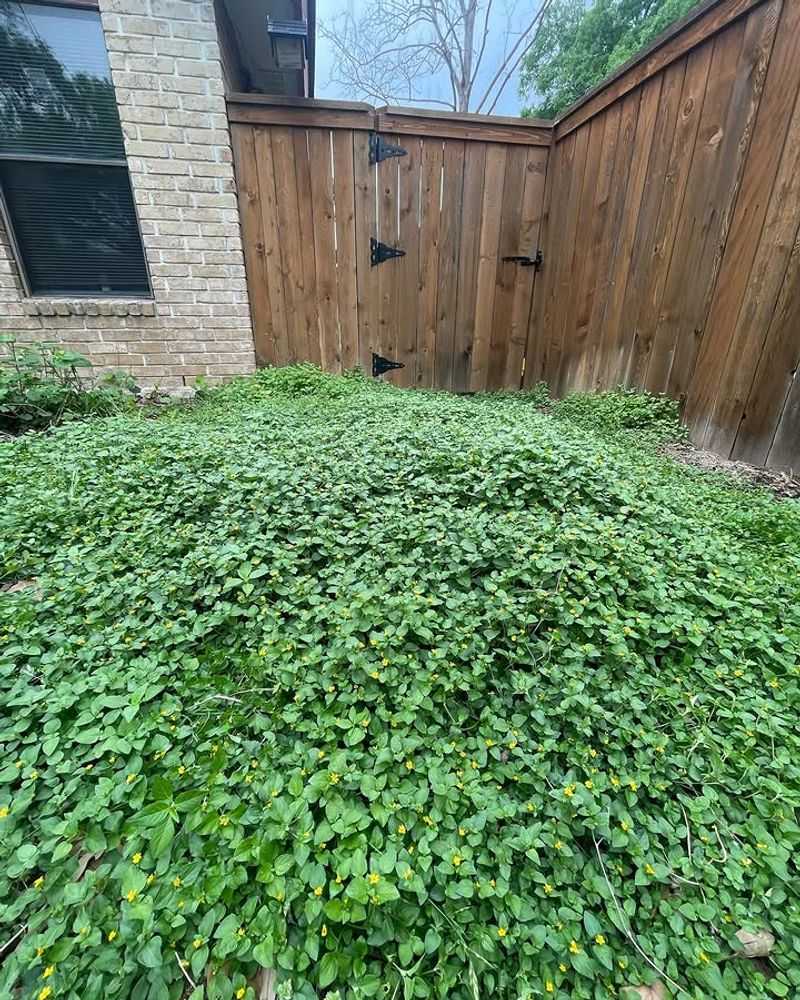
Shady spots under trees are notoriously tricky to fill, but horseherb handles them like a pro.
Also known as straggler daisy, this cheerful little native plant spreads quickly across shaded ground, forming a low green carpet that stays much closer to the soil than wood mulch ever does.
That low profile and moisture-holding quality are exactly what make it a fire-smart choice. Horseherb fills in bare areas fast, which means less exposed soil and fewer opportunities for weeds to take over.
The tiny yellow flowers it produces are small but bright, adding a touch of color to spots where little else wants to grow. Birds and beneficial insects appreciate those flowers more than most people realize.
Compared to bark mulch, horseherb stays far greener and more moisture-rich during dry stretches.
Bark mulch turns into a fire-ready tinder pile during Texas droughts, while horseherb maintains living green tissue that is far less likely to catch a stray ember. That difference could matter enormously during wildfire season.
Maintenance is refreshingly simple. Horseherb needs almost no supplemental irrigation once it gets going, and it requires no mowing or fertilizing to stay healthy.
It does well in deep shade, partial shade, and even spots with reflected light from walls or fences.
For homeowners trying to protect the shady zones around their home without spending a lot of time or money, horseherb is one of the easiest and most effective solutions available in Texas.
4. Silver Ponyfoot
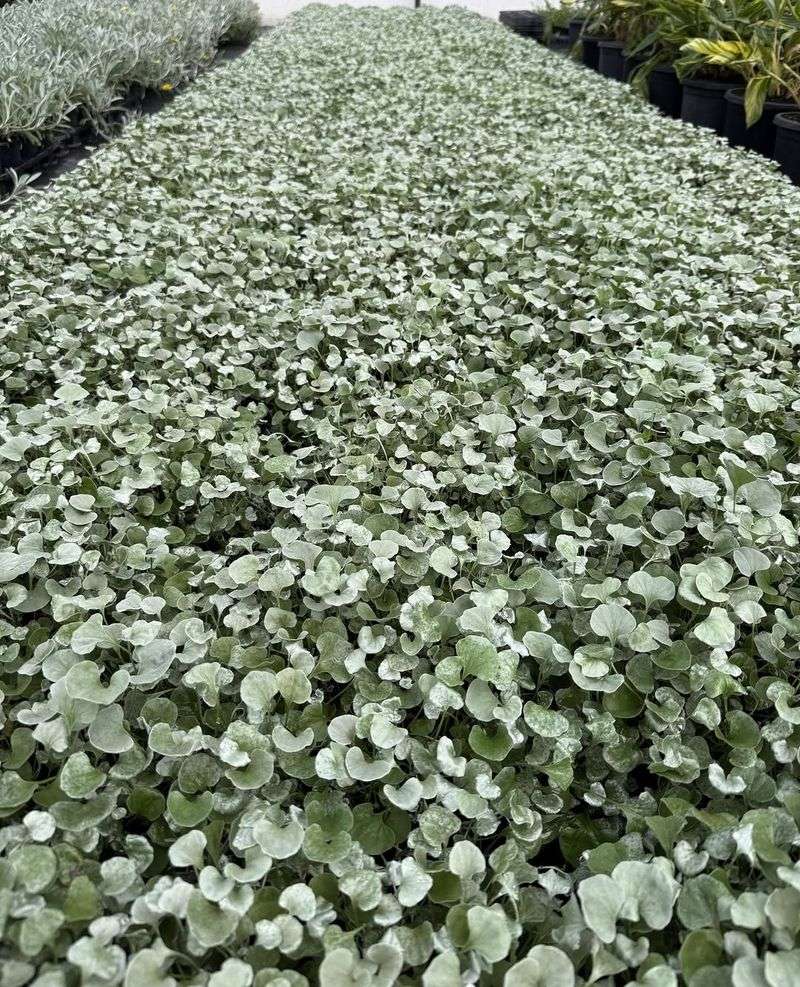
There is something almost magical about the way silver ponyfoot catches the light. Its small, round, silver-green leaves shimmer in the sun and create a striking visual effect that bark mulch simply cannot match.
Beyond looking beautiful, this tough native spreads reliably across dry, sunny areas and provides genuine living coverage that stays far safer than wood-based mulch during fire season.
Silver ponyfoot is built for Texas heat. It thrives in full sun and handles drought conditions that would stress most plants.
Once established, it spreads steadily by trailing stems that root as they go, filling in gaps and covering bare soil without much help from the gardener. That spreading habit makes it especially useful in large sunny areas around the home perimeter.
Because the foliage stays relatively succulent and moisture-rich, silver ponyfoot does not become the dry, crumbly fuel source that old bark mulch turns into by midsummer.
The living tissue holds some moisture, which slows ignition and gives homeowners an added layer of passive fire protection. That is a practical benefit most people do not think about until they need it.
Planting silver ponyfoot is straightforward. Give it a sunny spot with decent drainage and it will take care of the rest. It works beautifully as an edging plant, a slope cover, or a filler between larger shrubs.
For anyone searching for a low-effort, eye-catching groundcover that also happens to be smarter than bark mulch from a fire safety perspective, silver ponyfoot delivers on every level.
5. Turk’s Cap
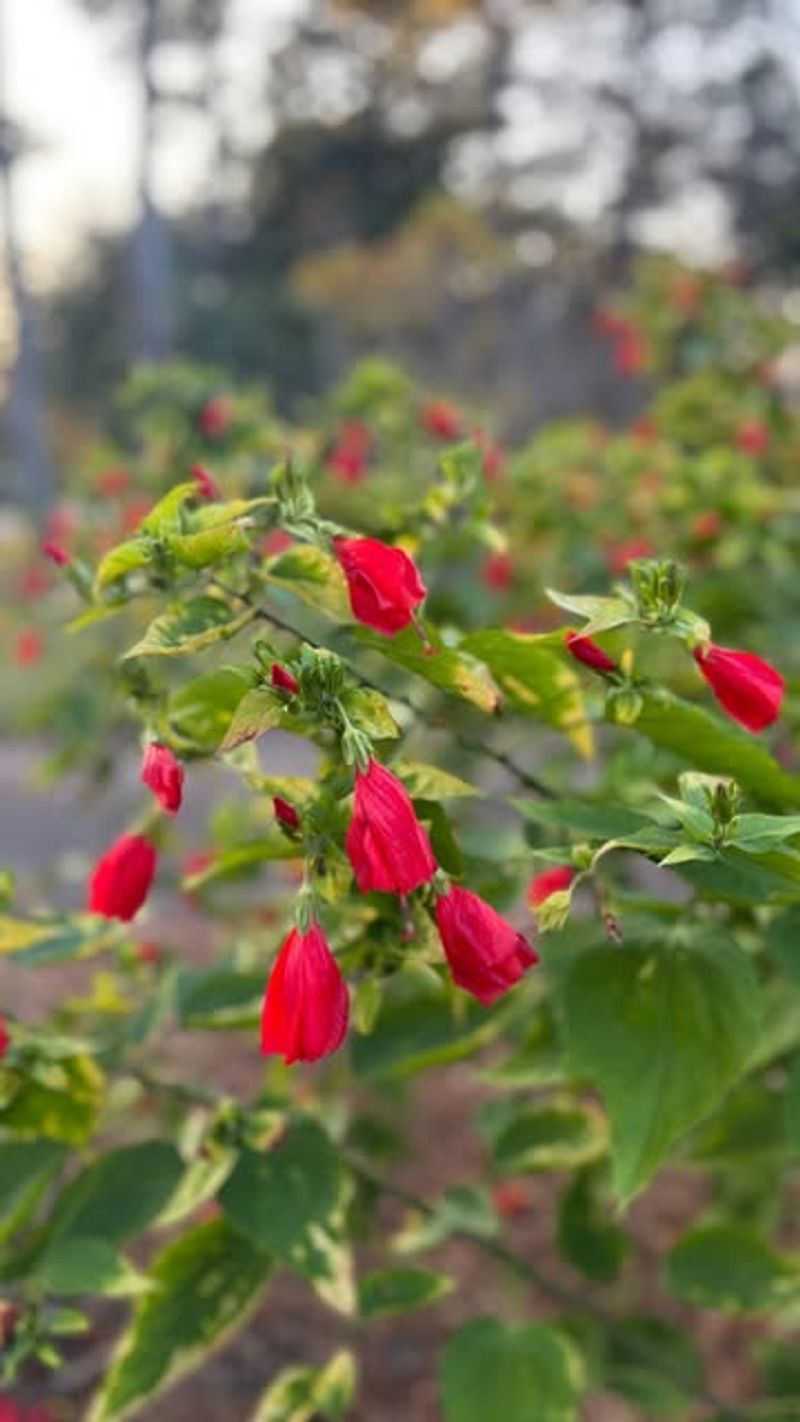
Few native plants in Texas bring as much personality to a landscape as Turk’s cap. Those bright red, twisted blooms look like tiny turbans, and hummingbirds absolutely cannot resist them.
But beyond the showstopping flowers, Turk’s cap is a seriously practical plant for homeowners who want to replace bark mulch with something safer and more alive.
In larger spaces around the home, Turk’s cap creates lush, low-maintenance planting zones that are hard to beat. The plants grow into full, leafy mounds that shade the soil beneath them, keeping moisture in and reducing the buildup of dry, flammable material.
That combination of dense foliage and moisture retention makes it a strong fire-resistant choice for zone-one and zone-two areas around structures.
Turk’s cap grows well in shade, partial shade, and even full sun, though it tends to look its best when it gets some afternoon protection from the intense Texas heat. It handles drought once established and rarely needs supplemental fertilizer.
Deer tend to leave it alone, which is a huge bonus for homeowners in suburban or rural areas where deer pressure is a real problem.
Planting Turk’s cap where bark mulch once sat transforms the look and feel of the yard. Instead of a dry, faded wood chip bed, you get a lush planting zone full of movement, color, and wildlife activity.
It grows vigorously, fills space quickly, and stays green through conditions that would dry out mulch in days. For larger landscape zones, it is one of the best choices Texas native gardening has to offer.
6. Mealy Blue Sage
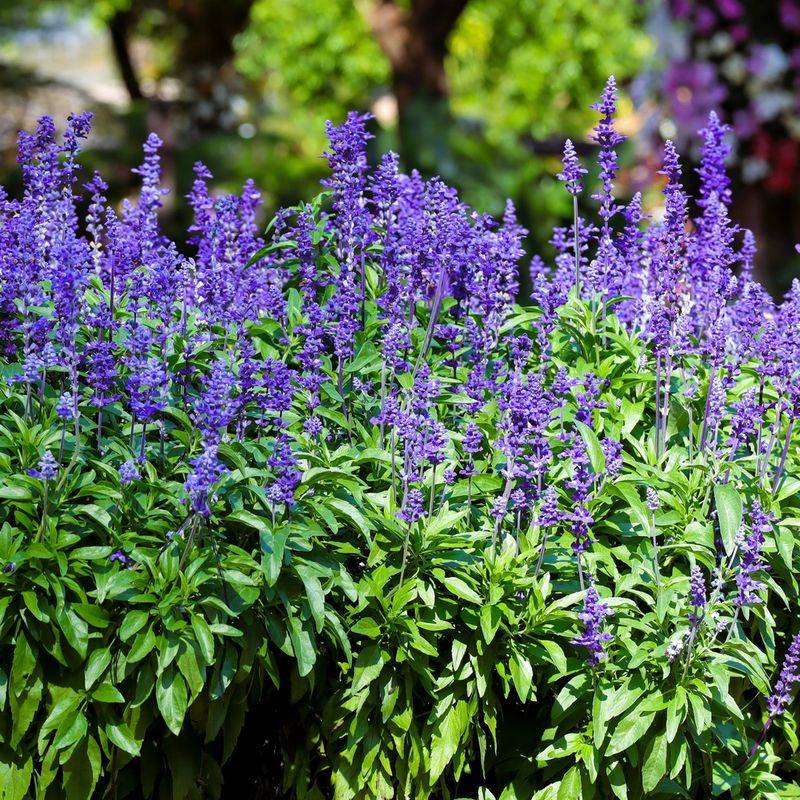
Picture a sunny patch of ground near your home buzzing with bees and dotted with spikes of blue-purple flowers.
That is exactly the kind of scene mealy blue sage creates, and it does so while doing something bark mulch never could: it supports pollinators and reduces bare, exposed soil at the same time.
This drought-tolerant Texas native earns its place in any fire-smart landscape plan.
Mealy blue sage grows in clumps that fill in over time, covering bare ground and reducing the dry, open spaces where embers can land and smolder.
Its stems and foliage are not overly dry or woody, which means it does not carry the same fire risk as a thick layer of bark mulch sitting in the summer sun.
It blooms from spring through fall, giving pollinators a reliable food source across multiple seasons.
One of the most practical aspects of mealy blue sage is its flexibility. It grows well in full sun and tolerates a range of soil types, including the rocky or clay-heavy soils common across Texas.
Once established, it needs very little water, making it a genuinely low-maintenance choice for busy homeowners who still want a beautiful, purposeful yard.
Replacing a mulched bed with mealy blue sage does more than improve fire safety. It brings color, movement, and ecological life to spots that were previously just covered ground.
Monarch butterflies, native bees, and hummingbirds all visit regularly. For homeowners who want their landscape to do more than just look tidy, mealy blue sage is an outstanding native option that works hard every single season.
7. Woolly Stemodia
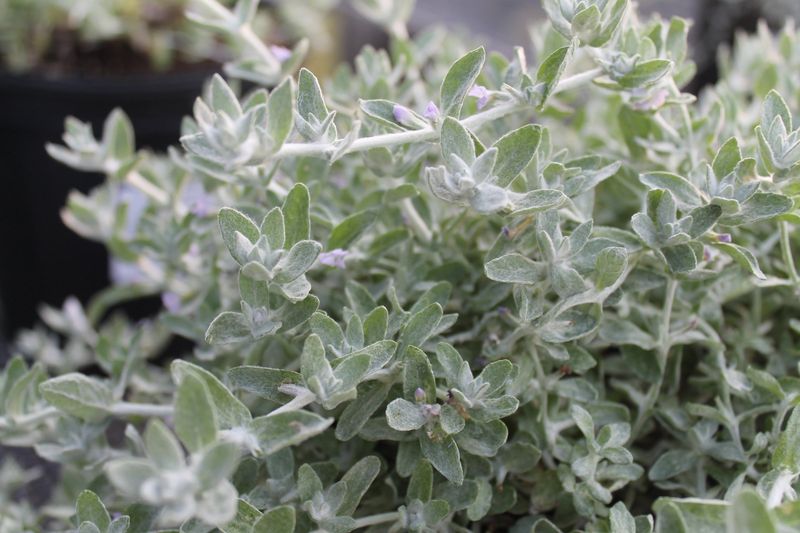
Not every groundcover gets the recognition it deserves, and woolly stemodia is a perfect example. This compact, low-growing Texas native flies under the radar in most garden centers, but once you plant it, you quickly realize what you have been missing.
It forms a dense, soft mat of fuzzy silver-green foliage that covers the ground beautifully and handles intense heat without complaint.
Woolly stemodia is built for sunny, hot conditions. It thrives in full sun and does not mind poor or rocky soils, which makes it ideal for the dry, exposed areas around home foundations where bark mulch tends to dry out fastest.
Because the plant stays low and retains some moisture in its fuzzy leaves, it creates living coverage that is significantly less flammable than dry wood chips baking in the Texas sun.
The dense growth habit of woolly stemodia means it shades the soil beneath it, helping retain ground moisture and reducing the amount of dry, loose material that could catch a spark.
That is a meaningful advantage during fire season, when even small embers blowing from a neighbor’s yard can cause serious problems if they land on the wrong surface.
Caring for woolly stemodia is about as easy as it gets. Water it while it establishes, then step back and let it do its thing.
It spreads steadily without becoming invasive and rarely needs pruning or fertilizing. For sunny spots around the home where a fire-smart, low-effort groundcover is needed, woolly stemodia is one of the most underrated native plants Texas has to offer.