9 Reasons Wild Bergamot Handles Dry North Carolina Slopes Better Than Most Plants
When most gardeners see a dry, sun-baked slope in North Carolina, they view it as a challenge. The soil is crumbling, the afternoon heat is intense, and plants tend to droop before August even arrives.
It feels like you’re fighting a losing battle even before you grab a shovel. However, there’s one plant that looks at that same slope and thinks it’s found its home.
This plant has been thriving in these hills long before anyone ever thought about garden planning. It flourishes in the very conditions that make other perennials struggle.
Pollinators absolutely love it. Deer usually avoid it. And once it gets established, it manages summer dry spells with a calm assurance that will change your perspective on challenging planting areas.
There are nine specific reasons why this native wildflower excels over almost everything else on a tough hillside. You might be surprised by the answers, and one of them isn’t even related to flowers at all.
1. Native Roots Give This Plant A Head Start
Long before the first garden center opened, wild bergamot had already made North Carolina its home. This plant didn’t come in a nursery pot. It developed here, alongside the soil, rain, insects, and the seasons that shape this area.
Native plants bring something that money can’t buy: a deep biological connection to a place. Wild bergamot doesn’t need to learn about the local soil pH or survive its first freeze-thaw cycle by chance.
It already has that knowledge ingrained, so to speak. Its roots settle in quicker. Energy is directed towards growth rather than adaptation.
NC State Extension identifies Monarda fistulosa as a native wildflower that thrives in this region. Open, sunny areas reflect the meadows and woodland edges where it naturally grows.
A slope with good drainage and adequate light? That’s right at home for this plant. Literally. Opting for a native plant in a challenging location isn’t just a nice idea. It’s a wise choice. You stop battling the landscape and begin collaborating with it.
Wild bergamot doesn’t require coaxing, pampering, or weekly encouragement. Once it establishes itself, it settles in and gets to work doing exactly what it was designed to do.
2. Sunny Slopes Bring Out Its Best Growth
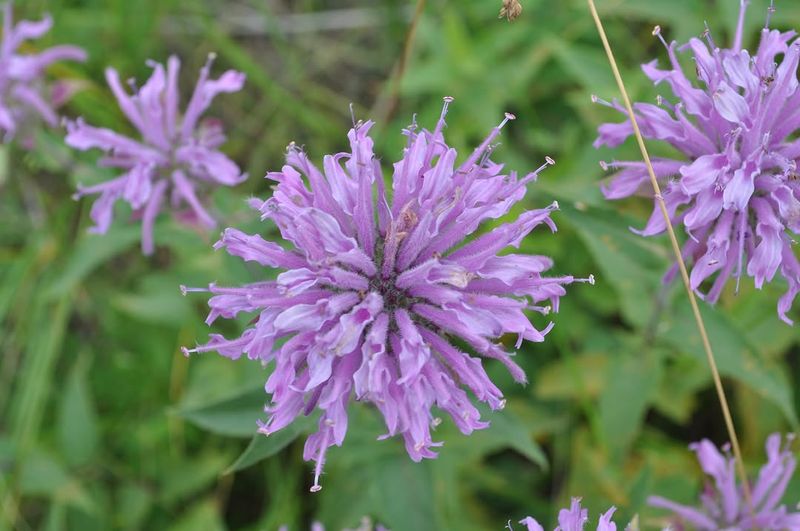
Wild bergamot loves the sun and isn’t shy about it. Give this plant a sunny, open slope, and it flourishes. Full sunlight leads to more vibrant flowers, and a plant that fits perfectly in a place where others find it hard to thrive.
Monarda fistulosa really shines with at least six hours of direct sunlight each day. Slopes facing south or west usually get plenty of sun. The angle of the hill can actually increase exposure compared to flat land.
More slope means more light. Wild bergamot will soak up every bit of it. It can handle some shade, but the flowers quickly become sparse. Less sunlight means a less impressive display. That’s a compromise most gardeners would rather avoid.
Your North Carolina Garden Changes Every Week. Your Plan Should Too.
Gardening in North Carolina changes quickly throughout the season. Every Friday you’ll receive a simple weekly plan showing exactly what to plant, prune, fertilize, harvest, and protect so you never miss the right timing.
Now, here’s the fun part. The afternoon sun can dry out those slopes, and many plants give up by midsummer. But wild bergamot stands strong. Once it’s settled in, it manages that heat and light combo without any fuss.
So, place this plant in your sunniest area. Don’t hold back that sunny spot for something more high-maintenance.
Wild bergamot deserves that prime space. In exchange, it rewards you with lovely lavender-pink flowers and a slope buzzing with pollinators.
3. Good Drainage Works In Its Favor
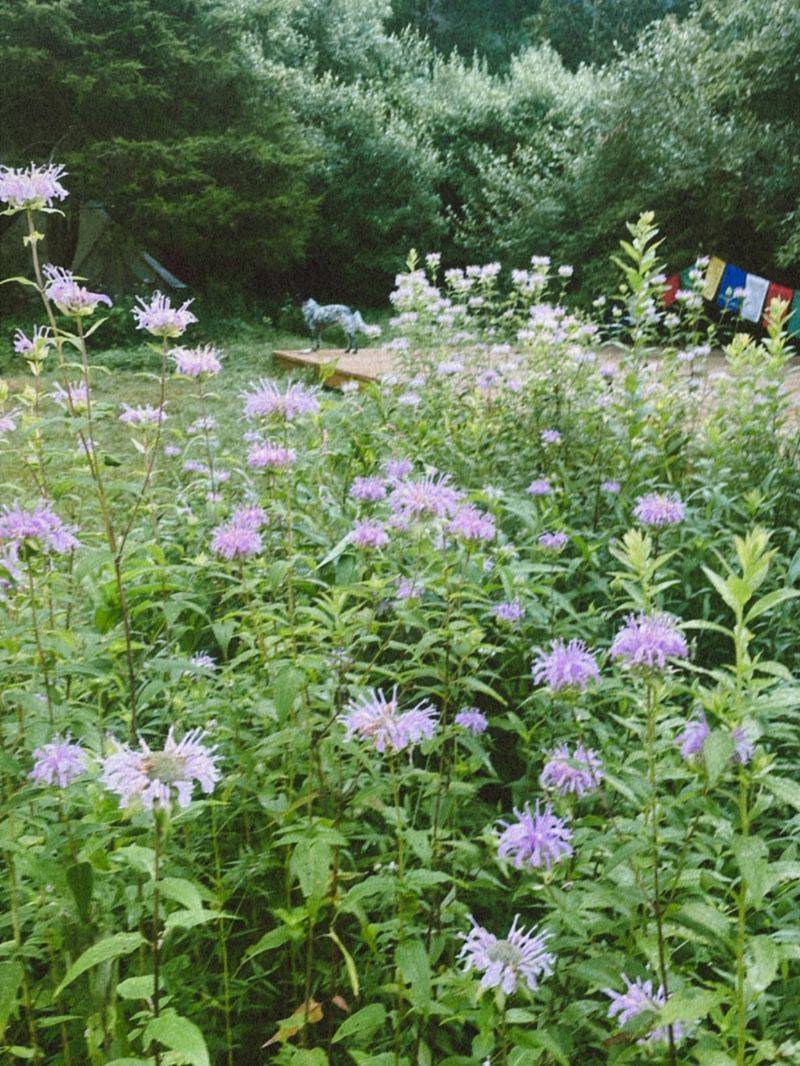
On a hillside, drainage is crucial. It’s not just about how much rain falls, but also how quickly it drains away.
Slopes naturally get rid of extra moisture after a storm. For wild bergamot, this isn’t a problem. It’s actually perfect.
This plant dislikes having wet roots. If there’s standing water around its roots, it can lead to stress and eventually rot.
Flat areas filled with heavy clay can be more harmful to wild bergamot than a dry, gritty slope. Clay holds onto moisture long after the plant has had its fill.
Wild bergamot is part of the mint family, and all mint relatives have one thing in common: they need well-drained soil.
According to NC State Extension, it thrives in average to dry soils with good drainage. Rocky, loamy, sandy slopes throughout North Carolina meet this requirement without needing any extra work.
Soil fertility isn’t an issue either. Poor, rocky hillside soil that drives other perennials away? Wild bergamot hardly cares.
The slope is quietly doing the hard work for you. It draws moisture away from the roots and stops that waterlogged mess after heavy rain.
Most gardeners aim for perfect soil. However, wild bergamot simply needs soil that drains well. On a North Carolina hillside, that’s usually not a tough request.
4. Occasional Dry Spells Are Manageable
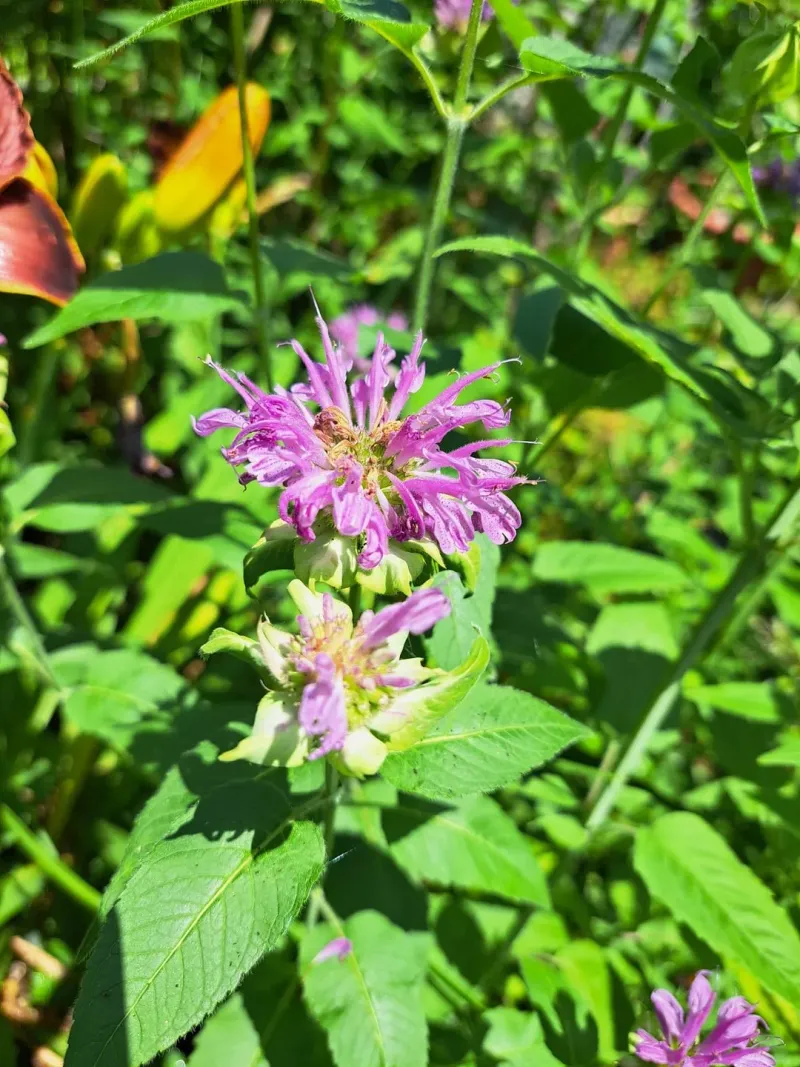
Building confidence takes time. For wild bergamot, it requires about a full growing season. Once it’s established, this plant can manage short dry spells without much fuss.
That said, the keyword here is established, and it takes at least one full growing season for that to happen.
Newly transplanted plants aren’t there yet. They require consistent moisture while their roots are still getting established.
It’s best to plant in spring or early fall, when cooler temperatures give young plants a better chance before the summer. Watering in the first season is essential. If you skip it, the plant won’t reach a stage where it can handle dry periods.
So, drought tolerance develops as the plant matures, but prolonged dry spells still create stress. Flowering decreases.
The risk of powdery mildew increases. Saying wild bergamot is drought-proof would be a bit of an exaggeration.
What it truly provides is genuine, practical resilience. Moderate dry spells on a typical North Carolina summer slope?
It can handle that. Weeks of unyielding drought with no relief? That tests its limits. The message is simple. Give it care in the first year. Plant it at the right time. After that, wild bergamot keeps its promise quite well.
5. Clumping Growth Fills Tough Hillside Space
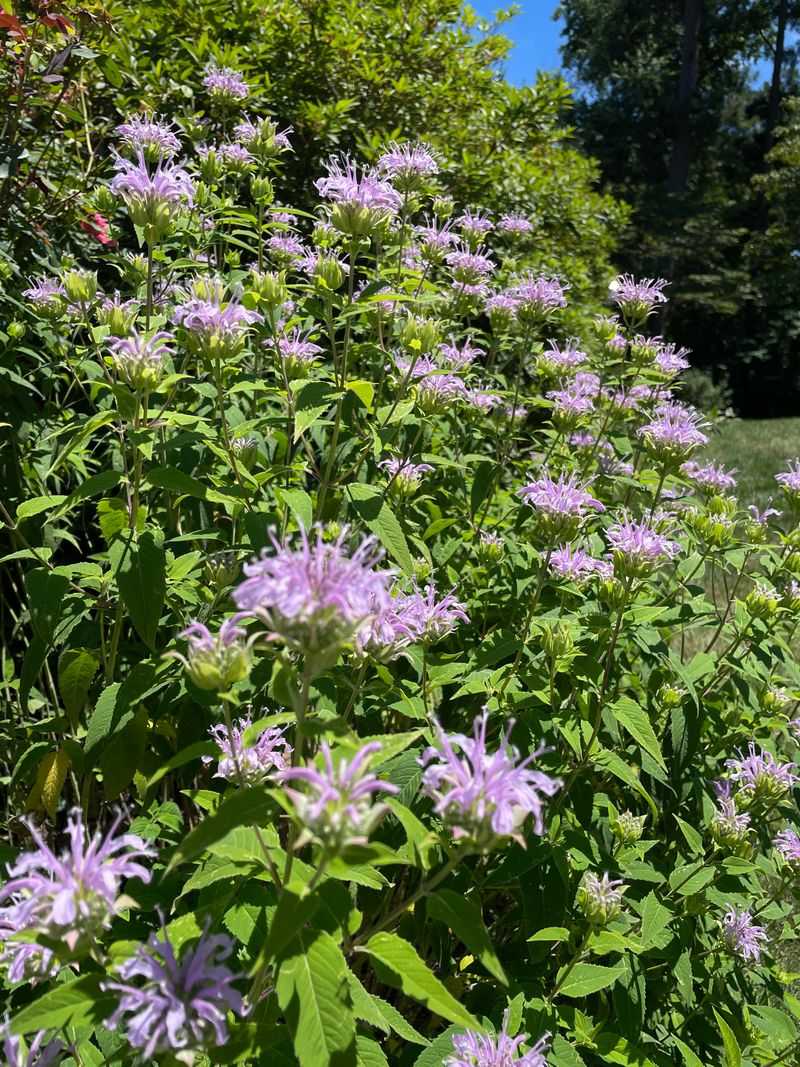
Dry slopes tend to reveal poor plant choices quickly. You’ll see sparse coverage, bare spots, and a planting arrangement that seems more random than planned.
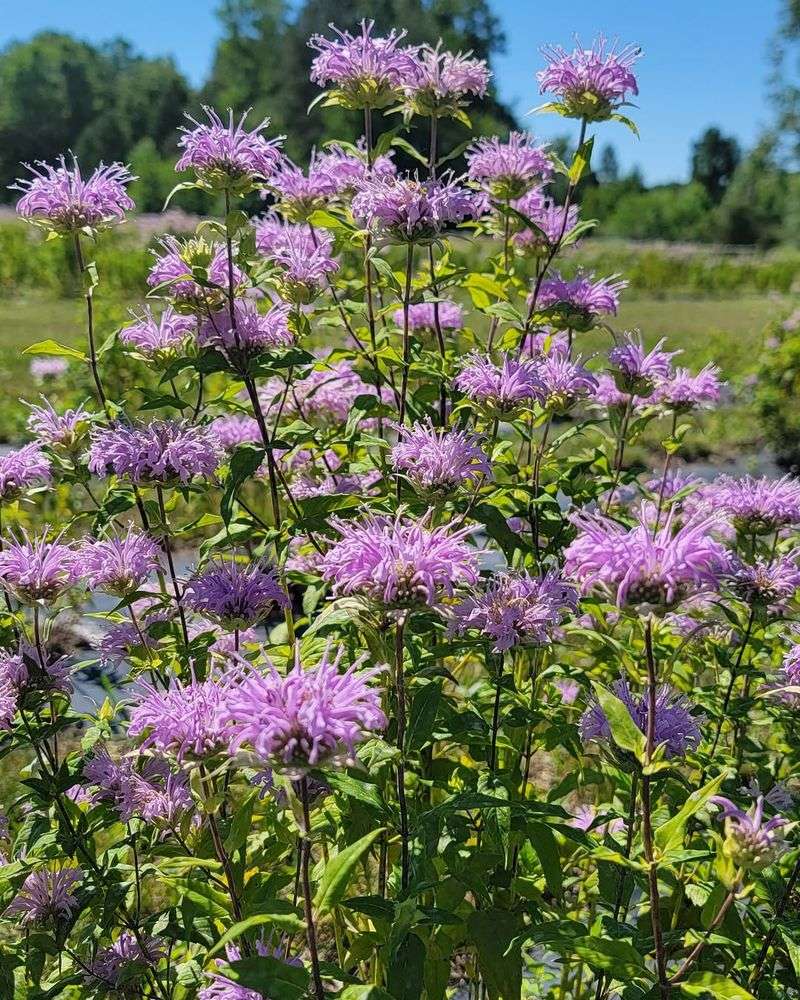
Wild bergamot quietly and effectively addresses this issue. The key lies in its growth pattern. Each plant develops a neat clump that gradually increases in size over time. There’s no wild spreading or aggressive takeover.
Instead, it spreads steadily and reliably, filling the area with texture and rhythm. When several clumps are planted together, they eventually blend into a design that looks intentional.
However, spacing is important. Keeping eighteen to twenty-four inches between plants allows each clump to have enough space to expand without crowding its neighbors.
Wild bergamot also spreads slowly through rhizomes and lightly reseeds itself. This means that the planting gradually fills in with minimal effort.
On a hillside, this slow spread is beneficial in two ways. The expanding root systems hold the slope in place and prevent erosion.
The increasing leaf coverage provides shade for the soil, reducing moisture loss and keeping everything looking vibrant for a longer time.
While most plants require a lot of work from you, wild bergamot surprisingly does a lot of the work for you. Interesting, right?
6. Summer Flowers Bring Pollinator Action
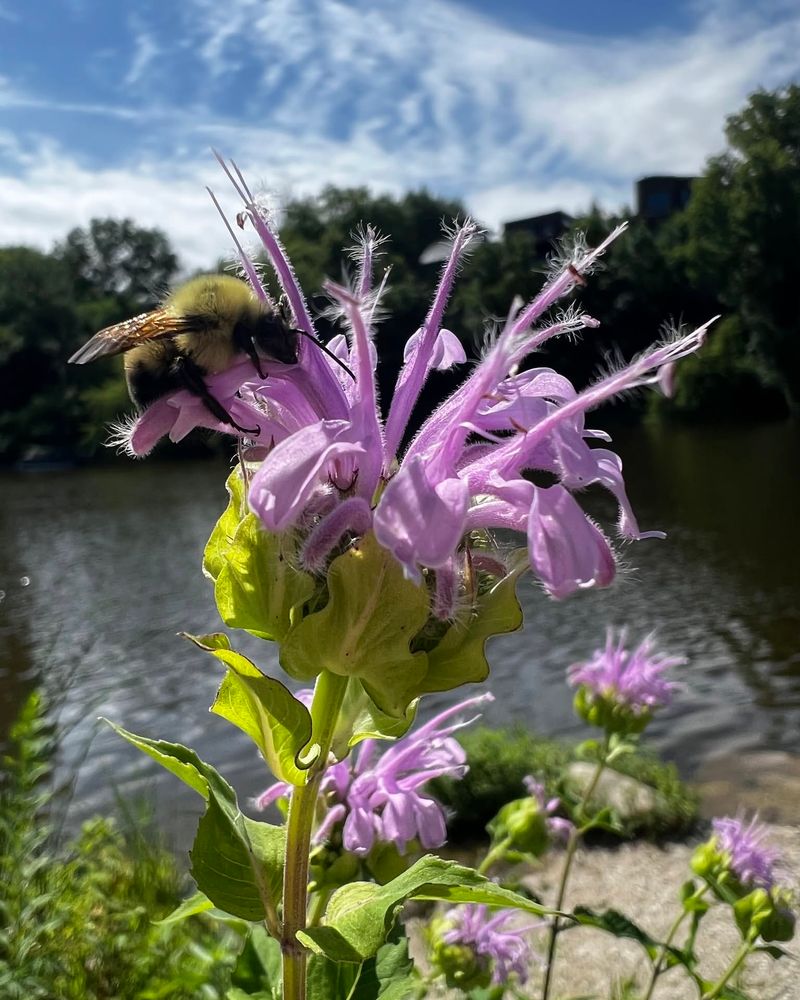
Close your eyes for a moment. Imagine bees buzzing and a hummingbird hovering just inches away from a lavender-pink flower.
Now, open your eyes and visualize that scene happening on your dry, once hopeless slope every July and August. That’s exactly what wild bergamot brings to the table.
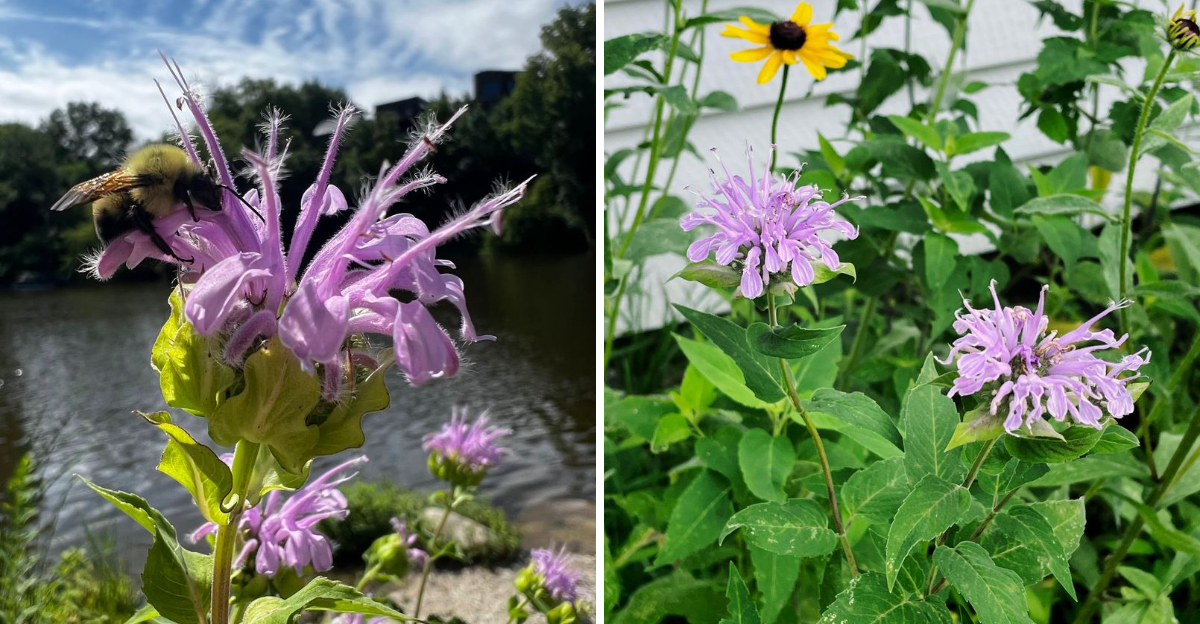
This plant is a magnet for pollinators, with no real rivals in its category. The tubular florets seem like they were designed by nature specifically for sweat bees and other native bee species.
Eastern tiger swallowtails frequently visit, and hummingbirds appear so often that they’ll catch your attention every time.
The timing also works in its favor. The blooming period lasts from June to August, arriving just when most spring flowers have already faded away.
That splash of mid-summer color on a slope that would otherwise seem dry and neglected is not just nice to look at. It’s a true design advantage.
Then, the seed heads take over, attracting seed-eating birds all the way through fall. The ecological benefits of this plant don’t end with the first frost.
They simply change form. A planting that buzzes, flutters, and shines from June to November. On a dry slope? That’s truly impressive.
7. Fragrant Foliage Adds Extra Garden Value
Not every plant secures its spot just because of its flowers. Wild bergamot adds something special to the slope even when it’s not in bloom.
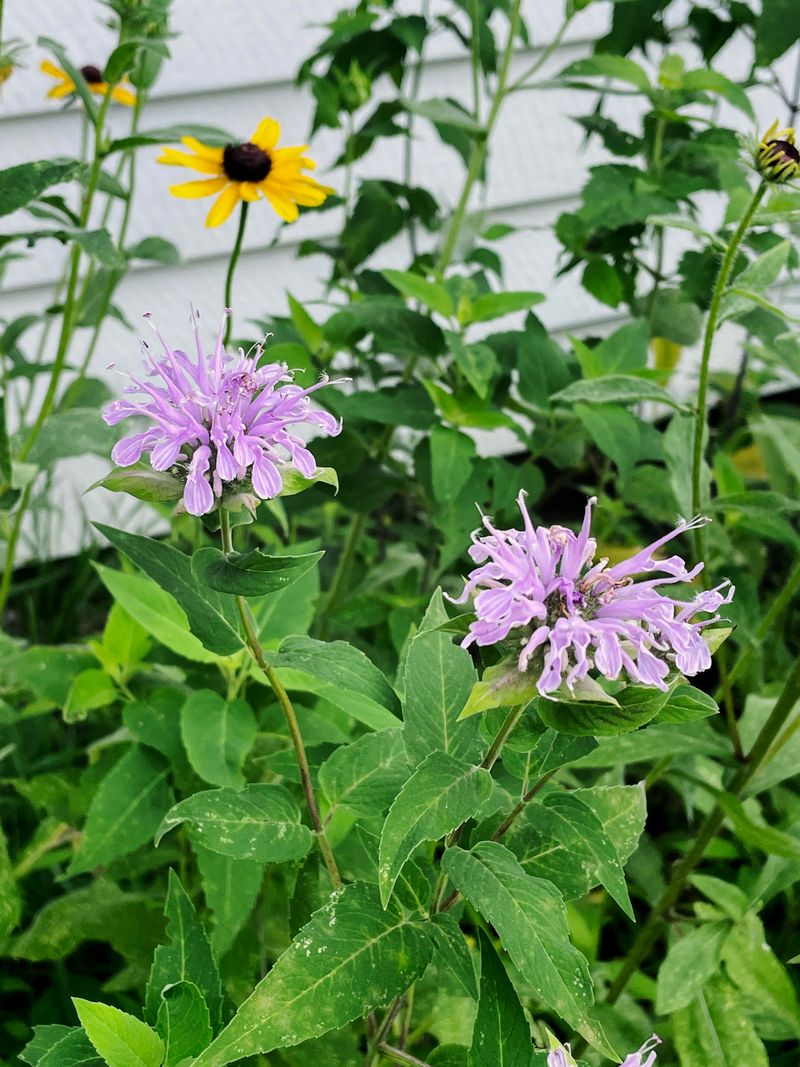
Its fragrant leaves give off a nice, oregano-like aroma when touched or crushed. It’s like a little treat every time you brush past it or work nearby.
Since wild bergamot is part of the mint family, it has some advantages. The leaves contain warm, slightly spicy aromatic oils with a floral hint. Some say it’s like oregano mixed with thyme but with a wildflower twist.
It brings that herb garden vibe to a native landscape. Visually, the foliage is impressive too. It has lance-shaped, lightly serrated leaves that are a clean medium green. Then there is the deer situation.
In many parts of North Carolina, heavy deer pressure can be a real pain. Luckily, aromatic plants from the mint family often get overlooked at the buffet.
While there are no guarantees, a strongly scented plant is usually a lot less tempting than the unscented ones.
Some plants are just pretty. This one is not only attractive but also smells great and keeps the deer on their toes.
8. Open Air Helps Limit Mildew Pressure
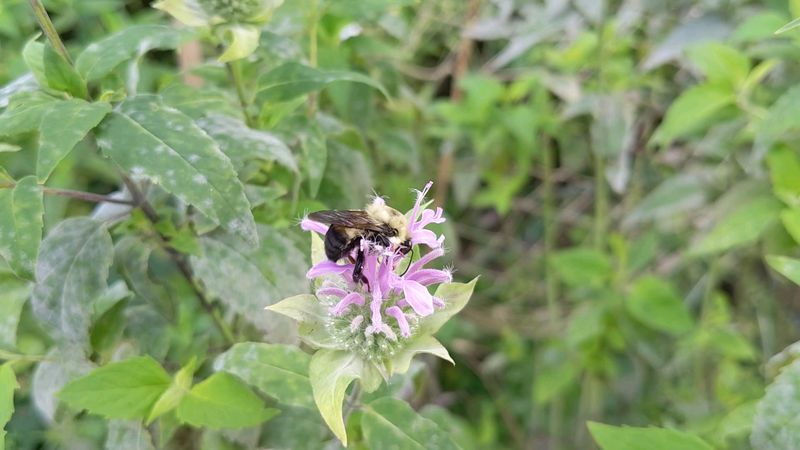
Slopes offer a benefit many gardeners overlook: better airflow. This airflow isn’t just nice on a hot July day.
It really helps protect wild bergamot, which can get mildew when the weather becomes humid and still. Open, high spots naturally lower that risk even before you plant anything.
Powdery mildew appears as a white, dusty layer on the leaves, usually later in the season. It doesn’t usually cause serious long-term harm to a mature plant, but it does make the garden look worn out.
Plants that are crowded in low, sheltered areas with poor air circulation are the most at risk. A breezy slope is the complete opposite of that.
Tight corners, shaded areas, and spots surrounded by walls or thick shrubs trap moisture and create problems. It’s best to steer clear of those areas altogether.
Water the base of the plants, not the leaves. Wet leaves sitting in still air create the perfect conditions for powdery mildew to thrive.
There are mildew-resistant varieties available, and they are worth choosing when you can find them. But on an open slope in North Carolina with natural airflow, wild bergamot already has a significant advantage.
Flat, enclosed garden beds can’t provide that benefit. The slope can, and it does so at no cost.
9. Its Upright Stems Add Structure Without Needing Support
Dry slopes can start looking rough in a hurry. Low plants leave awkward gaps. Taller plants flop over like they’ve given up. Bare patches of soil make the whole hillside look unfinished, even when you’ve actually planted it with care.
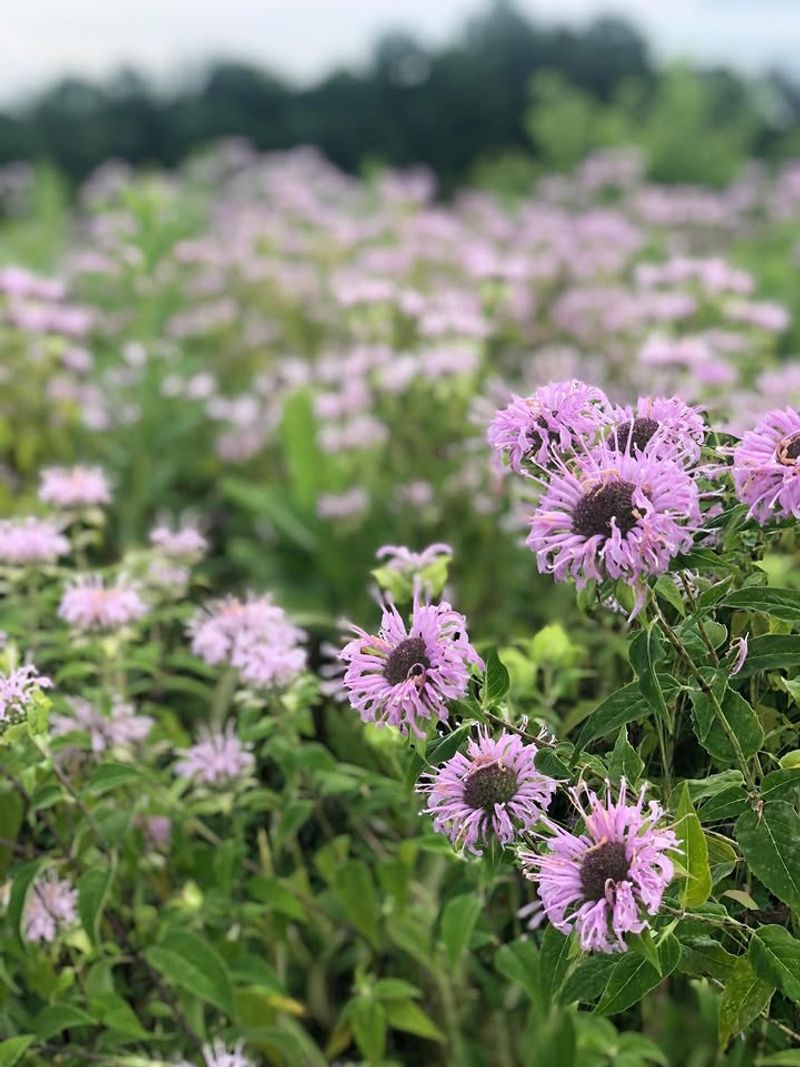
Wild bergamot brings a little order to that chaos. Once mature, it usually reaches about two to four feet tall, which is just enough height to get noticed without taking over the whole slope.
Its square mint-family stems stand fairly upright, lifting those lavender-pink flower heads above the foliage in that loose, meadowy way gardeners love. And that height matters more than you might think.
A lot of North Carolina slopes sit along driveways, sunny backyard banks, property edges, and those odd little spots everyone sees but nobody knows what to do with. Wild bergamot helps those areas look intentional instead of forgotten.
In a sunny spot, it adds height, texture, and movement without demanding constant shaping or support.
Pretty helpful for a plant that also feeds pollinators, smells good, and handles tough soil better than most, right?