The Crane Fly Problem Michigan Homeowners Are Confusing With Grubs This Spring
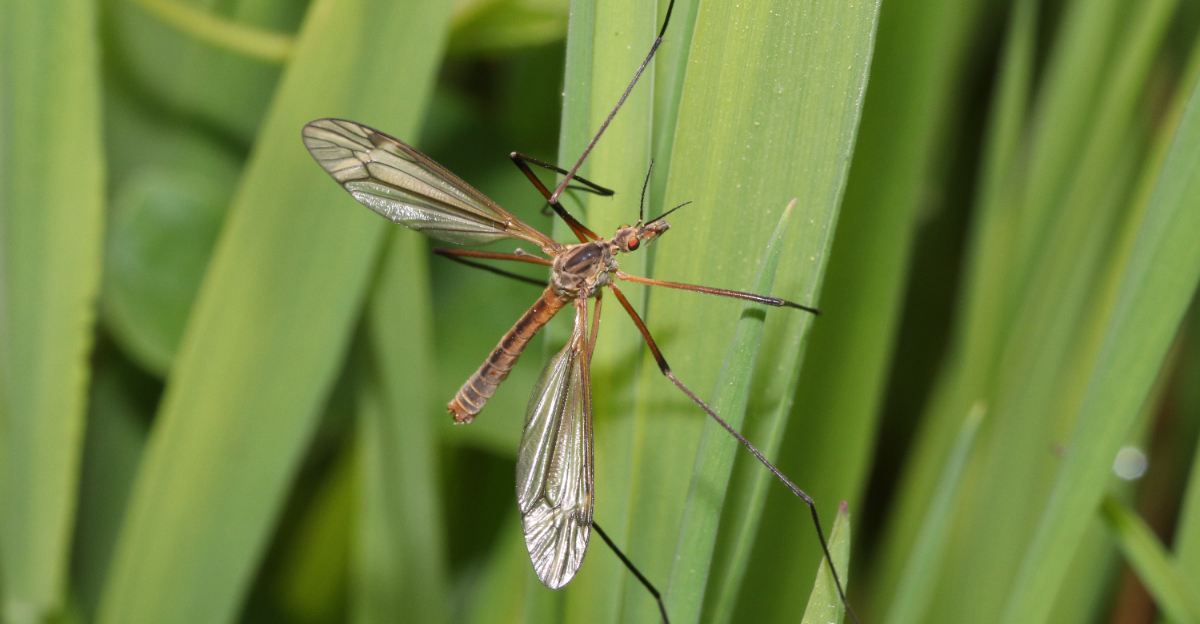
Crane flies are one of the most misidentified lawn pests in Michigan, and the confusion they cause leads to treatments that target the wrong problem entirely.
Most homeowners see the large, mosquito-like adults flying around in fall, find some lawn damage in spring, and assume grubs are responsible.
The actual culprit is often crane fly larvae, and while both cause root zone damage in Michigan turf, they require different approaches and respond to different timing windows for effective control.
Treating for grubs when crane fly larvae are the issue wastes money and leaves the real problem unaddressed.
Michigan lawns affected by crane fly larvae show specific signs that are worth knowing how to read before reaching for any product.
Understanding the difference between these two common lawn pests is the most important step toward actually fixing the damage rather than just responding to it.
1. Crane Fly Larvae Feed Near The Surface While Grubs Feed Deeper
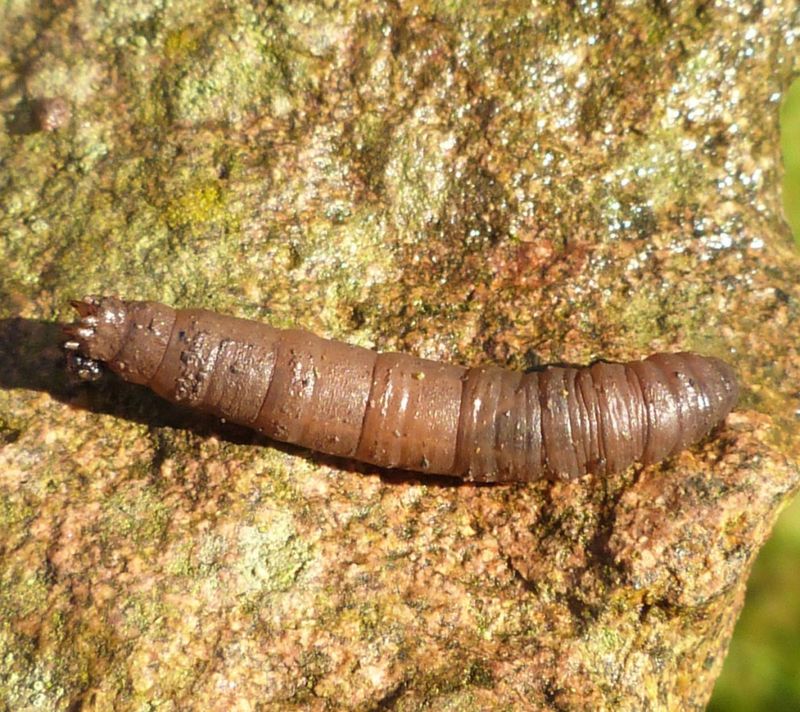
Most homeowners assume any lawn damage in spring points straight to grubs, but the feeding location tells a very different story. Crane fly larvae, the young stage of Tipula paludosa, stay close to the soil surface.
They chew on grass crowns, stems, and roots right at or just below the thatch layer, which is why damage often looks patchy and shallow.
White grubs, on the other hand, are C-shaped beetle larvae that burrow deeper into the root zone, sometimes several inches down.
When you dig up a damaged area and find the culprit near the very top of the soil, there is a strong chance you are dealing with crane fly larvae rather than grubs. Grubs tend to require deeper digging to locate during spring.
To inspect your Michigan lawn in April or May, cut a small square of turf about one foot wide and peel it back like a flap. Look carefully at the top inch of soil and the underside of the turf.
Leatherjackets, the nickname for crane fly larvae, blend in well because of their grayish-brown color. Finding even a handful near the surface during active spring feeding is a meaningful clue worth paying attention to before reaching for any treatment product.
2. Spring Lawn Damage Often Shows Up As Thin Brown Patches
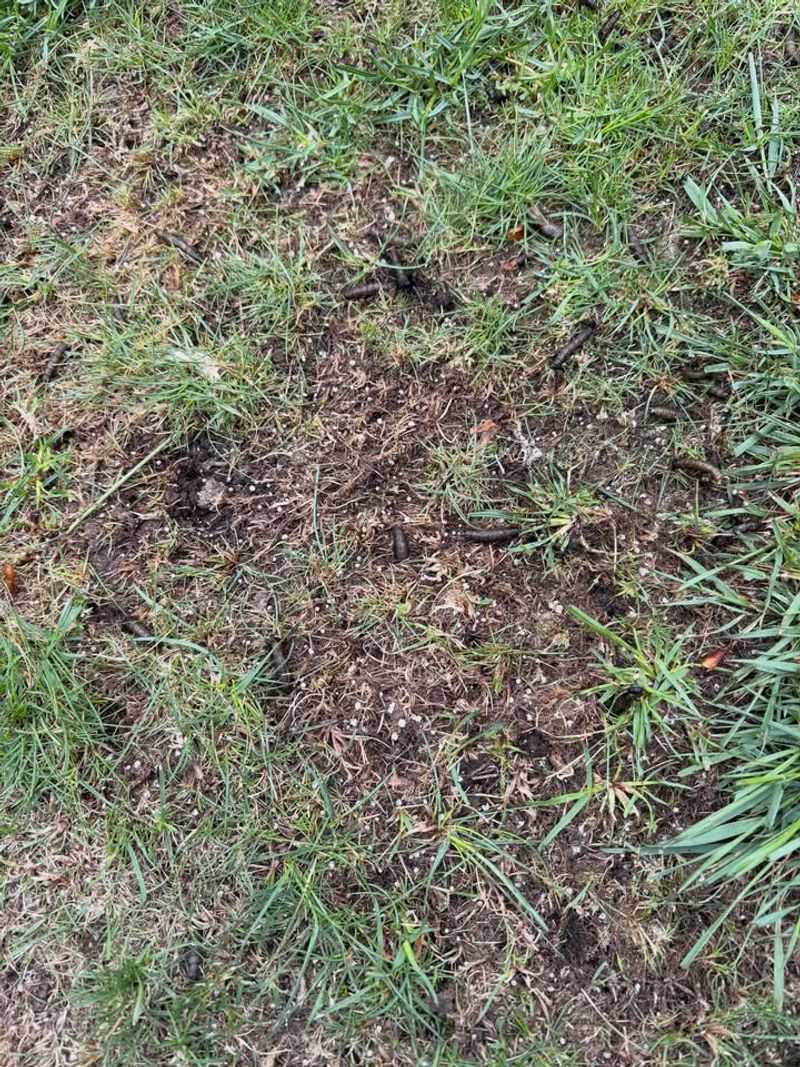
Brown patches in a spring lawn can send homeowners into a spiral of guessing. Is it grubs? Winter stress? Early drought?
When Tipula paludosa larvae are actively feeding in April and May, the damage they create looks strikingly similar to all of those problems, which makes correct identification genuinely tricky.
The patches tend to appear in irregular shapes rather than perfect circles. Grass in affected areas looks thin, pale, or yellowish-brown, and it often pulls up more easily than healthy turf because the roots and crowns have been chewed.
Cool, wet Michigan springs actually favor larval activity, so damage can feel like it shows up almost overnight as temperatures rise.
One helpful clue is timing. Grub feeding damage in Michigan lawns typically peaks in late summer and early fall, not spring.
Your Michigan Garden Changes Every Week. Your Plan Should Too.
Gardening in Michigan changes quickly throughout the season. Every Friday you’ll receive a simple weekly plan showing exactly what to plant, prune, fertilize, harvest, and protect so you never miss the right timing.
If you are seeing brown patches form during April in particular, crane fly larvae deserve serious consideration. Winter stress damage also tends to fade and recover with warmer temperatures and rain, while crane fly feeding continues to worsen as larvae remain active.
Checking the soil directly beneath those brown patches is always worth the few minutes it takes, because visual symptoms alone rarely give you the full picture you need to respond correctly.
3. Crane Fly Larvae Do Not Look Like Classic White Grubs
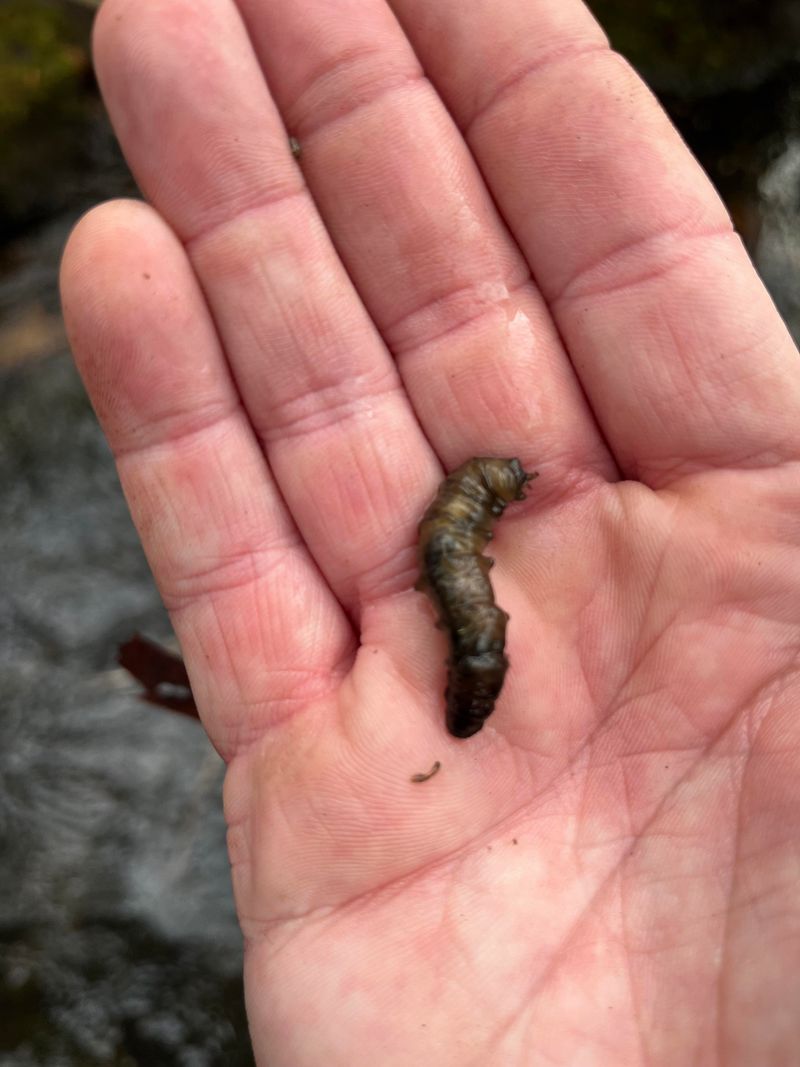
Picking up a larva from your lawn and knowing what you are actually holding makes all the difference. Crane fly larvae from Tipula paludosa are grayish-brown, completely legless, and have a tough, leathery skin that gives them their common nickname: leatherjackets.
They are usually about an inch long in spring and look almost like a small, shriveled slug without the slime.
White grubs are completely different in appearance. They are creamy white, noticeably C-shaped, and have a distinct brown head capsule with six tiny legs near the front of the body.
Once you have seen both side by side, it becomes very hard to mix them up. The problem is that most homeowners have never actually examined either one up close.
Simple inspection steps can clear up the confusion fast. Use a flat spade to cut a one-foot square section of damaged turf and fold it back.
Examine the top two inches of soil carefully. Crane fly larvae will be near the very surface, gray and wormlike.
Grubs will be deeper and curled into that familiar C shape. Taking a photo and comparing it to extension resources from Michigan State University is a smart move before spending money on any treatment.
Correct identification is the foundation of every good lawn care decision.
4. Adult Crane Flies Look Like Giant Mosquitoes But Do Not Bite
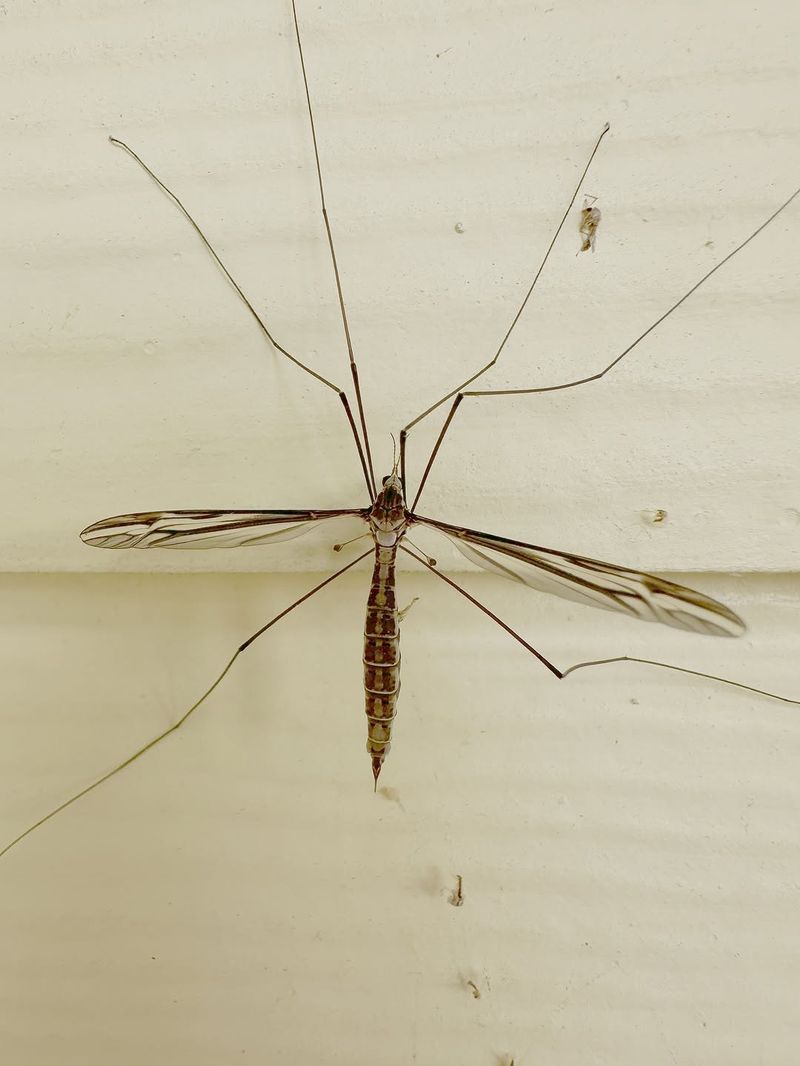
Walk outside on a cool Michigan evening in late summer or early fall and you might spot what looks like an enormous mosquito hovering near your lawn or bumping against your porch light.
That unsettling creature is actually an adult crane fly, and despite its intimidating size, it is completely harmless to people and pets.
Adult Tipula paludosa do not bite, sting, or feed on blood. They are focused entirely on mating and laying eggs in moist turf before their brief adult lives wrap up.
The long, dangling legs and slender body create a mosquito-like silhouette that genuinely fools a lot of people, but the two insects are not closely related in terms of behavior or risk.
What matters for your lawn is understanding that the adult fly is not your problem. It is the larvae hatching from eggs laid in fall that cause spring turf damage.
Seeing swarms of adult crane flies near your lawn in late August or September is actually a heads-up that larval pressure may follow the next spring. Noting when and where adults appear gives you useful early information.
Rather than reacting to the adults themselves, use that sighting as a prompt to plan ahead for spring monitoring of your turf in those same areas of your yard.
5. April And May Are Key Months For Crane Fly Damage In Michigan
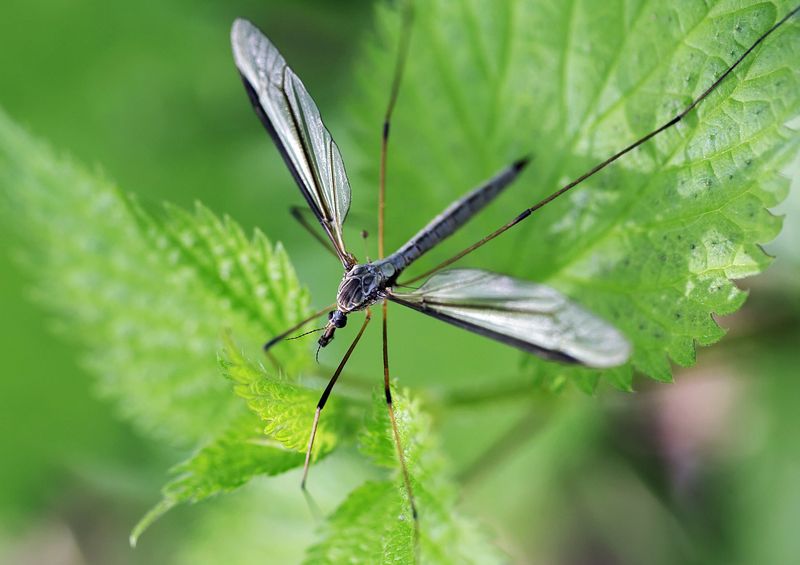
Michigan State University specifically flags April and May as the months when European crane fly larvae, Tipula paludosa, feed most aggressively in turf.
After overwintering in the soil, the larvae become active as soil temperatures rise in early spring and they push their feeding into high gear before pupating.
That timing lines up perfectly with when homeowners start noticing problems. Cool, wet spring conditions in Michigan create an ideal environment for larval activity.
The larvae thrive in damp soil and actively feed on grass roots and crowns during those weeks, which is why some lawns show rapid deterioration in patches that seemed fine just days before.
Warm, dry conditions actually slow larvae down, so a wet April can mean noticeably worse damage.
Monitoring your lawn during these two months is genuinely worthwhile. Walk your yard weekly and look for areas where grass looks thin, pulls up easily, or shows unusual color changes.
Focus especially on areas that tend to stay moist or shaded. Early detection gives you options.
Waiting until June to investigate often means missing the active window entirely, because larvae will have already pupated by then.
Staying observant through April and May keeps you ahead of the problem rather than reacting after the damage is already done and recovery is the only option left.
6. Grub Treatments Do Not Always Fix Crane Fly Problems
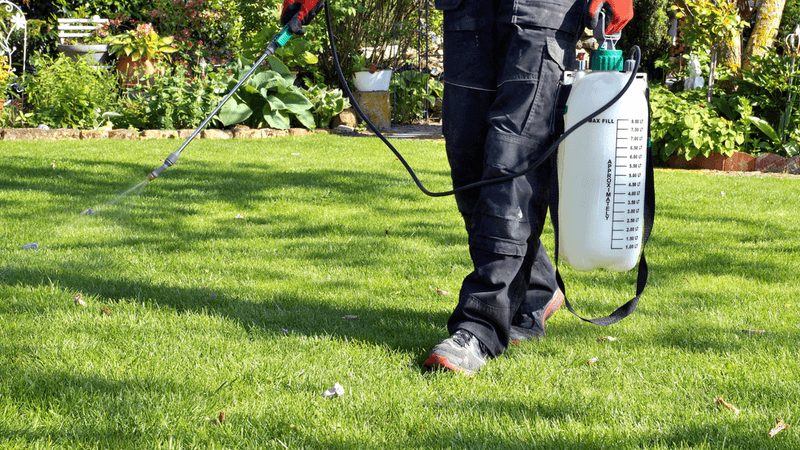
Grabbing a grub control product off the shelf and applying it to a struggling spring lawn feels like a logical fix, but it can leave you disappointed if crane fly larvae are actually the problem.
Products designed for white grubs often target specific beetle species at specific life stages, and the timing, chemistry, and application windows do not always align with crane fly biology.
Tipula paludosa larvae belong to a completely different insect order than white grubs, so assuming one treatment covers both is a mistake that costs real money and produces poor results.
Some neonicotinoid-based grub treatments applied preventively in summer may not address spring-active crane fly larvae at all.Applying the wrong product at the wrong time is essentially a wasted application.
Correct identification before any treatment is the most important step. Once you have confirmed through soil inspection that you are dealing with crane fly larvae rather than grubs, you can look for options specifically labeled for crane fly or leatherjacket control.
Consulting your local Michigan State University Extension office is a smart move, because they can confirm what is active in your region and recommend appropriate responses.
Spending ten minutes digging and identifying before spending money on products is always the smarter and more effective approach for any lawn problem you encounter this spring.
7. Wet Fall Weather Can Lead To More Spring Crane Fly Pressure
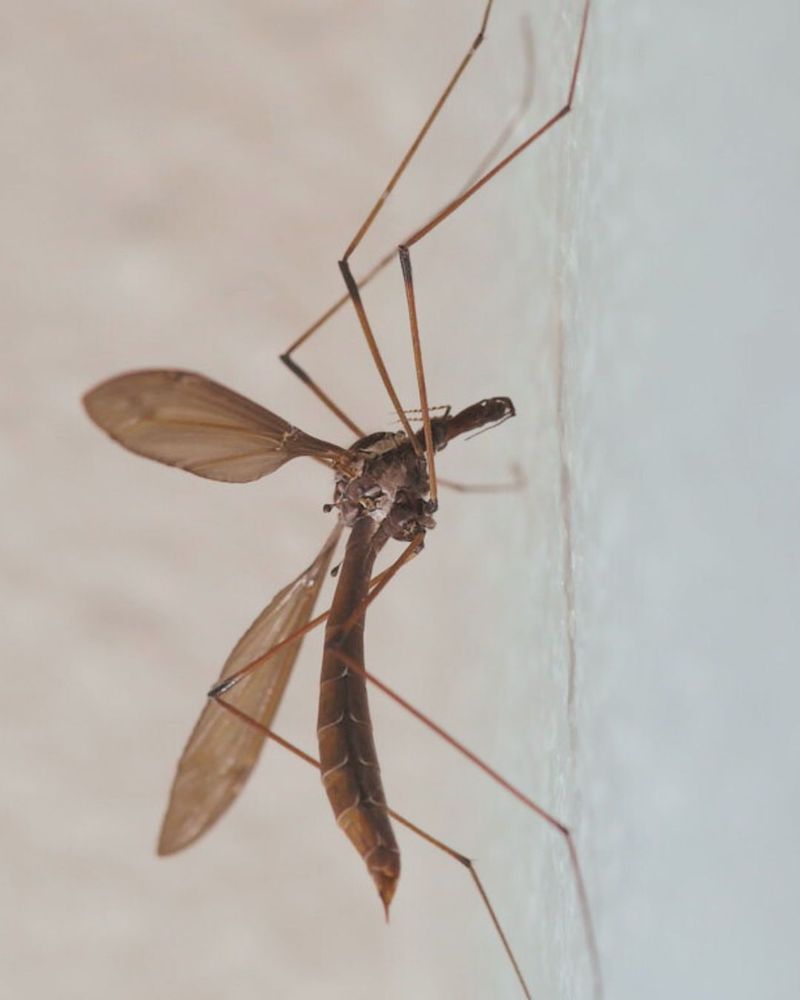
Fall weather sets the stage for what Michigan homeowners will face the following spring. Adult Tipula paludosa females lay their eggs in moist turf during late August and September, and those eggs need damp conditions to survive and hatch successfully.
A wet fall season gives eggs a much better chance of making it through to larval stage.
Once larvae hatch, they overwinter in the soil and resume feeding when spring arrives. Lawns that stayed consistently wet through fall and had good egg survival will often show more noticeable spring damage than lawns with better drainage.
This is why two neighboring yards in the same neighborhood can have very different levels of crane fly pressure in April. Managing moisture in your lawn is a practical long-term strategy.
Improving drainage in low spots, avoiding overwatering in late summer and fall, and maintaining a mowing height of about three inches for cool-season grasses all reduce conditions that favor crane fly establishment.
Thatch buildup holds extra moisture near the soil surface and can create a cozy overwintering environment for larvae, so dethatching periodically makes a real difference.
None of these steps eliminate crane fly pressure entirely, but they reduce the odds of a heavy infestation taking hold in your Michigan lawn from one season to the next.
8. Birds Feeding Heavily In The Lawn Can Be A Clue
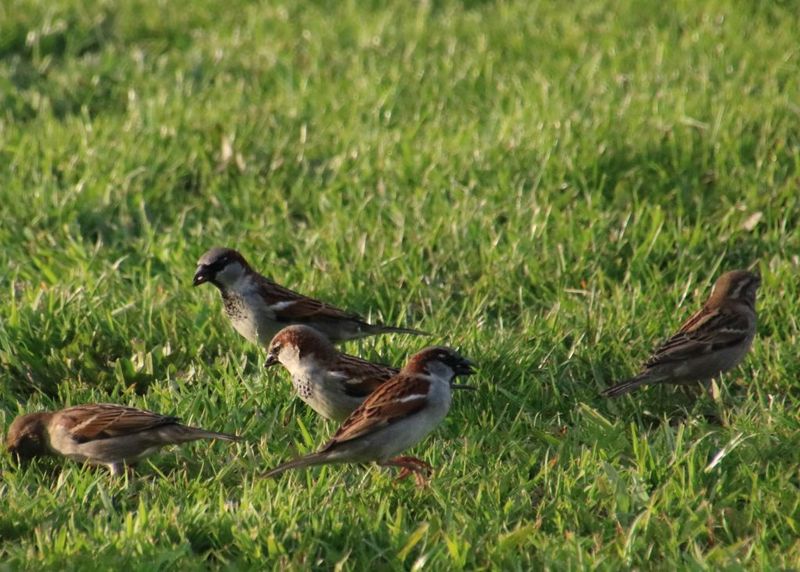
Robins, starlings, and other birds suddenly working over a section of your lawn with unusual intensity is one of nature’s more useful early warning signals.
Birds have a remarkable ability to detect movement and vibration from larvae feeding just below the soil surface, and when crane fly larvae are active near the turf layer, birds will often zero in on those spots with impressive accuracy.
Tipula paludosa larvae sit close enough to the surface during spring feeding that birds can probe for them without much effort. Seeing birds peck persistently at the same area over several days is worth noting.
It does not automatically confirm crane fly larvae, because birds also pursue earthworms and other soil insects, but combined with visible turf thinning it becomes a meaningful clue.
The smart approach is to use bird activity as a starting point for investigation rather than a final answer. When you notice heavy bird feeding concentrated in one area, go out and do a proper soil inspection in that spot.
Peel back a turf flap and check the top inch or two of soil for grayish-brown, legless larvae. Combining natural clues like bird behavior with hands-on inspection gives you a much clearer picture than relying on either signal alone.
Birds are essentially doing some of the scouting work for you, and that is worth taking advantage of.
9. Healthy Turf Is The Best Long Term Defense Against Crane Fly Damage
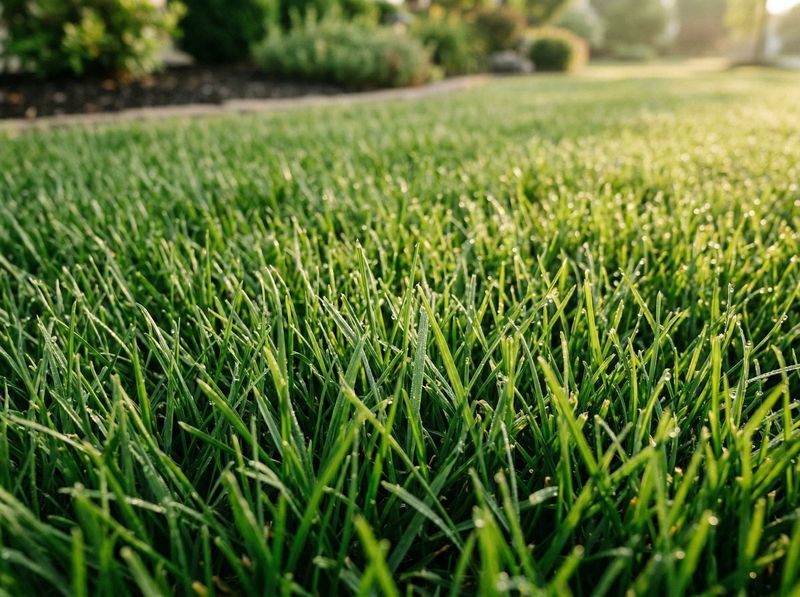
A thick, well-maintained lawn is genuinely harder for crane fly larvae to damage significantly. Tipula paludosa feeding causes the most visible harm in thin, stressed, or poorly maintained turf where grass plants have fewer resources to recover.
Building a resilient lawn over time is the most reliable way to reduce the impact of crane fly pressure each spring.
Proper mowing height matters more than most homeowners realize. Keeping cool-season grasses like Kentucky bluegrass and tall fescue at around three inches encourages deeper root growth, which helps plants compensate for surface feeding.
Balanced fertilization in fall builds strong root systems heading into winter, giving the lawn better recovery ability when spring arrives and larvae become active again.
Reducing thatch to under half an inch removes the moist, sheltered layer that larvae prefer near the soil surface. Deep, infrequent watering encourages roots to grow down rather than staying shallow and vulnerable.
Good drainage in low areas of the yard limits the soggy conditions that favor larval survival through fall and winter.
For lawns already showing spring damage from crane fly feeding, overseeding thin areas in early fall with quality cool-season grass seed helps restore density.
Recovery is very achievable with consistent care. A healthy Michigan lawn does not just look better, it actively bounces back from feeding pressure that would leave a neglected lawn looking rough all season long.