7 Ohio Native Plants That Keep Pollinators Coming After Spring Flowers Fade
Spring is basically a pollinator party. Bees everywhere, butterflies showing up fashionably late, the whole garden humming with energy.
And then, almost overnight, it goes quiet. The tulips are done, the redbuds have moved on, and suddenly the yard feels like the morning after a really good concert.
Here’s the thing though: pollinator season has a lot more left in it than most gardeners realize. The problem isn’t the pollinators, it’s the plants.
Many Ohio yards are loaded with spring bloomers and then just kind of trail off into nothing. The good news is that some of the most hardworking native plants don’t even hit their stride until summer and fall.
Plant the right ones across your Ohio garden and that post-spring silence doesn’t stand a chance. Your pollinators will thank you, loudly.
1. Joe-Pye Weed Keeps Pollinators Coming
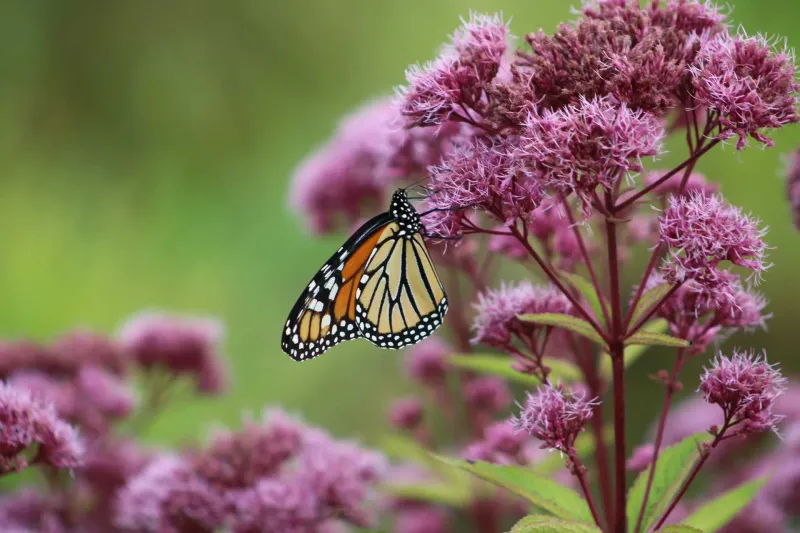
Spotted in meadows, along roadsides, and in moist woodland edges across Ohio, Joe-Pye weed is one of those native plants that gardeners sometimes overlook simply because it grows so abundantly in the wild.
That familiarity can make it easy to underestimate, but once it is in bloom, the amount of pollinator traffic it attracts is genuinely impressive.
Few native plants in Ohio bring in as many butterfly species at one time.
Joe-Pye weed blooms in mid to late summer with large, domed clusters of dusty pink or mauve flowers that sit atop stems that can reach four to seven feet.
Tiger swallowtails, spicebush swallowtails, fritillaries, skippers, and a wide range of native bees visit the flowers regularly.
For gardeners who want a plant that reliably draws in a variety of pollinators during the hottest part of the growing season, Joe-Pye weed is a practical and proven choice.
In home landscapes, Joe-Pye weed works well in rain gardens, moist perennial borders, and naturalized areas where it has room to grow.
Shorter cultivated varieties are available for gardeners with smaller spaces, making the plant more adaptable than its wild relatives might suggest.
It pairs well with ironweed and native grasses for a bold late-summer display. Gardeners who give Joe-Pye weed a spot in a sunny or lightly shaded moist bed are often rewarded with steady butterfly activity from July through September.
2. New England Aster Carries Color Into Fall
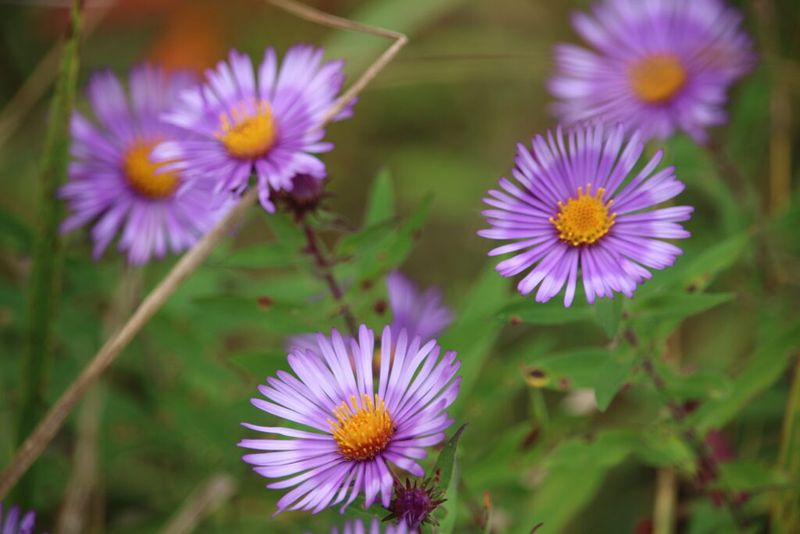
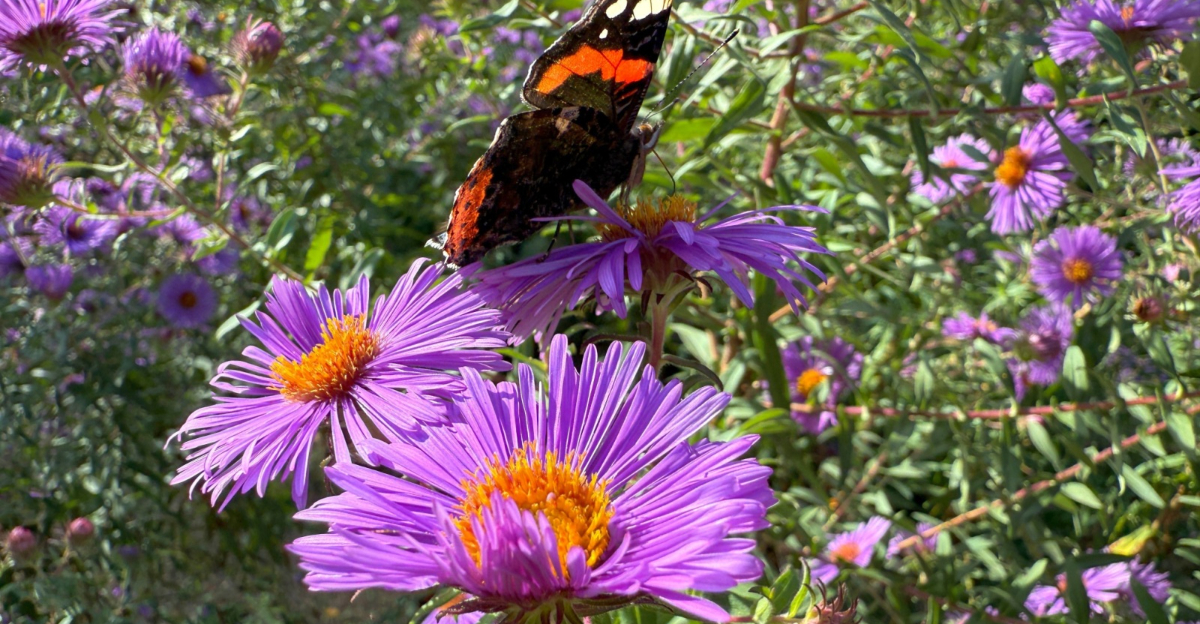
By the time September rolls around, most gardens are starting to wind down, but New England Aster is just getting started.
This native perennial explodes into rich purple, pink, or lavender blooms right when most other flowers have finished, making it one of the most visually striking plants in a fall Ohio landscape.
The timing alone makes it worth growing.
Monarch butterflies, which pass through Ohio during their fall migration, are especially drawn to New England Aster. Bumblebees and native bees also work the flowers heavily in late summer and early fall, stocking up on nectar before cooler temperatures arrive.
Planting a few clumps near a sunny border gives migrating pollinators a reliable fuel stop during one of the most important times of year.
Your Ohio Garden Changes Every Week. Your Plan Should Too.
Gardening in Ohio changes quickly throughout the season. Every Friday you’ll receive a simple weekly plan showing exactly what to plant, prune, fertilize, harvest, and protect so you never miss the right timing.
In home landscapes, New England Aster fits well in mixed perennial beds, pollinator borders, and sunny foundation plantings. It tends to grow three to six feet tall, so placing it toward the back of a bed keeps the look tidy.
Cutting the stems back by about half in early summer encourages bushier growth and more blooms. Gardeners who want late-season color with serious pollinator value will find New England Aster hard to beat.
It also pairs beautifully with goldenrod, creating a classic fall combination that supports a wide range of beneficial insects.
3. Goldenrod Keeps The Garden Buzzing
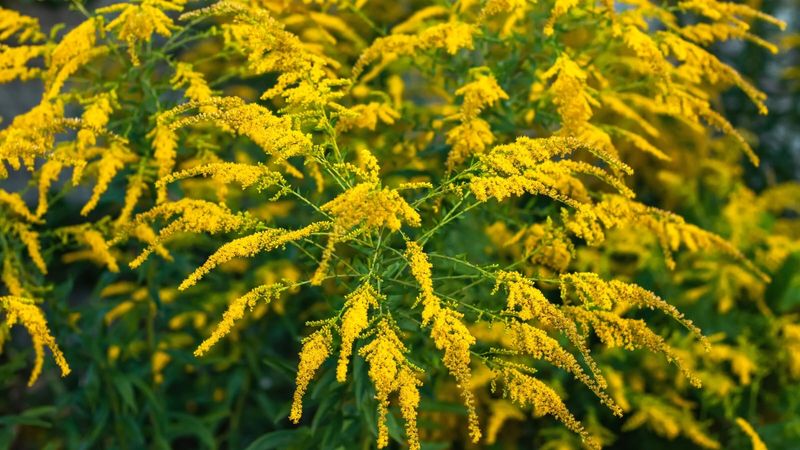
Few plants get as much undeserved criticism as goldenrod, which is often blamed for fall allergies even though its pollen is too heavy to travel through the air. The real culprit is ragweed, which blooms at the same time but looks far less impressive.
Once that misunderstanding is cleared up, goldenrod becomes one of the most celebrated native plants a gardener can grow.
Goldenrod blooms from late summer into fall and produces an enormous amount of nectar and pollen. Bees of all kinds, butterflies, beetles, and other beneficial insects flock to its bright yellow flower clusters.
For pollinators preparing for winter or migration, goldenrod is essentially a late-season feast. Some species of native bees actually depend on goldenrod pollen to provision their nests.
Several goldenrod species are native to Ohio, including stiff goldenrod and showy goldenrod, both of which work well in home gardens without spreading aggressively.
They tend to thrive in full sun and average to dry soils, making them a solid choice for low-maintenance pollinator beds.
Goldenrod also adds warm golden color to the fall garden right when many other plants are fading.
Pairing it with New England Aster creates one of the most effective late-season pollinator combinations in the Ohio landscape, offering both color and function well into October.
4. Liatris Brings Bright Nectar-Rich Blooms
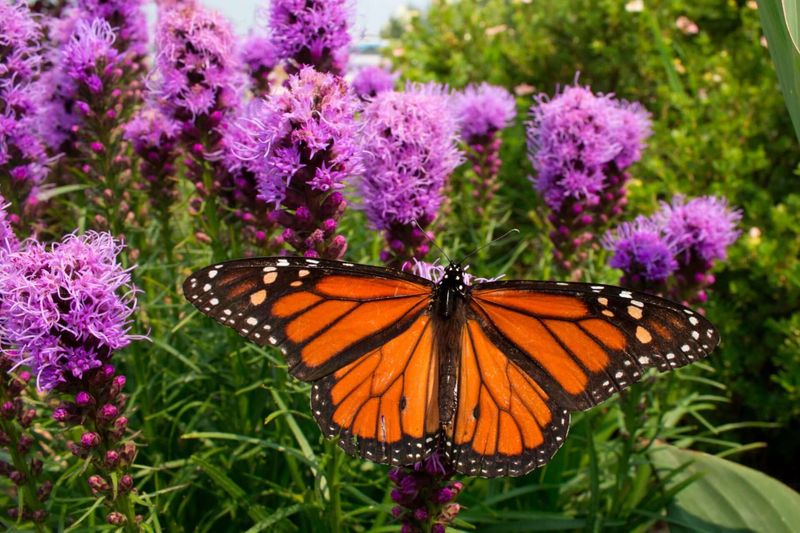
Liatris, also called blazing star or gayfeather, has a bloom style unlike most other native plants. Instead of opening from the bottom of the flower spike upward, liatris blooms from the top down, creating a bright, feathery purple wand that catches the eye immediately.
That unusual trait alone tends to spark curiosity in gardeners who have not grown it before, but the real reason to plant it is the pollinator activity it generates.
Monarch butterflies are particularly fond of liatris, and it is one of the most frequently recommended plants for supporting monarch populations during their late summer journey through Ohio. Native bees and bumblebees also work the flowers enthusiastically.
Liatris typically blooms from midsummer into early fall, which places it right in the middle of the seasonal gap after spring flowers have finished and before the big fall bloomers take over.
Several liatris species are native to Ohio, with prairie blazing star and scaly blazing star among the most commonly grown in home gardens.
Both prefer well-drained soil and full sun, making them a strong fit for sunny pollinator borders, dry native beds, and mixed perennial plantings.
The plants grow from corms and are generally low maintenance once established.
Liatris also holds up well as a cut flower, which gives gardeners the option to enjoy it indoors while still leaving plenty of blooms in the garden for visiting pollinators throughout the season.
5. Ironweed Adds Height And Pollinator Appeal
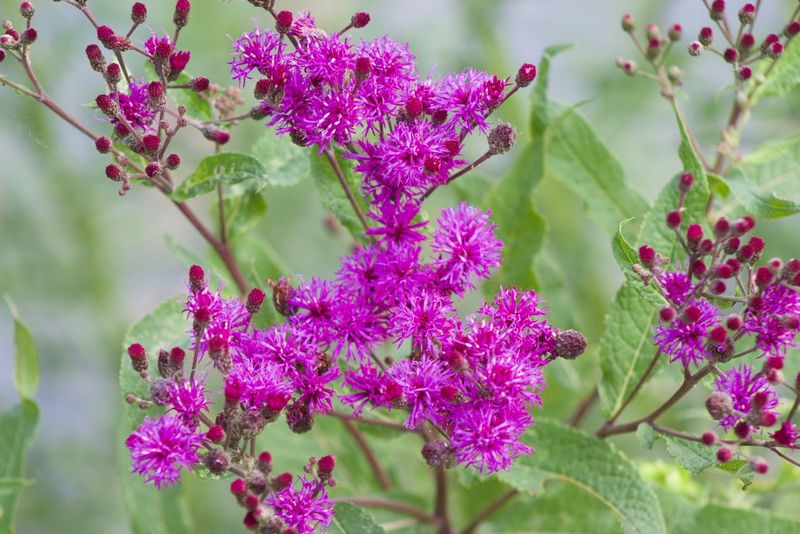
Walking past a patch of ironweed in full bloom is hard to do without stopping.
The flowers are an intense, almost electric shade of purple that stands out boldly in any garden, and the plant can reach five to eight feet tall, giving it a commanding presence in the back of a border or along a fence line.
For gardeners looking to add real vertical interest to a pollinator planting, ironweed delivers in a big way.
Tall ironweed, which is native to Ohio, blooms in late summer and draws in an impressive variety of pollinators. Monarch butterflies, swallowtails, bumblebees, and many native bee species visit the flowers regularly.
Because it blooms after many spring and early summer plants have finished, ironweed helps fill a critical gap in the pollinator season when nectar can be harder to find.
In the home landscape, ironweed works best in naturalized areas, rain gardens, and the back of wide perennial borders where its height can be appreciated rather than hidden.
It handles moist soils well, which makes it a practical option for low spots in a yard that tend to stay wet after heavy rain.
Cutting the plant back by about a third in early summer can help reduce its mature height slightly, making it easier to manage in smaller garden spaces. The bold color and pollinator activity it brings to late summer gardens make ironweed a standout Ohio native.
6. Mountain Mint Offers Long-Lasting Pollinator Value
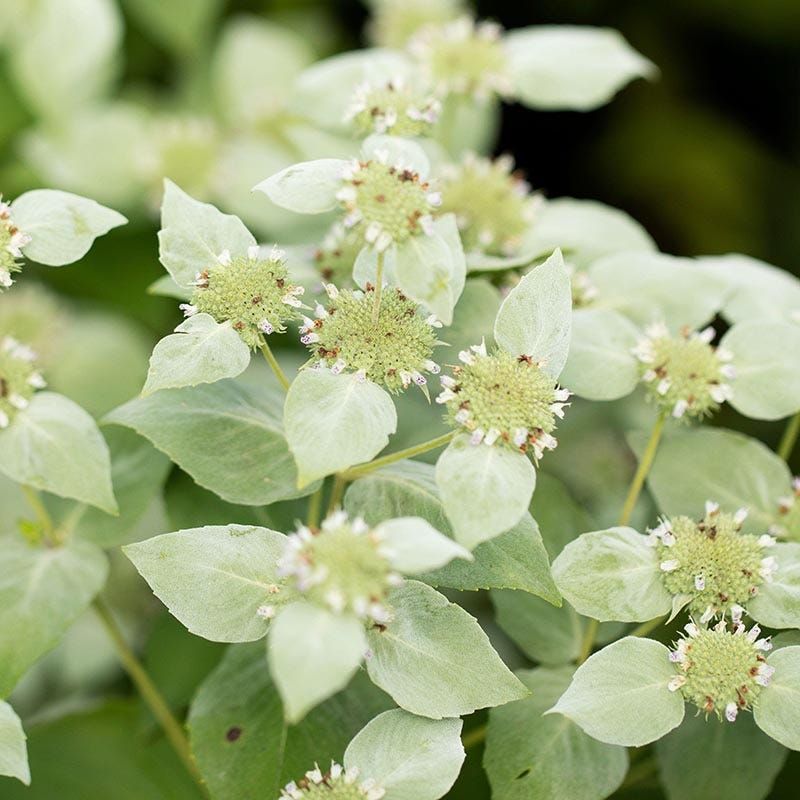
If there is one plant that consistently surprises gardeners with the sheer volume of insect activity it attracts, mountain mint is it.
On a warm summer day, a single clump of mountain mint in full bloom can be covered in dozens of native bees, wasps, beetles, and small butterflies all at once.
The display is almost hard to believe until you see it for yourself.
Mountain mint blooms from midsummer into early fall, giving it one of the longest bloom windows of any Ohio native plant.
The small white flowers may look modest compared to showier natives, but they produce nectar in abundance and are accessible to a wide range of pollinators, including many small native bee species that struggle with larger or more complex flowers.
That broad accessibility makes mountain mint especially valuable in a diverse pollinator garden.
Virginia mountain mint and clustered mountain mint are both native to Ohio and work well in home garden settings.
Both prefer full sun and average to dry soils, and they spread gradually by rhizomes, which can be managed easily by dividing clumps every few years.
The silvery-green foliage has a pleasant minty scent when brushed, adding a sensory element that many gardeners appreciate. Mountain mint fits naturally into sunny pollinator borders, cottage-style gardens, and mixed native beds.
For gardeners who want reliable, long-season pollinator support without a lot of fuss, mountain mint earns its place in the garden every single year.
7. Purple Coneflower Adds Easy Summer Nectar
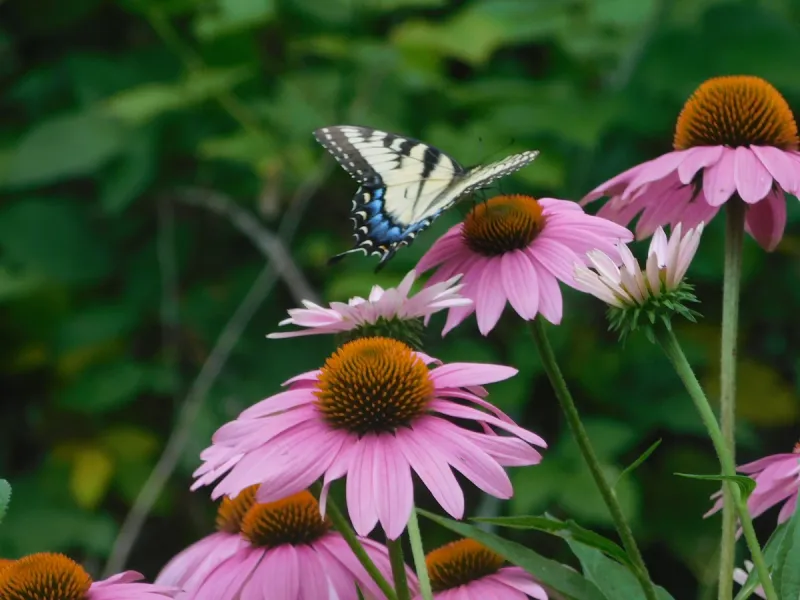
Purple coneflower may be one of the most recognizable native plants in Ohio, and for good reason.
It blooms reliably from early summer into fall, handles heat and drought with ease, and supports pollinators at a time of year when many spring favorites have already finished.
For gardeners just starting to build a pollinator-friendly yard in Ohio, coneflower is often the first native plant that comes to mind, and it rarely disappoints.
Bumblebees, sweat bees, and long-tongued native bees visit the flowers frequently throughout summer. Butterflies, including fritillaries and skippers, also make regular stops.
Once the blooms fade, the spiky seed heads attract goldfinches and other seed-eating birds, which extends the plant’s value well beyond its bloom period. Leaving the seed heads standing through fall and winter benefits both birds and the garden’s overall structure.
Purple coneflower grows well in full sun to light shade and tolerates a range of Ohio soil types, from average garden soil to fairly dry conditions once established.
It fits comfortably in pollinator borders, cottage gardens, sunny foundation beds, and mixed perennial plantings.
Deadheading spent blooms can encourage more flowers, but leaving some seed heads in place rewards birds and adds winter interest. Clumps can be divided every few years to keep plants vigorous.
For gardeners who want a low-effort, high-reward native plant that supports pollinators from early summer through fall, purple coneflower is a dependable and well-loved choice.