Do This To Texas Lantana In May For Non-Stop Summer Color
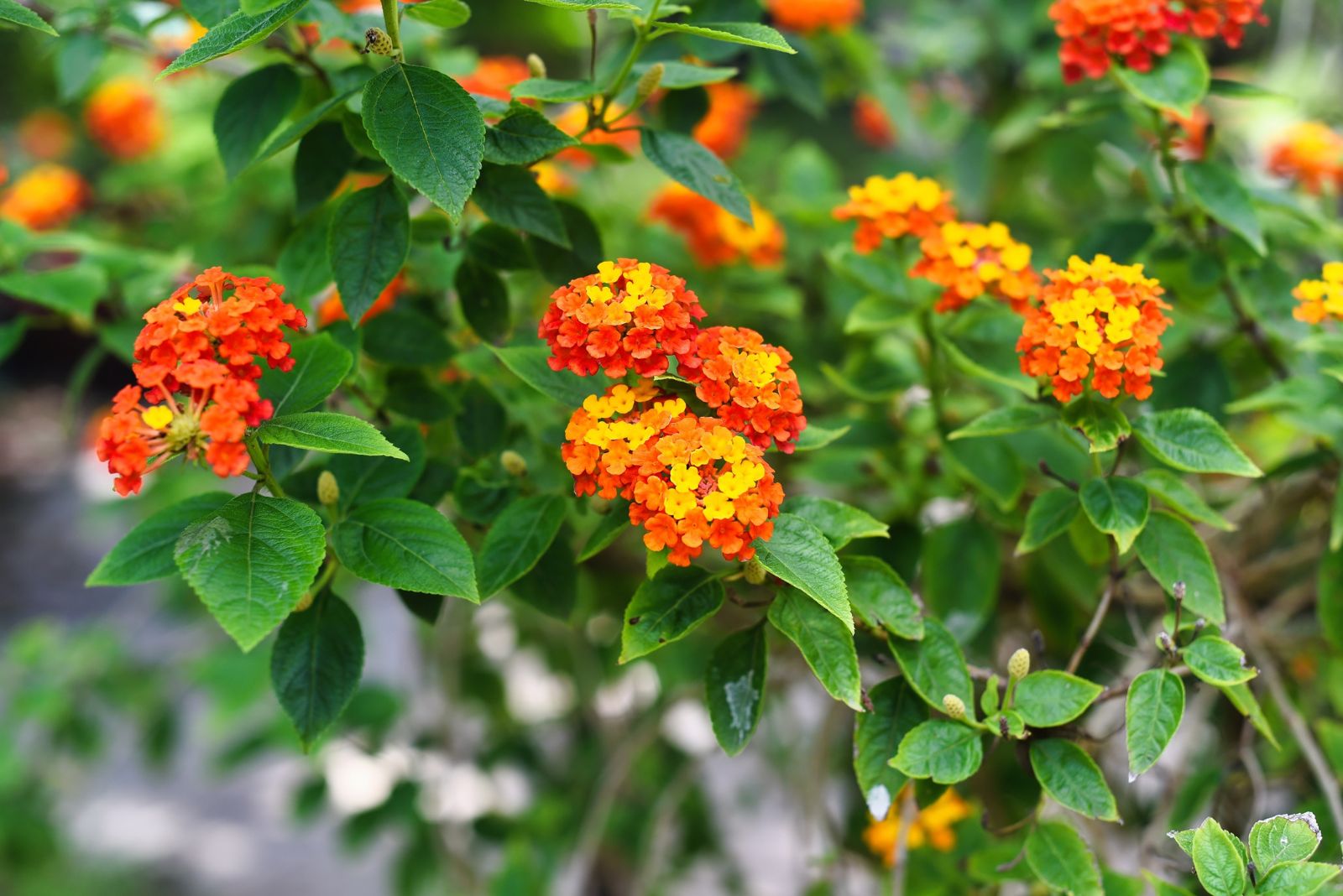
Lantana is one of the hardest working plants in a Texas summer garden, pushing out color through heat that shuts down almost everything else.
But there is a real difference between lantana that blooms steadily all season and lantana that flares up early and then limps through the hottest months looking tired and overgrown.
What you do in May, before the full weight of summer arrives, sets the tone for everything that comes after.
A little focused attention right now, the right pruning, feeding, and a few simple adjustments to how you manage the plant, can keep lantana producing nonstop color from early summer all the way into fall.
Most of these steps take almost no time, but the results show up clearly once the heat is on. If you want your lantana performing at its best through the entire Texas summer, May is the month to get things right.
1. Cut Back Winter Damage Early
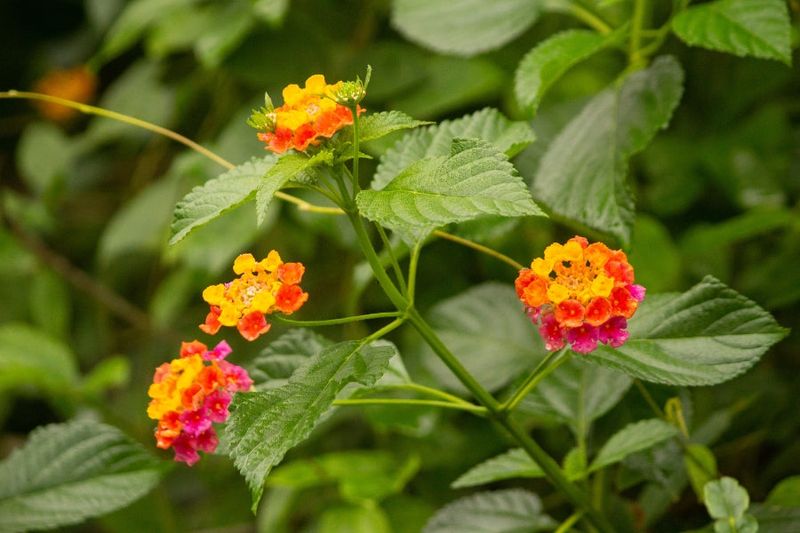
Grab your pruning shears and take a good look at your lantana before summer really heats up. After winter, you will likely notice some branches that look brown, dry, or just plain scraggly.
Those are the ones you want to remove first. Cutting them back in May gives the plant a fresh start and helps it focus its energy on producing new, healthy growth.
Start by snipping off any stems that feel hollow or brittle. Then look for branches that are long and stretched out with little to no leaves.
These leggy stems rarely produce good blooms. Removing them encourages the plant to grow bushy and full instead of tall and sparse.
Many gardeners are surprised at how quickly lantana bounces back after a good trim. Within just a couple of weeks, you will start to see fresh green shoots popping up all over the plant.
Those new shoots are what will carry your summer flower show. Do not be afraid to cut back hard if the plant looks really rough. Lantana is incredibly tough and resilient.
As long as there are a few healthy stems left near the base, it will recover fast. Aim to remove about one-third of the overall plant to start.
You can always take a little more off if needed. A clean, well-shaped lantana in May sets the stage for a spectacular summer display that your neighbors will definitely notice and admire.
2. Plant It In Full Texas Sun
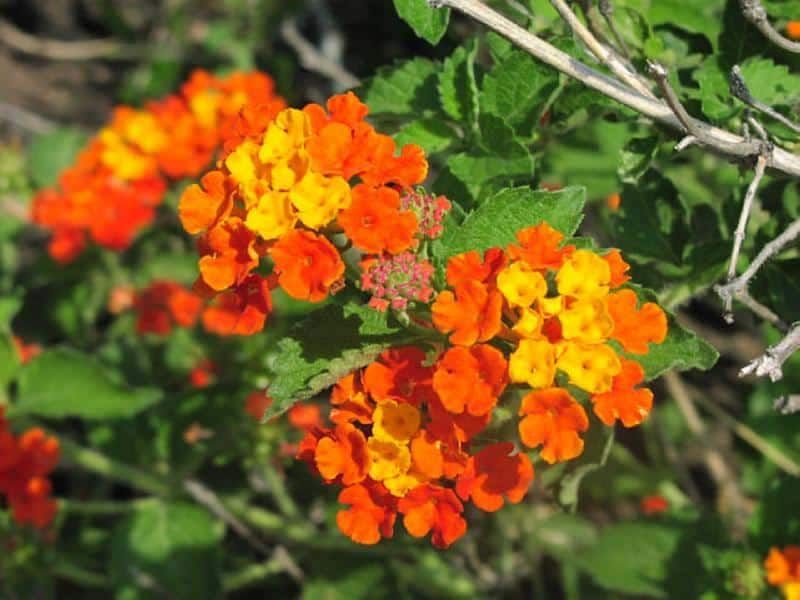
Lantana and sunshine go together like barbecue and summer weekends. If you are planting a new lantana this May, or thinking about moving one that has not been performing well, the most important thing you can do is put it in full sun.
Full sun means at least six to eight hours of direct sunlight every single day. Texas summers can be brutal, but lantana actually loves the heat. The more intense the sunlight, the more flowers the plant tends to produce.
Shady spots might seem like a kindness during hot months, but lantana planted in shade tends to get leggy, produce fewer blooms, and become more vulnerable to problems like powdery mildew.
Your Texas Garden Changes Every Week. Your Plan Should Too.
Gardening in Texas changes quickly throughout the season. Every Friday you’ll receive a simple weekly plan showing exactly what to plant, prune, fertilize, harvest, and protect so you never miss the right timing.
When choosing a planting spot, think about the south or west side of your yard. These areas typically receive the most direct sunlight throughout the day.
Avoid spots close to large trees or buildings that block afternoon sun, since afternoon light is especially powerful and beneficial for lantana blooming.
Did you know that lantana is actually native to tropical regions of the Americas? It evolved to handle intense sunlight and heat, which is exactly why it fits so perfectly into the Texas landscape.
Once established in the right sunny spot, it practically takes care of itself. New plantings in May will benefit from the long summer days ahead, giving roots time to settle in before the peak heat of July and August.
A sunny location is truly the single biggest factor in getting nonstop color from your lantana all season long.
3. Avoid Overwatering Established Plants
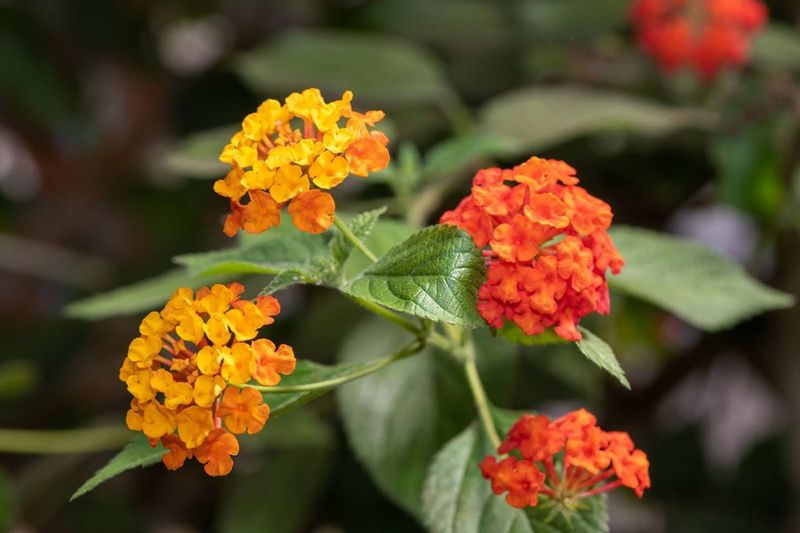
Here is something that surprises a lot of new gardeners: watering your lantana too much can actually hurt it. Once established, lantana is a drought-tolerant plant that prefers to dry out a bit between waterings.
Giving it too much water too often leads to weak roots, fewer flowers, and a plant that just looks off.
Overwatering is one of the most common mistakes people make with lantana in Texas. The soil here can vary a lot, but in many areas it holds moisture longer than you might expect.
Before you reach for the hose, stick your finger about two inches into the soil near the base of the plant. If it still feels damp, wait another day or two before watering.
Established lantana plants, meaning those that have been in the ground for at least one full growing season, can often go a week or more without supplemental water during mild weather. During a real dry stretch, a deep watering once a week is usually plenty.
The key word is deep. A slow, thorough soak encourages roots to grow downward, which makes the plant even more drought-resistant over time.
Potted lantana is a slightly different story since containers dry out faster than garden beds. Even so, always check before watering rather than following a strict schedule.
Learning to read what your plant actually needs, rather than watering out of habit, will keep your lantana blooming strong and looking its best all the way through the hottest part of the Texas summer season.
4. Use Light Fertilizer Only If Needed
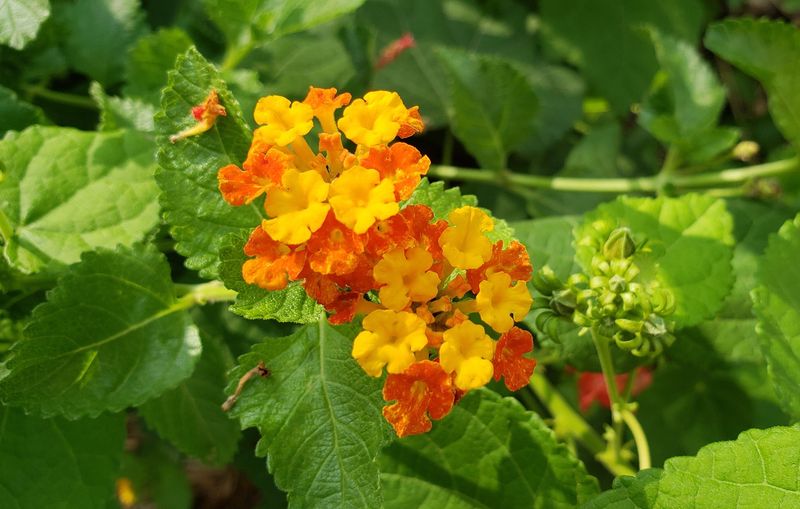
Walk into any garden center in May and you will see shelves loaded with fertilizers promising bigger, better blooms. For most plants, a little fertilizer goes a long way.
But with lantana, less is almost always more. Feeding it too much, especially with a high-nitrogen fertilizer, pushes the plant to grow a lot of leaves instead of flowers.
Nitrogen is the nutrient that drives leafy green growth. If your lantana is already growing in reasonably healthy soil, it probably does not need much extra feeding at all.
Before adding any fertilizer, take a good look at your plant. If the leaves are a healthy medium green and the plant is actively growing, you can likely skip fertilizing altogether and still get a great bloom season.
If the leaves look pale yellow or the plant seems slow and sluggish after pruning, a light application of a balanced slow-release fertilizer can give it a gentle nudge. Look for a product with equal or lower nitrogen compared to phosphorus and potassium.
A formula like 5-10-10 or similar supports root and flower development without pushing excessive leaf growth.
Apply fertilizer sparingly, following the package directions carefully. More is not better here.
Overfed lantana tends to look lush and green but bloom far less than plants left to grow more naturally. One light feeding in May, if truly needed, is usually all your lantana requires for the entire summer.
After that, let the plant do its thing. Texas lantana is wonderfully self-sufficient when given the right conditions and not fussed over too much.
5. Mulch Around The Roots
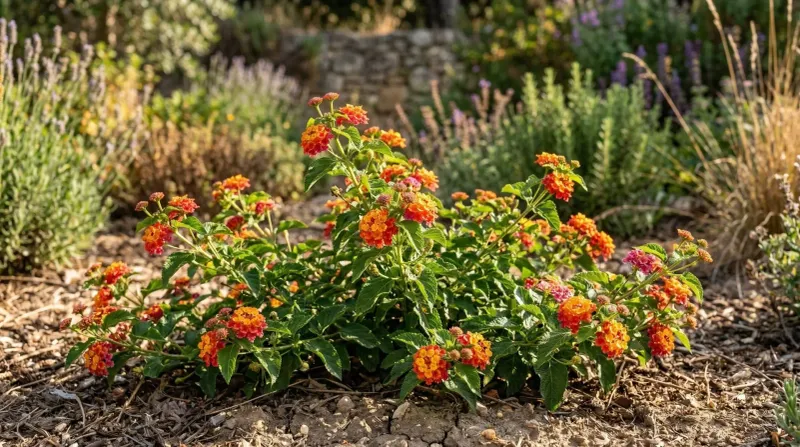
May is the sweet spot for mulching your lantana before the serious Texas heat sets in. A layer of mulch around the base of the plant acts like a shield for the soil underneath.
It slows down moisture evaporation, keeps the root zone a few degrees cooler, and helps prevent weeds from competing with your plant for water and nutrients.
Spread mulch in a ring around the base of the plant, starting a few inches away from the main stem. You never want mulch piled right up against the stem itself because that can trap moisture and lead to rot.
Aim for a layer about two to three inches deep. That thickness is enough to make a real difference without smothering the soil.
Wood chips, shredded bark, or pine straw all work well for lantana. Avoid using rocks or gravel as mulch directly around the plant.
While rocks look tidy and are popular in Texas landscapes, they absorb and radiate heat intensely, which can stress roots during peak summer temperatures. Organic mulches break down slowly over time and actually improve soil quality as they decompose.
One extra benefit of mulching in May is that it gives you a head start before the brutal heat of July and August arrives. Once summer really cranks up, the ground can bake hard and fast.
Having that protective layer already in place means your lantana roots stay more stable and comfortable through the worst of it. A small effort in May pays off in a much more resilient and colorful plant all summer long.
6. Deadhead Spent Flower Clusters Occasionally
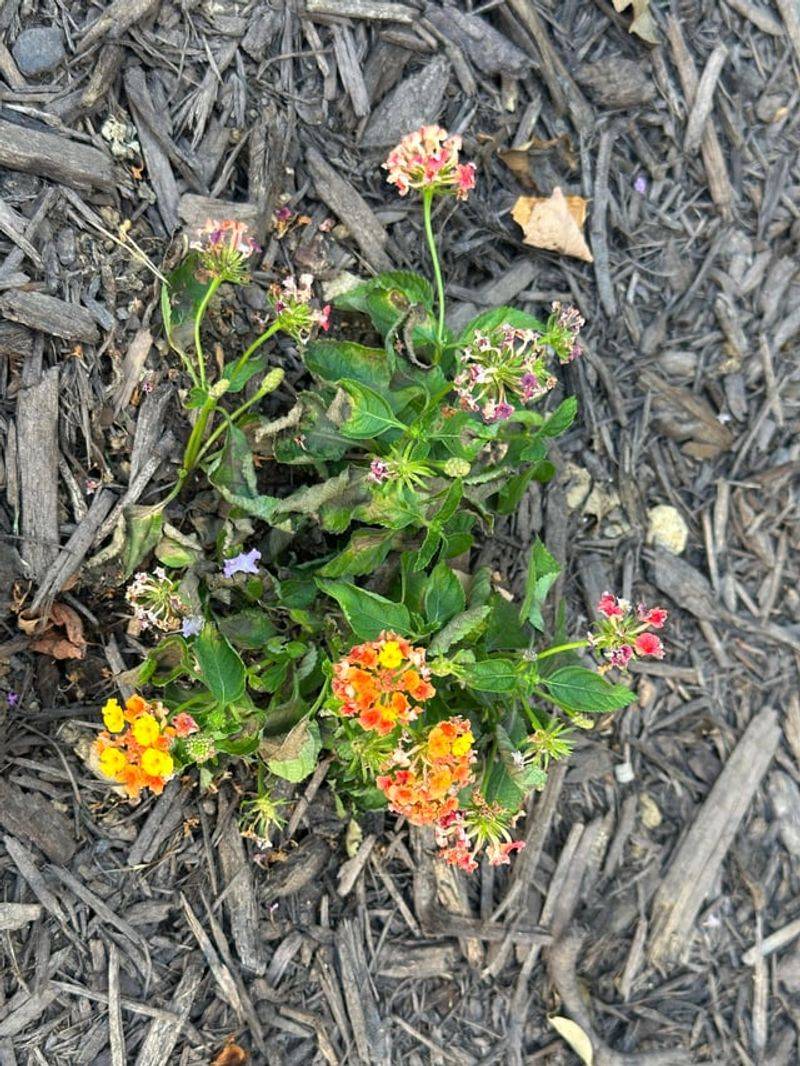
Picture your lantana covered in bright clusters of orange, yellow, red, and pink. Now imagine those clusters fading to brown and just sitting there.
Not the prettiest sight, right? Deadheading, which simply means removing those spent or faded flower heads, is an easy habit that keeps your plant looking fresh and encourages it to keep blooming all summer long.
Lantana does not require deadheading as aggressively as some other flowers like roses or zinnias. But giving it a quick once-over every week or two makes a noticeable difference.
When you remove the old flower clusters, you are signaling to the plant that its job of producing seeds is not done yet. That pushes it to send up new flower buds to replace the ones you removed.
You do not need any fancy tools for this task. Simply pinch off the faded clusters between your fingers, or use a small pair of scissors or pruners if the stems are a bit tough.
Focus on clusters that have turned brown, look dried out, or have started forming small dark berries. Removing the berries is especially helpful since they take energy away from flower production.
Keep in mind that lantana berries are toxic to humans and pets, so removing them is a smart safety move as well. Do a quick deadheading session in the morning when the garden is cool and pleasant.
It only takes a few minutes and makes a big visual impact. Consistent light maintenance like this is what separates a good-looking lantana from a spectacular one that steals the show all summer.