Why California Roses Look Exhausted By June And What They Need Right Now
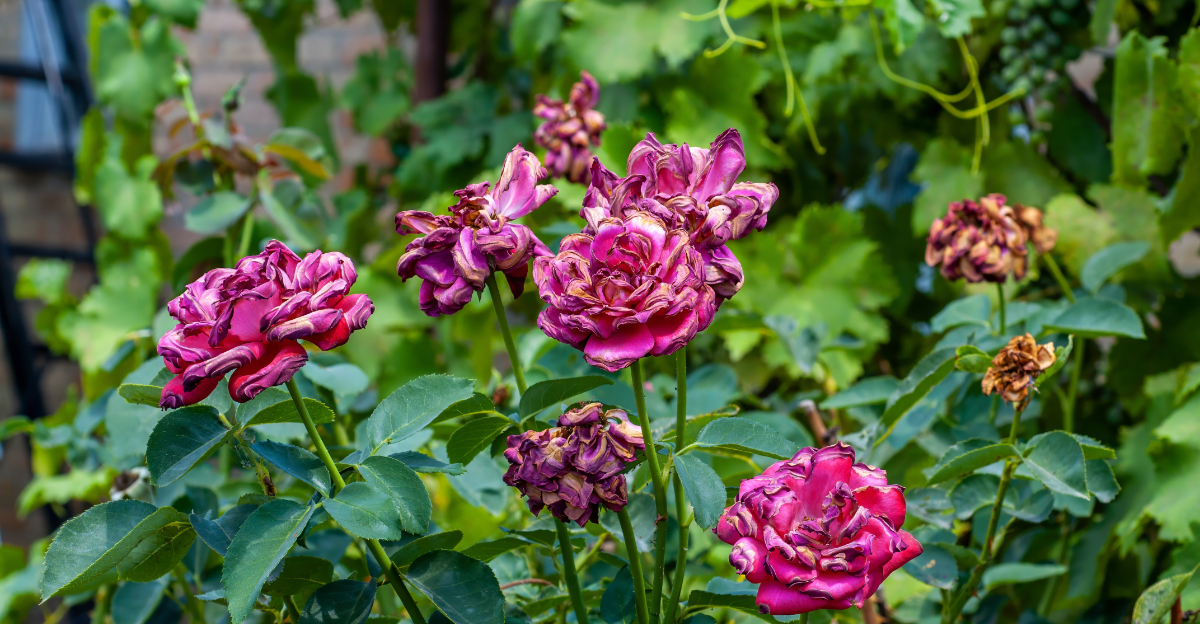
June can make even well loved California roses look like they have had enough. The first flush of blooms may be fading, the leaves can look tired, and the whole plant may seem less cheerful than it did a few weeks ago.
That shift can worry gardeners, especially when the heat starts building fast. Roses are strong, but they are not endless little flower machines.
After spring growth, they often need better support to keep going. The clues can be subtle at first, then suddenly the plant looks worn out overnight.
Water, feeding, pruning, and summer stress can all play a part, but the real answer depends on what the rose is showing you.
This is the moment to pay closer attention before the season gets tougher. A rose that looks exhausted in June may not be failing. It may just be asking for the kind of care that helps it bloom again.
1. Heat Stress
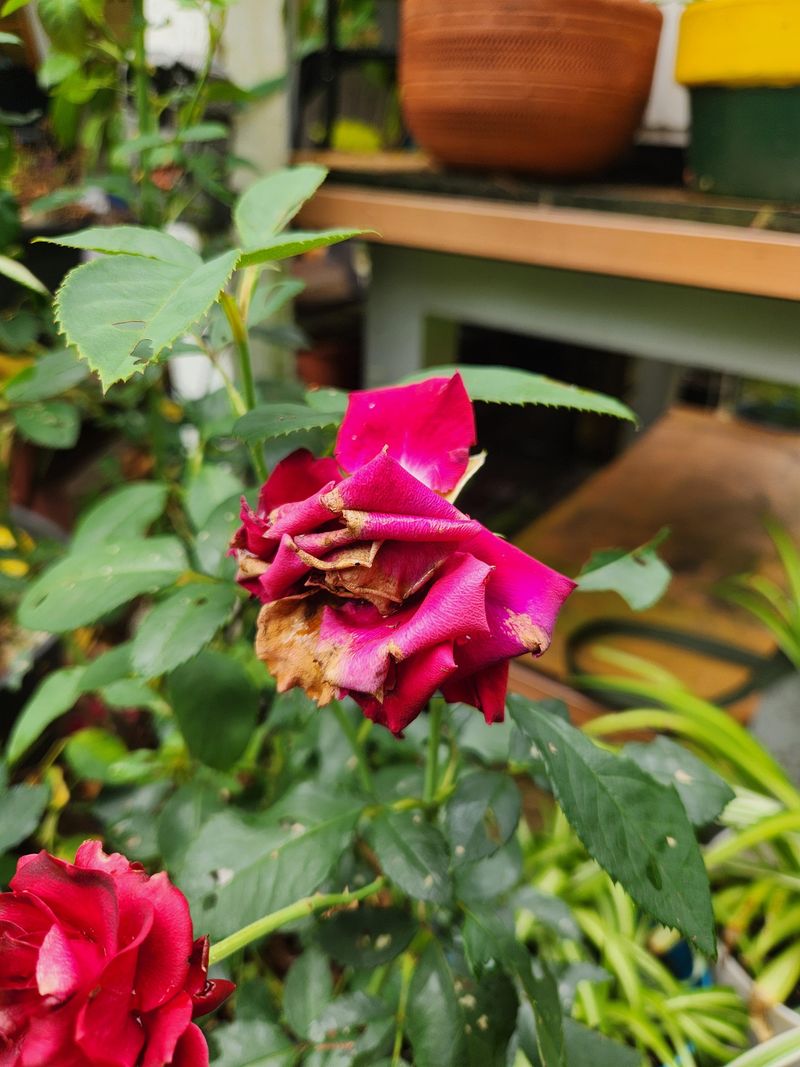
June heat in our state can be brutal, and roses feel every bit of it. When temperatures climb past 85 degrees, roses start to struggle. You might notice drooping stems, smaller blooms, or petals that fall off way too fast.
Heat stress happens when the plant loses water faster than its roots can replace it. The leaves curl inward to protect themselves. Blooms may open quickly and fade within a day or two instead of lasting a full week.
One of the best things you can do is water deeply in the early morning. This gives roots time to soak up moisture before the hot part of the day hits.
Avoid watering in the afternoon when most of the water evaporates before reaching the roots.
Adding a thick layer of mulch around the base of each rose bush also makes a big difference.
Mulch keeps the soil cooler and holds in moisture longer. Aim for about three inches of wood chips or bark mulch around each plant.
Some gardeners also use a light shade cloth during the hottest weeks of summer. This can reduce heat stress significantly without blocking all the sunlight roses need to bloom.
Even a little afternoon shade from a nearby tree or fence can help your roses stay fresher and more vibrant through the toughest part of summer.
2. Spent Blooms
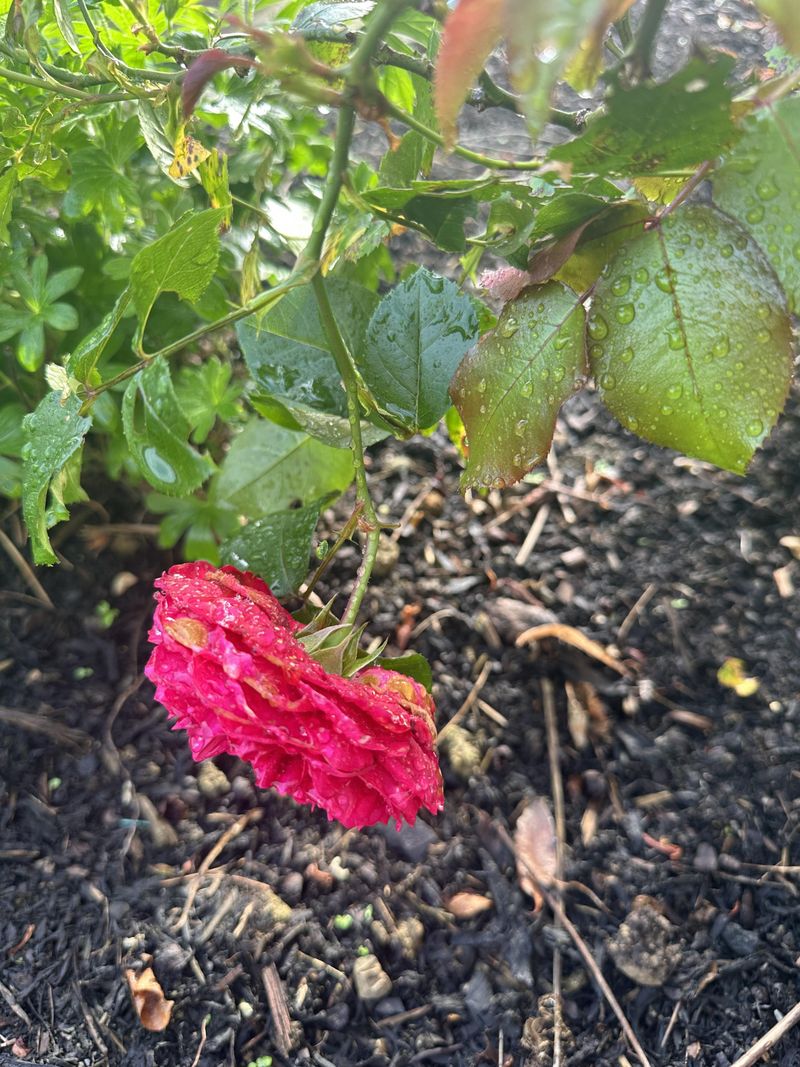
Old blooms left on the plant are one of the most overlooked reasons roses slow down in June.
Once a flower fades and starts to dry out, the plant puts energy into forming seeds instead of new flowers. That means fewer blooms for you.
Deadheading is the simple act of cutting off spent blooms. It sounds fancy, but it just means removing flowers that are past their prime. When you do this regularly, you signal the plant to keep making new buds.
Use clean, sharp pruning shears to make your cuts. Cut just above the first set of five leaves below the spent bloom. Make your cut at a slight angle so water does not pool on the cut end.
Your California Garden Changes Every Week. Your Plan Should Too.
Gardening in California changes quickly throughout the season. Every Friday you’ll receive a simple weekly plan showing exactly what to plant, prune, fertilize, harvest, and protect so you never miss the right timing.
Deadheading every few days during peak bloom season can make a noticeable difference in how full and lively your rose bush looks. It keeps the plant tidy and encourages fresh growth to push through from below.
Some rose varieties, called self-cleaning roses, drop their petals on their own and do not need much deadheading. But most traditional hybrid tea and grandiflora roses really benefit from regular cleanup.
Getting into the habit of spending just five or ten minutes a week removing old flowers can completely transform how productive and beautiful your roses stay all the way through the summer season.
3. Dry Soil
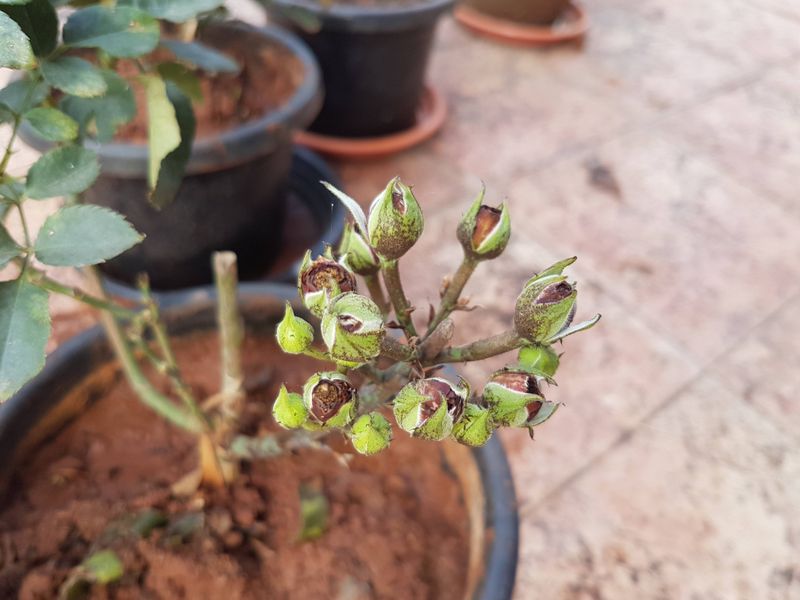
Soil that dries out too fast is a major problem for roses in our state during summer. Sandy or rocky soils drain quickly and leave roots thirsty long before the next watering day.
Even clay soils can form a hard crust on top that stops water from soaking in properly. Checking your soil moisture is easy.
Push your finger about two inches into the ground near the base of the plant. If it feels dry at that depth, your rose needs water right away. If it still feels slightly damp, you can wait another day.
Roses generally need about one to two inches of water per week during hot weather. In our state, that often means watering two to three times a week in June and July. Deep, slow watering is always better than quick, shallow watering.
Improving your soil with compost is a smart long-term fix. Mixing compost into the top layer of soil helps it hold moisture much better. Do this in spring or early fall when you are not in the peak of summer heat.
Drip irrigation systems are popular with rose growers for good reason. They deliver water slowly and directly to the root zone. This reduces waste and keeps the leaves dry, which also helps prevent fungal diseases.
Setting up a simple drip system can save time and keep your roses much happier all season long.
4. Uneven Watering
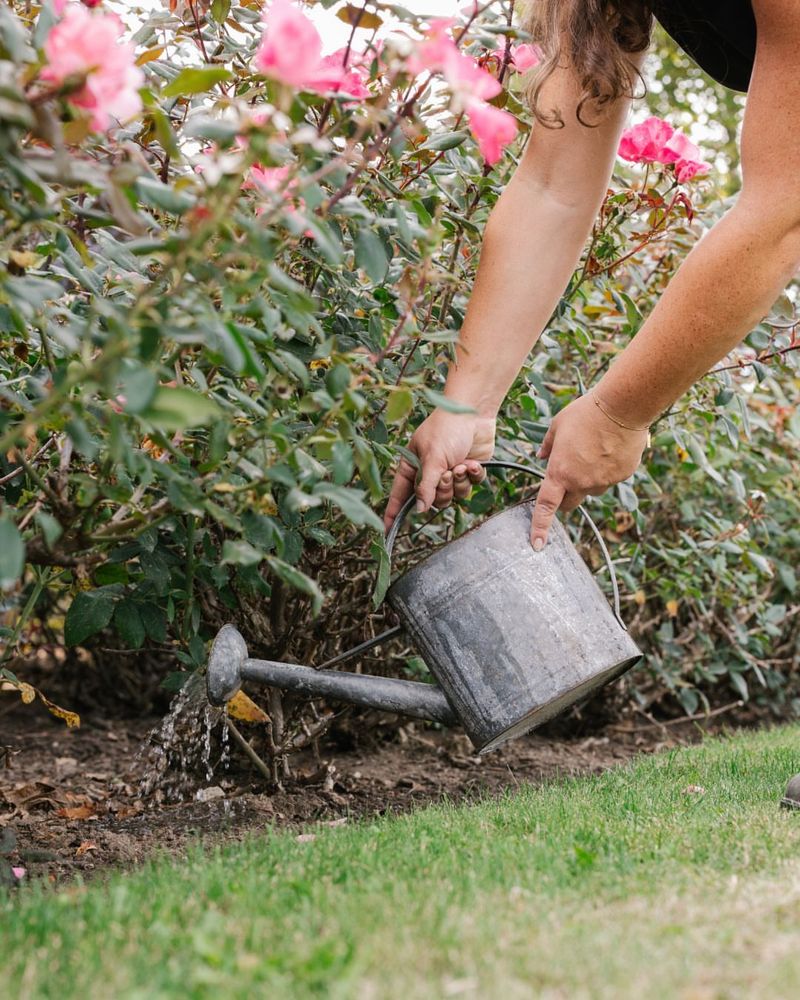
Watering roses too much one week and too little the next creates a rollercoaster effect that stresses the plant out.
Roots need consistency to do their job well. When the soil swings from soggy to bone dry, roses respond with yellow leaves, weak stems, and poor blooming.
Overwatering is actually just as harmful as underwatering. Roots sitting in waterlogged soil cannot get the oxygen they need. This leads to root problems and a plant that looks wilted even when the soil is wet.
The key is building a steady watering schedule and sticking to it. Water deeply and less often rather than giving small amounts every day. Deep watering encourages roots to grow down into cooler, moister soil layers.
A soaker hose or drip line set on a timer is one of the easiest ways to keep watering consistent.
You set it once and the system does the work for you. This removes the guesswork and helps prevent the feast-or-famine cycle that stresses roses out.
Pay attention to how your roses look between watering days. Slightly wilted leaves in the morning before the sun gets hot can be a sign of underwatering. Yellow leaves with green veins often point to overwatering or nutrient issues.
Learning to read these signs early helps you make small adjustments before bigger problems develop in your garden.
5. Low Nutrients
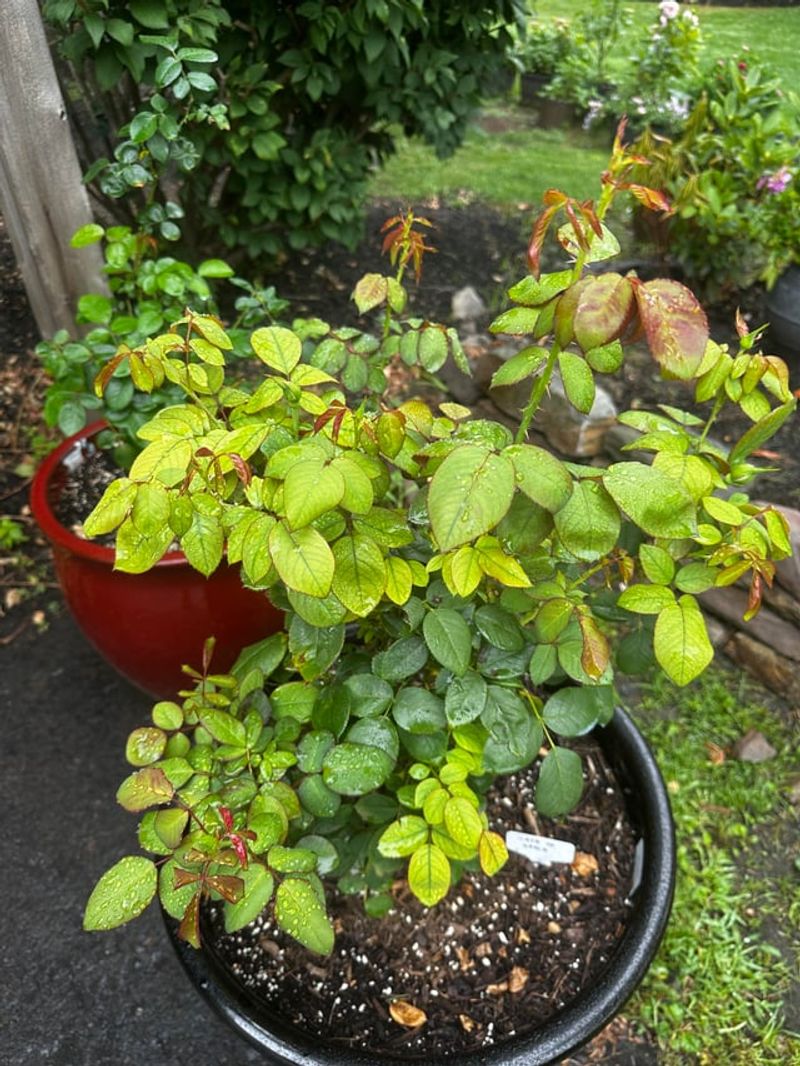
Roses are heavy feeders, which means they use up nutrients in the soil pretty quickly. By June, the fertilizer applied in early spring may already be running low.
When nutrients run out, roses show it fast with pale leaves, weak growth, and fewer flowers.
Nitrogen is the nutrient roses need most for lush, green growth. Phosphorus supports strong root development and healthy blooms. Potassium helps the whole plant stay strong and resist stress from heat and pests.
A balanced rose fertilizer with an equal ratio of these three nutrients works well for most situations. Look for products labeled specifically for roses at your local garden center.
Follow the directions on the package carefully to avoid over-fertilizing, which can burn the roots.
Fertilizing every four to six weeks during the growing season keeps roses well-fed without overdoing it.
Stop fertilizing about six weeks before your first expected frost date in fall. This gives the plant time to slow down naturally before cooler weather arrives.
Organic fertilizers like fish emulsion, alfalfa meal, or compost tea are popular choices among rose enthusiasts.
They release nutrients slowly and also improve soil health over time. Mixing organic and slow-release chemical fertilizers gives you both quick results and long-term soil improvement.
Your roses will reward you with stronger stems, deeper color, and blooms that last much longer through the rest of summer.
6. Spider Mites
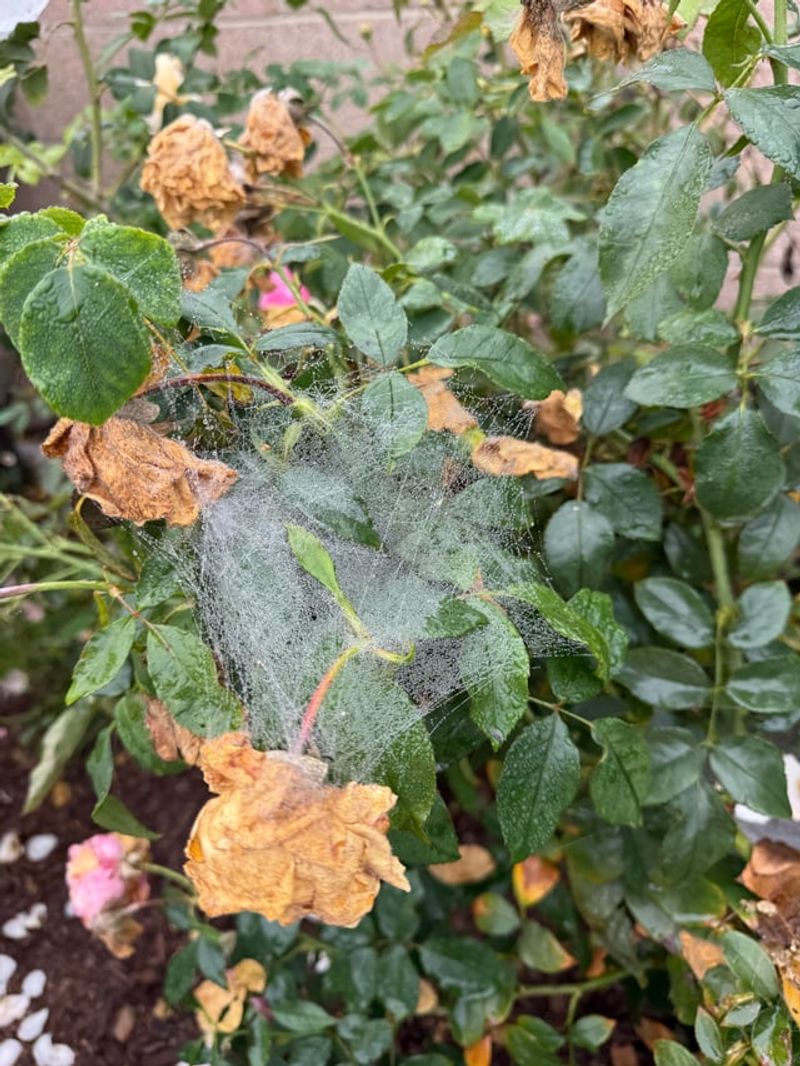
Tiny and nearly invisible, spider mites are one of the most common summer pests that attack roses when the weather gets hot and dry.
These minuscule creatures live on the undersides of leaves and suck out the plant’s fluids. The damage they leave behind looks like tiny yellow or bronze dots all over the leaf surface.
If you look closely and see fine webbing on the undersides of leaves, spider mites are almost certainly the problem.
A single plant can host thousands of these pests before you even notice something is wrong. They multiply fast in hot, dry conditions.
One of the easiest first steps is to spray the undersides of leaves with a strong stream of water from the hose.
This knocks mites off the plant and disrupts their colonies. Do this in the morning so the leaves have time to dry before evening.
For heavier infestations, insecticidal soap or neem oil spray works well. These products are safe for most beneficial insects when used correctly.
Spray in the early morning or late evening to avoid burning the leaves in direct sunlight.
Keeping your roses well-watered and healthy makes them more resistant to spider mite attacks. Stressed, dry plants are much more vulnerable.
Check your roses at least once a week during summer by flipping over a few leaves and looking closely.
Catching mites early makes them much easier to manage before they spread across your whole garden.
7. Leaf Disease
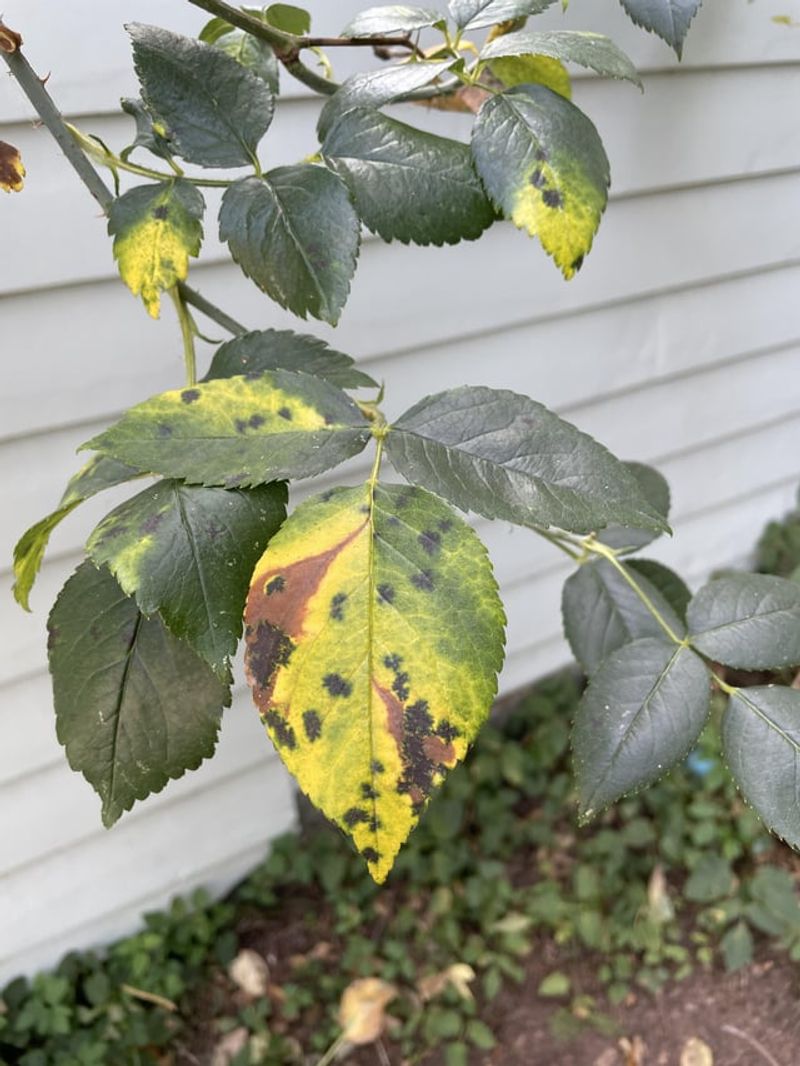
Black spot is probably the most well-known rose disease, and it thrives in warm, humid conditions.
It shows up as dark circular spots on the leaves, often surrounded by a ring of yellow. Leaves with black spot will eventually turn completely yellow and fall off the plant.
Powdery mildew is another common leaf disease that appears as a white, powdery coating on new growth.
It tends to show up when nights are cool and days are warm, which is a common pattern in many parts of our state during early summer.
Both diseases spread through water droplets on the leaves. Avoiding overhead watering goes a long way toward preventing them. Always water at the base of the plant and try to keep the foliage as dry as possible.
Good garden hygiene is also essential. Remove and bag any fallen leaves right away rather than leaving them on the ground.
Diseased leaves left on the soil can reinfect the plant through water splashing back up onto the leaves.
Fungicide sprays help manage active infections. Look for products containing copper, sulfur, or myclobutanil. Apply according to the label instructions and repeat as directed.
Many gardeners also choose disease-resistant rose varieties to reduce the need for frequent spraying.
Combining resistant varieties with good watering habits and regular cleanup gives you the best chance of keeping your roses healthy and beautiful all season long.
8. Sun Scorch
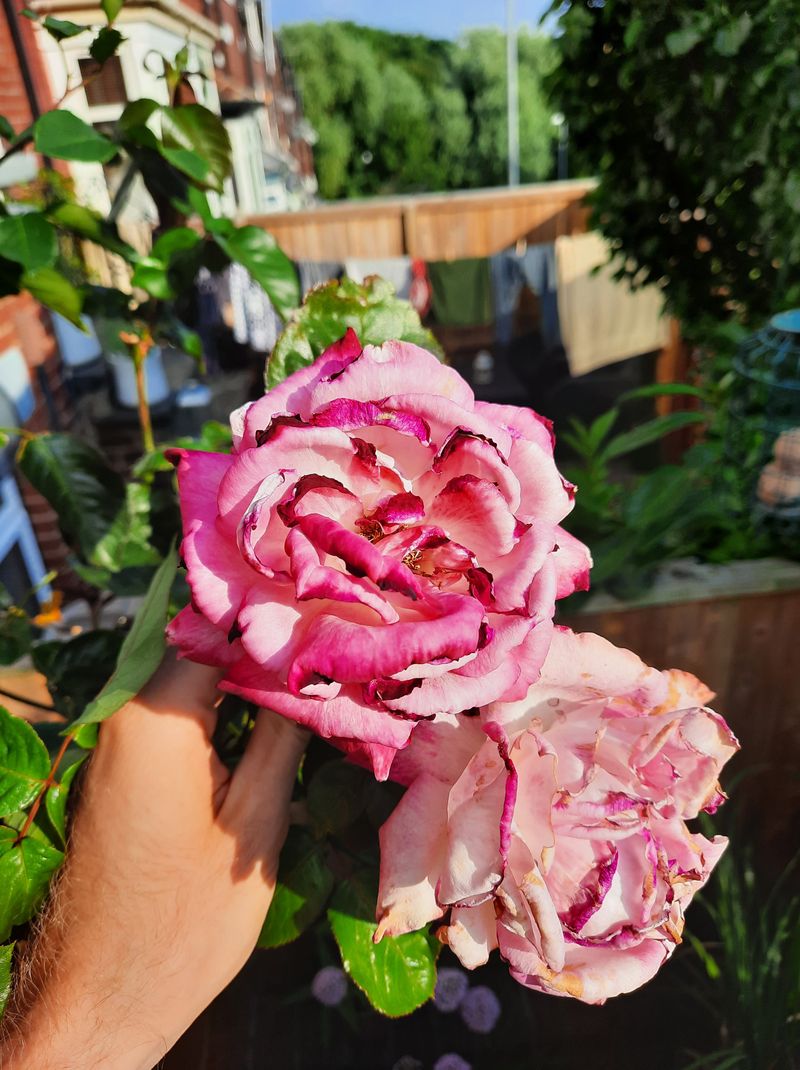
Too much direct sun sounds like a strange problem for a plant that loves sunshine, but intense summer rays can actually burn rose petals and leaves.
Sun scorch typically shows up as bleached or pale patches on petals and crispy brown edges on leaves. Blooms may open unevenly or look washed out instead of vibrant.
Roses planted in spots that get full western sun exposure are especially vulnerable. The afternoon sun in our state during June and July is extremely intense.
Even sun-loving roses can struggle when they are baking in direct heat for eight or more hours a day.
Reflective surfaces nearby can make the problem worse. Light-colored walls, concrete driveways, and fences can bounce extra heat and light onto nearby rose bushes. This creates a magnifying effect that pushes temperatures even higher around the plant.
If you notice consistent scorching in the same spot every summer, consider adding shade from a nearby plant, trellis, or shade cloth during the hottest weeks.
Even two or three hours of afternoon shade can reduce scorching dramatically without hurting bloom production.
Keeping roses well-watered also helps them handle intense sun better. A hydrated plant can regulate its temperature more effectively than a thirsty one. Mulching the soil to keep roots cool is another helpful layer of protection.
Healthy, well-fed roses with consistent moisture are far better equipped to handle the bright, intense sunshine that comes with summer in our state.
9. Poor Airflow
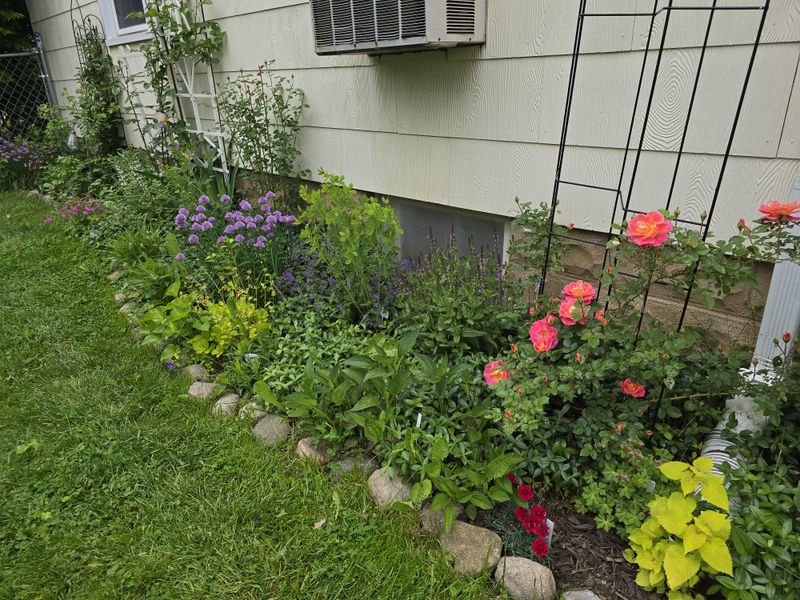
Roses packed too closely together or grown against a solid wall or fence often struggle with poor airflow.
When air cannot move freely through and around the plant, moisture sits on the leaves for too long. That creates the perfect environment for fungal diseases like black spot and powdery mildew to take hold.
Overgrown canes crossing over each other also block light from reaching the inner parts of the bush.
Without light and airflow in the center of the plant, weak growth develops and disease spreads more easily. This is a very common issue in older, established rose beds.
Pruning is the most effective fix for poor airflow. Remove any canes that are crossing, rubbing against each other, or growing toward the center of the plant. Opening up the middle of the bush allows air to flow through and light to reach lower leaves.
Spacing matters too. Roses generally need at least two to three feet of space between plants to allow for good circulation.
If your roses are planted too closely, consider relocating some of them in the fall when the heat has passed.
Regular light pruning throughout the season, not just in spring, keeps plants open and airy. Remove any dead or weak growth as you spot it.
A rose bush with good airflow looks tidier, blooms more freely, and resists disease much better than one that is crowded and cramped. Good pruning habits are one of the simplest investments you can make in your roses.