Why Your Florida Bougainvillea Drops All Its Blooms In Summer (And What To Fix)
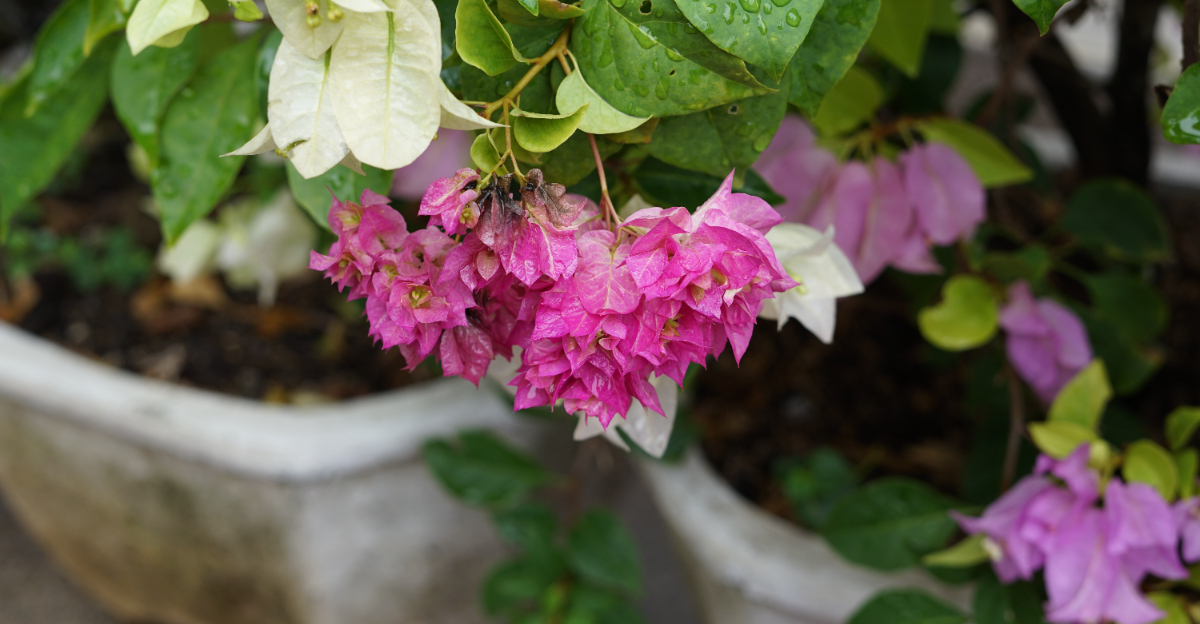
You waited all season for that explosion of color. Then summer hit, and your bougainvillea dropped every last bloom like it had somewhere better to be.
Frustrating doesn’t even cover it. The good news is this isn’t random, and it isn’t your plant giving up on you.
Bougainvillea bloom drop in Florida summer follows a very predictable pattern with very fixable causes. Most gardeners never figure it out because everything points to the heat, when the real culprits are usually hiding in plain sight.
Overwatering during the rainy season. Wrong pruning timing.
Soil that’s holding too much moisture. Stress from roots that never quite settled in.
Fix the right thing and your bougainvillea snaps back fast. It’s one of the most resilient plants in Florida landscaping, it just needs the conditions to match what it actually wants, not what we assume it wants.
A few adjustments and that wall of color comes roaring back.
1. Check Whether Summer Stress Triggered The Bloom Drop
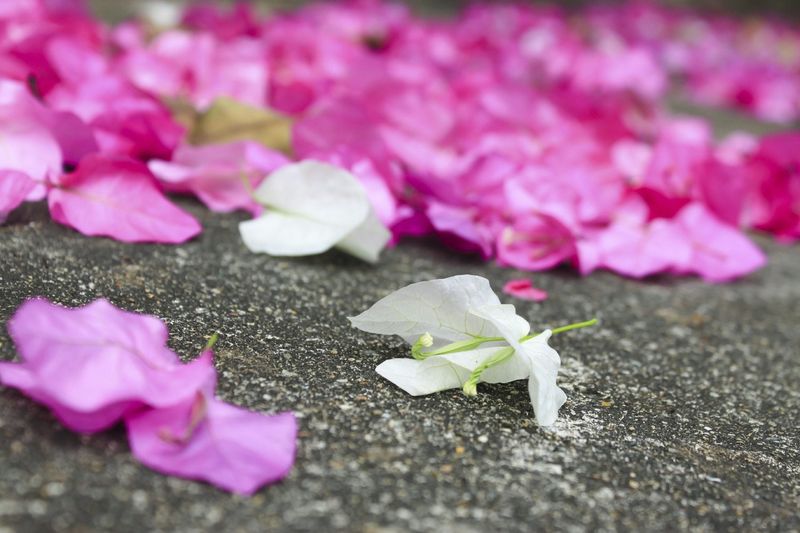
A sudden flower drop often has a recent trigger, and the best place to start is by thinking back over the last two to three weeks. Did the weather shift quickly?
Did heavy rain arrive after a dry stretch? Did temperatures spike several days in a row?
Any of those changes can push a bougainvillea into a stress response that shows up as bract drop or reduced bloom.
Bougainvillea is a tough plant in many ways, but it is also sensitive to rapid changes in its environment. When conditions stay relatively stable, it tends to hold its colorful bracts well.
When conditions swing hard in one direction, the plant may drop those bracts as a way of conserving energy. This is a natural response, not necessarily a sign that something is permanently wrong.
Summer in this state often brings exactly the kind of swings that stress bougainvillea. A week of dry heat followed by several inches of rain in a short period can shock the root zone.
Temperatures that climb past 95 degrees for several days in a row can cause heat stress. This is especially true for container plants or those growing near reflective walls or pavement.
Before adjusting your care routine, make a quick mental list of what changed recently. Check whether the plant lost bracts right after a storm, a heat wave, or a period when watering was inconsistent.
Look at the soil to see if it is soggy or bone dry. Check whether nearby trees or structures have recently started blocking afternoon sun.
Look at the new growth. If small new leaves are forming at the tips, the plant is likely recovering on its own.
Stress-related bract drop is often temporary, and most healthy plants begin to recover once conditions stabilize. Patience and observation are the most useful tools at this stage.
2. Give It More Sun Before Blaming The Plant
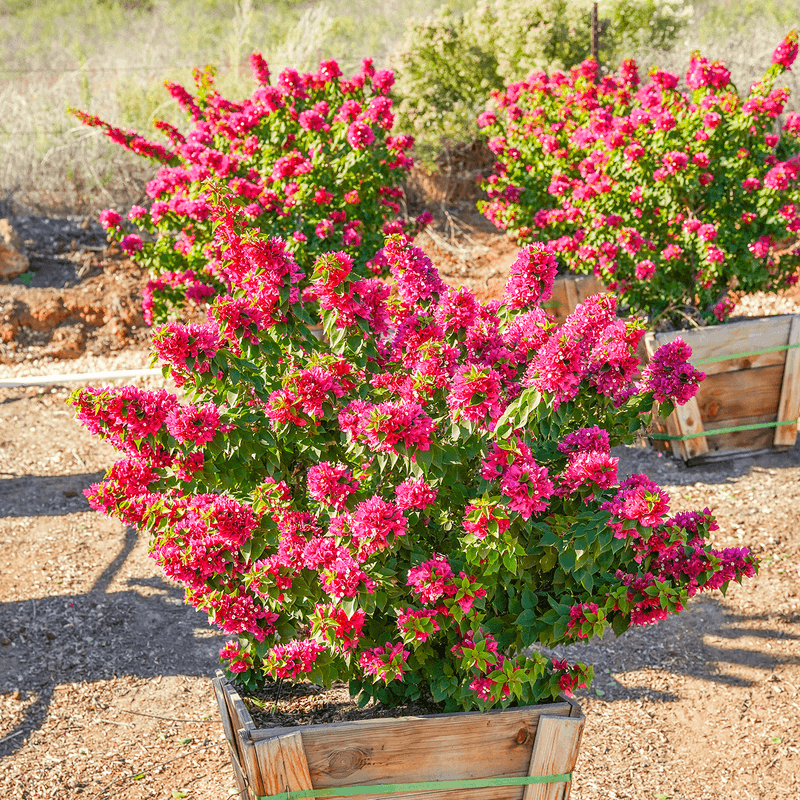
Sunlight is the first thing to check when a bougainvillea refuses to bloom well or starts dropping bracts in summer. These plants need strong, direct sun for most of the day to produce the colorful display they are known for.
Your Florida Garden Changes Every Week. Your Plan Should Too.
Gardening in Florida changes quickly throughout the season. Every Friday you’ll receive a simple weekly plan showing exactly what to plant, prune, fertilize, harvest, and protect so you never miss the right timing.
Six hours is often considered a minimum, and many experienced gardeners say eight or more hours produces the best results in local gardens.
The tricky part is that sun patterns change throughout the year. A spot that received strong light in spring may be partially shaded by summer foliage from nearby trees, a pergola cover, or an overgrown shrub.
Rooflines and fences can also cast longer shadows as the sun angle shifts. A bougainvillea that bloomed beautifully in March may be getting two or three fewer hours of direct sun by July without anything obvious changing in the garden.
Walk around your plant at different times of day, especially between late morning and mid-afternoon, to see how much direct light it actually receives. Dappled or filtered light is not the same as full sun for this plant.
Even partial shade can push it toward producing more leaves and fewer bracts. A leafy, green bougainvillea with little color is often a shade problem, not a soil or water problem.
If the plant is in a container, moving it to a sunnier location is usually straightforward. If it is in the ground, the fix may involve trimming back nearby plants that are casting shade, though that process takes time and may not produce instant rebloom.
Avoid cutting back the bougainvillea itself to compensate for low light. More pruning in a shady spot usually makes the problem worse.
Address the light issue first, then watch how the plant responds over the following weeks before making any other changes.
3. Let The Soil Dry Slightly Between Waterings
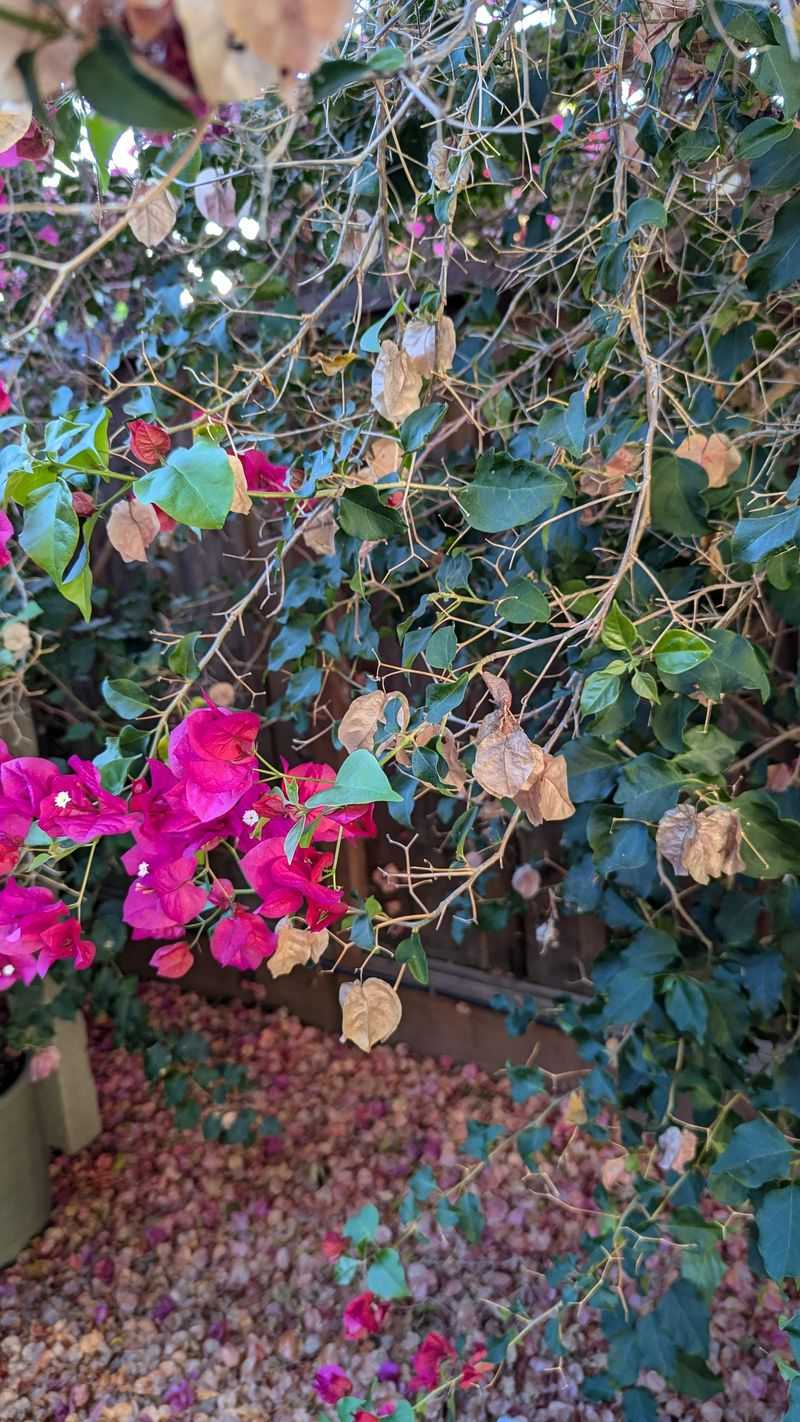
Wet roots can make a tough plant struggle, and bougainvillea is no exception. This plant is naturally adapted to conditions with good drainage and periods of dryness between rain events.
When the root zone stays consistently wet, the plant often responds with stress, yellowing leaves, and bract drop. This can happen from overwatering, heavy summer storms, poor soil drainage, or saucers under pots.
Summer in Florida can be especially tricky because afternoon storms may deliver an inch or more of rain in under an hour. If the soil around your bougainvillea does not drain quickly, that water can sit around the roots for hours or even days.
Over time, this kind of wet-dry imbalance weakens the plant and reduces its ability to hold blooms. Sandy, fast-draining soil is generally better for bougainvillea than heavy clay or compacted garden beds.
Before watering, check the soil a few inches below the surface. If it still feels moist, hold off.
The goal is to let the top portion of the soil dry out somewhat before adding more water. This does not mean letting the plant wilt severely, especially during the hottest weeks.
It does mean avoiding the habit of watering on a fixed schedule without checking conditions first.
Container plants deserve extra attention here. Pots without drainage holes, or those sitting in water-filled saucers, can develop soggy root zones even when the surface soil looks dry.
Lift the saucer after rain or watering and pour out any standing water. If the potting mix has broken down into a dense, compacted layer over time, it may be worth refreshing it with a well-draining mix.
Newly planted bougainvillea in the ground may still need regular watering while roots establish. But the same principle applies: check before watering rather than watering on a fixed timer.
4. Stop Feeding Too Much Nitrogen
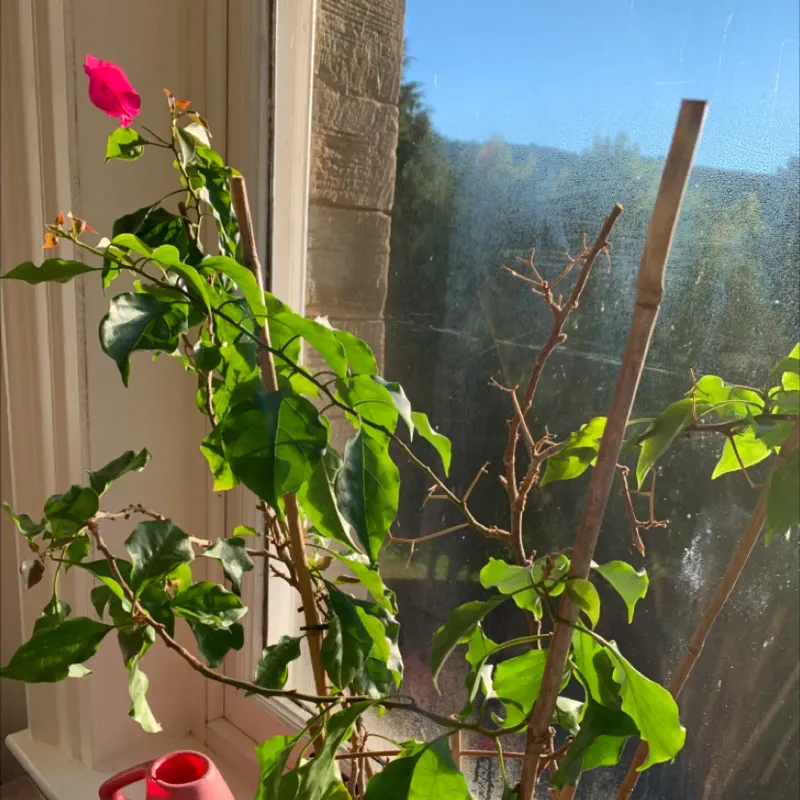
Too much kindness can push leaves instead of color, and fertilizer is one of the most common ways that happens with bougainvillea. Nitrogen is the nutrient most responsible for green, leafy growth.
When a bougainvillea receives too much nitrogen, the plant often responds by producing large, dark green leaves in abundance. Meanwhile, the colorful bracts become sparse or disappear entirely.
This is a pattern many gardeners notice after applying lawn fertilizer near their bougainvillea. It can also happen after using a high-nitrogen general-purpose feed more often than the label recommends.
The plant looks healthy in one sense, full and green, but the whole point of growing it is the color, and that color is missing. Reducing or stopping nitrogen-heavy feeding is often part of the solution when leafy growth is strong but blooms are not.
Fertilizers labeled for flowering plants are sometimes recommended for bougainvillea. Products with a higher middle or last number in the N-P-K ratio emphasize phosphorus and potassium over nitrogen.
However, applying any fertilizer more frequently or at higher rates than the label suggests is not a shortcut to better blooms. Always read and follow label directions, since rates vary by product and application method.
One important thing to keep in mind is that fertilizer cannot fix problems caused by poor sun, waterlogged soil, or stress from heat and rain swings.
If the plant is dropping bracts because it is sitting in soggy soil or not getting enough light, adding more fertilizer will not help.
It may make things worse. Address the basic growing conditions first.
Once the plant is in a stable, well-drained, sunny location, consider whether fertilizer adjustments are needed. Base that decision on the plant’s actual appearance and growth pattern.
5. Avoid Heavy Pruning During A Bloom Cycle
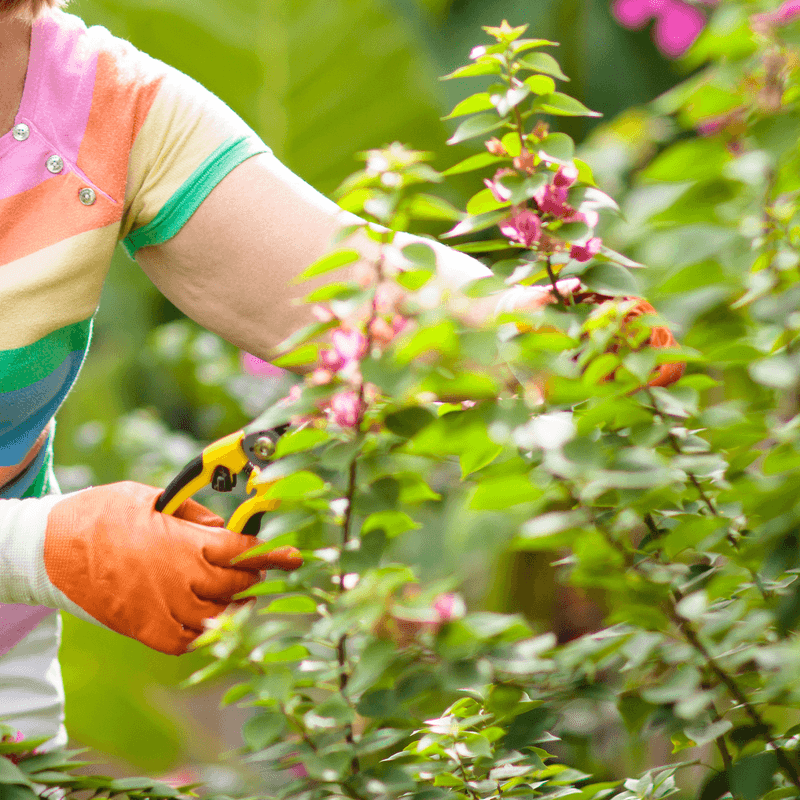
Pruning at the wrong moment changes the show, and with bougainvillea, timing matters more than most gardeners realize. This plant produces its colorful bracts on new growth that develops after a pruning or stress event.
When you cut it hard during an active bloom cycle, you remove the very growth that is carrying the color. The result is a plant that looks bare for weeks while it works on pushing out new stems again.
Heavy pruning during a bloom cycle is one of the most common reasons a bougainvillea suddenly loses its display in summer. It can be tempting to shape the plant or cut back long, arching canes when they look unruly.
But doing so at the wrong time interrupts what the plant is already doing well. A better approach is to observe where the plant is actively blooming before picking up the pruners.
Light shaping can sometimes be done without causing major disruption, especially if you are only removing withered wood, crossing branches, or a few wayward stems. The key word is light.
Random cuts across the whole plant, or removing large sections of growth that are actively producing bracts, can set the bloom cycle back significantly. In warm regions of this state, where the growing season is long, bougainvillea may rebound faster.
But in northern areas with a shorter warm season, a heavy midsummer pruning can reduce the bloom display for the rest of the year.
Watch where new growth is forming after a pruning. Bougainvillea typically blooms at the tips of new stems.
Once you understand that pattern, it becomes easier to prune with purpose rather than habit. If the plant has finished a bloom flush and new tips are just beginning to form, that is often a better window for light shaping than cutting during peak color.
6. Protect Container Plants From Heat And Rain Swings
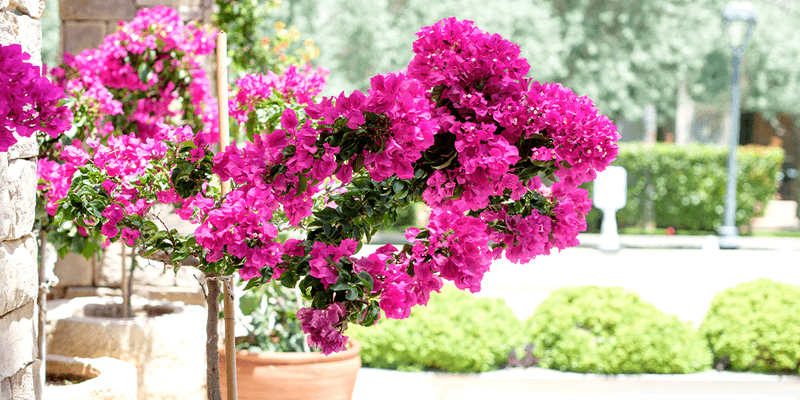
Pots feel summer faster than garden beds do, and bougainvillea in containers can react quickly to the conditions around them. Pavement, concrete, and tile surfaces absorb heat during the day and radiate it back toward the pot from below.
This can push root zone temperatures well above what the plant prefers, especially during the hottest weeks of summer. Moving a container away from a reflective surface or elevating it slightly with pot feet can help reduce that heat transfer.
Drainage is even more critical in containers than in garden beds. When a pot sits in a saucer that fills with water after a storm, the roots can stay wet for a long time without the gardener noticing.
Check the saucer after every heavy rain and after every watering session. If the saucer holds water regularly, removing it or replacing it with a smaller one that drains faster is a simple fix.
Drainage holes at the bottom of the pot should never be blocked by the saucer or by settled soil.
Rain swings are a particular challenge in this state during summer. A container plant that dries out between waterings can suddenly receive several inches of rain in a short period.
That rapid shift from dry to saturated can stress the root system and trigger bract drop.
Positioning pots where they are partially sheltered from direct storm runoff, while still receiving strong sun, can help moderate those swings somewhat.
Regional differences matter here. Gardeners in northern parts of the state may have a shorter warm season.
That makes protecting container plants from late summer stress especially important for preserving the remaining bloom time.
In central and southern regions, the growing season is longer, but prolonged humidity and repeated heavy storms can keep the soil in containers wet for days at a time.
Adjusting pot placement and drainage habits by region and season gives container bougainvillea the best chance of holding its blooms.
7. Make One Change At A Time And Watch The Response
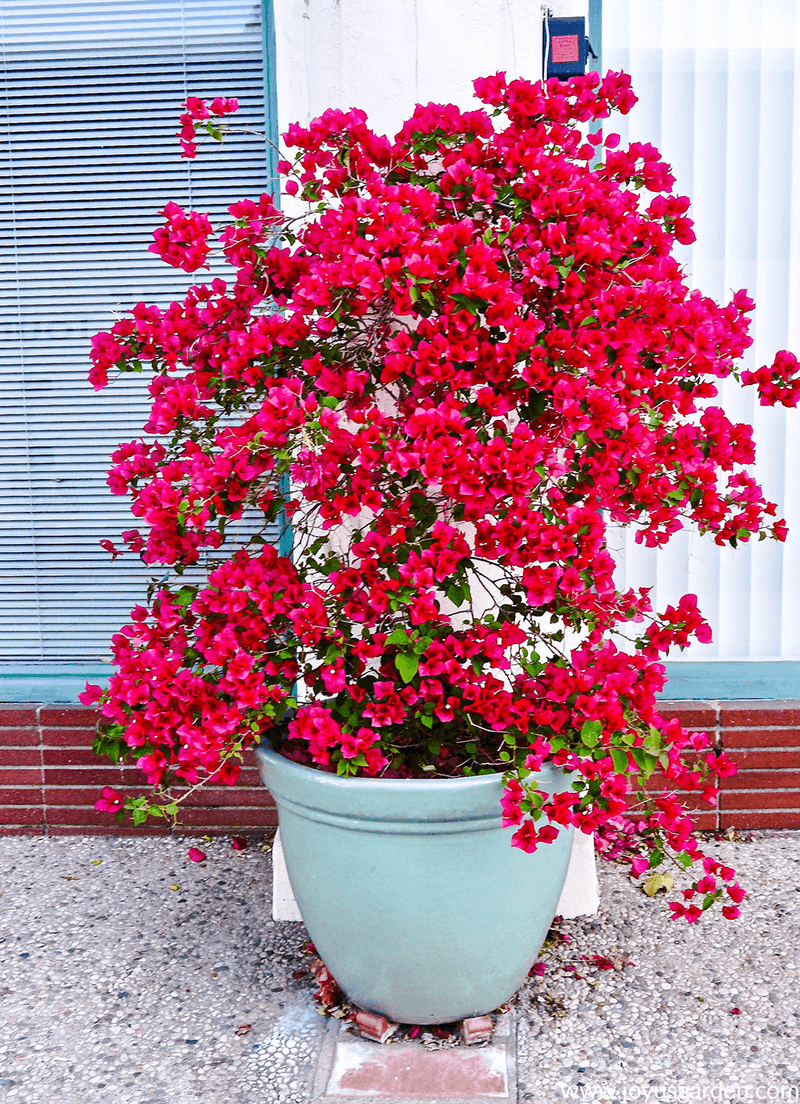
One of the most common mistakes after noticing bract drop is making several changes at once. Moving the pot, cutting back branches, switching fertilizers, and adjusting the watering schedule all in the same week can create confusion.
It makes it nearly impossible to know what actually helped. The plant may rebound, or it may struggle further, and either way, you will not have a clear picture of what worked.
A calmer, more useful approach is to identify the most likely cause based on what you observed. Then make one targeted change and give the plant enough time to respond before deciding whether another adjustment is needed.
Bougainvillea does not rebloom overnight. New stems need time to grow, and new bracts form at the tips of those stems.
Depending on conditions, it can take several weeks before you see whether a change made a positive difference.
Keep a simple log if it helps. Write down what the plant looked like, what you changed, and when.
Note the weather, especially rain events and heat spikes. This kind of basic record makes it much easier to spot patterns over time and avoid repeating the same mistakes next summer.
Many experienced gardeners in local gardens say that learning to read the plant’s signals is more useful than following a rigid schedule. Watch new leaf color, bract size, and stem tip growth.
Bougainvillea is resilient when its basic needs are met: strong sun, fast-draining soil, careful watering, and restrained fertilizing. Summer bloom drop is rarely a sign of permanent damage.
It is usually a signal that one condition shifted out of balance. Finding that one issue and correcting it patiently is the most reliable path back to a colorful, blooming plant.
It may be shade from a new tree, a waterlogged pot, or heavy pruning at the wrong time.