Is This Popular Shrub Doing More Harm Than Good In Your Virginia Yard?
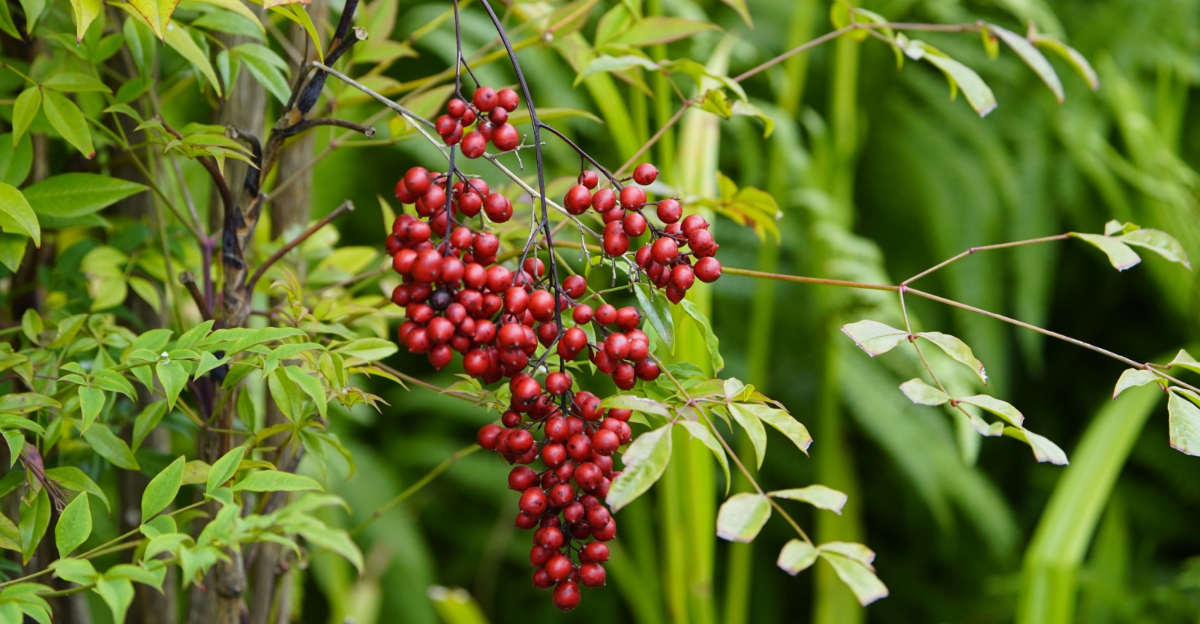
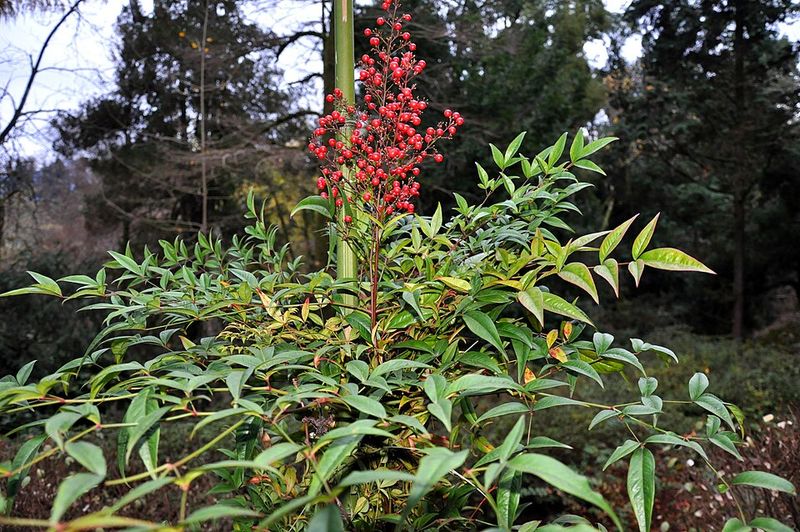
If your yard has one of those elegant shrubs with glossy green leaves and clusters of bright red berries, first of all, great taste.
It stays green all winter, asks almost nothing from you, and looks like something straight out of a holiday catalogue.
Sounds perfect, right?
Here’s the thing, it isn’t.
Those stunning berries that look so charming in December are doing serious damage to local bird populations.
The roots are spreading into Virginia’s forests whether you invited them to or not.
And if your dog or cat takes a nibble, you’ll be making an emergency vet call.
The shrub looks innocent.
It is anything but.
Before you add another one to your garden, or decide to keep the ones you already have, here’s what you actually need to know.
What Is This Shrub And Why Is It So Popular In Virginia?
Drive through any Virginia neighborhood and you will spot it before you even slow down.
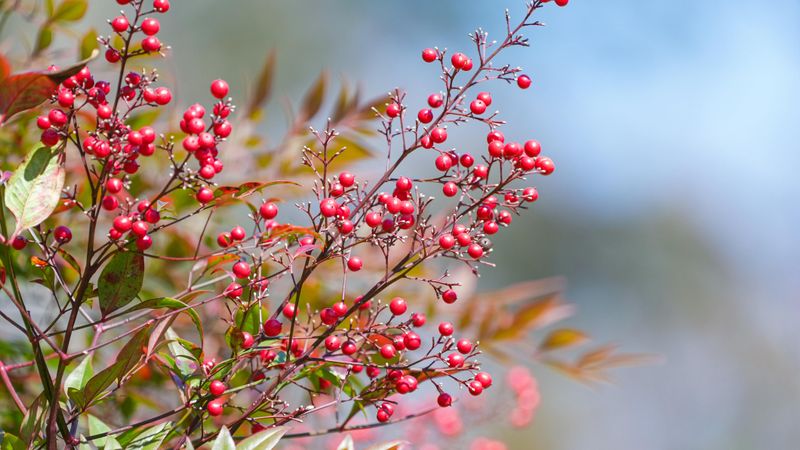
That tidy, evergreen shrub lining driveways and hugging front porches has a name, Nandina, commonly known as heavenly bamboo.
Despite its nickname, it has absolutely nothing to do with bamboo.
Originally from China, Japan, and India, Nandina arrived in the United States in the early 1800s as an ornamental plant.
Landscapers fell hard for it because it checks every box a busy homeowner could want.
It tolerates shade, handles drought, survives cold snaps, and stays lush and green through every season.
Those eye-catching red berries that appear in fall and winter make it look almost too pretty to question.
Nurseries across Virginia still stock it as one of their most requested shrubs every single year.
Here is where things get complicated, though.
Virginia has a warm, humid climate that Nandina absolutely thrives in, which means it does not just survive here, it spreads aggressively.
The Virginia Department of Conservation and Recreation didn’t mince words, it’s officially invasive.
Once it settles in, it spreads beyond your yard and starts pushing out the plants that actually belong there.
Your yard is your space, and what you plant in it matters more than you might think.
A small swap can mean healthier birds, thriving native plants, and a garden that actually gives back to the world outside your fence.
The Hidden Danger Lurking In Those Pretty Red Berries
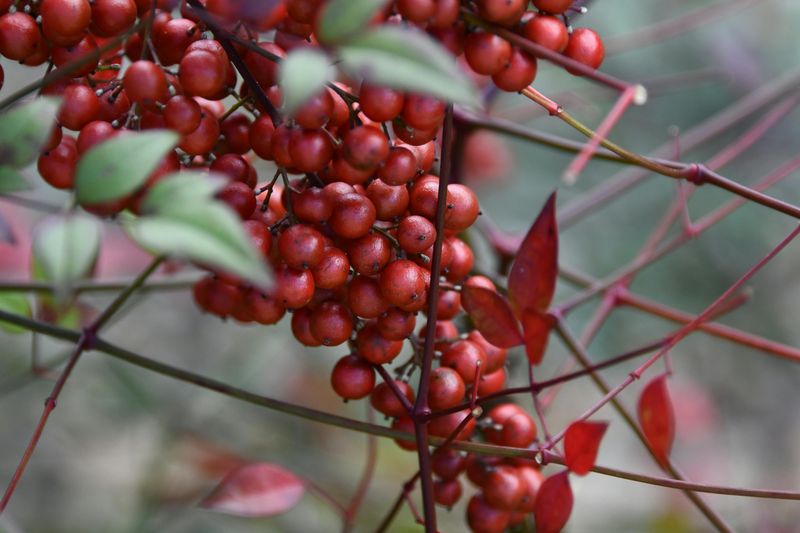
Those gorgeous red berries are not just decorative, they are genuinely dangerous.
Nandina berries contain cyanogenic glycosides, which are chemical compounds that release hydrogen cyanide when digested.
That sounds like something from a chemistry class, but the effects are very real and very serious.
Cedar waxwings are among the bird species most frequently impacted, particularly across the southeastern United States, where they are known to feed heavily on winter berries.
These small, social birds travel in flocks and tend to consume large quantities of berries in a single feeding.
When they eat nandina berries in significant amounts, the cyanogenic compounds can cause internal hemorrhaging and become life-threatening.
Your Virginia Garden Changes Every Week. Your Plan Should Too.
Gardening in Virginia changes quickly throughout the season. Every Friday you’ll receive a simple weekly plan showing exactly what to plant, prune, fertilize, harvest, and protect so you never miss the right timing.
Cases involving cedar waxwing flocks have been documented in Georgia and Florida, where wildlife officials linked the incidents directly to Nandina berry consumption.
Wildlife officials in Virginia have raised the same concerns closer to home.
The berries remain on the plant through winter, which is exactly when birds are hungriest and most likely to feed heavily.
That timing makes Nandina particularly threatening during the coldest months.
Songbirds are not the only ones at risk.
Smaller birds that consume even a modest portion of berries relative to their body weight can experience toxic effects quickly.
The plant looks completely harmless, which is precisely what makes it so problematic.
Homeowners who plant it near bird feeders or in open garden beds are unknowingly creating a serious risk for local wildlife.
Knowing what those beautiful berries actually contain is enough to make you look at this plant very differently.
How Nandina Is Spreading Through Virginia’s Forests
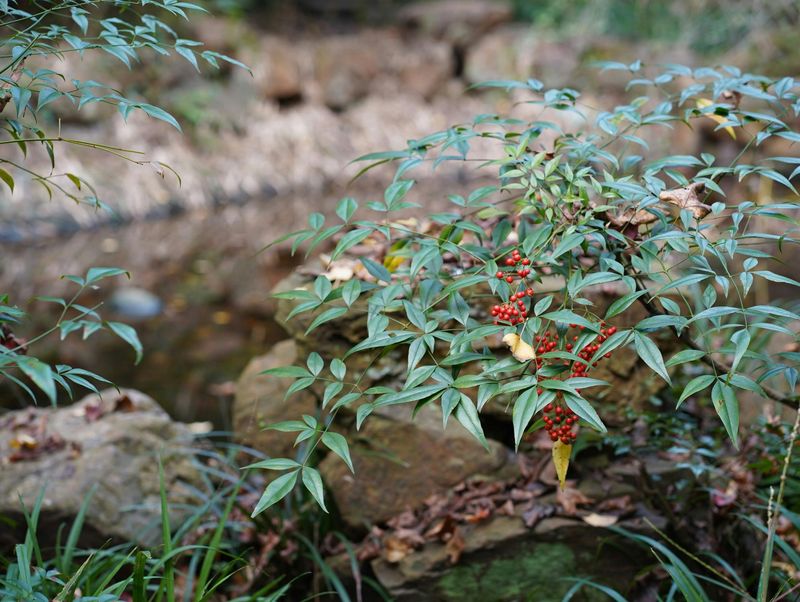
Birds eat the berries, fly into the woods, and drop the seeds far beyond any garden fence.
That simple cycle is how Nandina has quietly crept into Virginia forests, stream banks, and natural areas for decades.
No gardener planned it, but it happened anyway.
Once Nandina establishes itself in a natural area, it forms dense thickets that block sunlight from reaching the forest floor.
Native wildflowers, ferns, and tree seedlings that depend on filtered light simply cannot compete.
The result is a landscape that looks green but offers little to nothing for the wildlife that depends on it.
Virginia’s natural areas, including its piedmont forests, coastal plain woodlands, and mountain slopes, are particularly vulnerable.
It thrives in a remarkably wide range of conditions, making it difficult to contain.
It grows in full shade, partial sun, dry soil, and moist soil without complaint.
That adaptability is exactly what makes it such an effective invader.
Conservation organizations across the Mid-Atlantic region have flagged nandina as a species of concern, with its spread into protected natural areas well documented.
Studies tracking its spread show it moving steadily into protected natural areas and state parks.
Once it takes hold in a wild space, removing it requires significant effort and resources.
Think about this the next time you see a Nandina shrub blooming with berries near a wooded area.
Every berry that drops or gets carried away is a potential new plant taking root somewhere it was never intended to grow.
The spread is slow enough to feel invisible, but the damage it causes builds up season after season.
Is Nandina Toxic To Dogs And Cats?
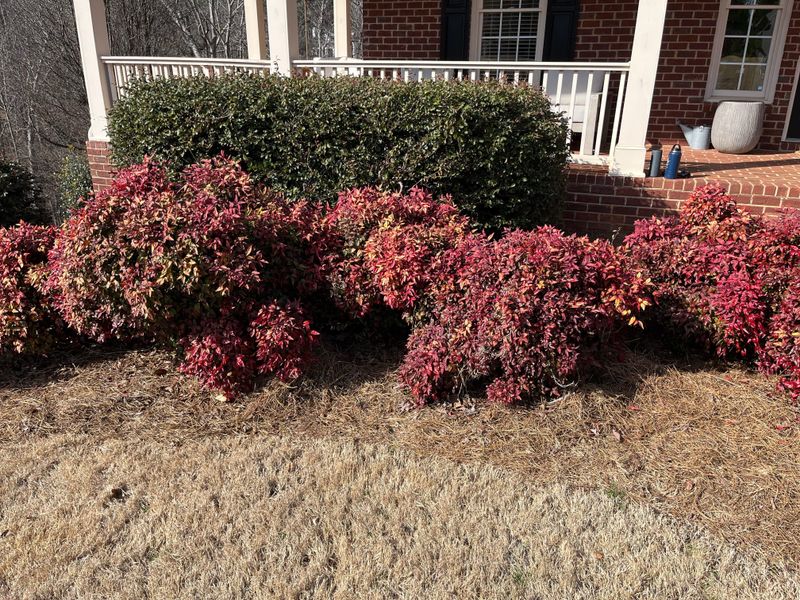
Pet owners, this one is for you.
Nandina is listed as toxic to both your golden retriever and your judgmental tabby by the American Society for the Prevention of Cruelty to Animals.
The same cyanogenic compounds that harm birds can cause serious health problems in your four-legged family members.
Dogs are naturally curious and often chew on plants, berries, and shrubs they encounter in the yard.
Your enthusiastic labrador that nibbles on Nandina leaves or swallows a few berries is heading for trouble.
Symptoms can include labored breathing, muscle weakness, seizures, and low blood pressure.
Larger dogs may tolerate small amounts, but smaller breeds face a much higher risk from even modest exposure.
Cats are typically more selective about what they eat, but kittens and young cats may still investigate and mouth unfamiliar plants.
Nandina leaves contain the same toxic compounds as the berries, meaning the entire plant poses a threat, not just the fruit.
Any outdoor adventurer of the feline variety who spends time in a yard with Nandina could be at risk.
Veterinarians recommend contacting an animal poison control center immediately if you suspect your pet has consumed any part of a Nandina plant.
Time matters enormously in cases of plant-based toxicity, and waiting to see if symptoms develop can make treatment much harder.
The ASPCA Animal Poison Control Center hotline is available around the clock for exactly these situations.
Swapping out Nandina for a pet-safe native shrub is one of the simplest ways to protect the animals you love most.
Your yard can still look beautiful without putting your pets at risk every time they step outside.
Native Alternatives to Plant Instead of Nandina
Pulling out Nandina does not mean settling for a boring yard.
Virginia is home to some genuinely stunning native shrubs that offer the same visual appeal without any of the ecological baggage.
Making the switch is one of the most rewarding upgrades a homeowner can make.
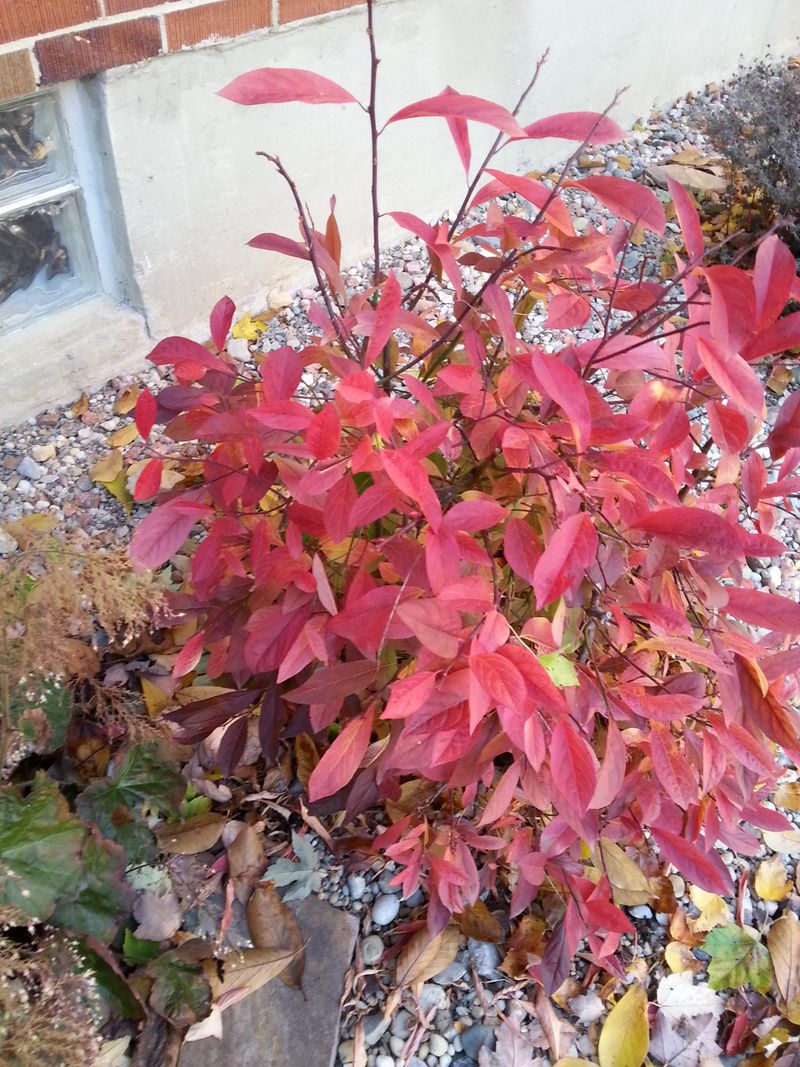
Virginia sweetspire, also known as Itea virginica, is a top contender for replacing Nandina in shaded or moist areas.
It produces elegant white flower spikes in summer and then transforms into a blaze of red, orange, and purple foliage in fall.
Pollinators are strongly drawn to it, making it a valuable addition to any garden.
Inkberry holly, or Ilex glabra, offers year-round evergreen structure with small dark berries that birds actually benefit from eating.
It handles wet soil beautifully and grows in both sun and shade, making it incredibly versatile for different yard conditions.
Unlike Nandina, Inkberry holly supports rather than disrupts the surrounding ecosystem.
Beautyberry, known scientifically as Callicarpa americana, is another showstopper.
It produces clusters of vivid purple berries in late summer and fall.
If you loved Nandina for its bold berry display, beautyberry will satisfy that same craving in a far more responsible way.
It grows quickly, requires minimal care, and attracts dozens of bird species.
Native plants have evolved alongside local wildlife for thousands of years.
That means they provide the right food, shelter, and habitat that your local ecosystem actually needs.
Choosing native shrubs is not a sacrifice, it is an upgrade that benefits your yard and your neighborhood at the same time.
Should You Remove Nandina From Your Yard?
Removing Nandina is a personal decision, but the evidence makes a strong case for doing it.
If you have Nandina near wooded areas, bird feeders, or spaces where pets roam freely, the risk-to-reward ratio tips heavily toward removal.
The good news is that taking it out is very doable with a bit of planning.
Small Nandina plants can be pulled by hand when the soil is moist, especially after a good rain.
For larger, more established shrubs, a sharp spade or mattock works well to loosen the root system before pulling.
Wearing gloves is a smart move since prolonged contact with the plant’s sap can cause minor skin irritation in some people.
After removing the plant, bag all the berries and plant material tightly before disposing of them.
Leaving berries on the ground can still allow seeds to sprout in future seasons, so thorough cleanup matters more than most people expect.
Some local municipalities offer yard waste pickup specifically for invasive plant removal.
Herbicide is an option for very large or deeply rooted plants.
Many homeowners prefer a chemical-free approach though, cutting the stems low and repeatedly removing new growth until the root system exhausts itself.
This method takes more patience but avoids introducing chemicals into the soil near other garden plants.
Choosing to remove Nandina from your yard puts you in good company.
Conservation-minded homeowners across Virginia are slowly reclaiming their green spaces for native life.
Every shrub removed is one less threat to the birds, wildlife, and pets that call your outdoor space home.
And that is a swap worth making.