Why Arizona Desert Shrubs Turn Brown In Summer And Whether To Be Concerned
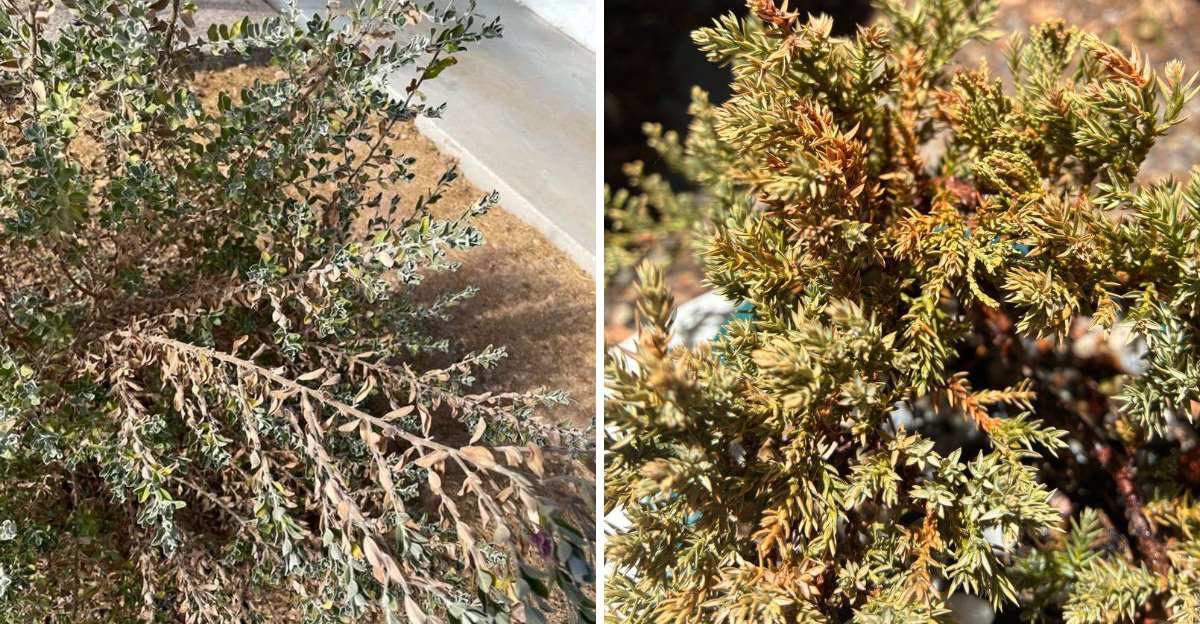
Arizona shrubs can be a little dramatic in July, and honestly, who can blame them? The air is dry, gravel beds radiate heat, block walls act like giant toasters, and the sun seems personally committed to testing every leaf in the yard.
So when a desert shrub starts looking brown, it can feel alarming fast. The tricky part is that browning does not mean the same thing for every plant.
Some shrubs shed leaves or slow down to conserve moisture, while others may be reacting to heat stress, dry winds, irrigation issues, or extra-hot rock mulch. Arizona landscapes have a lot going on under that summer sun.
A closer look at timing, soil moisture, branch texture, and watering patterns can help you decide what is normal summer behavior and what deserves attention.
1. Summer Dormancy Can Look Brown
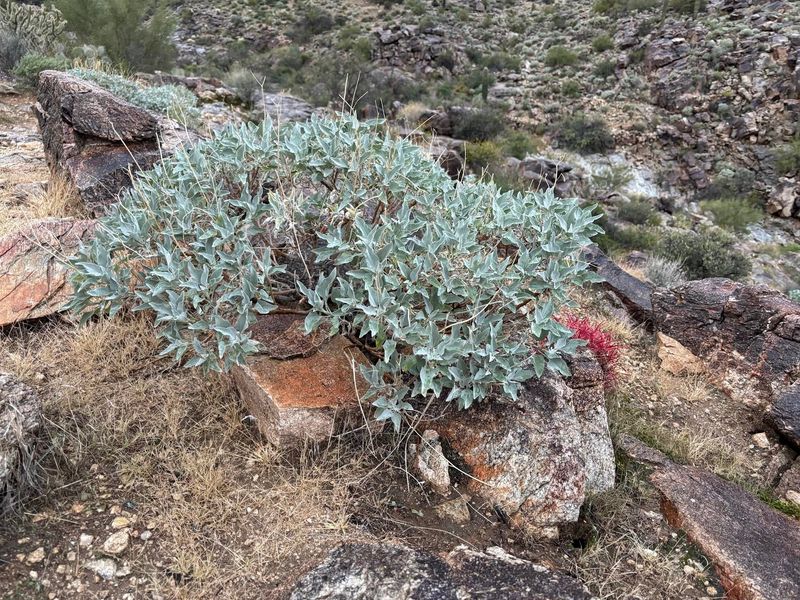
Dry, papery leaves and a dull tan color across your shrubs in July might look like trouble, but for many desert plants, that browning is simply summer dormancy at work.
Native shrubs like brittlebush and globe mallow have evolved over thousands of years to slow down during the hottest, driest stretch of the year.
Rather than pushing new growth during extreme heat, these plants pull energy inward and let older foliage drop or fade.
Summer dormancy is not a sign of failure. It is a survival strategy that has worked long before drip irrigation or landscaped yards existed in Arizona.
The shrub is conserving moisture and protecting its root system from the stress of trying to grow when conditions are harsh.
Homeowners often notice that dormant shrubs look rough from late June through early August, then begin greening up again once monsoon rains arrive.
If the stems still feel flexible and show a thin green layer just beneath the bark when scratched lightly, the shrub is likely resting, not in serious decline.
Keeping that in mind can save a lot of unnecessary worry during Arizona’s hottest weeks.
2. Heat Dries Shrubs Quickly
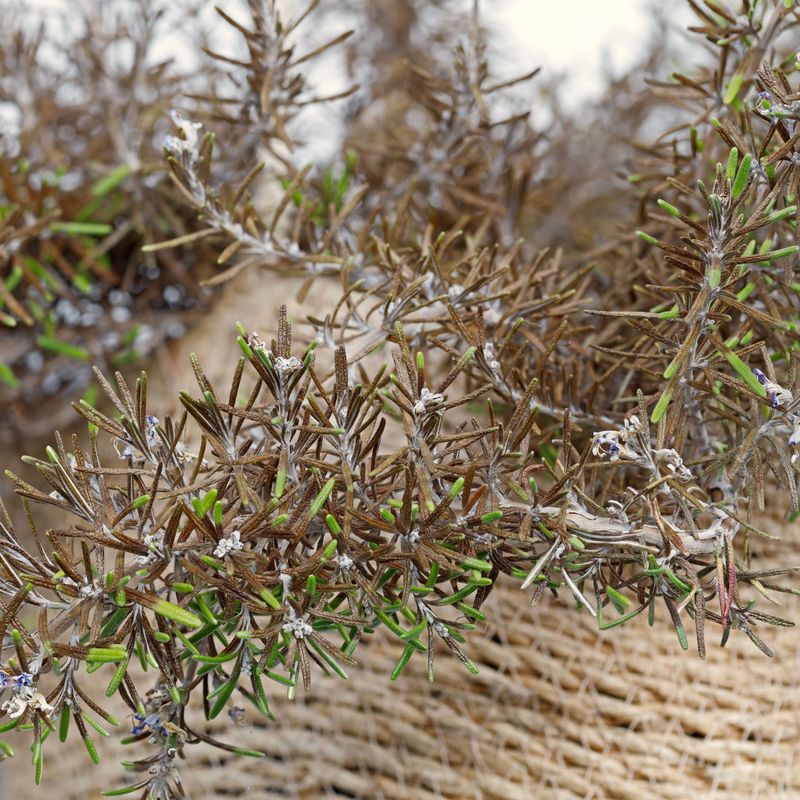
Gravel beds radiating heat, concrete patios storing warmth from the afternoon sun, and block walls bouncing light back onto foliage can push temperatures in an Arizona yard well beyond the already extreme air temperature.
When soil and air are both scorching hot, shrubs lose moisture through their leaves faster than their roots can replace it.
That moisture loss shows up quickly as browning leaf edges, crispy tips, or an overall faded look.
The speed at which heat dries out desert shrubs surprises many homeowners, especially those newer to Arizona gardening.
Even plants labeled as drought-tolerant can show stress signs during extended heat waves when temperatures stay above 110 degrees for days in a row.
The foliage essentially desiccates faster than the plant can manage.
Paying attention to the hottest microclimates in your yard, such as south-facing walls or areas surrounded by pale gravel, can help explain why some shrubs brown more than others.
Shrubs planted in full reflected heat tend to show stress sooner than those with some afternoon shade or planted near a shaded wall.
Your Arizona Garden Changes Every Week. Your Plan Should Too.
Gardening in Arizona changes quickly throughout the season. Every Friday you’ll receive a simple weekly plan showing exactly what to plant, prune, fertilize, harvest, and protect so you never miss the right timing.
Adjusting irrigation timing or adding rock mulch strategically around roots may help reduce that drying effect during peak summer months.
3. Dry Winds Can Scorch Leaves
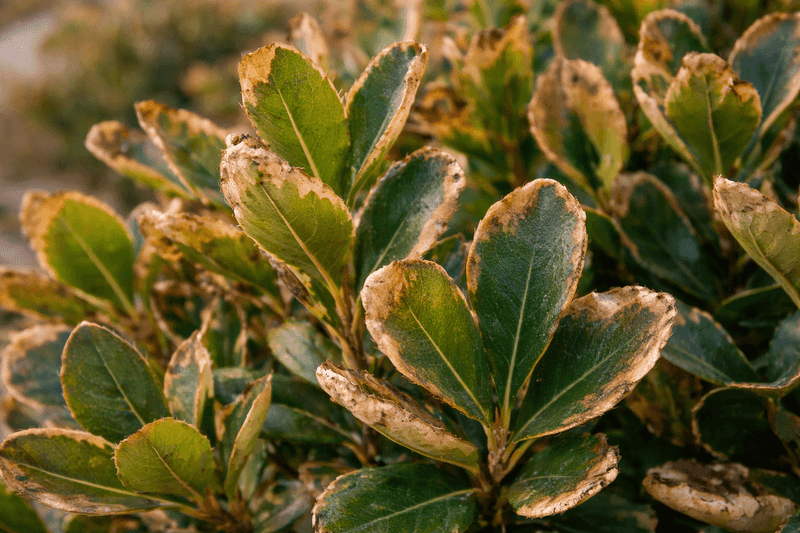
Hot winds rolling across the Arizona desert in late spring and early summer carry very little moisture, and when that dry air moves across shrub foliage, it pulls water right out of the leaves.
This process, called desiccation, can cause leaf edges and tips to brown quickly, sometimes within a day or two of a strong wind event.
The damage often looks like the leaves were scorched by direct heat, which is why gardeners sometimes call it windburn.
Shrubs planted in open areas with no windbreak tend to show this kind of browning more than those tucked near fences, walls, or larger plants. Pre-monsoon winds can be especially drying, arriving before any moisture relief from summer storms.
Foliage that looks fine in the morning can appear brown and crispy by evening after a strong, dry afternoon wind passes through.
The good news is that wind scorch rarely means the whole shrub is struggling. Most of the time, the affected leaves drop and the plant pushes out new growth once conditions improve.
Checking the stems for flexibility and the base of the plant for any green new growth can help confirm that the shrub is recovering on its own after a windy stretch in an Arizona summer.
4. Watering Needs Change In Summer
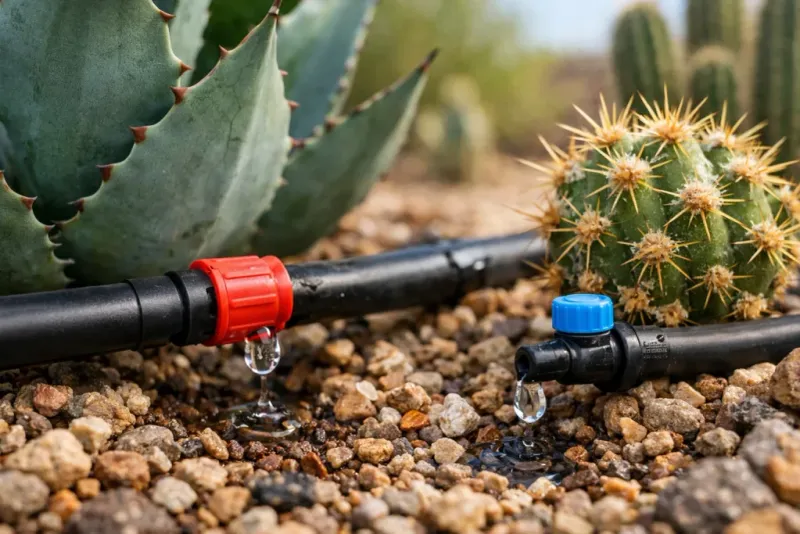
Watering schedules that worked fine in April may leave shrubs struggling by July in Arizona. As temperatures climb, soil dries out faster, and the rate at which plants use and lose water increases significantly.
A drip system set to run twice a week in spring may need to run more often or for longer durations once summer heat sets in, depending on the shrub species and the microclimate of your yard.
Many homeowners assume that drought-tolerant shrubs need very little water in summer, but established plants still need enough moisture to handle extreme heat. The key is deep, infrequent watering rather than frequent shallow watering.
Deep watering encourages roots to grow further into the soil where temperatures are cooler and moisture lasts longer.
Checking the soil around the root zone before adjusting your irrigation schedule is always a helpful first step. Push a screwdriver or moisture probe several inches into the soil near the drip emitter.
If the soil feels completely dry several inches down, your shrubs may not be getting enough water during Arizona’s hottest weeks.
Browning that appears alongside dry, cracked soil near the root zone is often a clear signal that the irrigation schedule needs a seasonal adjustment.
5. Young Shrubs Need Extra Checks
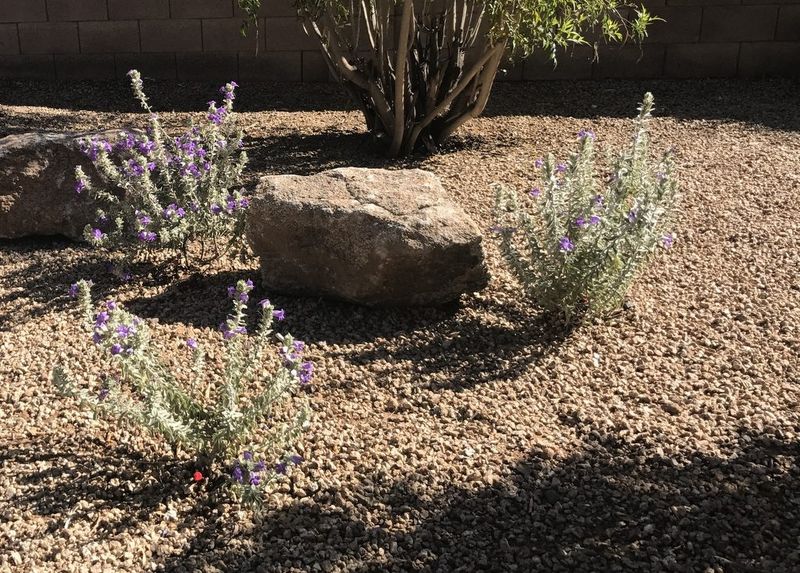
Newly planted shrubs face a much tougher summer than established ones because their root systems have not yet spread wide enough to pull moisture from a larger area of soil.
In Arizona, planting in spring means a young shrub may arrive in its new spot just weeks before temperatures push past 100 degrees.
That timing leaves very little room for the roots to establish before heat stress begins.
Young shrubs with browning leaves during their first Arizona summer need closer attention than mature plants.
Checking the soil moisture around the root zone every few days rather than relying solely on a set irrigation schedule can make a meaningful difference.
Drip emitters placed too far from the root ball or partially clogged lines can leave newly planted shrubs without enough water during critical heat spells.
Wilting that does not recover overnight, widespread browning across new growth, and a stem that feels dry and brittle rather than slightly flexible are signs that a young shrub may need immediate help.
Adding a light layer of organic or rock mulch around the base of young plants can help retain soil moisture and reduce heat stress during most intense summer weeks.
Patience and consistent monitoring go a long way with new plantings.
6. Some Shrubs Shed Leaves To Save Water
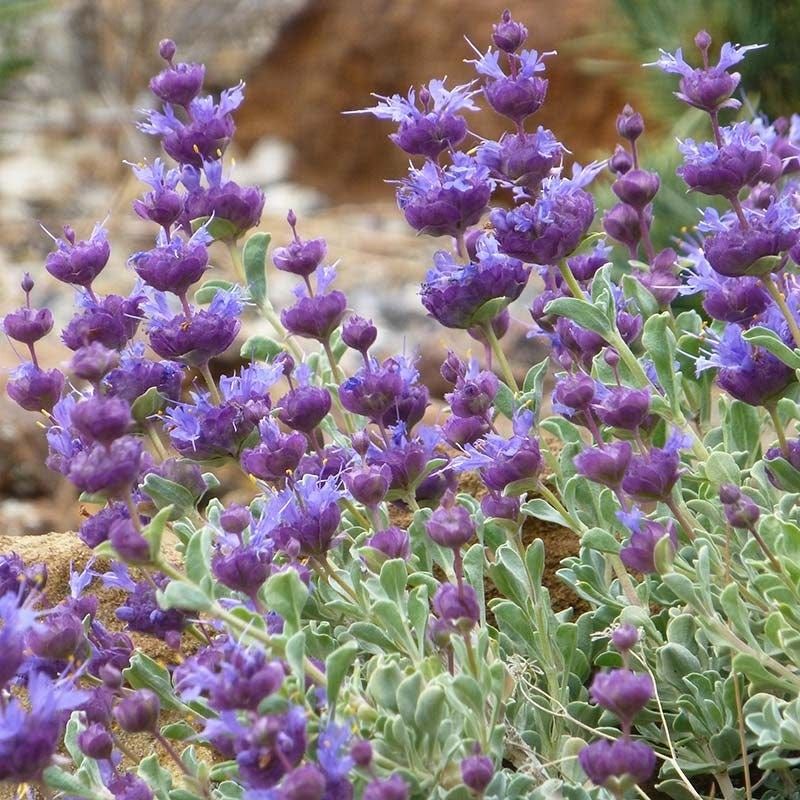
Leaf drop in the middle of summer might look alarming, but for several Arizona native and desert-adapted shrubs, shedding leaves is one of the most effective ways to reduce water loss during extreme heat.
Fewer leaves mean less surface area through which moisture can escape.
Plants like jojoba, palo verde, and some native sages use this strategy regularly when summer temperatures push into triple digits.
The process is sometimes called drought-deciduous behavior, and it allows shrubs to survive long dry stretches without access to deep groundwater or supplemental irrigation.
Homeowners walking through their yards in late June or July may notice a carpet of dry leaves beneath shrubs that looked full just a month earlier.
That leaf litter is a natural signal, not necessarily a warning sign.
Looking at the stems and remaining foliage can help distinguish normal leaf drop from a shrub in serious trouble. Flexible green stems, some remaining foliage, and visible bud sites along branches are encouraging signs.
If leaves are dropping alongside brittle, snapping stems and no new growth appears after monsoon rains begin, that pattern may be worth a closer look.
For most Arizona desert shrubs, though, summer leaf shedding is simply the plant doing exactly what it was built to do.
7. Rock Mulch Can Add Heat Stress
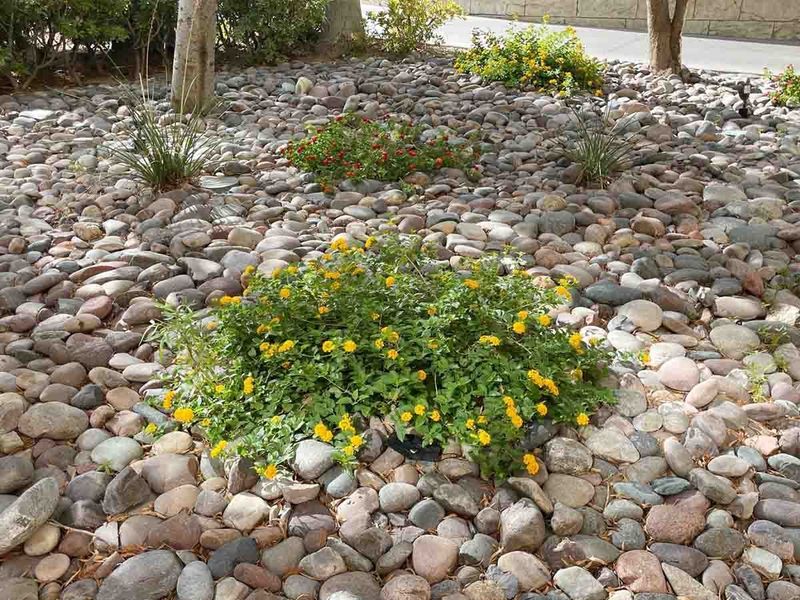
Pale gravel and crushed rock are staples of Arizona low-water landscapes, and they do a good job of reducing weeds and limiting soil evaporation.
However, light-colored rock mulch can reflect significant amounts of heat directly onto the lower foliage of shrubs planted nearby.
On a 110-degree afternoon, the air temperature just above a pale gravel bed can be noticeably hotter than the air a few feet above it.
Shrubs with browning concentrated on their lower branches or the foliage closest to the ground may be experiencing heat stress from reflected light and radiated warmth coming up from the rock surface.
This is especially common in yards with large open gravel areas or around patios where heat builds throughout the day.
The shrub may look fine at the top while the lower portions turn brown and crispy.
Switching to darker decomposed granite or placing a ring of organic mulch directly around the base of heat-sensitive shrubs can help reduce this reflected heat effect. Keeping the area directly under the canopy slightly shaded by the plant itself also helps.
Gardeners who notice consistent browning on lower leaves in summer, especially near pale rock beds, may find that mulch type and placement are contributing more to the problem than watering or temperature alone.
8. Too Much Water Can Cause Problems
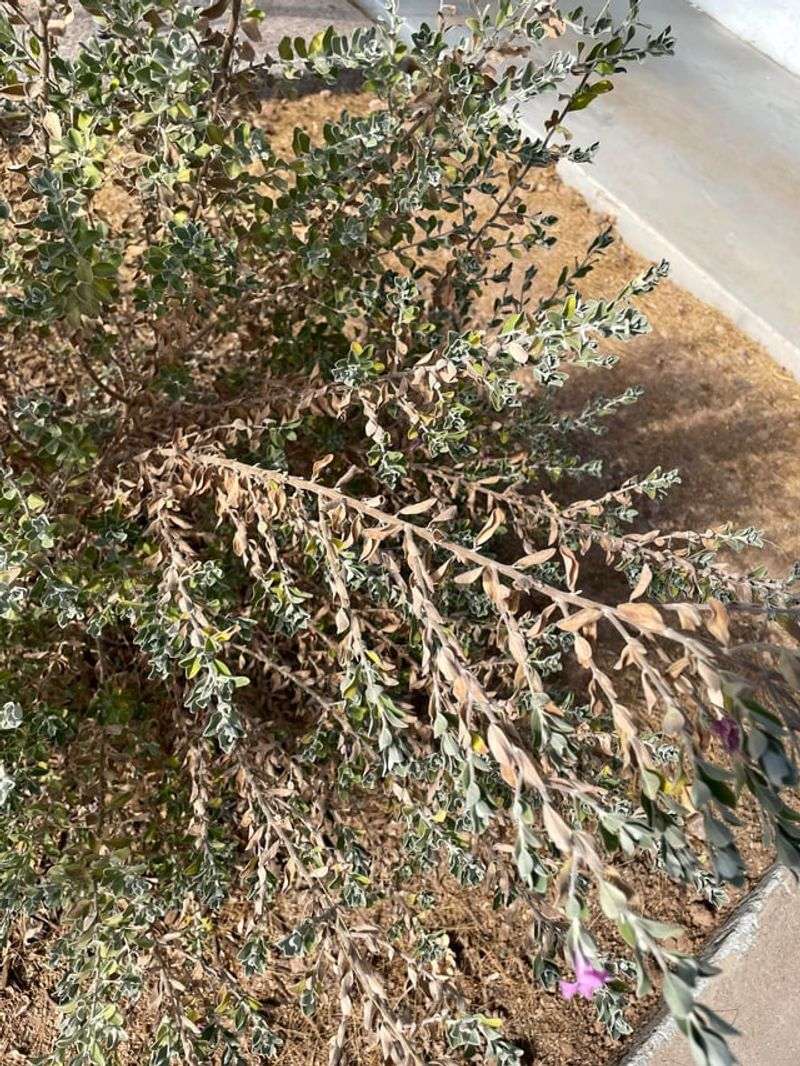
Overwatering is one of the more surprising causes of browning in Arizona desert shrubs, and it happens more often than most homeowners expect. Desert-adapted plants evolved in soils that drain quickly and dry out between rain events.
When drip systems run too frequently or for too long, the root zone stays wet, which can limit oxygen in the soil and lead to root stress or root rot over time.
Browning from too much water can look similar to browning from too little, which makes it tricky to diagnose without checking the soil.
Yellowing leaves that then turn brown, mushy stem bases, and soil that feels wet and compacted several inches down are signs that a shrub may be getting more water than it can use.
This is especially common in Arizona yards where irrigation schedules are set in spring and never adjusted through the season.
Cutting back watering frequency and allowing the soil to dry out between irrigation cycles is often the first step toward recovery.
Most established desert shrubs prefer deep watering spaced several days apart rather than light, frequent watering that keeps the root zone constantly moist.
Matching the irrigation schedule to the plant species, the season, and the drainage quality of your soil goes a long way in preventing overwatering-related browning.
9. Brown Branch Tips Need A Closer Look
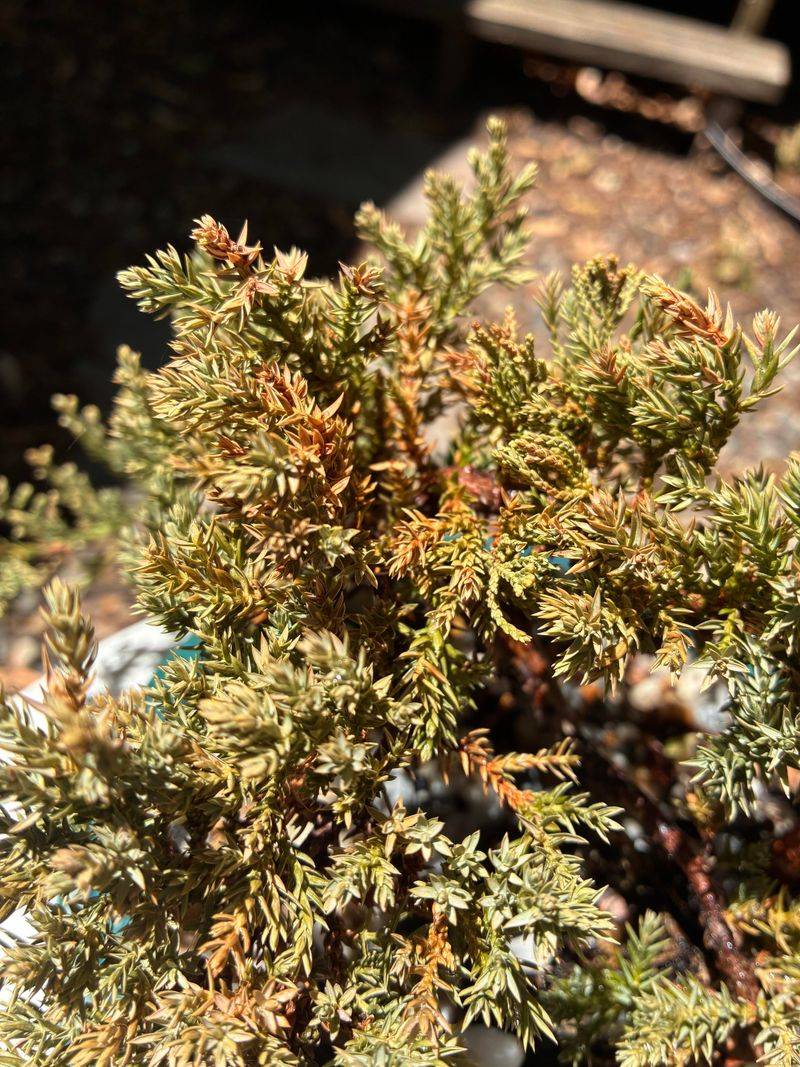
Brown tips on branches are one of the most common things homeowners notice on their desert shrubs in summer, and they can mean several different things depending on what else is going on with the plant.
Heat stress, wind scorch, irregular watering, and reflected sun from walls or gravel can all produce brown tips without threatening the overall health of the shrub.
In most cases, brown tips on an otherwise flexible, green-stemmed plant are a cosmetic issue rather than a serious one.
The concern rises when brown tips spread quickly from the tips down toward the main stem, when multiple branches show the same pattern at the same time, or when the browning is accompanied by brittle snapping rather than flexible bending.
Scratching the bark gently near the brown area to check for a green or white layer underneath can help tell whether the tissue is still alive.
Pruning off brown tips after the worst summer heat has passed, typically in late August or early September in Arizona, can tidy up the plant and encourage fresh growth heading into fall.
Avoid heavy pruning during peak summer heat, as removing foliage reduces the shade the plant provides to its own roots and can increase stress.
A light trim and a consistent watering schedule are usually the most helpful response to minor tip browning.