Native Georgia Plants To Grow Instead Of Knockout Roses Along Driveways
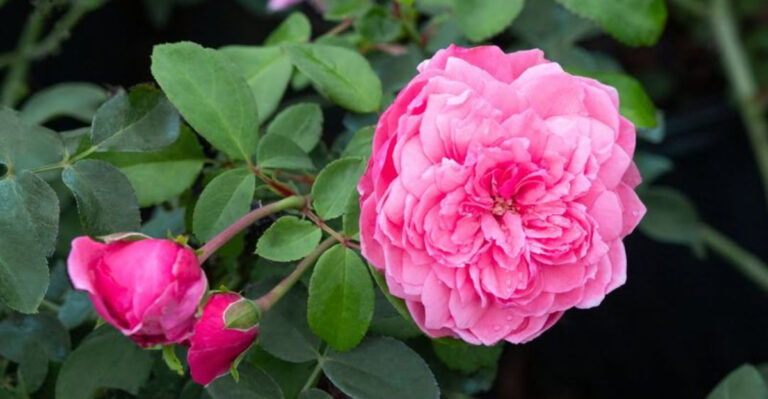
Knockout roses look colorful for a while, but many Georgia driveways start blending together once the same shrubs show up in every yard. Some plants also begin struggling once summer heat reflects off pavement day after day.
That is usually when gardeners start wanting something easier and more natural looking.
Native plants often handle driveway conditions far better than people expect. Many tolerate heat, dry soil, and harsh sun without needing constant attention.
Butterflies and birds also appear more often once native plants start filling the landscape.
Some choices create softer shapes and longer seasonal color without endless pruning or cleanup.
After switching to natives, many gardeners realize their driveway looks fuller, calmer, and far less predictable than rows of roses lining the pavement.
1. Wild Bergamot Thrives Beside Sun-Baked Pavement
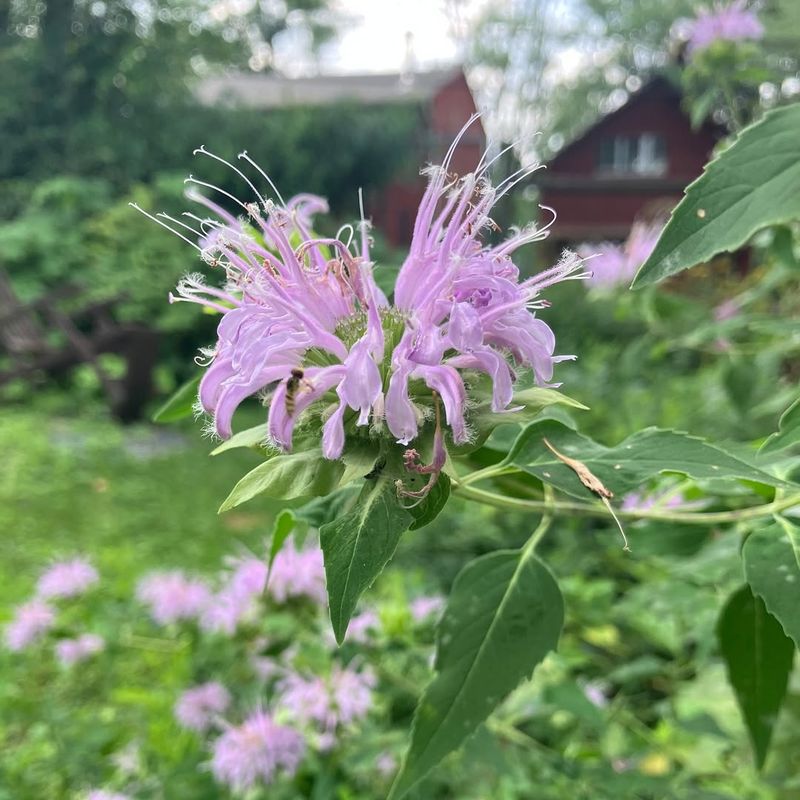
Wild Bergamot brings a softer and more natural look beside long Georgia driveways. Lavender flowers appear through summer and quickly attract bees, butterflies, and hummingbirds once the weather turns consistently warm.
The blooms rise above fragrant foliage that keeps borders looking full without appearing stiff or overly formal.
Monarda fistulosa is native to Georgia and handles sunny conditions surprisingly well. Heat reflecting off concrete, stone, or gravel usually does not bother established plants very much.
Dry soil also becomes less stressful after roots settle during the first growing season.
Plants normally reach about three to four feet tall. Clumps slowly widen over time and help soften hard pavement lines.
That spreading habit creates a fuller planting without constant pruning or shaping. Full sun produces stronger flowering and sturdier stems during the hottest months.
Good airflow matters because crowded foliage can sometimes develop powdery mildew during humid weather. Proper spacing usually prevents serious problems before they begin.
Watering near the base also helps keep leaves drier through summer.
Wild Bergamot combines beautifully with Black Eyed Susan, Blazing Star, and other native perennials already growing nearby.
Even after flowering slows down, seed heads continue adding texture through late summer and early fall. Deer usually ignore the foliage, which makes this plant even more useful near larger landscapes and open rural properties.
Butterflies often return daily once large clumps begin blooming heavily beside warm pavement.
2. Purple Coneflower Thrives In Dry Soil Near Pavement
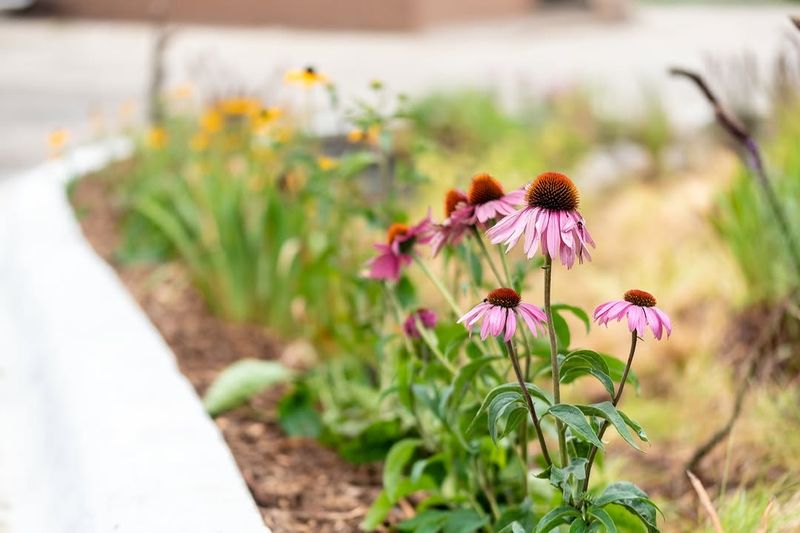
Purple Coneflower does not need your attention to look good. It pushes through dry, compacted soil and blooms reliably even when summer gets brutal.
Near pavement, where moisture drains fast and heat bounces hard, it holds its own.
Echinacea purpurea grows two to four feet tall with bold daisy-like flowers in shades of pink-purple. Blooms appear from early summer through late August.
Each flower head also serves as a seed source for goldfinches and other small birds once petals drop.
Plant it in full sun for the strongest stems and most flowers. Partial shade works but can cause flopping.
A little afternoon shade in the hottest spots can extend bloom time without hurting the plant much.
Soil drainage matters more than soil richness. Coneflowers actually prefer lean soil over heavily amended beds.
Your Georgia Garden Changes Every Week. Your Plan Should Too.
Gardening in Georgia changes quickly throughout the season. Every Friday you’ll receive a simple weekly plan showing exactly what to plant, prune, fertilize, harvest, and protect so you never miss the right timing.
Adding too much compost or fertilizer produces leafy growth with fewer blooms.
Spacing around eighteen to twenty-four inches apart works well in a driveway border. Clumps spread slowly over time and can be divided every few years if needed.
Leaving the seed heads standing through winter feeds wildlife and adds textural interest to an otherwise bare border.
Once established, Purple Coneflower usually handles drought far better than many flowering perennials planted near hot pavement.
Strong root systems also help the plant return reliably year after year without much extra care.
3. Black-Eyed Susan Blooms Reliably Through Summer Heat
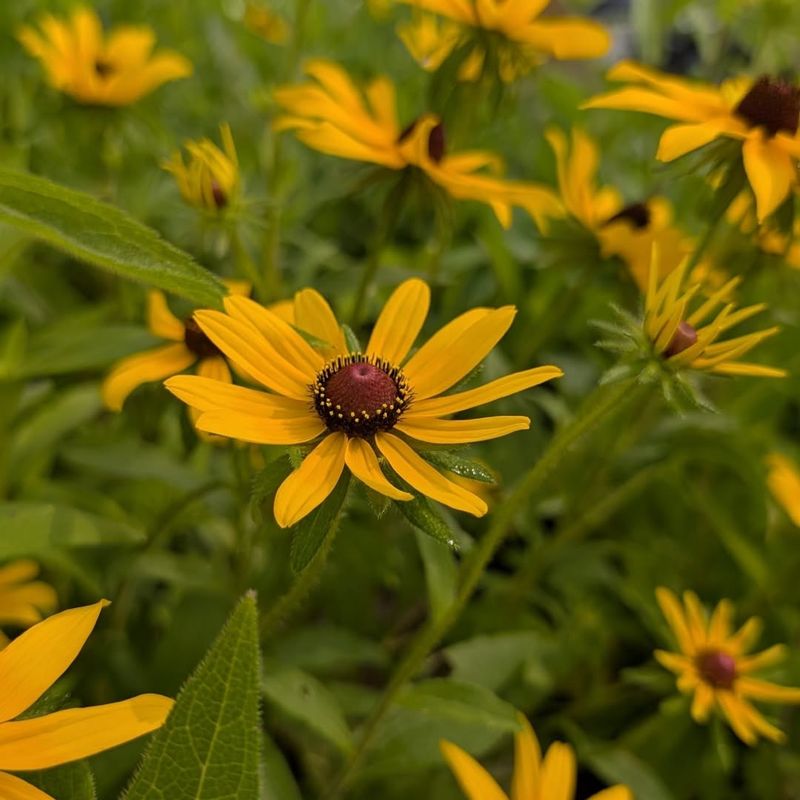
Walk past any sunny roadside in midsummer and you will likely spot Black-Eyed Susan lighting up the edge. It thrives in exactly the kind of hot, exposed conditions a driveway creates.
Bright yellow blooms with dark brown centers show up reliably from June through September.
Rudbeckia hirta is a short-lived perennial that often self-seeds freely. That means once you plant it, it tends to come back on its own without replanting.
Along a driveway border, that self-seeding habit keeps the planting looking full and natural.
Full sun and average to dry soil suit it perfectly. Standing water or heavy clay can cause root problems, so good drainage is important.
Raised beds or slightly sloped driveway edges work in its favor.
Heights vary by variety, typically ranging from one to three feet. Compact types stay tidy without staking.
Taller varieties add a loose, wildflower feel that softens hard driveway lines.
Pollinators absolutely love the blooms. Bees, butterflies, and beetles visit constantly during peak bloom.
Leaving seed heads in place through fall and winter provides food for birds and adds structure to the planting when other plants have gone dormant.
Black-Eyed Susan also tolerates reflected heat from pavement far better than many traditional bedding flowers. Deadheading spent blooms can extend flowering even longer into late summer.
Large drifts of blooms create a bright, meadow-like look that softens long stretches of driveway pavement.
4. Georgia Aster Brightens Borders Late In The Season
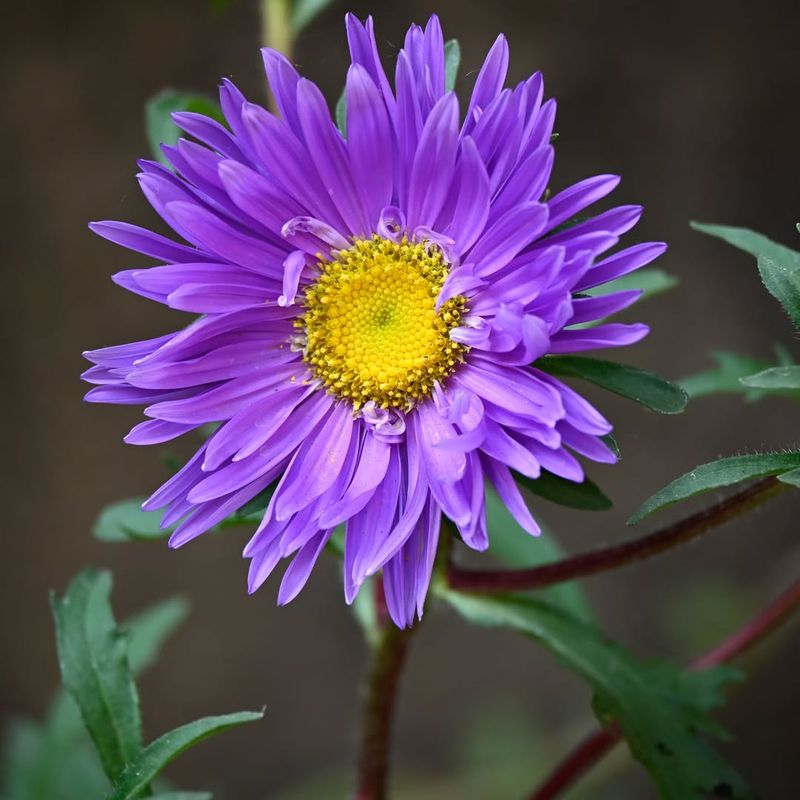
Most driveway plants wrap up their show by August. Georgia Aster is just getting started.
It holds off blooming until October and November, filling the border with vivid purple flowers exactly when everything else looks tired and brown.
Symphyotrichum georgianum is a true native of the Southeast and is considered a rare species in some areas. Growing it in a home landscape actually supports conservation.
It reaches two to four feet tall and spreads slowly into tidy clumps.
Full sun brings out the most blooms. It handles dry spells well once roots are established, though young plants benefit from occasional watering during the first season.
After that, it is largely self-sufficient.
Pinching stems back by half in early June delays flowering slightly and encourages bushier growth. That simple step prevents the leggy look that asters sometimes develop in full sun.
No other pruning is really needed.
Late-season pollinators depend heavily on fall-blooming plants like this one. Monarch butterflies migrating south use asters as a critical fuel source.
Seed heads also persist into winter and give birds another food source after flowering ends.
Georgia Aster handles lean, rocky soil surprisingly well once established in a sunny spot. Mature clumps gradually widen over time without becoming aggressive or difficult to manage.
Its late blooms also bring much needed color to driveway borders long after most summer perennials have faded.
5. Narrowleaf Mountain Mint Draws Heavy Pollinator Activity
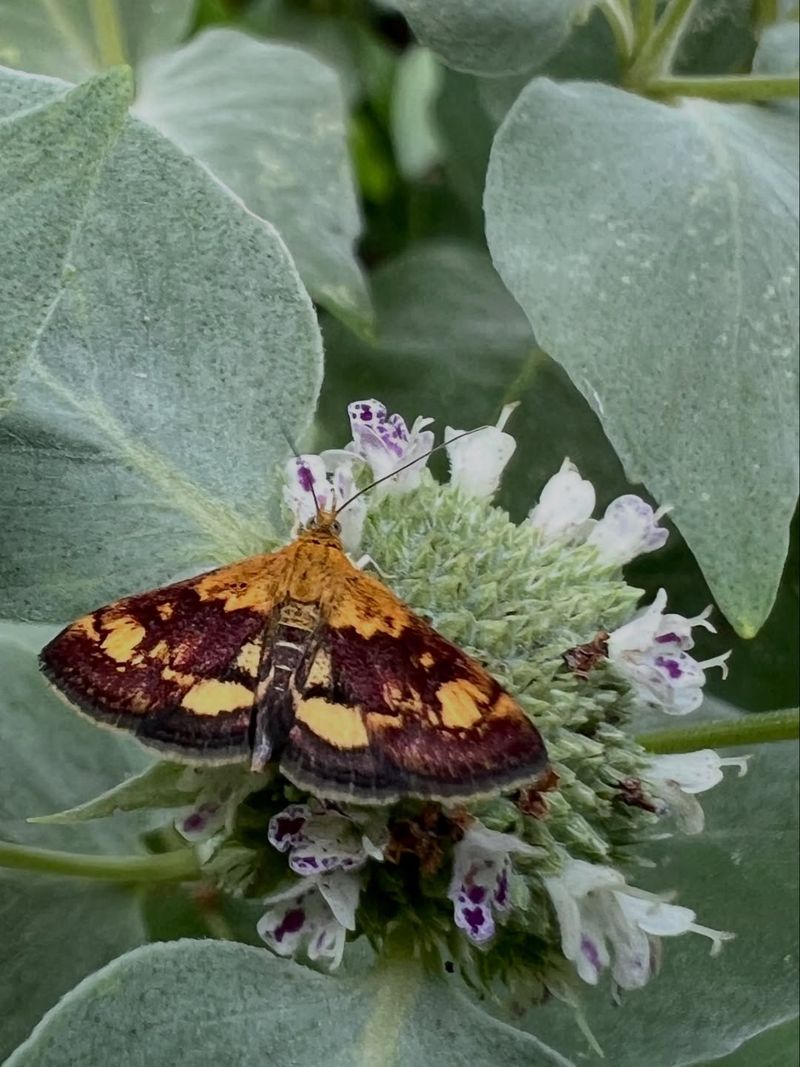
Narrowleaf Mountain Mint is a pollinator magnet unlike almost anything else you can plant. On a warm summer day, the blooms are covered in bees, wasps, beetles, and butterflies all at once.
It is genuinely impressive to watch.
Pycnanthemum tenuifolium stays relatively compact at two to three feet tall. Wiry stems hold tiny white flower clusters that bloom from June through August.
The foliage releases a sharp, clean minty scent when brushed or crushed.
It grows well in full sun to light shade and adapts to a range of soil types. Dry, average, or slightly moist soils all work.
Along a driveway, where soil conditions vary, that flexibility is a real practical advantage.
Spacing plants eighteen to twenty-four inches apart allows for good airflow and natural spread. It spreads slowly by rhizomes and can form a loose colony over time.
Dividing clumps every three to four years keeps growth in check.
Unlike many mints, this one does not run aggressively. It stays mostly where you put it, which makes it manageable in a formal driveway planting.
Cutting stems back by half in late spring produces a more compact, upright habit with slightly delayed but heavier bloom production.
Deer usually ignore Narrowleaf Mountain Mint, which helps it stay looking full through summer.
Once established, it also handles heat and drought with very little extra attention.
6. Butterfly Weed Performs Well In Hot Dry Areas
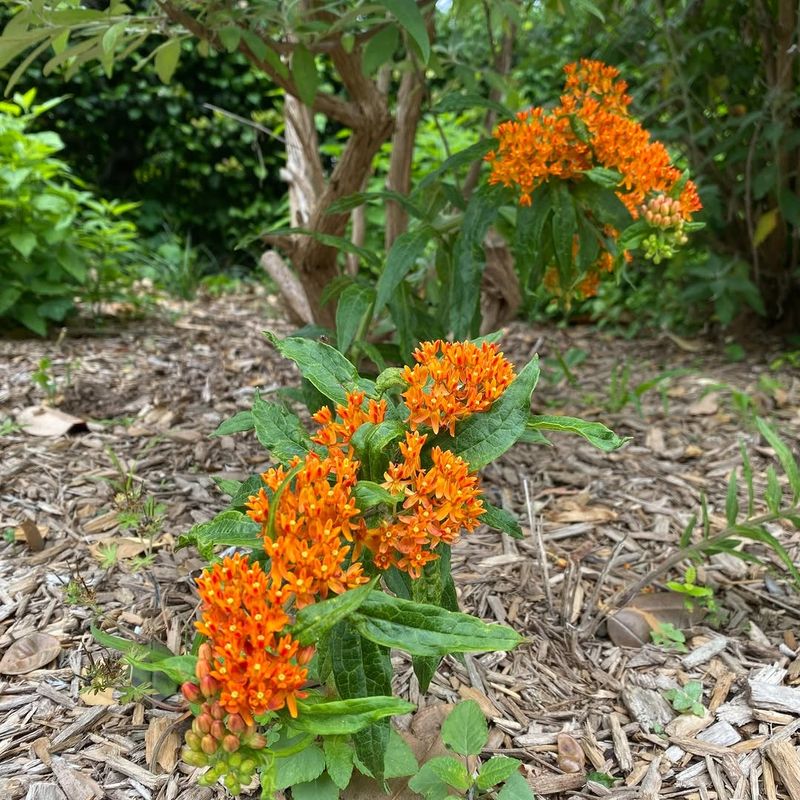
Bright orange flowers on a plant that tolerates drought, reflected heat, and poor soil sounds almost too good to be true. Butterfly Weed delivers exactly that.
It is one of the toughest native perennials available for hot, dry driveway edges.
Asclepias tuberosa is a milkweed species, which means it is a required host plant for Monarch butterfly caterpillars. Planting it along a driveway does more than add color.
It actively supports a threatened butterfly species through its entire life cycle.
It grows one to two feet tall with clusters of vivid orange blooms from June through August. Yellow and red varieties exist, but orange is the most common and the most striking against pavement.
Blooms attract a wide range of butterflies and native bees.
Soil drainage is critical. Wet or waterlogged soil causes root problems quickly.
Sandy or gravelly driveway soil is actually ideal. Avoid planting in low spots where water collects after rain.
Established plants develop a deep taproot that makes them very drought-resistant but also difficult to transplant. Choose the planting location carefully from the start.
Container-grown plants establish faster than bare-root ones and are easier to work with in compacted driveway soil conditions.
Butterfly Weed also stays surprisingly tidy through summer without needing constant trimming or cleanup.
Once mature, Butterfly Weed usually returns reliably every year with very little maintenance.
7. Blazing Star Adds Vertical Summer Color
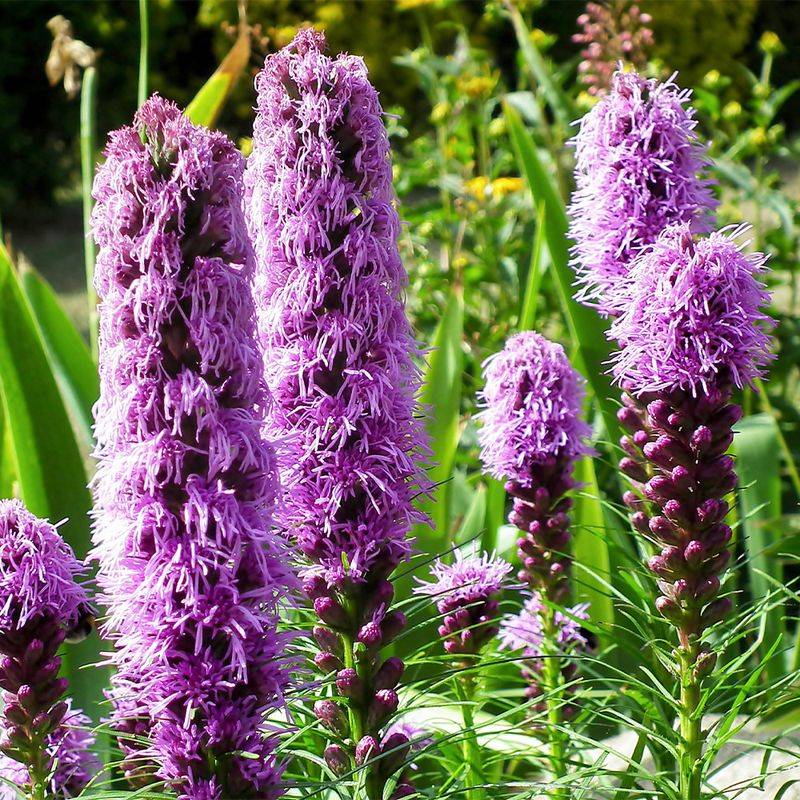
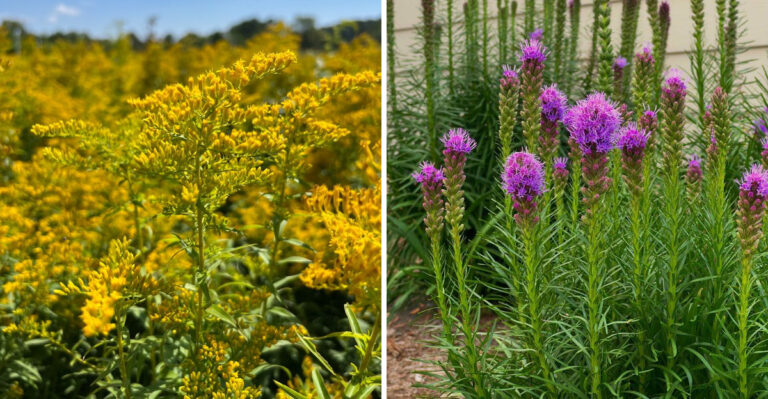
Most driveway border plants stay low and round. Blazing Star breaks that pattern with tall, vertical spikes of rosy-purple blooms that shoot straight up and demand attention.
It is one of the few native plants that adds strong height without flopping or needing staking.
Liatris spicata grows two to four feet tall depending on soil moisture and sun exposure. Blooms open from the top of the spike downward, which is unusual and visually interesting.
Flowering runs from July through September, hitting peak color right in the middle of summer heat.
Full sun is essential for strong, upright growth. In shade or partial shade, stems stretch and lean toward light.
Along a driveway with full southern or western exposure, it thrives with almost no extra care.
Soil does not need to be rich. Average to slightly dry conditions suit it well.
Wet winter soil is the main concern, as standing water around the corm can cause rot. Raised or well-drained spots along the driveway edge are ideal.
Monarch butterflies and swallowtails visit the blooms heavily during migration season. Goldfinches eat the seeds once flowers fade, so leaving stalks standing through fall is worth it.
The dried stalks also add winter texture and structure to an otherwise flat border.
Blazing Star also handles summer heat surprisingly well once established in a sunny location.
Clumps slowly expand over time without becoming invasive or difficult to control.
8. Lanceleaf Coreopsis Fills Sunny Edges With Bright Blooms
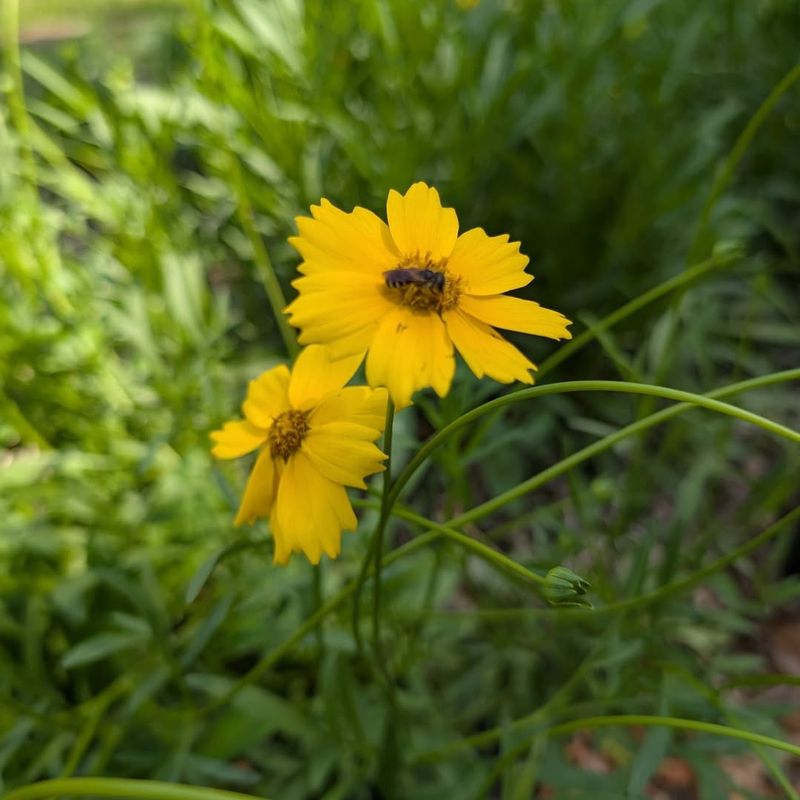
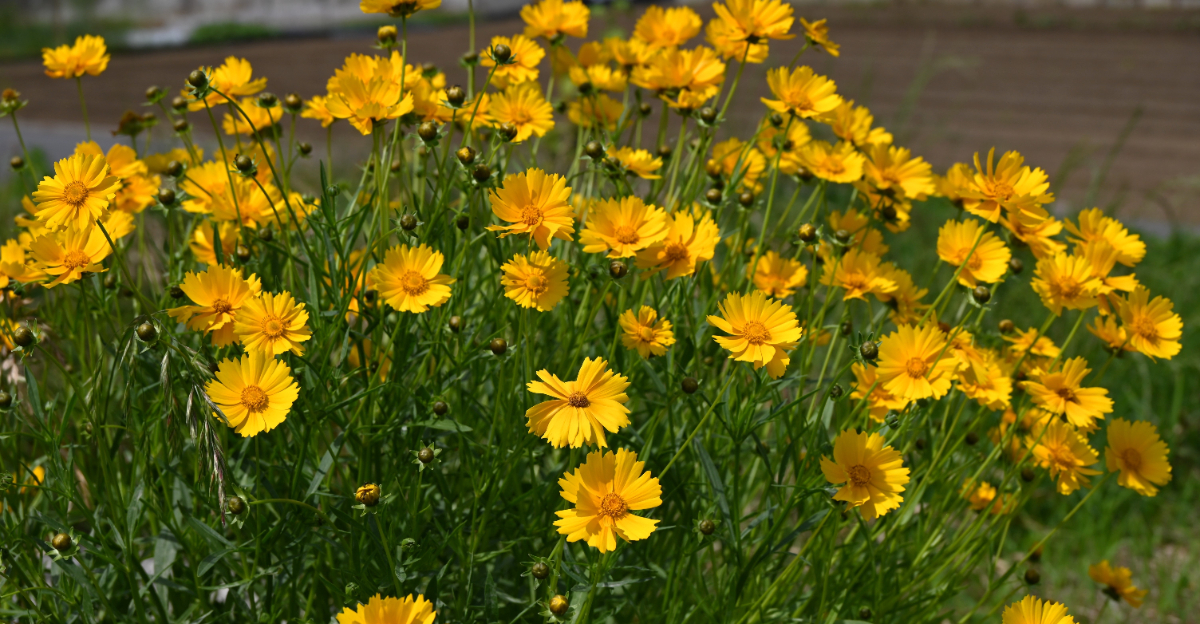
Lanceleaf Coreopsis is one of those plants that looks like it belongs in a wildflower meadow but also cleans up nicely in a formal driveway border. Bright yellow blooms cover the plant from May through July, sometimes longer with deadheading.
It is cheerful without being overwhelming.
Coreopsis lanceolata is native to the Southeast and thrives in poor, sandy, or rocky soil. It actually struggles in rich, heavily watered beds.
Driveway edges with fast-draining, lean soil are exactly the kind of spot where it performs at its best.
Plants reach about one to two feet tall and spread into loose clumps over time. They work well planted in groups of three or five for a natural, full look.
Single plants can look sparse, so mass planting gets the best visual result.
Deadheading spent blooms extends flowering by several weeks. Leaving some flowers to go to seed encourages self-seeding, which fills gaps naturally.
Both approaches have merit depending on how tidy you want the border to look.
Drought tolerance is strong once plants are established. Watering during the first growing season helps roots settle in.
After that, rainfall in most southeastern locations is usually enough to keep plants healthy and blooming without supplemental irrigation.
Butterflies visit the flowers regularly, especially during the heaviest bloom period in early summer.
Lanceleaf Coreopsis also handles reflected heat from pavement far better than many traditional border flowers.