Garden Habits That Attract Dragonflies To Texas Backyards And Reduce Mosquitoes
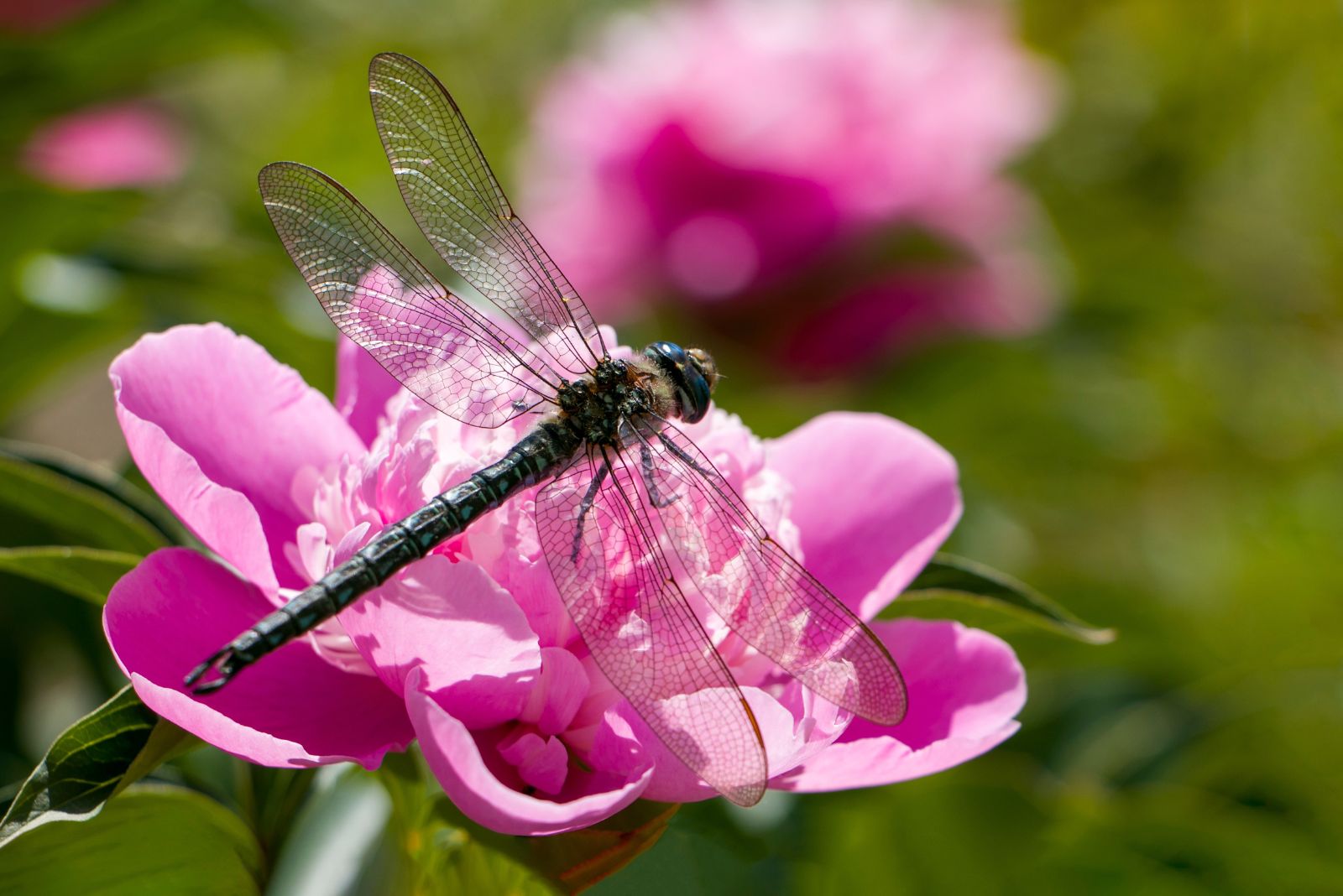
Dragonflies are one of the most effective natural mosquito controls available to Texas gardeners, and most people walk right past the opportunity to attract them without realizing it.
A single dragonfly can take out an impressive number of mosquitoes in a day, working through your yard quietly and continuously without any effort from you.
The challenge is that dragonflies do not just show up because mosquitoes are present. They have specific habitat needs, and most standard Texas backyards do not meet them.
The good news is that creating a dragonfly friendly environment is more achievable than it sounds, and the changes that bring dragonflies in tend to make a yard more interesting and more enjoyable overall.
A few intentional shifts in how you manage your outdoor space can tip the balance significantly in your favor.
Less standing around swatting and more actually enjoying your Texas backyard is a realistic outcome when you get this right.
1. Adding Native Water Plants Around Ponds
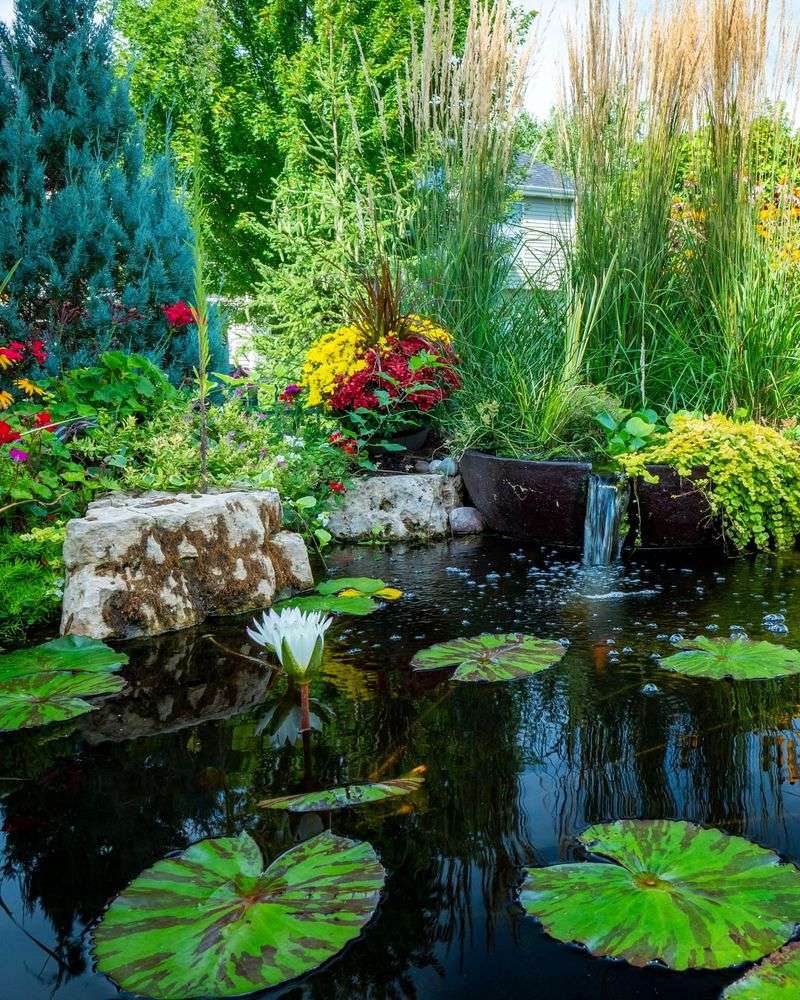
Water is the number one thing dragonflies need to survive and reproduce. Without it, they simply will not stick around your yard.
Adding native water plants around a backyard pond is one of the smartest moves any Texas gardener can make.
Native aquatic plants like pickerelweed, blue flag iris, and arrowhead create the perfect shoreline environment.
These plants give dragonfly larvae safe places to hide and grow underwater. They also give adult dragonflies sturdy stems to perch on while they hunt for food.
Dragonflies lay their eggs in or near water, and native plants help keep that water clean and healthy.
Plants absorb extra nutrients that would otherwise feed algae, keeping the pond balanced. A healthy, plant-filled pond is far more inviting to dragonflies than a bare or murky one.
You do not need a large pond to make this work. Even a small container water garden with a few native plants can attract dragonflies to your Texas backyard.
The key is to choose plants that naturally grow in your region, since they require less maintenance and support local wildlife better than non-native species.
Texas has many beautiful native aquatic plants to choose from. Visit a local native plant nursery or check with your county extension office for recommendations.
Once your water plants are established, you will likely notice dragonflies patrolling the area within just a few weeks, especially during the warm Texas spring and summer months.
2. Growing Pollinator-Friendly Flowers
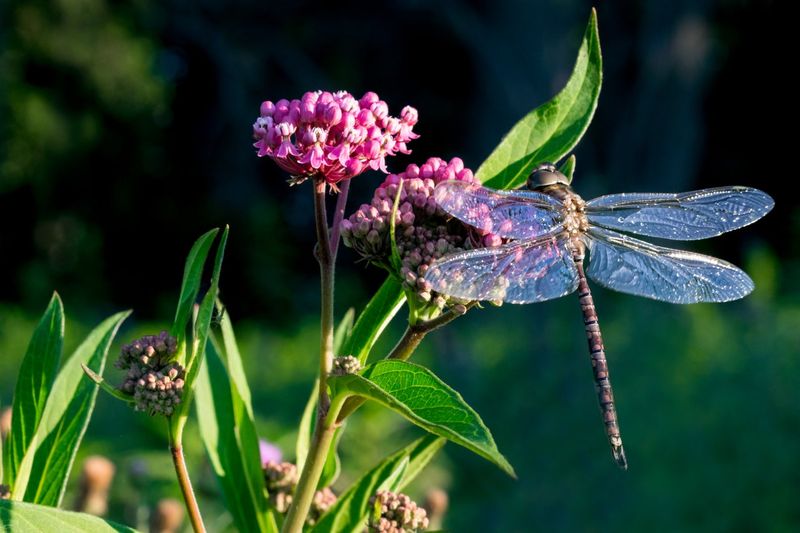
Dragonflies are fierce predators, and they need a steady supply of small flying insects to stay fed and healthy. Growing pollinator-friendly flowers in your yard is one of the best ways to keep that food supply coming.
Flowers attract gnats, midges, small flies, and other tiny insects that dragonflies love to snack on.
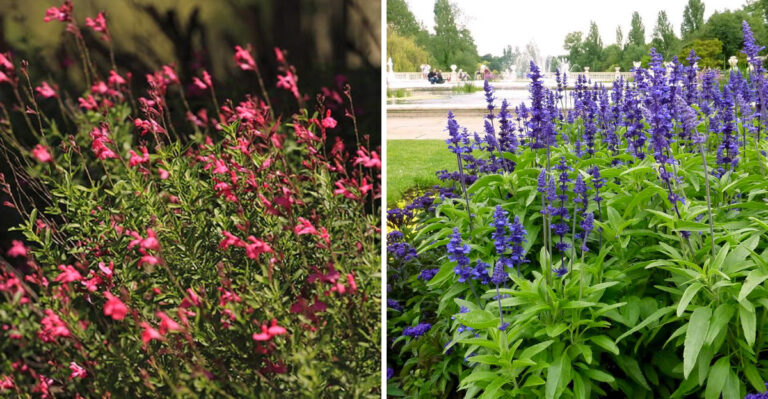
When you plant a diverse mix of flowering plants, you create a living buffet that keeps dragonflies coming back. Native Texas wildflowers like black-eyed Susans, purple coneflowers, and salvia are excellent choices.
These plants bloom at different times of the year, which means there are always insects around for dragonflies to hunt.
Your Texas Garden Changes Every Week. Your Plan Should Too.
Gardening in Texas changes quickly throughout the season. Every Friday you’ll receive a simple weekly plan showing exactly what to plant, prune, fertilize, harvest, and protect so you never miss the right timing.
A garden rich in flowering plants also supports a more balanced ecosystem overall. When beneficial insects thrive, the entire food web becomes more stable.
Dragonflies are more likely to patrol a yard that offers both water and a reliable food source nearby.
Try planting flowers in clusters rather than scattering individual plants around the yard. Groupings of flowers are much easier for insects to find and tend to attract larger numbers of pollinators.
More pollinators means more prey available for dragonflies, which keeps them active and hunting in your space.
Even a small flower bed or a few pots of blooming native plants can make a noticeable difference. You do not need a large yard to create a pollinator-friendly space.
Start small, watch what visits your garden, and expand from there as you learn what works best in your specific Texas region.
3. Avoiding Broad Chemical Pesticides
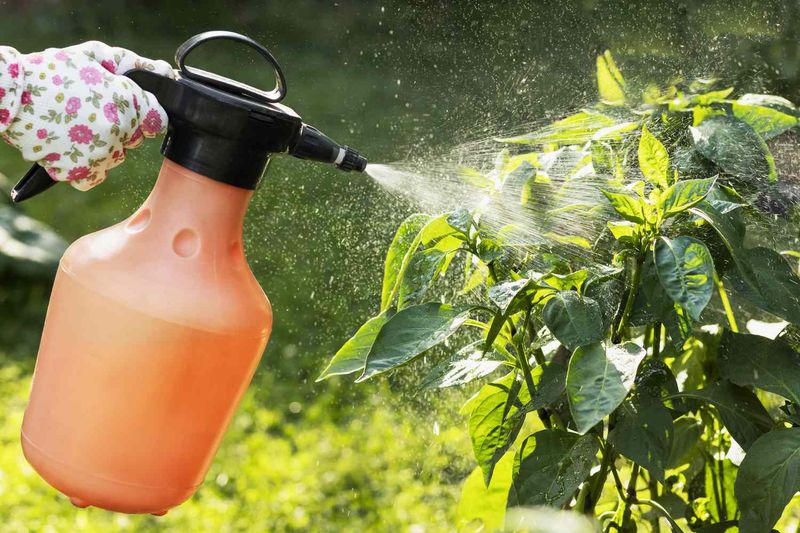
Reaching for a chemical spray might seem like the fastest fix for mosquitoes, but broad pesticides often cause more harm than good. Many common insecticides do not just target mosquitoes.
They wipe out a wide range of beneficial insects, including the very dragonflies that would naturally reduce mosquito numbers for you.
Dragonfly larvae live in water and are especially sensitive to chemical runoff. When pesticides wash into ponds or puddles, they can seriously damage dragonfly populations before the insects ever get a chance to mature.
Adult dragonflies can also absorb toxins through the prey they eat, making chemical-heavy yards risky environments for them.
Skipping or reducing pesticide use creates a safer space for dragonflies to thrive. Over time, a healthier dragonfly population will naturally keep mosquito numbers in check without you having to spray anything at all.
It is a slower process, but the long-term results are far more sustainable and better for your whole backyard ecosystem.
If you feel you must treat your yard for pests, look into targeted options that affect only specific insects.
Mosquito dunks, for example, use a natural bacteria that only affects mosquito larvae in standing water. These products are much safer for dragonflies and other beneficial insects.
Making the shift away from broad chemical pesticides takes some patience. You might see a temporary uptick in certain insects while the ecosystem rebalances.
But once dragonflies and other natural predators establish themselves in your yard, the balance tends to hold surprisingly well, especially in Texas where dragonfly season is long and active.
4. Leaving Some Taller Vegetation In The Yard
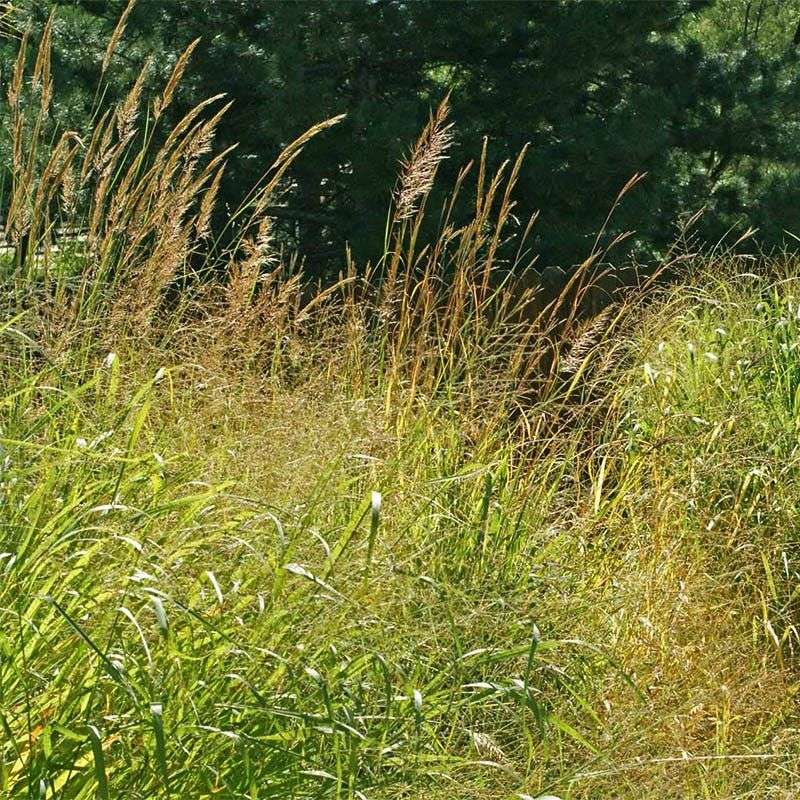
Most people think a neat, trimmed yard is the best kind of yard. But for dragonflies, a little wildness goes a long way.
Leaving some taller grasses, reeds, and shrubs in your yard gives dragonflies the resting spots and hunting perches they need to be effective mosquito hunters.
Dragonflies are visual hunters. They like to perch up high on stems or branches and scan the area for flying prey before launching into action.
Tall native grasses like switchgrass or Gulf muhly are perfect for this. They give dragonflies a clear view of the surrounding area while also blending into a natural Texas landscape.
Taller vegetation also provides shelter during hot afternoons. Texas summers can be brutally warm, and even dragonflies need a break from the heat.
Shaded stems and leafy shrubs give them a cool spot to rest before returning to patrol duty.
You do not have to let your entire yard grow wild. Simply leaving a designated patch of taller plants near a water feature or along a fence line is enough to make a real difference.
Think of it as creating a dragonfly lounge where they can rest, warm up in the morning sun, and prepare for their next hunting run.
Ornamental grasses are a great option because they look attractive while still serving a practical purpose for wildlife. Many Texas gardeners are surprised to find that adding a few clumps of native grasses near a pond dramatically increases dragonfly activity.
It is one of the easiest and most affordable changes you can make to support these natural mosquito reducers in your backyard.
5. Providing Shallow Water Features
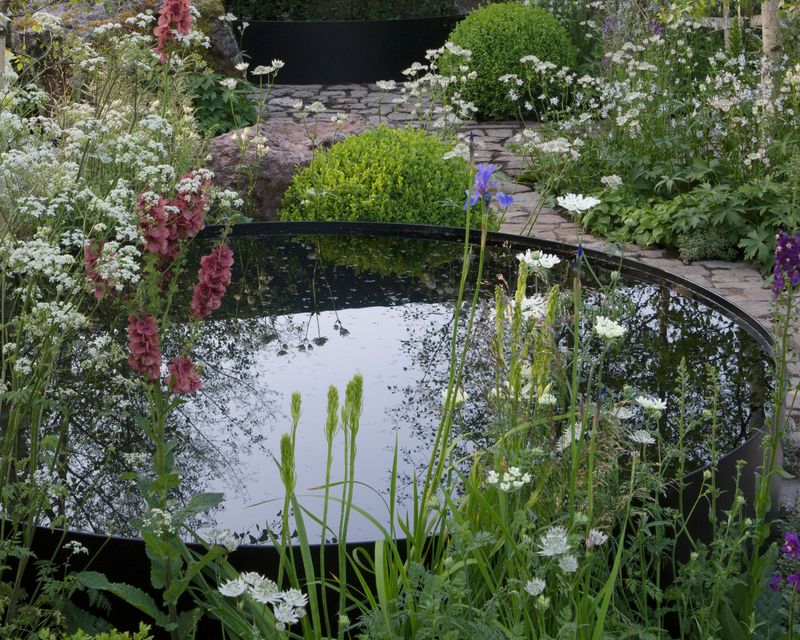
Not every yard has room for a large pond, and that is completely fine. Shallow water features like small garden ponds, birdbath-style bowls, or even large containers filled with water can be enough to attract dragonflies.
The key word here is shallow. Dragonflies prefer water that is calm, warm, and not too deep.
Shallow water heats up faster in the Texas sun, which creates the warm conditions dragonfly larvae need to develop properly. A depth of around two feet or less is ideal for encouraging dragonflies to lay eggs.
Add some smooth rocks along the edges so larvae can crawl out of the water when they are ready to transform into adults.
Keep the water as still as possible. Dragonflies tend to avoid fast-moving or heavily aerated water.
If you have a pump or fountain, consider turning it off occasionally or positioning it so at least part of the water surface stays calm and undisturbed.
Avoid placing fish in your shallow water feature if you want dragonfly larvae to survive. Many common pond fish will eat dragonfly eggs and larvae before they have a chance to mature.
A fish-free water garden is much more welcoming to dragonflies and other beneficial water insects.
Positioning your water feature in a sunny spot is also important. Dragonflies are cold-blooded and rely on sunlight to warm their bodies.
A water feature that gets several hours of direct sun each day is far more attractive to them than one tucked away in deep shade. With the right setup, even a small water bowl can bring dragonflies right to your Texas doorstep.
6. Planting More Native Texas Plants
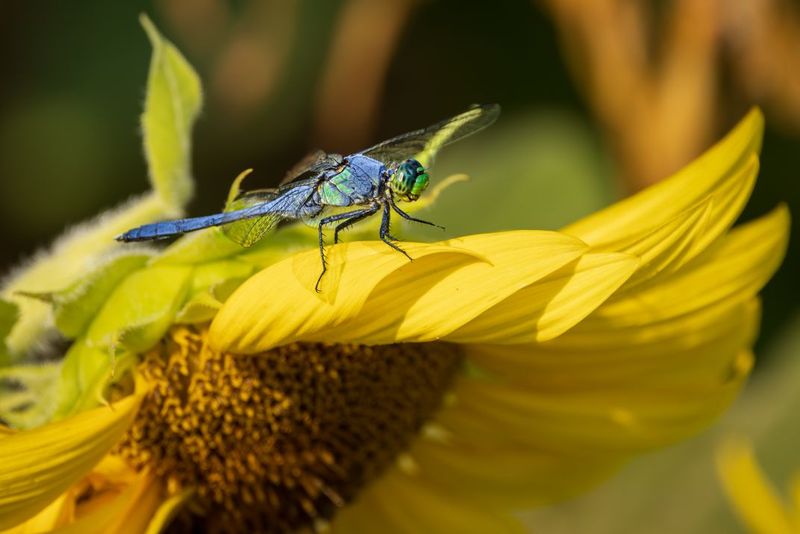
There is something almost magical about a yard full of plants that actually belong there. Native Texas plants have evolved alongside local wildlife for thousands of years, and they create habitat conditions that support the entire food chain, including dragonflies.
When your landscape feels natural, wildlife responds to it naturally. Native plants support the insects that dragonflies feed on. Beetles, gnats, small flies, and midges all thrive in native plant environments.
A yard rich in these tiny creatures is essentially a well-stocked hunting ground for dragonflies, which keeps them patrolling your space on a regular basis.
Plants like Texas sage, yaupon holly, native sunflowers, and beautyberry are excellent choices for Texas backyards. They are drought-tolerant, low-maintenance, and provide food and shelter for a wide range of beneficial insects and animals.
Once established, they practically take care of themselves, which is a huge bonus for busy homeowners.
Native plantings also reduce the need for heavy watering and fertilizing, which means less runoff entering your water features.
Cleaner water around your pond or water garden is healthier for dragonfly larvae and gives them a better chance of surviving to adulthood. Every native plant you add works as part of a bigger, healthier system.
Start by replacing a few non-native plants or lawn sections with native species. Even small changes add up quickly when it comes to attracting wildlife.
Talk to a local nursery that specializes in native Texas plants to get personalized recommendations based on your yard size, soil type, and sun exposure. Your backyard will thank you, and so will the dragonflies.