These Are The Most Important Texas Garden Decisions To Make Before June Ends
June in Texas feels like the last calm moment before the storm. July and August are coming, and anyone who has gardened in this state for more than one summer knows exactly what that means.
Brutal heat, relentless sun, and conditions that can undo months of hard work in just a few weeks if your garden isn’t ready. This is the moment to act. Not next week. Now.
There are some genuinely important garden decisions that need to be made before June ends.
The choices you make right now about watering, mulching, and planting will directly determine how well your garden survives the hardest months of the Texas summer. Some of these decisions take only a few minutes. Others require a little more thought.
But all of them are a lot easier to handle now than they will be once the real heat sets in. Here’s what needs your attention before June is gone.
1. Mulching Key Areas
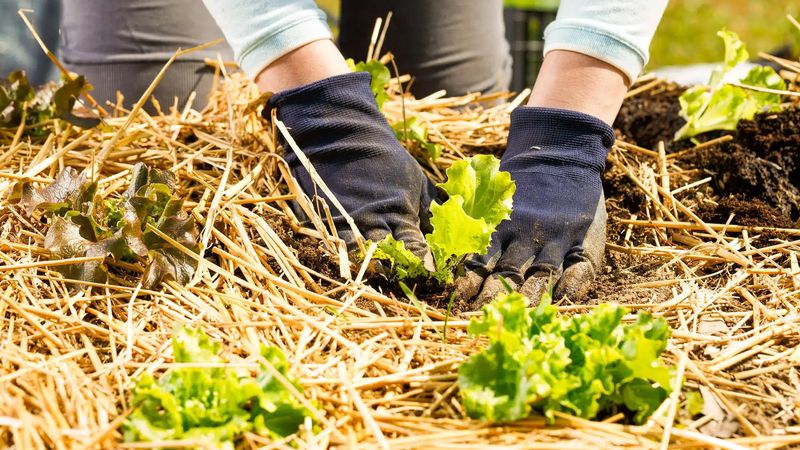
Picture this: it is noon in July, the Texas sun is beating down, and your garden soil is as dry and cracked as an old riverbed. That scenario is completely avoidable if you make one smart move before June ends, and that move is mulching.
Laying down a good layer of mulch right now is one of the simplest and most powerful things you can do for your garden.
Mulch acts like a blanket for your soil. It traps moisture so the ground does not dry out as fast between waterings.
It also keeps soil temperatures cooler, which is a huge deal when Texas afternoons push past 100 degrees. Without mulch, bare soil can heat up so much that it stresses plant roots and slows growth significantly.
Start by identifying the spots that need it most. Vegetable beds, young fruit trees, and flowering perennial borders should all be at the top of your list.
Aim for a layer about three to four inches deep. Wood chips, shredded bark, and pine straw are all great choices that work well in Texas gardens.
Keep mulch pulled back a few inches from plant stems and tree trunks to prevent rot and pest problems. Organic mulches also break down over time, feeding your soil with nutrients as they decompose.
That means your garden beds get healthier with every passing season. Buying mulch in bulk bags or even by the truckload from a local landscape supply company can save you money. Many Texas cities also offer free wood chip mulch programs.
Getting this done before the end of June means your garden is protected just in time for the worst heat.
2. Summer Vegetable Planting
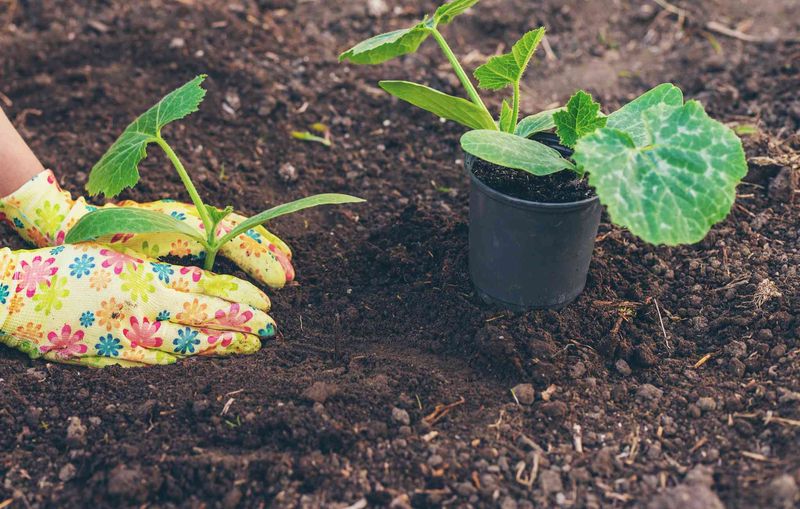
Believe it or not, June is not too late to plant vegetables in Texas. In fact, it is the perfect time to get a second round of fast-growing crops into the ground before the full force of summer arrives.
Knowing which vegetables to choose makes all the difference between a bountiful harvest and a frustrating flop.
Heat-tolerant vegetables are your best friends right now. Bush beans are a fantastic pick because they sprout quickly and produce pods in as little as 50 days.
Your Texas Garden Changes Every Week. Your Plan Should Too.
Gardening in Texas changes quickly throughout the season. Every Friday you’ll receive a simple weekly plan showing exactly what to plant, prune, fertilize, harvest, and protect so you never miss the right timing.
Cucumbers love warm soil and can climb a simple trellis to save space in your garden. Summer squash and zucchini are also excellent choices, growing fast and producing heavily even in hot conditions.
One thing to keep in mind is soil temperature. Texas summer soil is already warm, which actually helps seeds germinate faster than they would in spring.
That warm soil is an advantage, not a problem, as long as you water consistently and mulch around your seedlings after they sprout.
Timing your planting right is key. Get seeds or transplants into the ground by the last week of June so plants have time to establish before the peak of summer heat in mid-July and August.
Planting too late means your crops might struggle to produce before the season winds down.
Water new seedlings every day for the first week or two, then shift to a deep watering schedule two to three times per week. Morning watering is best because it gives leaves time to dry before evening, which helps prevent fungal issues.
With the right variety choices and good care habits, your summer vegetable garden can surprise you with an amazing harvest.
3. Irrigation Planning
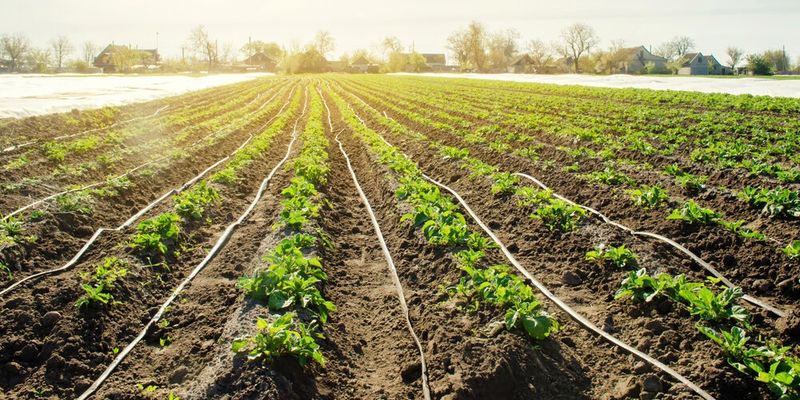
Water is everything in a Texas summer garden, and how you deliver that water matters just as much as how much you use. Before June ends, sit down and make a real plan for how you are going to keep your plants hydrated through July and August.
Winging it with a garden hose every few days is not going to cut it when temperatures stay above 95 degrees for weeks at a time.
Drip irrigation is one of the smartest investments a Texas gardener can make. It delivers water slowly and directly to the root zone, which means less evaporation and less water wasted on bare soil between plants.
Soaker hoses work in a similar way and are a more budget-friendly option for vegetable beds and flower borders.
Watering timers are another game changer. You can set them to run in the early morning hours, which is the ideal time to water because temperatures are cooler and wind is usually calmer.
Early morning watering also gives foliage a chance to dry out before the heat of the day sets in, reducing the risk of fungal problems.
Think about each zone in your garden separately. Trees and shrubs need deep, infrequent watering to encourage strong root growth.
Vegetables and annuals need more frequent moisture to keep producing. Grouping plants with similar water needs together makes irrigation planning much easier and more efficient.
Check your existing hoses, sprinklers, and connectors for leaks or damage before the hot season kicks in fully. Replacing a cracked hose or a broken emitter now saves you from losing plants later.
A solid irrigation plan put in place before July arrives can cut your water bill and keep your garden looking great all summer long.
4. Pest and Disease Prevention
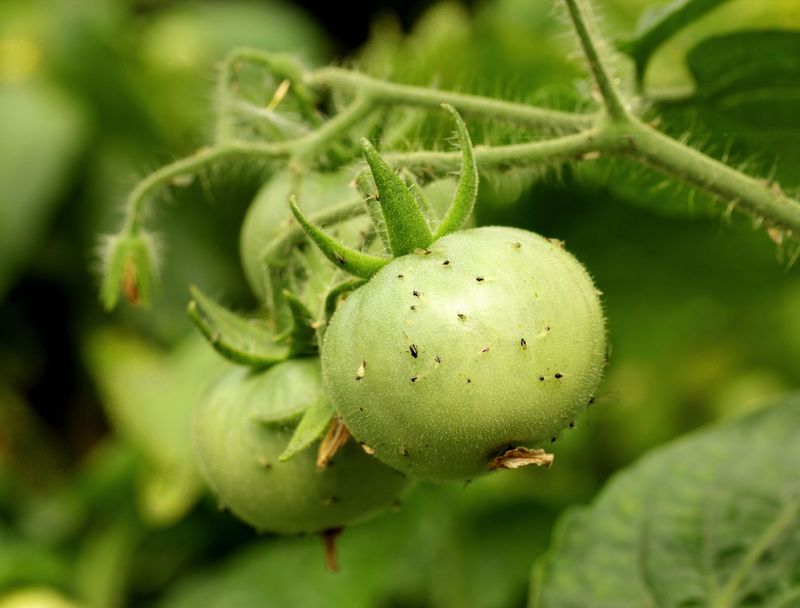
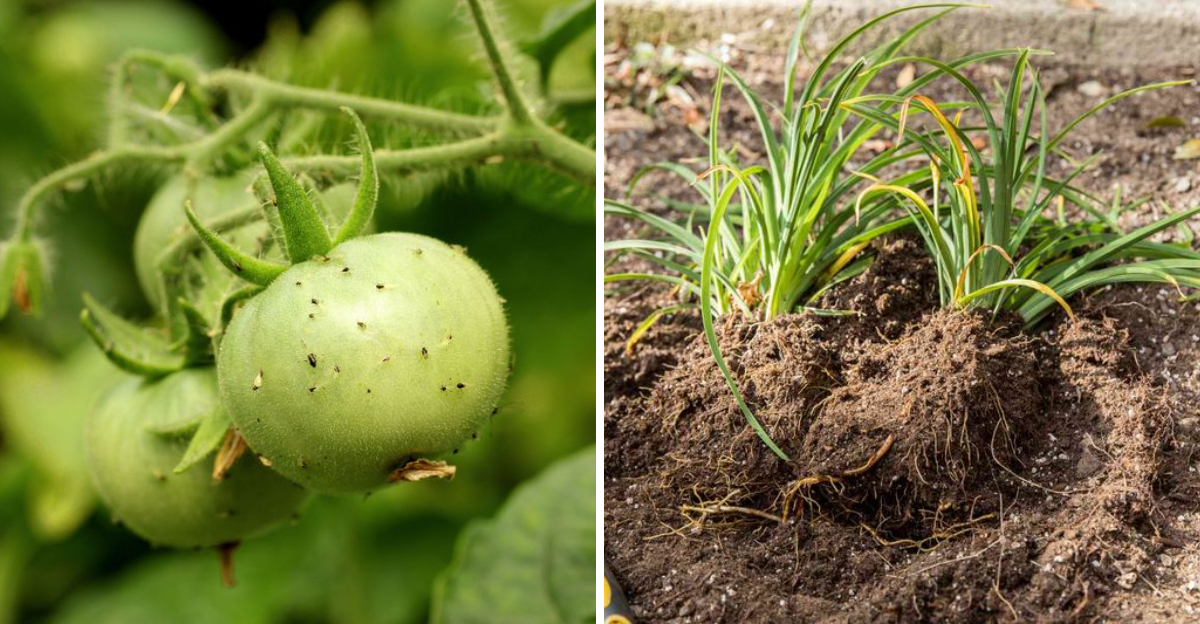
Every Texas gardener knows that summer brings more than just heat. It also brings bugs. Aphids, caterpillars, spider mites, and whiteflies all ramp up their activity as temperatures climb, and they can do serious damage to your plants in a very short amount of time.
Getting ahead of pest and disease problems before June ends is one of the smartest things you can do for your garden.
Start by doing a thorough inspection of all your plants right now. Flip leaves over and look at the undersides, where many pests like to hide and lay eggs.
Check stems and soil near the base of plants too. Catching a small pest problem early is much easier to manage than dealing with a full-blown infestation in mid-July.
Spider mites love hot, dry conditions, which makes them a major summer threat in Texas. You can often spot them by the fine webbing they leave on leaves.
A strong spray of water can knock them off plants, and neem oil spray is a natural option that works well for control. Repeat treatments every week or two during peak season. Caterpillars from moths and butterflies can chew through vegetable leaves quickly.
Bacillus thuringiensis, commonly known as BT, is a natural bacteria-based spray that targets caterpillars without harming beneficial insects like bees and ladybugs. It is widely available at garden centers across Texas.
Fungal diseases like powdery mildew and leaf spot tend to flare up when nights stay humid. Improving air circulation by spacing plants properly and removing crowded or damaged foliage helps reduce the risk.
Staying on top of prevention throughout June sets your garden up for a much healthier summer season overall.
5. Pruning And Dividing Perennials
Perennials are the backbone of many Texas gardens, coming back year after year and providing reliable color and structure.
But without a little attention in early summer, they can get overcrowded, stop blooming as well, and even start competing with each other for water and nutrients.
June is a great time to take a good look at your perennial beds and decide what needs a trim or a split.
Some perennials benefit from a light pruning after their first flush of spring blooms. Plants like salvia, catmint, and coneflowers often push out a fresh round of flowers after being cut back by about one third.
Use clean, sharp pruning shears and cut just above a leaf node or a side branch. This simple step can extend your blooming season well into fall.
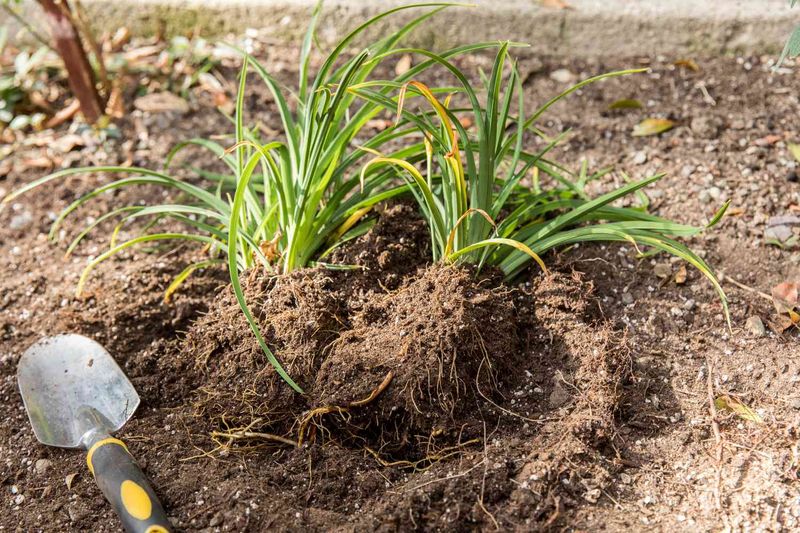
Dividing perennials is a separate task that helps plants stay healthy and vigorous over time. When a clump gets too large, the center can become woody and stop producing as many blooms.
Digging up the clump, splitting it into smaller sections, and replanting those sections gives each division more room to grow and access to fresh soil nutrients.
Not all perennials should be divided in summer, so do your homework before you start digging. Plants like daylilies, liriope, and society garlic handle summer division well in Texas.
Others, like ornamental grasses, are better divided in early spring. A quick search or a visit to a local Texas cooperative extension office can give you a clear list of what to divide and when.
After pruning or dividing, water your plants thoroughly and add a fresh layer of mulch around the base. This helps them recover faster and protects the roots during the intense heat that follows in July and August.
6. Plant Selection And Replacements
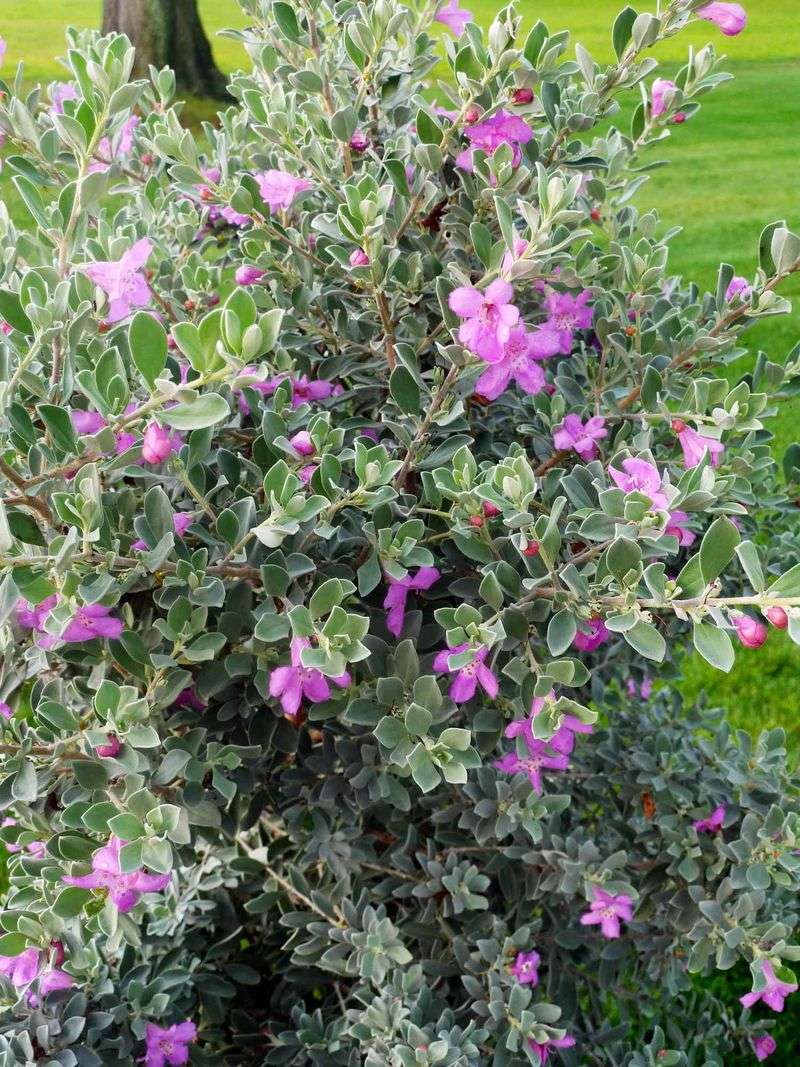
Walk around your yard right now and be honest with yourself. Are there plants that have been struggling all spring, barely hanging on no matter how much you water or fertilize them?
If so, June is the time to make some tough but smart decisions about replacements. Holding onto plants that are not suited for Texas summers just means more frustration and wasted effort down the road.
Texas native plants are your best allies when it comes to summer survival. Plants like lantana, Texas sage, black-eyed Susan, and cenizo are naturally adapted to the heat, humidity swings, and occasional drought that define a Texas summer.
Once established, many of these plants need very little extra water or care, which makes your gardening life a whole lot easier.
Invasive plants are another issue worth addressing before summer gets fully underway. Species like Chinese tallow, giant reed, and Japanese privet spread aggressively and crowd out native plants that wildlife depends on.
Removing invasive species now, before they set seed in summer, helps prevent them from taking over even more space in your garden and surrounding landscape.
When choosing replacement plants, pay attention to your specific growing conditions. Do you have full sun all day, or does your yard get afternoon shade?
Is your soil sandy, clay-heavy, or somewhere in between? Matching the right plant to the right spot is the single biggest factor in whether a new addition will thrive or struggle.
Visit a local Texas native plant nursery if you can, because the staff there can give advice tailored to your exact region and soil type.
Buying plants that are already acclimated to Texas conditions gives them a stronger head start than plants shipped in from other climates.
Making smart plant choices now means a garden that looks better and works harder for you all summer long.