Florida Perennials You Should Cut Back After Blooming So They Flower Again This Summer
Most gardeners see spent blooms and do absolutely nothing. Then they spend the rest of summer wondering why their garden looks tired and finished by June.
There’s a simple trick seasoned Florida gardeners swear by, and it goes against every instinct a new gardener has. Trim them back.
On purpose. Right after they bloom.
It sounds counterproductive until you understand what’s actually happening beneath the surface. A perennial that gets cut back at the right moment redirects all its energy away from seed production and straight back into new growth.
New buds. New blooms.
A second act that most gardens never get because nobody told them it was possible. Florida’s long growing season gives perennials more runway than almost anywhere else in the country.
That’s an advantage worth exploiting. A pair of pruning shears and the right timing can turn a one-season performer into a garden that keeps delivering color deep into summer.
1. Trim Native Salvia After The First Flower Spikes Fade
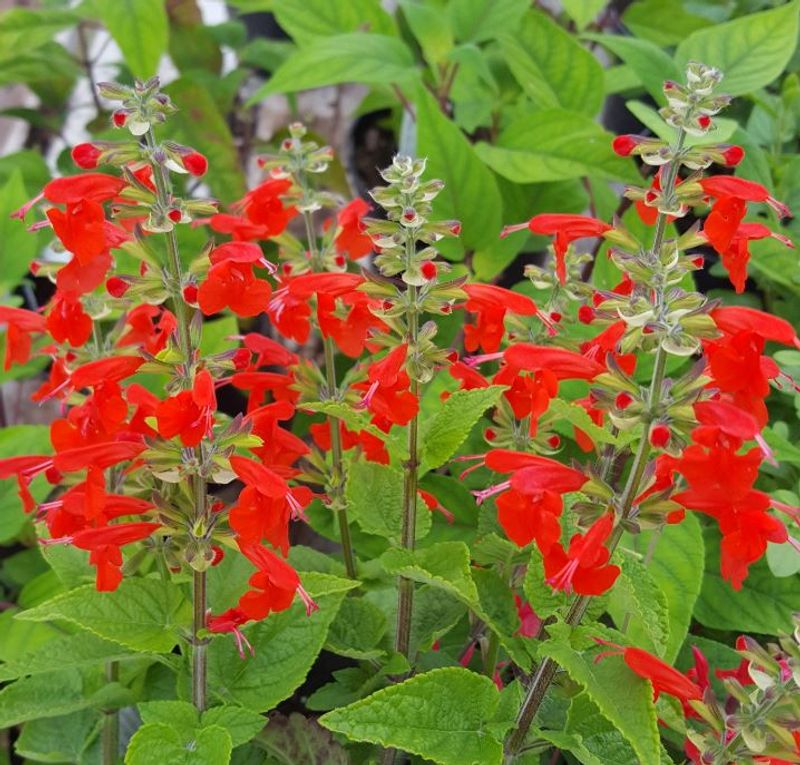
Faded flower spikes are a signal to act, and with the right salvias, that action can pay off with a fresh round of blooms. Tropical sage, known botanically as Salvia coccinea, is one of the best examples.
It is native to our state and commonly available at native plant nurseries and some garden centers. When the tall flower spikes begin to look spent and brown, trim them back to a set of healthy leaves lower on the stem.
This can encourage the plant to push new growth and fresh spikes.
Not every salvia sold at a big-box nursery is native or naturally suited to local growing conditions. Some cultivars are bred for looks rather than climate performance.
Before assuming a salvia will rebloom after trimming, check whether it is suited for humid, hot summers. Tropical sage handles the heat and humidity well, and it often rebounds after trimming during the warmer months when it has good drainage and full sun.
Trimming does not need to be dramatic. Removing the spent spikes and cutting back some of the leggier stems is usually enough to tidy the plant and give it room to redirect energy.
Avoid cutting into old woody growth unless the plant has become very overgrown. Fresh green stems respond better than older wood.
Pollinators, including hummingbirds and native bees, tend to return quickly once new spikes emerge. Keeping the plant healthy between trims with consistent moisture and decent soil will support the best rebloom results.
2. Cut Back Coreopsis To Encourage Fresh Buds
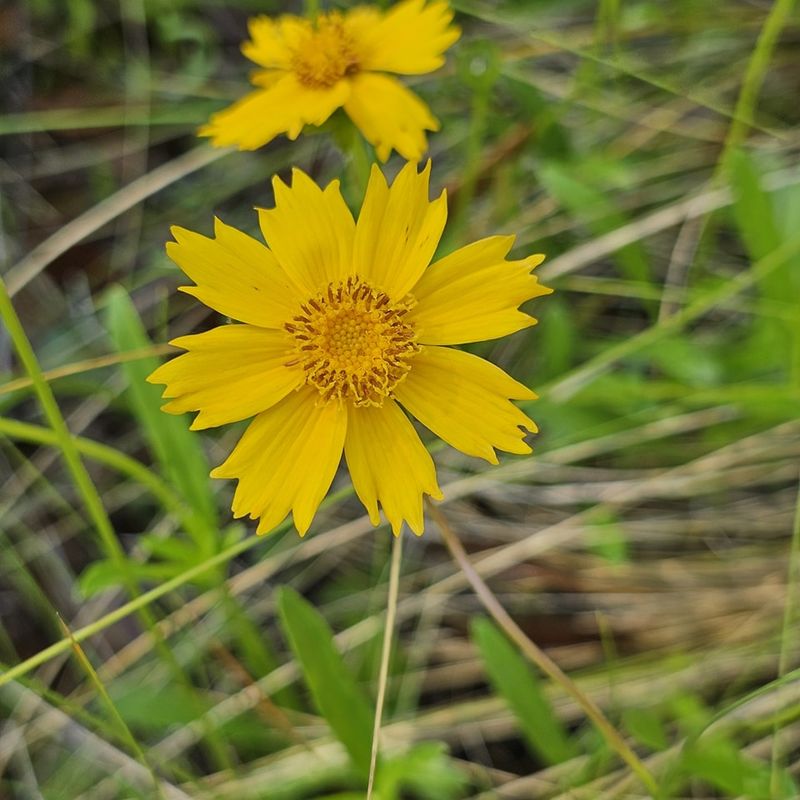
A tired clump of coreopsis can often push fresh buds when gardeners step in before the plant completely exhausts itself. Rather than waiting until every stem looks worn out, remove spent flower heads after a heavy bloom flush.
Cutting back the most tired-looking growth can help the plant redirect its energy. The result is often a cleaner, more compact plant that produces another round of cheerful flowers.
Coreopsis is a broad genus with many species, and not all of them behave the same way in warm, humid gardens. Coreopsis leavenworthii, also called tickseed, is native to the state and well-suited for sunny, well-drained sites.
Your Florida Garden Changes Every Week. Your Plan Should Too.
Gardening in Florida changes quickly throughout the season. Every Friday you’ll receive a simple weekly plan showing exactly what to plant, prune, fertilize, harvest, and protect so you never miss the right timing.
It tends to be a reliable warm-season bloomer when grown in the right conditions. Other species and cultivars may vary in their heat tolerance and rebloom response.
It is worth checking the label or asking a local Extension office which types perform best in your region.
When trimming, focus on removing faded flower stems rather than cutting the entire plant to the ground. A light to moderate trim usually works better than a severe cutback, especially during the hottest parts of summer.
Good drainage matters a lot with coreopsis. Soggy soil can cause root stress that no amount of trimming will fix.
Full sun is also important for consistent flowering. Plants getting less than six hours of direct light tend to bloom less freely, even after a fresh trim.
Watch how the plant responds after each cutback and adjust your approach from there.
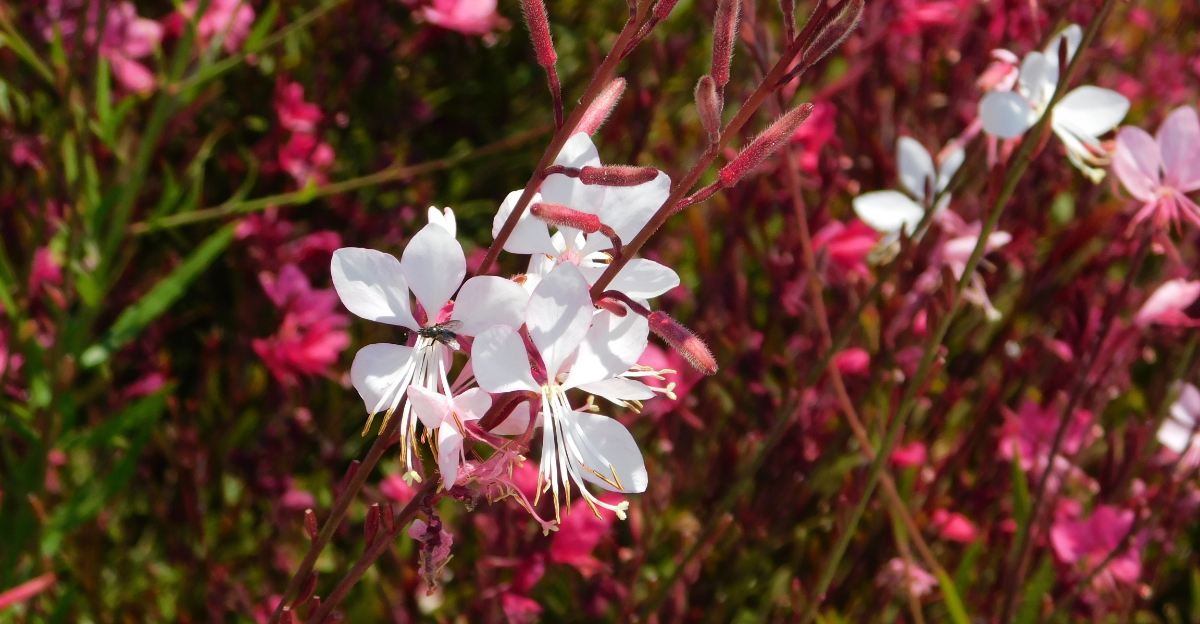
3. Shear Gaura Lightly When Blooms Slow Down
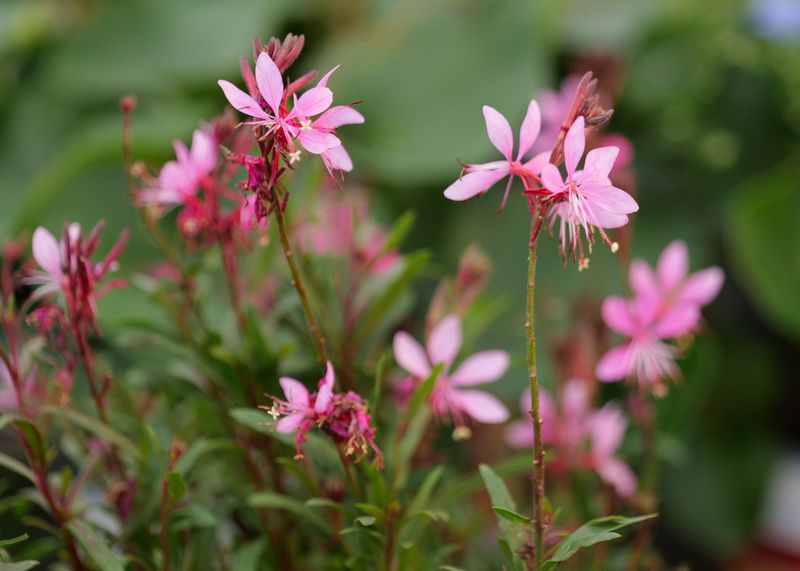
A light shear works better than a harsh cut when gaura starts looking stretched and tired after a heavy bloom period. Also known as wandflower or beeblossom, gaura produces airy, delicate blooms on tall wiry stems that dance in the breeze.
It is a charming plant in sunny beds, but it can get leggy and open after a long flush of flowers. That is the moment to step in with a gentle trim rather than waiting for the plant to flop.
The ornamental gaura commonly sold for gardens is often listed as Gaura lindheimeri or Oenothera lindheimeri. It is not native to Florida, though some related beeblossoms occur in the state.
It prefers lean, well-drained soil and tends to struggle in compacted or consistently wet ground. Cutting back into healthy green growth after blooms slow down can refresh the plant and encourage a new wave of flower stems.
The key word here is lightly. Removing roughly one-third of the stem length is a reasonable starting point.
Cutting too hard during a heat wave can stress the plant and slow recovery rather than speed it up. Gaura is somewhat drought-tolerant once established, which makes it a practical choice for sunny spots that dry out quickly between rains.
After a light shear, give the plant a few days to adjust before expecting new growth. With good drainage and plenty of sun, it may reward you with another round of graceful blooms before the season ends.
4. Snip Pentas To Keep New Flower Clusters Coming
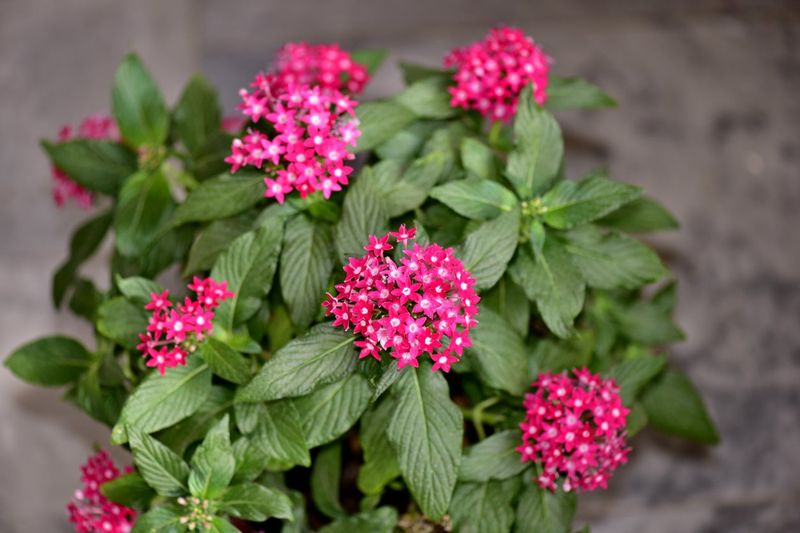
Small snips can keep flower clusters coming on pentas, one of the most reliable warm-season bloomers in local gardens.
Pentas lanceolata is not a native, but it has earned its place in sunny beds and containers across the state because of how well it handles heat and humidity.
Removing spent flower clusters regularly, rather than letting them linger, helps the plant stay tidy and focus its energy on producing new blooms instead of setting seed.
Trimming pentas does not require special tools or a lot of time. Pinching off the faded clusters at the base of each flower head is usually enough to keep things moving.
For plants that have grown bushy and dense, a slightly more thorough trim of the longest stems can help reshape the plant and encourage branching lower down.
More branches generally mean more flower clusters over time, which is the goal through the long warm season.
Pentas are well-regarded for attracting butterflies, particularly swallowtails, which are drawn to the flat-topped flower clusters. Keeping the plant in active bloom supports that pollinator activity through the summer.
In the warmest parts of the state, pentas may behave more like a perennial and survive mild winters. In cooler northern areas, it often performs as a warm-season annual.
Either way, regular snipping after blooms fade is one of the simplest things a gardener can do to extend the show. Healthy plants in full sun with decent drainage tend to respond best to this kind of routine maintenance.
5. Refresh Blanketflower After A Heavy Bloom Cycle
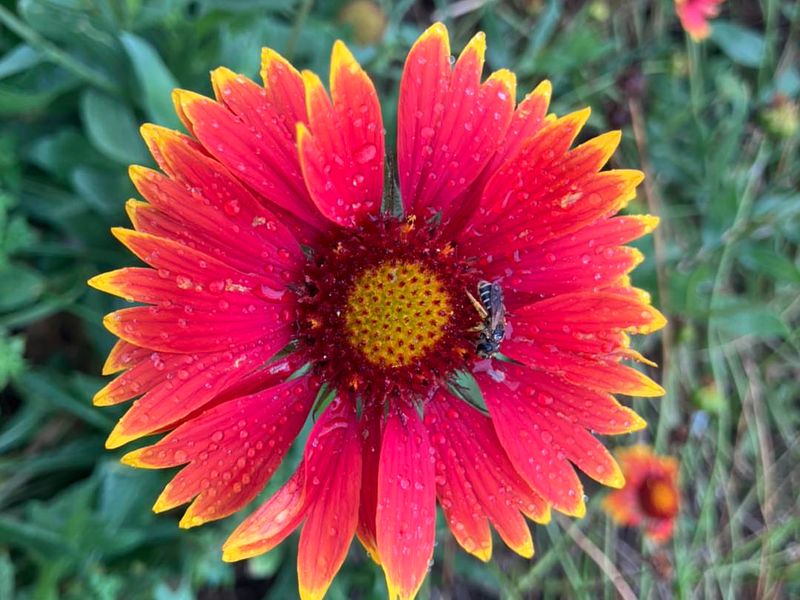
A heavy bloom cycle can leave blanketflower stems looking spent and the plant a bit worn around the edges. Blanketflower, commonly sold under the name Gaillardia, is a bold, sun-loving plant.
Its warm-toned flowers in red, orange, and yellow give it a wildflower-style charm. It is often described as a Florida-friendly perennial or short-lived perennial rather than a long-term landscape staple.
Its rebloom potential depends a lot on plant health, drainage, and the specific variety being grown.
Native status for Gaillardia can be confusing. Gaillardia pulchella was long treated as native here, but UF/IFAS now notes that newer research suggests it may have been introduced to the eastern United States.
It is still widely used as a Florida-Friendly, short-lived perennial or reseeding wildflower in sunny, well-drained sites.
Most sources agree that removing spent flower heads and trimming back tired stems after a bloom flush can help the plant redirect energy.
That energy goes into new growth and fresh flowers rather than seed production.
Full sun and sharp drainage are non-negotiable for blanketflower. Plants sitting in wet or compacted soil tend to decline quickly regardless of trimming.
In well-drained beds or raised areas, a moderate trim after peak bloom can extend the flowering period noticeably. Avoid cutting back too severely during the hottest stretch of summer, as the plant may struggle to recover.
A moderate approach gives the plant the best chance to push another round of color before the season shifts. Remove the most tired growth while leaving healthy stems intact.
6. Trim Porterweed Before It Gets Too Leggy
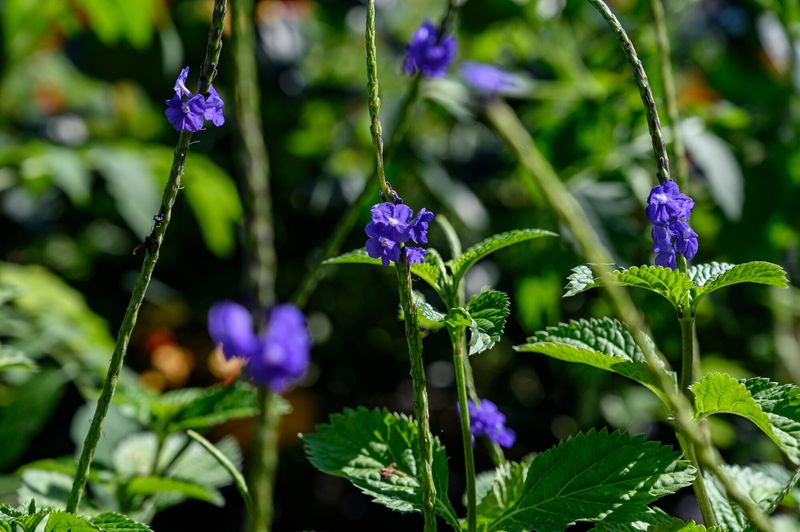
Leggy growth needs shaping before it flops, and porterweed is a plant that can get away from you quickly if trimming is put off too long.
This warm-season bloomer produces small but abundant flowers along tall stems, and it tends to keep flowering through the heat when it is managed well.
Left alone, the stems can stretch out, open up, and start to look more like a sprawling mess than a garden plant. A timely trim helps keep the shape tighter and encourages fresh flowering growth from lower on the stem.
Porterweed comes in both native and non-native forms, and the difference matters. Stachytarpheta jamaicensis is native to parts of the state and is valued for its wildlife connections.
Stachytarpheta mutabilis and other introduced species are also sold in nurseries and may look similar at first glance. Checking the botanical name before buying is the best way to make sure you are getting the type you want.
Some non-native porterweeds can spread aggressively in warm regions, so it is worth doing a little research before planting.
When trimming, cutting back stems that have become very long and open is the main goal. Removing the oldest and leggiest growth encourages the plant to branch and produce new flowering stems closer to the base.
Porterweed handles warm, humid conditions well and generally recovers quickly after a trim during the growing season. Good drainage and full to partial sun support the best performance.
Watch the plant after trimming and let the new growth guide your next steps.
7. Trim Blue Daze Lightly When Growth Gets Leggy
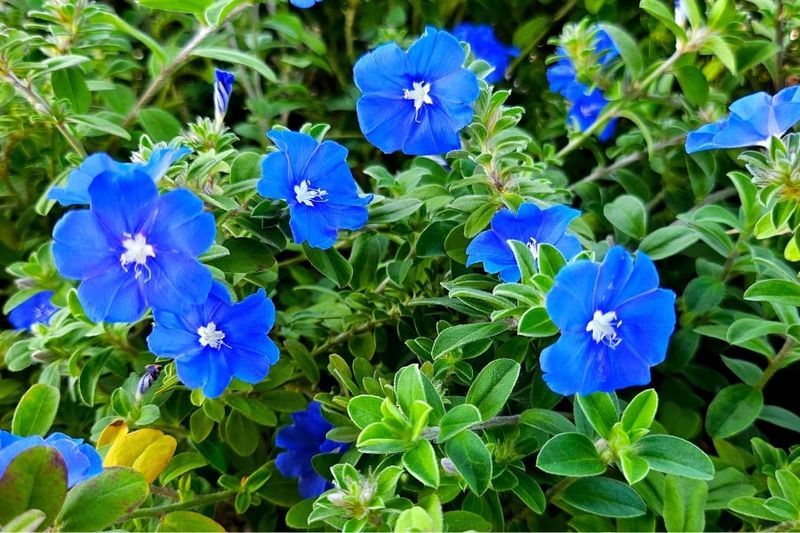
Trailing plants often need a gentler touch, and blue daze is a good example of why less is more when it comes to trimming. Evolvulus glomeratus, commonly sold as blue daze, is not native to this state.
But it has become a popular choice for sunny beds, borders, and containers because of its clear blue flowers and low, spreading habit. When stems start to stretch out, look thin, or lose their compact shape, a light trim can help refresh the plant.
It can also encourage new growth that supports continued flowering.
The word light really does matter here. Blue daze does not respond well to severe cutbacks, especially during the peak of summer heat.
Removing the longest or most tired-looking stems while leaving healthy growth intact is the safer approach. Cutting too hard can slow recovery and reduce flowering rather than improve it.
The goal is to tidy the plant and encourage branching, not to reshape it from scratch.
Blue daze performs best in full sun with well-drained soil. It is sensitive to overwatering and does not like sitting in wet ground for extended periods.
In the warmest parts of the state, it may survive mild winters and return the following year. In cooler northern regions, it is more often treated as a warm-season annual.
Either way, keeping up with light, regular trims through the growing season tends to produce better results than one heavy cutback. Healthy, well-established plants in the right conditions are most likely to keep flowering after a trim.