The Plants More Michigan Gardeners Are Growing To Help Keep Ticks Away
Tick populations across Michigan have been growing steadily, and gardeners are starting to respond in a practical way.
Sprays and perimeter treatments have their place, but more people are looking at what they can add to their yards that works on its own without needing to be reapplied.
Certain plants have a genuine effect on ticks. They release compounds that interfere with ticks finding a host, and when planted in the right spots around a yard they reduce pressure in a quiet but consistent way.
The shift toward these plants is not just about pest control either. Most of them are attractive, useful in other ways, and well suited to Michigan growing conditions.
The tick benefit just happens to come along with everything else they already offer.
1. Lavender
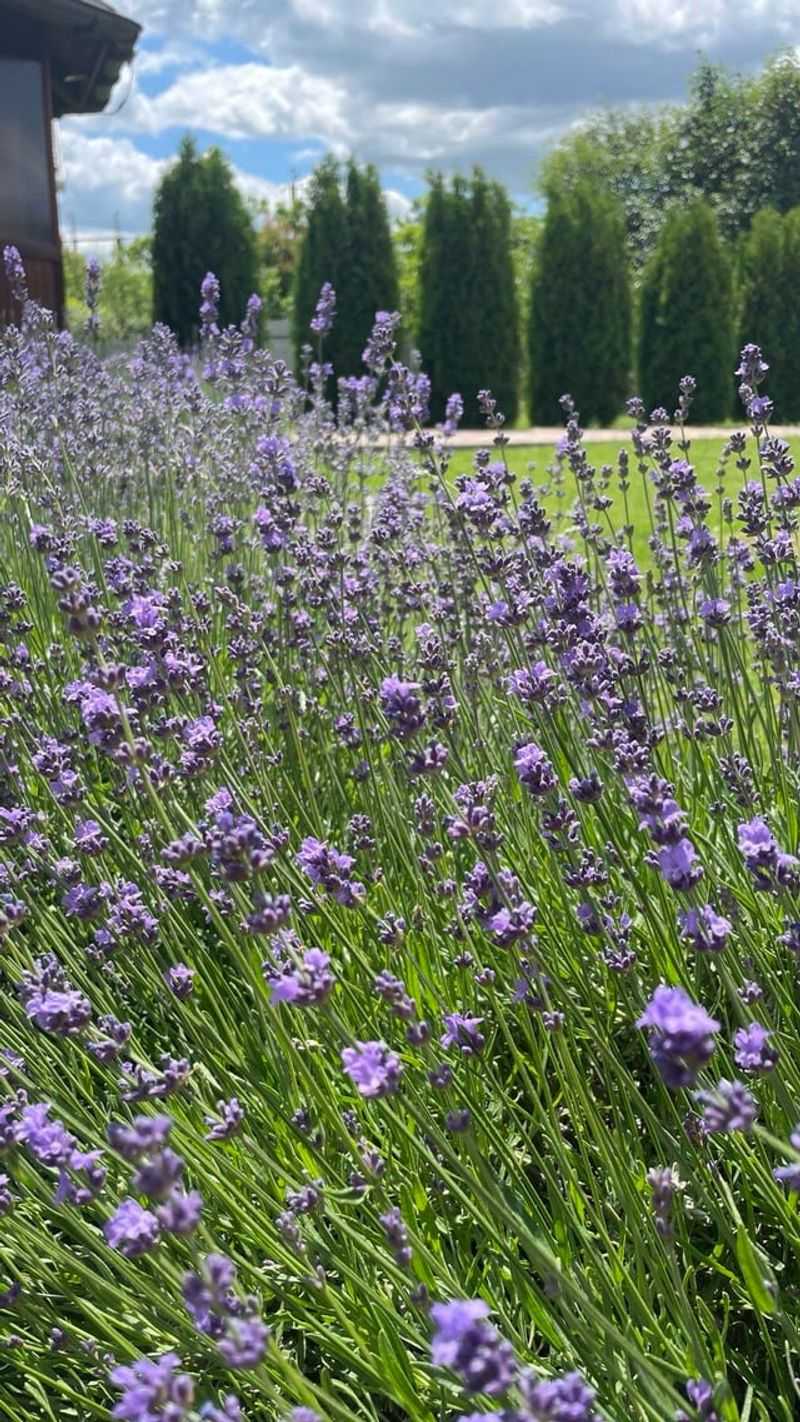
Few plants bring as much sensory joy to a garden as lavender. That unmistakable purple bloom and sweet, herbal fragrance have made it a staple in cottage gardens for centuries, but gardeners are now planting it with a more practical goal in mind.
During tick season, lavender’s strong scent may help make nearby outdoor seating areas feel less inviting to ticks, adding a layer of comfort to your patio experience.
Growing lavender successfully in Michigan starts with getting the basics right. Full sun is non-negotiable, so aim for a spot that gets at least six to eight hours of direct sunlight daily.
Excellent drainage matters just as much. Lavender roots are prone to rot in soggy soil, so raised beds or sandy, amended garden spots work best across Michigan’s heavier clay soils.
Winter survival can be tricky in colder zones, particularly in northern Michigan. Varieties like Hidcote and Munstead tend to handle Michigan winters better than most.
Mulching lightly around the base in late fall offers extra protection without trapping too much moisture. Container growing is also a smart option, allowing you to bring plants indoors before hard freezes hit.
Placing lavender in pots near patio edges or walkway borders keeps its fragrance right where you spend time outdoors. Trim plants back by about a third after blooming to encourage bushier growth and more flowers the following season.
2. Lemongrass
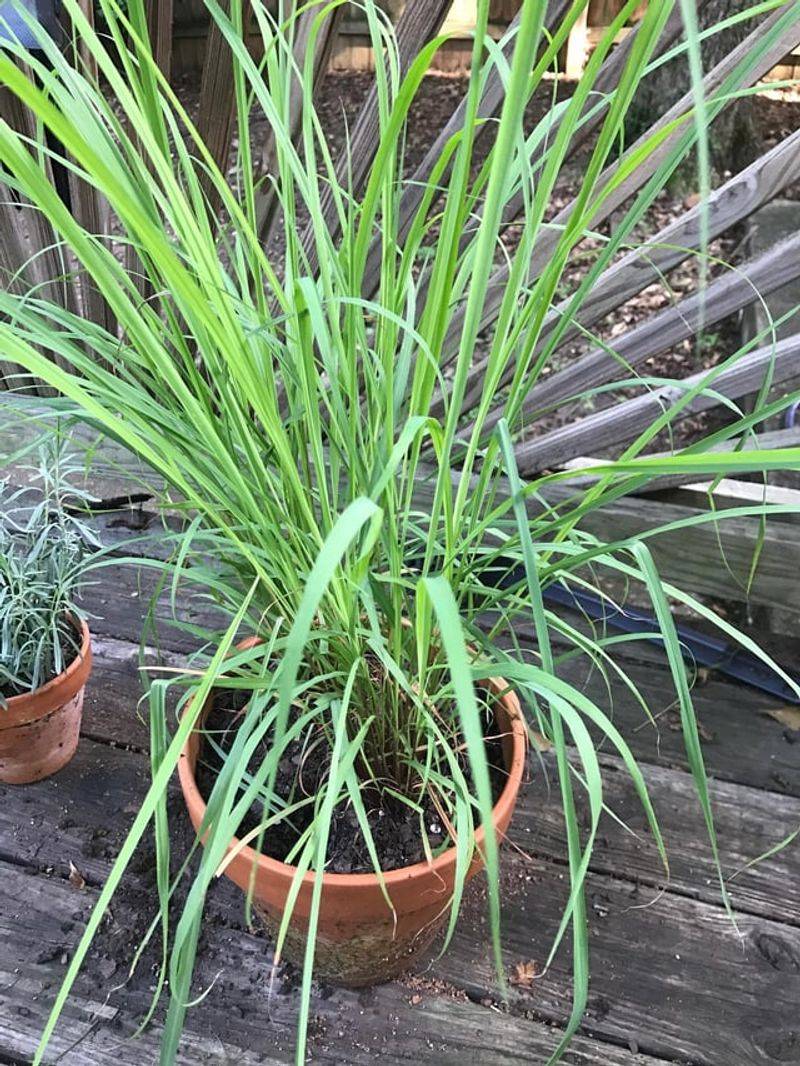
Lemongrass has a way of transforming a plain patio corner into something that feels almost tropical. Its tall, graceful blades and fresh citrus scent make it a standout container plant, and gardeners are growing it more often near outdoor seating areas for good reason.
When leaves are brushed or lightly crushed, they release a sharp lemony aroma that many pests, including ticks and mosquitoes, tend to avoid.
Because lemongrass is a tropical plant, it treats summers as its prime growing season but cannot survive an outdoor winter here. Starting plants in containers makes the most sense for this climate.
Use a large pot with good drainage, a rich potting mix, and place it somewhere that gets full sun for the best results. Once temperatures consistently hit 70 degrees or warmer, lemongrass really takes off.
Brushing your hands along the blades before sitting outside is an easy way to release that fragrance and freshen the air around your seating area.
Your Michigan Garden Changes Every Week. Your Plan Should Too.
Gardening in Michigan changes quickly throughout the season. Every Friday you’ll receive a simple weekly plan showing exactly what to plant, prune, fertilize, harvest, and protect so you never miss the right timing.
Lemongrass works best as part of a broader approach to tick prevention, which should also include keeping grass trimmed, removing leaf litter, and doing thorough tick checks after time spent outdoors.
When fall arrives and nights cool down, bring containers inside to a sunny window or a warm garage. With the right care, the same plant can return strong the following summer, saving you money and effort year after year.
3. Rosemary
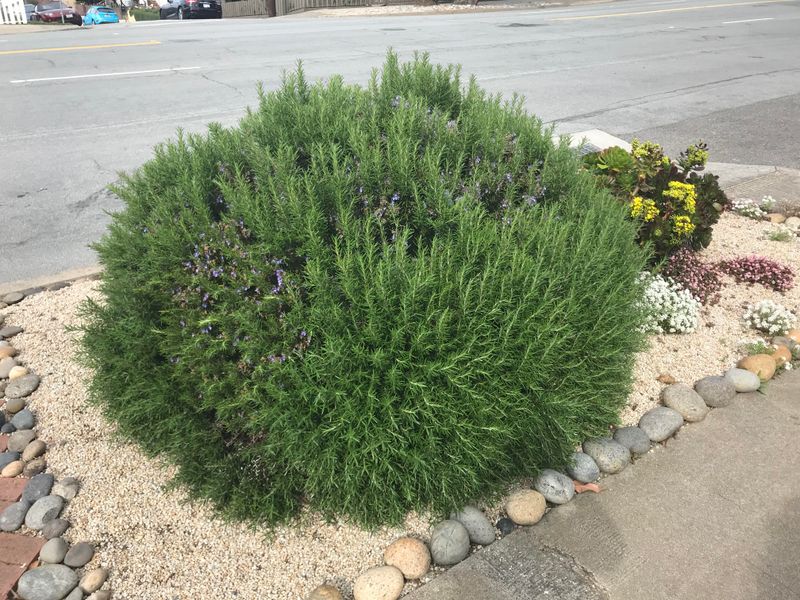
Rosemary is the kind of herb that earns its place in a garden on scent alone. Walk past it, brush against it, or simply sit nearby on a warm afternoon, and that bold, piney fragrance fills the air instantly.
Michigan gardeners are increasingly positioning rosemary near patios and outdoor living spaces during tick season, drawn by its reputation as an aromatic deterrent for unwanted pests.
One important thing to understand about rosemary in Michigan is its winter hardiness, or rather the lack of it. Most rosemary varieties are not reliably cold-hardy in zones 5 or lower, which covers a large portion of the state.
Growing it in containers is the most practical approach, giving you the flexibility to move plants inside before the first hard frost arrives in fall.
For strong, healthy growth outdoors during summer, rosemary needs full sun and excellent drainage above everything else.
Soggy soil is its biggest weakness, so avoid heavy pots without drainage holes and never let water pool at the base. A well-draining potting mix with added perlite works well.
Pruning regularly throughout the growing season keeps plants bushy rather than leggy. Light trims after flowering encourage fresh new growth and help maintain that compact shape that looks great near patio edges.
Indoors over winter, a south-facing window with good airflow prevents the humidity issues that often trouble rosemary during cold months.
4. Sage
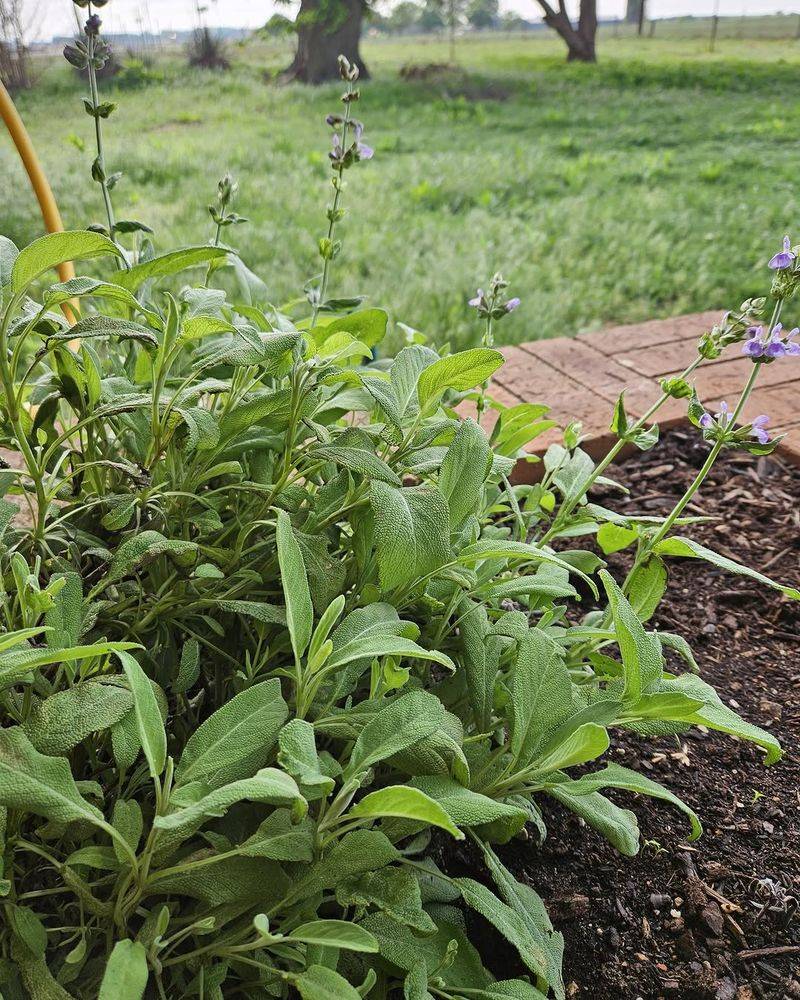
Sage has a smell that is hard to forget. That earthy, slightly smoky fragrance clings to your fingers long after you brush a leaf, and it is exactly that boldness that makes sage such a popular addition near patios and garden paths during tick season.
Gardeners appreciate that it pulls double duty, offering aromatic foliage that may help discourage certain pests while also producing beautiful purple flower spikes that attract bees and butterflies all summer long.
Getting sage to thrive in Michigan is fairly straightforward once you nail the basics. It wants full sun, ideally six or more hours per day, and well-drained soil that does not stay wet after rain.
Good airflow around the plant matters too, since sage is susceptible to powdery mildew in humid, crowded conditions. Spacing plants about 18 to 24 inches apart helps air move freely through the foliage.
Watering should be moderate. Sage is drought-tolerant once established and actually prefers to dry out a bit between waterings rather than sitting in constantly moist soil.
Overwatering is one of the most common mistakes gardeners make with this herb.
Pruning in early spring removes any winter-damaged stems and encourages fresh, compact growth. Most sage varieties handle our winters reasonably well with some light mulching, making it a reliable perennial that comes back stronger each year with very little fuss.
5. Thyme
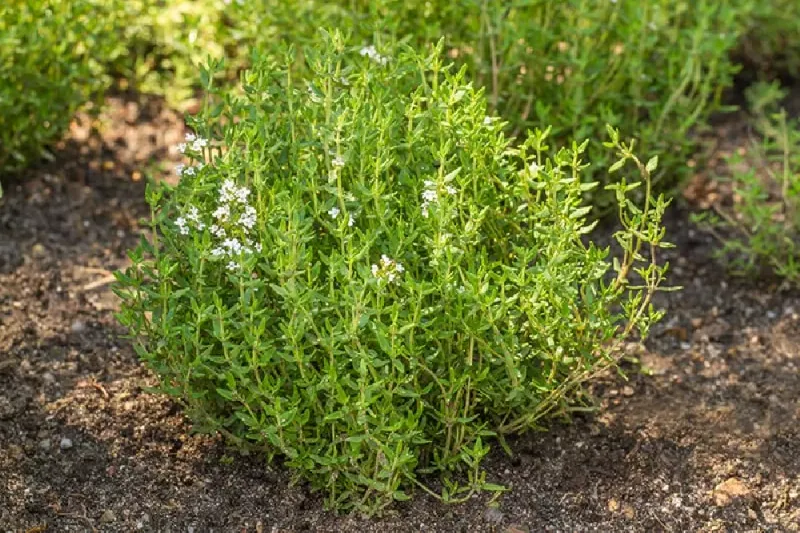
Thyme might be small, but it brings serious fragrance to whatever space it occupies.
This low-growing herb has become a favorite along patio edges and garden pathways across Michigan, partly for its looks and partly because its strong, herby scent may help make those areas a little less appealing to ticks during the warmer months.
Stepping on it lightly releases even more of that sharp, pleasant aroma into the air around you.
One of the best things about thyme is how well it handles tough conditions. It loves full sun and thrives in poor, well-drained soil where other plants struggle.
Heavy, wet clay is its main enemy, so amending planting areas with sand or gravel, or simply growing thyme in raised beds and containers, goes a long way toward keeping plants happy and healthy.
Creeping varieties like Thymus serpyllum are especially well-suited to pathways and stepping stone gaps because they tolerate light foot traffic without much complaint. Woolly thyme is another low spreader that works beautifully along patio borders.
Both are hardy perennials in most Michigan growing zones, meaning they return reliably each spring.
Container thyme works wonderfully on patios too. Keep pots in the sunniest spot available, water only when the top inch of soil feels dry, and trim plants back after flowering to maintain a tidy, dense habit throughout the growing season.
6. Catmint
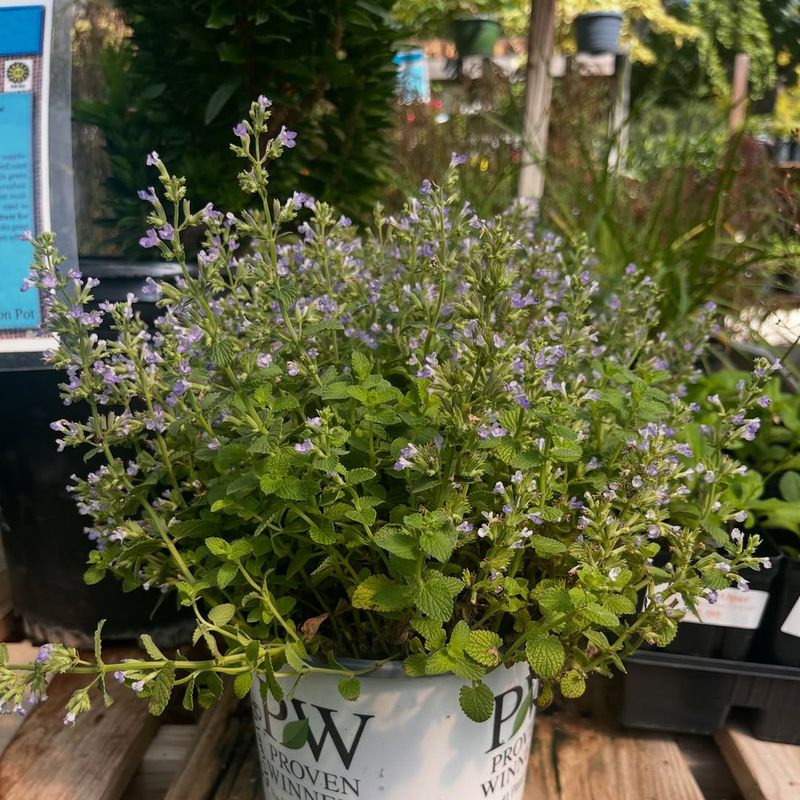
Catmint is one of those plants that makes a garden look effortlessly put together.
Its soft, billowing mounds of silver-green foliage and long spikes of lavender-blue flowers have made it a go-to perennial for gardeners who want something beautiful, low-maintenance, and genuinely useful near patios and walkways.
Beyond its good looks, catmint’s aromatic foliage may also help discourage certain pests from hanging around your outdoor spaces.
What really sets catmint apart is its incredibly long bloom season. Flowers often appear from late spring all the way through summer, and cutting plants back by about half after the first flush of blooms almost always triggers a strong second wave of flowers.
That extended color and fragrance make it one of the hardest-working perennials in any garden bed.
Pollinators absolutely love catmint. Bees, butterflies, and hummingbirds visit regularly throughout the season, adding movement and life to garden borders near seating areas. It is a genuinely rewarding plant to sit near on a warm afternoon.
Catmint grows best in full sun to light shade and handles drought well once established, making it a reliable choice for our sometimes unpredictable summer weather. Space plants about 18 to 24 inches apart to allow good airflow and prevent crowding.
Most varieties are cold-hardy throughout Michigan, returning dependably each spring with minimal care and looking better with every passing year.
7. Lemon Balm
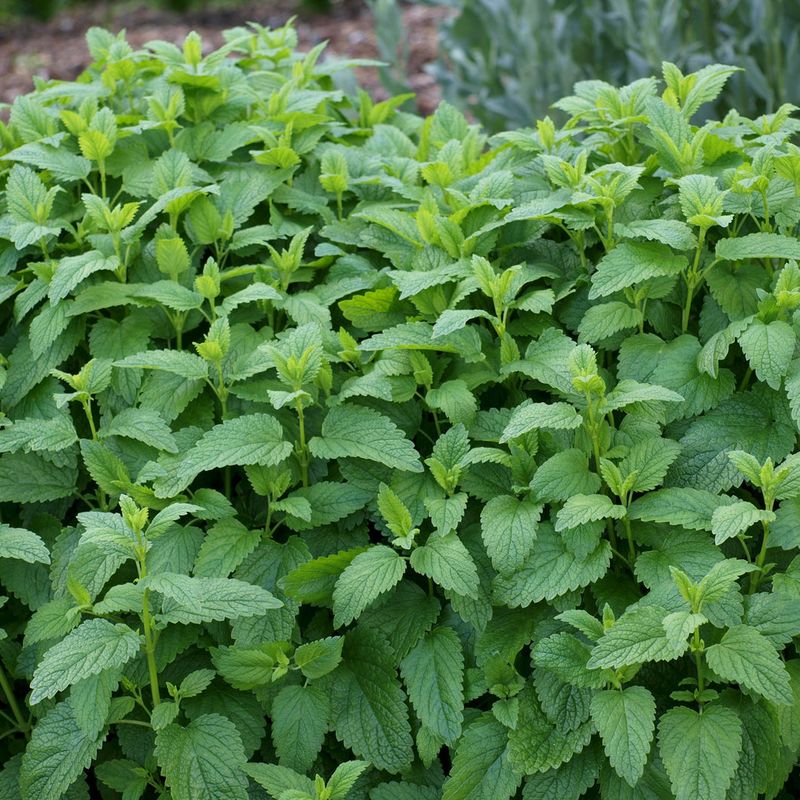
Rub a lemon balm leaf between your fingers and you get an instant burst of fresh, clean lemon scent that is hard not to love.
This cheerful herb has been grown in gardens for hundreds of years, and Michigan gardeners are increasingly placing it near patios and outdoor seating areas where its fragrance can be appreciated up close.
The scent becomes noticeably stronger when leaves are brushed or harvested, making it a natural air freshener for outdoor living spaces during summer.
There is one thing every gardener should know before planting lemon balm in the ground: it spreads. Aggressively.
Once established, it will fill a bed quickly and pop up in unexpected places if left unchecked. Growing lemon balm in containers is the smartest approach for most gardeners who want to enjoy its benefits without managing an unruly spread.
In pots, lemon balm does well with regular watering and partial to full sun. It tolerates some afternoon shade, which can actually be helpful during the hottest summer stretches.
Keep the soil consistently moist but not waterlogged, and pinch back flower heads before they go to seed to slow spreading further.
Harvesting leaves regularly for teas, cooking, or simply to freshen the air around your seating area encourages the plant to produce more growth all season long. It is a rewarding, fragrant herb that earns its spot on any patio.
8. Peppermint
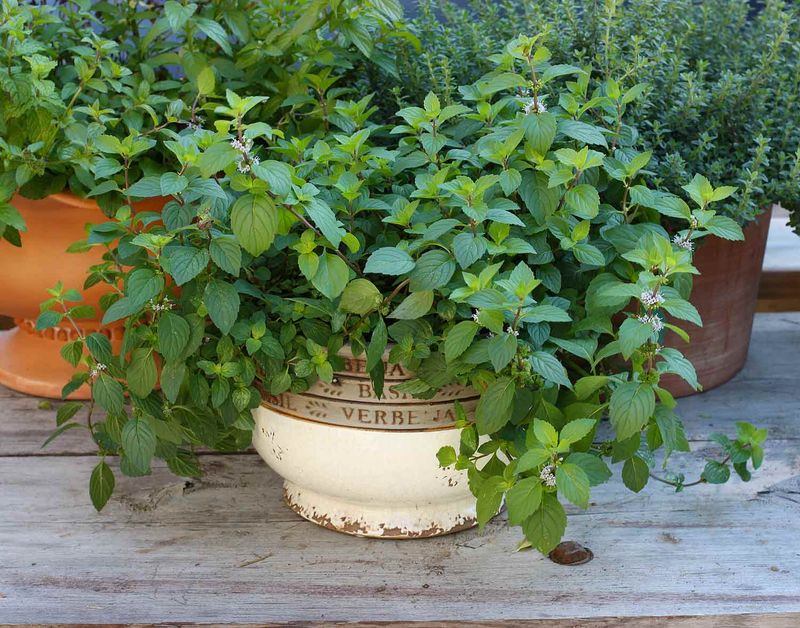
Peppermint has one of the most instantly recognizable scents in the plant world, sharp, cool, and refreshing all at once.
Michigan gardeners have long grown it for cooking and herbal teas, but more and more people are placing pots of peppermint near outdoor seating areas specifically because of how strongly its fragrance fills the surrounding air.
That bold minty scent is something many pests simply do not enjoy, making it a popular natural addition to patio spaces during summer.
Here is the one rule about peppermint that every gardener needs to hear early: never plant it directly in a garden bed without barriers.
Mint spreads by underground runners with remarkable speed and determination, and once it gets going in open soil, it becomes extremely difficult to manage.
Containers are the clear winner for keeping peppermint in check while still enjoying all of its benefits.
A medium to large pot with good drainage holes works perfectly. Peppermint likes consistent moisture, so check the soil every couple of days during hot summers and water before it dries out completely.
It grows well in full sun or partial shade, making it flexible for different patio setups. Regular harvesting actually helps the plant. Pinching stems back frequently keeps growth bushy and productive rather than tall and leggy.
Fresh mint leaves are a bonus you can use all summer long in drinks, recipes, or simply to freshen your hands after time spent in the garden.
9. Marigolds
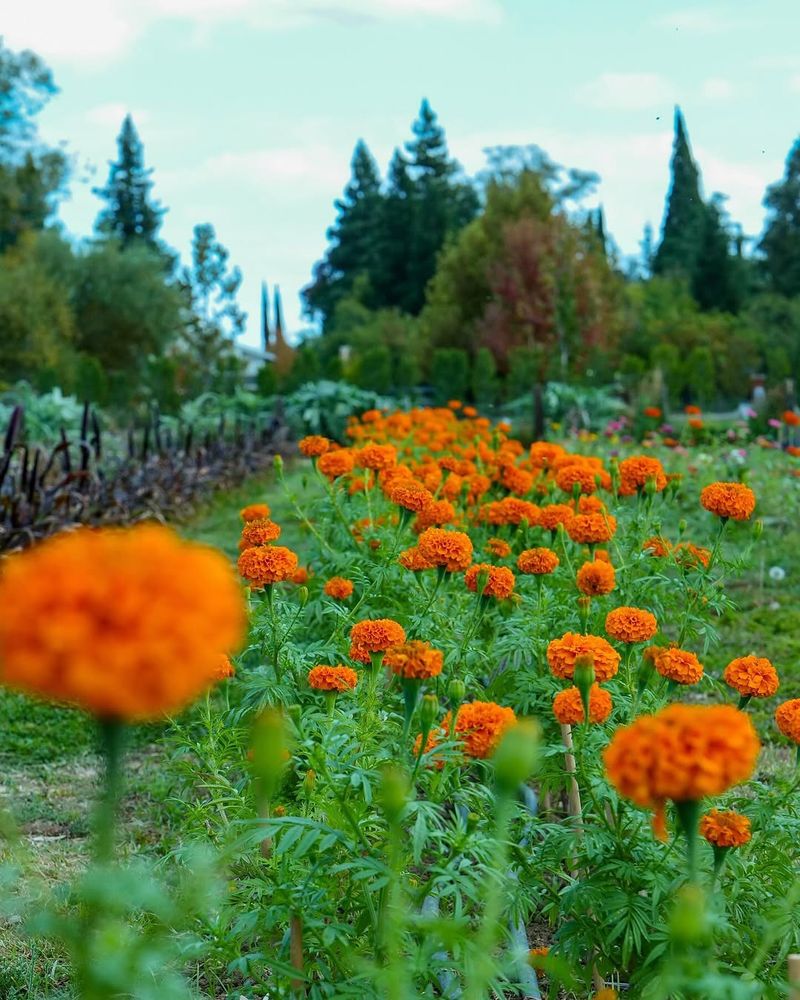
Marigolds might be the most cheerful plants you can add to a patio garden.
Their bold orange, yellow, and red blooms light up any outdoor space from midsummer all the way through fall.
And their distinctive, slightly sharp fragrance has made them a longtime favorite among gardeners who want to naturally freshen the air around seating areas.
While marigolds are not a guaranteed tick barrier, many gardeners find that planting them around patio edges adds a pleasant and colorful layer to their overall pest management routine.
Timing matters when it comes to marigolds in Michigan. Starting seeds indoors about six to eight weeks before the last frost date, typically around mid-May in most parts of the state, gives plants a head start.
Alternatively, purchasing transplants from a local nursery and planting them after frost risk has passed is a reliable and easy approach for busy gardeners.
Full sun is where marigolds truly shine. They need at least six hours of direct sunlight daily to produce the most flowers and the strongest fragrance.
Removing spent blooms regularly keeps plants producing new flowers continuously rather than slowing down mid-season.
Watering at the base of plants rather than overhead helps prevent fungal issues in humid summer conditions.
Marigolds are relatively drought-tolerant once established, but consistent moisture during dry stretches keeps them blooming vigorously and looking their absolute best all season long.