These Are The Michigan Native Plants Pollinators Need Most Right Now
Late May is a busy moment in a Michigan garden, and pollinators feel it. Spring flowers are starting to fade, many summer bloomers are still getting ready, and bees and butterflies still need dependable nectar and pollen right now.
That in-between stretch can be easy to miss, but it matters a lot. Michigan native plants help fill that gap beautifully.
Some bloom at just the right time, offering food when pollinators are actively moving through yards, meadows, and garden beds looking for the next useful flower.
It is one of those quiet garden details that ends up being a big deal.
A yard can look nice, sure, but when late-May natives are blooming, it can also become a much more valuable stop for the insects that keep so much of the landscape going.
1. Golden Alexanders Feed Pollinators In Late May
One of the first things gardeners notice when Golden Alexanders begin blooming is the sudden surge of small native bee activity around the plant.
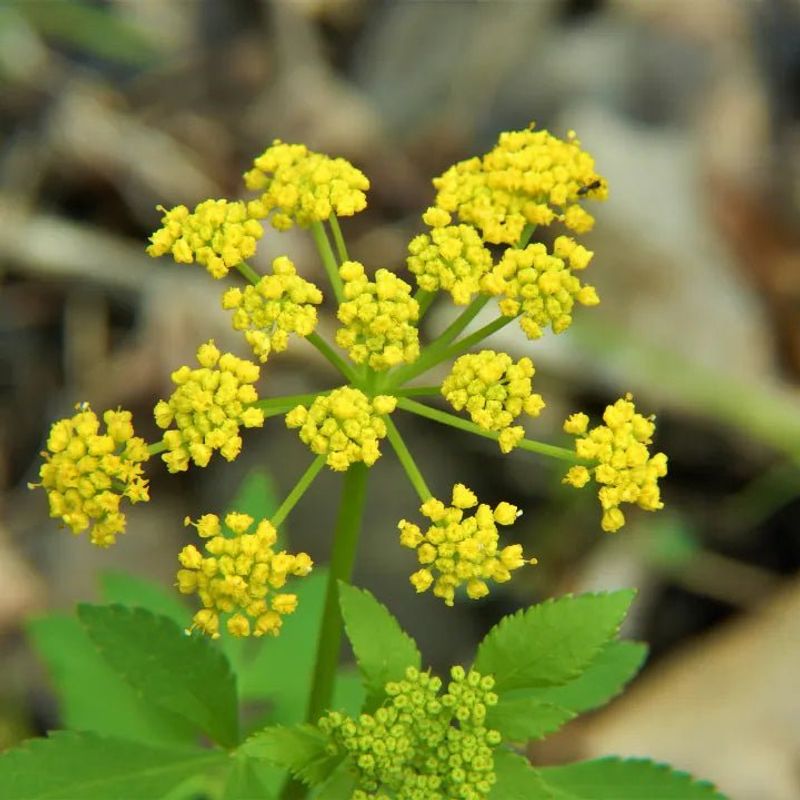
This cheerful yellow wildflower is one of the most reliably timed native plants in Michigan, typically reaching full bloom in late May when many other nectar sources are still weeks away from opening.
Golden Alexanders, known botanically as Zizia aurea, belongs to the carrot family, and its flat-topped flower clusters are especially attractive to small bees, flies, and early-season butterflies.
The structure of the blooms makes pollen easy to access, which is part of why so many different pollinator species visit it so readily.
It is also a host plant for the black swallowtail butterfly caterpillar, adding another layer of ecological value beyond just nectar.
In Michigan gardens, this plant does well in both full sun and part shade, which makes it flexible enough to fit along woodland edges, rain gardens, and open native plant beds. It handles moist to average soils without much fuss.
Plants typically reach one to three feet tall and spread gradually into small colonies over time.
For anyone trying to support pollinators through the late May gap, Golden Alexanders is one of the most dependable choices available.
It blooms consistently, attracts a wide range of beneficial insects, and fits naturally into many different garden settings without needing much intervention once it is established.
2. Wild Strawberry Draws Heavy Pollinator Activity
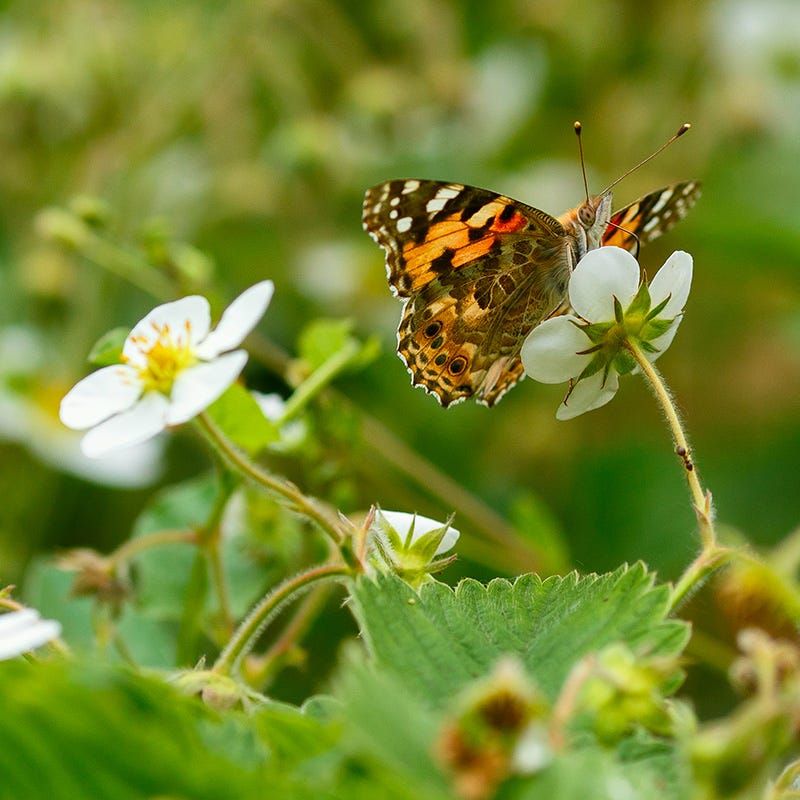
Few native plants pack as much pollinator value into such a small package as wild strawberry.
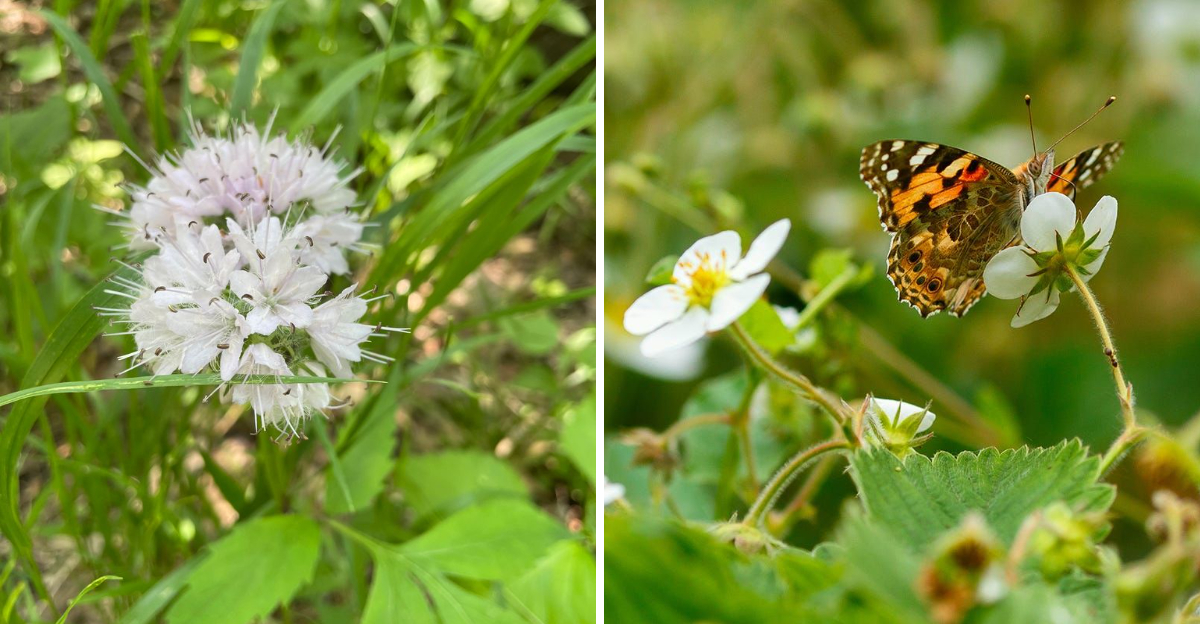
Fragaria virginiana hugs the ground and spreads quietly through sunny edges and open areas, but when those small white flowers open in late May, the activity around them can be surprisingly intense.
Bumblebees, mining bees, and small sweat bees are among the most frequent visitors.
The open, five-petaled flowers are easy for a wide range of pollinators to access, which is part of what makes wild strawberry so valuable during this window.
Unlike some tubular flowers that favor only certain bee species, the blooms welcome generalist foragers and specialist bees alike.
That broad accessibility matters a great deal in late May, when pollinator populations are growing and competition for resources is picking up across Michigan.
Your Michigan Garden Changes Every Week. Your Plan Should Too.
Gardening in Michigan changes quickly throughout the season. Every Friday you’ll receive a simple weekly plan showing exactly what to plant, prune, fertilize, harvest, and protect so you never miss the right timing.
Wild strawberry thrives in sunny to lightly shaded spots with well-drained soil. It spreads through runners, filling in gaps along path edges, sunny slopes, and native groundcover plantings without becoming aggressive.
The small red fruits that follow the blooms in early summer are attractive to birds and other wildlife, extending the plant’s seasonal usefulness well beyond its flowering window.
Gardeners who want a low-maintenance native groundcover that genuinely supports pollinators in late May should take wild strawberry seriously.
It is easy to establish, spreads on its own over time, and offers both floral resources and fruit in a single compact plant that fits almost any sunny native garden space.
3. Virginia Waterleaf Supports Bees In Shady Spots
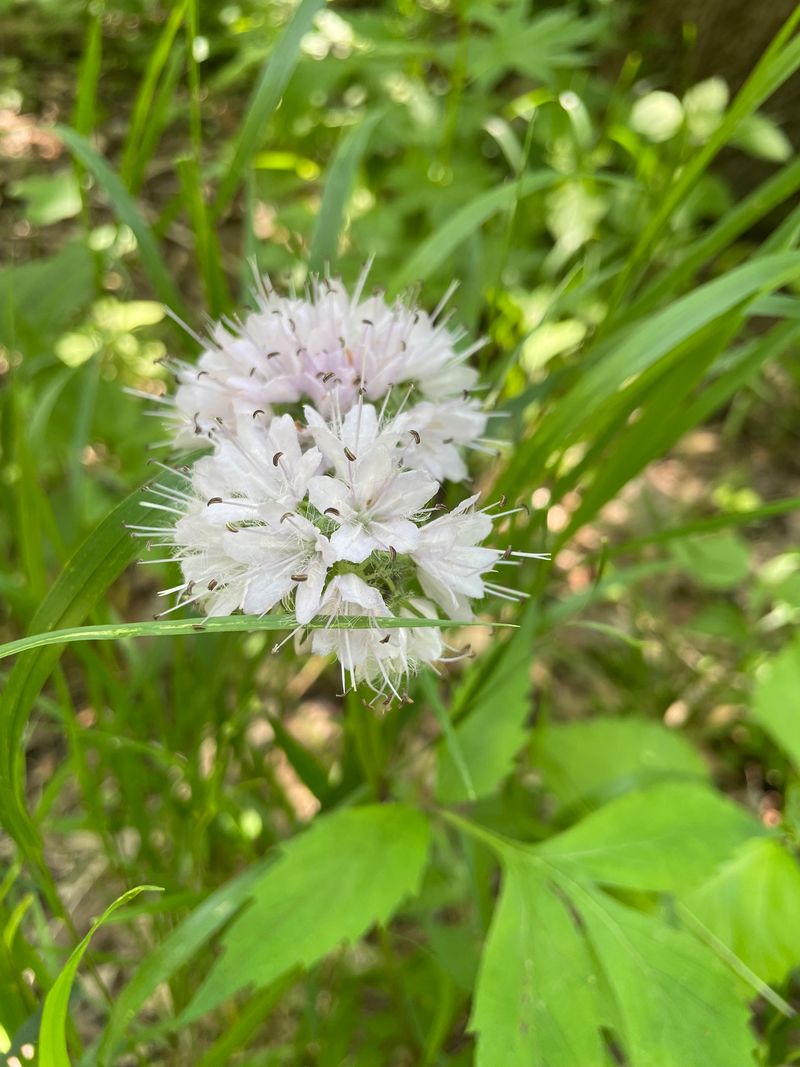
Shady corners of Michigan gardens can be hard to fill with plants that actually do something for pollinators, but Virginia waterleaf handles that challenge well.
Hydrophyllum virginianum blooms in late May with clusters of small, bell-shaped flowers in white to pale lavender, and bumblebees in particular tend to find them quickly once they open.
The plant earns its place in shaded native gardens not just for its flowers but for the way it fills in dense, weed-suppressing colonies under trees and along woodland edges.
In Michigan, where many gardens have at least some shade from mature trees, Virginia waterleaf can turn an underused corner into a productive pollinator habitat during the late spring window.
It tends to go dormant by midsummer, which allows other shade-tolerant plants to take over the space.
Bees visiting Virginia waterleaf are primarily collecting nectar, and the flower shape suits bumblebees and other medium-sized native bees well.
The blooms are not showy in a traditional garden sense, but they are genuinely useful, and a good-sized colony of Virginia waterleaf in bloom can draw noticeable bee activity to spots that would otherwise be quiet.
For gardeners working with moist, shaded soil under deciduous trees, this plant is worth adding to any native understory planting.
It establishes readily from transplants or seed, spreads to fill space over a few seasons, and provides late May bloom at a time when shady garden areas rarely have much to offer pollinators looking for a reliable food source.
4. Wild Lupine Offers Crucial Late Spring Bloom
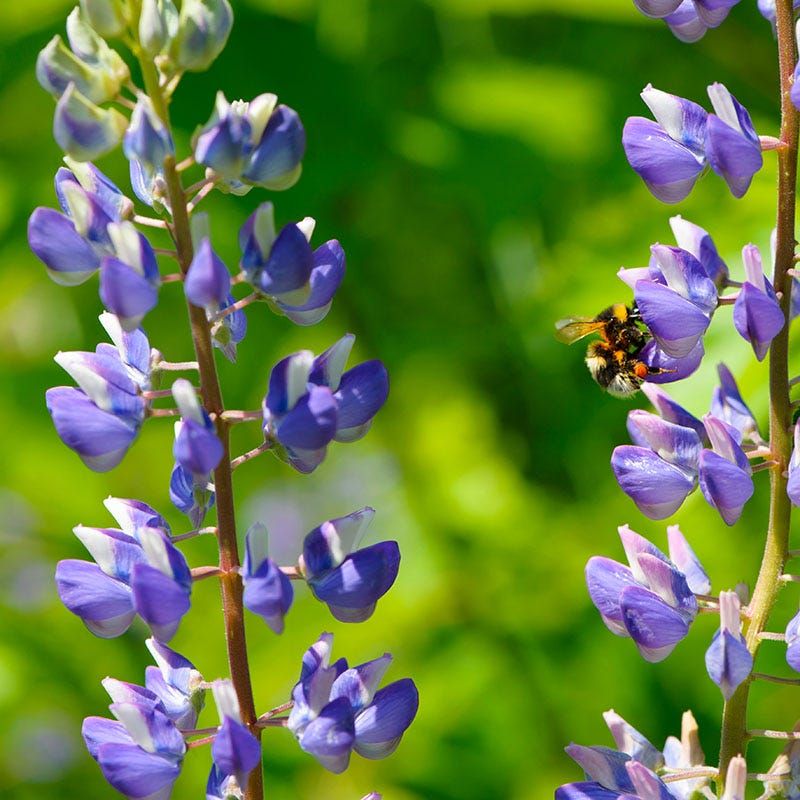
Walking past a patch of wild lupine in late May feels like stumbling onto something almost too vivid to be real.
The tall spikes of blue-purple flowers stand out sharply against sandy soils and open sunny spots, and the bees that find them seem to work the blooms with real urgency.
Lupinus perennis is one of the most visually striking native plants, and its ecological role is just as impressive as its appearance.
Wild lupine is the sole host plant for the federally endangered Karner blue butterfly, which makes it critically important in the parts of Michigan where that species still exists.
But beyond that specific relationship, the flowers also attract bumblebees and other native bees that collect both nectar and pollen from the dense bloom spikes.
The timing in late May lines up well with the needs of early-season bumblebee colonies that are still building up their populations.
This plant is particular about its growing conditions. It needs well-drained, sandy, or gravelly soil and full sun to do well.
In Michigan, oak savanna edges, sandy barrens, and dry open meadow plantings are the natural fit. It does not thrive in heavy clay or consistently moist soils, so site selection matters more with wild lupine than with some other native plants.
For gardeners with the right conditions, wild lupine is a rewarding addition to a late spring native planting.
It blooms reliably, reseeds modestly, and brings a level of color and pollinator activity to dry sunny spaces that few other Michigan natives can match in May.
5. Foxglove Beardtongue Bridges The May To June Gap
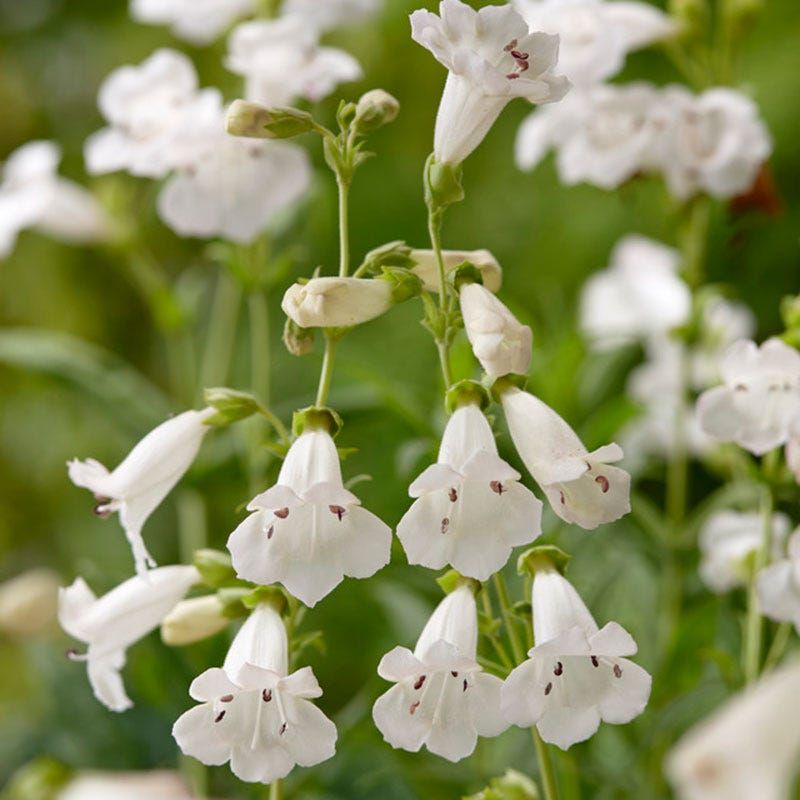
There is a brief but noticeable lull in many Michigan native gardens between the early spring bloomers and the midsummer natives, and foxglove beardtongue fills that gap with real reliability.
Penstemon digitalis opens its tall spikes of white tubular flowers right at the transition from late May into early June, giving pollinators a consistent food source during a window that can otherwise feel thin in terms of available blooms.
Bumblebees are the most enthusiastic visitors to foxglove beardtongue, and watching them work their way into the tubular flowers is one of the more satisfying things about growing this plant.
The flowers are sized well for larger native bees, and the bloom spikes can hold dozens of open flowers at once, which means a single plant can support a lot of foraging activity over its two-to-three-week bloom period.
In Michigan gardens, foxglove beardtongue does well in full sun to light shade with average to dry soil. It is tolerant of clay, which makes it more adaptable than many native plants and useful in a wider range of garden situations.
Plants grow two to four feet tall and have attractive glossy foliage that looks good even before and after flowering.
Gardeners who want to keep pollinator activity going through the tricky late May to early June transition should strongly consider adding this plant to a sunny native border or meadow-style planting.
It is easy to grow, visually appealing, and genuinely useful to the bees that depend on it during that seasonal bridge period in Michigan.
6. Wild Columbine Brings Nectar To Spring Gardens
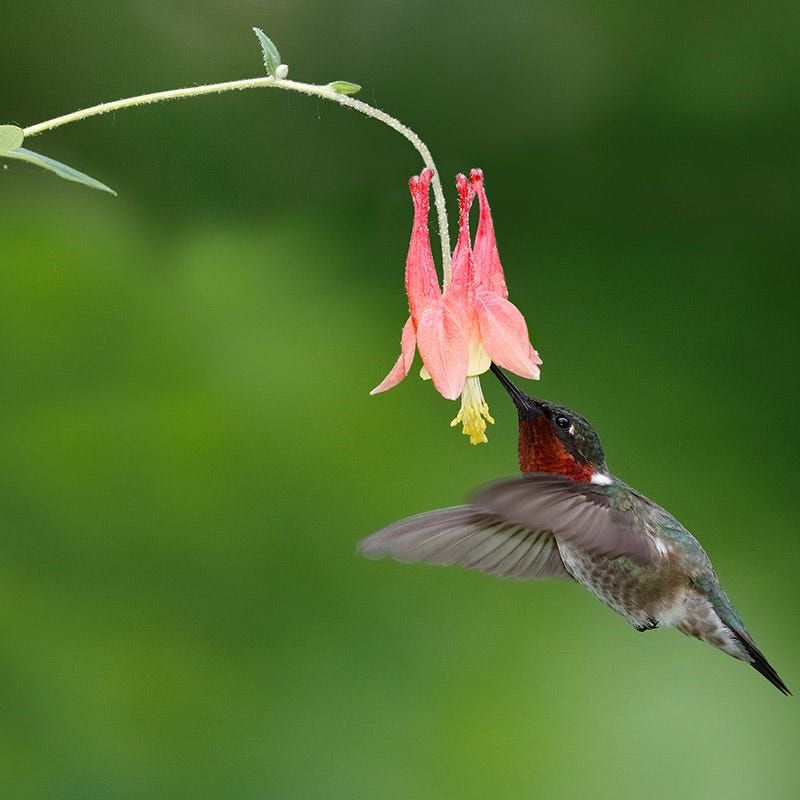
Red and yellow nodding flowers that seem to float above delicate foliage make wild columbine one of the most recognizable native plants in Michigan spring gardens.
Aquilegia canadensis blooms in late May across much of the state, and its long spurred flowers are shaped precisely for ruby-throated hummingbirds, which use their bills to reach the nectar tucked deep inside each bloom.
That relationship alone makes it worth growing.
Beyond hummingbirds, wild columbine also draws long-tongued bumblebees that are capable of reaching the nectar through the flower spurs.
Shorter-tongued bees sometimes access nectar by chewing through the base of the spur, a behavior that is interesting to observe in a garden setting.
Butterflies also visit the blooms, and the plant’s overall value to a diverse range of pollinators is well established.
Wild columbine grows well in part shade to full sun and prefers well-drained soils, including rocky or sandy sites. In Michigan, it fits naturally along woodland edges, shaded native borders, and rocky garden beds where drainage is reliable.
It tends to self-seed modestly, moving around the garden over time in a way that feels natural rather than invasive.
For gardeners who want to attract hummingbirds and support native bees in late May, wild columbine is one of the most rewarding plants to include.
It is not demanding, fits a range of Michigan site conditions, and brings a genuinely distinctive look to spring native plantings that is hard to replicate with any other species blooming at the same time of year.