These Are The North Carolina Perennials You Plant Once And Never Have To Replace
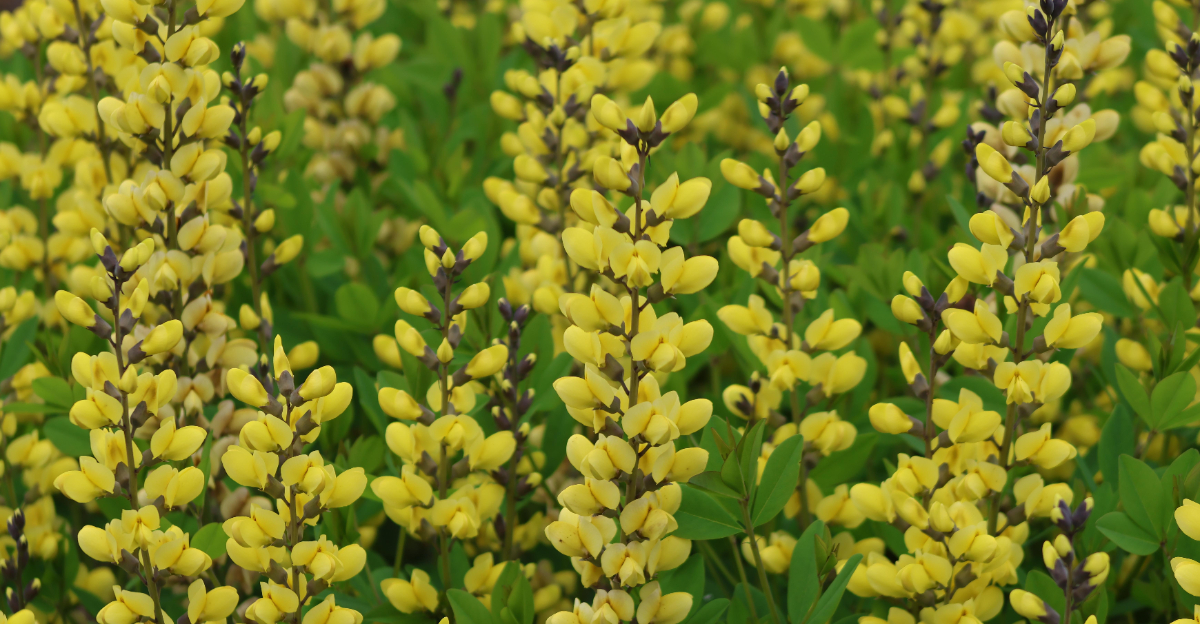
There is a style of gardening that puts you back in the same spot every single spring. You buy the flats, put them in the ground, enjoy a season of color, and repeat the whole process once the weather warms up again.
It has its satisfactions, but it adds up in cost, in time, and in effort during weeks when you would rather be doing almost anything else in the yard. North Carolina offers a better option for certain spots.
A solid group of perennials are genuinely built for this climate and once they settle in, they do not leave. They return each year a little fuller, spread at a sensible pace, and quietly outlast most of the gardeners who first put them in the ground.
1. Baptisia
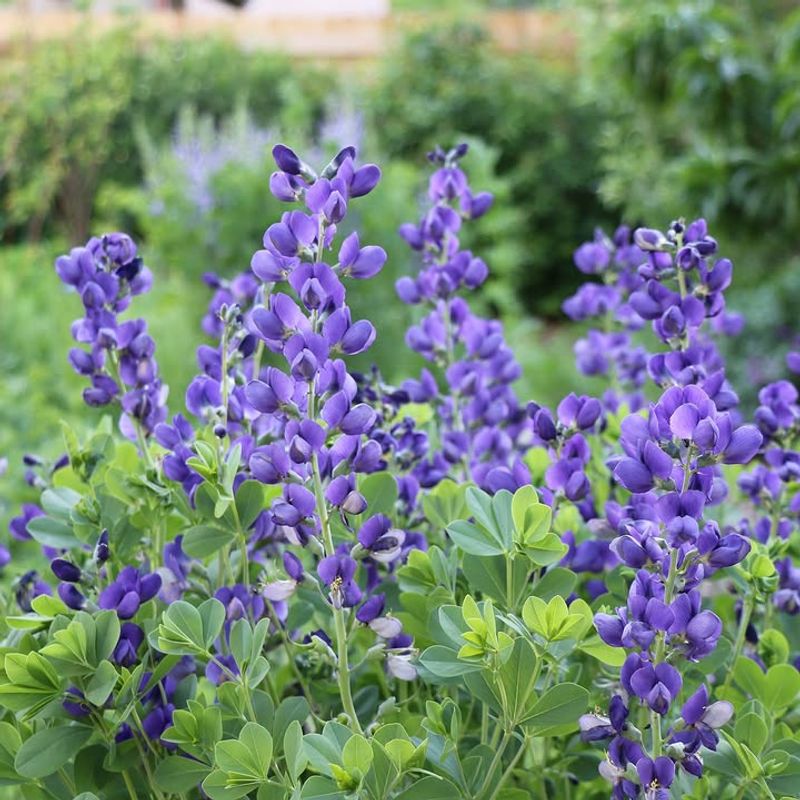
Few plants earn the word “investment” quite like Baptisia australis. Known as Blue Wild Indigo, this native perennial grows into a full, shrub-like mound that can spread three to four feet wide and reach similar heights at maturity.
Once established, it becomes one of the most self-sufficient plants you can grow in a North Carolina garden.
Baptisia sends roots deep into the soil, which is exactly why it handles summer drought so well. During the first year or two, growth is slow and patient gardeners are rewarded.
By year three or four, the plant hits its stride and produces beautiful blue-purple flower spikes in spring that attract bumblebees, butterflies, and other native pollinators with impressive consistency.
After the flowers fade, puffy gray-green seed pods develop and rattle in the breeze as they dry. Many gardeners leave them standing for visual interest and for birds that enjoy foraging around them.
Full sun to light shade works well, and well-drained soil is important for long-term health.
One thing worth knowing upfront: mature Baptisia strongly dislikes being moved. Choose your planting spot thoughtfully, give it space to grow, and then simply let it be.
Minimal fertilizing, no staking, no dividing required. This is truly a plant-it-and-forget-it perennial that only gets better with age.
2. Christmas Fern
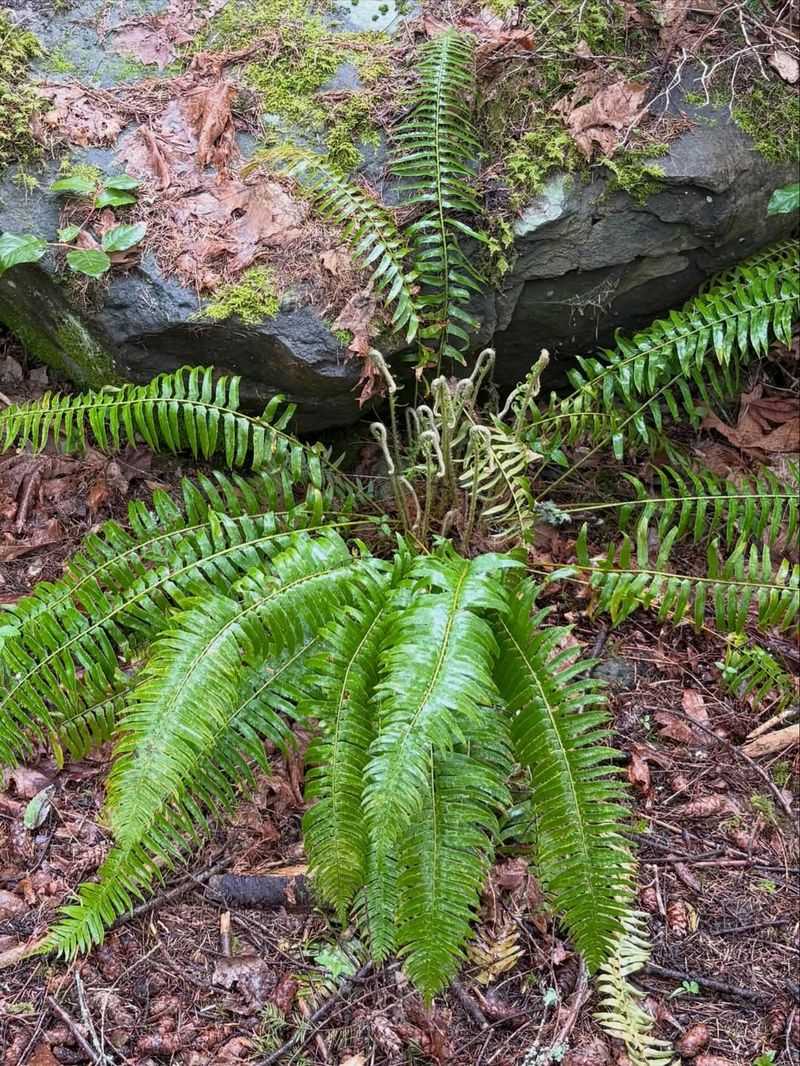
Walk into any shaded North Carolina woodland and you will almost certainly spot Christmas Fern growing along the slopes and stream banks.
Polystichum acrostichoides earned its festive name because the fronds stay green and fresh-looking right through December, even when everything else in the garden looks tired and bare.
This evergreen fern is a genuine workhorse for shade gardens. It handles the dry shade beneath mature trees better than most shade plants, especially once it has had a season or two to settle in.
Rich, organic soil with good drainage gives it the best start, but it adapts well to average woodland conditions across much of the state.
Spacing plants about eighteen inches apart gives each clump enough room to spread naturally. A layer of shredded leaves or light mulch around the base mimics the forest floor conditions where this fern thrives naturally.
Moisture during establishment helps, but once roots are established, watering needs drop significantly.
Maintenance is almost nonexistent. The old fronds flatten to the ground in late winter, creating a natural mulch layer right where it is needed most.
Your North Carolina Garden Changes Every Week. Your Plan Should Too.
Gardening in North Carolina changes quickly throughout the season. Every Friday you’ll receive a simple weekly plan showing exactly what to plant, prune, fertilize, harvest, and protect so you never miss the right timing.
New growth emerges fresh in spring without any help from you. No dividing, no fertilizing, no spraying required.
For shady spots where other plants struggle, Christmas Fern is simply one of the most reliable long-lived choices available to North Carolina gardeners.
3. Black Eyed Susan
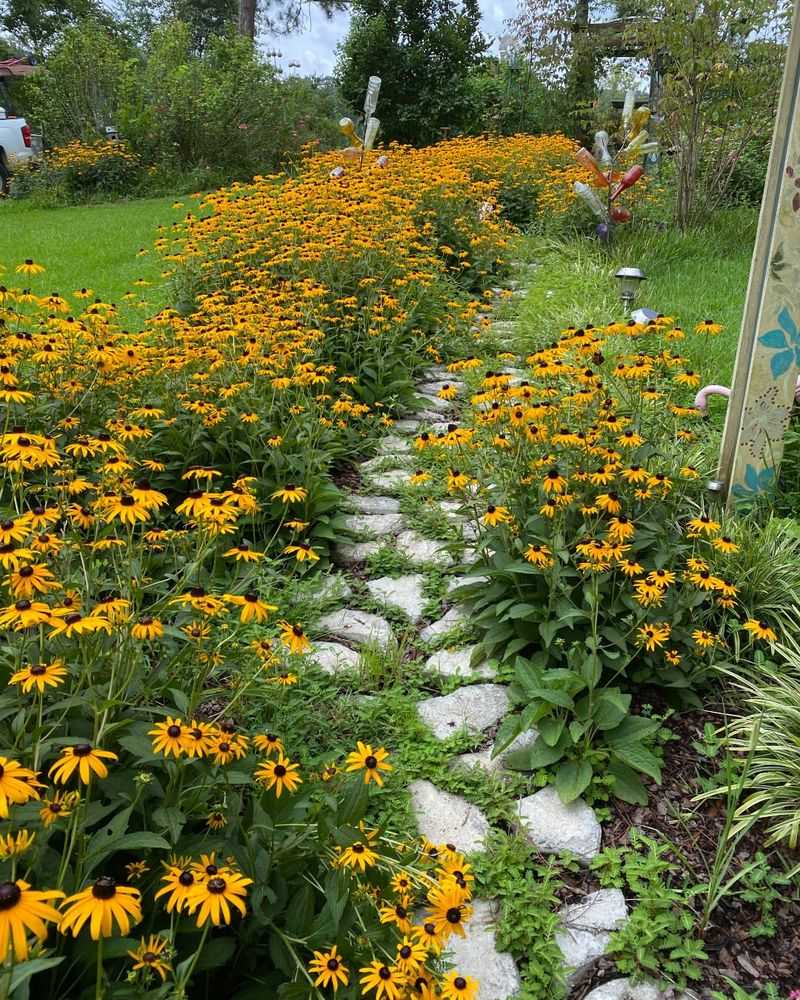
There is something genuinely cheerful about a mass planting of Black Eyed Susans in full summer bloom. Rudbeckia fulgida, the true perennial species, is the one worth planting if you want reliable color that comes back year after year without much effort.
Unlike some short-lived relatives in the Rudbeckia family, this species builds strong roots and returns faithfully each summer across North Carolina gardens.
Full sun is where Rudbeckia fulgida performs best. Average soil, even slightly lean or clay-heavy ground, suits it well without any need for amendment or extra fertilizing.
During the first season, consistent watering helps roots settle in, but after that the plant handles short dry spells with ease, especially in the Piedmont and Coastal Plain regions.
Blooms arrive in midsummer and last well into fall, covering the plant with golden-yellow flowers that pollinators absolutely love.
Bees, butterflies, and goldfinches all benefit from this plant throughout the growing season and into winter when seed heads remain standing.
Spacing plants about eighteen to twenty-four inches apart allows good airflow and prevents crowding as clumps slowly expand over the years.
Naturalizing is one of this plant’s best qualities. It spreads gently through both rhizomes and reseeding, filling in sunny borders gradually without becoming aggressive.
Cut plants back in late fall or early spring to keep things tidy. Beyond that, Black Eyed Susan practically takes care of itself season after season.
4. Eastern Bluestar
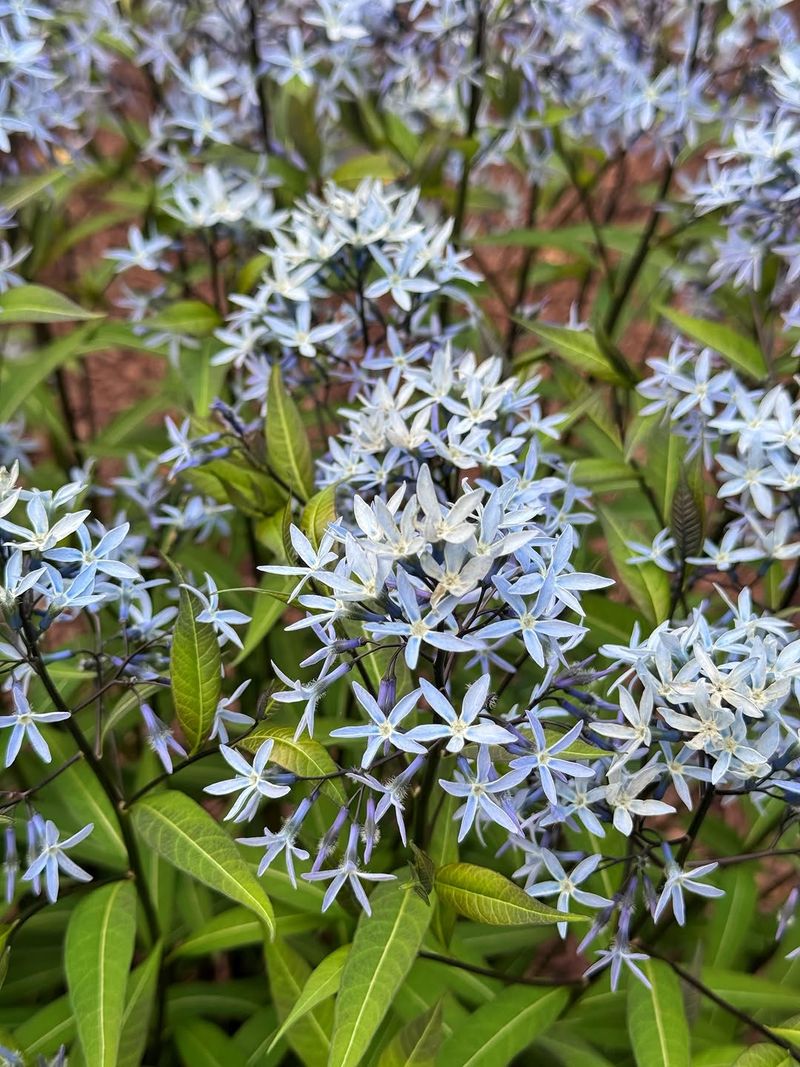
Amsonia tabernaemontana is the kind of plant that earns admiration across every single season. Spring brings clusters of soft, pale blue star-shaped flowers that are delicate and completely charming.
Summer follows with clean, lush green foliage that holds its shape without flopping. Then fall delivers a surprise: the entire plant turns a stunning golden-yellow that rivals ornamental grasses and shrubs for autumn color.
Eastern Bluestar grows well in full sun to part shade across North Carolina. It prefers average to moist, well-drained soil and appreciates steady moisture during its first growing season.
After that, established plants handle dry stretches with minimal stress, making them a smart choice for gardeners who want reliable performance without constant irrigation.
One of the most appealing things about this perennial is how long it lives without needing attention. Clumps grow slowly and steadily, rarely requiring division.
Plants do not spread aggressively or reseed in problematic ways, so they stay exactly where you put them. Spacing about two to three feet apart gives each plant enough room to reach its full, rounded shape over time.
Cutting stems back by about a third right after blooming encourages a tidier, more compact mound through summer. Aside from that one optional trim, Eastern Bluestar needs almost nothing from you.
No staking, no feeding, no replanting. It simply grows more beautiful every year, rewarding gardeners who give it a permanent home in a well-chosen spot.
5. Yellow Wild Indigo
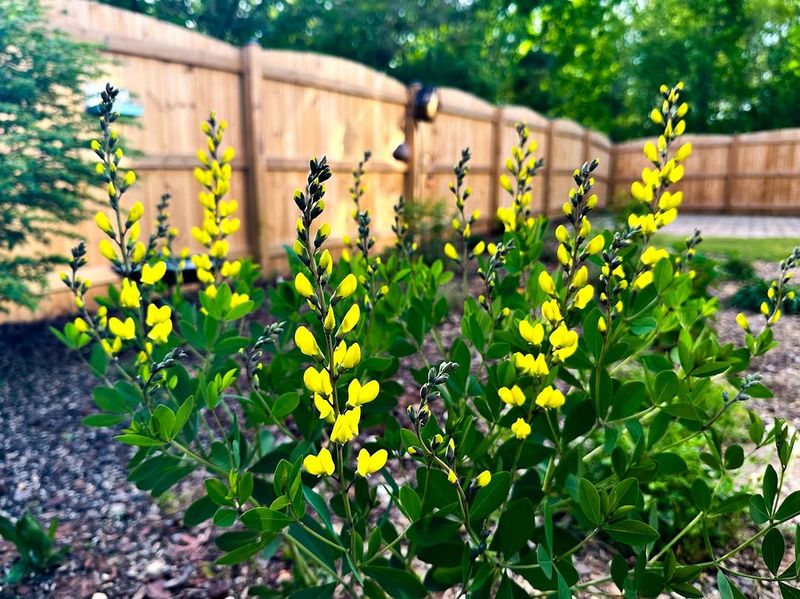
Yellow Wild Indigo brings a lighter, airier look to the garden compared to its deep-rooted blue-flowered cousin.
Baptisia tinctoria is a native North American plant that has been growing across the eastern United States for centuries, and it brings that same deep-rooted toughness to sunny garden beds and naturalistic plantings across North Carolina.
Small, bright yellow pea-like flowers cover the branching stems in late spring to early summer, drawing in bumblebees and other native pollinators that depend on Baptisia species for food.
The blue-green foliage is attractive on its own even when the plant is not in bloom, giving borders a fine-textured, airy quality that pairs well with bolder plants nearby.
Lean, well-drained soil suits Yellow Wild Indigo perfectly. Rich, heavily amended soil actually works against it, encouraging floppy growth rather than the sturdy, upright habit that makes the plant so appealing.
Full sun is a firm requirement for the best performance, and once established, this plant handles dry summers without complaint.
Like other Baptisia species, this one is slow to establish but worth every bit of patience. Expect modest growth the first year or two while the plant focuses on building its deep root system.
Mature plants should not be moved or divided, so choose the planting location carefully from the start. Once settled, Yellow Wild Indigo can thrive in the same spot for decades with almost no intervention needed.
6. Garden Phlox
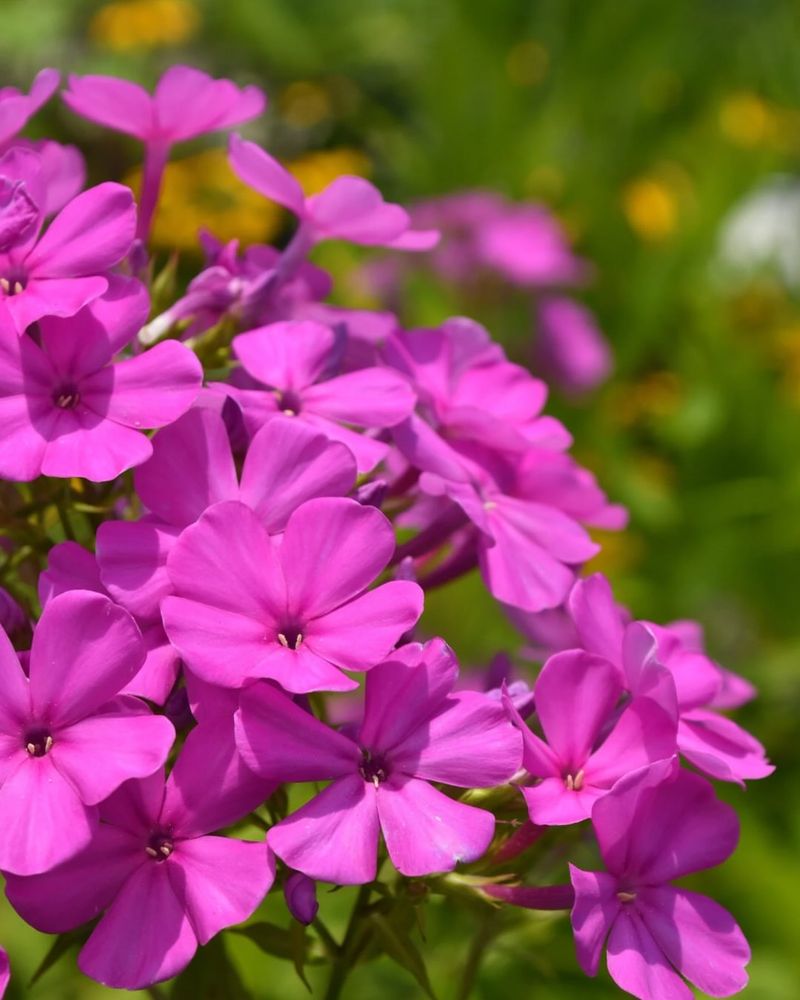
Garden Phlox is one of those classic summer perennials that fills the yard with color and fragrance when much of the garden is starting to wind down.
Phlox paniculata is native to eastern North America, and with the right variety selection and planting approach, it can return reliably for many years in North Carolina gardens without needing replacement.
The biggest factor in long-term success is choosing mildew-resistant selections from the start. North Carolina summers are hot and humid, and powdery mildew can be a real problem on older, susceptible varieties.
Modern cultivars like ‘David,’ ‘Robert Poore,’ and ‘Jeana’ have been specifically selected for strong disease resistance and perform much better in the Southeast’s climate.
Spacing plants at least eighteen to twenty-four inches apart is essential. Good airflow between stems reduces moisture buildup on foliage, which is the primary cause of mildew problems.
Full sun to part sun works well, and consistent moisture through the growing season keeps plants healthy and blooming strongly from midsummer into early fall.
After flowers fade, cutting the stems back by about one-third encourages a tidier plant and sometimes triggers a second flush of blooms. Dividing clumps every three to four years keeps plants vigorous and prevents the center from becoming woody.
Beyond those simple steps, Garden Phlox rewards you with tall, fragrant flower heads that pollinators and hummingbirds visit constantly throughout the summer months.
7. Purple Coneflower
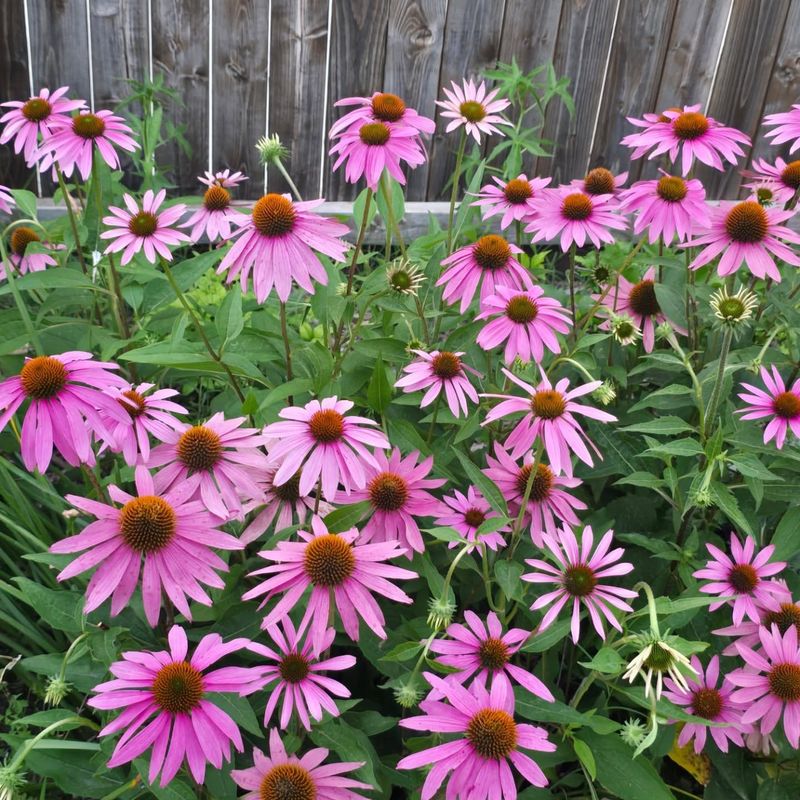
Purple Coneflower might be one of the most recognizable native perennials in North American gardening, and for very good reason.
Echinacea purpurea handles North Carolina’s summer heat and humidity with impressive ease, producing bold, daisy-like flowers with drooping purple-pink petals and raised, spiky orange-brown centers from midsummer all the way into fall.
Full sun and well-drained soil are the two most important requirements for keeping Echinacea healthy over the long term. Soggy or poorly drained soil is the main threat to plant longevity, so raised beds or slopes work especially well.
Individual plants do not always persist indefinitely, but patches stay strong and full for many years when some seed heads are left to mature at the end of the season.
Those seed heads serve double duty. Goldfinches and other seed-eating birds cling to the dried cones through fall and winter, picking out seeds while adding life to the garden even in the coldest months.
Leaving stems standing until late winter supports wildlife and allows natural reseeding that keeps the planting refreshed over time.
Pollinators absolutely swarm Purple Coneflower from the moment blooms open. Bumblebees, swallowtail butterflies, and specialist native bees all benefit from this plant.
Watering during the first season helps roots establish well, but once settled, Echinacea handles short dry spells without visible stress. It is a genuinely rewarding plant for any sunny North Carolina border or pollinator garden.
8. Coral Bells
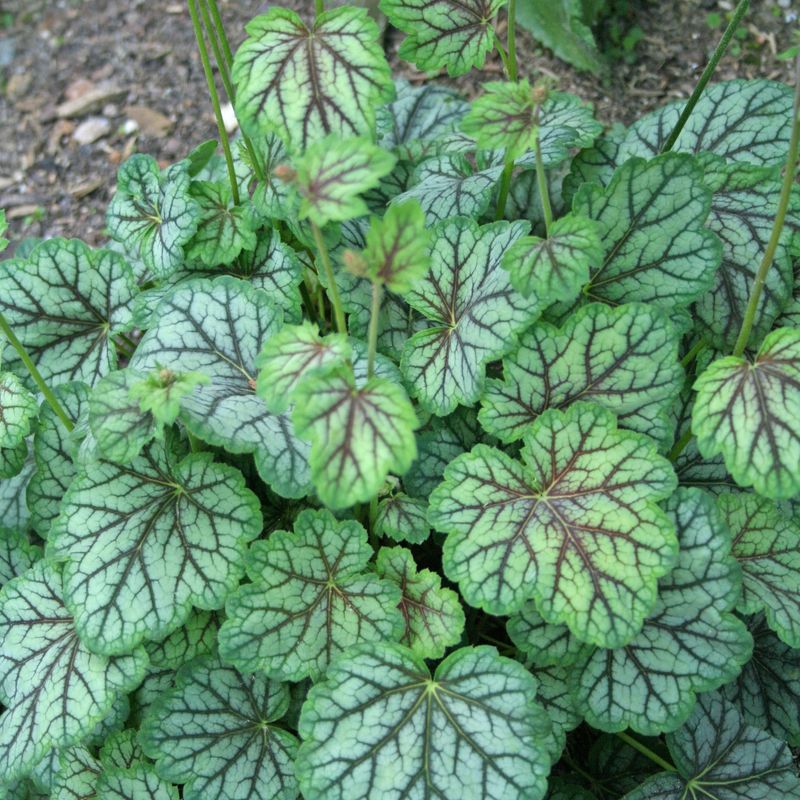
Native Coral Bells often get overlooked in favor of the flashy hybrid varieties with bold burgundy, caramel, or lime foliage.
However, Heuchera americana, the true American species, brings something those hybrids rarely offer: genuine long-term durability in North Carolina’s challenging combination of summer heat, humidity, and variable rainfall.
The foliage is understated but beautiful up close. Broad, rounded, lobed leaves often display subtle silver or pewter markings that catch light in a shaded garden bed.
Slender flower stalks rise above the foliage in late spring, producing airy sprays of tiny greenish-white to pinkish flowers that attract small native bees and beneficial insects.
Shade to part sun is ideal for Heuchera americana, and well-drained woodland soil with organic matter gives it the best foundation for long-term success. Good drainage is critical, particularly in summer, when standing water around the crown can cause problems.
Raised beds, sloped ground, or sites amended with compost provide the right conditions.
Spacing plants about twelve to eighteen inches apart allows good airflow and gives each clump room to develop naturally. In hot, humid summers, avoid overhead watering and keep mulch pulled slightly away from the crown to reduce moisture buildup.
Plants may slowly heave upward over time, and gently replanting them at the correct depth keeps them anchored. Beyond that, American Coral Bells is a steady, long-lived presence in shaded spots where many other perennials simply struggle to perform.
9. Green And Gold
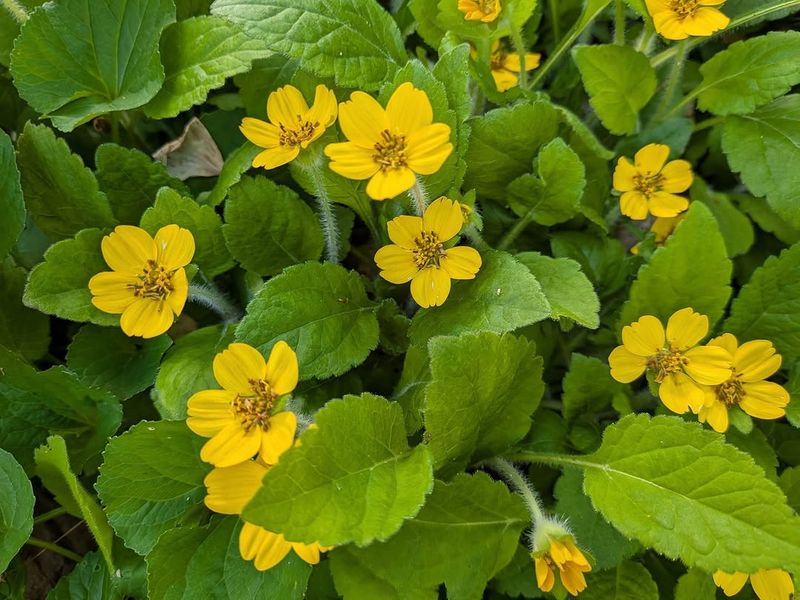
Green And Gold is one of those native plants that surprises people the first time they see it in full spring bloom. Chrysogonum virginianum stays low to the ground, spreading gently to fill shaded spots with a carpet of dark green, slightly textured foliage.
Bright yellow, star-shaped flowers pop up from early spring through early summer, and scattered blooms often continue appearing on and off into fall.
Part shade to morning sun suits this plant best in North Carolina. Direct afternoon sun in hotter parts of the state can stress the foliage, causing it to look tired by midsummer.
A spot that receives dappled light under trees or morning sun followed by afternoon shade keeps the plant looking tidy and fresh through the growing season.
Moisture-retentive but well-drained soil gives Green And Gold the best conditions for spreading steadily without struggling.
Consistent moisture during establishment is important, but mature plants handle short dry periods reasonably well once roots are fully settled.
Spacing plants about twelve to fifteen inches apart allows them to fill in naturally over two to three seasons without becoming overcrowded.
Pollinators, especially small native bees, visit the cheerful yellow flowers regularly during the spring blooming period. Green And Gold spreads through stolons rather than aggressive seeding, so it expands at a manageable, predictable pace.
Patience pays off with this one. Within a few seasons, it forms an attractive, weed-suppressing groundcover that requires almost no upkeep to maintain.
10. Wild Ginger
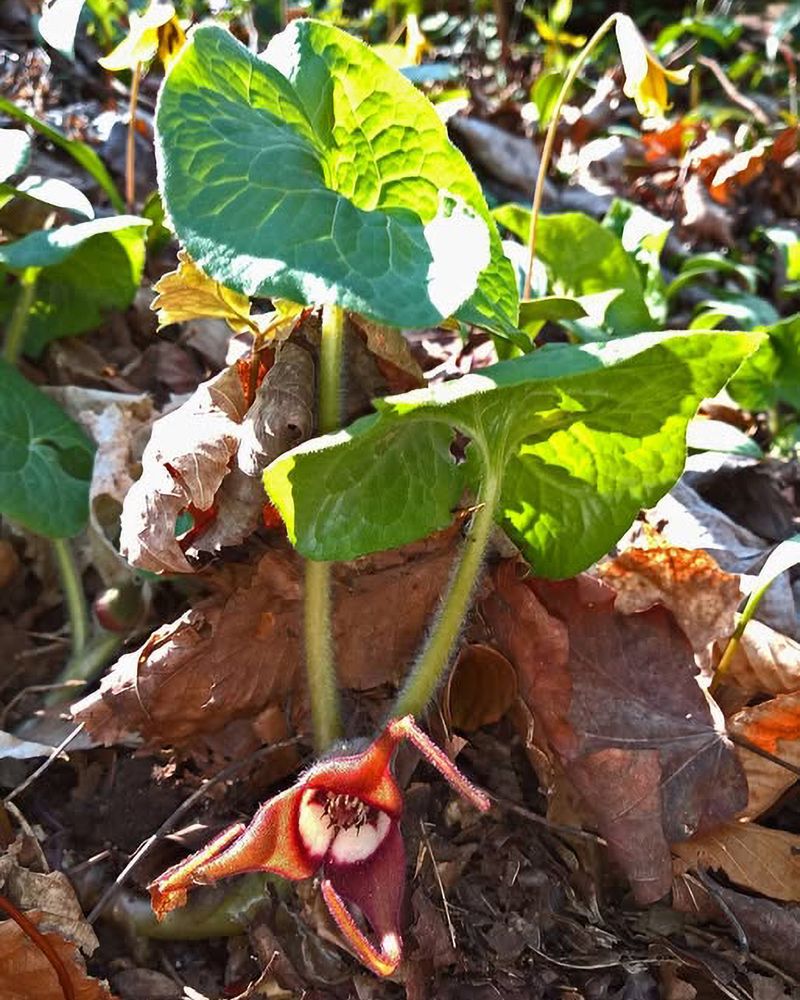
Wild Ginger is one of the quietest success stories in native woodland gardening. Asarum canadense does not bloom in a showy way, it does not grow tall, and it certainly does not demand attention.
What it does do is spread slowly and steadily into a lush, dense carpet of large, heart-shaped leaves that covers the forest floor with a rich, saturated green that looks genuinely beautiful beneath trees and large shrubs.
Rich, organic soil with consistent moisture is the key to getting Wild Ginger established and spreading well.
Leaf litter or shredded leaf mulch applied around plants mimics the natural woodland floor conditions where this species thrives across eastern North America.
Moisture is important, especially during the first year, but once rhizomes are established, plants handle brief dry periods under tree canopies reasonably well.
Shade is non-negotiable. Deep shade beneath dense tree canopies works, though dappled or filtered light encourages slightly faster spreading.
Dry, root-filled shade under shallow-rooted trees like maples can be challenging, and extra organic matter plus occasional watering helps in those tougher spots.
Spreading happens through underground rhizomes rather than seeds, so expansion is gradual and completely manageable. Expect modest growth in the first season while the plant settles in, then steady coverage in subsequent years.
Wild Ginger rarely needs any maintenance beyond keeping the soil moist and replenishing mulch annually. For shaded North Carolina gardens, it is one of the most rewarding long-lived groundcovers you can plant.