Signs Your North Carolina Tomatoes Have Fruitworms, Not Disease (And What To Do About Each One)
Tomato problems in North Carolina almost always get blamed on disease first. The spots, the softening, the fruit that looked fine yesterday and looks wrong today all point toward blight or rot in most gardeners’ minds.
But fruitworms cause damage that mimics disease closely enough to send a lot of people reaching for the wrong solution entirely.
Treating a fruitworm problem like a fungal issue does nothing, and treating a disease like a pest problem wastes time while the real cause keeps spreading.
The differences between the two are visible once you know what to look for, and the responses are completely different. Getting the diagnosis right early in the season saves the tomato harvest in a way that guessing and hoping simply cannot.
1. Small Holes In Leaves And Stems
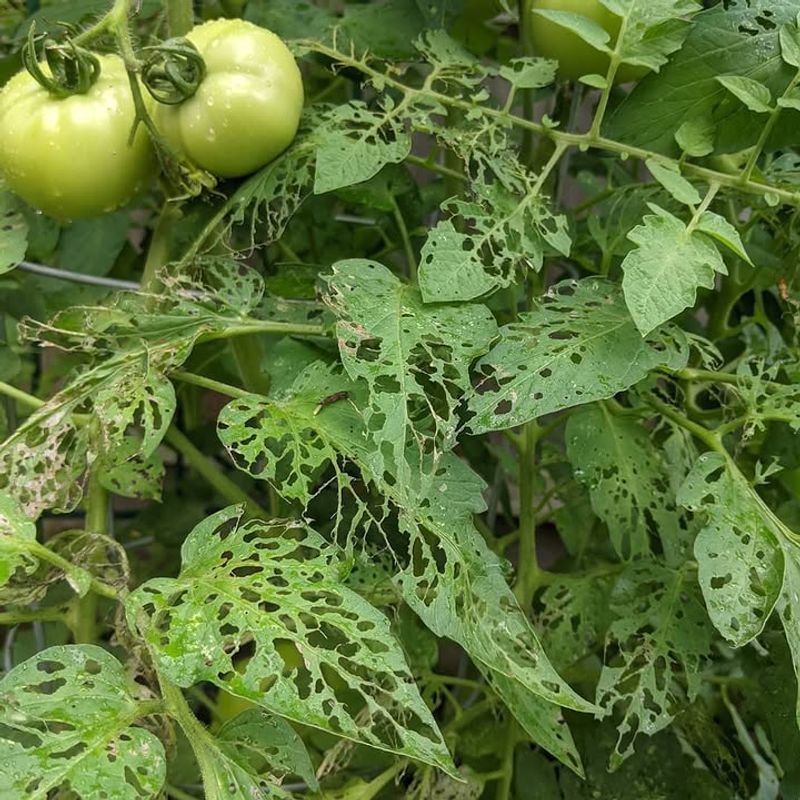
Picture walking out to your tomato patch on a warm Carolina morning and noticing tiny, ragged holes punched right through your plant leaves. Those irregular openings are a classic sign of caterpillar feeding, not a fungal outbreak or bacterial infection.
Diseases tend to leave behind discolored halos, spots with defined edges, or mushy tissue. Caterpillar holes look torn and uneven, like something physically chewed through the leaf.
Young tomato fruitworm larvae often start feeding on foliage before they move to the fruit. Inspecting your plants every two to three days gives you the best chance of catching them early.
Focus on the undersides of leaves and around the base of stems, where larvae love to hide during the heat of the day.
Once you spot the damage, take action right away. Remove any leaves showing feeding activity and drop them into a sealed bag for disposal.
Check nearby stems for small entry points where larvae may have burrowed inside. A handheld magnifying glass helps you see frass or tiny eggs attached to leaf surfaces.
Early action keeps a minor problem from turning into a full-blown infestation across your entire garden bed.
2. Chewed Fruit With Tiny Black Frass
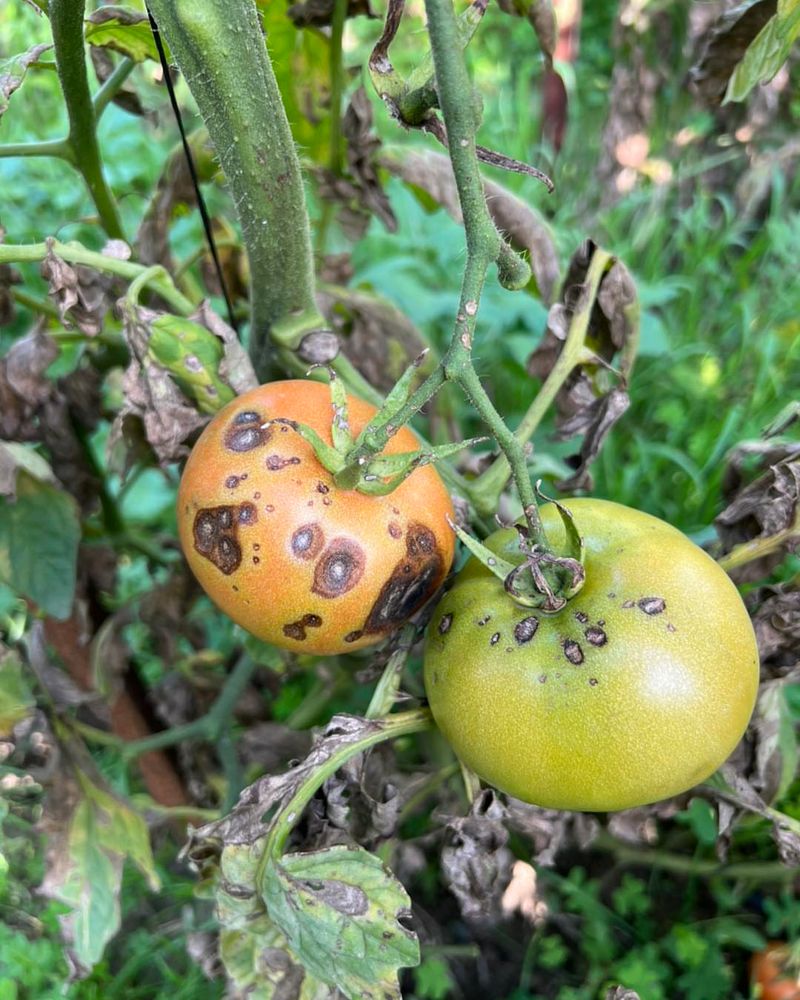
Finding a tomato with a ragged hole and tiny black specks scattered nearby is one of the most reliable signs you have fruitworms, not disease.
That black material is frass, which is basically caterpillar droppings, and it looks nothing like the brown ooze of bacterial canker or the powdery residue of fungal infections.
Frass has a gritty, pellet-like texture and usually clusters right around the entry wound on the fruit.
Fungal and bacterial damage typically starts as surface spots that gradually spread inward, often leaving soft or discolored flesh at the edges. Fruitworm damage, on the other hand, usually shows a clean entry hole where the larva bored straight into the tomato.
Inside, you may find tunneling, chewed seeds, and more frass packed into the cavity.
Remove any affected fruit immediately and place it in a sealed bag before disposing of it away from your garden. Do not toss damaged tomatoes onto your compost pile, because larvae can survive and emerge later.
After removing the fruit, inspect surrounding plants for additional entry holes or frass deposits.
Your North Carolina Garden Changes Every Week. Your Plan Should Too.
Gardening in North Carolina changes quickly throughout the season. Every Friday you’ll receive a simple weekly plan showing exactly what to plant, prune, fertilize, harvest, and protect so you never miss the right timing.
Keeping a close eye on your crop every few days during peak summer months in North Carolina gives you the best shot at catching new activity before more fruit gets damaged.
3. Caterpillars Visible On Fruit Or Leaves
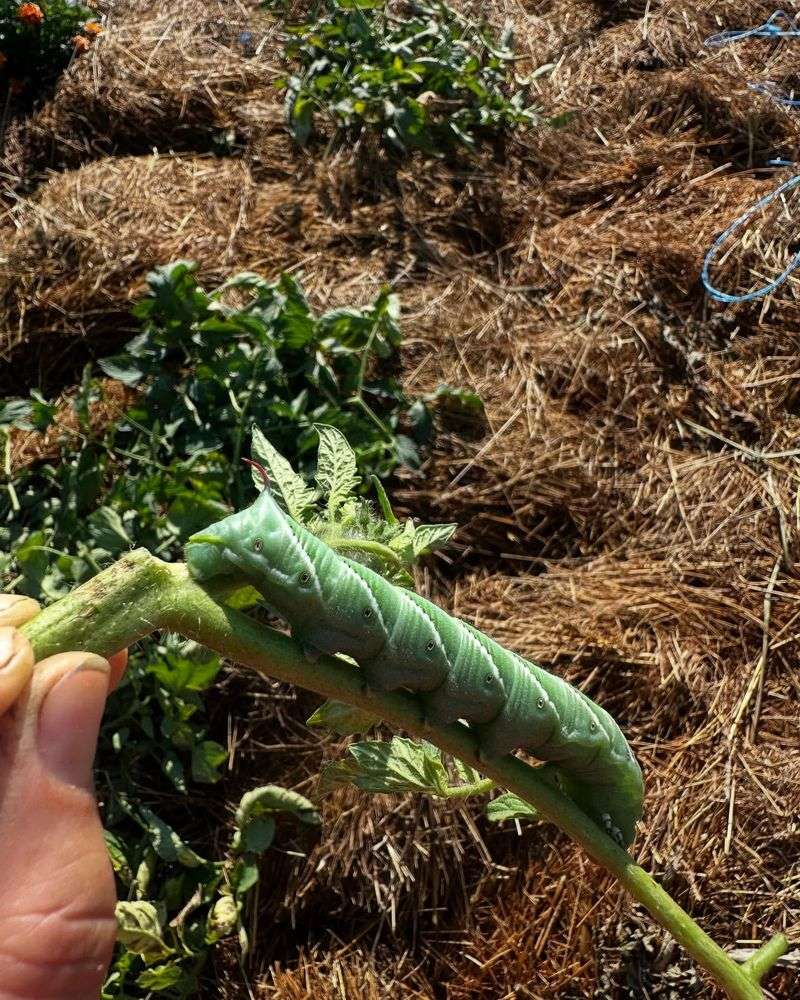
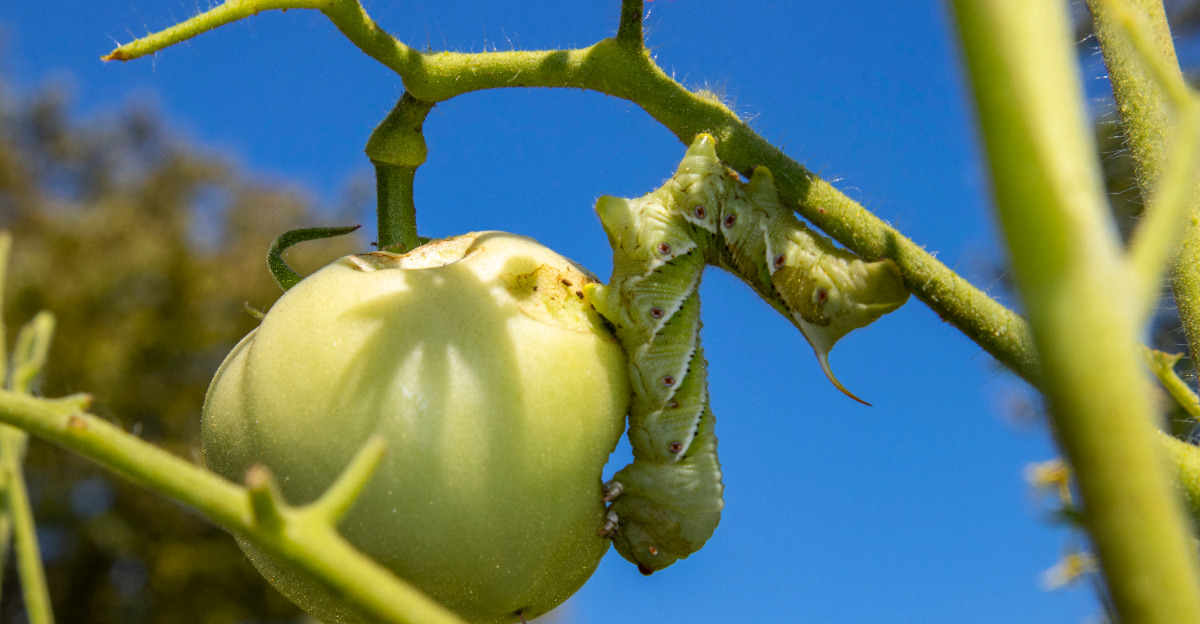
Sometimes the evidence does not require any detective work at all. Spotting an actual caterpillar on your tomato plant is the clearest confirmation you have fruitworms at work, not a disease.
Tomato fruitworm larvae, also known as corn earworm in other crops, come in a range of colors from pale green to brown and even pinkish, often with faint stripes running along their bodies. They can grow up to two inches long by the time they reach maturity.
Young larvae are small and easy to miss, especially when they blend in with green foliage. Checking your plants in the early morning or at dusk gives you an advantage, since caterpillars tend to be more active and easier to spot during cooler parts of the day.
Bring a flashlight for evening inspections and pay close attention to areas where you already noticed holes or frass.
Wearing gloves, you can pick caterpillars off by hand and drop them into a bucket of soapy water. This simple method works well when populations are still manageable.
For larger numbers, a targeted spray of Bacillus thuringiensis, commonly called Bt, is a safe and effective biological option.
Bt is a naturally occurring soil bacteria that affects only caterpillars and leaves beneficial insects unharmed, making it a smart choice for North Carolina home gardeners.
4. Wilted Foliage Near Feeding Sites
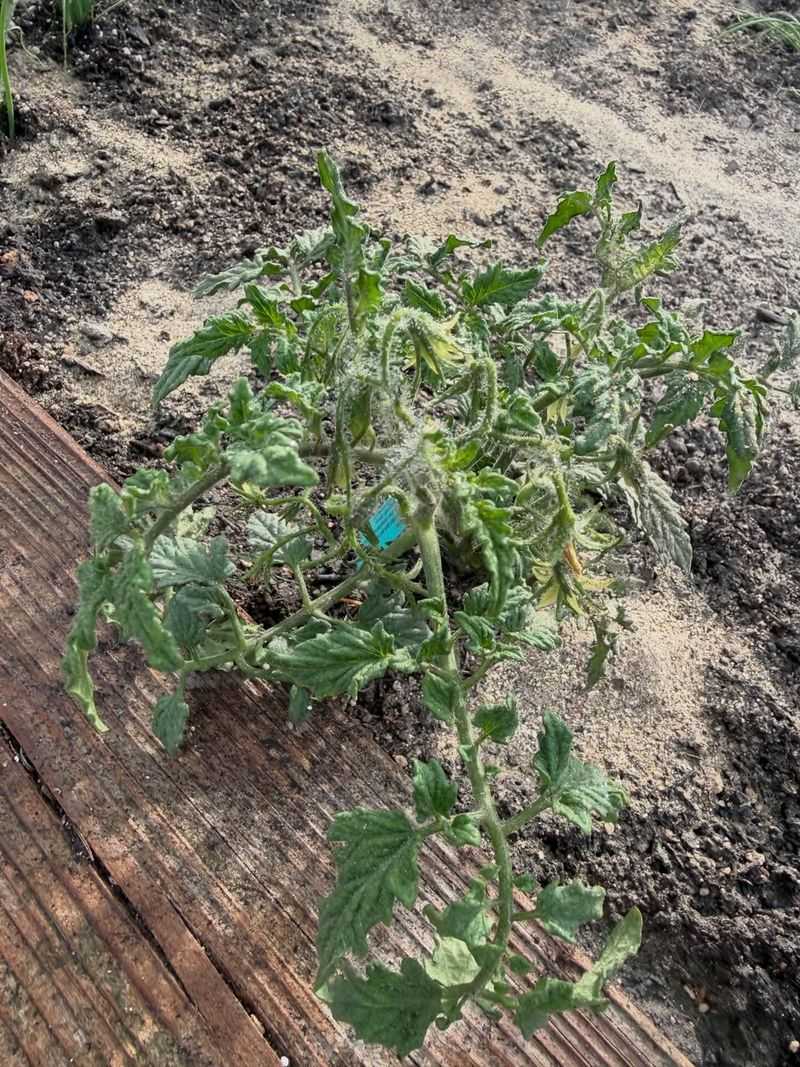
Wilting leaves on a tomato plant send most gardeners straight to the disease diagnosis page, but localized wilting tells a different story.
When only a small cluster of leaves near one spot starts drooping while the rest of the plant looks perfectly healthy, fruitworm feeding is a strong suspect.
Caterpillars chewing through stems or tunneling into branches can interrupt water and nutrient flow to just that section, causing those leaves to droop without affecting the whole plant.
Disease-related wilting, like that caused by fusarium or verticillium wilt, usually progresses from the bottom of the plant upward or spreads more uniformly across multiple branches. Fruitworm-related wilting stays contained around the actual feeding zone.
If you gently bend the wilted branch and notice a small hole or chewed area nearby, that is a strong sign of insect activity rather than a soil-borne pathogen.
Prune away the affected branch just below the feeding site and dispose of it in a sealed bag. Inspect the cut end of the stem for any signs of tunneling or frass inside the tissue.
Sterilize your pruning tool with rubbing alcohol between cuts to avoid any accidental spread of actual disease organisms while you work.
Keeping notes on which plants show localized wilting helps you track patterns and stay ahead of new activity throughout the growing season.
5. Frass On Leaf Surfaces Or Surrounding Soil
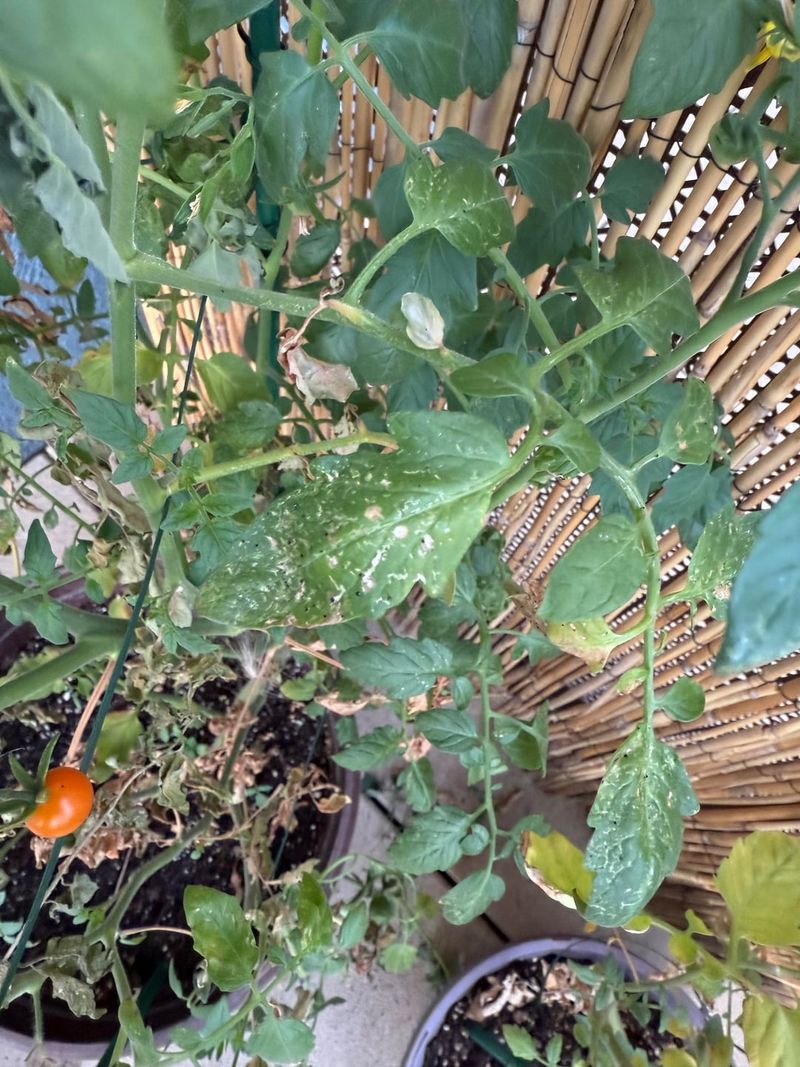
Frass is one of the most underrated clues in the garden, and once you know what to look for, you will spot it everywhere.
These tiny dark pellets are caterpillar droppings, and finding them on leaf surfaces or scattered in the soil directly beneath your tomato plants is a clear signal that fruitworms are actively feeding somewhere above.
Unlike fungal spores, which often appear as a powdery or fuzzy coating, frass has a solid, grainy texture and tends to cluster in specific spots.
Bacterial infections sometimes produce a slimy or wet residue, which looks completely different from the dry, crumbly appearance of frass. When you find frass, look upward along the stem and branches directly above the deposit.
The caterpillar responsible is almost always somewhere nearby, hiding under a leaf or tucked into a crevice near the feeding site.
Cleaning up frass regularly does more than keep your garden tidy. It removes a food source for secondary pests and gives you a cleaner baseline so you can spot fresh activity quickly on your next visit.
Use a soft brush or a gentle stream of water to clear frass from leaf surfaces. After cleanup, apply a layer of fresh mulch around the base of your plants to make new frass deposits on the soil more visible and easier to detect during your next inspection round.
6. Misshapen Or Prematurely Ripening Fruit
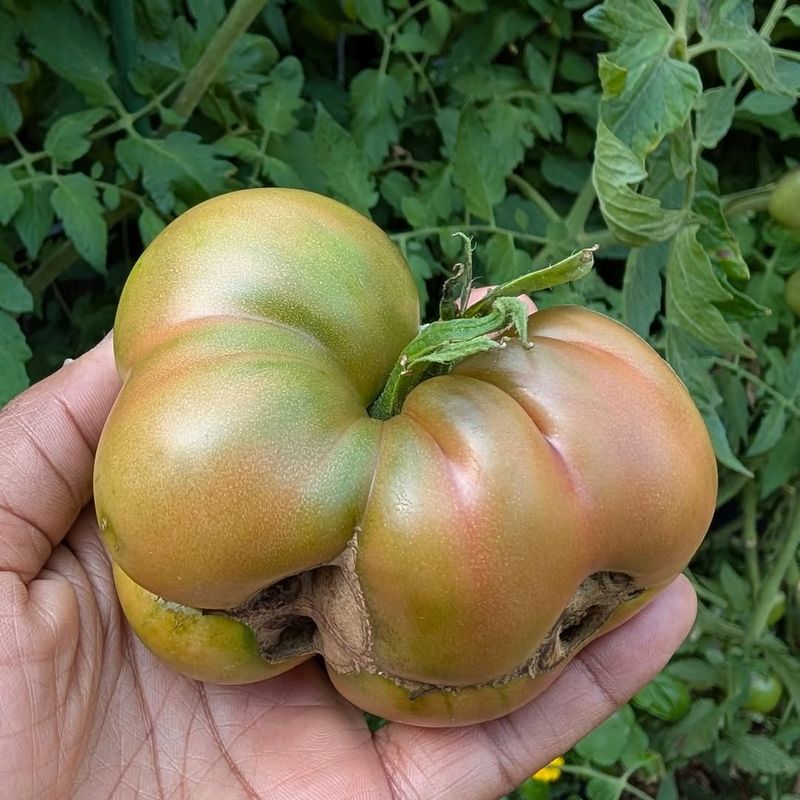
A tomato that looks lumpy, lopsided, or starts turning red in one small patch while the rest stays green is worth a second look. Fruitworm larvae feeding inside a tomato can disrupt normal cell development, causing the fruit to ripen unevenly or grow in a distorted shape.
Gardeners often blame nutrient deficiencies or blossom end rot for this kind of appearance, but those conditions leave different clues.
Nutrient-related problems usually affect multiple fruits across the plant or the entire garden bed rather than showing up on just one or two tomatoes. Blossom end rot creates a specific sunken, darkened spot at the base of the fruit.
Fruitworm-related distortion tends to appear near an entry wound, with the surrounding tissue ripening faster because of the damage happening just beneath the skin.
Pick affected fruits early and examine them closely before adding them to any compost pile. Slice the tomato open to check for tunneling, larvae, or frass inside the cavity.
Catching damaged fruit quickly reduces the chance that mature larvae will drop into the soil and pupate beneath your plants, which would set the stage for another generation of adults.
Harvesting nearby healthy tomatoes a bit earlier than usual during active infestations is a smart move that protects your best fruit and keeps your overall yield strong through the rest of the North Carolina summer season.
7. Damage Often Localized To One Plant Or Section
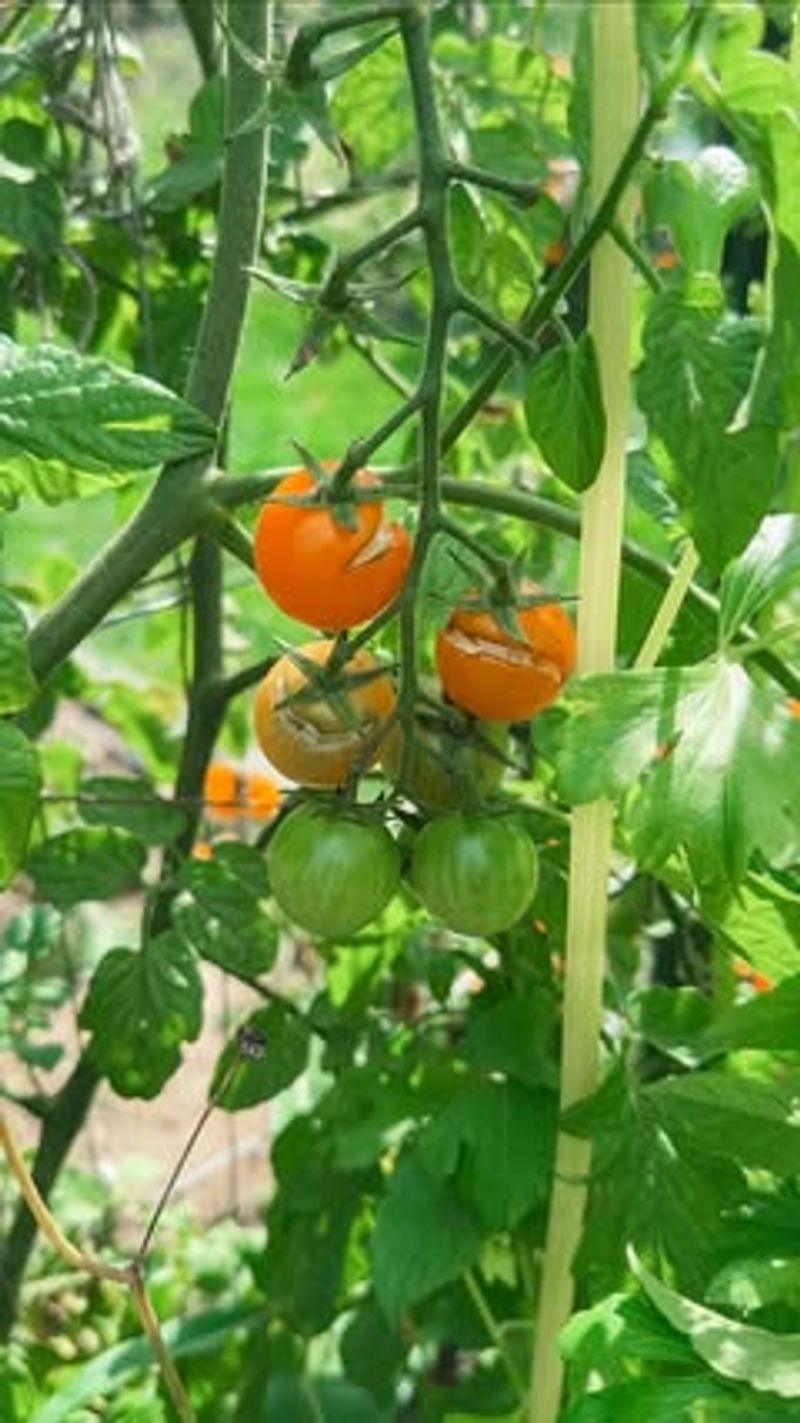
One of the most telling differences between a pest problem and a disease outbreak is where the damage shows up. Fruitworm infestations almost always start in a concentrated area, hitting one plant or a small cluster of plants before spreading.
Contagious diseases like early blight or mosaic virus tend to move through a garden more evenly, often following wind patterns, water splash, or the path of a gardening tool. Insect activity does not work that way.
Moths lay eggs on individual plants or in specific sections of a garden, especially near areas with dense foliage or close to neighboring crops like corn, which fruitworms also love.
North Carolina gardeners who grow corn and tomatoes near each other may notice damage appearing first on plants closest to the corn rows.
That spatial pattern is a strong clue pointing toward insects rather than pathogens.
When you identify a hot zone, focus your monitoring and treatment efforts there first. Inspect every plant in that section thoroughly, checking both sides of leaves, stems, and developing fruit.
Creating a simple hand-drawn map of your garden and marking where damage appears over time helps you recognize patterns across multiple growing seasons.
Spotting those patterns early means you can set up preventive measures in the right spots before the next growing season even begins, saving yourself significant effort down the road.
8. Use Row Covers Early In The Season
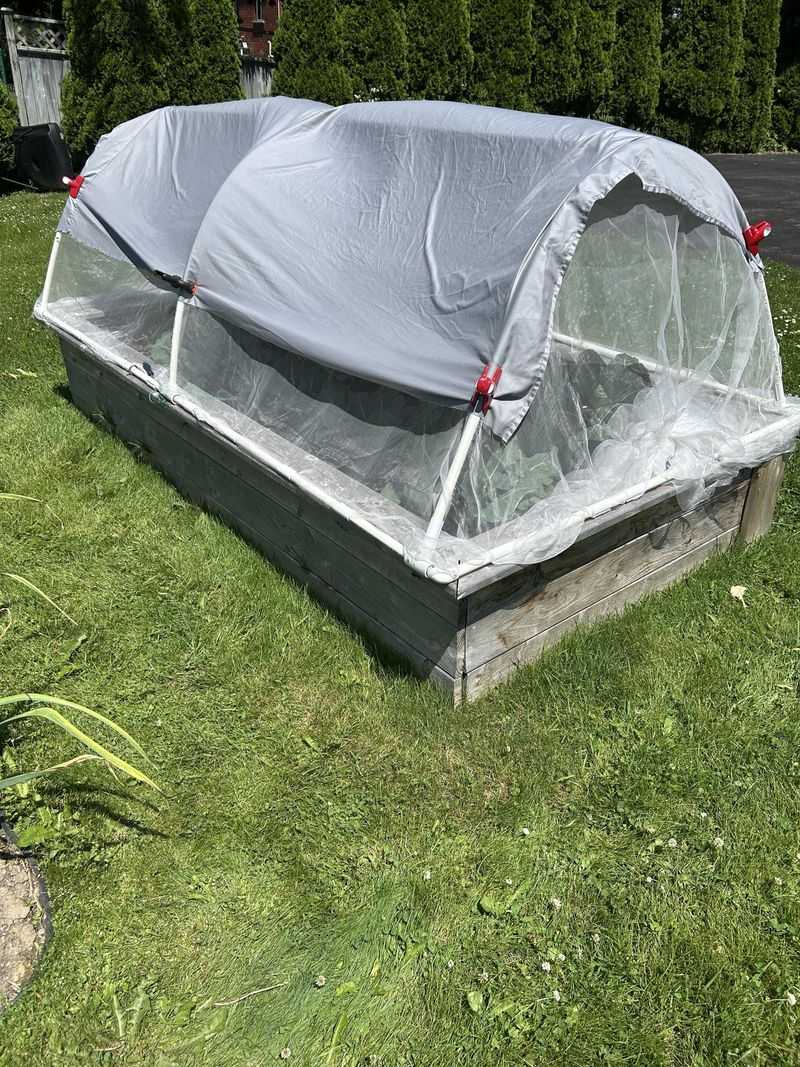
Getting ahead of fruitworms before they ever reach your plants is far easier than dealing with an active infestation mid-season.
Floating row covers are one of the most practical and chemical-free tools available to North Carolina gardeners, and putting them in place right after transplanting your seedlings gives you a strong head start.
These lightweight fabric covers let sunlight, air, and water through while physically blocking adult moths from landing on your plants and laying eggs.
Helicoverpa zea, the moth responsible for tomato fruitworm, is most active in late spring through summer in North Carolina.
Installing covers early, before moths become abundant in your area, gives your plants several weeks of protected growth during a vulnerable stage.
Make sure to secure the edges of the covers firmly with soil, rocks, or garden staples so moths cannot find a gap to sneak through at the base.
One important thing to keep in mind is that row covers need to come off once your plants start flowering, since tomatoes require pollination from bees and other insects to produce fruit.
Plan to remove covers during the morning when bees are most active and replace them in the evening if you want to extend protection during peak moth flight periods.
This on-and-off approach takes a little extra effort but makes a real difference in reducing early-season egg-laying activity on your crop.
9. Hand Picking And Targeted Biological Controls
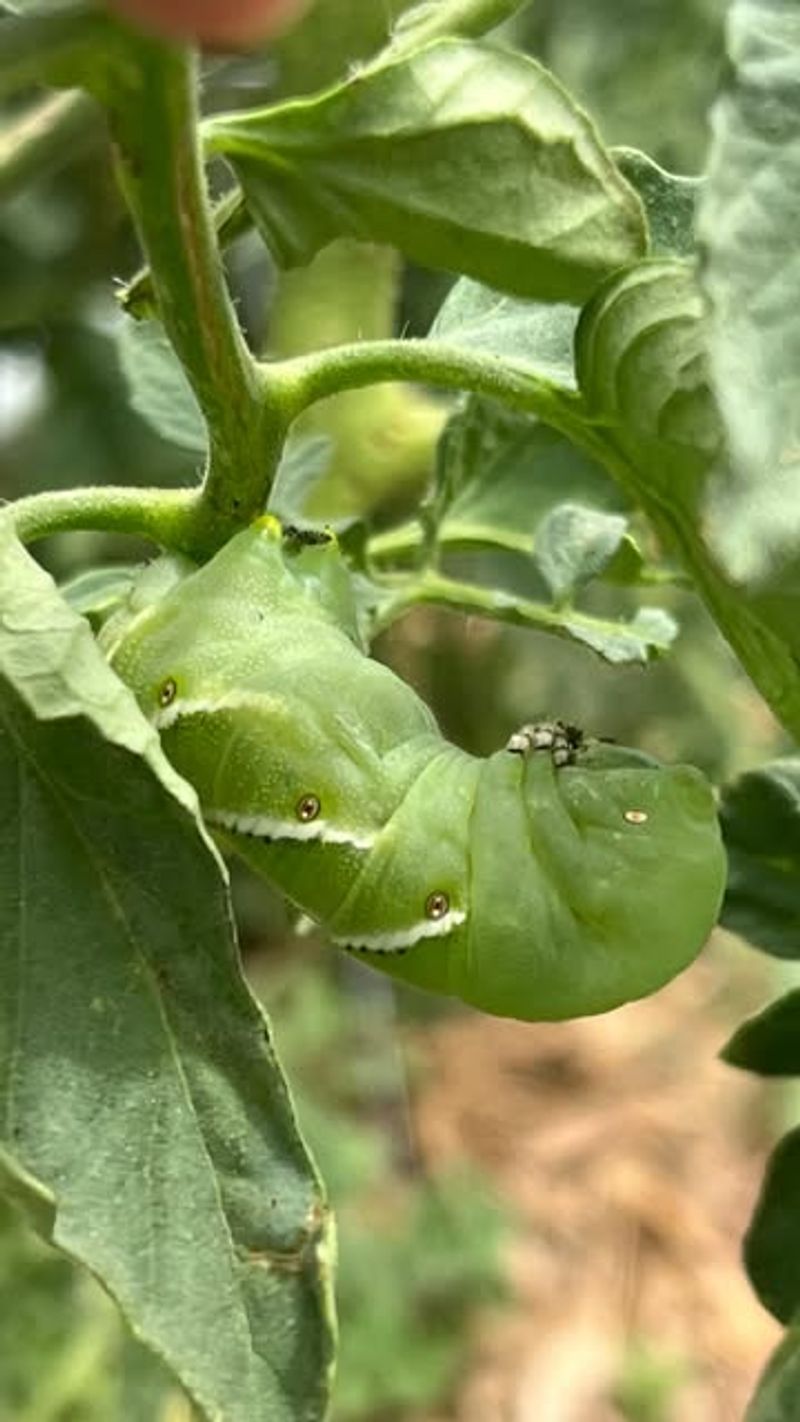
There is something satisfying about handling a pest problem directly, and hand picking caterpillars off your tomato plants is one of the most effective and immediate methods available.
Go out in the early morning or evening, wear gloves, and work your way methodically through each plant.
Drop any caterpillars you find into a bucket of soapy water, which renders them unable to cause further damage. This approach works especially well when populations are still low and you catch them before they bore into the fruit.
For heavier infestations, Bacillus thuringiensis, or Bt, is a go-to biological control that North Carolina gardeners have relied on for decades. Bt is a naturally occurring bacteria found in soil that produces proteins toxic only to caterpillars when ingested.
It is safe for humans, pets, bees, and beneficial insects, making it an ideal choice for home gardens. Apply it in the evening when caterpillars are most active, and reapply after rain since it breaks down in moisture.
Encouraging natural predators adds another layer of protection. Parasitic wasps like Trichogramma species seek out fruitworm eggs and larvae, helping keep populations in check without any extra effort on your part.
Planting nectar-rich flowers like dill, fennel, or yarrow near your tomatoes attracts these beneficial insects and keeps them working in your garden all season long.
A layered approach combining hand picking, Bt, and natural predators gives you strong, lasting results.
10. Rotate Crops And Maintain Clean Beds
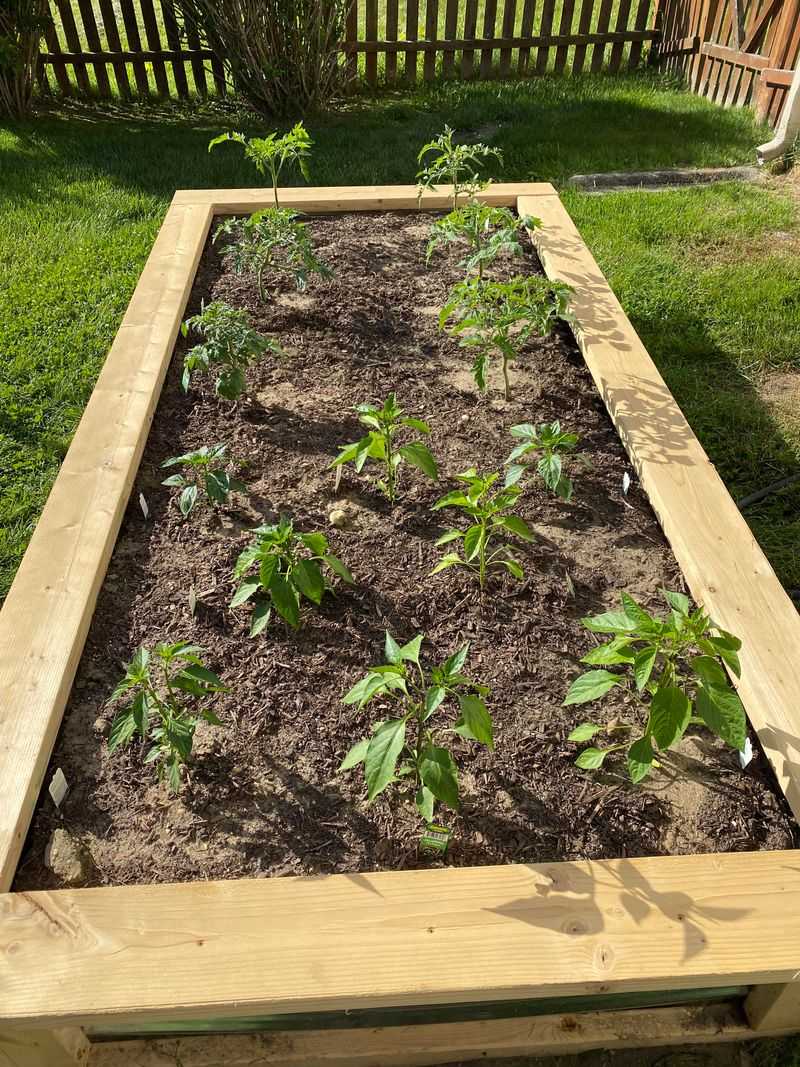
Fruitworm populations can build up over time in gardens where the same crops grow in the same spots year after year. Rotating your tomatoes to a different section of the garden each season disrupts the life cycle of pests that overwinter in the soil as pupae.
When adult moths emerge in spring and find no tomatoes nearby, they have to travel farther to find a host plant, which reduces the pressure on your new crop significantly.
Cleaning up your garden beds at the end of each season is just as important as rotation. Old tomato vines, fallen fruit, and leaf debris provide shelter and food for overwintering pupae and other pests.
Pulling up spent plants promptly after the last harvest and removing all organic debris from the bed surface reduces the number of insects that survive to the following year.
Bag the debris and put it in your household trash rather than adding it to a compost pile where pupae could survive.
Turning your soil in late fall or early winter exposes pupae to cold temperatures and birds, which helps reduce populations naturally.
Adding a fresh layer of compost after tilling improves soil health and encourages beneficial organisms that prey on soil-dwelling pest stages.
A well-maintained, clean bed paired with a smart rotation plan is one of the best long-term investments you can make for a healthy, productive North Carolina tomato garden season after season.