Michigan Gardeners Are Using These Simple Tricks To Double Their Cucumber Harvest
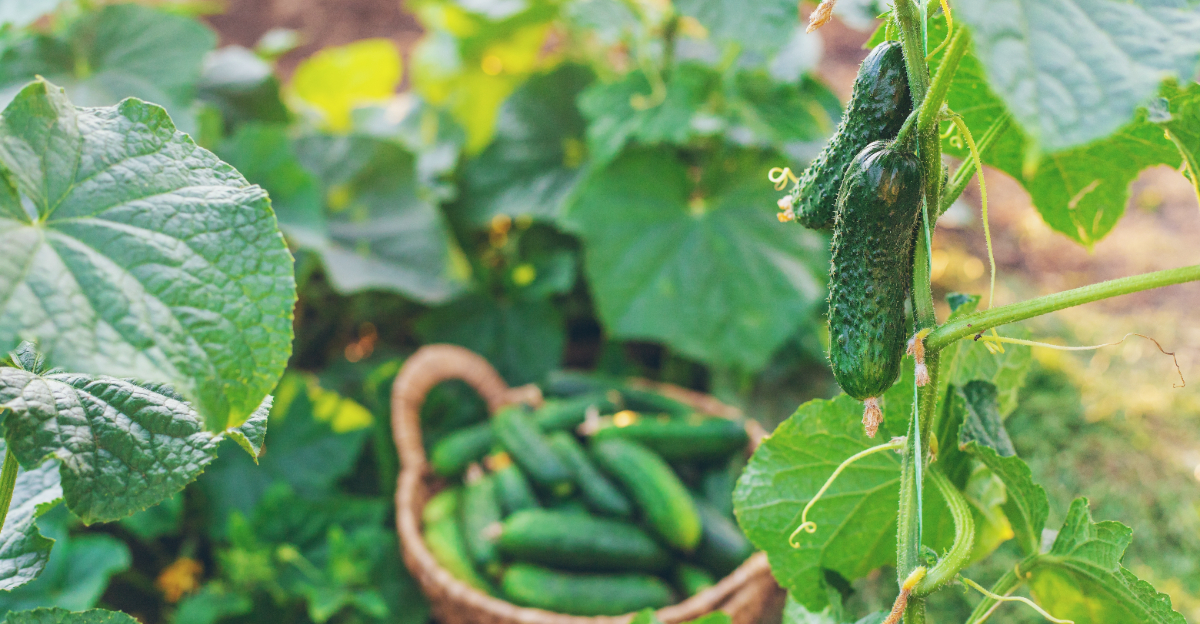
Cucumbers grow fast in Michigan once the season gets going, but a lot of gardeners end up with less than the plants are capable of producing. The vines look healthy, the flowers show up on schedule, and then the harvest comes in smaller or shorter than expected.
In most cases the fix is not complicated. A handful of small adjustments at the right points in the season can change the yield considerably without adding much work to the routine.
Some of it comes down to timing, some to how the plants are supported, and some to what happens during pollination that most people never think to pay attention to.
Growers who make these changes tend to notice the difference before the summer is even halfway through.
1. Trellising Cucumbers Keeps Plants Healthier And More Productive
Something surprising happens when you lift cucumber vines off the ground. Airflow increases dramatically, and that single change makes a huge difference during Michigan’s humid summer months.
When vines sprawl across the soil, moisture gets trapped underneath, creating the perfect environment for fungal diseases like powdery mildew and downy mildew to take hold.
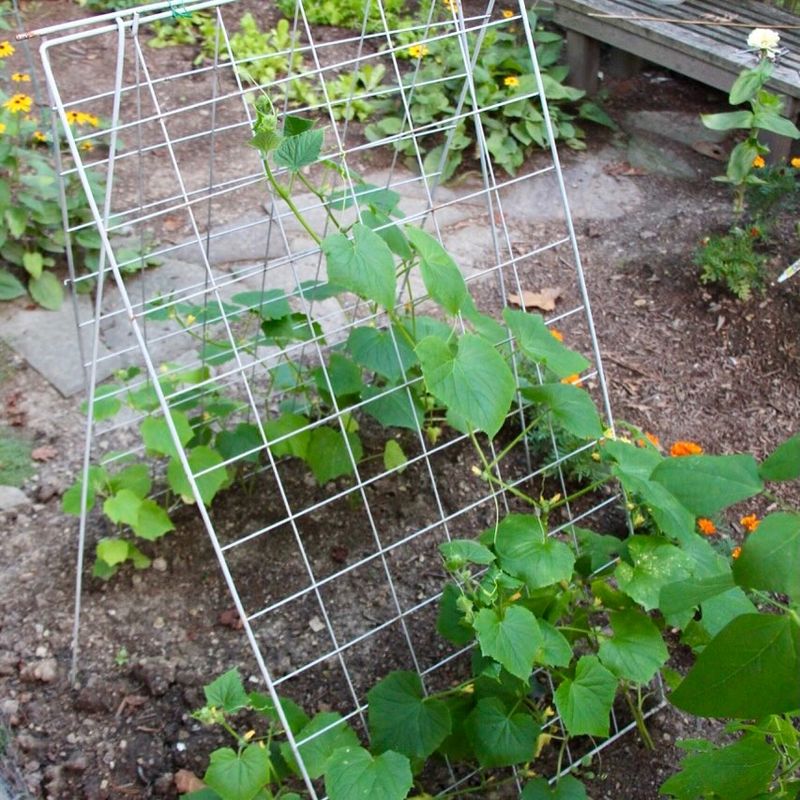
A simple trellis changes everything. You can build one using wooden stakes and garden twine, or pick up a metal cattle panel from a farm supply store.
For raised beds, an A-frame trellis works beautifully and keeps vines easy to manage. Even a basic six-foot-tall wire fence stretched between two posts gives vines the vertical support they need to thrive.
Growing cucumbers upright also makes pollination easier because flowers are more exposed and accessible to bees.
Harvesting becomes faster too since you can spot cucumbers hanging in plain sight rather than hunting through a tangled mess of leaves on the ground.
Vertical plants also take up far less horizontal garden space, which means you can fit more plants into your garden without crowding.
Michigan summers bring stretches of warm, wet weather that favor disease, so giving your cucumber plants every advantage matters.
Trellising is one of the easiest, most affordable upgrades any gardener can make, and the payoff in plant health and harvest size is absolutely worth the small effort it takes to set up.
2. Harvesting Cucumbers Early Encourages Plants To Keep Producing
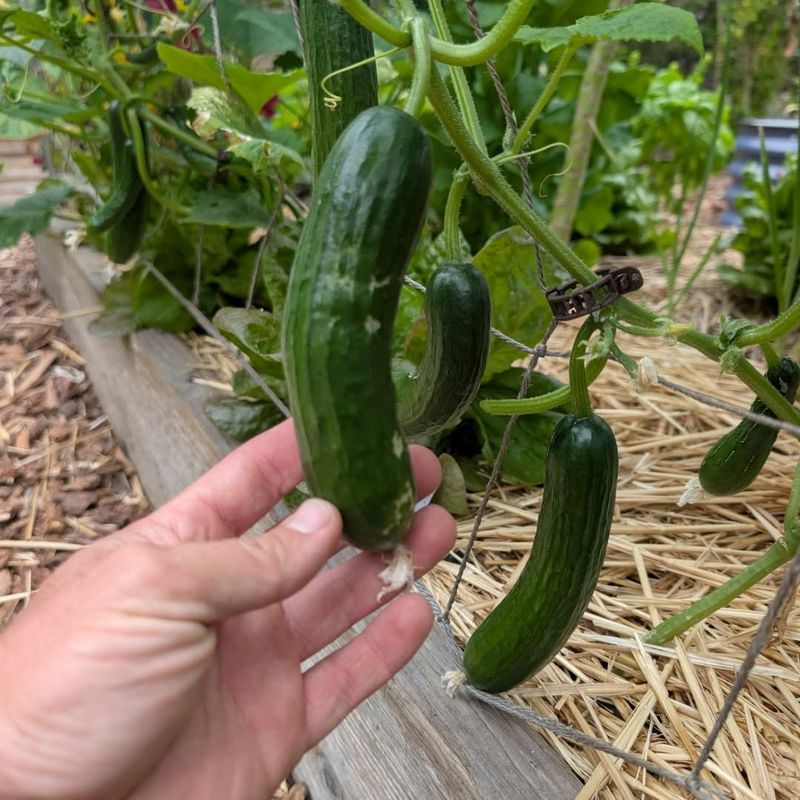
Most gardeners make this mistake at least once. You spot a big, fat cucumber on the vine and decide to wait a few more days to let it get even bigger.
Meanwhile, the plant gets a signal that its job is done, and flower production quietly slows down. That one oversized cucumber just cost you a week of fresh harvests.
Cucumber plants are wired to produce seeds and reproduce. Once a fruit matures fully and starts yellowing, the plant shifts its energy away from making new flowers and toward that single ripening fruit.
Picking cucumbers while they are still firm and medium-sized, usually between six and eight inches for slicers and two to four inches for picklers, keeps the plant in active production mode all season long.
Your Michigan Garden Changes Every Week. Your Plan Should Too.
Gardening in Michigan changes quickly throughout the season. Every Friday you’ll receive a simple weekly plan showing exactly what to plant, prune, fertilize, harvest, and protect so you never miss the right timing.
During peak summer growing, Michigan gardeners should check their cucumber plants every single day. It sounds like a lot, but cucumbers can go from perfect to oversized in just 24 to 48 hours during warm weather.
A quick daily walk through the garden with a basket keeps things under control and keeps the harvest coming in steadily.
Regular picking also prevents the plant from wasting energy on fruits you may not even want to eat. Removing cucumbers consistently sends a clear message to the plant: keep flowering, keep fruiting.
It is one of the simplest and most effective ways to dramatically increase your total cucumber yield over the entire growing season.
3. Mulching Helps Michigan Cucumbers Produce Longer Into Summer
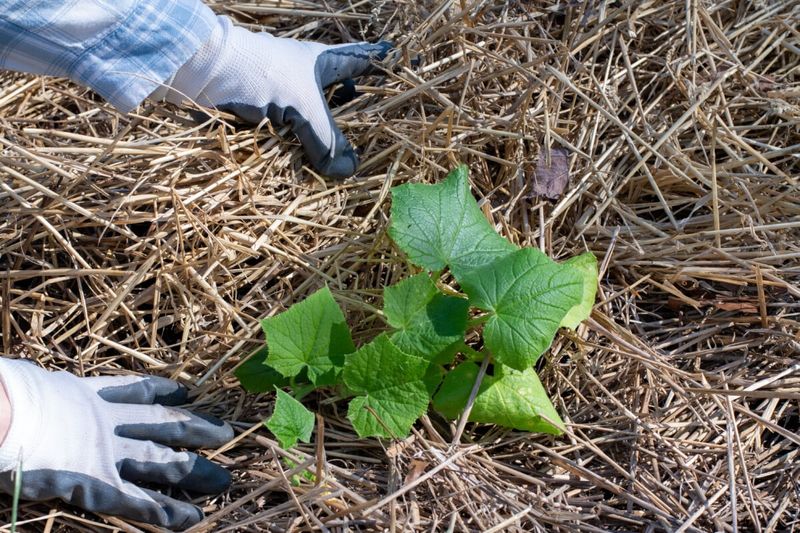
Picture this: a stretch of hot July days with no rain in sight and your cucumber plants wilting by noon. It is a frustrating and all-too-familiar situation for Michigan gardeners.
The good news is that a simple layer of mulch around your plants can prevent most of that stress before it even starts.
Mulch acts like a protective blanket over the soil. It holds moisture in the ground so roots stay hydrated between waterings, and it keeps soil temperatures cooler during heat waves.
Cucumber roots are surprisingly shallow and sensitive to temperature swings, so anything that stabilizes the soil environment helps the plant focus on producing fruit instead of just surviving.
Straw is one of the most popular mulch choices for vegetable gardens because it is affordable, lightweight, and easy to spread. Wood chips, shredded leaves, and even untreated grass clippings also work well.
Aim for a layer about two to three inches thick around the base of each plant, keeping the mulch a few inches away from the main stem to prevent rot.
Beyond moisture and temperature control, mulch also reduces soil splash during heavy Michigan rainstorms. When rain hits bare soil, it kicks up fungal spores onto lower leaves, which speeds up disease spread.
Mulch blocks that splash, keeping leaves cleaner and plants healthier well into late summer. It is a small step that quietly protects your harvest every single day.
4. Pollinator Activity Strongly Affects Cucumber Production
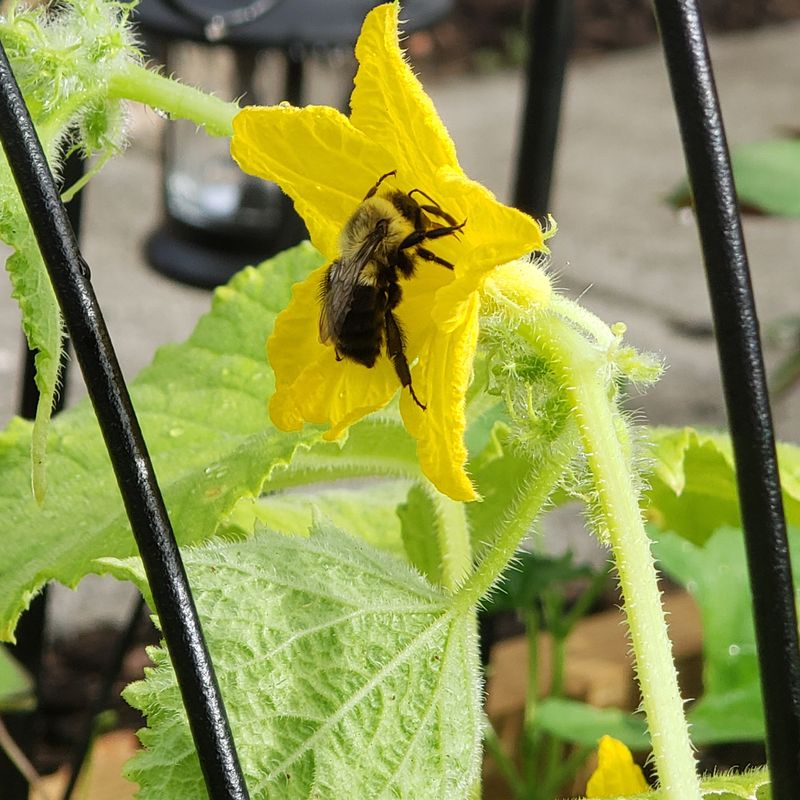
Here is something that trips up even experienced gardeners. You have healthy vines, plenty of flowers, good soil, and regular watering, yet the cucumbers are not setting properly.
Some look twisted or stubby, and others just drop off before they develop. The culprit is often poor pollination, and it is more common in Michigan gardens than most people realize.
Cucumbers produce separate male and female flowers on the same vine. Male flowers typically open first, and female flowers, which have a tiny swollen base that becomes the fruit, open a few days later.
For a cucumber to form correctly, pollen from a male flower needs to reach a female flower, and bees are the primary way that happens. Without enough bee activity, fruit sets poorly or not at all.
Planting pollinator-friendly flowers nearby makes a real difference. Marigolds, zinnias, basil, and borage all attract bees and beneficial insects to the garden.
Even a small patch of flowers tucked near your cucumber bed increases bee visits noticeably. Avoid spraying any pesticides or insecticides during bloom time, especially in the morning when bees are most active.
On cloudy or cool days when bees are less active, you can hand-pollinate by using a small paintbrush or cotton swab to transfer pollen from a male flower to a female flower. It takes only a minute and can save an entire flush of cucumbers from failing to set.
Healthy pollinator activity is one of the most underrated factors in a productive cucumber harvest.
5. Feeding Cucumbers Too Much Nitrogen Reduces Harvests
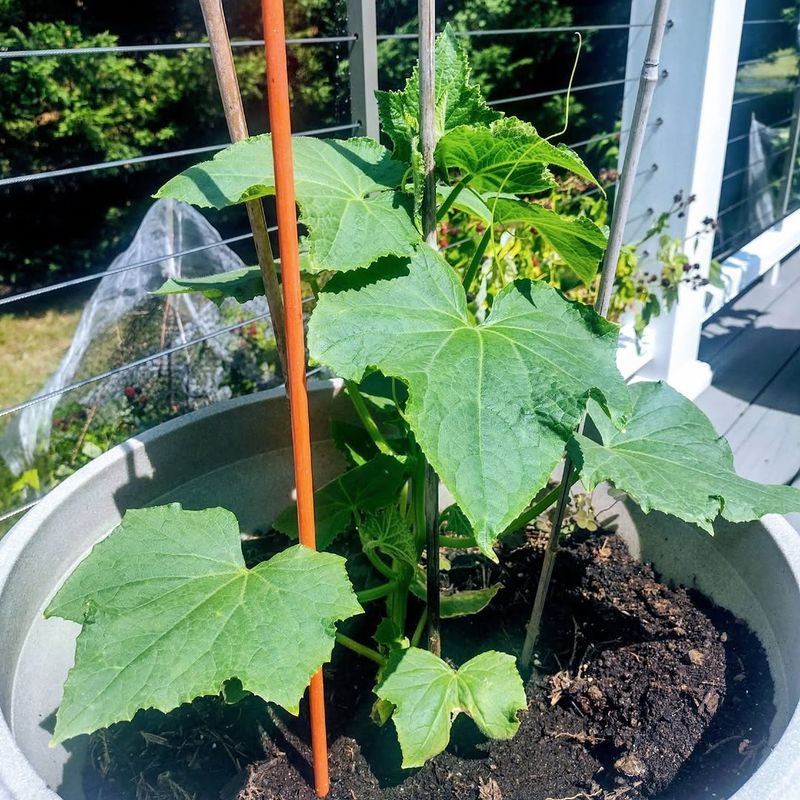
Walk through any garden center and you will find shelves full of fertilizers promising bigger, faster, greener plants. It is tempting to grab the highest-nitrogen option and feed your cucumbers generously all summer.
But here is the thing: too much nitrogen is one of the most common reasons Michigan gardeners end up with beautiful, bushy vines and barely any cucumbers.
Nitrogen fuels leaf and stem growth. When plants get too much of it, they pour their energy into producing thick, dark green foliage instead of flowers and fruit.
You end up with an impressive-looking vine that delivers a disappointing harvest. It is a frustrating tradeoff that is completely avoidable with a smarter feeding approach.
Cucumbers need a balanced fertilizer at planting time, something with equal or close-to-equal parts nitrogen, phosphorus, and potassium. Once plants start flowering, switch to a low-nitrogen, higher-phosphorus and potassium blend to support fruit development.
Many gardeners use a tomato fertilizer during the fruiting phase with great results since the nutrient ratios align well.
Improving soil with compost before planting is one of the best ways to provide steady, gentle nutrition without overdoing any single nutrient. Compost releases nutrients slowly and improves soil structure at the same time.
A soil test from Michigan State University Extension is a worthwhile investment if you are unsure about your soil’s baseline fertility. Feeding cucumbers smartly, not heavily, is what keeps production strong from early summer all the way through fall.
6. Cucumber Beetles Cause Bigger Problems Than Most Gardeners Expect

Tiny, fast, and surprisingly destructive, cucumber beetles are one of the most frustrating pests Michigan vegetable gardeners face every summer. At first glance they seem like a minor nuisance.
They are small, they are spotted or striped in yellow and black, and they blend into the garden easily. But the damage they cause goes far beyond a few chewed leaves.
Cucumber beetles feed on leaves, flowers, and young fruit, but their most serious threat is the bacterial wilt disease they carry and spread. When an infected beetle feeds on your plant, it transmits bacteria that block the plant’s water-conducting vessels.
Vines wilt suddenly, and there is no effective treatment once the infection takes hold. Entire plants can collapse within days of showing the first symptoms.
Row covers are one of the most reliable defenses against cucumber beetles, especially during the first few weeks after transplanting or germination.
Lightweight floating row cover fabric lets in light, air, and water while physically blocking beetles from reaching plants.
Just remember to remove the covers once flowers appear so bees can access blooms for pollination.
Checking plants daily during peak summer months helps you catch beetle populations early before they build up. Yellow sticky traps placed near the garden give you an early warning system.
Some Michigan gardeners also use kaolin clay spray as a physical deterrent that makes plants less appealing to feeding insects. Staying alert early in the season is the most effective way to protect your cucumber harvest from these persistent pests.
7. Spacing Cucumber Plants Correctly Helps Prevent Summer Disease
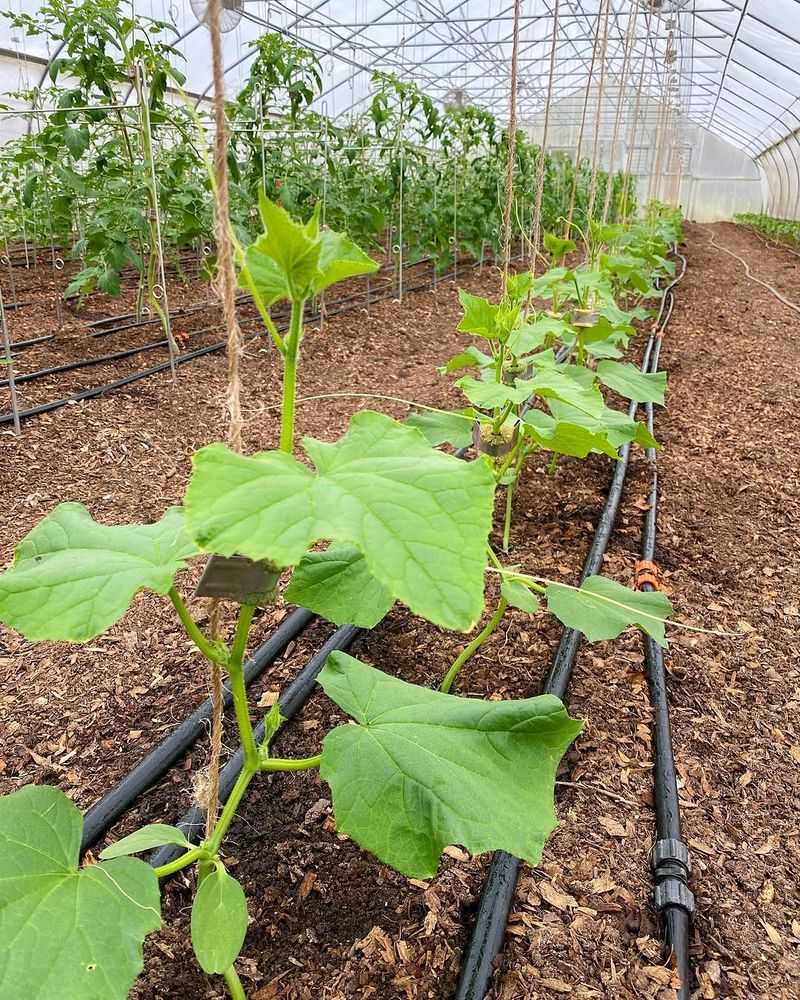
It is easy to get excited at planting time and squeeze more plants into a bed than you should. More plants feels like more cucumbers, right?
Actually, overcrowded cucumber plants often produce less than properly spaced ones, and they struggle with disease problems that cut the season short before you get anywhere near a full harvest.
Michigan summers bring warm temperatures combined with stretches of high humidity, especially in July and August.
That combination creates ideal conditions for powdery mildew, downy mildew, and other fungal diseases that spread rapidly through dense plantings.
When leaves overlap and vines tangle together, moisture stays trapped between plants for hours after rain or morning dew. Fungal spores thrive in exactly those conditions.
For vining cucumber varieties grown on a trellis, spacing plants about 12 inches apart in the row gives each plant enough room to spread without competing.
Bush varieties, which are more compact and do not require support, grow well with about 18 to 24 inches between plants.
Raised bed gardeners can space plants slightly closer if they are growing vertically, but airflow between plants should always be a priority.
Pruning away some of the lower leaves as plants mature also helps improve airflow at the base of the plant where humidity tends to collect. Good spacing is not just about giving roots enough room to grow.
It is a proactive strategy for keeping leaves dry, reducing fungal pressure, and extending your harvest season well into late summer and early fall in Michigan gardens.
8. Healthy Soil Produces Bigger Longer Lasting Cucumber Harvests
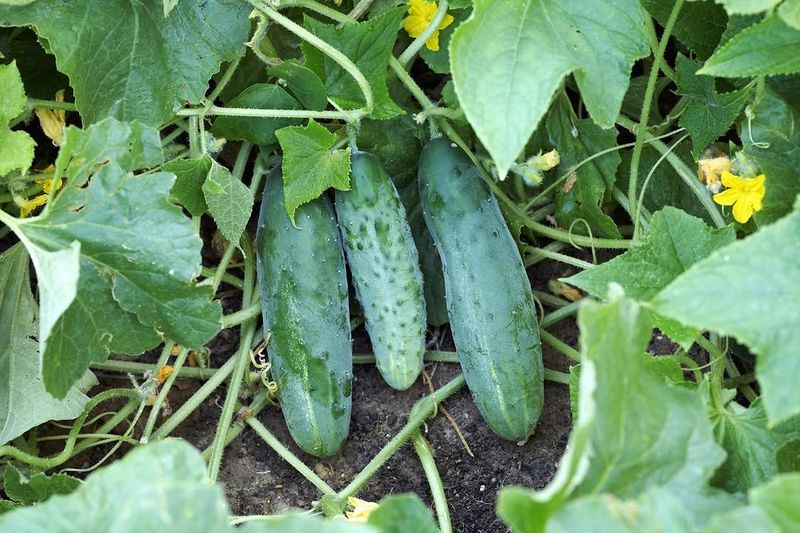
Everything starts underground. Before a single seed goes in or a transplant gets set out, the quality of your soil quietly determines how productive your cucumber plants will be from the very first harvest all the way to the end of the season.
Michigan gardeners who invest a little time in soil preparation consistently outperform those who skip this step.
Cucumbers are heavy feeders and drinkers. They need soil that drains well enough to prevent root rot but also holds enough moisture to keep plants hydrated during dry spells.
That balance is hard to achieve in Michigan’s native clay soils, which tend to compact and drain poorly, or in sandy soils, which drain too fast and struggle to hold nutrients. Compost is the solution that works for both.
Working two to four inches of finished compost into your garden bed before planting improves drainage in clay soils and water retention in sandy soils at the same time. It also feeds soil microbes that help break down nutrients into forms plant roots can absorb.
For raised bed gardeners, a mix of topsoil, compost, and a small amount of coarse sand or perlite creates an ideal growing medium for cucumbers.
Adding a balanced slow-release granular fertilizer at planting time gives young cucumber plants a nutritional head start. Checking soil pH is also worth doing since cucumbers prefer a range between 6.0 and 7.0.
A well-prepared bed rewards you with faster-growing plants, stronger vines, and a harvest that keeps producing steadily through the entire Michigan growing season.