Do This To Texas Fig Trees Before The Heat Gets Intense
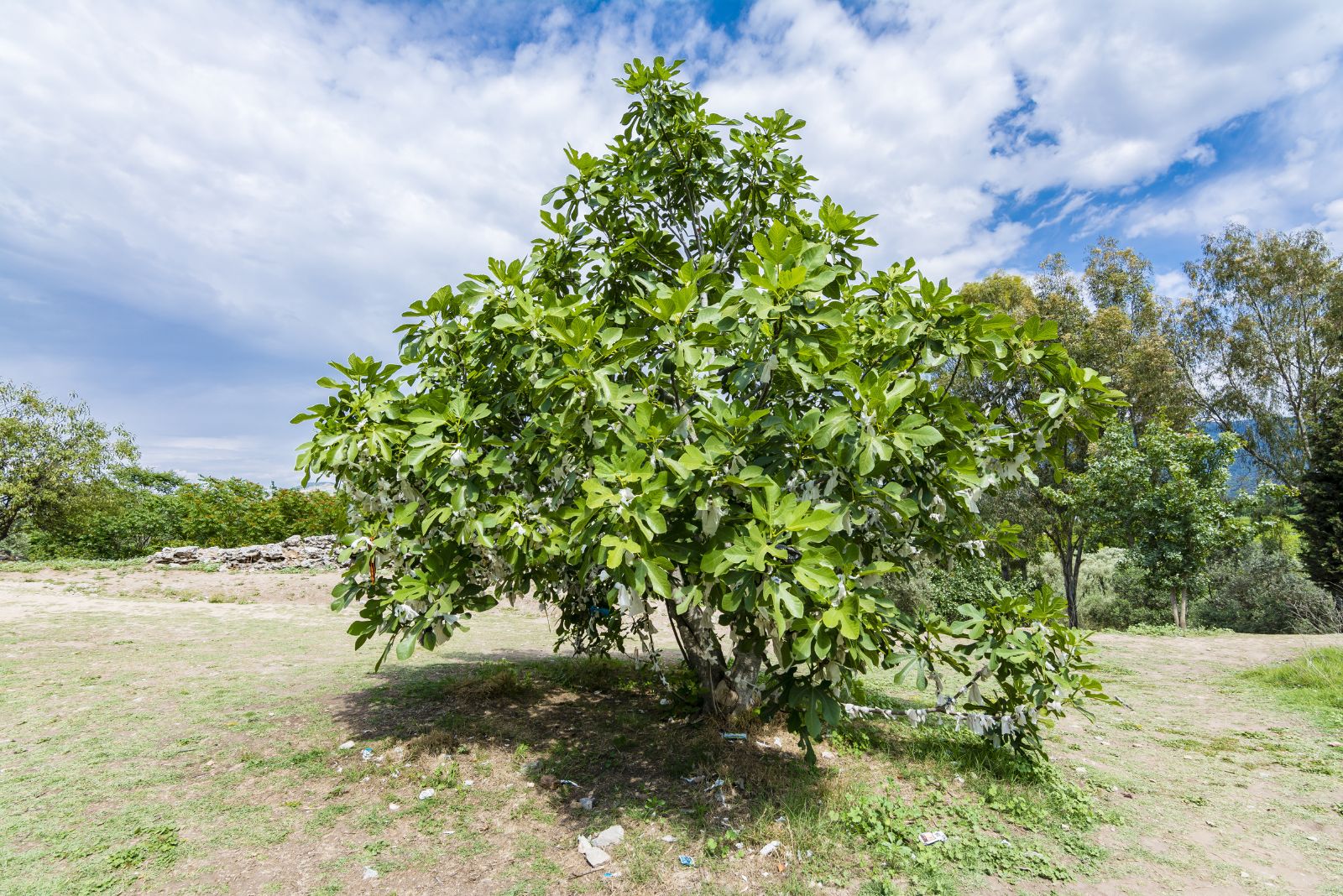
Fig trees are one of the best investments a Texas gardener can make. They are productive, relatively low maintenance, and genuinely well suited to the Texas climate once they are established.
But there is a window right before the heat gets intense that a lot of fig growers let pass without taking advantage of it, and that missed opportunity can affect fruit quality, tree health, and overall performance through the summer.
Figs are pushing hard right now, putting energy into new growth and developing fruit, which means what you do in the next few weeks either supports that process or works against it.
Watering habits, pruning decisions, and a few easy soil care steps all matter more at this stage than most people realize. Getting ahead of the heat with your fig trees is not complicated, but it does require knowing what to focus on before the window closes.
1. Water Deeply Before Summer Arrives
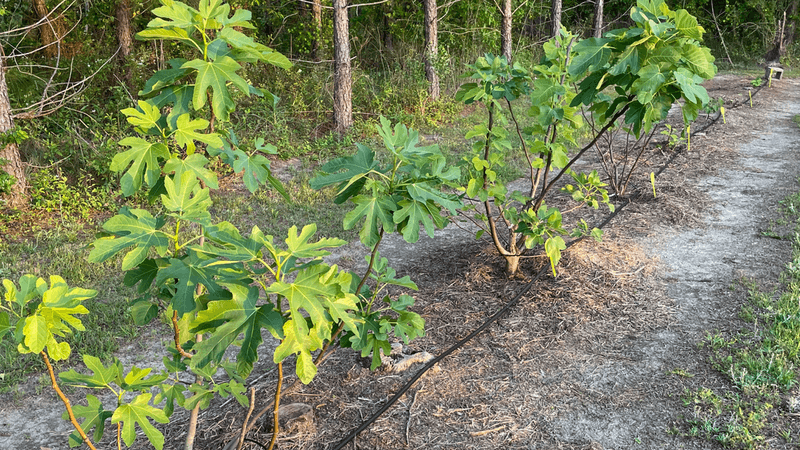
Most people water their plants a little every day, but fig trees actually do better with deep, infrequent watering.
Shallow watering only wets the top few inches of soil, which means roots stay near the surface. Surface roots are much more vulnerable when the heat hits hard.
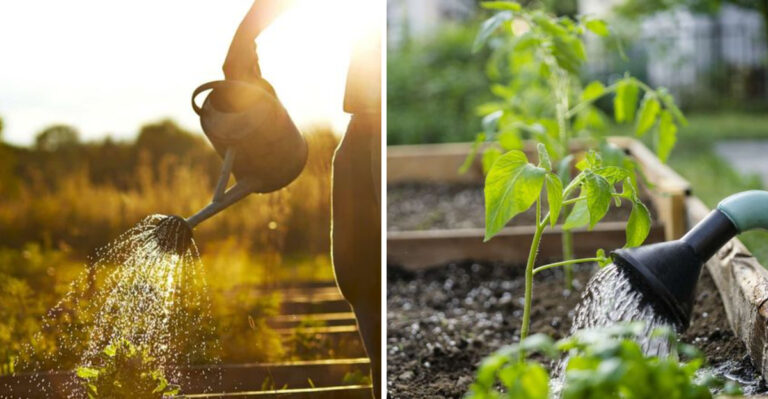
Deep watering encourages roots to grow downward, where the soil stays cooler and holds moisture longer. To water deeply, let your hose run slowly at the base of the tree for 20 to 30 minutes.
You can also use a soaker hose laid in a circle around the drip line of the tree. Sandy soils in Texas drain fast, so you may need to water more often. Clay soils hold water longer but can get waterlogged if you overdo it.
Knowing your soil type helps you figure out the right watering schedule before summer stress sets in.
A good rule of thumb is to water once a week in spring, giving the tree about one to two inches of water per session. As temperatures climb into the 90s and beyond, you may need to increase that to twice a week.
Always check the soil a few inches down before watering again. Starting a consistent deep watering routine in early spring trains your fig tree to handle dry stretches better. Trees that are used to deep watering are more resilient.
They bounce back faster from hot spells and produce more fruit because their root systems are stronger and better established before the real heat arrives.
2. Add Mulch Around The Base
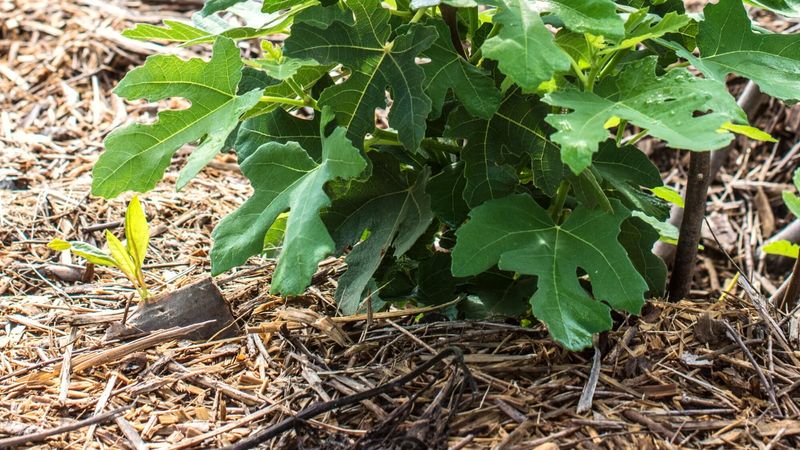
Mulch might just be one of the most underrated tools in any Texas gardener’s toolkit. A good layer of mulch around your fig tree can do so much more than just look tidy.
It acts like a blanket for the soil, keeping moisture in and heat out during those long, punishing summer days.
Wood chips, shredded bark, or straw all work well as mulch for fig trees. Spread a layer about three to four inches thick around the base of the tree.
Make sure to leave a small gap of a few inches right around the trunk itself, because covering the trunk can cause rot and invite pests.
Your Texas Garden Changes Every Week. Your Plan Should Too.
Gardening in Texas changes quickly throughout the season. Every Friday you’ll receive a simple weekly plan showing exactly what to plant, prune, fertilize, harvest, and protect so you never miss the right timing.
Mulch also slows down weed growth, which means less competition for water and nutrients. Weeds can pull a surprising amount of moisture from the soil, especially during dry spells.
Keeping the area around your fig tree clean and mulched gives the tree every advantage it needs.
As mulch breaks down over time, it actually improves the soil. Organic mulch adds nutrients and encourages helpful microorganisms that support root health. This is a bonus that keeps giving long after summer ends.
Apply your mulch in early spring, before the heat really kicks in. Refreshing it once or twice during the growing season keeps it effective.
In Texas, where heat waves can last for weeks, that layer of mulch could be the difference between a fig tree that struggles and one that thrives and produces a great harvest all summer long.
3. Remove Weak Or Crowded Branches
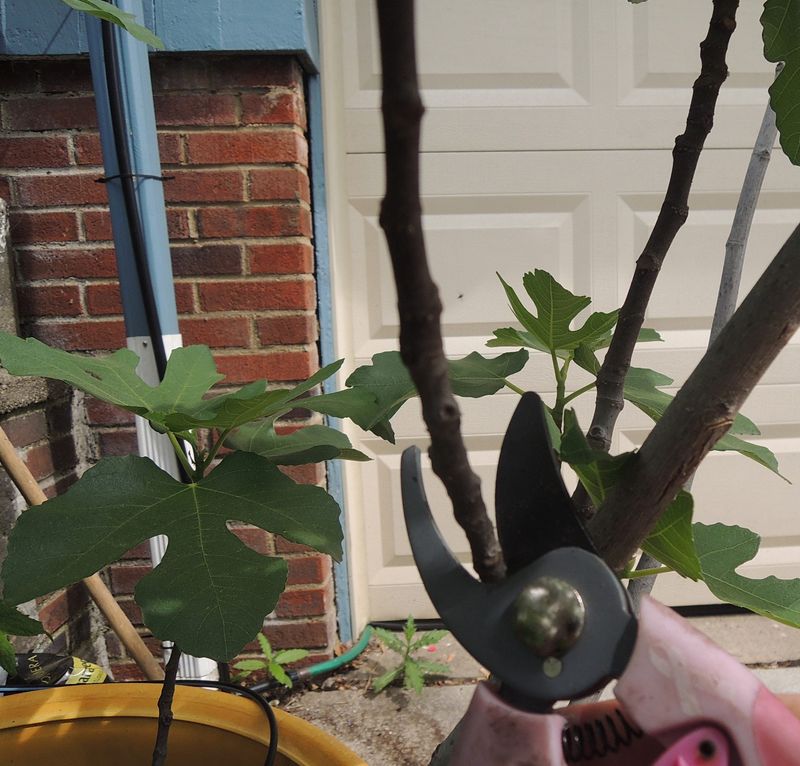
Spring is the best time to look your fig tree over and clean things up a little. Light pruning before summer helps the tree focus its energy on producing strong, healthy growth instead of wasting resources on branches that are not contributing much.
Think of it as giving your tree a fresh start. Start by looking for branches that cross or rub against each other.
These create wounds that can invite pests and fungal problems, especially when humidity rises in late spring. Removing them early prevents bigger issues later in the season.
Weak, spindly branches that grow straight up from larger limbs are called water sprouts. They rarely produce fruit and tend to crowd the canopy.
Cutting them off opens up the tree and lets sunlight and air move through more freely, which is a big deal in humid Texas weather.
Good airflow is one of the best defenses against fungal diseases like fig rust. When branches are packed too tightly, moisture gets trapped between leaves and stems.
That warm, damp environment is exactly what fungal spores need to spread quickly. You do not need to go overboard with pruning. Removing about 10 to 20 percent of the canopy is usually plenty.
Use clean, sharp pruning shears to make smooth cuts, and wipe the blades with rubbing alcohol between cuts to avoid spreading any disease.
A little careful pruning now saves you a lot of trouble once summer temperatures start climbing and your tree is under stress from the heat.
4. Check For Early Pest Problems
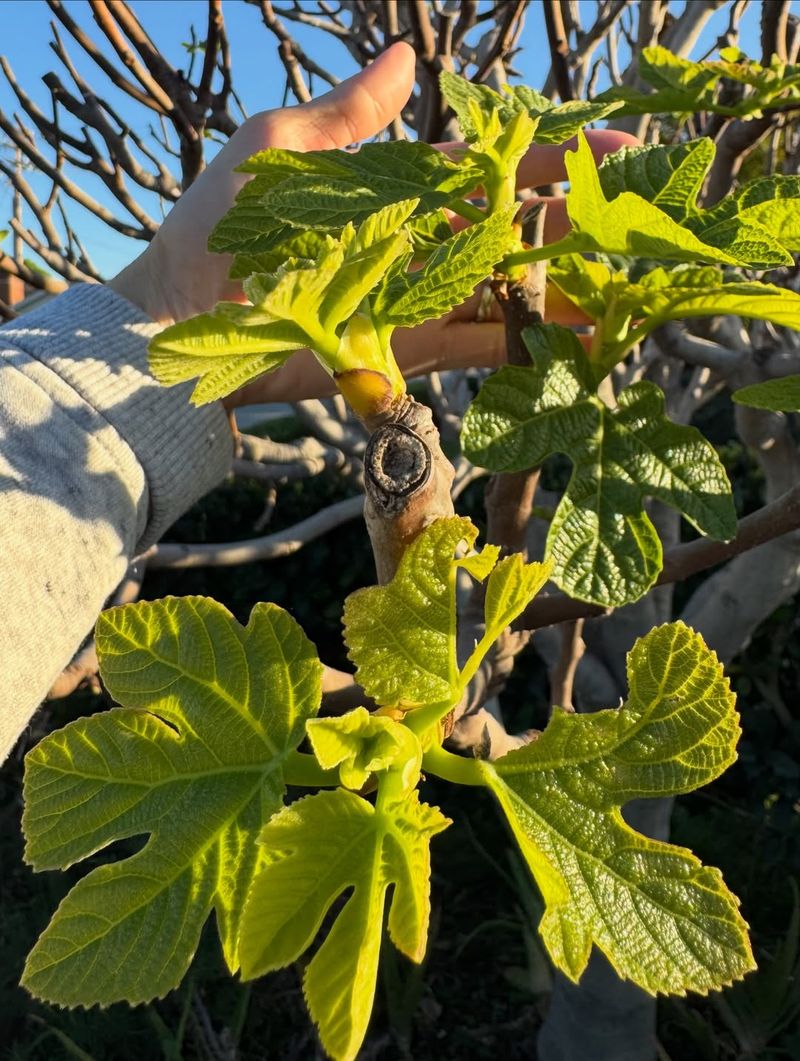
Here is something a lot of fig tree owners do not realize: pests that seem minor in spring can explode into serious problems once summer heat arrives.
Catching them early is one of the smartest things you can do before temperatures climb. A quick inspection of your tree every week or two can save you a lot of frustration later.
Fig rust is one of the most common issues Texas gardeners face. It shows up as small yellow or orange spots on the tops of leaves, with rusty-brown spores on the undersides.
Once it spreads through a hot, humid canopy, it can cause leaves to drop early and weaken the tree heading into fall.
Spider mites thrive in hot, dry conditions and can show up fast. Look for fine webbing on the undersides of leaves and a dusty, stippled appearance on the leaf surface.
A strong blast of water from a hose can knock them off, and neem oil spray works well for keeping their numbers down.
Scale insects look like tiny brown bumps attached to stems and branches. They suck sap from the tree and can cause yellowing leaves and poor growth.
Horticultural oil applied in early spring, before temperatures get too high, is an effective treatment.
Walking around your fig tree and flipping over a few leaves takes just a couple of minutes. Making it a regular habit in spring means you spot problems while they are still small and manageable.
Early action is always easier and more effective than trying to deal with a full-blown infestation in the middle of a Texas heat wave.
5. Avoid Heavy Fertilizing Late In Spring
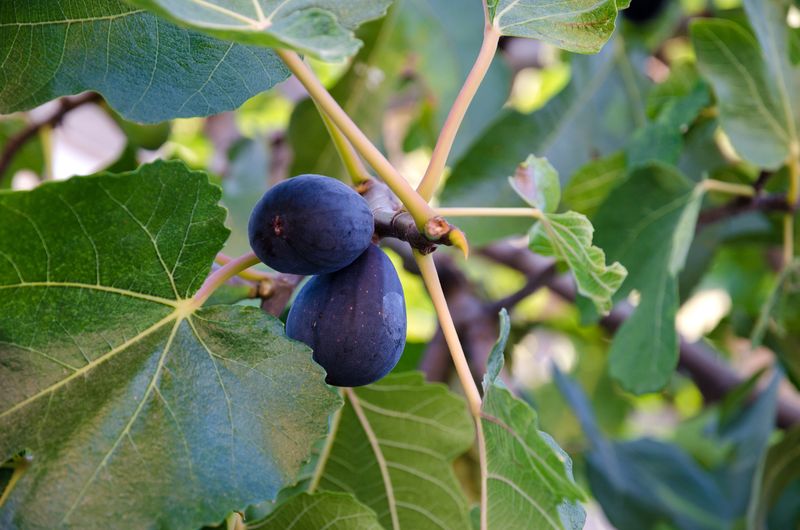
Fertilizing your fig tree feels like the right thing to do when you want it to grow big and produce lots of fruit. But timing matters more than most people think.
Putting down heavy doses of fertilizer late in spring can actually work against you, especially as summer heat approaches in Texas.
When you fertilize heavily, especially with high-nitrogen products, the tree responds by pushing out lots of soft, leafy new growth. That kind of growth sounds great, but it is actually quite fragile.
Tender new leaves and stems are much more vulnerable to heat stress, sunscald, and pest damage than older, tougher growth.
Late spring fertilizing can also push the tree into a growth cycle that gets interrupted by summer heat.
The tree spends energy growing leaves it may not be able to support once water becomes scarce. Fruit production can suffer as a result, which is the opposite of what most fig growers want.
A light application of a balanced, slow-release fertilizer in early spring, around late February or March in Texas, is usually enough to get the season started well.
Slow-release formulas feed the tree gradually over several weeks instead of all at once. This supports steady, strong growth without the surge of weak new shoots.
If your tree is already well-established and growing in decent soil, it may not need much fertilizer at all. Compost mixed into the soil around the drip line can provide gentle, long-lasting nutrition.
Keeping fertilizing simple and timed right helps your fig tree stay tough and productive when summer heat rolls in hard.
6. Protect Young Trees From Harsh Afternoon Sun
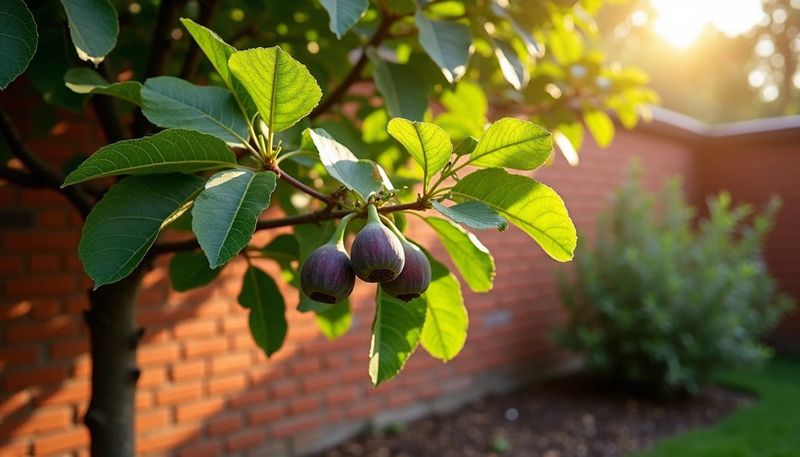
Newly planted fig trees have not yet developed the deep root systems they need to handle extreme heat on their own. An established fig tree can take a lot of sun and bounce back from tough conditions.
A young tree that was planted within the last year or two is still finding its footing and needs a little extra support.
Afternoon sun in Texas is especially intense from around 2 p.m. to 5 p.m. during late spring and early summer. Temperatures can hit the upper 90s or even break 100 degrees during those hours.
Young trees exposed to that kind of heat without any relief can show signs of leaf scorch, wilting, and slowed growth.
Shade cloth is one of the easiest and most affordable solutions. A 30 to 40 percent shade cloth attached to simple wooden stakes or a wire frame gives young trees a break from the harshest afternoon rays.
You do not need a permanent structure, just something that blocks the worst of the heat for a few hours each day.
Positioning also matters when you plant a young fig. If you have a choice, planting on the east side of a fence or building gives the tree morning sun and natural afternoon shade.
Morning sun is gentler and helps the tree photosynthesize without the brutal intensity of late-day heat.
Once a fig tree has been in the ground for two or three growing seasons, it usually toughens up and handles full Texas sun just fine. The first couple of summers are the most critical.
A little shade protection during those early years helps young trees establish faster and grow into strong, productive adults.