These Are The Most Aggressive Invasive Plants Spreading Through Oregon Right Now
Oregon has no shortage of plants that seem pretty at first, then start behaving like they own the whole neighborhood.
Some spread by seed before anyone notices. Others creep through roots and pop up where they were never invited.
A few look almost charming while they quietly take over, which feels especially rude. The problem is that Oregon’s mild weather gives many invasive plants a long window to grow. Rain helps them settle in, and disturbed soil gives them room to make a move.
Once they get comfortable, pulling a few stems is rarely enough. These plants can crowd out native growth and turn simple yard care into a bigger battle. Gardeners are not usually spreading them on purpose.
That is what makes the issue so sneaky. Knowing which aggressive plants are causing trouble right now can help you spot the warning signs before your yard becomes their next big project.
1. Garlic Mustard Is Moving Through Oregon Woodlands
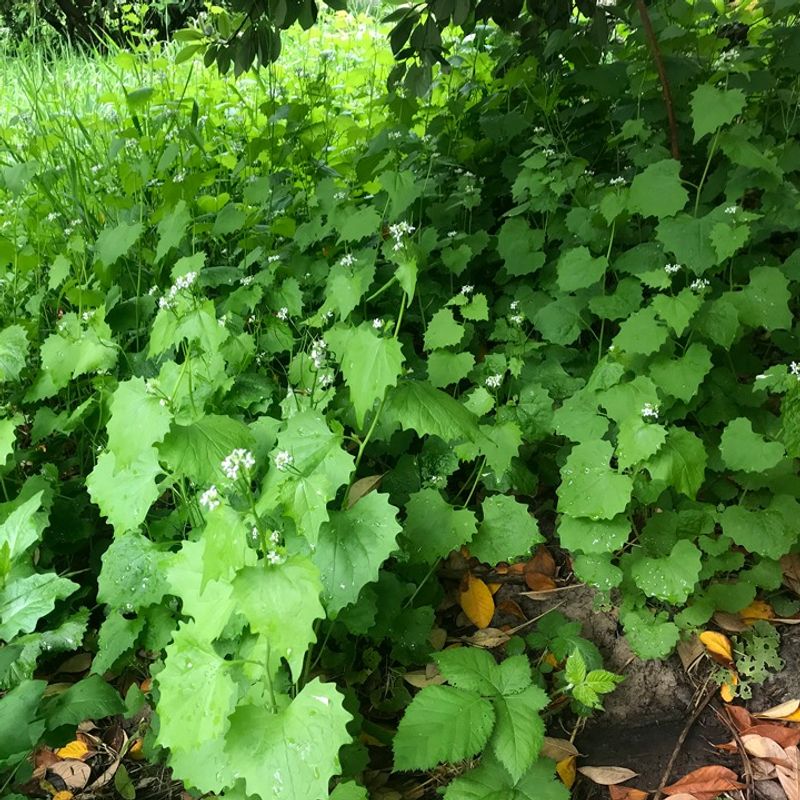
Few plants have taken forest floors by surprise quite like garlic mustard. Originally from Europe, it was brought to North America in the 1800s as a cooking herb.
Now it is spreading through shaded woodlands across our state at a pace that worries conservationists.
Garlic mustard releases chemicals into the soil that prevent other plants from growing nearby.
This means native wildflowers and tree seedlings struggle to survive once this plant moves in. A single plant can produce hundreds of seeds, and those seeds stay viable in the soil for up to seven years.
You can recognize it by its small white flowers and triangular, toothed leaves that smell like garlic when crushed. It grows low in its first year, then shoots up tall stalks in its second year before spreading seeds everywhere.
Pulling it by hand is one of the most effective ways to manage it, but timing matters. You need to remove it before the seed pods open, or you will just spread it further. Always bag the plants and throw them away rather than composting them.
Checking hiking trails and forest edges in spring is a smart move. Early removal makes a huge difference.
If you spot it on public land, report it to your local invasive species program so crews can respond quickly and keep it from spreading into new areas.
2. Knotweed Can Take Over Streambanks Fast
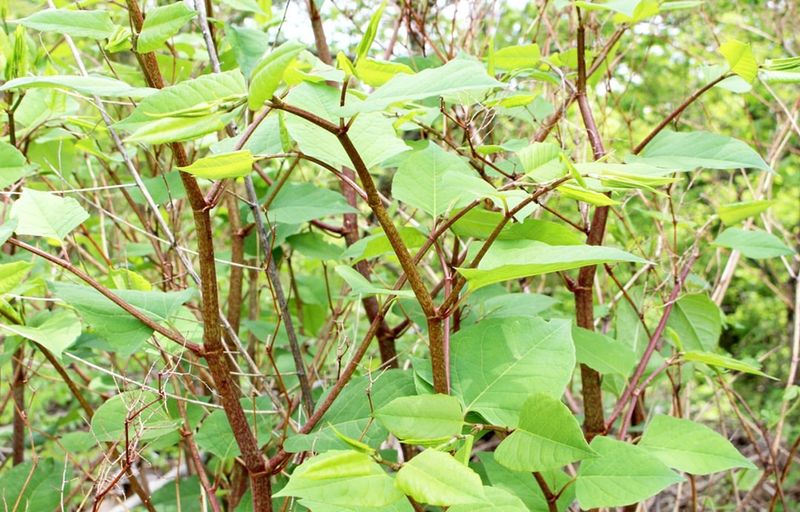
Along rivers and streams across our state, one plant is quietly building walls of green that almost nothing else can break through.
Japanese knotweed grows incredibly fast, sometimes up to four inches in a single day during peak season. It forms dense thickets that shade out everything around it.
Its roots, called rhizomes, can grow more than ten feet deep and spread over sixty feet in every direction.
Even a tiny fragment of root left in the soil can sprout a whole new plant. This makes it one of the hardest invasive plants to fully remove.
Streambanks are especially vulnerable because flooding can carry root fragments downstream, starting new infestations far from the original site.
Your Oregon Garden Changes Every Week. Your Plan Should Too.
Gardening in Oregon changes quickly throughout the season. Every Friday you’ll receive a simple weekly plan showing exactly what to plant, prune, fertilize, harvest, and protect so you never miss the right timing.
Once knotweed takes hold along a waterway, it destabilizes the bank by replacing deep-rooted native plants with its own shallow root system.
The hollow bamboo-like stems and heart-shaped leaves make it fairly easy to spot, especially in summer when it towers above surrounding vegetation.
In fall, the stems turn brown and dry but the roots stay alive underground through winter.
Removing knotweed requires persistence. Cutting it repeatedly throughout the growing season weakens the roots over time. Some land managers use targeted herbicide applications for large infestations.
Never dump soil or yard waste near waterways, as this is one of the most common ways knotweed spreads into new areas unintentionally.
3. Gorse Creates Thorny, Fire-Prone Thickets
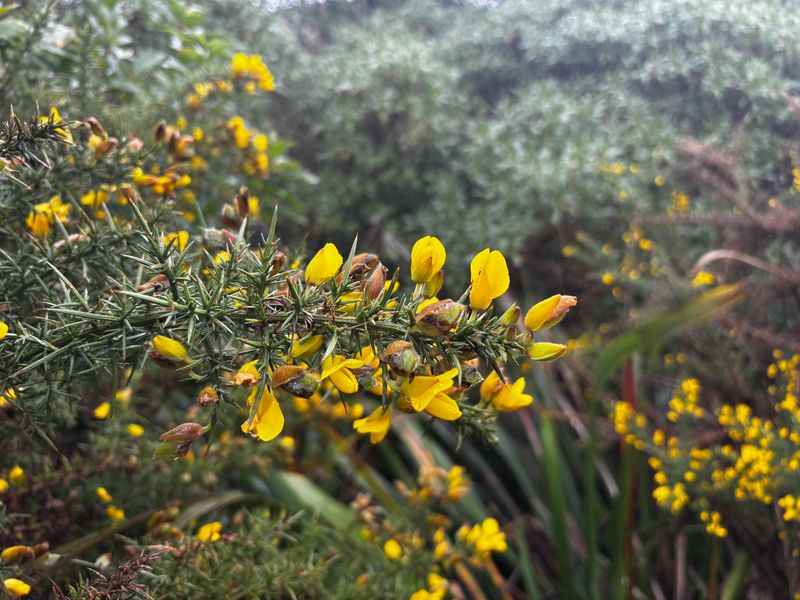
Bright yellow flowers might make gorse look cheerful from a distance, but up close it is one of the most aggressive and dangerous shrubs spreading across coastal and inland areas of our state.
Originally from Europe, gorse was planted along roadsides and as windbreaks, and it has been causing problems ever since.
The shrub grows into impenetrable walls of sharp spines that can reach ten feet tall or more.
Animals cannot graze through it, and people definitely cannot walk through it. Native plants get completely blocked out as gorse expands its territory season by season.
What makes gorse especially alarming is how flammable it is. The oils in its leaves and stems ignite easily, and a mature gorse thicket can fuel a wildfire that spreads rapidly across a hillside.
After a fire, gorse often comes back stronger because heat triggers its seeds to germinate.
A single plant can produce thousands of seeds per year, and those seeds stay viable in the soil for decades. Birds and small mammals sometimes spread the seeds further into new areas.
Controlling gorse takes a combination of cutting, burning under controlled conditions, and follow-up treatments to catch regrowth. Community removal events are happening across our state, especially in coastal counties.
Reporting new gorse sightings early is critical because small patches are much easier to manage than established thickets that have spread across entire hillsides.
4. Tansy Ragwort Is A Serious Pasture Problem
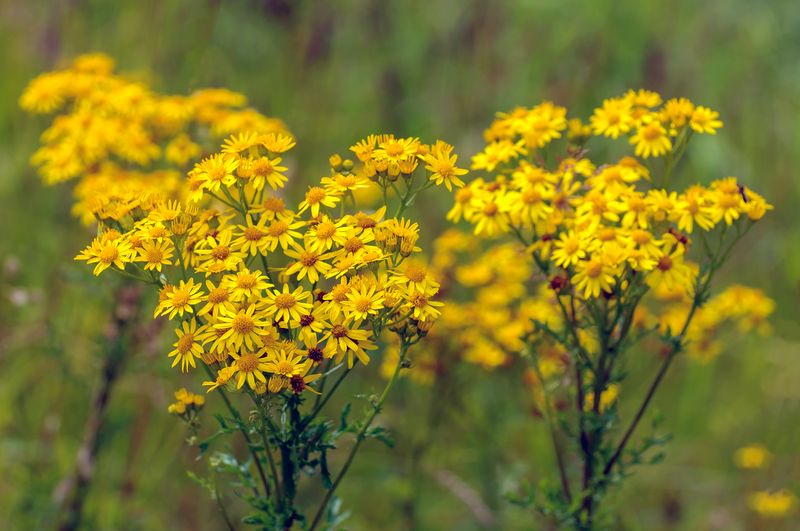
Farmers and horse owners across our state know the name tansy ragwort all too well. This bright yellow wildflower looks almost cheerful growing in a field, but it contains toxins that can cause serious liver damage in horses, cattle, and other livestock that eat it.
Native to Europe and Asia, tansy ragwort arrived in our state in the early 1900s and has been spreading through pastures, roadsides, and disturbed land ever since.
It thrives in areas where the soil has been disrupted, which makes it especially common along logging roads and overgrazed fields.
Each plant produces tens of thousands of feathery seeds that float on the wind just like dandelion seeds.
This lets it colonize new areas quickly and widely. Even a small patch left untreated can turn into a field-wide infestation within just a few seasons.
Animals often avoid eating it when fresh grass is available, but dried tansy in hay is still toxic and can be harder for livestock to detect by smell. This makes it a serious concern for anyone buying or storing hay from infested areas.
Hand-pulling is effective for small patches, but you need to get the entire root out or it will regrow.
Biological control using the cinnabar moth has shown some success in our state. Checking pastures regularly and removing plants before they flower and set seed is the best way to keep populations from exploding each summer.
5. Rush Skeletonweed Spreads Through Dry Ground
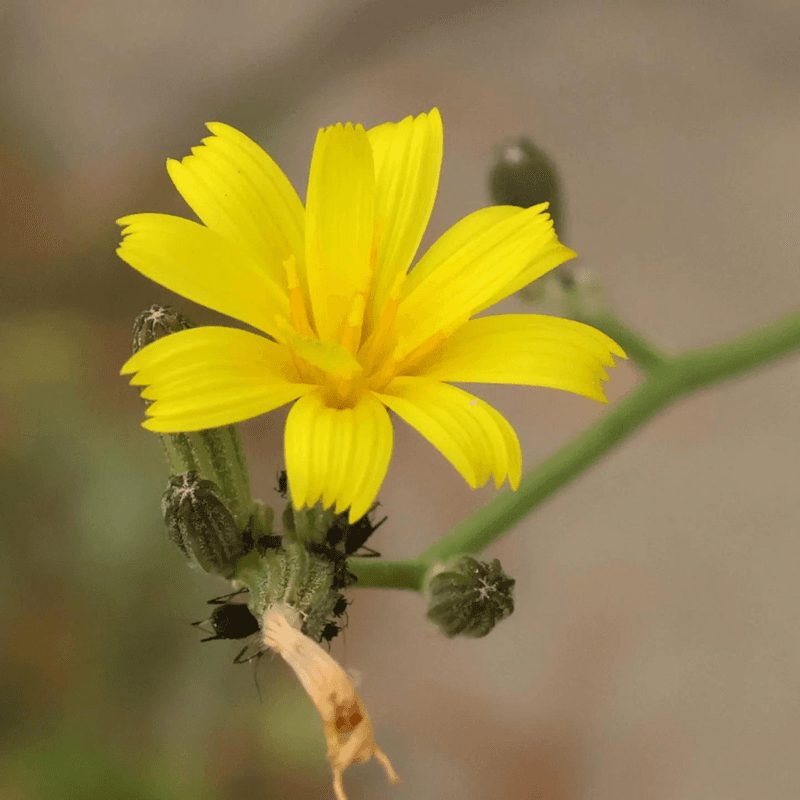
At first glance, rush skeletonweed barely looks like a plant at all. Its thin, wiry stems are almost leafless in summer, giving it a ghostly, skeletal appearance that blends into dry roadsides and rangeland.
But do not let its sparse look fool you. This plant is incredibly tough and spreads aggressively through disturbed, dry soils.
Originally from the Mediterranean region, it arrived in the Pacific Northwest in the mid-1900s and has since spread across thousands of acres of dryland farms and rangelands in our state.
It is especially problematic in wheat-growing regions where it competes directly with crops for water and nutrients.
One of its sneakiest tricks is a milky sap that oozes from any broken stem. This sap can clog farm equipment and make harvesting more difficult.
The plant also reproduces from both seeds and root fragments, which means tilling the soil can accidentally spread it further.
Rush skeletonweed forms a rosette of deeply lobed leaves close to the ground in its first year, which is when it is easiest to spot and remove.
By its second year, it sends up tall branching stems that produce hundreds of wind-carried seeds.
Early detection is everything with this plant. Land managers recommend surveying dry pastures and roadsides in late spring when the rosette stage makes identification easier.
Targeted herbicide treatments combined with reseeding with native grasses have shown good results in reducing its spread across dryland areas.
6. Leafy Spurge Is Hard To Remove Once It Settles In
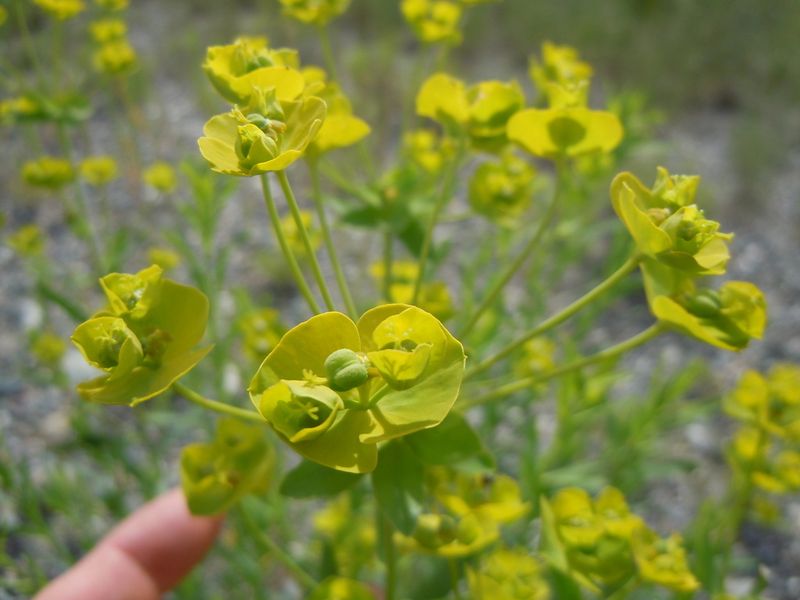
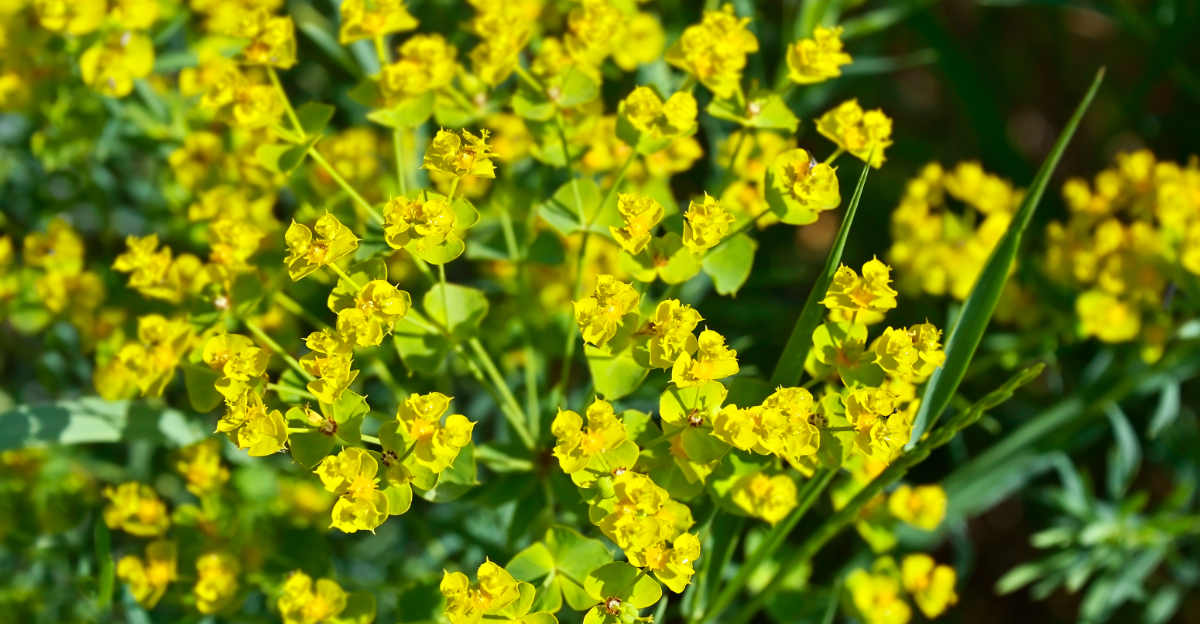
Once leafy spurge gets comfortable in a spot, it practically refuses to leave. This stubborn plant from Eurasia has an enormous root system that can reach up to fifteen feet deep into the soil.
Even repeated cutting or pulling rarely gets rid of it completely because the roots just send up new shoots.
The milky white sap inside the stems is a real hazard. It can cause skin rashes and eye irritation on contact, which makes removal unpleasant and sometimes requires protective gear.
Livestock generally avoid eating it, which means it spreads unchecked through pastures while other plants get grazed down around it.
Leafy spurge spreads both by seed and by those aggressive roots. A single plant can launch seeds up to fifteen feet away when its seed pods burst open.
Over time, it forms dense colonies that crowd out native grasses and wildflowers, reducing the value of rangeland for wildlife and grazing.
It tends to show up along roadsides, stream edges, and disturbed ground first. From there, it can move into healthy grasslands and fields if left unchecked. Our state has seen it spread most aggressively in drier eastern areas.
Biological control using flea beetles has been one of the more successful management strategies. The beetles feed on the roots and weaken the plant over time.
Combining biological control with targeted herbicide treatments gives land managers the best chance of reducing leafy spurge populations without disturbing surrounding native plants.
7. Yellow Starthistle Turns Open Ground Into Trouble
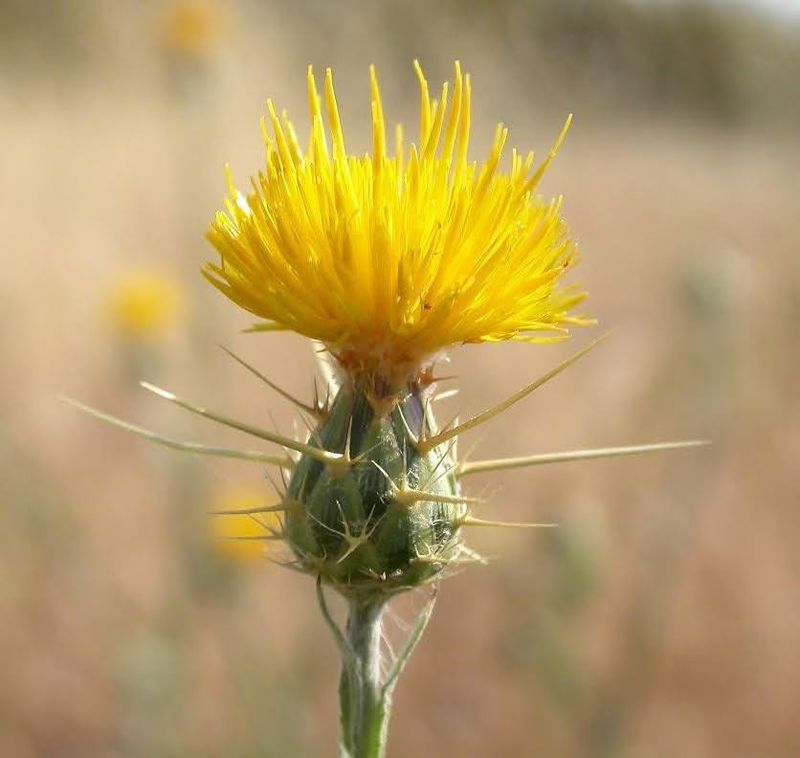
Sharp spines and sunny yellow blooms make yellow starthistle one of the most recognizable and most unwelcome plants spreading through our state’s open grasslands.
Originally from the Mediterranean, it arrived in California in the 1800s through contaminated crop seed and has been moving northward ever since.
It thrives in dry, disturbed soils and is especially aggressive in areas that have been overgrazed or left bare after construction.
Once established, it uses an impressive root system to pull deep moisture from the soil during summer droughts, outlasting native plants that cannot compete at the same depth.
The sharp spines that surround each flower head make the plant unpleasant for people and animals to walk through.
Horses that eat large amounts of it can develop a neurological condition called chewing disease, which affects their ability to eat and can be life-threatening over time.
Yellow starthistle spreads almost entirely by seed, with each plant producing thousands of seeds per season.
Seeds stick to clothing, animal fur, and vehicle tires, making it easy for the plant to hitch rides into new locations far from established populations.
Mowing before it flowers is one of the most practical control methods for landowners. Grazing with goats or sheep can also reduce populations because these animals tolerate the spines better than horses or cattle.
Replanting with competitive native grasses after removal helps prevent yellow starthistle from reclaiming bare ground the following season.
8. Medusahead Rye Changes The Way Dry Fields Burn
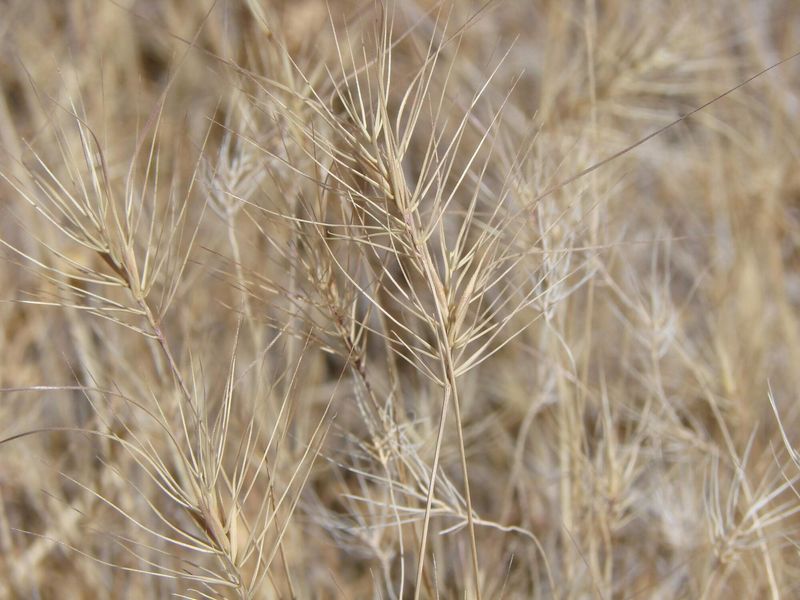
Named for the long, twisting bristles on its seed heads that resemble the serpent hair of Greek mythology, medusahead rye is more than just a strange-looking grass.
It is changing the fire cycle across dry rangelands in our state in ways that have land managers deeply concerned.
Unlike most grasses, medusahead contains high levels of silica in its stems and leaves. This makes it slow to break down after it dries out, so it builds up a thick layer of old dead material on the ground.
That mat of debris fuels hotter, longer-burning fires than native grasses would normally produce.
After a fire, medusahead comes back quickly while native bunchgrasses struggle to recover. Over time, this creates a fire cycle that favors medusahead more and more with each burn.
Entire rangeland ecosystems can shift from diverse native grassland to medusahead monocultures within just a decade or two.
It spreads mostly by seed, and the barbed awns cling easily to animal fur, clothing, and vehicle undercarriages.
This helps it jump from one area to another with surprising speed. Dry eastern areas of our state have seen some of the worst infestations.
Early detection and reseeding with competitive native species is the most effective long-term strategy.
Preventing soil disturbance that creates bare ground is also key, since medusahead moves fastest into areas where native vegetation has already been weakened or removed by overgrazing or drought.
9. Tree Of Heaven Spreads By Roots And Seeds
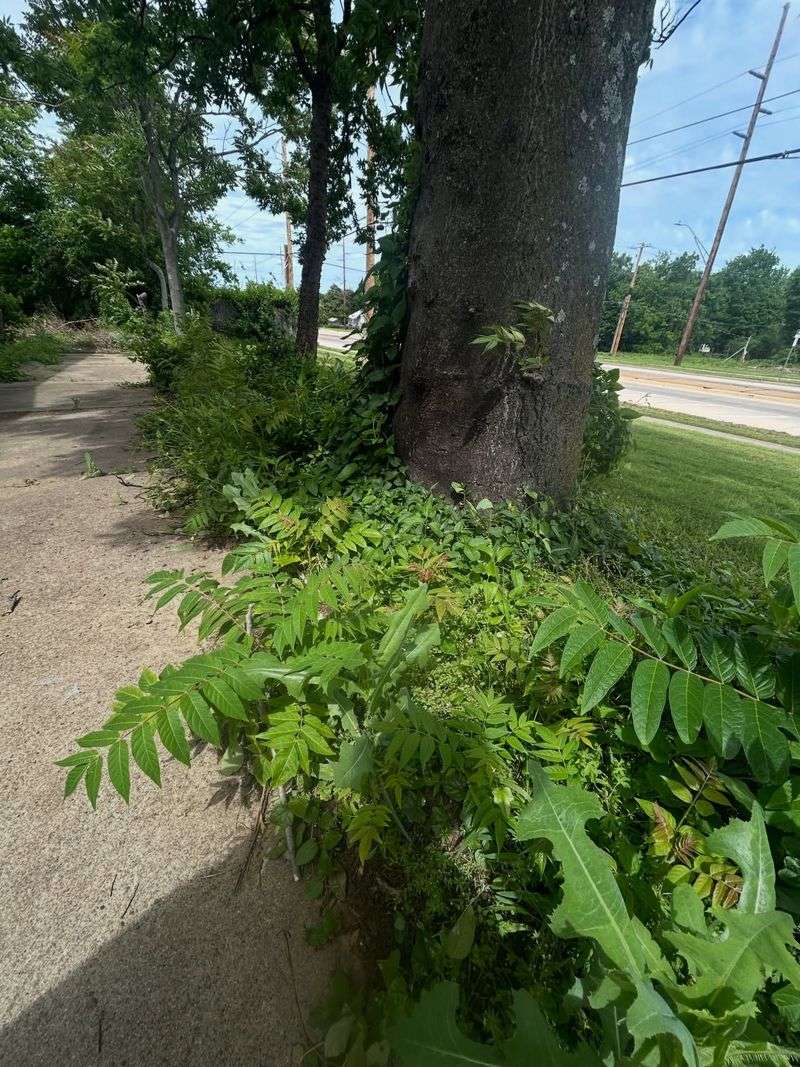
Despite its heavenly name, this tree is considered one of the most aggressive invasive trees in North America.
Originally from China, the tree of heaven was brought to the United States in the 1700s as an ornamental plant. It has since spread across urban areas, roadsides, and forest edges throughout our state.
What makes it so hard to control is its two-pronged reproductive strategy. It spreads by producing enormous quantities of winged seeds that float on the wind, and it also sprouts aggressively from its roots.
Cut one tree down and several new sprouts may emerge from the roots within weeks. The roots release chemicals into the soil that prevent other plants from growing nearby, a process called allelopathy.
This gives it a serious competitive edge in disturbed urban and suburban soils where native plants are already struggling. Large colonies can form along roadsides and stream corridors surprisingly fast.
There is also a new concern linked to this tree. It serves as a host plant for the spotted lanternfly, an invasive insect pest that is moving westward across the country and could eventually reach our state.
Removing tree of heaven now may help reduce the risk of lanternfly establishment later. Cutting alone rarely works. Treating cut stumps immediately with herbicide is necessary to prevent resprouting.
Checking yards and vacant lots for young saplings each spring is the best way for homeowners to stay ahead of this persistent and fast-growing invader before it becomes a full-sized problem.
10. English Ivy Keeps Escaping Oregon Yards
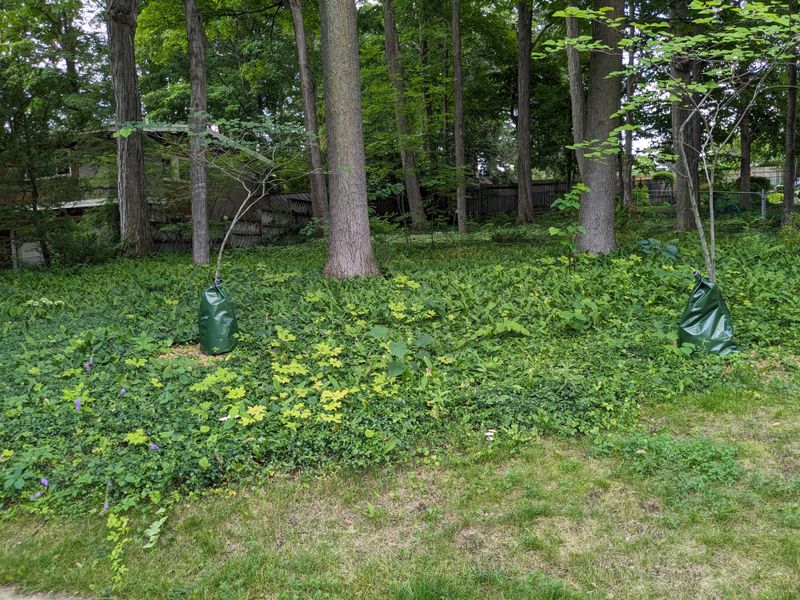
Walk through almost any older neighborhood in our state and you will likely spot English ivy crawling over fences, climbing tree trunks, and carpeting the ground beneath old oaks and firs.
It looks tidy and evergreen, which is exactly why so many people planted it for decades. But it has been quietly escaping yards and invading natural areas for just as long.
In forests, ivy forms a thick ground cover that blocks sunlight from reaching native seedlings.
Young native trees and wildflowers simply cannot get started under a dense ivy mat. Over time, entire forest understories can be replaced by nothing but ivy from the ground up into the tree canopy.
When ivy climbs trees, it adds enormous weight to the branches and holds moisture against the bark.
This weakens the tree and makes it far more likely to fall during storms. Urban foresters across our state have documented significant tree loss in ivy-covered parks and natural areas.
Birds eat the berries and spread seeds into wild areas, which is how ivy keeps jumping from gardens into forests. This makes even a single ornamental planting a potential source of new invasions nearby.
Removing ivy by hand is very effective if done consistently. Cut the vines at the base of trees first to stop upward spread, then work outward to remove the ground layer. Many community groups organize ivy pulls in parks each fall and spring.
Replacing removed ivy with native ground covers helps prevent it from coming right back the following season.