Before Or After Blooming, Here’s When Florida Gardeners Should Prune
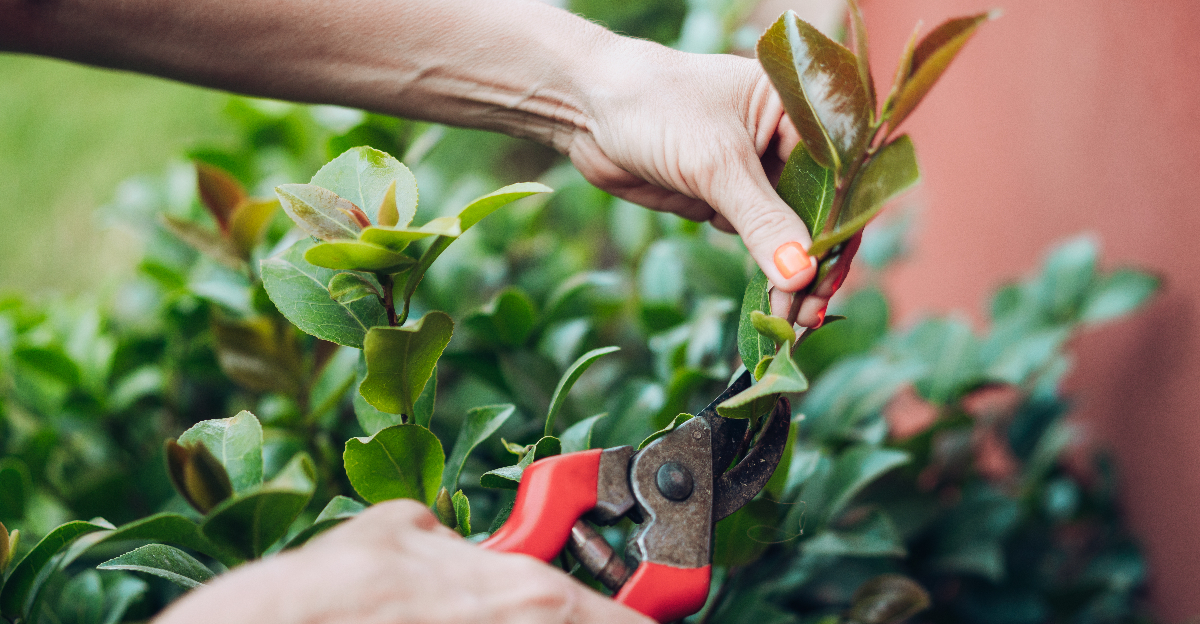
Gardeners can lose almost entire bloom seasons to a single bad cut. Not from disease. Not from pests. But from pruning at the wrong time, and not realizing it until spring arrives with barely a flower in sight. The shrub looks fine. The timing just erased months of potential.
The frustrating part is that the plants themselves give you all the information you need. They bloom on a schedule, and they respond to cuts in ways that are completely predictable once you know the pattern.
Florida just never got the memo about following the rules everyone else uses. Warm winters, fast growth cycles, and unpredictable bloom windows change everything. A trim that would be perfectly safe in Georgia can wipe out a full season of flowers in Tampa.
There are two groups of plants every Florida gardener needs to know about. Get the timing right on both, and the garden rewards you all year.
1. Shape Crapemyrtle In Late Winter For Summer Flowers
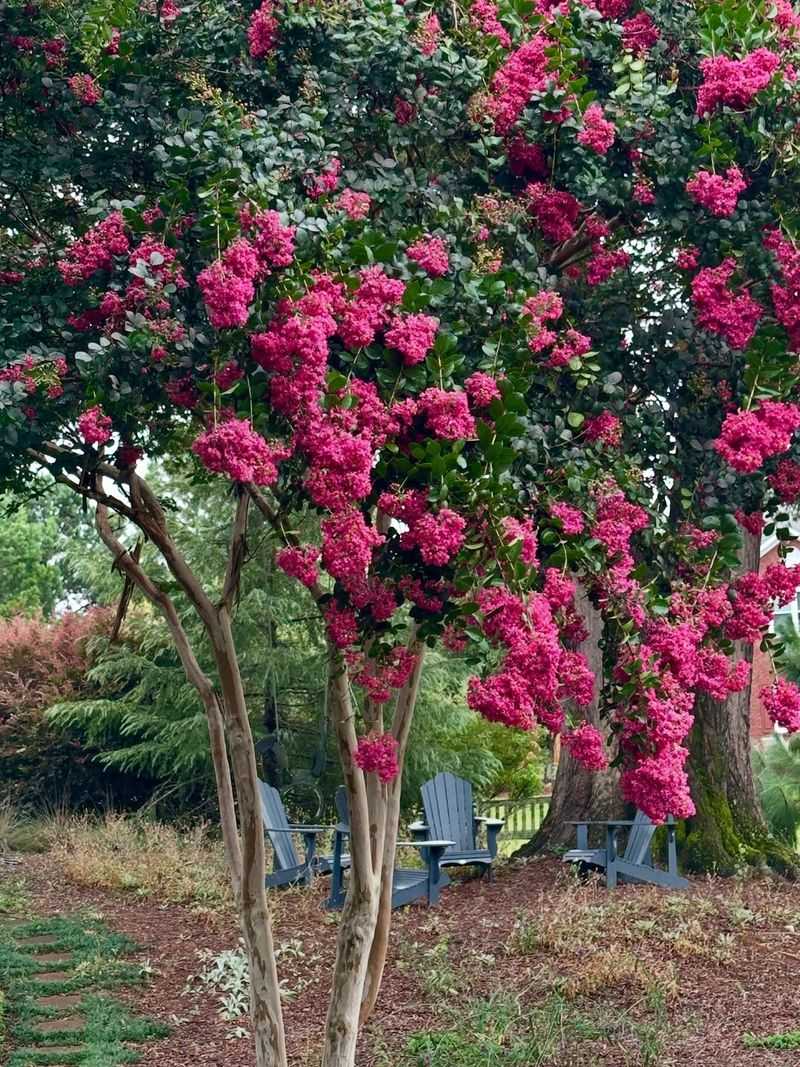
Late winter is crapemyrtle’s quiet season. Use it wisely. These popular Florida trees bloom on new growth, which means a careful trim before spring can set up a genuinely strong summer flower display. The timing works in your favor.
The tree is dormant, the buds have not broken yet, and a few deliberate cuts now can shape the whole season ahead.
The goal is light shaping, not a dramatic reinvention. Removing crossing branches and cleaning up the base tends to make a real difference without putting the tree under any stress.
Resist the urge to top the tree severely. It strips away the tree’s natural elegance and tends to produce weak, knobby regrowth that looks rough season after season. Once you go that route, it takes years to recover any grace.
Crapemyrtles come in a wide range of sizes and cultivars. A compact dwarf variety needs far less intervention than a large tree form. Knowing which one you have before picking up the clippers saves a lot of regret.
A few clean, considered cuts in late winter, before new buds break, can keep the tree looking polished through its entire summer bloom period. Rush the job or cut too hard, and flower production can drop noticeably. Take your time. The tree will handle the rest.
2. Trim Roses In Winter For A Strong Spring Flush
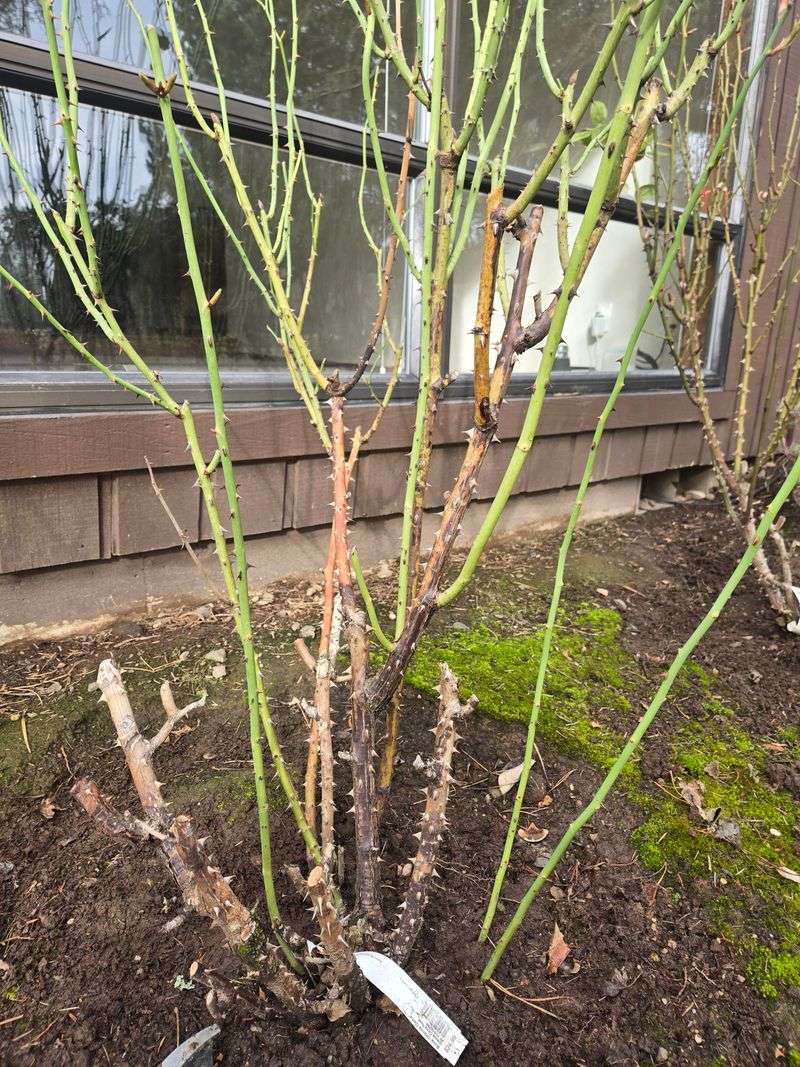
Roses appreciate a fresh start, and Florida winters give you the perfect opening to provide one. January and February tend to be the recommended window for rose pruning across much of the state, though timing can shift depending on where you are.
South Florida gardeners may move a bit earlier. Those in North Florida might hold off until mid-February as cooler temperatures begin to ease.
The purpose of winter pruning is straightforward. Shape the plant, remove weak or crossing canes, and set the rose up for a strong flush of spring blooms.
Cutting back to healthy, outward-facing buds encourages the plant to channel energy into new growth rather than trying to maintain old stems that are no longer pulling their weight.
Your Florida Garden Changes Every Week. Your Plan Should Too.
Gardening in Florida changes quickly throughout the season. Every Friday you’ll receive a simple weekly plan showing exactly what to plant, prune, fertilize, harvest, and protect so you never miss the right timing.
Tool hygiene matters more than people often realize. Wiping pruners with a disinfectant solution between plants can help slow the spread of fungal issues. A clean cut on a clean tool is a small step that makes a real difference over time.
But be careful with weaker plants. A rose that has been dealing with pest pressure, disease, or drought stress may not respond well to aggressive cutting.
A lighter trim and some extra attention to plant health is a smarter approach for those candidates. Rose types vary in their needs, too. Hybrid teas, floribundas, and climbers each have their own tendencies, so knowing your variety helps you make better decisions at pruning time.
Done with the right timing and a steady hand, winter pruning can set up a spring bloom season that makes the whole effort feel worthwhile.
3. Cut Back Turk’s Cap In Spring For Healthy Summer Growth
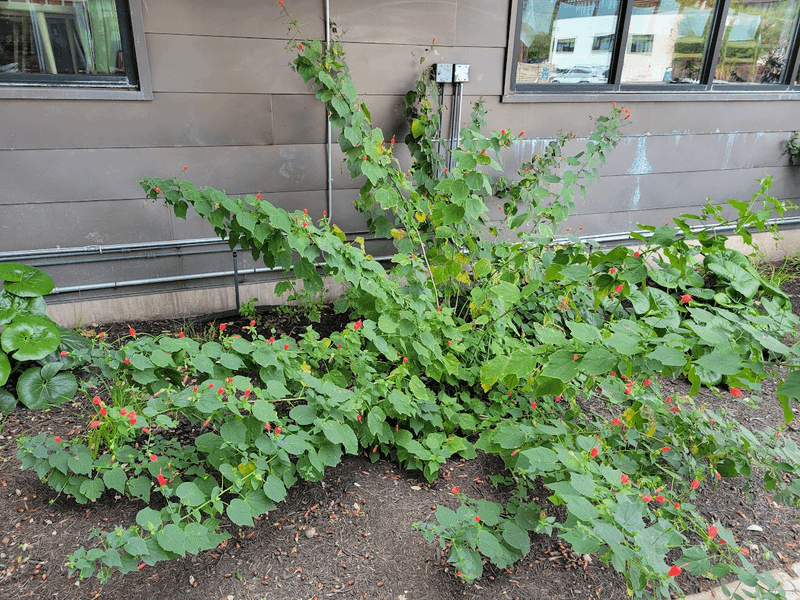
Spring is the Turk’s cap’s cue to grow fast. A timely pruning beforehand helps direct that energy somewhere useful. This Florida-friendly native can expand with real speed once warm weather arrives.
Without a bit of shaping before summer growth kicks in, it can get large, leggy, and harder to manage as the season moves along. A spring trim gets ahead of that problem before it starts.
Turk’s cap blooms on new growth, which is genuinely good news for pruning purposes. Cutting in spring does not interfere with flowering.
The plant will push out fresh stems and produce its red blooms through summer and into fall, right on schedule.
A light to moderate cutback tends to be enough to keep things tidy without shocking the plant.
Removing about a third of the plant’s height works well in many situations, though the right amount depends on the plant’s size, age, and how it performed the previous season.
Remember, this is a tough plant. It handles heat, humidity, and some drought once established, which means it can take a reasonable trim without drama.
A harder cutback is also possible for plants that have grown too large or too woody, though giving it time to recover before peak summer heat is worth factoring in. The payoff for a little spring attention is considerable.
Hummingbirds actively seek out the blooms, and a well-shaped Turk’s cap plant tends to produce more of them across a longer season. Spring pruning with this one is not a chore. It is an investment with a colorful return.
4. Prune Roselle Early For More Flowering Shoots
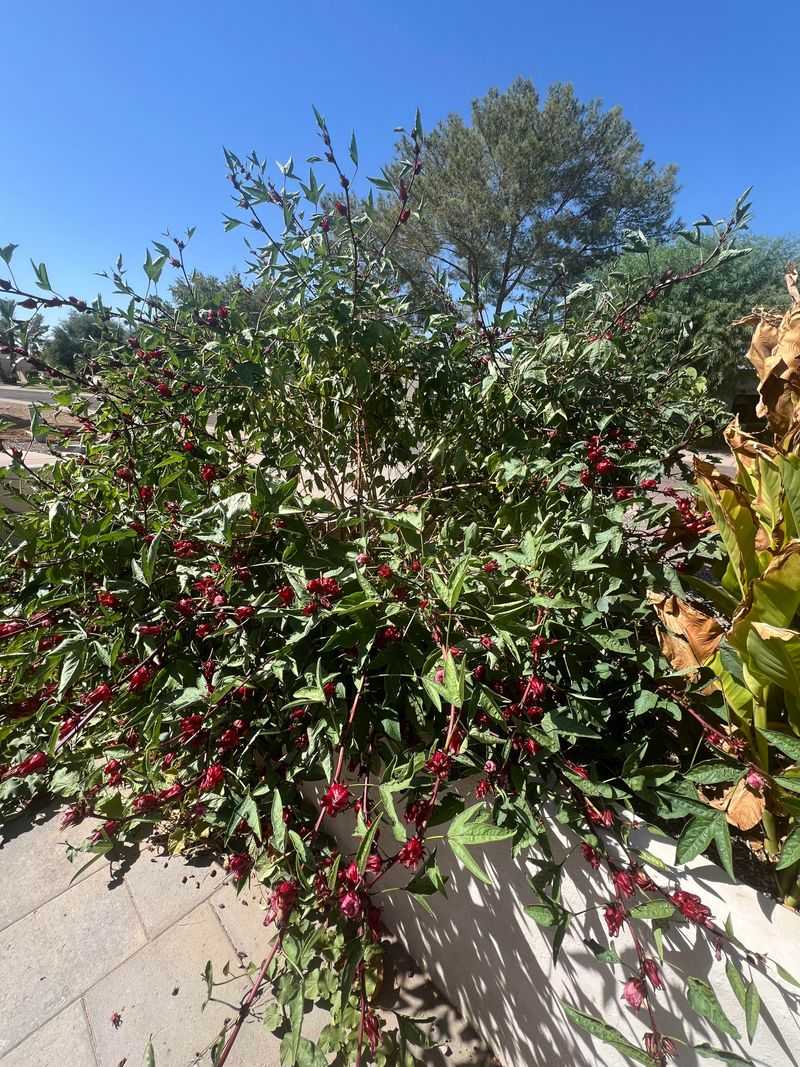
Roselle rewards early action in a way that catches a lot of Florida gardeners by surprise. This plant responds well to early pruning by branching out rather than growing straight up as a single tall stem.
A bushier plant means more side shoots. More side shoots mean more flowers. More flowers mean more calyces at harvest time.
The math is straightforward, and the results tend to be worth the effort. The core idea is to work with the plant’s natural growth habit rather than against it.
Trimming young plants early in their growth cycle nudges them toward a fuller, more productive shape before they commit to one central direction. Think of it as a polite redirection at a critical moment.
Young plants, however, need careful handling. Avoid taking too much off at once, especially before the plant has established a solid root system. Rushing the process before the plant is ready can set it back rather than push it forward.
Give it good soil, decent space, and a little time to settle in before making any cuts. Roselle grows as an annual across much of Florida, planted in the spring and harvested in the fall. That makes the early pruning window fairly short, so timing matters.
Getting in before the plant puts serious energy into upward growth tends to produce noticeably fuller plants and a harvest that justifies the early attention. Early pruning on roselle is one of those small moves with an outsized reward.
5. Let Azaleas Bloom First To Save Next Year’s Buds
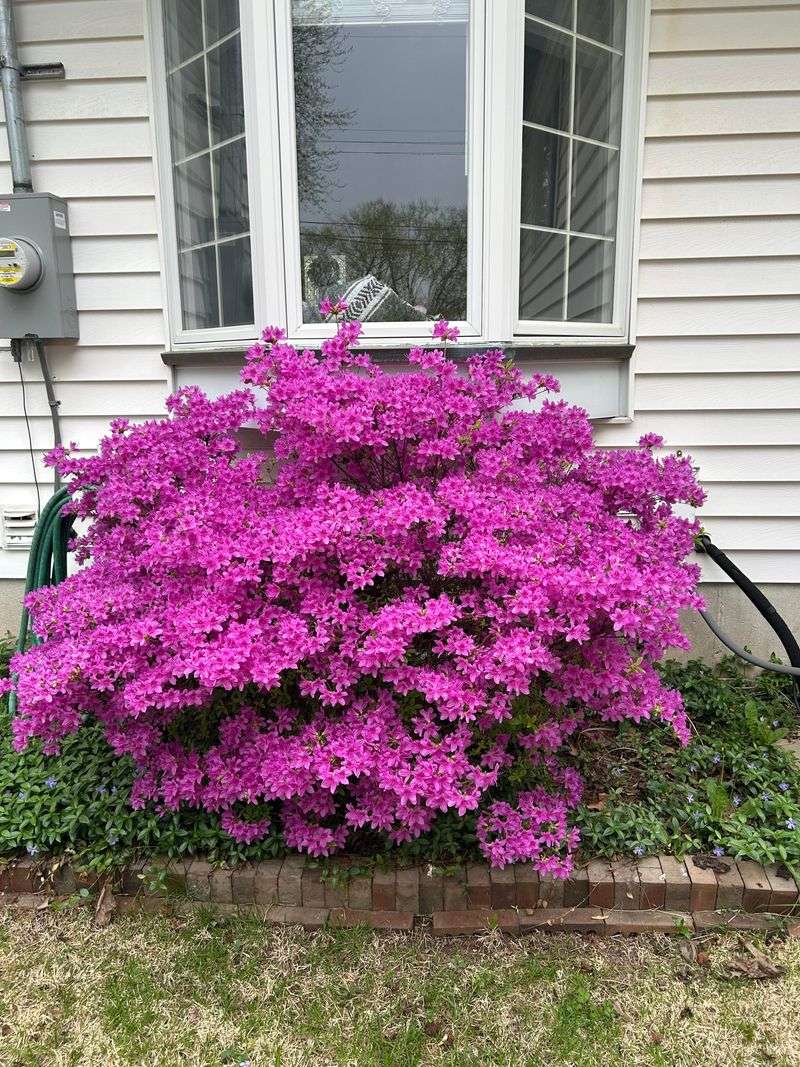
Azaleas have a timing rule, and it is worth taking seriously. These beloved spring bloomers set their flower buds later in the growing season, which creates a very specific pruning trap for the unwary. A tidy-up trim in late summer or fall feels harmless. It looks harmless.
But it can quietly remove dozens of developing buds in the process, and the damage does not show up until spring arrives noticeably bare.
The plant looks fine all winter. The timing just erased the flower show before it had a chance to happen.
Luckily, the fix is patient and simple: wait until the flowers finish, then prune without delay. Pruning after bloom and before midsummer gives the plant the time it needs to set new buds for the following season. Once that window closes, cutting tends to come at a cost.
Florida azaleas generally bloom in late winter to spring, though the exact timing varies by cultivar and region of the state. Observing your own plant each year is the most reliable guide, since local conditions and specific varieties can shift the schedule.
After the bloom period wraps up, a reasonable shaping is fair game. Removing crossing branches, cutting back sections that have grown out of bounds, and cleaning up the overall form can all be done without disrupting the next cycle.
Patience is the main skill azaleas ask for. The reward for exercising it is a reliable, generous spring show that keeps coming back season after season.
6. Wait On Gardenias To Keep Spring Flowers Coming
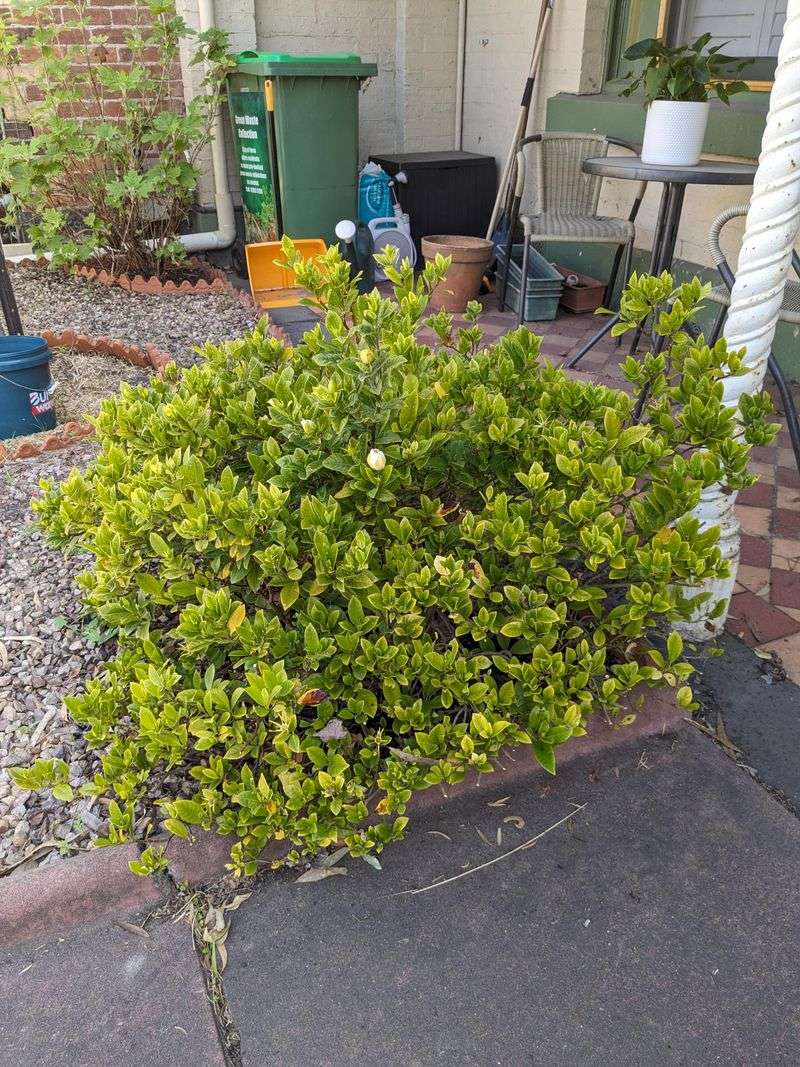
Gardenias are fragrant, beautiful, and kind of unforgiving about pruning timing. Their creamy white blooms and rich scent make them one of the standout shrubs in a Florida yard, but the window for pruning them correctly is narrower than it might seem.
Cutting too late in the season can interfere with the following year’s flowers, and the loss tends to feel disproportionate given how small the mistake was.
The reason comes down to bud timing. Gardenias set their flower buds for the next season during late summer and fall.
A well-placed trim right after the current bloom period ends gives the plant time to recover and still move through that bud-setting process on schedule. Prune too late, and buds that are already forming may be removed before they ever develop.
After flowering, light shaping tends to be all the plant really needs. Trimming back any sections that have grown out of proportion can keep the shrub looking well-maintained without putting it under unnecessary stress.
Gardenias can be sensitive to heavy pruning, particularly in Florida’s warm, humid conditions, where pest pressure and nutrient challenges are already part of the picture.
Yellowing leaves can signal an iron deficiency that benefits from attention alongside any pruning work.
Taking care of plant health and pruning timing together tends to produce the best results. A gardenia that is thriving and correctly pruned has a very good chance of delivering that signature fragrant bloom season year after year.
7. Let Camellias Flower Before You Shape The Shrub
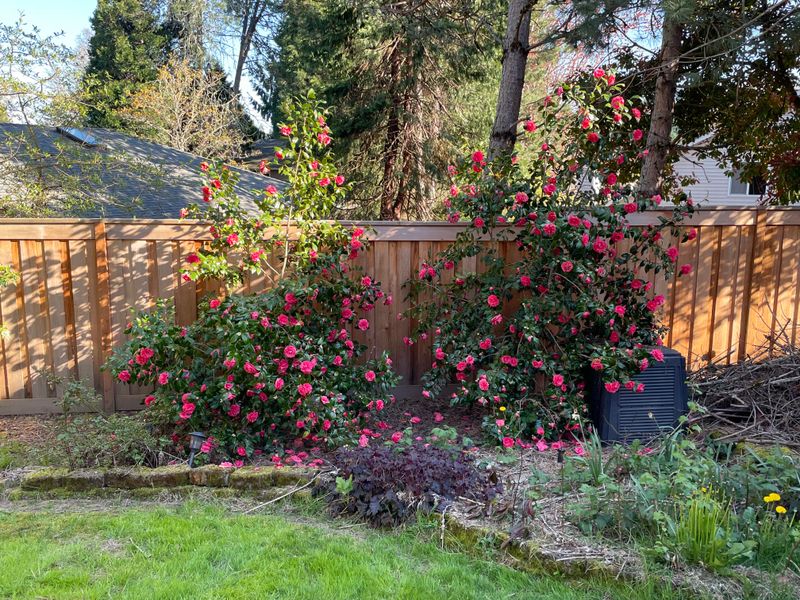
Camellias ask for one thing above almost anything else: patience before the clippers come out. These elegant shrubs bloom from fall through early spring in Florida, depending on the species and cultivar.
Their flower buds develop on the previous season’s growth, which creates a very specific pruning risk. Cutting too early can remove the buds before they open, and the whole season’s display disappears with a few careless snips.
The solution is simply to wait. Let the bloom period finish, and then move in for any shaping that is needed.
After flowering wraps up in late winter or very early spring, light shaping is generally enough to keep the shrub looking graceful.
Camellias tend to respond well to light pruning and less well to heavy cutting, particularly in Florida. Plant age, cultivar, and overall health all play a role in how much shaping is appropriate in a given season.
A post-bloom approach, done with a light hand, keeps camellias performing reliably. This is a shrub worth getting the timing right on. The flowers will tell you when it is time. Just wait for that signal.
8. Hold Off On Starburst Clerodendrum Until Flowers Finish
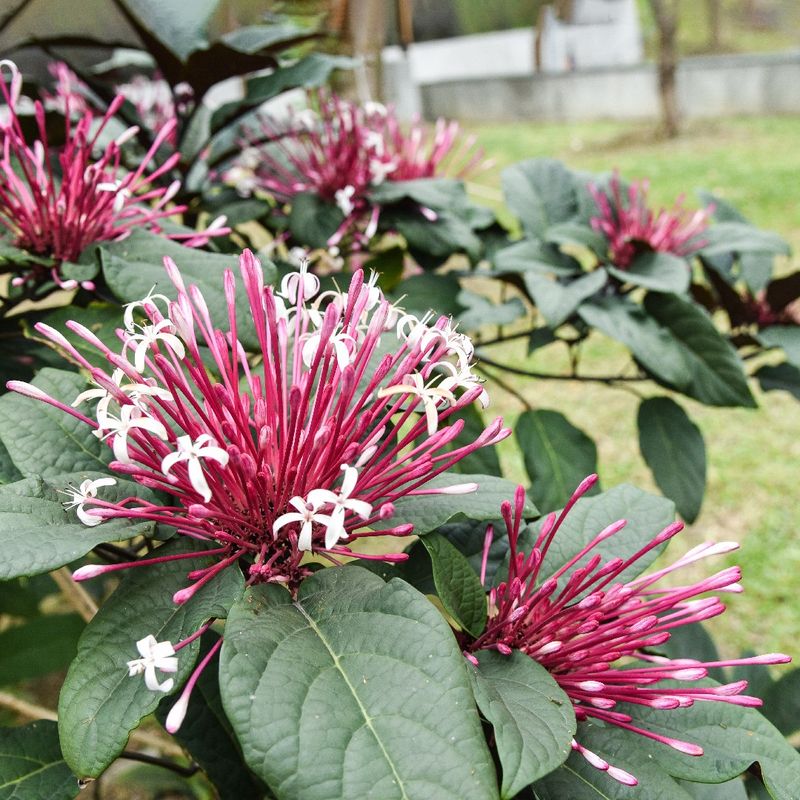
Starburst clerodendrum has a way of stopping people mid-stride in a Florida garden, and it earns every bit of that attention.
The clusters of white flowers with bright red stamens look almost theatrical. Cutting into that display before it finishes is a loss worth avoiding, and the fix is simply a matter of timing.
Heavy pruning, when it is needed, tends to work better after the flowering period wraps up. Pruning mid-season risks cutting off flower clusters that are still in the process of developing or just beginning to open.
Waiting gives the plant a chance to complete its cycle before any significant shaping happens.
This plant can get quite large in Florida’s warm climate, so size management is sometimes genuinely necessary. The goal is not to avoid pruning entirely, but to sequence it correctly. Flowers first, clippers second.
After the bloom period ends, a moderate trim helps manage size and encourages fresh new growth. Starburst clerodendrum spreads through suckers at the base, so removing unwanted shoots regularly keeps it in check.
A long, warm season works in the plant’s favor here. It tends to rebound fairly quickly after pruning, and another round of blooms within the same season is a realistic outcome in many cases.
Regional bloom timing can vary, so watching your own plant and letting it guide the schedule is a practical approach that tends to serve gardeners well.