This Gorgeous Low-Maintenance Plant Is Becoming A Popular Hydrangea Alternative In North Carolina
Hydrangeas have been a fixture in North Carolina gardens for a long time, and it is easy to understand why.
The blooms are impressive, the plants are familiar, and they fit into almost any yard style without much thought.
But they do ask for attention, and in the wrong spot they can be genuinely frustrating to keep looking good through summer heat and humidity. A different plant has been quietly gaining ground as an alternative.
It blooms generously, handles North Carolina conditions without the fuss hydrangeas sometimes demand, and brings a presence to a garden bed that tends to stop people mid-step.
Gardeners who try it often come back the following season to plant more. It is not a compromise. For a lot of yards in this state, it is simply the better fit.
1. Virginia Sweetspire
Most gardeners discover Virginia Sweetspire by accident, and then they wonder how they ever lived without it.
Itea virginica is a native shrub originally found growing wild along stream banks and woodland edges throughout the eastern United States, including North Carolina.
It has been quietly thriving in these landscapes for centuries, long before ornamental gardening became a weekend hobby.
What makes this shrub so exciting right now is the growing shift toward low-maintenance, ecologically smart landscaping.
Hydrangeas are gorgeous, but many varieties demand careful watering, precise pruning schedules, and protection from harsh afternoon sun.
Virginia Sweetspire sidesteps most of those concerns with ease. It handles heat, tolerates wet feet, bounces back from seasonal drought once established, and still delivers a beautiful show from late spring all the way through fall.
Nurseries across North Carolina have noticed the surge in interest. Garden centers are stocking more cultivars, including popular varieties like Henry’s Garnet and Little Henry, because customers keep coming back asking for them.
Gardeners who plant it once rarely regret the decision. For anyone wanting a reliable, multi-season shrub that supports local wildlife and looks stunning year-round, Virginia Sweetspire deserves a serious spot in your planting plans.
2. It Handles North Carolina Heat Better Than Many Hydrangeas
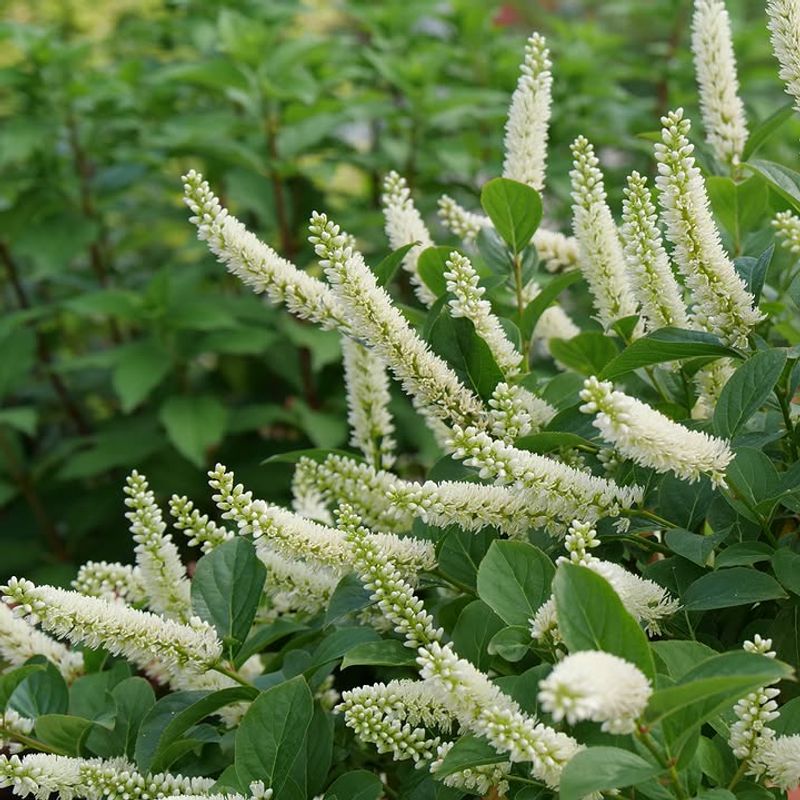
Anyone who has watched a hydrangea wilt dramatically on a July afternoon in North Carolina knows the frustration.
You water it, you shade it, you worry about it, and it still looks exhausted by midday. Virginia Sweetspire takes a completely different approach to summer heat.
Once established, it stands firm through the humidity and high temperatures that define a North Carolina summer without putting up a fuss.
The secret comes down to its roots. As a native plant, Itea virginica developed alongside North Carolina’s climate over thousands of years.
Its root system is built to handle the kind of wet-dry cycles that trip up many imported ornamental shrubs.
During extended hot stretches, the foliage stays healthy and green rather than scorching at the edges or dropping prematurely.
Gardeners who have replaced struggling hydrangeas with Virginia Sweetspire often describe the experience as a relief.
There is no more rushing outside with the hose after a hot weekend, no more watching leaves turn brown and crispy, and no more second-guessing placement. The shrub simply performs.
Your North Carolina Garden Changes Every Week. Your Plan Should Too.
Gardening in North Carolina changes quickly throughout the season. Every Friday you’ll receive a simple weekly plan showing exactly what to plant, prune, fertilize, harvest, and protect so you never miss the right timing.
It thrives in full sun to part shade, making it flexible enough to fit into spots where hydrangeas have historically struggled.
For our demanding summer climate, that kind of dependability is genuinely valuable and hard to find in a flowering shrub.
3. The Fragrant White Flowers Create A Similar Soft Landscape Look
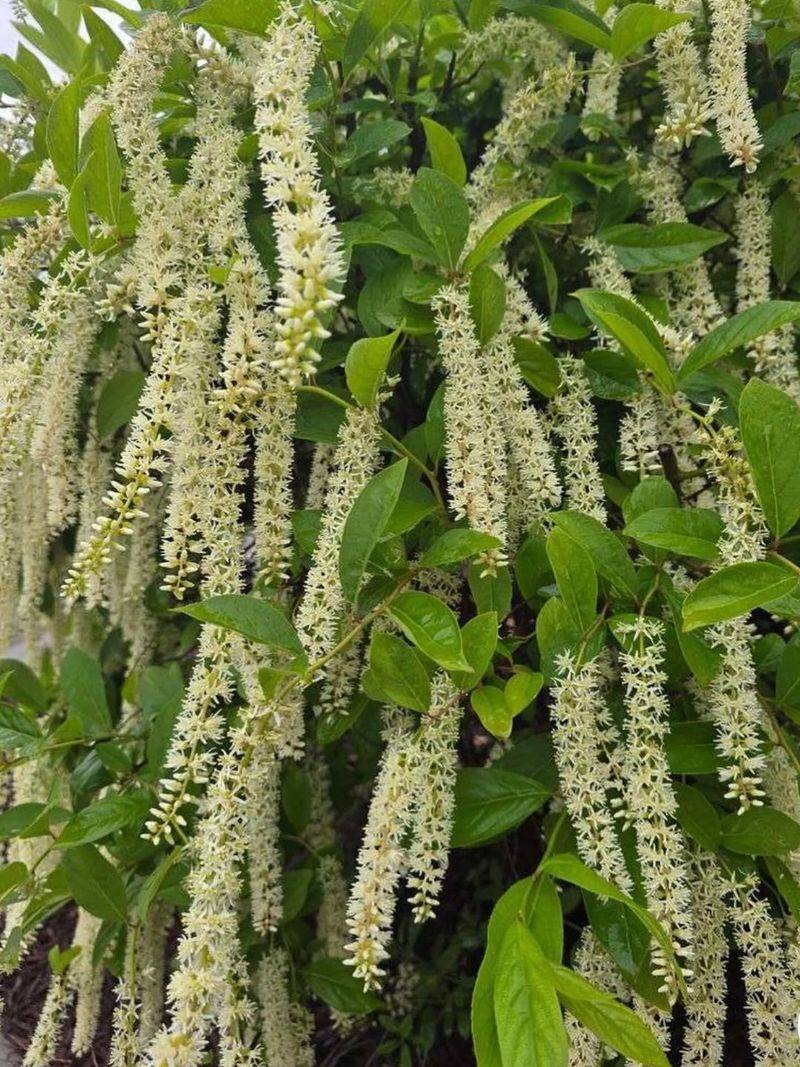
Gardeners who adore the romantic, cottage-style look of hydrangea blooms often worry they will have to give that soft aesthetic up when switching plants. Virginia Sweetspire puts that concern to rest beautifully.
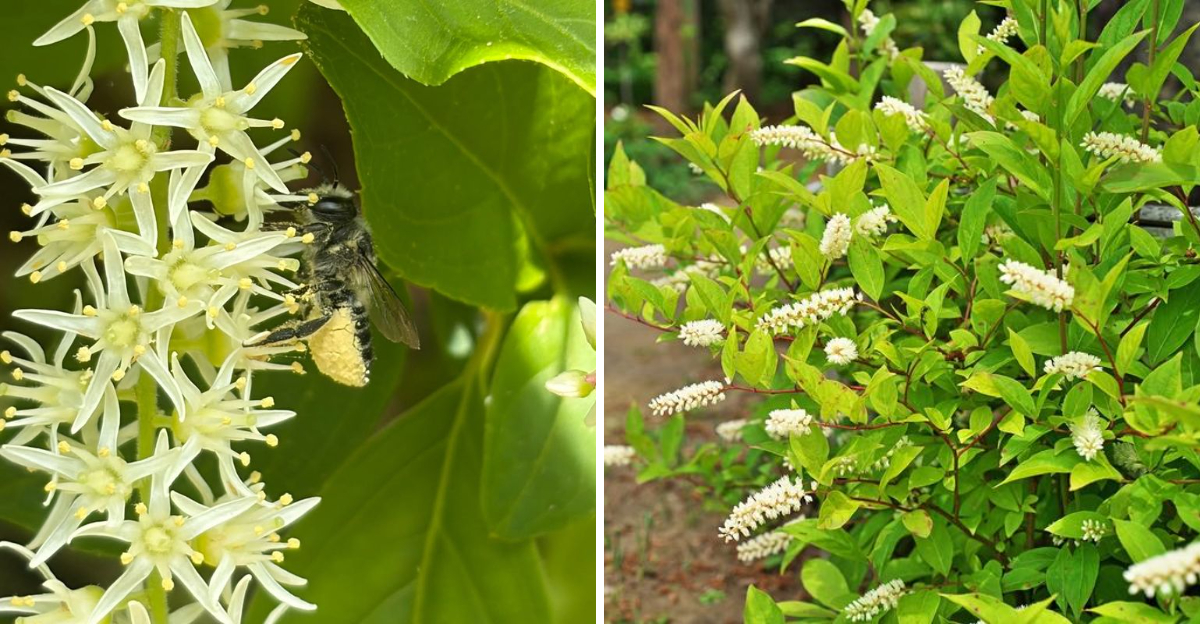
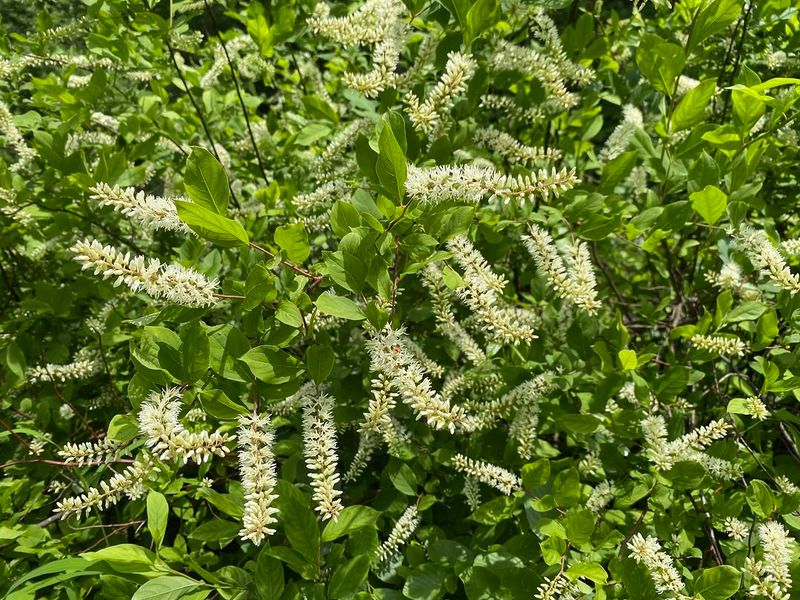
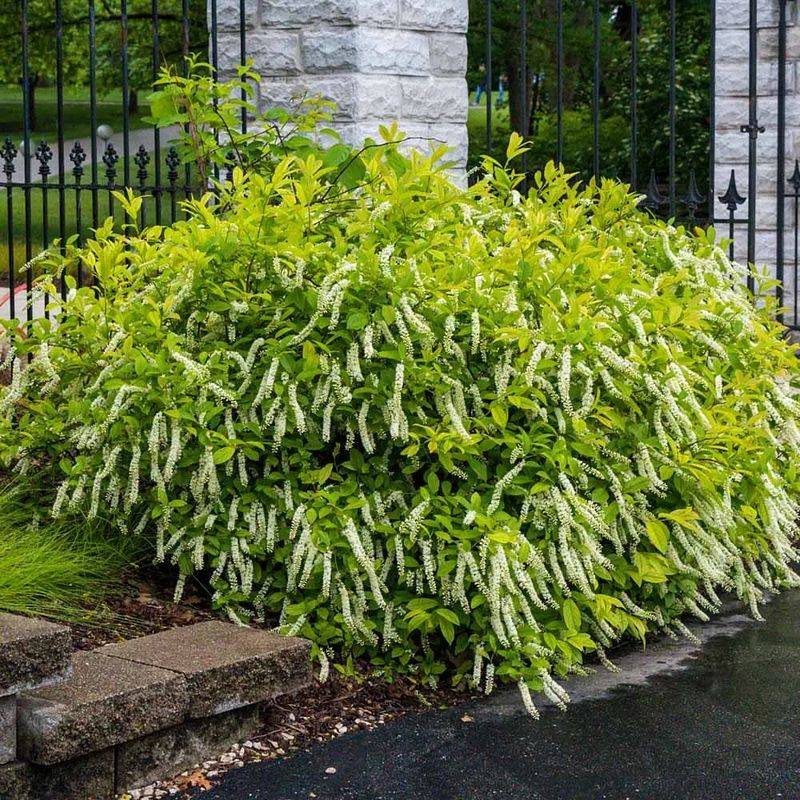
In late spring and early summer, the shrub produces long, arching clusters of small white flowers called racemes that drape gracefully from the branch tips, creating a flowing, elegant appearance that feels right at home in any southern garden.
The flowers carry a light, sweet fragrance that hydrangeas typically cannot match. On a warm evening, that gentle scent drifting through a backyard is one of those unexpected pleasures that makes gardeners fall hard for this plant.
The blooms last several weeks, giving you plenty of time to enjoy the display before the plant transitions into its next phase of seasonal interest.
From a design perspective, Virginia Sweetspire works beautifully as a foundation planting, a border shrub, or a naturalized mass planting along a fence or woodland edge.
The white flower clusters pop against the deep green foliage, and the overall texture of the plant feels softer and more relaxed than many formal shrubs.
Gardeners who love layered, naturalistic garden designs find that Virginia Sweetspire fits right into that vision without requiring the careful coaxing that hydrangeas sometimes need to perform at their best.
4. It Thrives In Moist Soil Without Constant Fuss
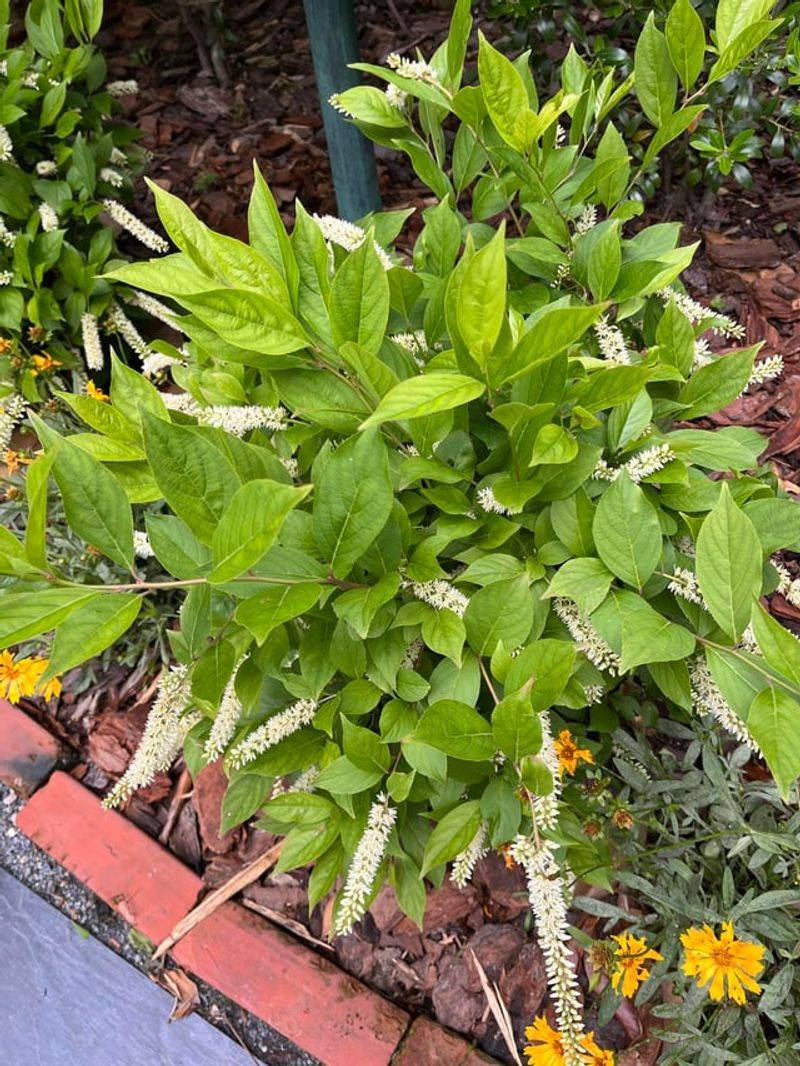
Plenty of shrubs claim to tolerate wet soil, but Virginia Sweetspire genuinely loves it.
In North Carolina, where heavy clay soils and low-lying yards hold water after every rainstorm, finding a beautiful ornamental shrub that actually performs in those conditions is a real win.
Itea virginica evolved naturally along streams and in bottomland areas, so moisture-rich soil feels like home rather than a challenge.
Rain gardens have become increasingly popular across North Carolina as homeowners look for smart ways to manage stormwater runoff. Virginia Sweetspire is one of the best shrubs you can plant in these spaces.
It handles the temporary flooding that rain gardens experience after heavy storms, and it also tolerates the drier periods between rain events without sulking.
That flexibility makes it far more practical than many ornamental alternatives. Even in standard garden beds with decent drainage, Virginia Sweetspire performs consistently well.
It does not demand perfectly amended soil or constant fertilizing the way some showier shrubs do.
Once the root system establishes during the first growing season, the plant largely takes care of itself through normal rainfall patterns.
Gardeners dealing with problem areas, soggy corners, or drainage swales that have stumped them for years often find that Virginia Sweetspire is exactly the solution they needed.
Planting it in those challenging spots can transform a frustrating area into a genuinely attractive garden feature.
5. Virginia Sweetspire Requires Far Less Pruning
Hydrangea pruning is practically its own hobby. Between figuring out whether you have a variety that blooms on old wood or new wood, timing your cuts correctly, and trying not to accidentally remove next season’s flowers, it can feel overwhelming.
Virginia Sweetspire makes the whole process refreshingly simple.
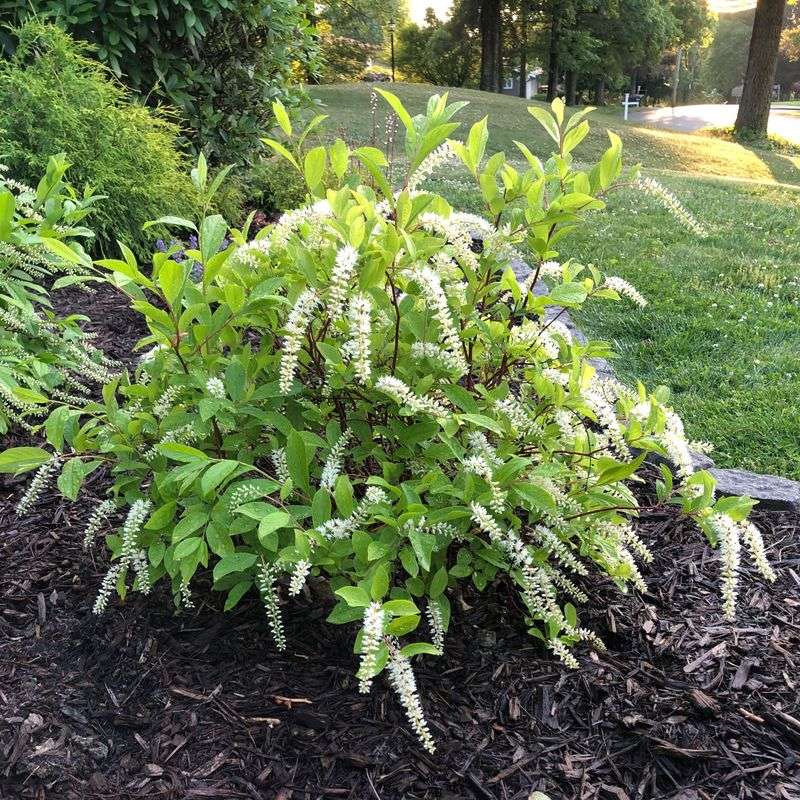
The shrub naturally develops a graceful, arching shape that looks attractive without requiring much intervention from you at all. Under normal conditions, Itea virginica needs only light cleanup.
Removing any crossing branches or tidying the outer edges occasionally is usually enough to keep it looking sharp.
There is no complicated bloom-timing puzzle to solve, no risk of cutting off the flower buds you have been waiting months to see.
The plant does the work, and you get to enjoy the results without stress.
For gardeners who feel stretched thin between work, family, and weekend responsibilities, this kind of low-maintenance beauty is genuinely appealing.
You can plant Virginia Sweetspire, give it a good start with proper watering during its first season, and then step back and watch it thrive year after year.
The shrub also spreads gradually through root suckers, slowly filling in an area with a natural, layered look that feels intentional and polished.
If you want a carefree landscape that still earns compliments from neighbors, Virginia Sweetspire fits that goal perfectly without turning your weekends into pruning sessions.
6. The Fall Color Is Often More Dramatic Than Hydrangeas
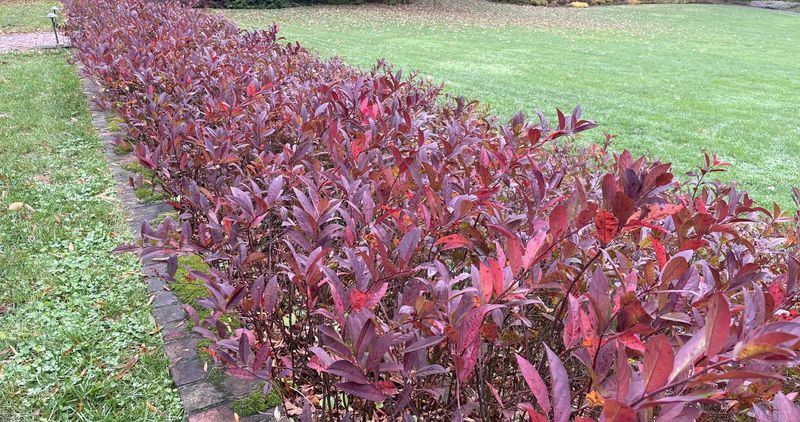
Most people plant Virginia Sweetspire for the flowers, but they stay loyal to it because of the fall color.
When temperatures begin to drop in October and November across North Carolina, this shrub transforms into one of the most eye-catching plants in the entire garden.
The foliage shifts through shades of scarlet, orange, burgundy, and deep wine red, often displaying multiple colors on the same plant at the same time.
Hydrangeas, by comparison, fade out gracefully in fall but rarely offer the kind of fiery foliage display that Virginia Sweetspire delivers.
For gardeners who want multi-season interest without planting a whole collection of different shrubs, this is a significant advantage.
One plant earns its spot through spring flowers, summer greenery, and then a spectacular fall finale that carries the garden through to the first frost.
The intensity of the fall color can vary depending on how much sun the plant receives.
Shrubs grown in more sunlight tend to develop the richest, most saturated reds and oranges, while those in shadier spots may lean toward softer burgundy and bronze tones. Both are beautiful in their own way.
Gardeners in North Carolina who have planted Henry’s Garnet, one of the most popular cultivars, consistently rave about its fall performance.
Watching that shrub light up in autumn is one of those garden moments that genuinely stops you in your tracks.
7. Pollinators Love Virginia Sweetspire Flowers
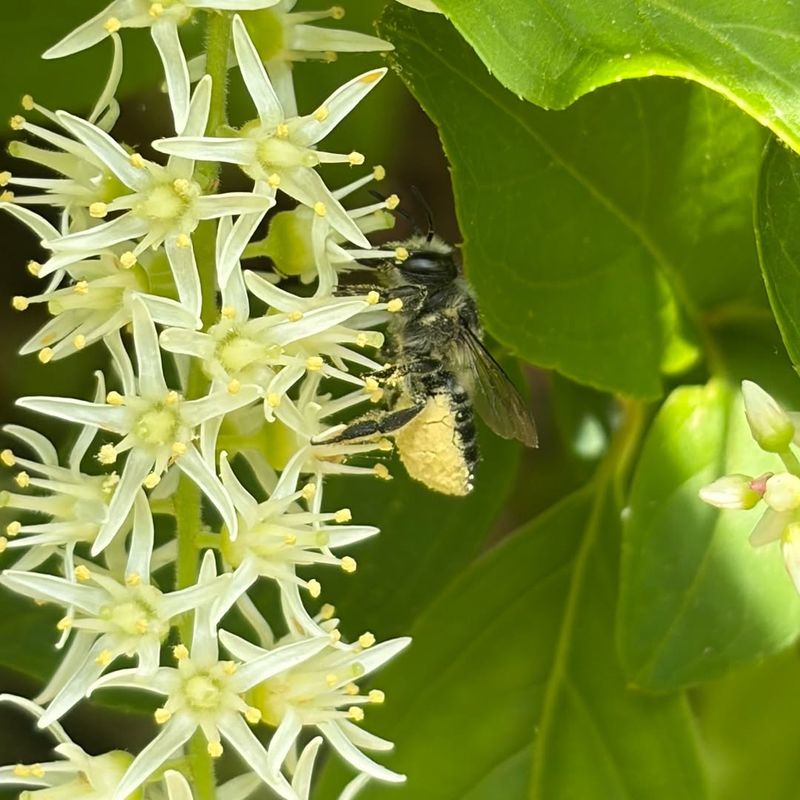
Walk past a Virginia Sweetspire in full bloom on a warm June morning, and the buzzing tells you everything you need to know.
The fragrant white flower clusters are irresistible to bees, butterflies, and a wide range of beneficial insects.
Native bees in particular are drawn to the blooms in large numbers, and watching that activity from a nearby patio chair is one of the simple pleasures of having this shrub in your yard.
North Carolina has seen growing concern about pollinator populations over the past decade.
Habitat loss, pesticide exposure, and the spread of non-native ornamental plants that offer little ecological value have all contributed to the challenge.
Choosing plants like Virginia Sweetspire is one of the most practical ways individual gardeners can push back against that trend.
Native shrubs that evolved alongside local pollinators provide the right kinds of nectar and pollen at the right times of year.
The blooming period of Virginia Sweetspire in late spring to early summer fills a useful gap in the pollinator calendar.
Many spring-flowering plants have already finished by this point, and summer bloomers have not yet hit their stride. Sweetspire steps in right when local pollinators need reliable food sources most.
Planting even one or two of these shrubs in your yard creates a genuine contribution to the health of your local pollinator community, and the garden looks stunning while doing it.
8. It Grows Well In Sun Or Part Shade
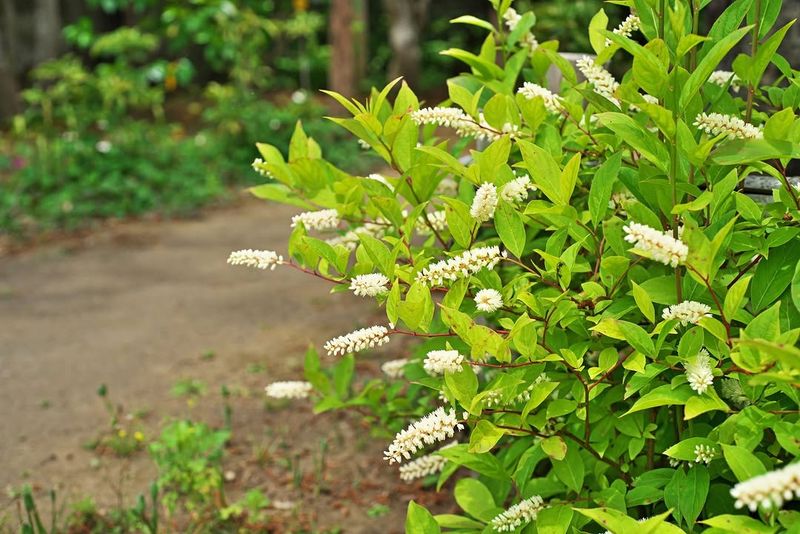
One of the most common gardening headaches is finding a beautiful shrub that fits into spots with tricky light conditions.
Some areas of a yard get blazing afternoon sun while others barely see direct light for more than a few hours.
Virginia Sweetspire handles that range with impressive flexibility, making it one of the more versatile ornamental shrubs available to North Carolina gardeners.
For the best flower production, planting in a location that receives at least four to six hours of direct sun per day gives the shrub the energy it needs to bloom generously.
The white flower racemes tend to be longer, more abundant, and more fragrant in sunnier spots.
Full sun also intensifies the fall foliage color, pushing those reds and oranges to their most vivid expression.
That said, Virginia Sweetspire performs respectably in part shade as well, which makes it a strong candidate for planting under the canopy of taller trees or along the north side of a house where light is limited.
In shadier conditions, the plant may produce slightly fewer flowers and a softer fall color palette, but the foliage stays healthy and attractive throughout the growing season.
This adaptability is a major reason gardeners keep reaching for it when they need a reliable shrub that will not sulk or stall just because the light situation is less than perfect. Flexibility like that is genuinely rare in ornamental shrubs.
9. Native Shrubs Usually Support More Wildlife Than Exotic Hydrangeas
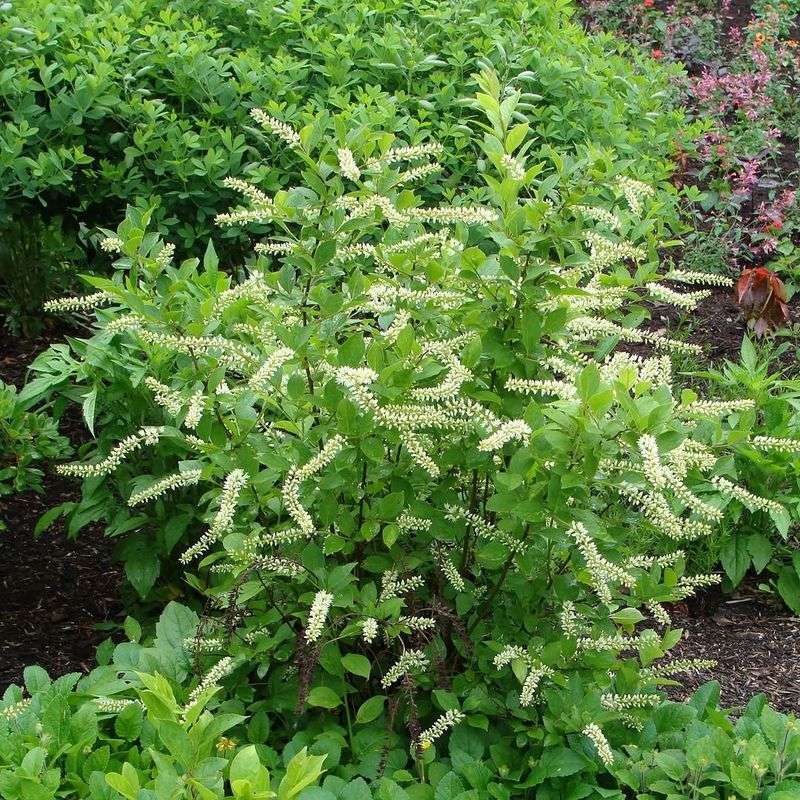
There is a growing body of research showing that native plants support dramatically more wildlife than exotic ornamentals, and Virginia Sweetspire is a clear example of that principle in action.
While imported hydrangeas can look spectacular in a garden bed, they often function as ecological deserts for local insects and birds.
Virginia Sweetspire, by contrast, is woven into the food web of eastern North American ecosystems in ways that benefit the broader natural community around your home.
The larvae of several native moth and butterfly species feed on Itea virginica foliage, which means the shrub supports wildlife beyond just the adult pollinators visiting its flowers.
Those caterpillars in turn become food for nesting birds, particularly during the breeding season when protein-rich insects are essential for feeding young.
Planting native shrubs creates a ripple effect of ecological benefit that extends far beyond what you can see from your back porch.
North Carolina sits within one of the most biodiverse regions of the eastern United States, and the native plant choices homeowners make in their yards genuinely matter to that broader ecosystem.
Every non-native ornamental replaced with a well-chosen native shrub like Virginia Sweetspire represents a small but meaningful step toward healthier local habitats.
For gardeners who care about more than just curb appeal, this ecological dimension adds a layer of purpose and satisfaction to the simple act of planting a beautiful shrub in your yard.
10. Virginia Sweetspire Looks More Natural In Modern North Carolina Landscapes
Garden design trends have shifted noticeably over the past several years, and the stiff, formal landscapes of earlier decades are giving way to something more relaxed, layered, and ecologically inspired.
North Carolina gardeners are increasingly drawn to designs that feel connected to the natural character of the region rather than imported from a European formal garden tradition.
Virginia Sweetspire fits beautifully into that newer vision. The shrub’s naturally arching form, soft flower texture, and graceful spread give it a quality that landscape designers describe as fitting into a space rather than dominating it.
Planted along a woodland edge, tucked into a pollinator border, or used as a flowing foundation planting near a porch, it looks like it belongs exactly where it is.
That sense of rightness is harder to achieve with exotic ornamentals that always seem slightly out of place in a southern landscape.
Foundation beds, rain garden borders, and naturalized areas along property lines are all spaces where Virginia Sweetspire shines.
It pairs beautifully with other native plants like native ferns, coneflowers, and switchgrass to create layered plantings that provide year-round interest and ecological value.
Homeowners who have embraced this style of planting often describe their yards as feeling more alive than they ever did when filled with traditional ornamentals.
Virginia Sweetspire is not just a hydrangea alternative. For many North Carolina gardeners, it is becoming the centerpiece of a smarter, more beautiful way to garden.