How Missouri Gardeners Fill Raised Beds Without Buying Bagged Soil
If you have ever stood in a garden center doing mental math on bags of potting mix, you already know the feeling.
What started as a simple raised bed project somehow turned into a triple-digit receipt. Sound familiar?
Missouri gardeners have been quietly solving this problem for years.
The answer was sitting in their backyards the whole time. The approach is called lasagna layering.
It works by stacking free or cheap organic materials in a specific order, mimicking what healthy forest soil does naturally.
The result is a deep, fertile growing bed that holds its own against most bagged mixes and keeps improving season after season.
You do not need special equipment or expensive amendments.
Just a smarter way to think about what goes into your bed before a single seed hits the soil.
Read on to see how experienced Missouri gardeners do it, from the very bottom of the bed to the top.
Why Bagged Soil Adds Up Fast
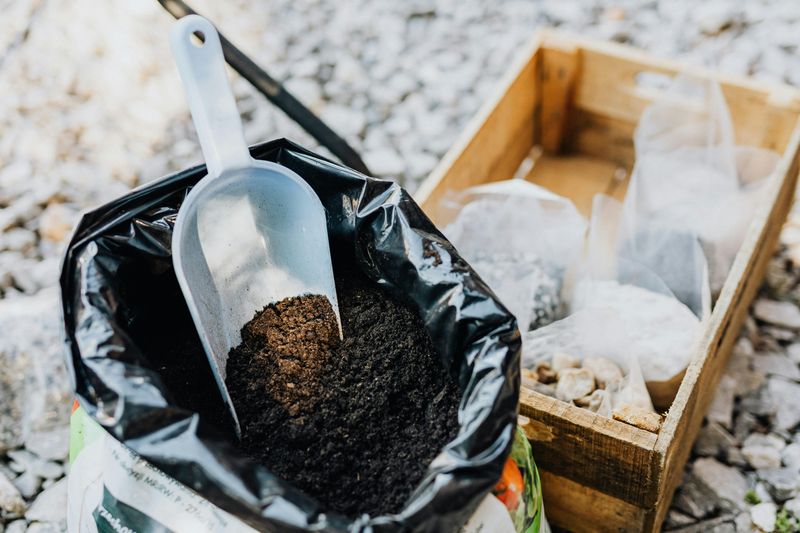
Image Credit: © www.kaboompics.com / Pexels
Most gardeners don’t realize how expensive filling a raised bed actually is until they’re already at the checkout line.
A single bag of quality potting mix runs more than you’d expect.
A standard 4×8 raised bed that is 12 inches deep needs roughly 32 cubic feet of material to fill it completely.
Do the math and the number gets genuinely alarming.
Multiply that across two or three beds and it starts to feel less like gardening and more like a financial decision.
Many households end up spending more on soil alone than they ever expected when they first started planning their garden.
The cost creeps up because bags look small and manageable in the store.
The math hits hard once you start stacking them up.
But filling raised beds without buying bagged soil is not just about saving money.
It is about building a smarter system from the ground up.
Gardeners who skip the bags often end up with richer, more biologically active growing spaces than those who rely entirely on store-bought mixes.
Bagged products are convenient, sure.
They are also heavily processed and often lacking the microbial life that makes garden soil truly productive.
Once you see what is possible with free and local materials, going back to the bag aisle feels like a step backward.
What Missouri Gardeners Use Instead
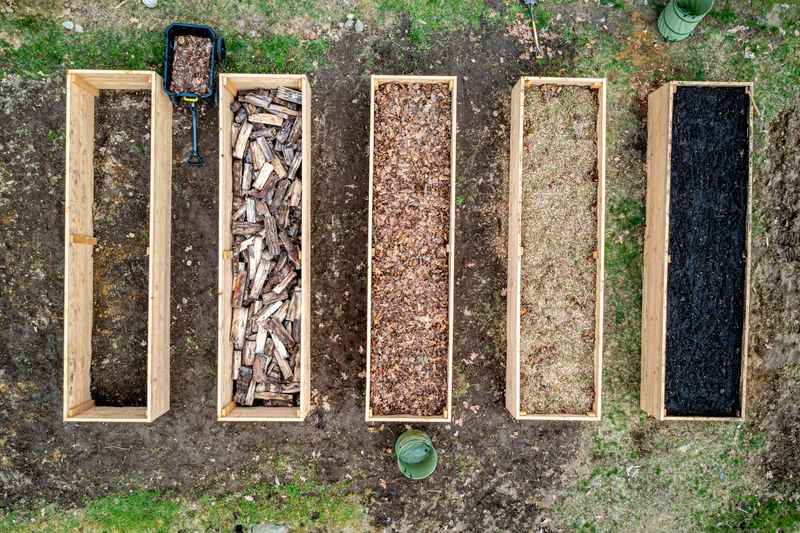
Look around you. The best raised bed filling materials are probably already in your yard or just a short drive away.
Experienced local gardeners swap expensive potting mix for layered organic materials that break down slowly and feed plants all season.
Wood chips, straw, aged manure, compost, shredded leaves, cardboard from old boxes.
That is your shopping list, and most of it costs nothing.
Each material brings something different to the bed.
Wood chips create air pockets that help roots breathe.
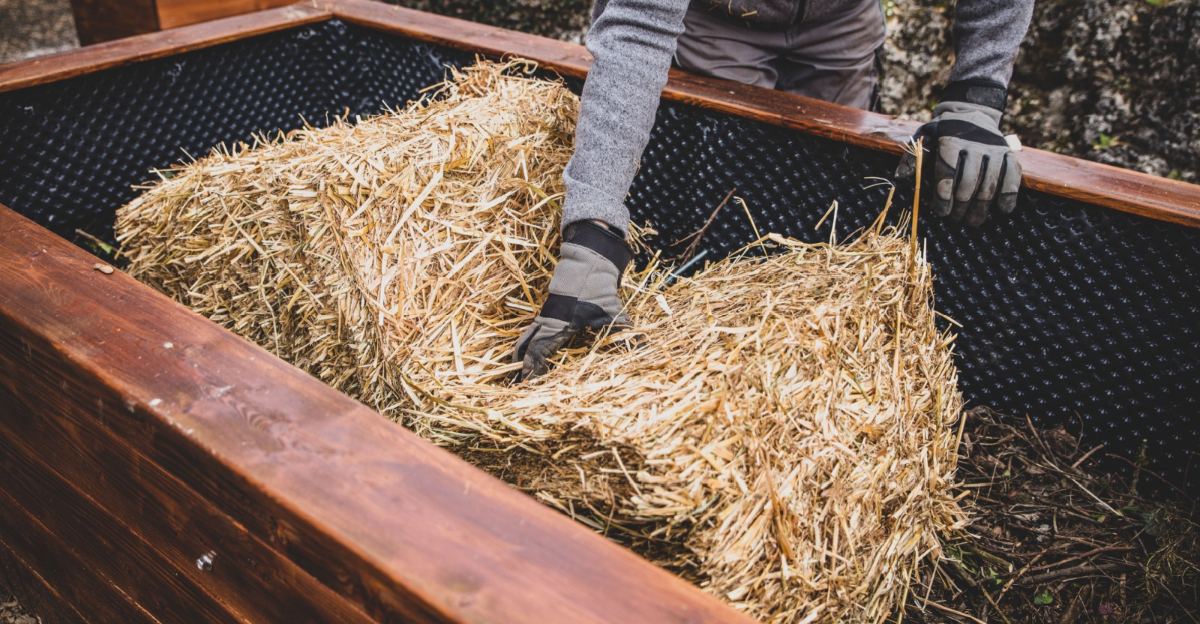
Straw adds lightweight bulk and locks in moisture during hot Missouri summers.
Leaf mold, which is simply decomposed leaves, acts like a sponge and adds a surprising amount of natural nutrition to the mix.
Your Missouri Garden Changes Every Week. Your Plan Should Too.
Gardening in Missouri changes quickly throughout the season. Every Friday you’ll receive a simple weekly plan showing exactly what to plant, prune, fertilize, harvest, and protect so you never miss the right timing.
Aged manure from horses, chickens, or cows is pure gold for raised beds.
It is packed with nitrogen and nutrients that plants crave.
Most rural areas around the state have farms willing to give it away for free.
Compost ties everything together, whether you make your own or pick some up from a local composting facility.
The combination of these materials creates a growing environment that improves every single year as everything continues to break down.
Bagged soil, by contrast, often depletes within a single growing season.
Nature has been building fertile ground this way for millions of years.
It never needed a price tag. Neither do you.
How To Layer Your Raised Bed The Right Way
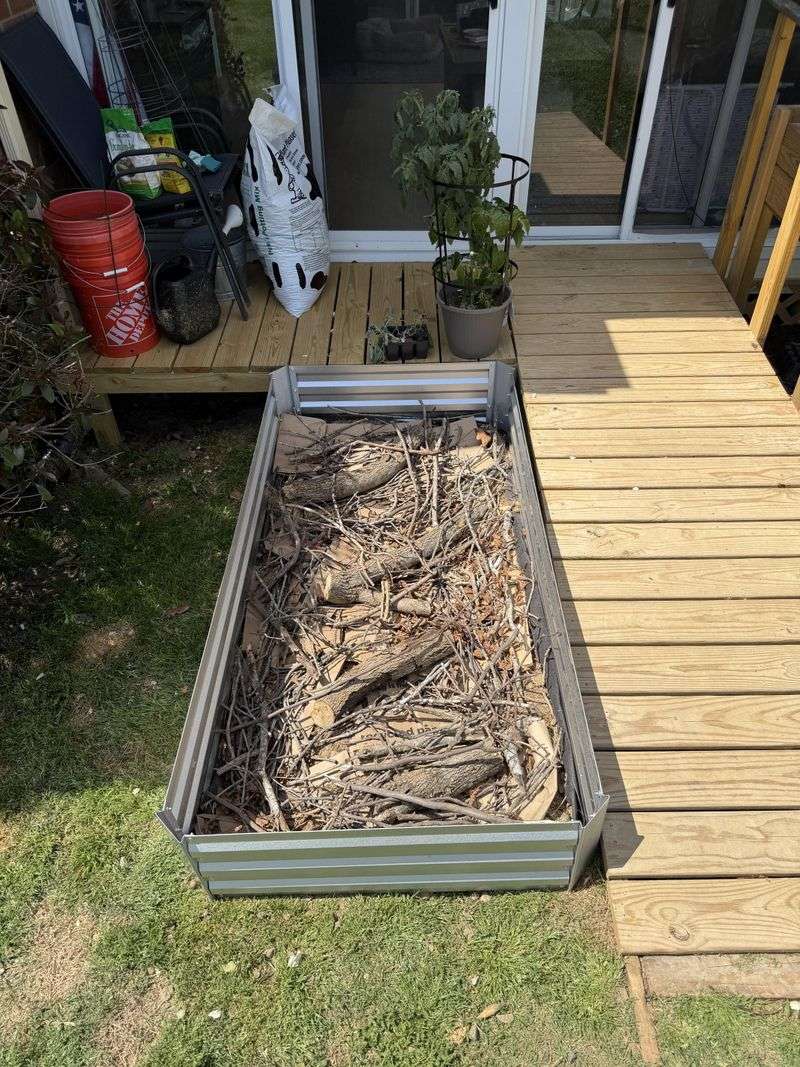
Layering a raised bed is almost like making a lasagna, and the order of ingredients matters more than most people expect.
Start at the very bottom with a thick layer of cardboard or newspaper directly on the ground.
This smothers existing weeds and grass without any digging.
It breaks down within a season, allowing earthworms to move freely through the bed.
Skipping this step is one of the most common beginner mistakes, and weeds will thank you for it.
Above the cardboard, add a 4 to 6 inch layer of coarse wood chips or small branches.
This chunky bottom layer creates drainage and slowly feeds the soil as it decomposes over the following months.
Above that, pile on a thick layer of straw, dried leaves, or grass clippings to add bulk and organic matter.
The middle of the bed is where aged manure or finished compost does its best work.
A solid 4 to 6 inch layer here gives plant roots an immediate source of nutrition to draw from.
This is the engine of your growing bed, so do not rush past it or substitute with low-quality fill dirt.
Top everything off with 3 to 4 inches of finished compost or a compost and topsoil blend.
This is the layer your seedlings will actually germinate in, so it needs to be fine-textured and rich.
Get the layering sequence right and your raised bed keeps improving as the seasons pass.
Where To Source Free Or Cheap Materials Locally
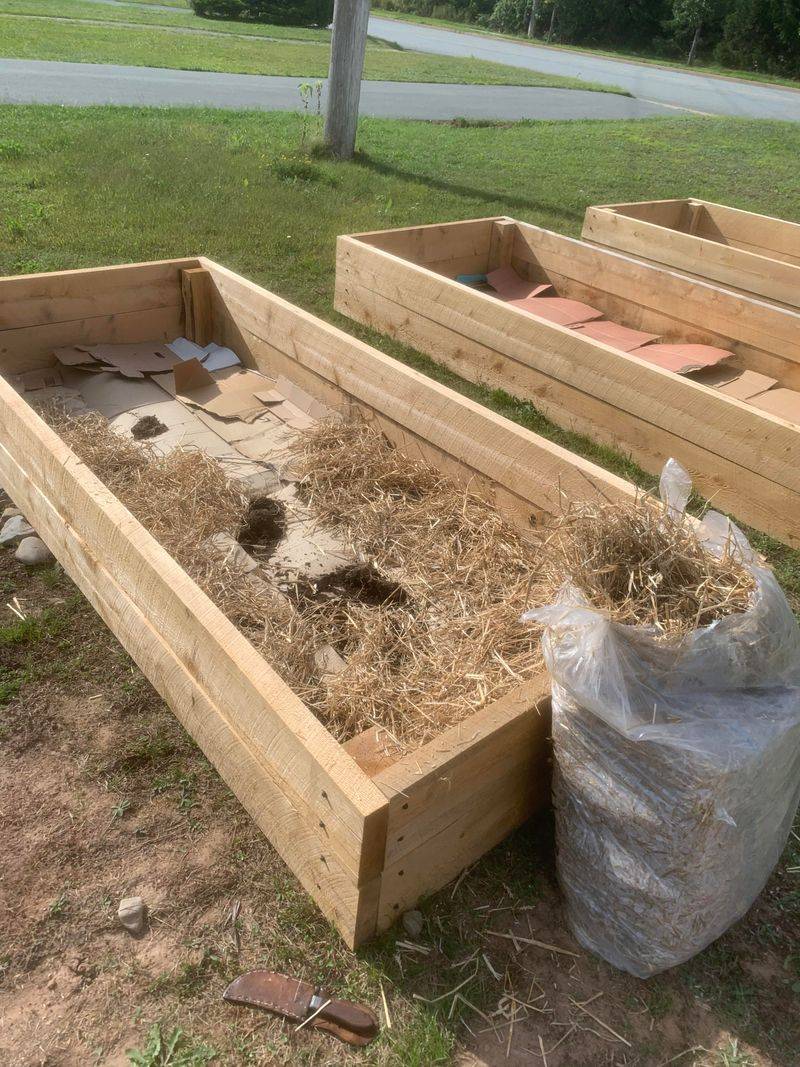
Your community is full of free garden materials. You just have to know where to look.
Tree trimming companies are one of the best and most overlooked sources of wood chips.
These crews generate truckloads of chipped branches daily and are often thrilled to drop a load at your property rather than pay to dump it.
A quick search for local arborists or a post in a neighborhood group can land you enough chips to fill multiple raised beds at zero cost.
Farms are another treasure trove for budget-minded gardeners.
Horse stables, chicken farms, and cattle operations often have more manure than they know what to do with.
Many will let you haul it away for free, especially if you show up with your own buckets or trailer and a friendly attitude.
Municipal composting programs are available in many Missouri counties and cities.
Some programs sell finished compost by the truckload for just a few dollars, while others offer it free to residents.
Checking with your local parks department or solid waste office can open up a surprisingly affordable supply.
Coffee shops often give away used grounds, which are excellent for adding nitrogen and improving soil texture.
Cardboard is nearly everywhere.
Appliance stores, grocery outlets, moving companies, most businesses are glad to have someone take it off their hands.
Filling raised beds without buying bagged soil starts with one simple shift.
Learn to see your community as a living supply chain.
How To Keep Your Raised Bed Healthy Year After Year
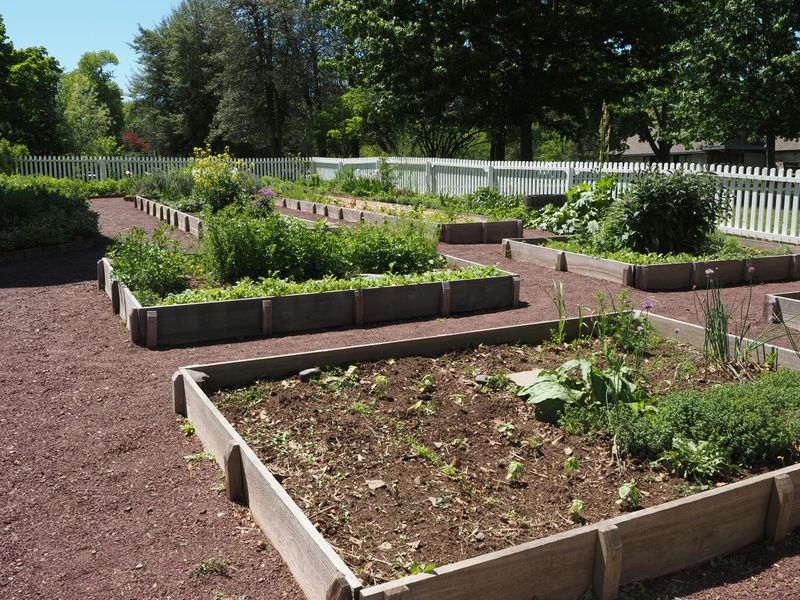
A well-built raised bed does not take care of itself forever.
It needs a little attention each season to stay productive.
The good news is that maintenance takes far less time and money than most gardeners expect.
In the fall, once the last harvest is done, add a fresh layer of shredded leaves or straw across the top.
This protects the soil biology during winter and slowly feeds the bed from the surface down.
Do not leave bare soil exposed to freezing temperatures if you can help it.
In early spring, pull back any mulch that has not broken down and check what the bed looks like underneath.
Healthy layered beds tend to get darker, looser, and richer with each passing year.
If the surface has compressed or dropped, top it up with a few inches of finished compost before planting.
Top up annually with compost and organic mulch as materials settle.
Worms will do most of the heavy lifting for you if you keep feeding them with organic material from the top.
Skip the synthetic fertilizers.
A well-maintained layered bed rarely needs them.
The longer you tend this system, the less work it actually asks of you.
That is the quiet reward of getting it right from the start.
Common Mistakes To Avoid When Filling Raised Beds
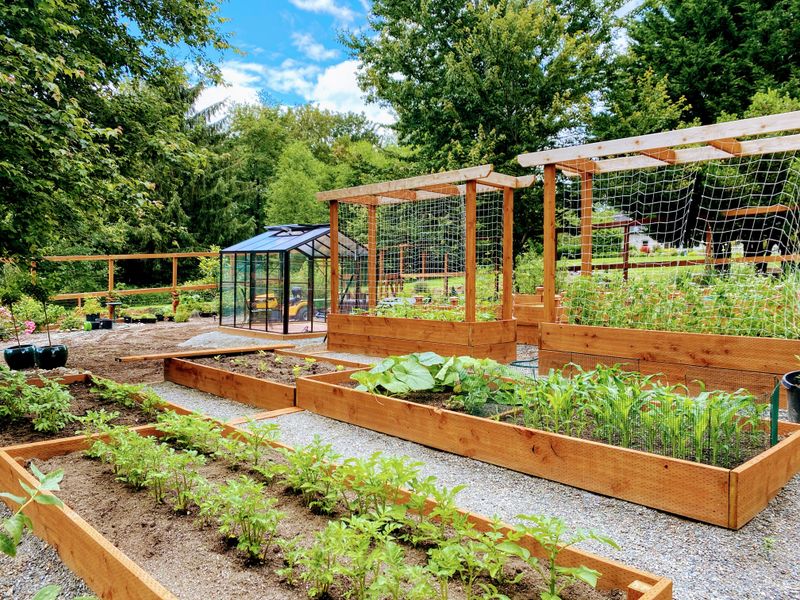
Most raised bed mistakes happen before a single seed goes in the ground.
One of the biggest errors is using fresh, uncomposted manure directly in a bed where you plan to plant right away.
Fresh manure is too hot with nitrogen and can burn roots and seedlings almost overnight.
Always use aged or composted manure that has had at least six months to mellow out before it touches your plants.
Another common problem is skipping the bottom layers and just filling the bed with topsoil or compost alone.
Without that chunky base layer of wood chips or coarse organic matter, the bed compresses quickly and drainage suffers.
Plant roots end up sitting in waterlogged, dense material instead of the loose, airy environment they need to thrive.
Using too much clay-heavy native soil is another trap that many beginners fall into when trying to stretch their materials.
Clay compacts badly in a raised bed and suffocates root systems within a single season.
If you want to blend in some native earth, keep it to no more than 20 percent of the total mix.
Leaving the bed uncovered over winter is a sneaky mistake that costs you nutrients and organic matter every year.
A layer of straw or shredded leaves on top protects the soil structure and feeds the biology below ground during the cold months.
A smart raised bed does not stop working when the season does.