Shade-Loving Flowers That Don’t Need Sunlight To Bloom In North Carolina
Shaded areas in a North Carolina yard can feel like a problem without a solution. Most flowering plants want sun, and the spots under large trees or along north-facing walls tend to sit empty or get filled with something green but forgettable.
The assumption that shade means no flowers is worth reconsidering. A number of plants bloom reliably in low light conditions and do it well enough to become the most interesting corner of a garden.
Some of them produce flowers in colors that would look faded in full sun but come alive in shade. A few bloom for months at a stretch without any encouragement.
North Carolina’s warm summers and mild shoulder seasons actually work in favor of shade bloomers that struggle in harsher climates.
1. Hellebores
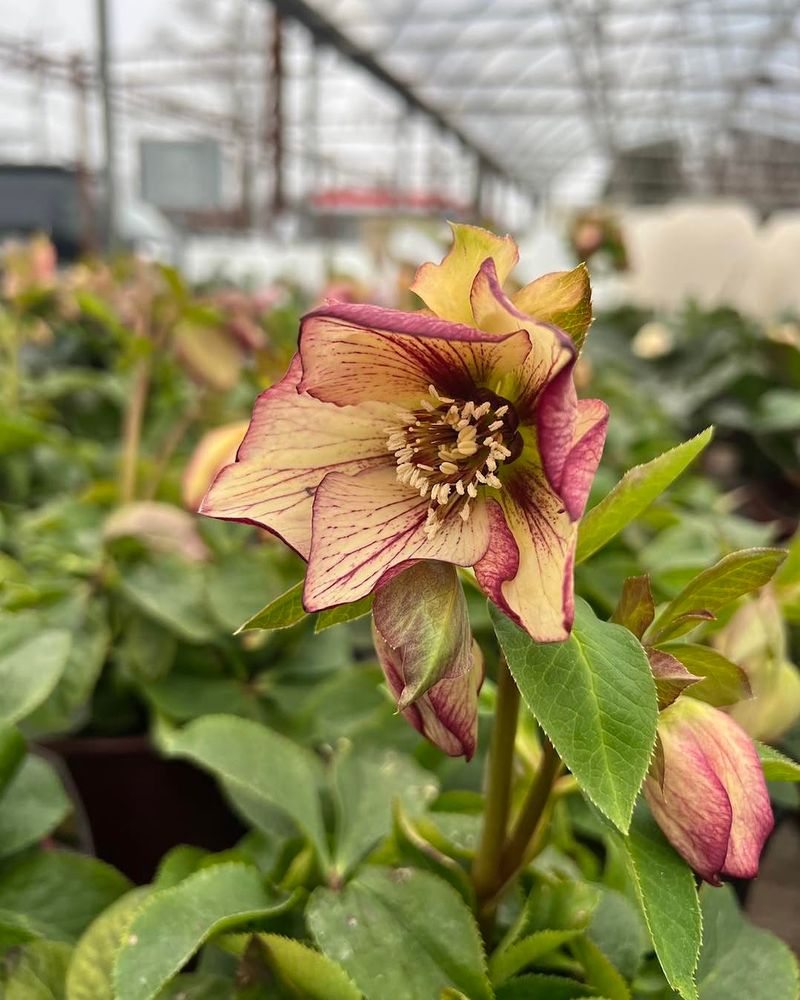
Few flowers are bold enough to bloom in the middle of winter, but Hellebores pull it off with quiet elegance.
Known scientifically as Helleborus x hybridus, these long-lived perennials push out their nodding, cup-shaped flowers from late January through early April in North Carolina, often while frost still lingers on the ground.
That kind of timing makes them truly special in any shaded garden. Hellebores thrive in part shade to full shade, making them ideal for planting beneath deciduous trees or along the north-facing side of a fence.
They prefer rich, well-drained soil with plenty of organic matter worked in before planting. A two-inch layer of mulch around the base helps retain moisture and keeps roots cool during North Carolina’s hot summers.
Watering consistently during dry spells is important, especially in the warmer months when the plant is not actively flowering. Hellebores are remarkably heat-tolerant for a shade plant, but they do appreciate some extra moisture when temperatures climb.
Once established, they rarely need much fussing and will return year after year with minimal effort.
One fun detail most gardeners love: Hellebore flowers face downward, almost shyly, as if they are keeping a secret. Planting them on a slope or in a raised bed lets you see their beautiful interiors more easily.
They also make excellent companions for ferns and hostas, filling in shaded corners with layered texture and soft color all season long.
2. Foamflower
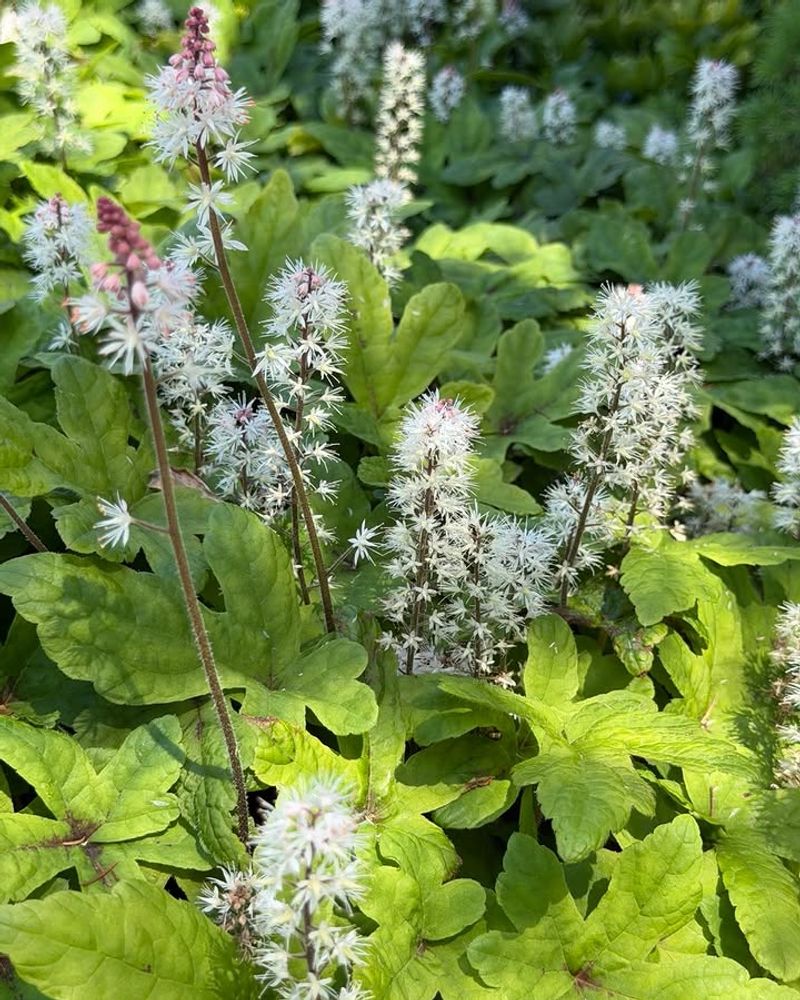
Foamflower earns its name the moment it blooms. Tiarella cordifolia sends up airy spikes of tiny white to pale pink flowers that genuinely look like soft foam floating above the ground, creating a magical effect in shaded garden beds.
Native to the eastern United States, this woodland perennial is right at home in North Carolina’s piedmont and mountain regions.
What makes Foamflower so reliable is its love of exactly the kind of conditions that challenge other plants. Filtered light beneath trees, moist organic soil, and cool root zones are where it truly shines.
Spring is its peak blooming season, but the attractive heart-shaped leaves with their burgundy markings provide visual interest well into fall. Planting it near the base of oaks or maples gives it the natural woodland environment it craves.
Foamflower spreads steadily through runners, gradually filling in bare shaded areas with a low, dense carpet of foliage.
Your North Carolina Garden Changes Every Week. Your Plan Should Too.
Gardening in North Carolina changes quickly throughout the season. Every Friday you’ll receive a simple weekly plan showing exactly what to plant, prune, fertilize, harvest, and protect so you never miss the right timing.
This spreading habit makes it a smart choice for erosion control on shaded slopes or as a living ground cover under trees where grass simply refuses to grow.
Spacing plants about twelve inches apart gives them room to establish and fill in naturally.
For companion planting, Foamflower pairs beautifully with ferns, wild ginger, and trilliums, creating a layered native plant community that feels like a true woodland floor.
Keeping a consistent layer of leaf mulch around the planting helps lock in moisture and mimics the rich forest floor conditions this plant loves most.
3. Woodland Phlox
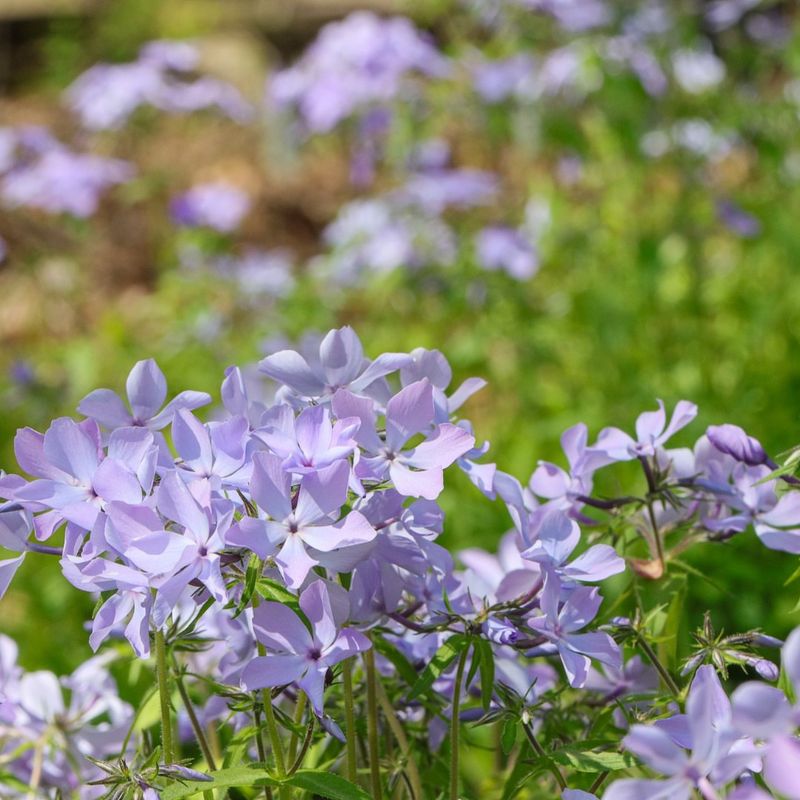
There is something almost dreamlike about a patch of Woodland Phlox in full bloom.
Phlox divaricata carpets the ground with clusters of soft lavender-blue flowers every spring, filling shaded garden spaces with color and a light, sweet fragrance that pollinators absolutely cannot resist.
Native to eastern North America, it is completely at home in North Carolina’s woodland gardens and shaded borders.
Woodland Phlox performs best with morning sun or bright, indirect shade throughout the day. Harsh afternoon sun can stress the foliage and fade the flowers, so a spot beneath deciduous trees or along a shaded garden path is ideal.
Moist, humus-rich soil gives it the foundation it needs to spread and bloom reliably each spring without much intervention.
Good airflow matters more than most gardeners realize with this plant. Spacing plants about twelve to fifteen inches apart reduces the risk of powdery mildew, which can become an issue in humid North Carolina summers.
Thinning out crowded clumps every few years also keeps the planting looking fresh and vigorous rather than woody and sparse.
Beyond its beauty, Woodland Phlox is a genuine pollinator magnet. Butterflies, native bees, and hummingbirds all visit the blooms during their spring flight period, making this plant a meaningful addition to any wildlife-friendly garden.
Pairing it with Wild Columbine or Virginia Bluebells creates a stunning native spring display that peaks at just the right time and keeps the shaded garden buzzing with life.
4. Astilbe
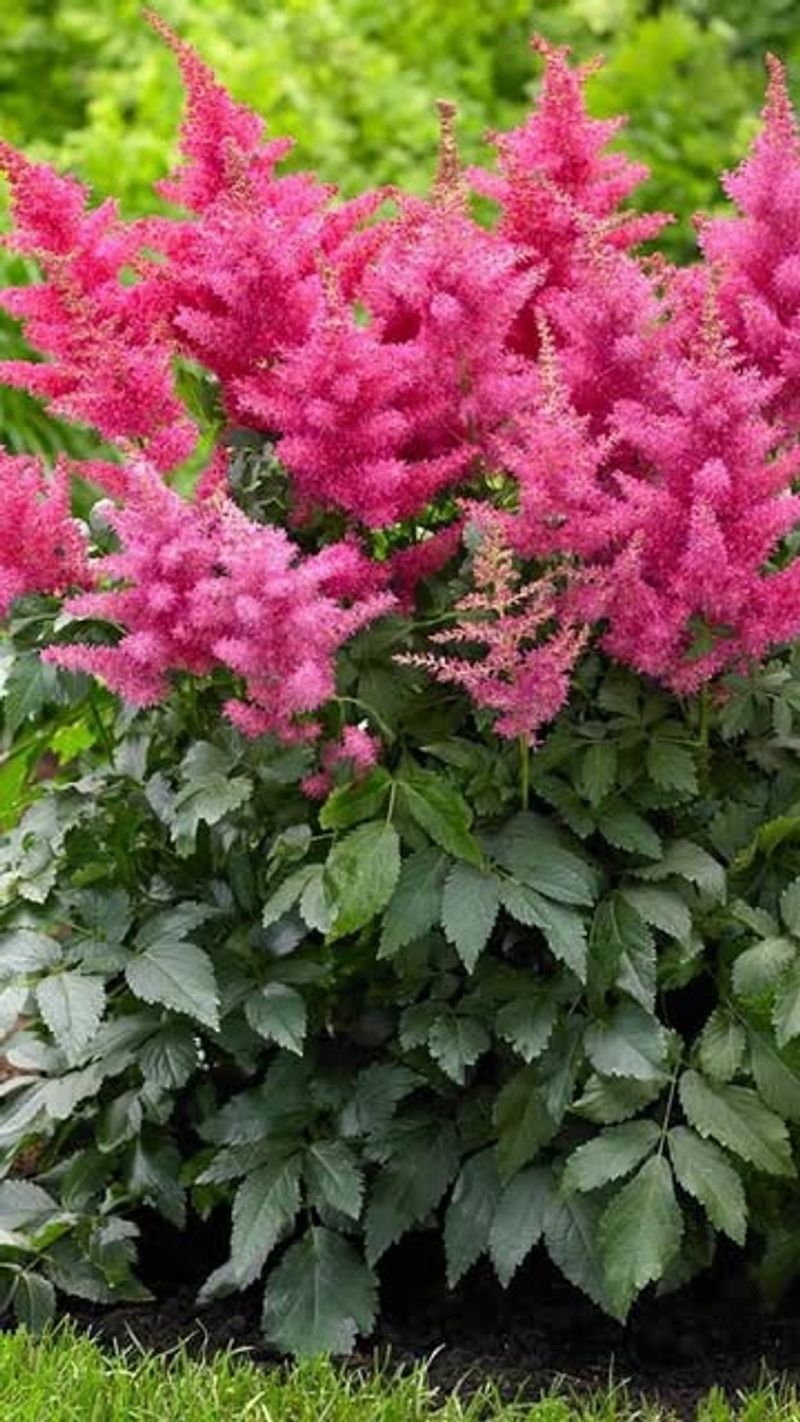
Astilbe brings a kind of theatrical flair to shaded gardens that few other plants can match.
The feathery, upright flower plumes in shades of pink, red, white, and lavender rise boldly above glossy, fern-like foliage and create a lush, layered look that makes any shaded border feel truly alive.
Astilbe hybrids are the go-to choice for North Carolina gardeners working with moist, shaded spaces.
Moisture is the one thing Astilbe genuinely cannot do without. These plants thrive in consistently moist, rich soil and struggle quickly when the ground dries out during North Carolina’s hot summers.
Planting them near a water feature, along a shaded rain garden, or in a low spot that retains moisture naturally gives them the best chance of performing well year after year without extra stress.
A generous layer of mulch, about two to three inches deep, is one of the most helpful things you can do for Astilbe. It locks in soil moisture, moderates root temperature during summer heat, and slowly breaks down to enrich the soil over time.
Watering deeply two to three times per week during dry stretches keeps the plants hydrated and the flower plumes standing tall and vibrant.
Spacing Astilbe plants about eighteen inches apart allows for good air circulation, which matters in North Carolina’s humid climate. Dividing clumps every three to four years keeps the plants energetic and encourages stronger bloom production.
For a stunning combination, plant Astilbe alongside Coral Bells and hostas for a shade garden that looks rich, layered, and full of texture all season long.
5. Cardinal Flower
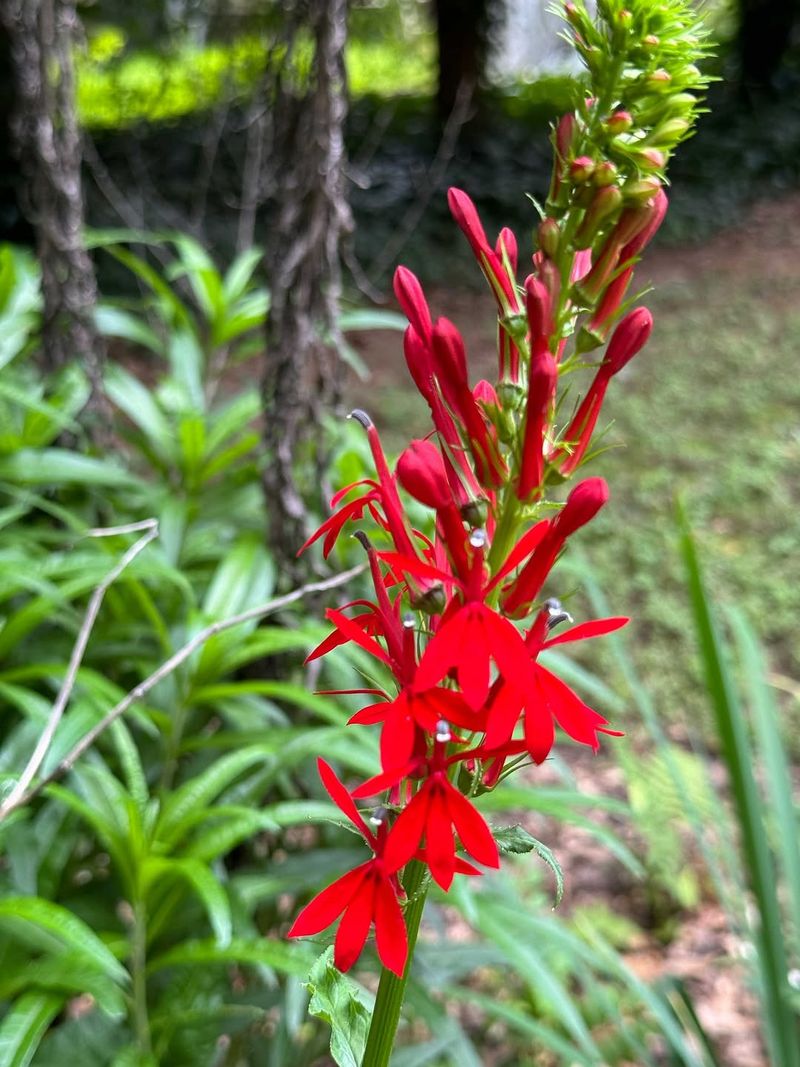
Bright red and absolutely irresistible to hummingbirds, Cardinal Flower is one of the most eye-catching natives you can grow in a shaded North Carolina garden.
Lobelia cardinalis sends up tall spikes of vivid scarlet blooms from midsummer into early fall, creating vertical drama in spots where most red-flowering plants simply would not survive without full sun.
It is a true conversation starter in any garden. Cardinal Flower naturally grows along stream banks, pond edges, and moist woodland clearings, so replicating those conditions in your garden is the key to success.
Part shade with consistently moist soil is the ideal setup. Areas that receive morning sun and afternoon shade work particularly well in North Carolina, where summer afternoons can be intense and drying even in otherwise shaded spots.
Soil that stays evenly moist but never becomes waterlogged is the target. Mixing generous amounts of compost into the planting area helps hold moisture while keeping the soil structure loose enough to prevent standing water.
Mulching around the base of plants reduces moisture loss and keeps roots cool during the hottest weeks of summer, which Cardinal Flower genuinely appreciates.
One thing worth knowing is that Cardinal Flower tends to be a short-lived perennial, typically lasting two to three years before fading out.
The good news is that it self-seeds freely when conditions suit it, and new seedlings often appear nearby to carry on the display.
Planting it in groups of three or more creates a bold, wildlife-friendly focal point that hummingbirds will return to every single year.
6. Wild Columbine
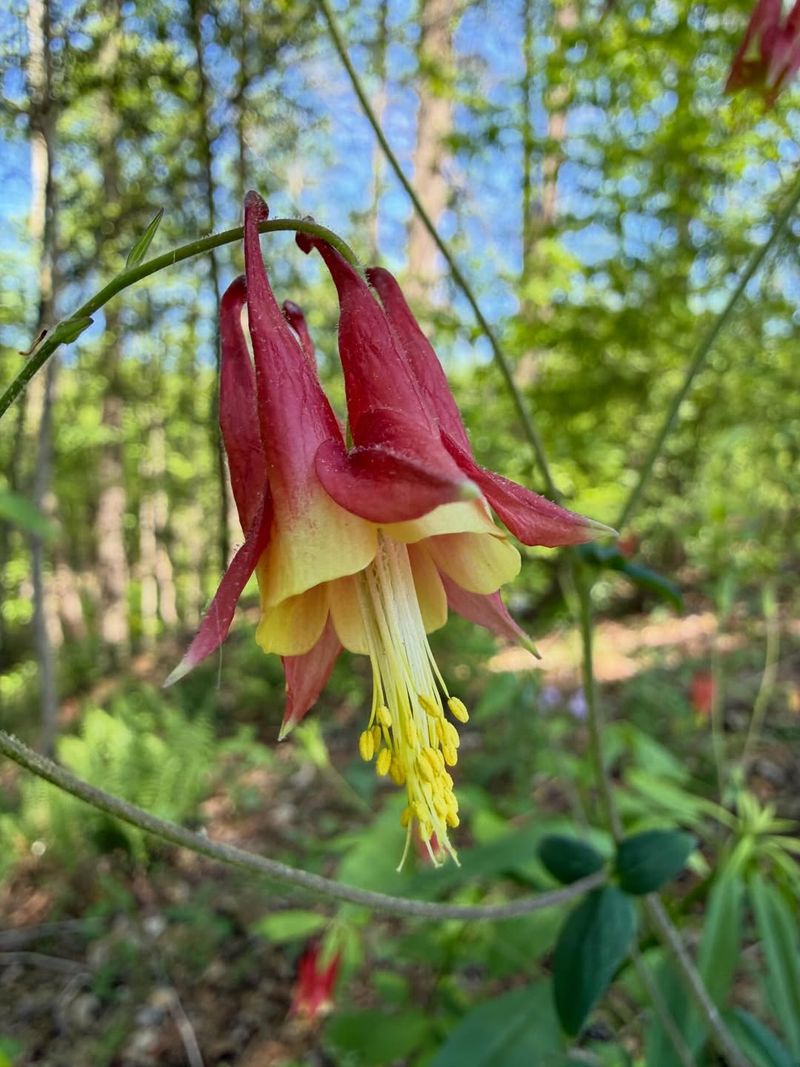
Wild Columbine has one of the most distinctive flower shapes in the native plant world. Aquilegia canadensis produces nodding red and yellow blooms with backward-pointing spurs that look almost like tiny lanterns hanging from slender stems.
They bloom in spring, right when hummingbirds are arriving back in North Carolina and actively searching for nectar sources, making this plant a genuinely important wildlife resource.
Woodland edges and bright shade are where Wild Columbine truly thrives. It tolerates more light than many shade plants, doing well in spots that receive dappled sun or a few hours of direct morning light.
Rocky slopes, shaded hillsides, and the edges of tree canopies all work beautifully. The key is well-drained soil, because soggy roots are the one condition this plant simply cannot handle.
Wild Columbine reseeds itself generously when it is happy. After the flowers fade, slender seed pods form and eventually split open, scattering seeds across the surrounding soil.
Over time, a small planting can naturally expand into a charming colony of blooms without any extra effort from the gardener. Allowing seed pods to mature before cutting them back is the easiest way to encourage this natural spreading habit.
Pairing Wild Columbine with Woodland Phlox and Virginia Bluebells creates a stunning spring native plant display that peaks beautifully between March and May in North Carolina.
All three plants bloom around the same time, share similar light and moisture preferences, and collectively support a remarkable range of native pollinators and hummingbirds throughout the season.
7. Virginia Bluebells
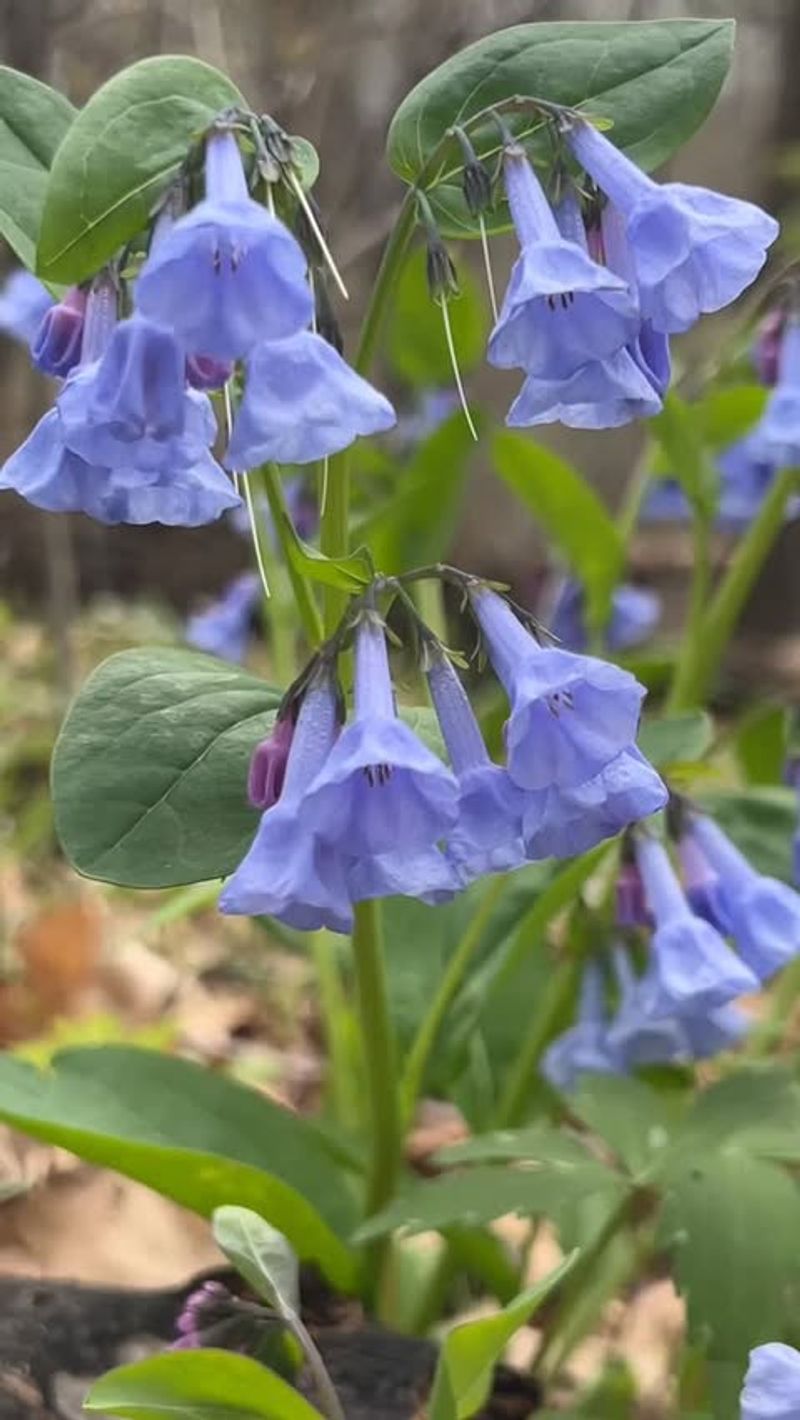
Virginia Bluebells are one of spring’s most breathtaking surprises. Mertensia virginica pushes up from the soil in late February and March, unfurling clusters of sky-blue, trumpet-shaped flowers that seem almost too beautiful to be real.
The timing is no accident: these plants bloom before the tree canopy overhead fully leafs out, capturing the early spring sunlight that filters through bare branches and using it to power an impressive floral display.
By early summer, Virginia Bluebells go completely dormant and disappear underground until the following spring. This seasonal rhythm is completely natural and nothing to worry about.
Planning around that dormancy is actually part of the fun. Planting summer-emerging perennials like hostas or ferns nearby fills the gaps left behind when the Bluebells fade, keeping the shaded bed looking full and interesting throughout the entire growing season.
Moist, rich soil is essential for Virginia Bluebells to perform their best. They grow naturally along floodplains, stream banks, and moist woodland floors, so mimicking those conditions in your garden makes a big difference.
Consistent moisture in early spring when they are actively growing and blooming is especially important. A layer of leaf mulch helps hold that moisture and also breaks down over time to naturally enrich the soil.
For companion planting, Wild Ginger and ferns work wonderfully alongside Virginia Bluebells because they expand and fill in just as the Bluebells begin to fade. This creates a seamless handoff of visual interest across the seasons.
Planted in drifts of ten or more, Virginia Bluebells create a breathtaking early spring scene that feels genuinely wild and wonderfully alive.
8. Solomon’s Seal
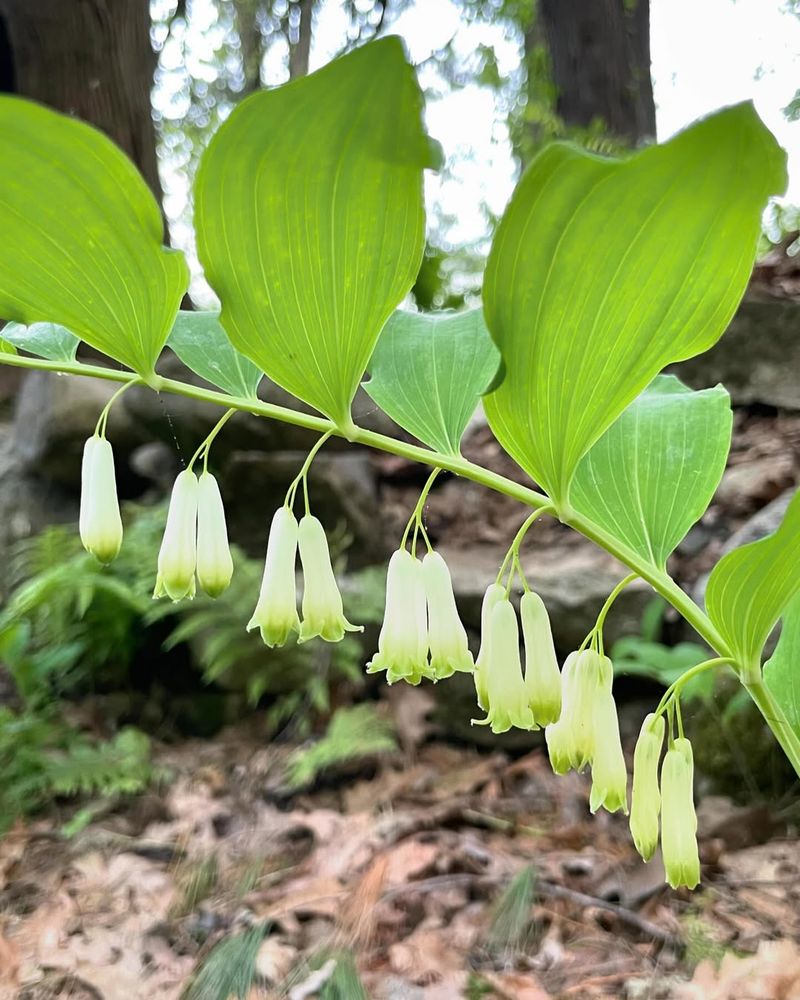
Arching like a green fountain, Solomon’s Seal is a plant that makes shady gardens feel magical. Its long stems hold pairs of smooth, oval leaves.
Tiny white bell-shaped flowers hang underneath, like little lanterns lighting a hidden forest path. These flowers bloom in late spring and early summer.
They are soft and delicate, attracting bees and other pollinators to the shady garden. Solomon’s Seal is native to North Carolina.
It grows best in moist, well-drained soil under trees. It does well in deep shade, where many other flowers cannot bloom. Over time, it spreads slowly. It fills bare spots naturally without crowding other plants.
Its graceful form and gentle arch make the garden feel calm and peaceful. In fall, the leaves turn a warm golden yellow.
This gives a second season of color and interest. Planting Solomon’s Seal with ferns, hostas, or foamflowers adds layers and texture.
The combination looks natural, like a woodland floor. A two-inch layer of mulch keeps the soil cool and moist.
This helps the plant survive hot summers. Solomon’s Seal is easy to care for. It does not need much attention once it is established. Occasional thinning keeps it looking tidy.
Clusters or drifts of Solomon’s Seal look best. The arching stems create movement and interest.
The hanging flowers reward anyone who bends down to look closely. With its gentle blooms, graceful leaves, and autumn color, Solomon’s Seal turns any shady spot into a quiet, enchanting corner. It is a true woodland treasure for North Carolina gardens.