Native North Carolina Shrubs That Outperform Arborvitae As Privacy Screens In Tough Spots
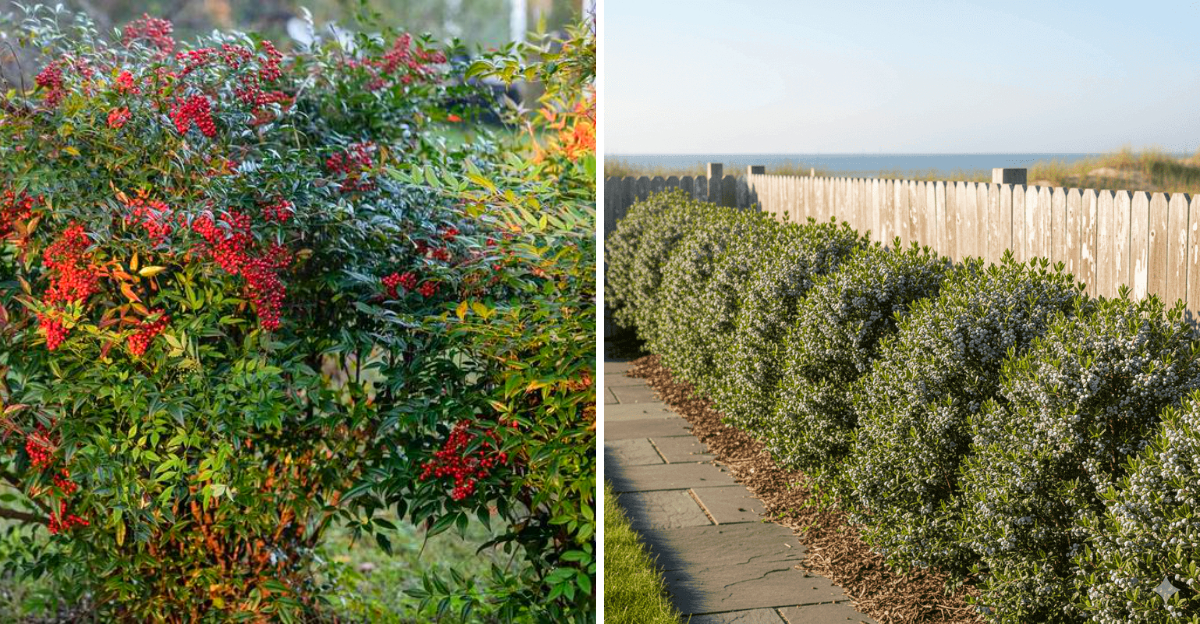
Arborvitae is basically the default privacy shrub of North Carolina, and look, that reputation is not entirely undeserved. It grows tall, stays green year-round, and gives any yard that clean, polished look homeowners love.
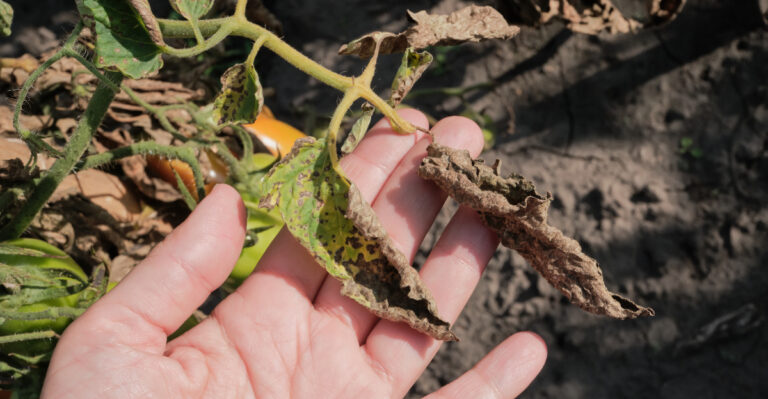
But here is where things get interesting. Stick arborvitae in a dry shaded spot under a big oak, a soggy corner near the fence, or a windy exposed area, and that tidy reputation can start falling apart pretty fast.
Thinning, uneven growth, and a generally unhappy looking shrub are not exactly the privacy screen anyone had in mind.
The good news is that certain North Carolina native shrubs are genuinely built for those rougher spots where arborvitae tends to struggle.
Same privacy goal, just a much better plant for the job.
1. Yaupon Holly Makes Tough Screening Easier
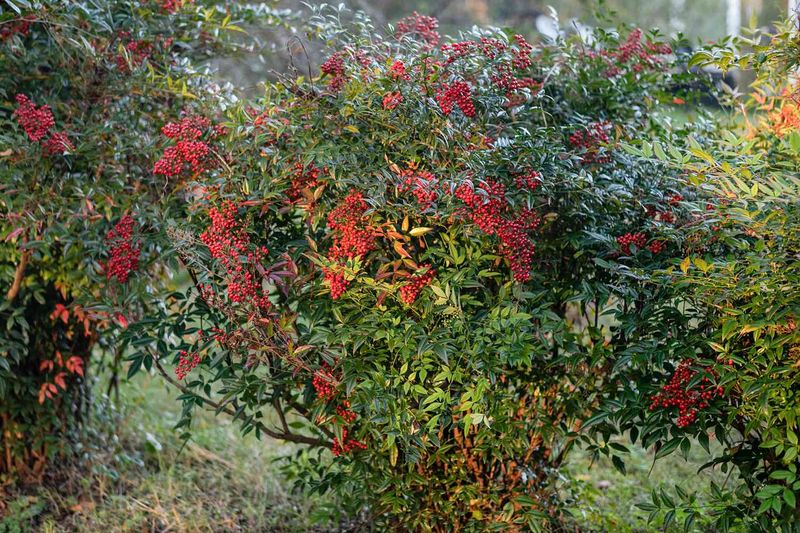
Thin, patchy privacy screens are one of the most common complaints from North Carolina homeowners who planted arborvitae in the wrong spot. Yaupon holly is a native evergreen shrub that tends to stay dense and full even when conditions get rough.
It handles dry soil, poor drainage, salt spray, and reflected heat from pavement, making it one of the most flexible native screening options available in North Carolina landscapes.
Yaupon holly can grow anywhere from six to fifteen feet tall depending on the variety, and it responds well to pruning if you need to keep it at a specific height.
Its small, glossy leaves stay green through winter, which means it holds its screening value even during the coldest months.
Female plants also produce bright red berries that add seasonal color along the property line or fence edge.
One thing worth knowing is that yaupon holly tolerates both dry shade and full sun, which gives it a real advantage in North Carolina yards where light conditions shift throughout the day.
It can work along a hot, west-facing fence or under the partial canopy of a larger tree where arborvitae would likely thin out over time.
Deer tend to browse it less heavily than many other shrubs, though browsing pressure can vary by location. For side yards, back borders, or any spot that gets inconsistent moisture and light, yaupon holly is worth a serious look as a native screening shrub.
2. Wax Myrtle Stays Strong In Rough Spots
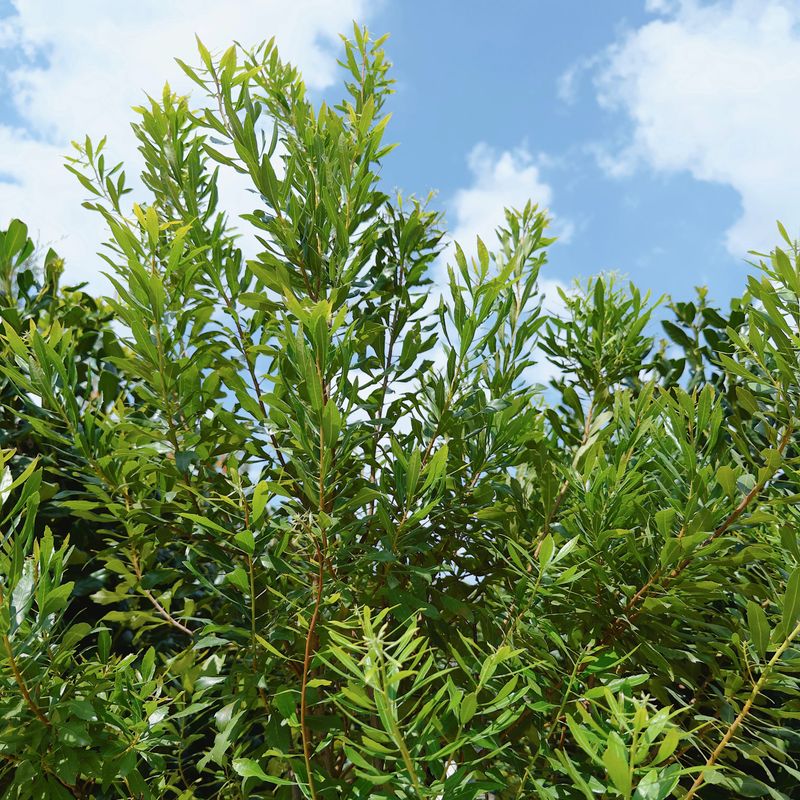
Few native shrubs grow as fast and fill in as reliably as wax myrtle when it finds a spot it likes. In areas where arborvitae slows down, thins out, or looks patchy due to salt air, wet feet, or exposed coastal conditions, wax myrtle often keeps right on growing.
It is native to the coastal plain and piedmont regions of North Carolina, and that native toughness shows up clearly in difficult landscape situations.
Wax myrtle is semi-evergreen to evergreen depending on how cold the winter gets, and it can reach ten to twenty feet in height without much fuss.
The aromatic leaves give it a pleasant quality that many homeowners appreciate near outdoor seating areas or along a back patio.
Your North Carolina Garden Changes Every Week. Your Plan Should Too.
Gardening in North Carolina changes quickly throughout the season. Every Friday you’ll receive a simple weekly plan showing exactly what to plant, prune, fertilize, harvest, and protect so you never miss the right timing.
It grows quickly enough that a young planting can become a functional privacy screen within a few seasons, which matters when you need results without waiting years.
In North Carolina, wax myrtle performs especially well in moist to wet soils, making it a strong candidate for low spots near drainage areas, rain gardens, or soggy fence lines where other shrubs tend to struggle.
It also handles full sun and some drought once established, though consistent moisture tends to bring out its best growth.
Pruning can keep it shaped and at a manageable size if the space is limited. For coastal North Carolina properties dealing with salt exposure and sandy soil, wax myrtle may be one of the most practical native screening choices available.
3. Bayberry Works Where Other Screens Struggle
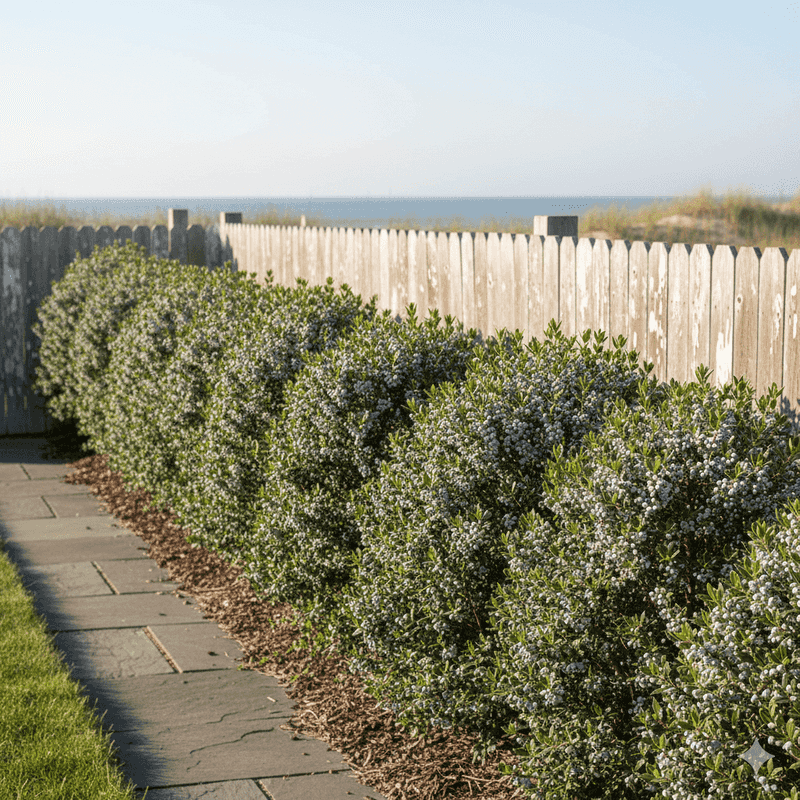
Exposed corners, windy slopes, and coastal edges can be brutal on arborvitae. The foliage browns, the growth slows, and what started as a tidy privacy screen can start to look ragged within a few seasons.
Bayberry is a native shrub that handles those exposed, wind-battered conditions with noticeably more resilience, and it brings a rugged, natural look that fits well in North Carolina coastal and piedmont landscapes.
Bayberry grows as a dense, multi-stemmed shrub that can reach six to ten feet tall in good conditions, and its gray-green foliage holds on through much of the winter in milder parts of North Carolina.
The small, waxy berries that appear on female plants are a classic feature, and they attract birds through the fall and winter months.
That combination of screening value and wildlife interest makes bayberry a practical and ecologically useful choice along property lines or back borders.
What makes bayberry stand out in tough-spot screening is its tolerance for poor, sandy, or low-nutrient soils. It actually fixes nitrogen through root associations, which means it can establish in spots where the soil is not particularly fertile.
Salt tolerance is another strong point, making it well suited for coastal properties where salt spray and sandy conditions challenge most other shrubs.
Bayberry may not grow quite as fast as wax myrtle, but its durability in exposed and difficult conditions makes it a strong contender when the site is genuinely rough.
4. Inkberry Keeps Privacy Green In Damp Soil
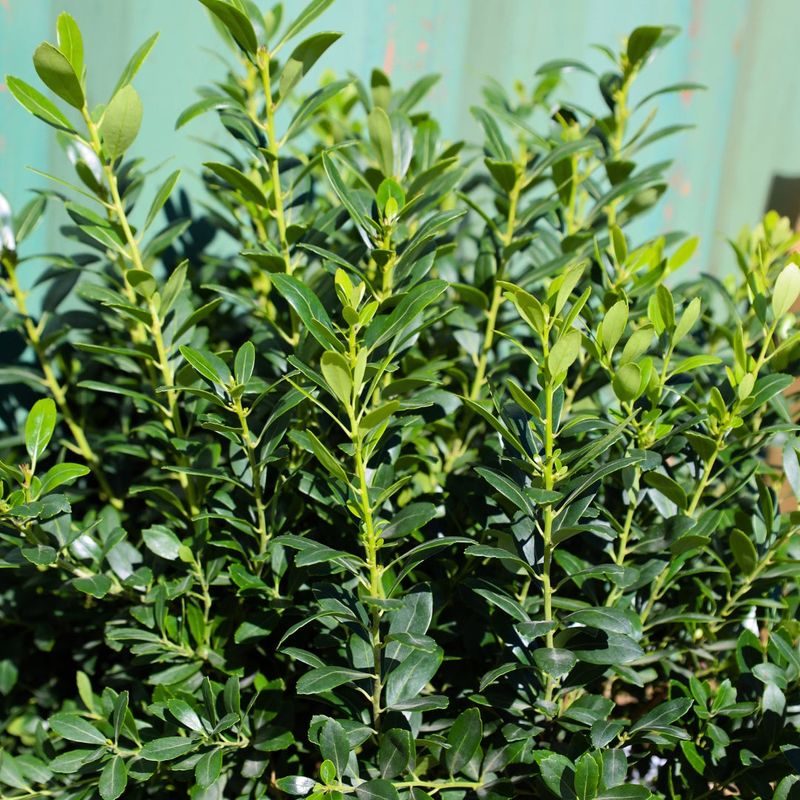
Soggy low spots and poorly drained fence lines are some of the hardest areas to screen in a North Carolina yard. Arborvitae planted in wet soil often develops root problems, loses lower foliage, and ends up looking thin and uneven right where privacy matters most.
Inkberry holly is a native evergreen shrub that actually thrives in those wet, poorly drained conditions, which makes it a genuinely useful option for the spots that cause the most frustration.
Inkberry is a native holly that stays green through winter and can grow four to eight feet tall, depending on the variety and growing conditions.
Compact cultivars are available for tighter spaces, which gives homeowners more flexibility when working along a narrow side yard or near a fence line.
The glossy, dark green foliage stays dense enough to provide reasonable year-round screening, and the small black berries that develop in late summer attract birds through the fall and winter.
Beyond wet soil tolerance, inkberry also handles part shade reasonably well, which is a real advantage in yards where tree canopy creates low-light conditions near the property line.
It is not as shade-tolerant as some woodland shrubs, but it holds up better in partial shade than arborvitae tends to in similar conditions.
Inkberry spreads slowly through root suckers over time, which can help fill in a screening row, though gardeners should keep that spreading habit in mind when planning spacing.
For damp, shaded borders in North Carolina, inkberry is a dependable native screening shrub.
5. Carolina Allspice Softens A Tough Site Beautifully
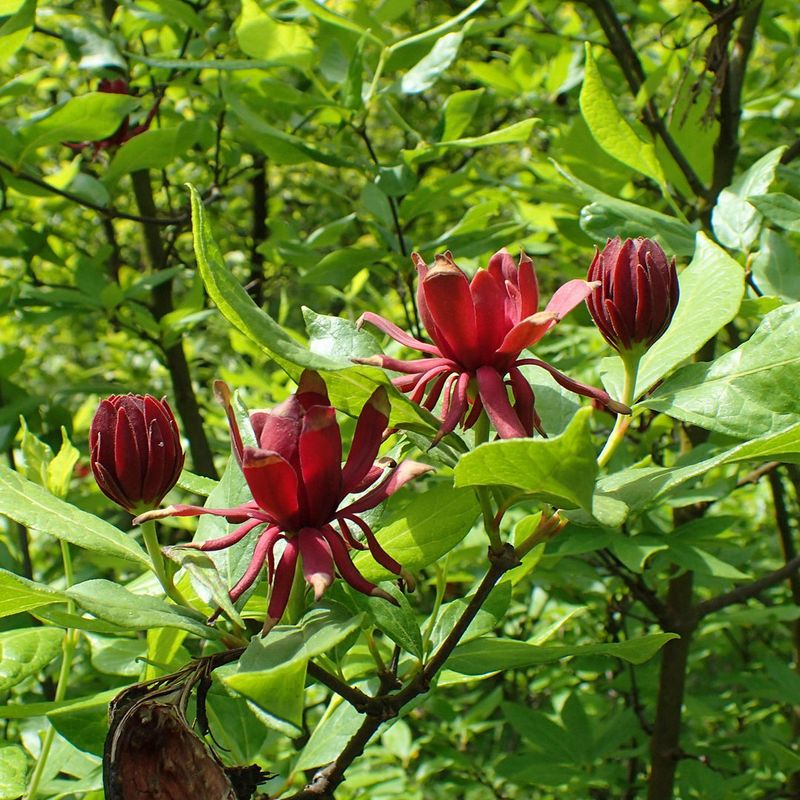
Not every tough screening spot needs a wall of dark green needles. Sometimes the right answer is a native shrub that brings beauty, fragrance, and layered texture to a difficult area while still providing meaningful coverage.
Carolina allspice, also known as sweetshrub, does exactly that in North Carolina landscapes, and it works in conditions where arborvitae would likely thin and struggle over time.
Carolina allspice is a deciduous native shrub that grows naturally in the moist, shaded woodland edges found throughout North Carolina.
It typically reaches six to nine feet tall and spreads gradually over time, forming a broad, layered mass that softens property lines, fence edges, and shaded back borders.
The deep burgundy-red flowers that appear in spring carry a spicy-sweet fragrance that many gardeners find genuinely surprising the first time they encounter it.
Because it is deciduous, Carolina allspice does not offer year-round evergreen screening the way yaupon holly or inkberry does.
What it offers instead is dense seasonal coverage, four-season interest through flowers, foliage, and texture, and a natural layered look that fits beautifully into informal landscapes.
It handles moist to moderately dry shade better than many screening shrubs, making it a useful option under tree canopy or along a shaded north-facing fence line. Deer tend to leave it alone in many areas, though browsing pressure varies.
For gardeners who want privacy with personality rather than a uniform green wall, Carolina allspice brings something genuinely different to a tough North Carolina site.
6. Arrowwood Viburnum Handles The Ups And Downs
Uneven terrain, shifting light conditions, and soil that swings between dry and damp can make building a reliable privacy screen in North Carolina genuinely challenging.
Arborvitae planted across those variable conditions often ends up looking inconsistent, with some plants doing well and others lagging behind.
Arrowwood viburnum is a native shrub that tends to roll with those ups and downs more gracefully, adapting to a wider range of site conditions without losing its screening value.
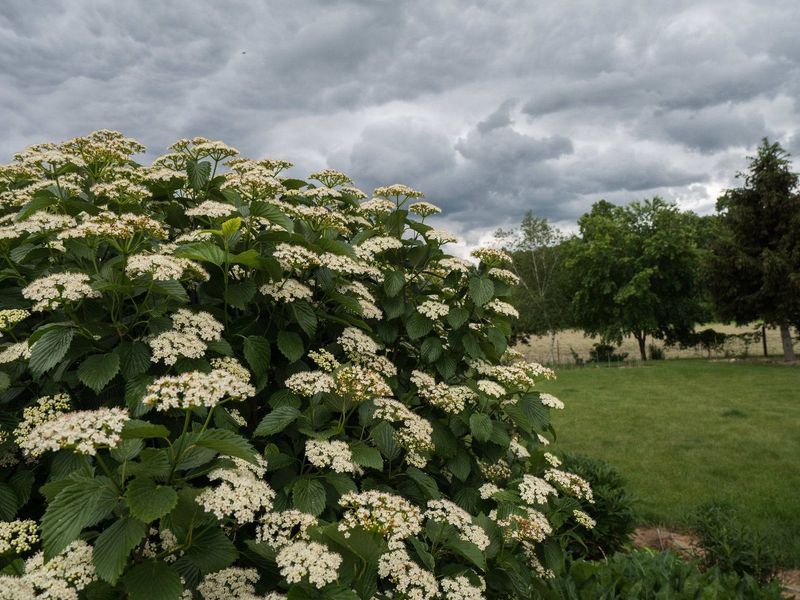
Arrowwood viburnum is a deciduous native shrub that grows six to ten feet tall and spreads into a rounded, multi-stemmed form.
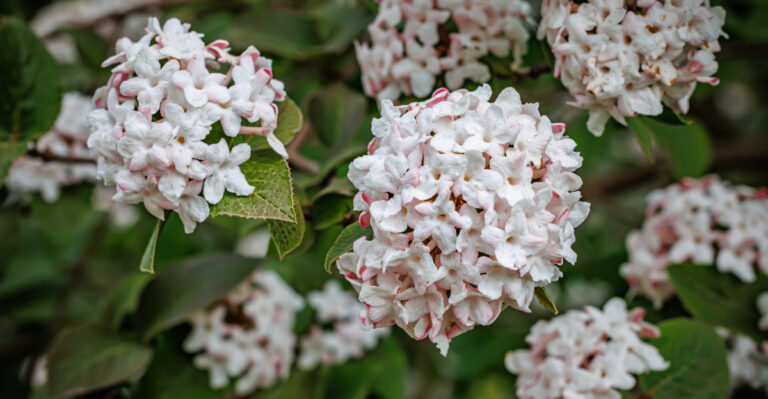
In spring it produces flat-topped clusters of white flowers that attract pollinators, and by late summer it develops clusters of blue-black berries that birds find irresistible.
Fall foliage can shift to shades of red, orange, and purple depending on the season and site, adding genuine color to the property line or back border.
What makes arrowwood viburnum especially useful for tough-spot screening in North Carolina is its adaptability. It tolerates part shade to full sun, moist to moderately dry soils, and even occasional wet periods that would stress less flexible shrubs.
It also handles wind exposure better than arborvitae in many situations, which is helpful along open back borders or exposed corner plantings.
Because it is deciduous, the screening is strongest during the growing season, but the dense branching structure still provides some visual buffer in winter.
For homeowners dealing with variable conditions across a property line, arrowwood viburnum is a reliable and ecologically rewarding native choice.