The One Thing You Must Do About Squash Bugs In July Or They Will Destroy Your Fall Harvest
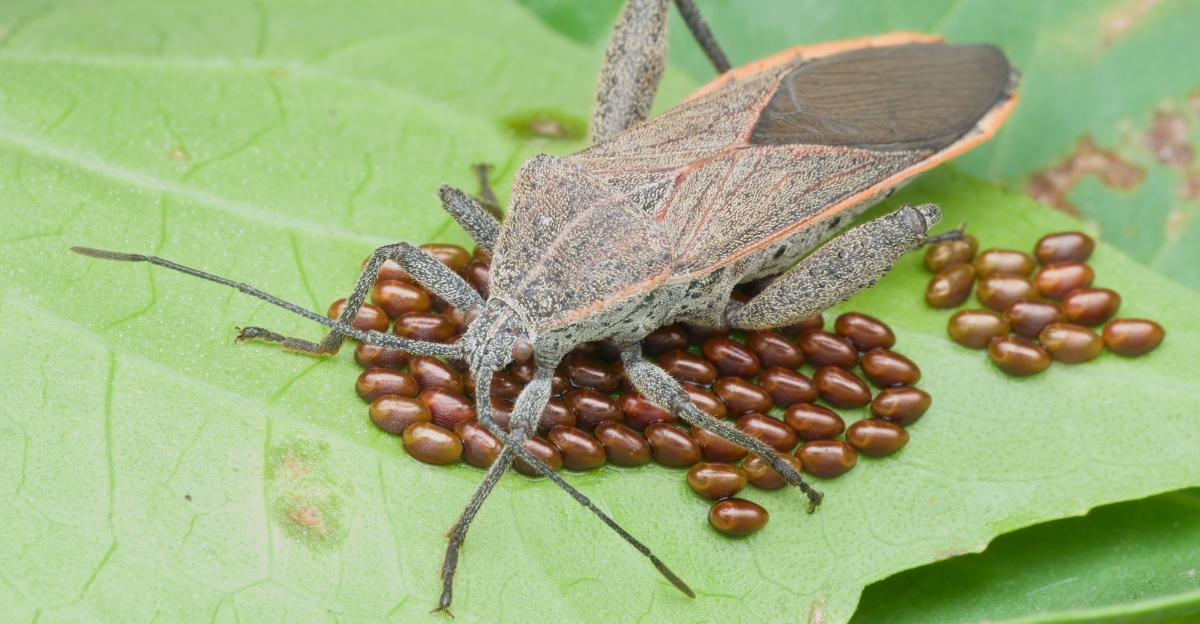
Checking the undersides of squash leaves for eggs is the one task North Carolina gardeners cannot skip in July if they want a strong fall harvest.
Squash bugs lay small clusters of bronze colored eggs that hatch quickly into nymphs capable of causing serious damage within days.
Left unchecked, these pests suck sap from leaves and stems, eventually causing vines to wilt and collapse entirely. Removing eggs by hand before they hatch is one of the most effective ways to stop an infestation early.
Placing boards near plants overnight can also help trap adult bugs, since they tend to hide underneath by morning. Rotating squash to a different bed each year reduces the chance of pests overwintering nearby.
Catching this problem in July, before populations explode, makes all the difference for what’s left of the season. A few minutes of checking now can save an entire harvest later.
1. Inspect Every Leaf Before The Eggs Hatch
Most gardeners wait until they see wilting before they start checking their plants, and by then squash bugs have already gained serious ground.
In July, your best move is getting ahead of the problem by inspecting your squash and pumpkin plants every two to three days without fail. Consistency here is everything.
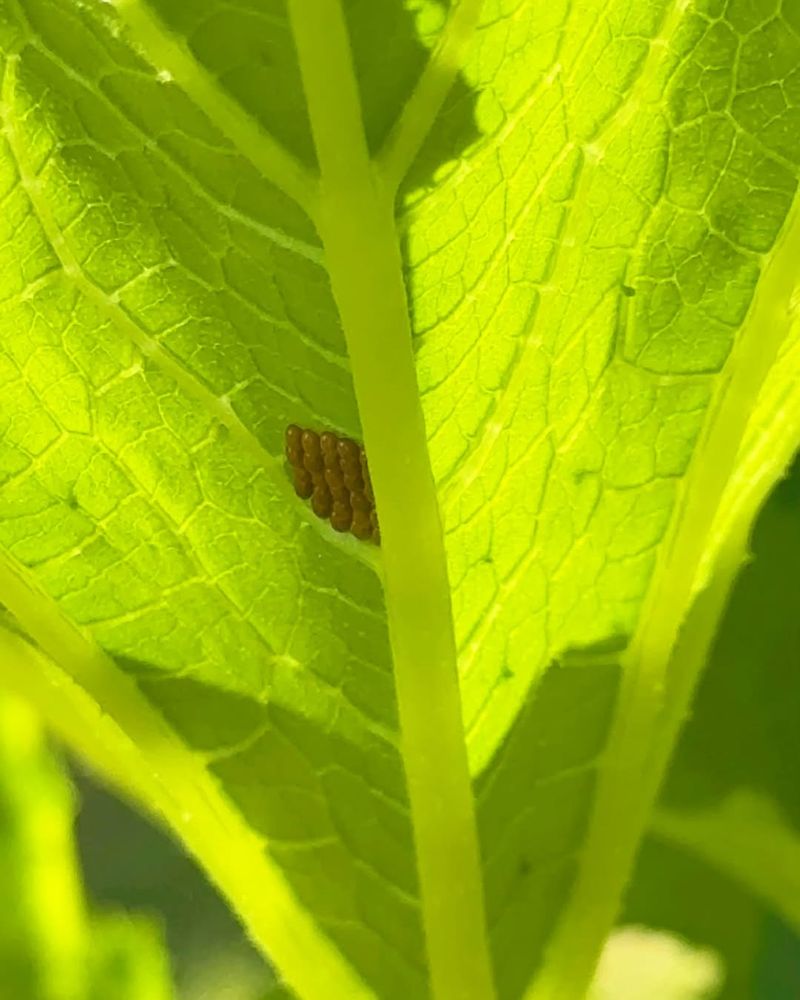
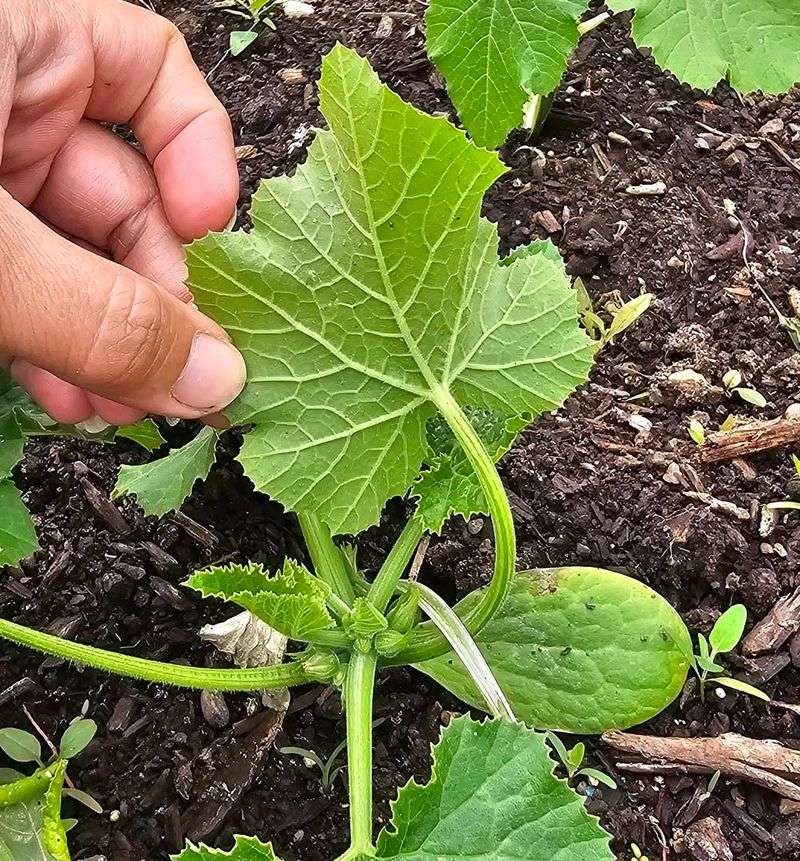
Pay close attention to the undersides of leaves, because that is exactly where squash bugs prefer to lay their eggs. The top of a leaf can look perfectly healthy while a cluster of eggs sits quietly on the other side, ready to hatch within a week or two.
Running your fingers gently along the leaf surface helps you feel bumps you might otherwise miss with a quick glance.
Squash bugs do not lay all their eggs at once, which means a single inspection sweep will never be enough. They spread egg laying over a long period through the summer, so new clusters keep appearing even after you have already removed some.
Building a regular inspection habit into your morning garden routine is the only way to stay ahead of fresh batches.
Early detection makes every other step on this list more effective. When you spot eggs or newly emerged nymphs before they scatter across the plant, removal becomes much simpler and more manageable.
Catching problems at the earliest stage reduces the overall pressure on your vines and gives your fall harvest a much stronger start heading into late summer.
2. Look For Bronze Eggs Beside Leaf Veins
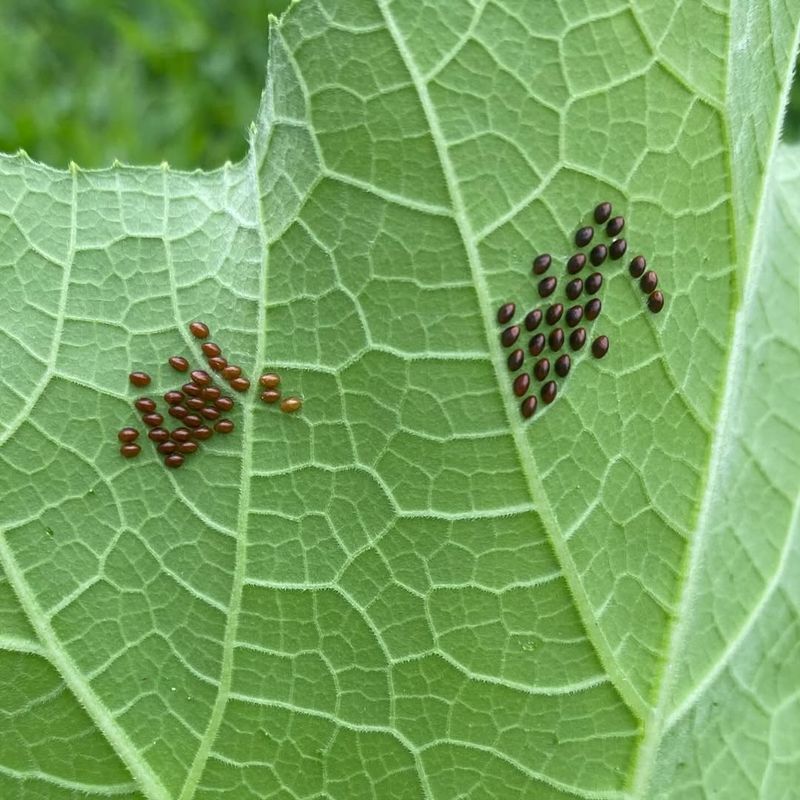
Squash bug eggs have a very specific look that sets them apart from other insects once you know what to search for.
They are small, shiny, and copper or bronze colored, typically arranged in neat clusters of around 20 to 40 eggs at a time. The color is one of the most reliable identification clues you have.
These clusters almost always appear in the angles formed where leaf veins branch off from each other, usually on the underside of the leaf. That location is not random.
Squash bugs choose those spots deliberately because the veins offer a stable surface and some protection. When you run your inspection, focus your eyes right where veins meet and branch.
Your North Carolina Garden Changes Every Week. Your Plan Should Too.
Gardening in North Carolina changes quickly throughout the season. Every Friday you’ll receive a simple weekly plan showing exactly what to plant, prune, fertilize, harvest, and protect so you never miss the right timing.
Here is something that trips up a lot of gardeners: egg laying often begins before you notice any visible damage to the plant. A leaf that looks completely fine on top could already be hosting a cluster underneath.
Never skip a leaf just because it looks healthy from a distance. Not every egg cluster you find belongs to a squash bug, so take a moment before removing anything.
Beneficial insects like parasitic wasps also lay eggs on squash plants, and their eggs tend to look different in shape, color, and arrangement.
Squash bug eggs have that distinctive bronze shine and uniform oval shape in tight rows, while beneficial insect eggs often appear rounder, lighter, or scattered more loosely. Learning the difference protects your garden allies while targeting the real problem.
3. Remove Egg Masses Immediately
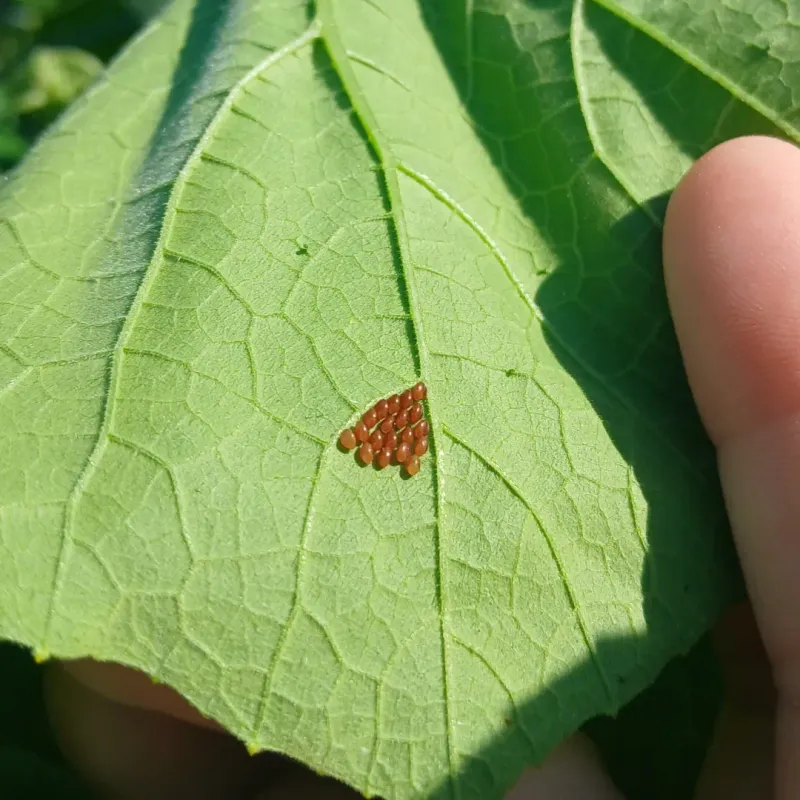
Finding an egg cluster feels like a small victory, but the work is not done until those eggs are completely off the plant and unable to hatch. Speed matters here.
The longer you wait between spotting a cluster and removing it, the greater the chance that some eggs hatch and nymphs scatter before you get back to them.
One of the easiest removal methods is pressing a piece of strong tape firmly against the egg cluster and peeling it away from the leaf surface. The eggs stick to the tape cleanly without requiring you to scrape or damage the leaf.
Another option is carefully cutting away the small section of leaf holding the cluster, though you want to remove as little healthy leaf tissue as possible to protect the plant.
Where you put the removed eggs matters just as much as how you remove them. Dropping them on the ground beside the plant does nothing because they can still hatch right there in the soil.
Instead, seal the tape or leaf piece inside a small bag, or drop the eggs into a container of soapy water, which stops them from developing further. Both methods are simple, inexpensive, and effective for home garden use.
Before moving to the next plant, wash your hands and wipe down any tools you used during removal. This small habit keeps you from accidentally transferring eggs or nymphs to a plant that is currently unaffected.
Keeping each plant as isolated as possible during your inspection routine helps slow the spread across your entire garden.
4. Target Newly Emerged Nymphs Quickly
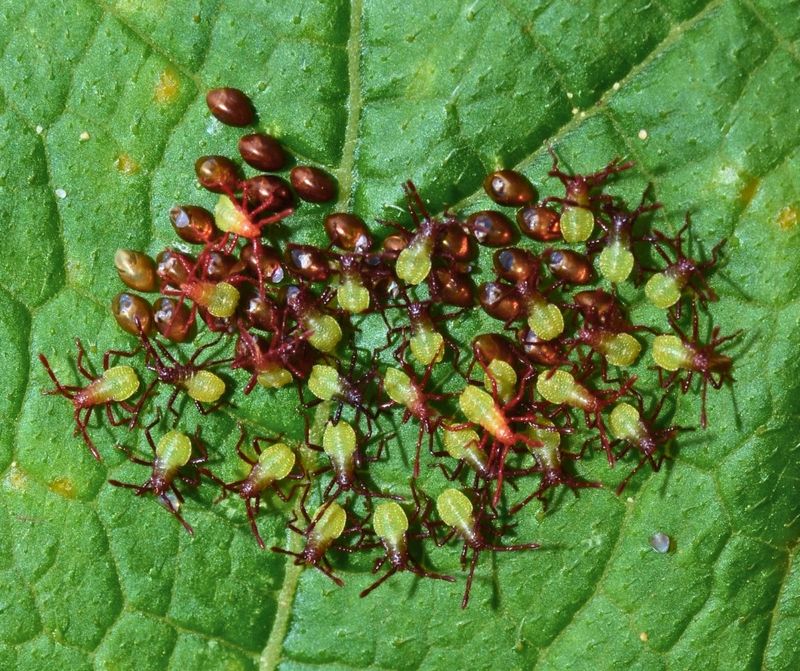
There is a narrow window right after squash bug eggs hatch when nymphs are at their most vulnerable, and experienced gardeners know to take full advantage of it.
Newly emerged nymphs tend to cluster tightly together near the empty egg shells before they start spreading out across the plant. That clustering behavior is actually your biggest opportunity.
Young nymphs are small, often pale greenish or almost white, and they gradually shift to a gray color with darker legs and heads as they grow. At the earliest stage, they have not yet built up the tough exterior that makes adult squash bugs so difficult to manage.
Acting during this window gives you a meaningful advantage that disappears quickly as they mature.
Brushing or gently tapping a cluster of nymphs into a container of soapy water is one of the most straightforward hands-on methods for small garden situations. The soapy water works by breaking the surface tension they would normally use to escape.
A wide-mouthed container held directly under the cluster makes the process quicker and more reliable than chasing individual nymphs across a vine.
Management products registered for squash bugs tend to perform noticeably better against young nymphs than against fully grown adults.
If you choose to use any product, always confirm it is labeled for use on the specific crop you are treating and follow every direction on the label exactly.
Applying products during early morning or evening hours reduces the chance of affecting pollinators that visit squash flowers during the day.
5. Search The Crown And Lower Vines For Adults
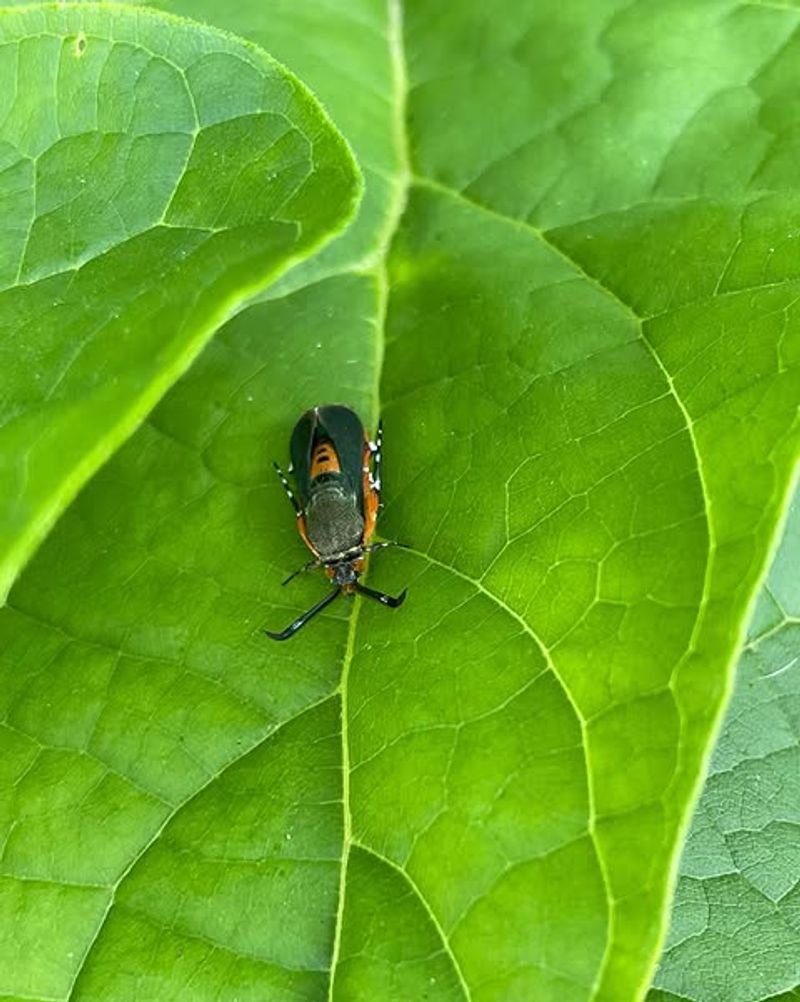
Adult squash bugs are sneaky. When temperatures climb in July, they retreat into shaded, sheltered spots during the hottest parts of the day, making them easy to miss if you only scan the tops of your plants.
Knowing where they prefer to hide puts you one step ahead every time you head out to the garden.
Focus your adult squash bug search on the base of the plant, around the crown where vines meet the soil, beneath lower leaves that press close to the ground, and along the edges of mulch near the plant base.
Adults are flat, brown insects measuring roughly five eighths of an inch long, and they move fast when exposed to light.
Checking these spots in the early morning gives you the best chance of finding them before they scatter.
One surprisingly effective method is placing a small flat board or piece of cardboard beside your squash plants the evening before your inspection. Adult squash bugs are drawn to dark, sheltered spaces and will often gather under that board overnight.
Flip it over first thing in the morning and you can collect a significant number at once rather than hunting them individually across the plant.
Remove whatever you collect right away by dropping them into soapy water. Do not set the board down and plan to come back later, because adults move quickly and will disappear back into the garden within minutes of being disturbed.
Making this board-check part of your regular morning routine through July turns a simple trick into a genuinely useful ongoing strategy.
6. Recognize Feeding Damage Before A Runner Fails
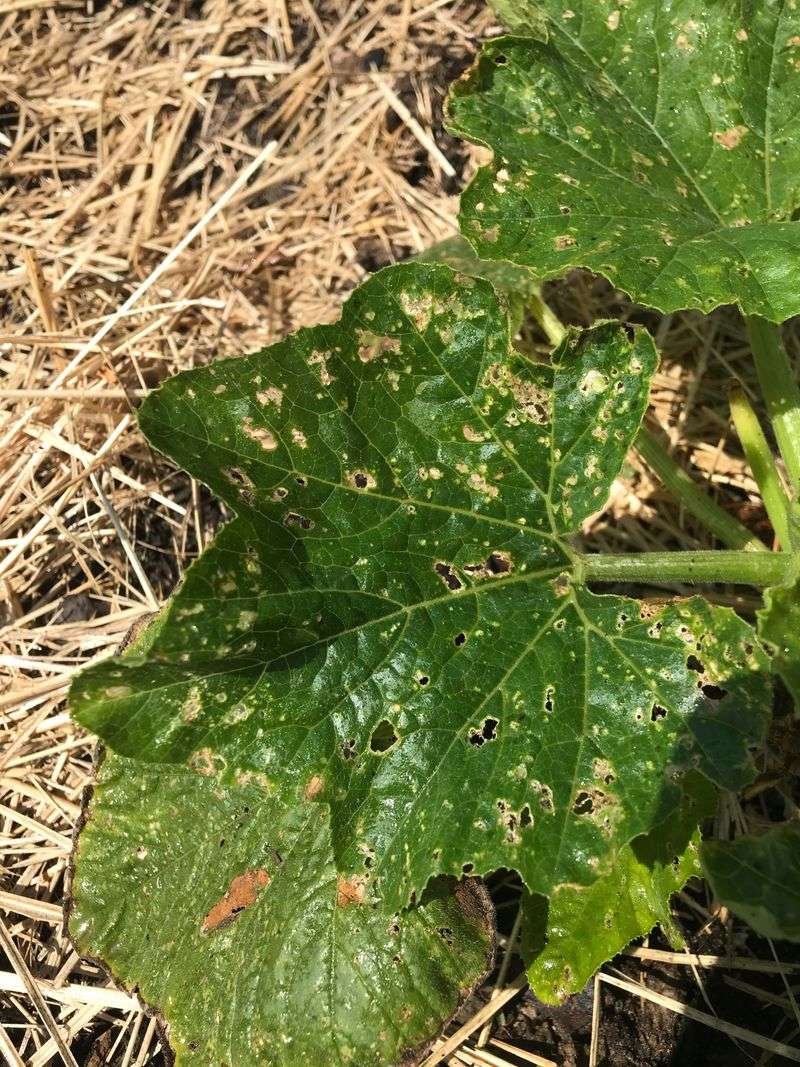
Catching squash bug feeding damage early can mean the difference between losing one runner and losing an entire plant. The first signs are easy to overlook because they start subtle.
Small pale or yellowish patches appear on the leaf surface where bugs have been piercing the tissue and drawing out plant fluids.
As feeding continues, those pale patches turn brown and the affected sections begin to look wilted even when the surrounding soil has plenty of moisture.
An individual runner that suddenly goes limp on a warm morning while nearby vines look fine is a classic signal worth investigating immediately. Squash bugs often feed in groups, concentrating their activity on one section of the plant before moving to another.
Here is where gardeners sometimes make a costly mistake: they assume every wilted squash plant is a squash bug problem and start treating without confirming.
Squash vine borers, bacterial wilt spread by cucumber beetles, root damage, and simple drought stress all cause similar wilting symptoms.
Before acting, check the affected area carefully for the actual presence of adults, nymphs, or egg masses.
Confirming squash bugs are actually present before responding keeps you from wasting time and resources on the wrong problem. Flip leaves, check the crown, and look along the lower vines.
If you find bugs along with the damage, you have your answer. Accurate diagnosis leads to a faster, more targeted response that protects your plants more effectively than guessing ever could.
7. Protect Young Fall Plants During Establishment
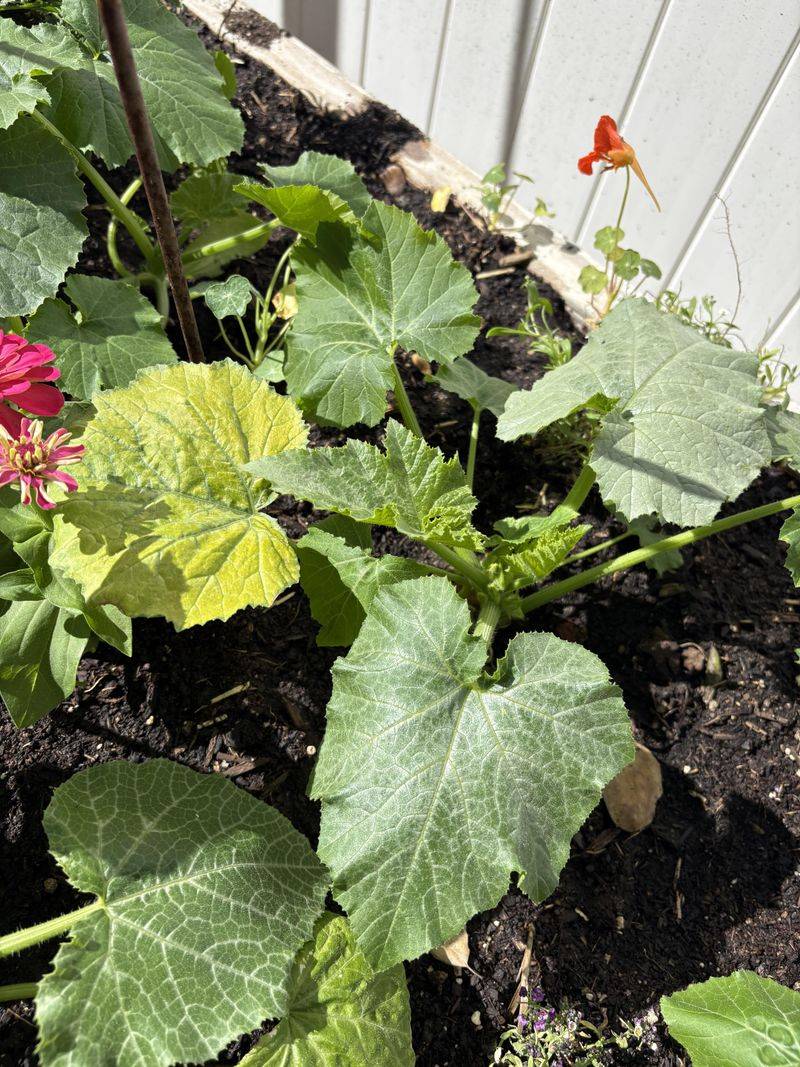
Young squash plants are in a genuinely vulnerable position during their first few weeks in the ground. They have fewer leaves, less stored energy, and less capacity to recover from pest pressure compared to a mature vine that has been growing all season.
When squash bugs find a young plant, concentrated feeding can set back growth quickly and dramatically.
One thing many gardeners overlook is the connection between their existing summer squash and their new fall planting.
If you are starting fall squash near summer plants that have been in the ground since spring, those older vines may already be hosting adults, nymphs, or egg masses in large numbers.
Placing a fresh young transplant nearby essentially offers squash bugs an easy bridge to a new food source. Inspect summer plants thoroughly before positioning any new fall seedlings close to them.
Lightweight insect barrier fabric, often called row cover, can give young fall transplants a meaningful layer of protection during the establishment period. Secure the edges firmly against the soil so bugs cannot crawl underneath from the sides.
The fabric allows sunlight and water through while physically blocking insects from reaching the plant during those critical early weeks.
The one important limitation of row cover is that it also blocks pollinators. Squash plants need bee visits to set fruit, so covers must come off once flowers begin to open.
Plan your cover schedule around the plant’s growth stage rather than leaving it in place indefinitely. Timed correctly, this simple tool gives young fall plants a protected head start when they need it most.
8. Remove Spent Vines And Shelter After Harvest
Harvest time feels like the finish line, but for squash bug management it is actually one of the most important moments of the season.
Adult squash bugs actively seek out sheltered spots as temperatures shift, and a garden full of old vines, fallen leaves, loose boards, and plant debris gives them exactly the protected hiding places they are looking for.
Clearing that material promptly removes the shelter before bugs can settle in for an extended stay.
Pull up spent squash vines as soon as a plant has finished producing and is no longer worth keeping. Fallen leaves, old fruit left on the ground, and any unnecessary debris piled near the garden all contribute to the problem.
Boards, bricks, and other flat objects left near the garden bed are especially attractive to adults seeking cover, so remove or relocate anything that is not actively serving a purpose in the space.
Crop rotation is worth adding to your planning process if your garden layout allows for it.
Moving squash to a different section of the garden each year makes it slightly harder for overwintering populations to find the new planting immediately the following spring.
Some squash varieties also show less susceptibility to squash bug feeding than others, and selecting those options is a reasonable part of long-term garden planning.
Garden cleanup supports your inspection routine, but it does not replace it. Even a tidied garden can still receive squash bugs from neighboring properties or wild areas.
Keep checking leaf undersides for fresh egg masses throughout the growing season, because consistent monitoring remains the single most reliable action you can take to protect your harvest year after year.