Pennsylvania Native Plants That Establish Fast Enough To Suppress Weeds This Season
Weed suppression is one of those garden goals that sounds simple but consistently turns into a season long battle for a lot of Pennsylvania gardeners.
Mulch helps for a while, pulling works until your back gives out, and chemicals are something most people would rather avoid in their own yard.
The most effective long term solution is plants that establish quickly enough to close off the space weeds need to get started.
Pennsylvania native plants are well suited to this because they are already adapted to local soil and rainfall, which means they spend less time adjusting and more time actually growing.
Some of them fill in fast enough to make a visible difference within the same season you plant them, spreading laterally, rooting in deeply, and shading out the ground below before weeds get a real foothold.
If you have open beds, bare patches, or problem areas that need to be covered quickly, these natives get there faster than most people expect.
1. Pennsylvania Sedge
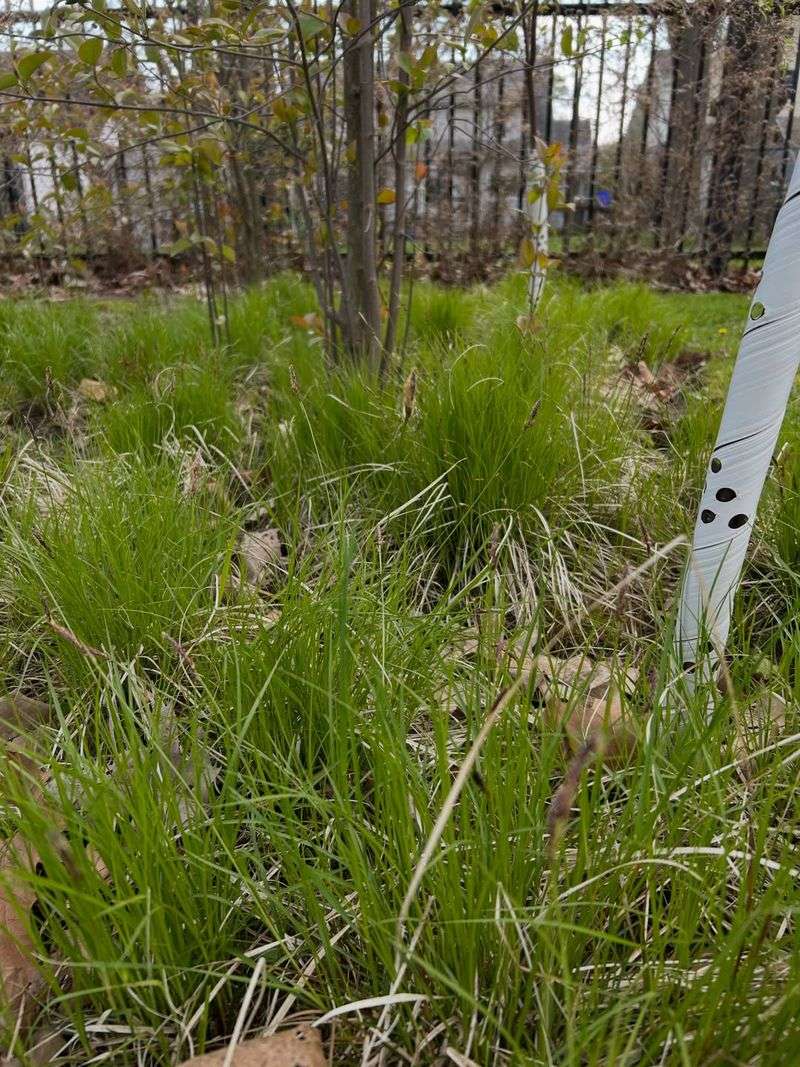
Not every ground cover gets the credit it deserves, and Pennsylvania Sedge is a perfect example of an underrated superstar.
This low-growing, grass-like plant thrives in shaded areas where lawn grass struggles to survive. It forms a soft, arching mat of fine green blades that covers bare soil quickly and efficiently.
Pennsylvania Sedge spreads steadily through underground rhizomes. Once it gets going, it fills in gaps without much help from you.
It works especially well under trees where shade is heavy and soil tends to stay a little dry.
One of its biggest strengths is how tightly it grows. The dense mat of foliage shades the soil surface, which makes it hard for weed seeds to find sunlight and germinate.
Fewer weeds means less work for you throughout the season. Planting is straightforward. Space plants about six to twelve inches apart in early spring or fall.
Water them in well and let them settle. They are slow to start in the very first weeks but pick up speed once roots are established.
Pennsylvania Sedge stays semi-evergreen in mild winters, which means it keeps covering the soil even when temperatures drop. That extended coverage is a bonus for weed control year-round.
It pairs beautifully with native wildflowers like Wild Ginger or Foamflower for a layered woodland look. If you have a shaded spot that keeps growing weeds, this sedge is one of the most reliable fixes available to Pennsylvania gardeners today.
2. Creeping Phlox
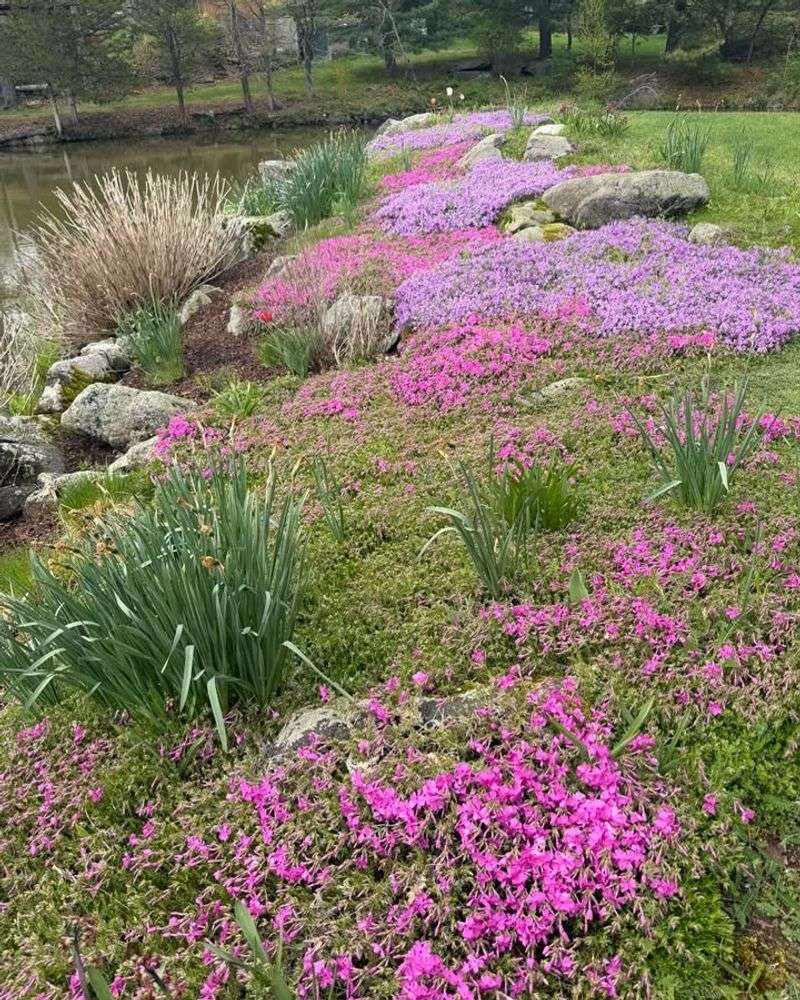
Few plants put on a show quite like Creeping Phlox in spring. It explodes into a carpet of purple, pink, or white flowers that covers slopes and garden edges with stunning color.
But beyond the beauty, this plant is a serious weed fighter that earns its place in any Pennsylvania garden.
Creeping Phlox spreads by sending out low, trailing stems that root where they touch the ground. Over one season, a single plant can spread noticeably, and within two to three seasons, it forms a thick, weed-smothering mat.
Sunny slopes and rocky areas are where it truly shines. The dense foliage stays close to the ground and blocks sunlight from reaching the soil below. Weed seeds need light to sprout, so this natural canopy is a powerful prevention tool.
Your Pennsylvania Garden Changes Every Week. Your Plan Should Too.
Gardening in Pennsylvania changes quickly throughout the season. Every Friday you’ll receive a simple weekly plan showing exactly what to plant, prune, fertilize, harvest, and protect so you never miss the right timing.
You will notice a real difference in weed pressure once Creeping Phlox fills in. It handles dry conditions well after establishment, which makes it perfect for slopes that dry out quickly after rain. Plant it in full sun to light shade in well-drained soil.
Water regularly during the first season to help roots develop, then step back and let it do its thing.
Fun fact: Creeping Phlox is a favorite of early spring pollinators, especially bees just waking up from winter. So while it is blocking weeds, it is also feeding your local ecosystem.
That is a hard combination to beat for any gardener looking for function and beauty in one plant.
3. Wild Ginger
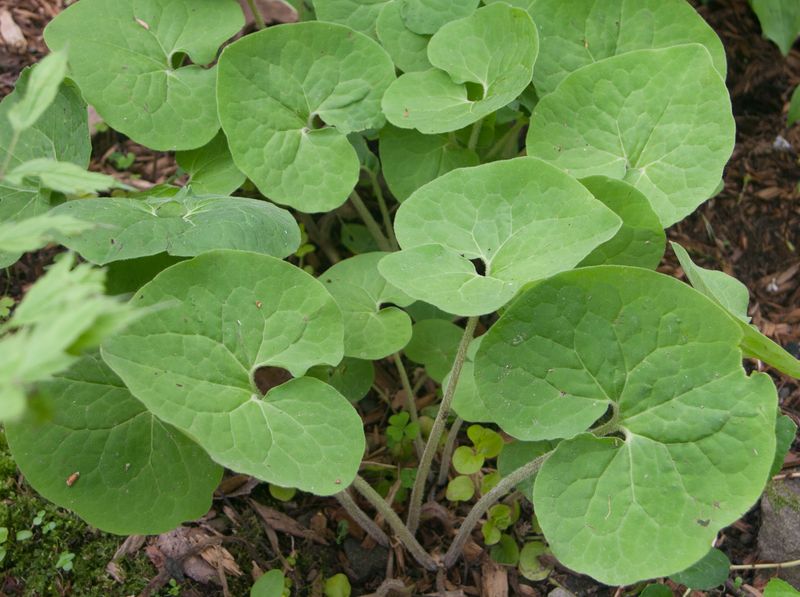
Walk through any Pennsylvania woodland in late spring and you might spot Wild Ginger hugging the forest floor with its bold, heart-shaped leaves.
It is one of those plants that looks like it belongs exactly where it is growing, because it does. Native to eastern woodlands, Wild Ginger has been covering shaded soil for centuries.
The leaves are wide, dark green, and grow in overlapping clusters. That broad leafy canopy is what makes Wild Ginger such a strong weed suppressor.
It shades the soil so thoroughly that weed seeds simply cannot get the light they need to sprout and grow.
Wild Ginger spreads slowly but surely through underground rhizomes. It is not the fastest spreader on this list, but what it lacks in speed it makes up for in reliability.
Once established, it forms a lush, even carpet that holds its own against most common weeds.
Plant it in moist, rich, well-drained soil in partial to full shade. It does not like dry, sunny spots, so keep it in the shadier parts of your yard. Pair it with ferns or Foamflower for a layered woodland bed that looks naturally beautiful.
Here is a quirky detail many people do not know: Wild Ginger produces small, hidden flowers near the base of the plant in early spring. They are pollinated by ground-level insects like beetles and ants.
The plant has its own underground world happening right beneath that gorgeous canopy of leaves all season long.
4. Foamflower
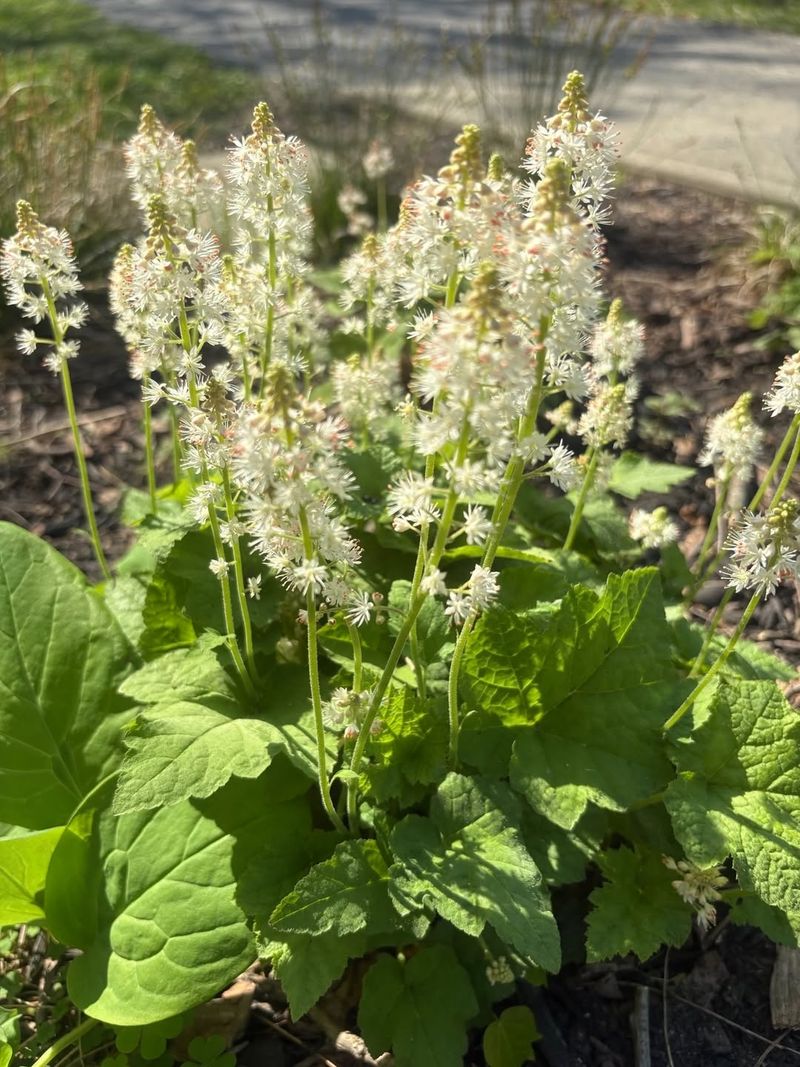
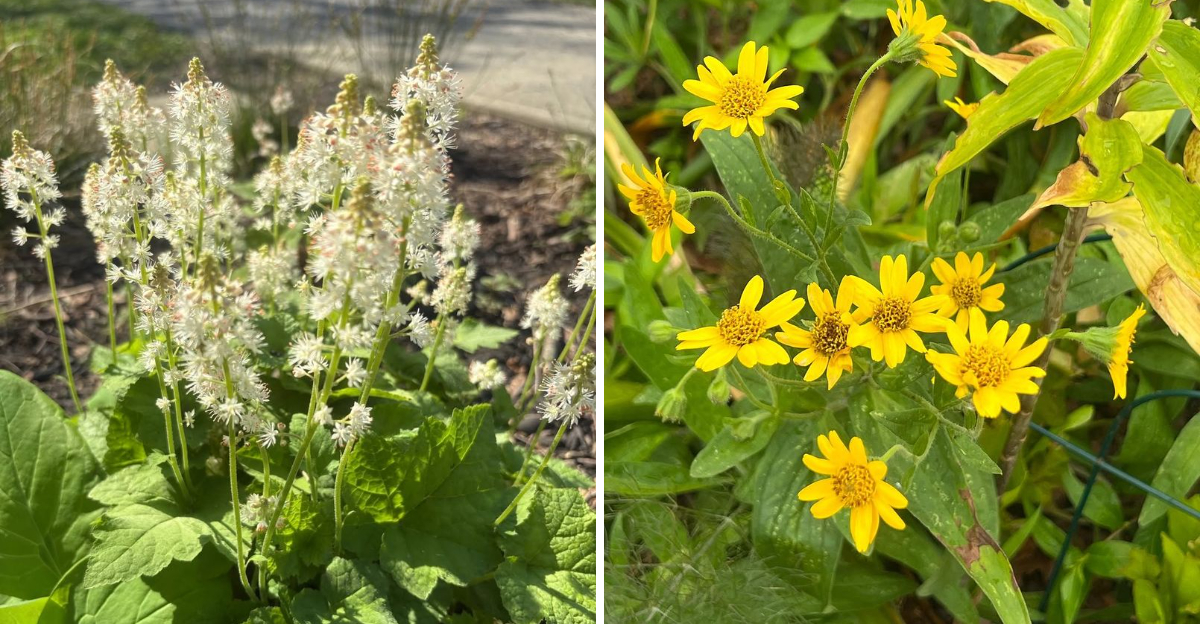
Foamflower has a name that perfectly matches its personality. In spring, it sends up airy, foam-like spikes of white or pale pink flowers that float above a low mat of deeply lobed leaves.
It is charming, delicate-looking, and surprisingly tough once it settles into the right spot. Native to Pennsylvania woodlands, Foamflower spreads through stolons, which are above-ground runners similar to strawberry plants.
New plants root at intervals along these runners, gradually filling in open spaces in shaded garden beds. The spread is gentle but consistent over a single growing season.
The foliage is one of its best features for weed control. Leaves are broad and dense enough to shade the soil surface effectively.
Because it grows low and spreads outward, it fills in gaps quickly and leaves very little open ground for weeds to take hold.
Foamflower does best in moist, humus-rich soil with partial to full shade. It is a natural fit under deciduous trees or along the north side of a building.
Avoid planting it in full sun or dry soil, as it will struggle to establish and spread the way you want.
One thing that makes Foamflower stand out is how long it stays attractive. Even after the flowers fade, the patterned foliage remains interesting through fall and sometimes into early winter.
Many varieties have burgundy or bronze markings on the leaves that add color to a shaded bed. For a woodland garden that looks good from spring through late fall, Foamflower is a top-tier choice.
5. Little Bluestem
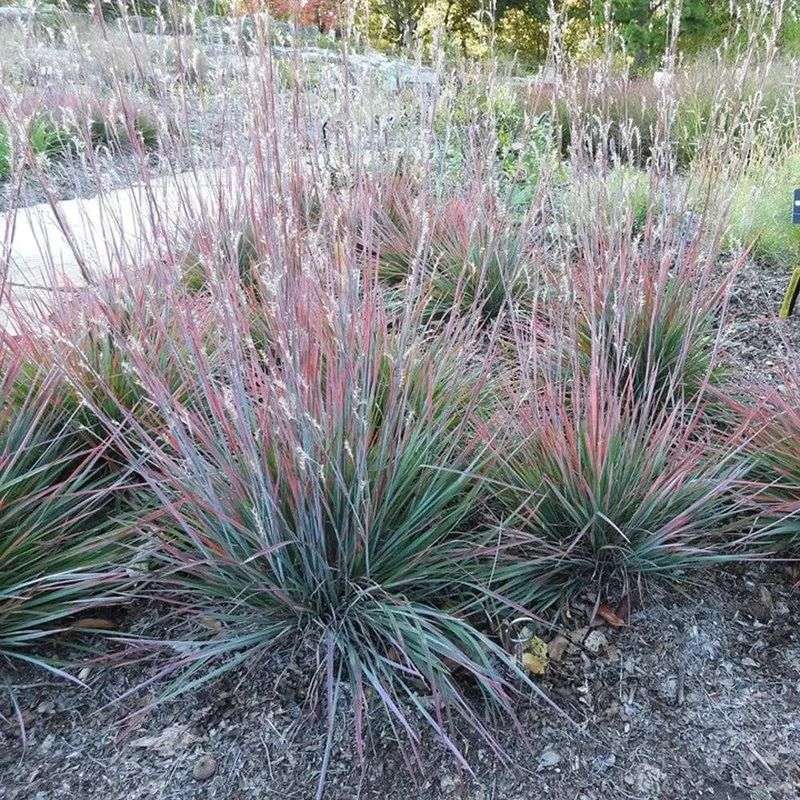
If you have a sunny, dry area that weeds keep taking over, Little Bluestem might be exactly what you need. This native grass is tough, beautiful, and surprisingly competitive against weeds.
It grows in tight clumps with upright blue-green blades that turn a stunning copper-red in fall, making it one of the most ornamental native grasses in Pennsylvania.
Little Bluestem develops deep, fibrous roots that reach far down into the soil. Those roots help it survive drought and also make it difficult for shallow-rooted weeds to compete for moisture and nutrients.
The dense clumping growth habit leaves little open space at the soil surface where weeds can sneak in.
Spacing plants about twelve to eighteen inches apart creates a mass planting that fills in over one to two seasons. As the clumps mature and expand, the coverage becomes thick enough to shade out most annual weeds effectively.
You will still see some weeds early on, but they decrease noticeably each year. Plant Little Bluestem in full sun and well-drained soil. It actually performs better in poor or average soil than in rich, heavily amended ground.
Too much fertility can cause the stems to flop over. This is one plant that rewards you for not over-fertilizing.
Beyond weed control, Little Bluestem supports wildlife in a big way. Birds feed on the seeds through winter, and the stems provide shelter for beneficial insects. It is a plant that works hard for your garden and your local ecosystem at the same time.
6. Goldenrod
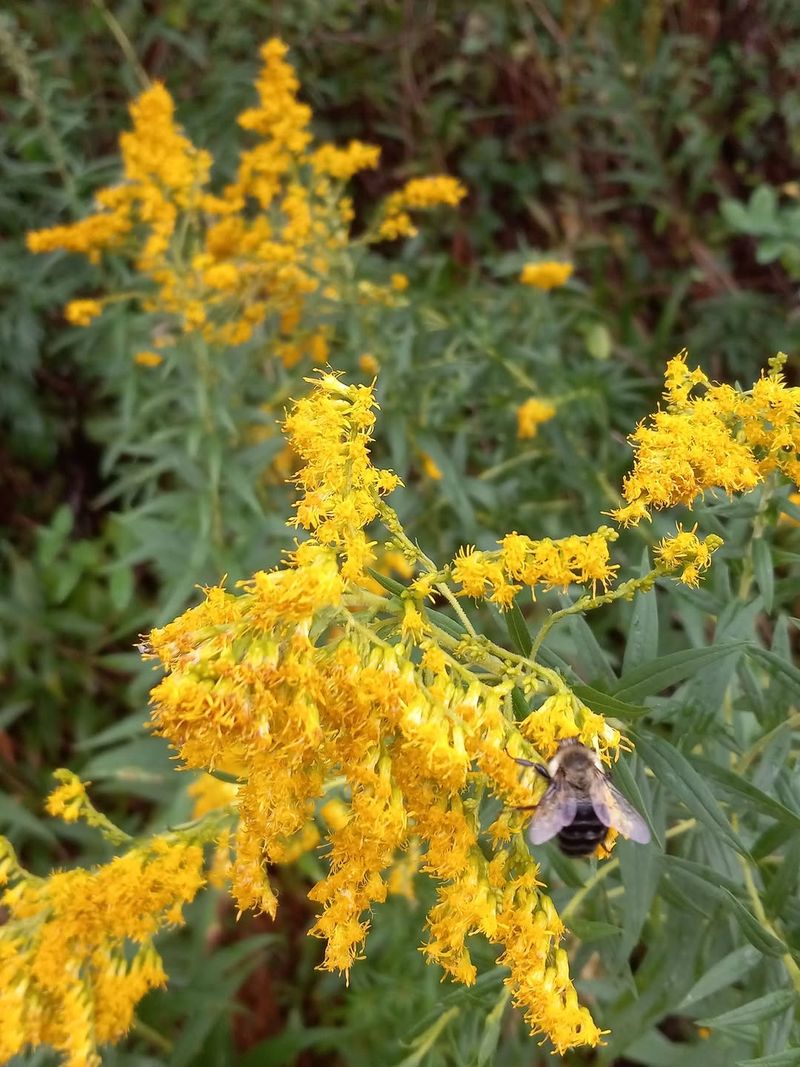
Goldenrod gets a bad reputation it does not deserve. Many people blame it for fall allergies, but the real culprit is ragweed, which blooms at the same time.
Goldenrod is actually a powerhouse native plant that spreads vigorously, supports pollinators, and competes aggressively against weeds in sunny spaces.
Several goldenrod species are native to Pennsylvania, and many of them spread through both seeds and underground rhizomes. That combination means they can colonize an open area fairly quickly.
In a garden border or meadow planting, this spreading habit is exactly what you want for weed suppression.
The stems and leaves grow densely, shading the soil and reducing open space where weeds would otherwise thrive.
Once a patch of goldenrod fills in, it creates a living wall of stems and foliage that most weeds simply cannot push through. Annual weeds especially struggle to compete.
Choose compact varieties if you have a smaller garden space. Species like Solidago rugosa or Solidago nemoralis stay manageable and work well in mixed borders.
For larger meadow areas, Solidago canadensis spreads more freely and covers ground fast.
Plant goldenrod in full sun and average to dry soil. It handles poor soil better than most plants, which makes it great for areas where other plants give up. Water during the first season to help roots establish, then leave it alone.
In late summer and fall, goldenrod becomes a buzzing hub of activity. Bees, butterflies, and beneficial insects flock to the bright yellow flowers. Choosing goldenrod means choosing a plant that gives back to nature in a meaningful way.
7. Green-And-Gold
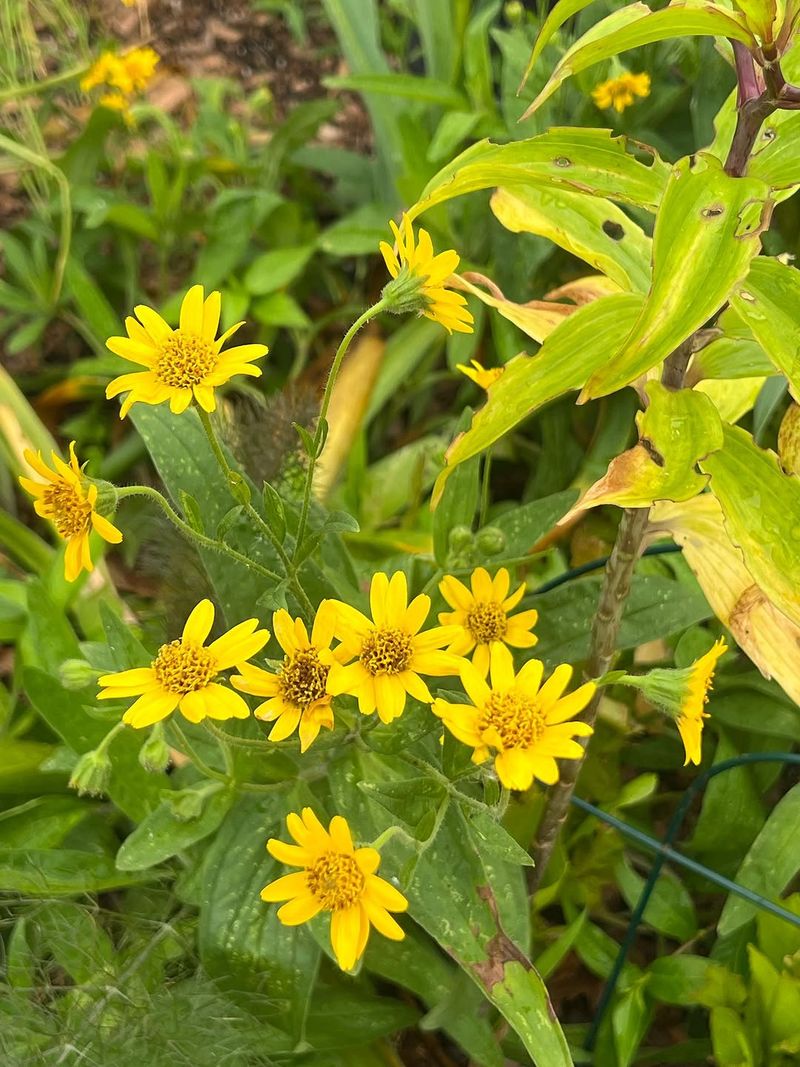
Green-and-Gold is one of those native plants that makes you wonder why it is not in every Pennsylvania garden already. It is cheerful, low-growing, and incredibly effective at covering ground in partially shaded spots.
The bright yellow flowers pop up in spring and often reappear in fall, giving you color when many other plants have finished blooming.
Botanically known as Chrysogonum virginianum, this plant spreads through both stolons and seeds. That dual spreading strategy means it fills in open ground from multiple directions at once.
Within one growing season, a small planting can expand noticeably and start blocking weed growth with its thick, low foliage.
The leaves are semi-evergreen in Pennsylvania, which is a real advantage for weed suppression. Even in late fall and early winter, the foliage stays in place and continues shading the soil.
That extended ground coverage prevents winter annual weeds from getting a foothold before spring arrives.
Green-and-Gold does best in partial shade with moist, well-drained soil. It tolerates more sun than Wild Ginger or Foamflower, which makes it a flexible choice for spots that get a few hours of direct light each day.
It also handles drier conditions reasonably well once established. Spacing plants about twelve inches apart gives them room to spread without overcrowding. Within two seasons, the gaps should close completely.
For a partially shaded bed that needs weed control without constant maintenance, Green-and-Gold delivers reliable results season after season with very little effort on your part.