The 10 Most Reliable Houseplants To Multiply Indoors In Oregon
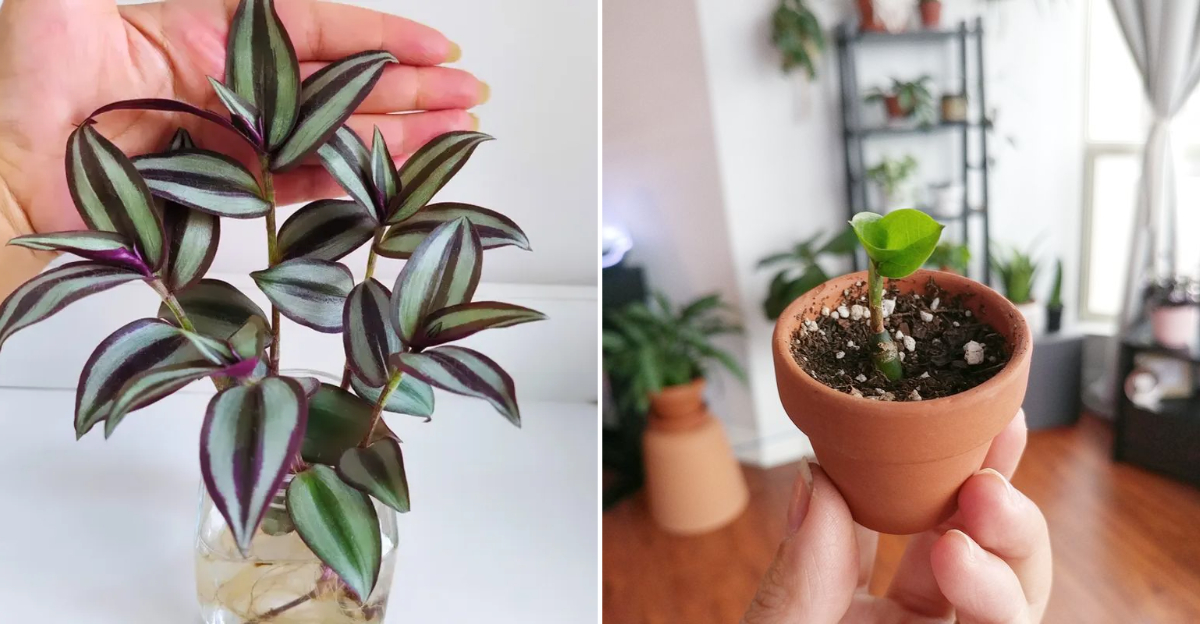
Cloudy skies and cozy interiors make Oregon homes the perfect place to grow a thriving indoor jungle.
The real magic happens when your favorite plants start multiplying, filling shelves, windowsills, and tabletops with fresh green life at almost no extra cost.
Reliable, easygoing houseplants can root in water, sprout new pups, or bounce back after a simple snip, giving you endless chances to expand your collection.
Propagating indoors feels relaxing, a little scientific, and deeply rewarding, especially during long rainy afternoons.
Soon you will notice tiny roots, unfurling leaves, and brand new growth bringing energy into every room. Even beginners can succeed with the right plant picks and a bit of patience.
Ready to turn one plant into many and create a fuller, greener home all year long? These dependable indoor growers are known for fast rooting and stress free propagation that plant lovers across Oregon truly appreciate.
1. Pothos (Epipremnum Aureum)
Few houseplants are as forgiving or as fun to multiply as the pothos. Originally from the Solomon Islands, this trailing vine has earned a permanent spot in homes thanks to its nearly unstoppable growth and easy-care nature.
You can find it draping over bookshelves, hanging from ceiling hooks, or sitting on kitchen counters all over Portland and beyond.
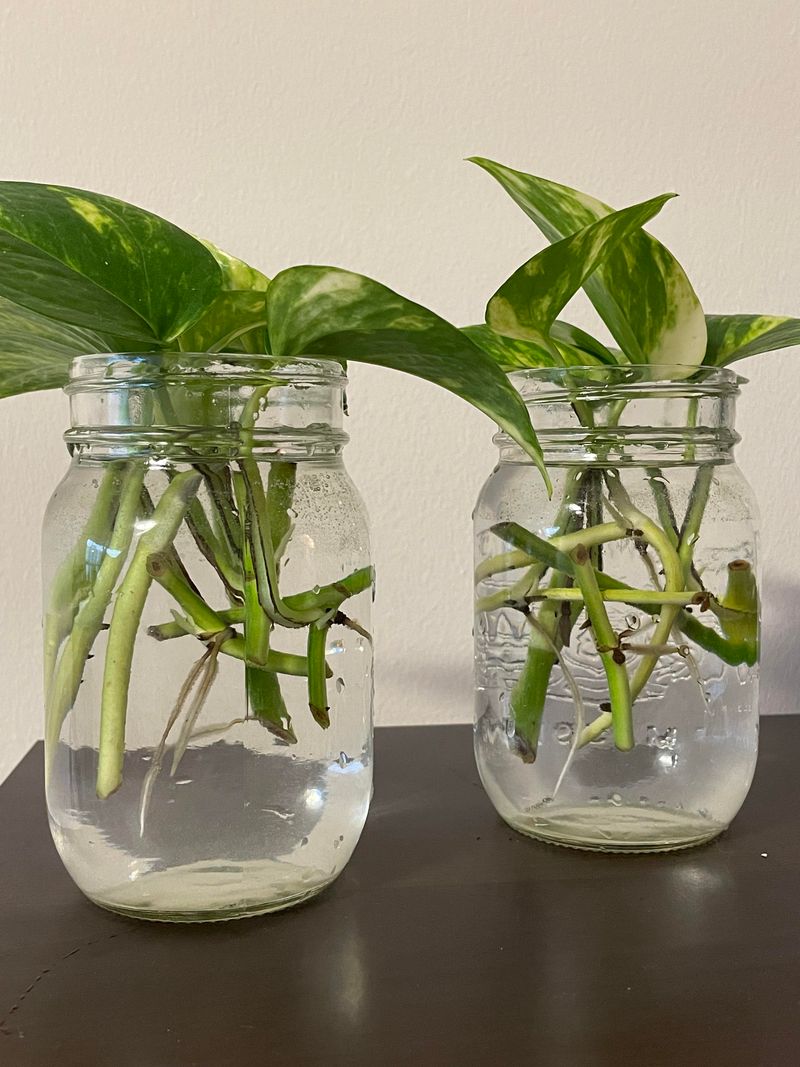
Propagating pothos is one of the easiest plant projects you can tackle. Simply snip a stem just below a leaf node, remove the lower leaves, and place the cutting in a glass of water. Roots usually appear within one to two weeks.
Once the roots are about an inch long, you can move the cutting into soil. Oregon’s indoor humidity levels, especially during the rainy season, create a great environment for rooting pothos cuttings.
Keep your cuttings near a bright window, but avoid direct sunlight, which can stress the young stems. One mature pothos plant can easily produce dozens of new plants over a single season.
Golden pothos, marble queen, and neon varieties all propagate just as easily, so you have plenty of options to grow and share.
2. Spider Plant (Chlorophytum Comosum)
Spider plants practically beg you to multiply them. They produce long, arching stems called stolons that dangle baby plants, called spiderettes, right in front of you as if to say, plant me!
This quirky, cheerful plant has been a household favorite for decades, and it is not hard to see why.
Gardeners love it for its resilience and its ability to thrive in low-light conditions common to many Pacific Northwest homes.
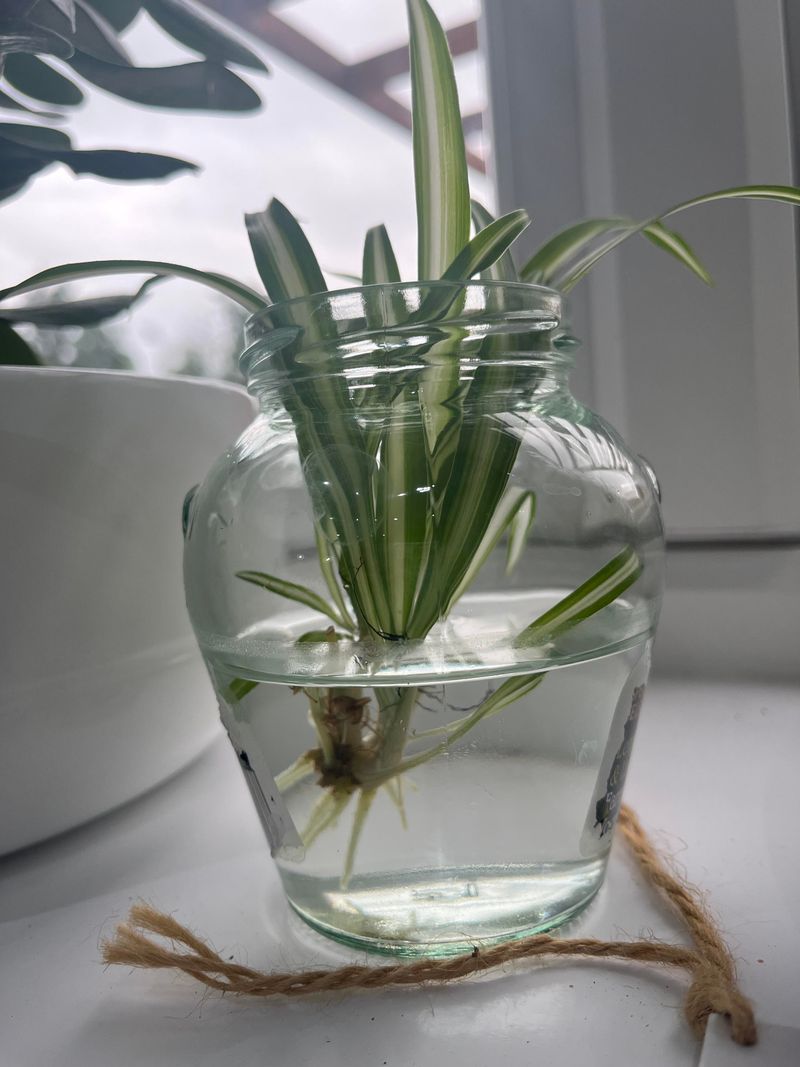
To propagate a spider plant, you have two easy options. You can pin a spiderette onto a small pot of moist soil while it is still attached to the mother plant, letting it root before cutting the stem.
Or you can snip the baby off and place it directly in water or soil. Both methods work well, and success rates are very high.
Spider plants are also excellent air purifiers, which makes them a smart choice for bedrooms and living rooms throughout Oregon.
They prefer indirect light and moderate watering, making them a low-maintenance option for busy households.
Your Oregon Garden Changes Every Week. Your Plan Should Too.
Gardening in Oregon changes quickly throughout the season. Every Friday you’ll receive a simple weekly plan showing exactly what to plant, prune, fertilize, harvest, and protect so you never miss the right timing.
Once you have one spider plant, you will quickly end up with enough babies to share with every neighbor on your block. They are truly the gift that keeps on giving.
3. Snake Plant (Dracaena / Sansevieria Trifasciata)
Bold, architectural, and nearly indestructible, the snake plant is one of the most popular houseplants for a very good reason.
It tolerates low light, irregular watering, and the kind of neglect that would stress most other plants.
Originally from West Africa, this striking plant has found a permanent home in apartments and houses across the Pacific Northwest.
Propagating snake plants takes a little more patience than some other plants, but the results are absolutely worth it.
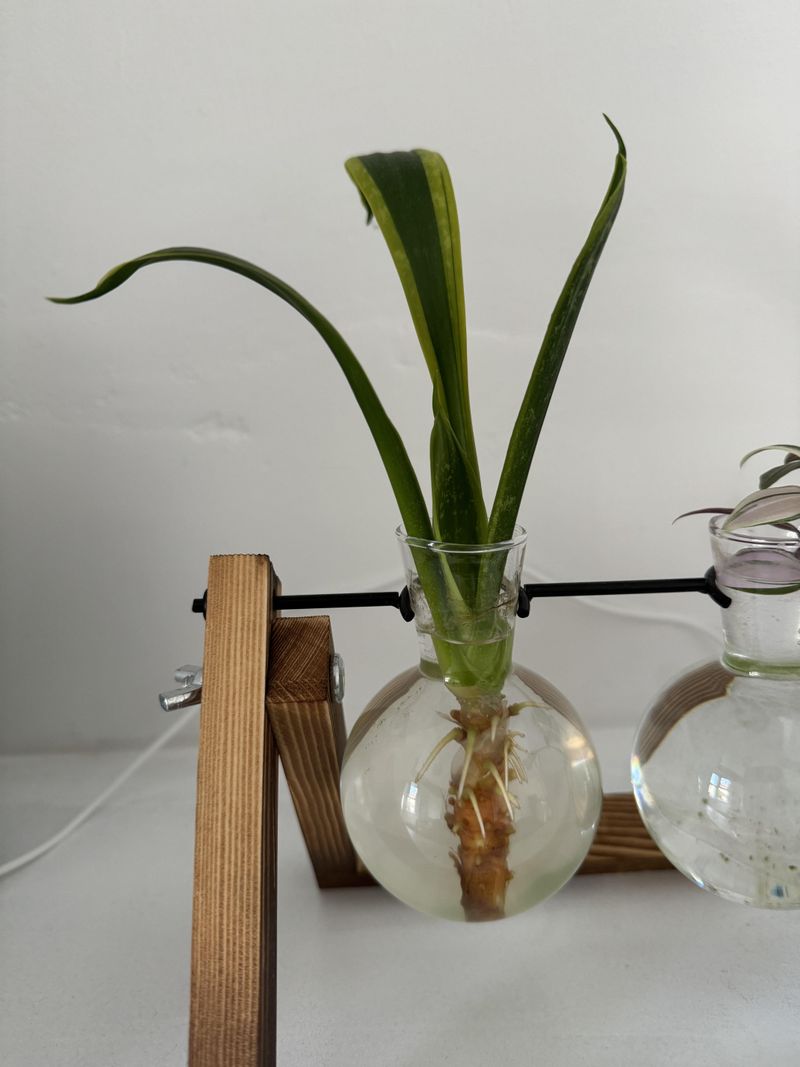
The simplest method is division. When your plant gets large and crowded in its pot, carefully remove it from the soil, separate the root clumps, and repot each section individually.
You can also propagate by leaf cuttings. Slice a healthy leaf into sections about three to four inches long and place them in water or moist soil, cut-end down.
One important note: variegated snake plants propagated by leaf cuttings may lose their yellow edges and revert to solid green.
Division is the best way to preserve the original look. Oregon’s typically cool indoor temperatures during fall and winter can slow rooting a bit, so be patient and keep cuttings in a warm spot.
Snake plants are slow growers but very steady, and they reward patient plant lovers beautifully.
4. Heartleaf Philodendron (Philodendron Hederaceum)
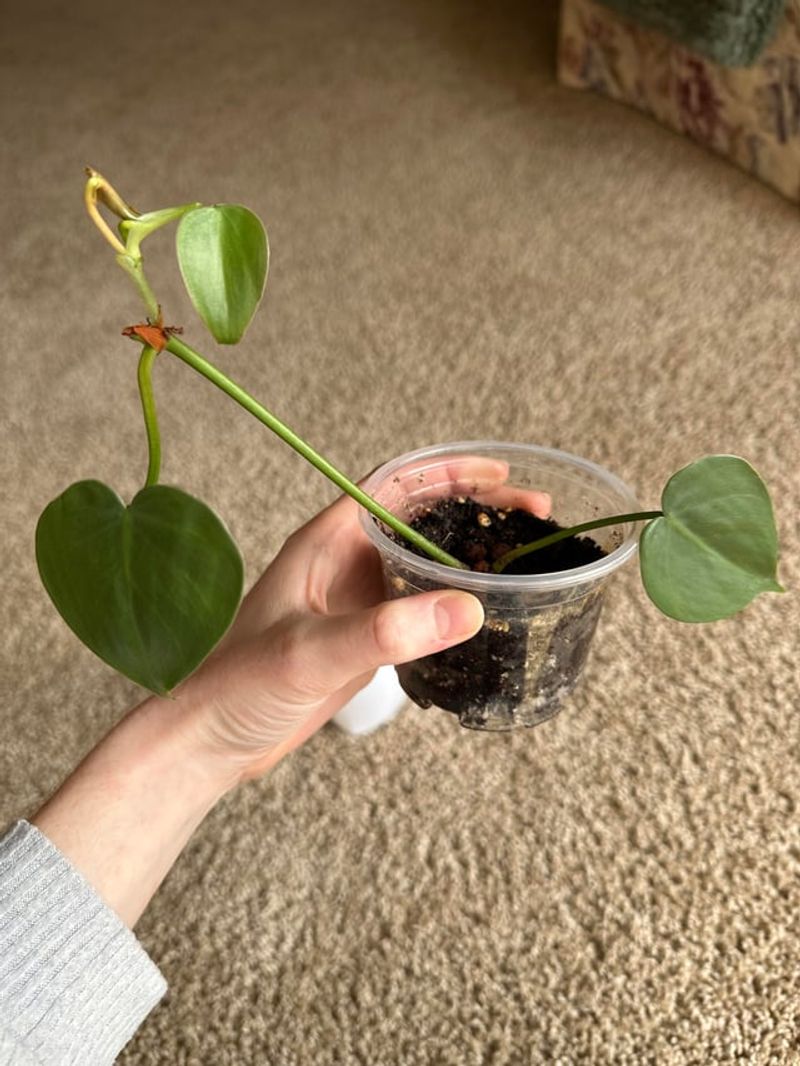
There is something undeniably charming about a heartleaf philodendron. Its glossy, heart-shaped leaves seem almost too perfect, and the way it cascades from a pot or climbs a moss pole makes it a showstopper in any room.
Plant enthusiasts adore this tropical beauty for its adaptability to the lower light levels common in many Pacific Northwest homes during the long, gray winter months.
Multiplying a heartleaf philodendron is refreshingly simple. Look for a healthy stem with at least two or three leaves and one visible node, which is the small bump where roots will grow.
Cut just below the node, remove the lowest leaf, and place the cutting in water. Roots typically appear within one to two weeks, and the plant can be moved to soil shortly after.
Soil propagation is also very effective. Stick the cutting directly into moist potting mix, keep it warm and humid, and roots will establish quickly.
Misting the cutting every day or covering it loosely with a plastic bag can help retain moisture, especially in drier winter air.
A single mature heartleaf philodendron can produce many cuttings per year, making it one of the most generous and rewarding plants to grow and share across Oregon.
5. ZZ Plant (Zamioculcas Zamiifolia)
Ask any plant shop owner in Portland or Eugene which plant survives the most challenging conditions, and the ZZ plant will come up almost every time.
With its waxy, dark green leaves and incredibly drought-tolerant nature, this East African native has become a staple in homes where natural light is limited. It looks like it belongs in a design magazine, yet it asks for almost nothing in return.
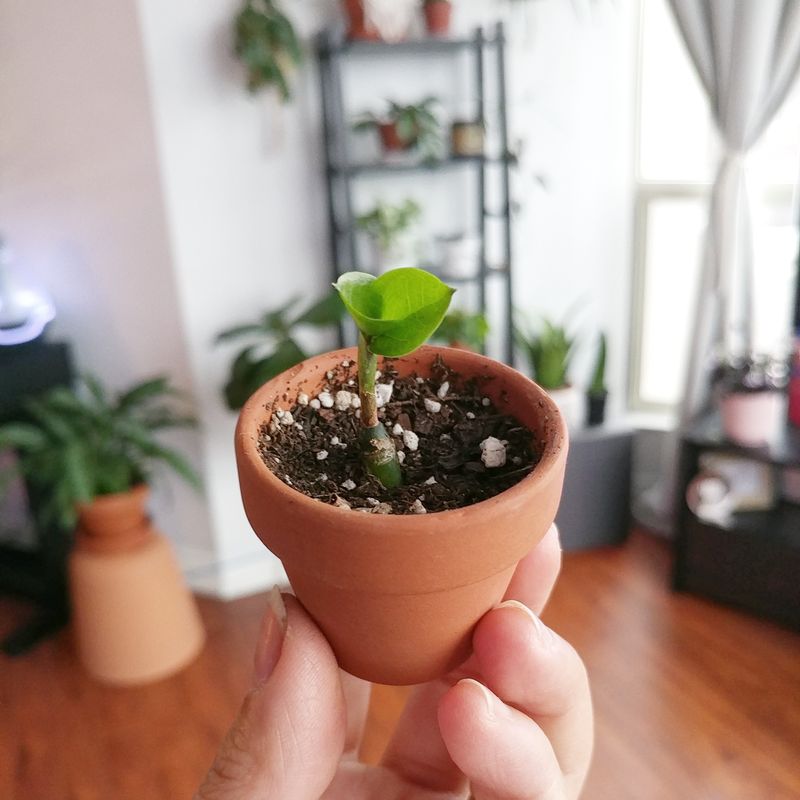
Propagating a ZZ plant is a lesson in patience, but the process itself is wonderfully simple. You can divide the plant at the rhizome level when repotting, which gives you instant new plants. You can also propagate from individual leaf cuttings.
Pull or cut a healthy leaf from a stem, let the cut end dry for a day, then bury the base in moist soil. A tiny rhizome will slowly form underground over several months.
Water propagation also works, though it is slower than with other plants. Place a leaf cutting in a small glass of water, change the water weekly, and watch for root development over the coming weeks.
Oregon’s cool indoor temperatures can slow the process slightly, so set your cutting in the warmest spot in your home. ZZ plants are worth every bit of the wait, delivering stunning results for patient growers.
6. Jade Plant (Crassula Ovata)
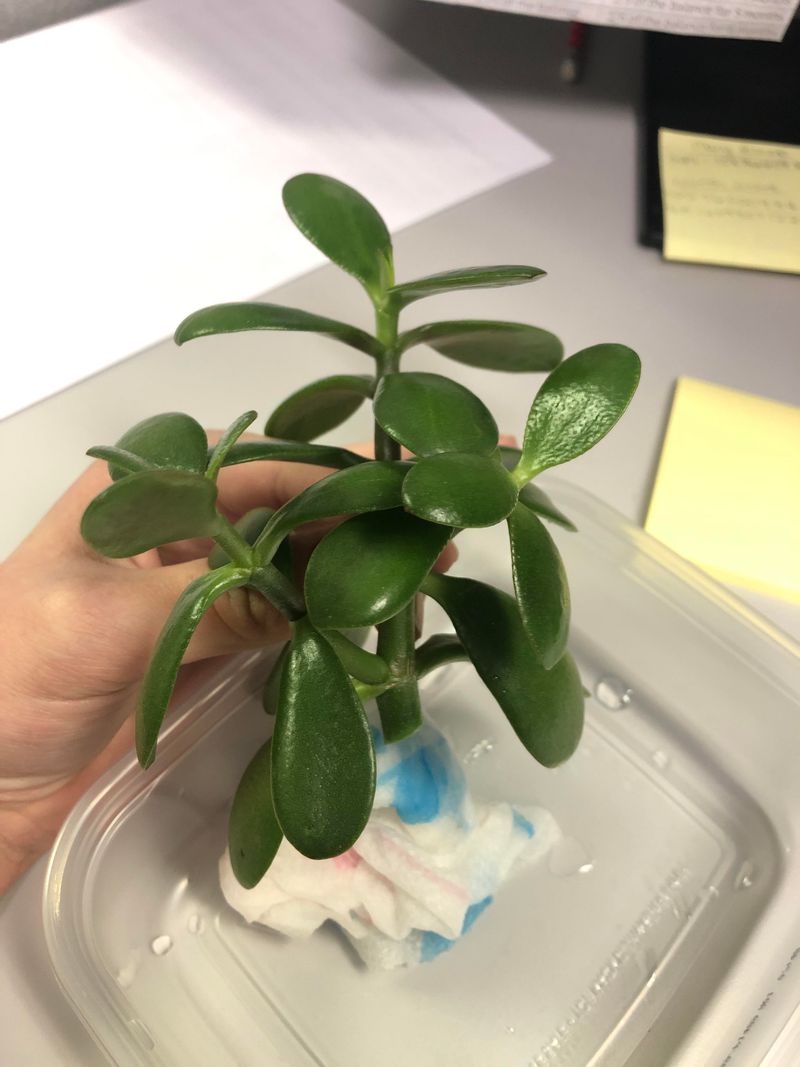
Jade plants have a reputation for bringing good luck and they bring something even more practical: years of beauty with very little fuss.
These South African succulents grow into impressive, tree-like specimens over time, and they are surprisingly easy to multiply.
Many households have jade plants that have been passed down through generations, started from a single cutting.
Stem propagation is the fastest and most reliable method. Snip a healthy stem about three to four inches long, let it sit out for one to two days so the cut end can callous over, then plant it in dry succulent mix. Water sparingly at first.
Roots will develop within a few weeks, and new growth will follow soon after. Leaf propagation also works but takes longer and produces smaller starter plants.
Jade plants love bright light, so place your cuttings near the sunniest window in your home. South-facing windows work especially well during the shorter winter days.
Avoid overwatering, as soggy soil is the number one issue jade plant growers face indoors.
Let the soil dry out completely between waterings. Once established, a jade plant is nearly self-sufficient and can live for decades, rewarding you with a stunning, sculptural houseplant that grows more impressive every year.
7. Aloe Vera (Aloe Barbadensis Miller)
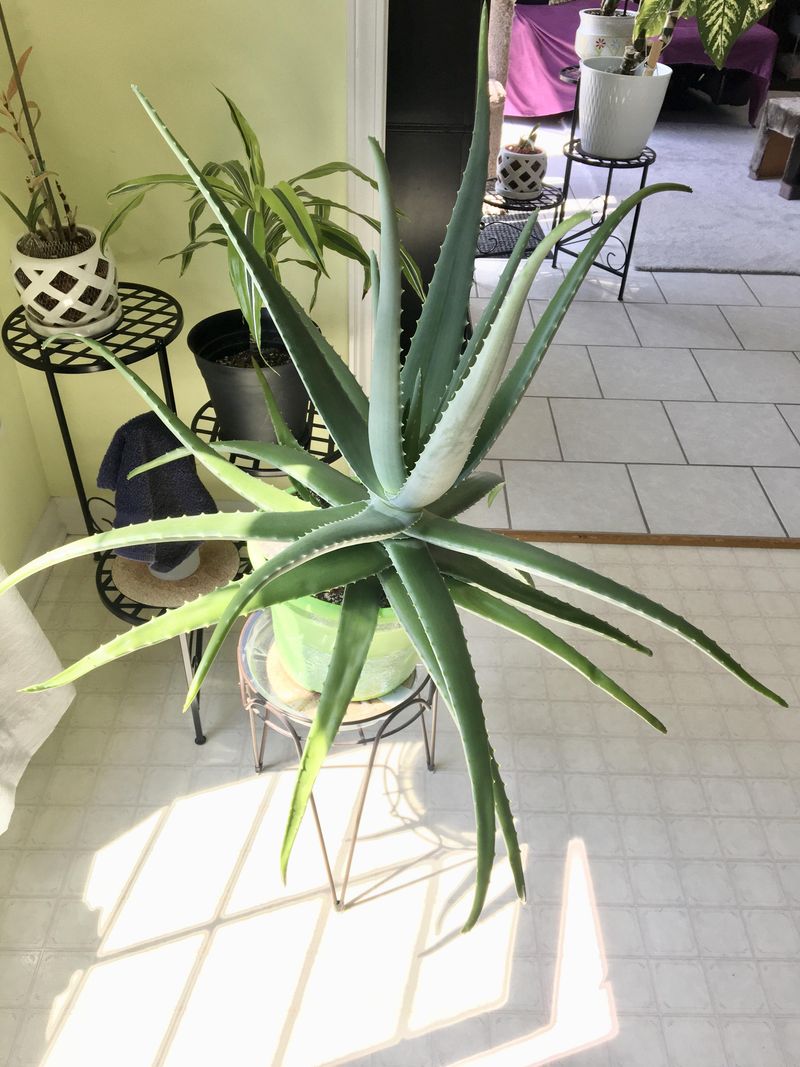
Aloe vera is one of those plants that feels like it belongs in every home. Beyond its striking, spiky appearance, it is famous for its soothing gel, which many families keep on hand for minor skin irritations and sunburns.
Growing aloe indoors is straightforward, and multiplying it is even easier thanks to the natural pups it produces around its base.
Pups are small baby plants that sprout from the mother plant’s root system. Once a pup is about three to four inches tall and has its own visible roots, you can carefully separate it from the mother plant using a clean knife or your fingers.
Let the pup dry for a day or two, then plant it in a well-draining succulent mix. Water lightly and keep it in a bright spot.
Oregon’s Pacific Northwest climate can be a little cool and cloudy for aloe, so placing your plant near a south or west-facing window is key.
Aloe does not love sitting in wet soil, so use a pot with drainage holes and let the soil dry completely between waterings.
One healthy aloe plant can produce multiple pups each year, meaning you will always have extras to share with friends, family, or fellow plant lovers.
8. Tradescantia (Tradescantia Zebrina / Fluminensis)
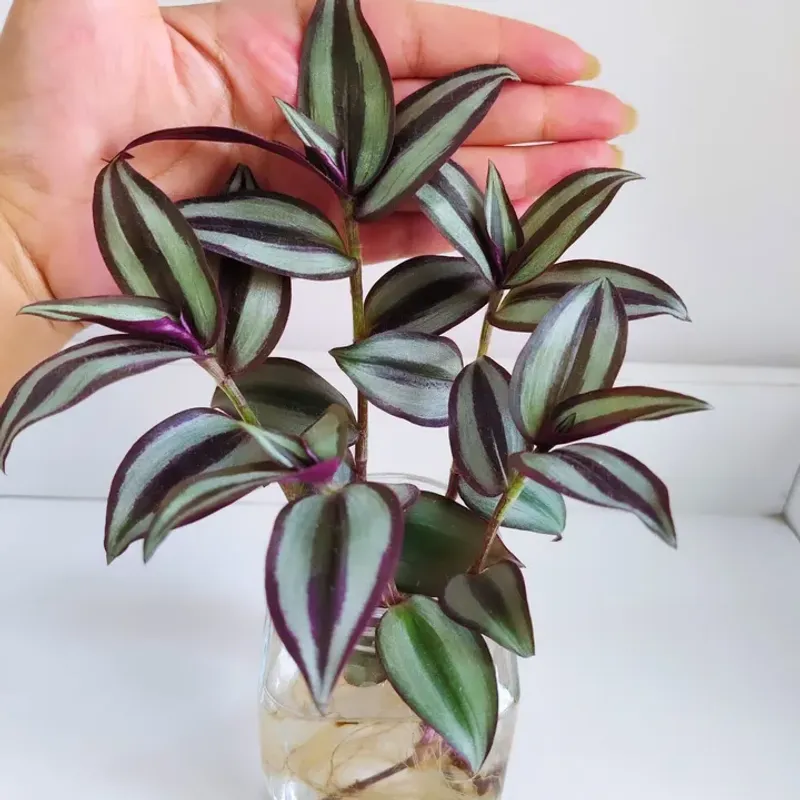
If you want fast results and vivid color, tradescantia is the plant for you. Also called spiderwort or wandering dude, this plant produces stunning purple, silver, and green striped leaves that look almost painted by hand.
It grows quickly and propagates so easily that even complete beginners succeed on their very first try.
Propagating tradescantia is almost embarrassingly simple. Snip a stem about four to six inches long, pull off the lower leaves, and drop it in a glass of water. Roots appear in just a few days, sometimes even faster in warmer rooms.
Once the roots reach about an inch in length, pot the cutting in regular houseplant soil and water it in gently. That is truly all there is to it.
Tradescantia thrives in bright, indirect light, which helps maintain the vivid purple coloring of its leaves. In lower light, the colors tend to fade toward green. Homes with east-facing windows are ideal.
This plant grows so vigorously that you can take cuttings every few weeks without harming the mother plant.
It is a wonderful option for filling hanging baskets, trailing from shelves, or gifting to friends. Few plants deliver such a dramatic visual payoff with so little effort anywhere in Oregon.
9. Peperomia (Peperomia Obtusifolia)
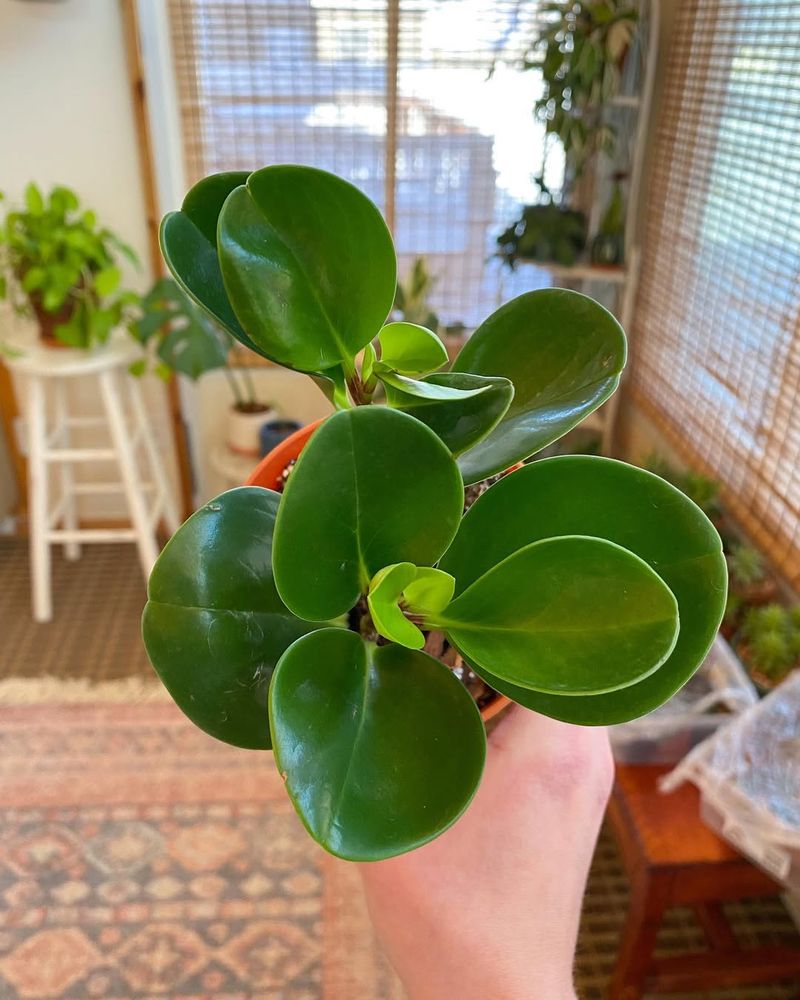
Compact, charming, and surprisingly tough, peperomia is one of those plants that fits perfectly into any corner of a home.
With over a thousand species in the peperomia family, there is truly a variety for every taste, from the round-leaved baby rubber plant to the deeply textured watermelon peperomia.
They stay small, which makes them perfect for apartments and smaller spaces common in cities like Portland and Eugene.
Propagating peperomia is a rewarding process with several options. Leaf cuttings are among the most popular methods. Simply pull a healthy leaf from the stem, let the cut end dry briefly, then press the base into moist potting mix.
New growth emerges slowly from the base of the leaf over several weeks. Stem cuttings with a node attached root even faster in either water or soil.
Peperomia prefers indirect light and does not like to be overwatered. Its thick leaves store moisture, so it can handle a missed watering without much trouble.
Oregon’s cool, low-light winters are actually quite manageable for peperomia, as long as you keep it away from cold drafts near windows.
These plants are slow but steady growers, and their cheerful, compact form makes every new propagated plant feel like a small victory worth celebrating.
10. African Violet (Saintpaulia)
Few indoor plants deliver the kind of cheerful, consistent color that African violets do. These small but mighty bloomers produce clusters of purple, pink, or white flowers almost year-round, making them a beloved choice for homes that could use a pop of color.
Originally from Tanzania, they have found a devoted following among indoor gardeners everywhere.
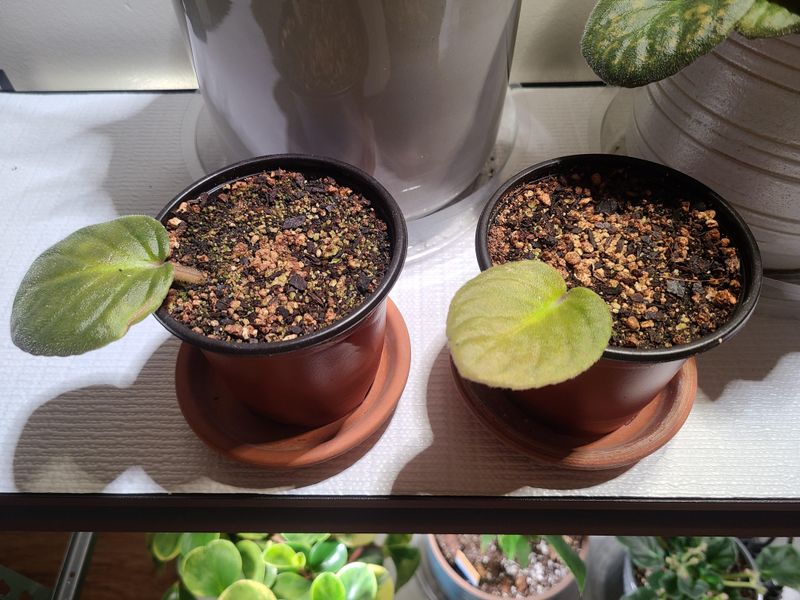
Leaf cuttings are the go-to propagation method for African violets, and the process is wonderfully satisfying.
Choose a healthy, firm leaf from the middle of the plant, not too young and not too old. Cut the stem at an angle, leaving about an inch of stem attached.
Place the stem in a small glass of water or insert it into moist, well-draining propagation mix. Tiny plantlets will emerge from the base of the leaf over the next several weeks.
African violets prefer bright, indirect light and consistent warmth, so keep them away from cold windowsills during Oregon’s chilly winters.
They also dislike getting their leaves wet, so water from the bottom by setting the pot in a shallow dish of water. Humidity helps them thrive, and Oregon’s naturally moist indoor air during rainy months works in your favor.
With a little care, one plant can produce many new ones to brighten every room in your home.