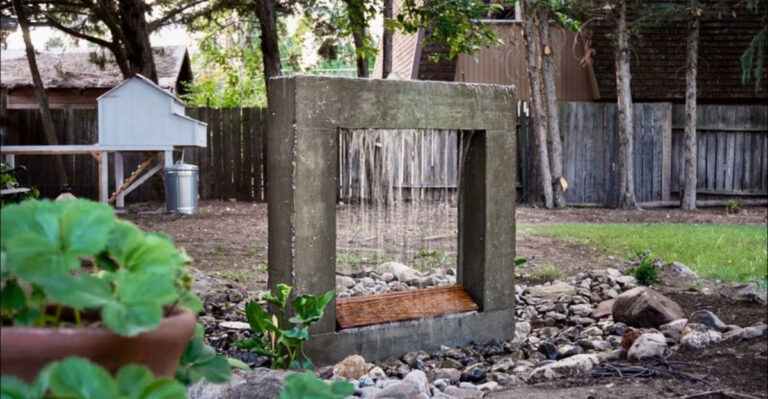
More Bats In Your North Carolina Garden Means Less Mosquitoes – Here’s How To Attract Them
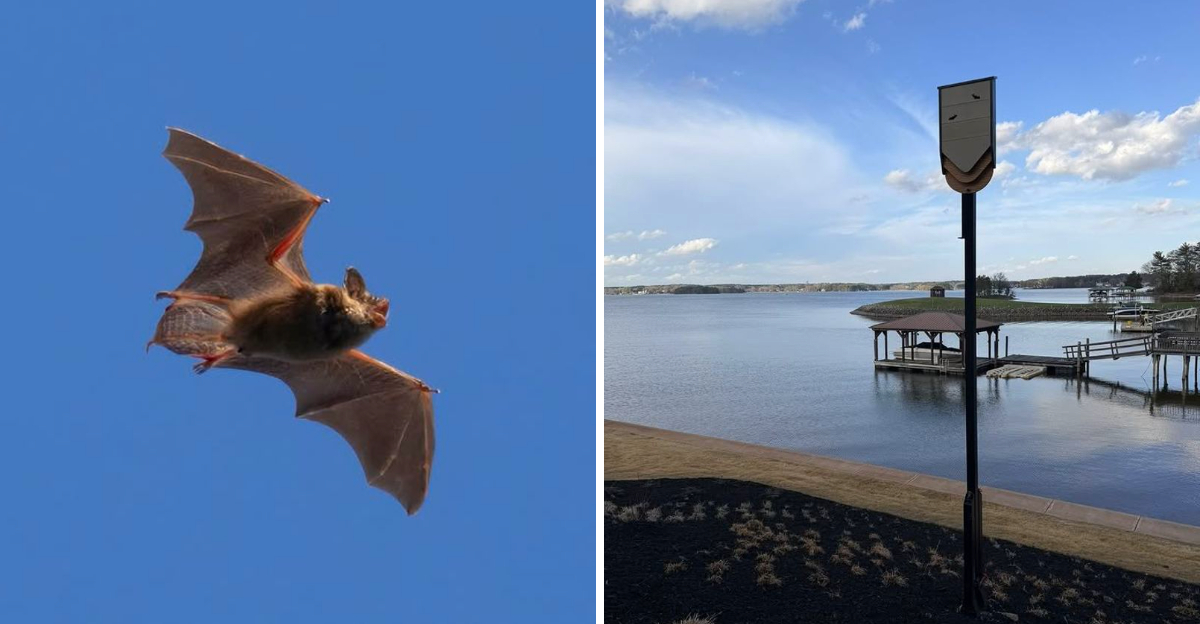
North Carolina summer evenings would be absolutely perfect if mosquitoes did not exist. But here we are.
A lot of NC homeowners are done reaching for the bug spray every single time they step outside and are starting to think about more natural, wildlife friendly approaches instead.
Enter bats, which are possibly the most underappreciated neighbors your yard could have.
Yes, bats. Hear us out.
These little nighttime hunters consume impressive numbers of night flying insects and can be a genuinely valuable part of a healthier garden habitat. They are not a complete mosquito solution all by themselves, and we are not going to pretend otherwise.
But making your North Carolina yard more welcoming to bats is surprisingly simple, and the payoff for your whole garden ecosystem is pretty hard to argue with.
1. Natural Habitat Gives Bats A Better Reason To Stay
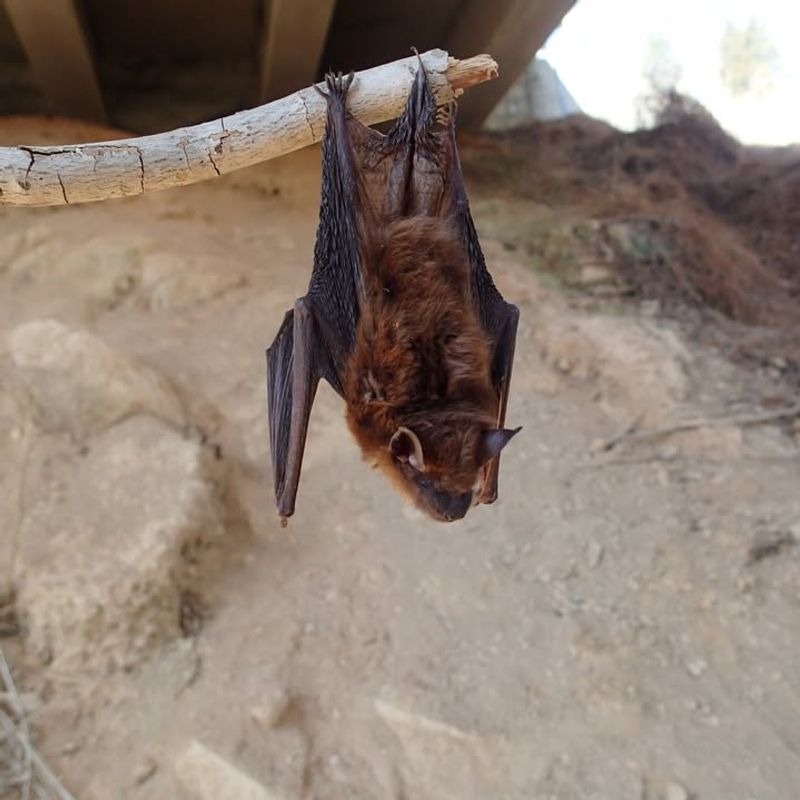
On warm summer evenings across North Carolina, bats are out hunting long before most people realize it. They follow insect activity, and yards that offer layered habitat with trees, shrubs, ground cover, and leaf litter tend to attract more insect life overall.
More insects means more reason for bats to return night after night.
A garden that feels alive with biodiversity gives bats something to work with. Wooded edges, brush piles tucked into corners, and native groundcovers all contribute to a richer insect community.
Even a small patch of unmowed grass near a fence line can support the kind of moth and beetle activity that keeps bats interested in your yard.
Yards in North Carolina that back up to forests, streams, or open fields tend to see more bat activity naturally. But even suburban gardens can support bats if the habitat is layered and the insect community is healthy.
Removing every leaf pile and trimming every shrub flat might look tidy, but it quietly strips away the habitat complexity that makes a garden worth visiting after dark.
Think of natural habitat not as messiness, but as structure. Bats need places to hunt, routes to travel, and edges to follow.
A yard with some vertical variety, a few mature trees, and patches of native plantings gives bats a reason to stay rather than simply pass through.
2. Native Plants And Trees Help Build A Better Bat Garden
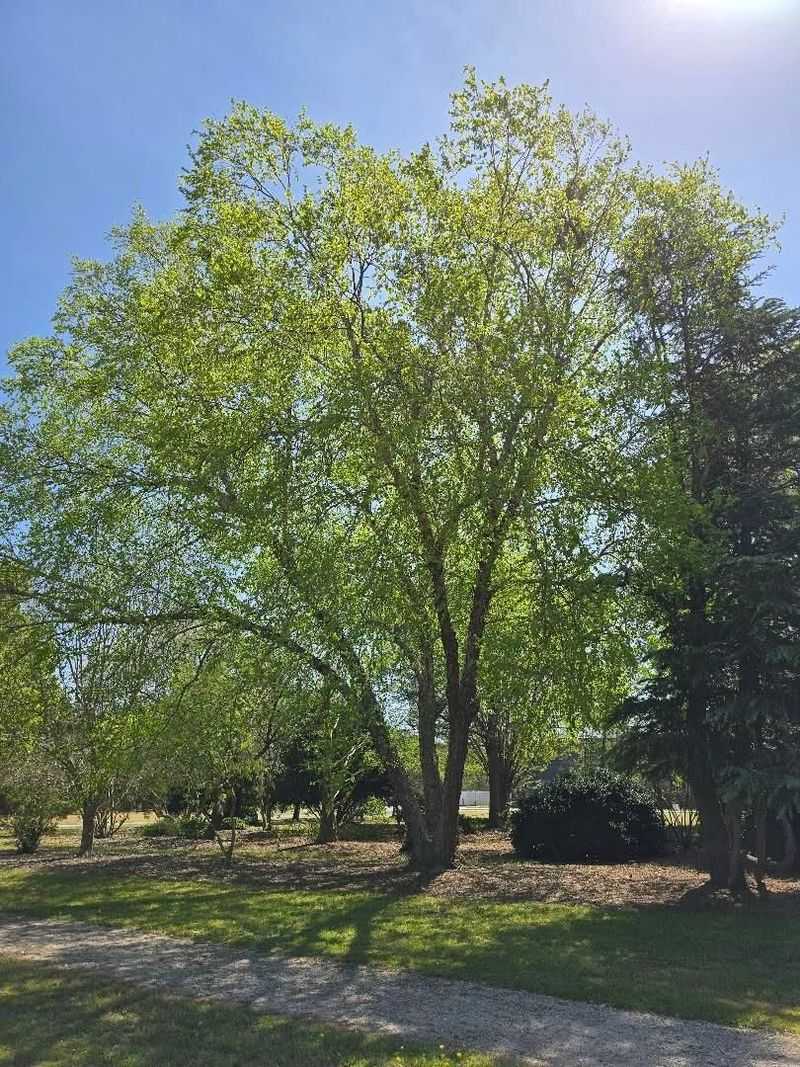
Planting native species is one of the most effective things a North Carolina homeowner can do to support bats indirectly. Native plants support native insects, and native insects are exactly what bats are hunting when they sweep through your yard at night.
The connection is straightforward, even if it takes a season or two to really show up.
Trees like river birch, eastern red cedar, and native oaks provide roosting opportunities and attract the moths, beetles, and flying insects that bats actively pursue.
Native flowering plants, including coneflowers, wild bergamot, and native goldenrod, pull in pollinators during the day and support moth populations after dark.
That nighttime insect activity is what keeps bats returning.
Non-native ornamentals often support fewer insect species, which means less food in the air when bats are most active.
Your North Carolina Garden Changes Every Week. Your Plan Should Too.
Gardening in North Carolina changes quickly throughout the season. Every Friday you’ll receive a simple weekly plan showing exactly what to plant, prune, fertilize, harvest, and protect so you never miss the right timing.
A yard planted heavily with exotic shrubs and non-native groundcovers may look beautiful but offer very little to the broader food web that bats depend on.
North Carolina has a rich native plant palette to work with, and even a modest pollinator bed can shift the insect diversity in a yard noticeably.
Start with a few native species in a sunny border, add a native tree or two where space allows, and let the habitat build from there.
The bats will follow the insects, and the insects will follow the plants.
3. Reliable Water Makes A Bigger Difference Than Many Expect
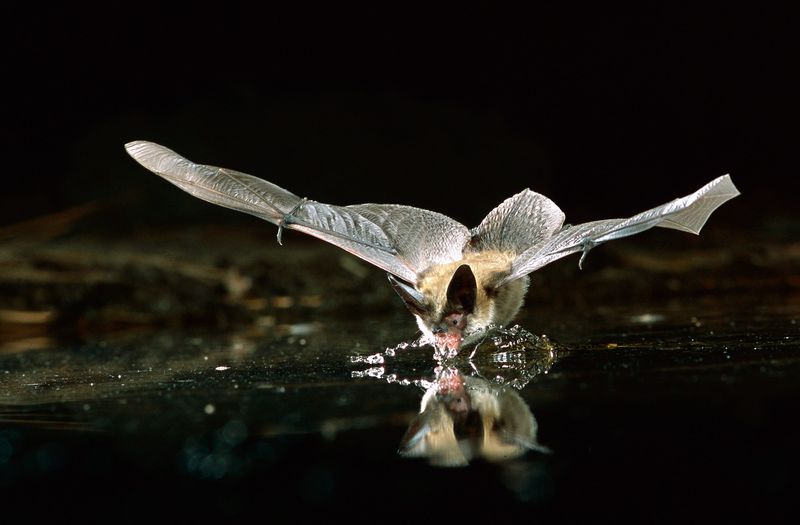
Water is one of the most overlooked elements in a bat-friendly North Carolina garden. Bats need to drink regularly, and they do it on the wing, skimming the surface of still or slow-moving water as they fly.
A yard without a reliable water source is a harder sell for bats, even if everything else looks right.
Ponds, wide birdbaths, and even large shallow containers can work, as long as the water surface is open and accessible from above. Bats need enough room to approach in a gliding arc without crashing into surrounding vegetation.
A cluttered or heavily shaded water feature may not give them the clear flight path they need to drink safely.
In North Carolina summers, water sources can evaporate quickly, so keeping them topped off during dry stretches matters.
A consistent, clean water source not only supports bats but also benefits other wildlife like birds, beneficial insects, and amphibians that contribute to a healthier garden ecosystem.
If you already have a small pond or rain garden in your yard, you may be closer to bat-friendly conditions than you think.
Adding a flat rock or two at the water edge, keeping nearby vegetation trimmed back slightly, and maintaining water clarity can all help make the feature more useful to bats.
Even a well-placed, regularly refreshed birdbath can attract bat activity over time.
4. A Proper Bat House Matters More Than A Cute One
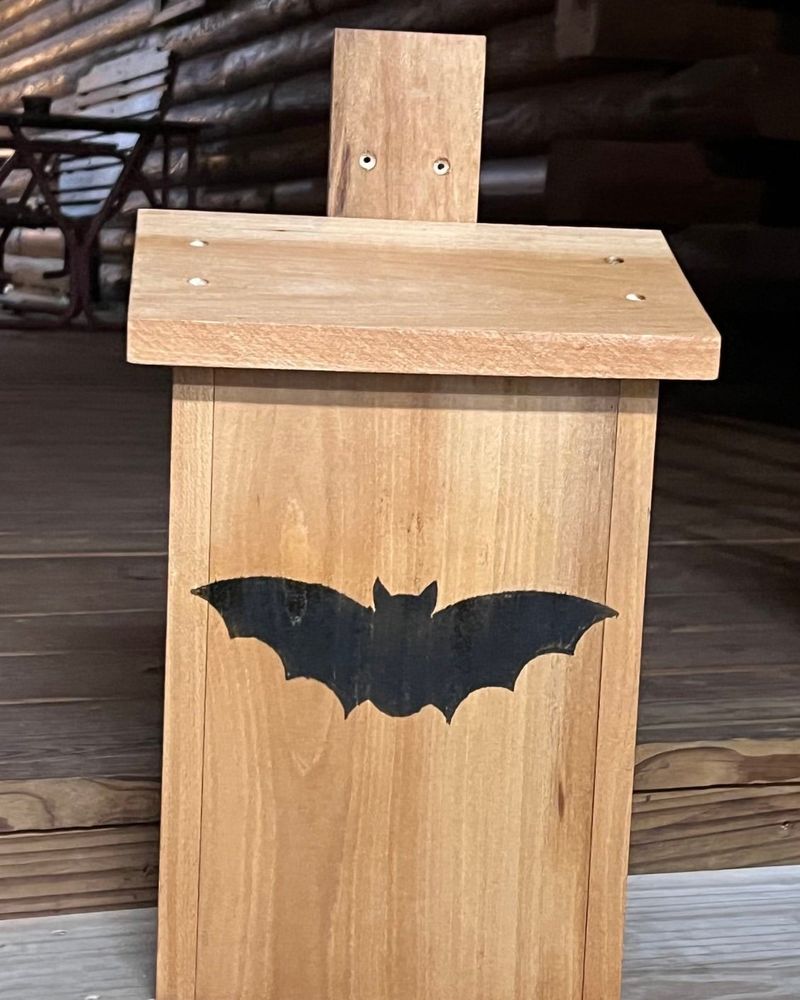
Bat houses come in a wide range of styles, and not all of them actually work. The decorative options that look charming on a garden center shelf are often too small, too shallow, or built from materials that do not hold heat well enough to attract roosting bats.
Function matters far more than appearance when it comes to getting bats to move in.
Bat Conservation International and university extension programs recommend houses with interior chambers at least 20 inches tall, rough interior surfaces for gripping, and dark exterior finishes that absorb solar heat.
Bats are warm-blooded and their young need consistently warm roost temperatures, especially during North Carolina summers when nighttime temperatures can still drop more than expected.
A bat house that is too cool, too small, or poorly ventilated will simply be ignored. Multi-chamber designs tend to outperform single-chamber boxes because they give bats options for moving between warmer and cooler areas as temperatures shift.
Caulking gaps and painting the exterior a dark color are small details that can make a real difference in occupancy rates.
Buying a bat house from a reputable wildlife or conservation supplier rather than a general garden retailer increases the odds of getting a design that meets basic standards.
It is worth spending a little more on a house that is built correctly, because even the best placement cannot fully compensate for a poorly designed roost.
5. Pole And Building Placement Works Better Than Trees
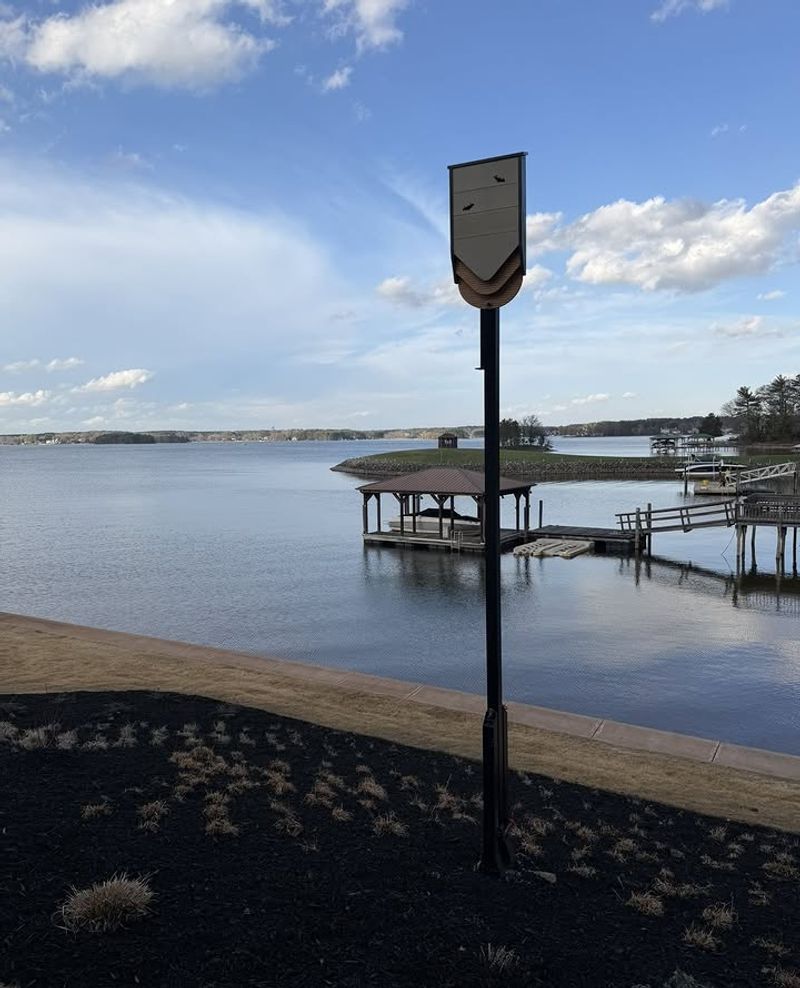
Where you put a bat house matters just as much as what kind of bat house you buy. Many homeowners instinctively mount bat boxes on tree trunks, but trees are generally not the best location.
Branches create shade that keeps the roost too cool, and they also give predators like raccoons and snakes easier access to the box.
Mounting bat houses on poles or on the sides of buildings tends to produce better results across North Carolina. Poles placed in open areas with good southern or southeastern exposure allow the box to receive several hours of direct sun each day.
In North Carolina, where summer heat is rarely a limiting factor, some ventilation at the top of the house helps prevent overheating during the hottest stretches.
Height also matters. Bat houses mounted at least 12 to 15 feet off the ground give bats enough room to drop into flight when they exit the roost, which is how they take off.
Lower mounting heights leave bats more exposed to ground-level predators and may discourage use altogether.
Buildings like garages, barns, and garden sheds can work well if they receive enough sun on the mounting surface. Avoid placing bat houses near bright outdoor lights, which attract insects that in turn attract predators.
The goal is a warm, quiet, well-lit roost that feels safe and accessible from the air, not a feature that draws attention from the wrong visitors.
6. Open Flight Paths And Fewer Predators Make Roosts Safer
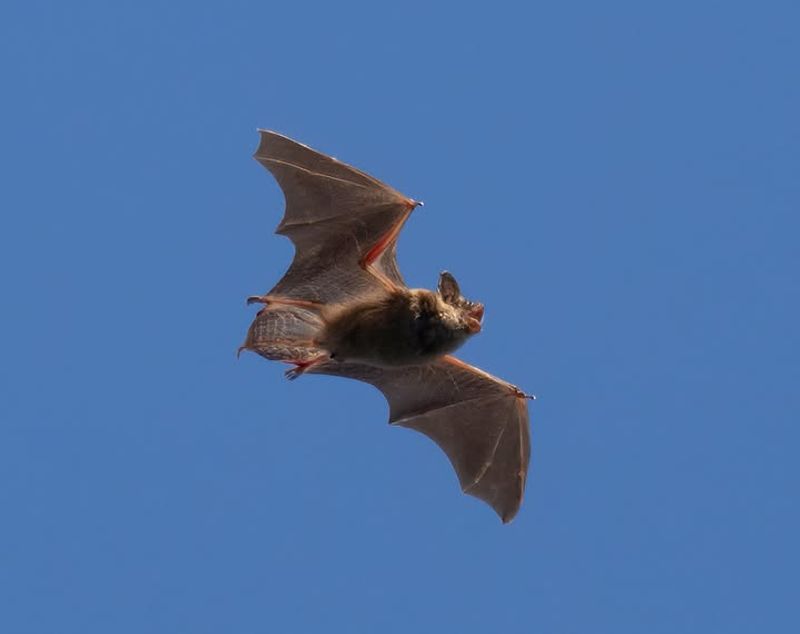
Bats are cautious about where they roost, and a yard full of obstacles or predator pressure can quietly discourage them from settling in, even if the habitat looks good on the surface.
Clear flight paths around and below a bat house give bats the room they need to enter and exit without stress.
In practice, this means keeping the area within about 20 feet of a bat house relatively free of tall shrubs, dense tree canopies, and structures that could hide predators. Bats do not land and walk to their roost.
They approach from the air and need open space below the entrance to drop and fly if something startles them on the way in.
Owls are natural predators of bats in North Carolina, and while you cannot fully control owl activity, avoiding roost placements near dense tree cover reduces the risk of repeated disturbance.
Snakes can also access bat houses that are mounted on rough wooden poles without baffles, so adding a smooth metal baffle below the box is a practical step worth taking.
Neighborhood cats that roam outdoors can also create problems near bat roosts, particularly if they learn to wait below an active bat house.
Keeping the roost high, adding a baffle, and placing it away from fences or structures that cats climb can all reduce that kind of pressure.
A safer roost is simply a more occupied roost over time.
7. Pesticides And Outdoor Cats Can Undercut The Whole Effort
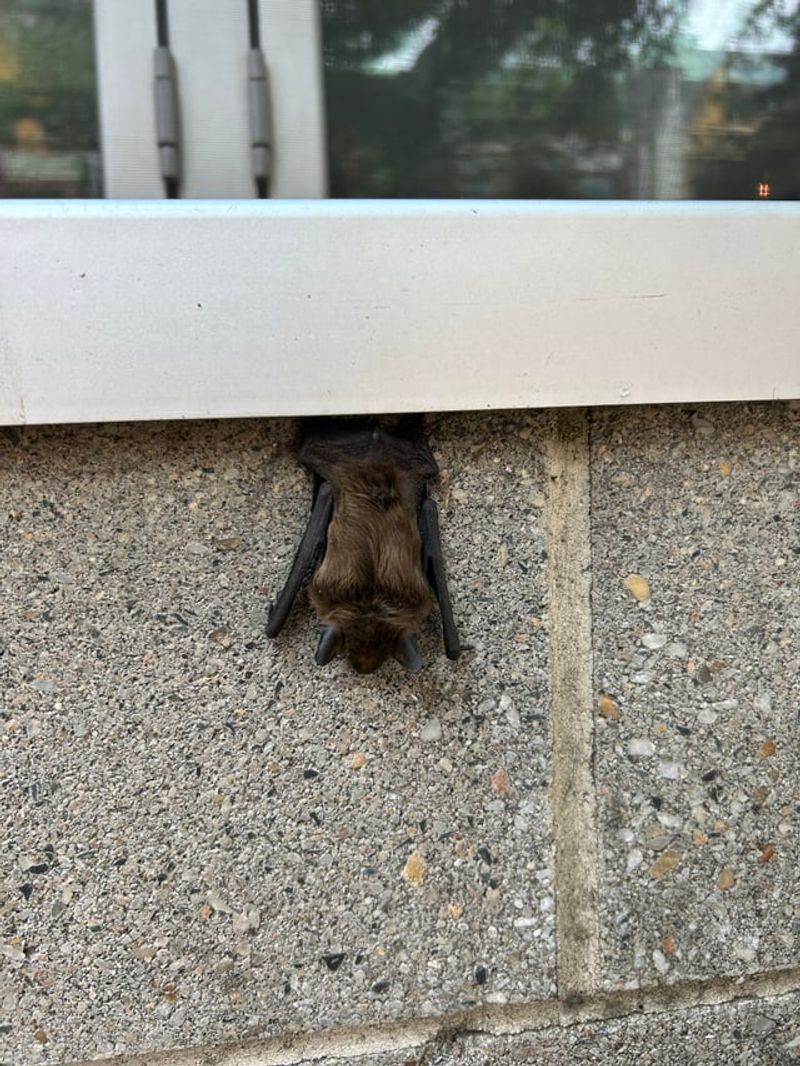
Spending time and money making a yard more bat-friendly while continuing to spray broad-spectrum pesticides is a bit like filling a bird feeder next to a window that birds keep flying into.
The two efforts work against each other in ways that are easy to overlook until you step back and look at the full picture.
Pesticides, including many common lawn and garden products, reduce the insect populations that bats depend on for food. They can also harm bats directly through exposure to treated insects or contaminated water.
In North Carolina, where summer gardens often face real pest pressure, switching to targeted, lower-impact pest management approaches can make a meaningful difference for the broader wildlife community in your yard.
Outdoor and free-roaming cats are another factor that many bat-friendly garden guides mention carefully. Cats are skilled hunters, and even well-fed cats will pursue bats that roost low or land on the ground.
Young bats that are learning to fly are especially vulnerable. This is not about judging cat owners but about understanding that predator pressure near a roost can reduce bat activity over time.
Reducing or eliminating pesticide use in areas near bat houses and water sources, and keeping cats indoors during twilight hours when bats are most active, are two practical steps that cost very little but can protect the habitat effort you have already put in.
Small changes in routine can have a noticeable effect on how safe and food-rich your yard feels to bats.
8. Patience And Respect Matter Once Bats Start Using The Space
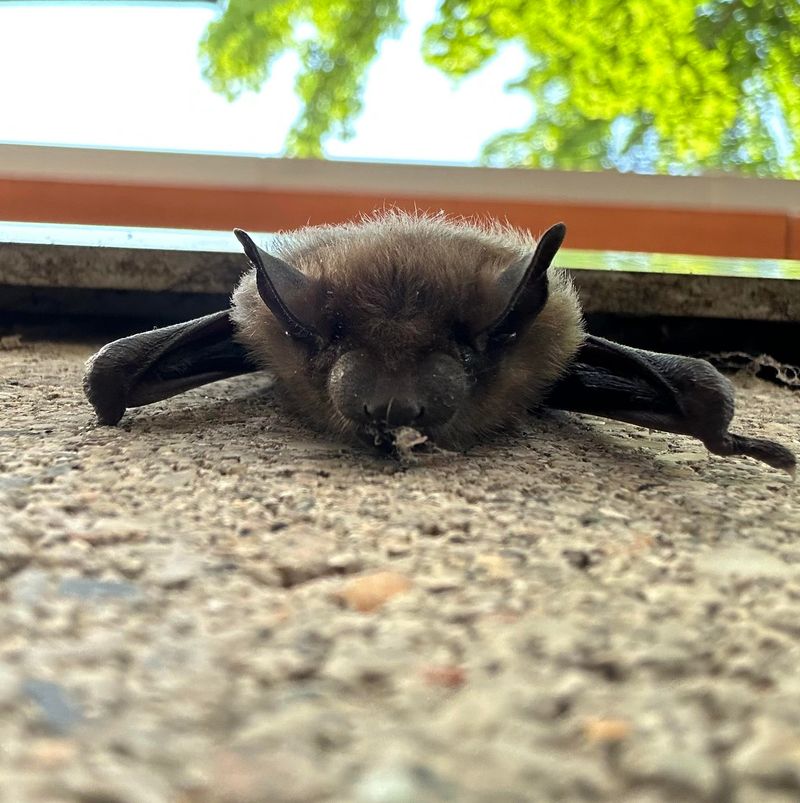
Getting bats to show up is one thing. Keeping them comfortable enough to stay and raise young is another.
Once a bat house shows signs of use, the most important thing a homeowner can do is resist the urge to check on it too often or disturb the area around it during the day.
Bats that are disturbed repeatedly at a roost may abandon it, especially during the maternity season when females are raising pups. In North Carolina, this period typically runs from late spring through midsummer.
Approaching the bat house, making loud noises nearby, or using bright lights around the roost during this window can cause stress that leads to the colony moving on.
It is also worth knowing that bats in North Carolina, like all bats in the United States, are protected under federal and state wildlife laws.
Harming bats or disturbing a known roost intentionally can carry legal consequences, so treating the space with care is both the right thing to do and the legally responsible approach.
Give the bat house at least one to two full seasons before deciding it is not working. Bat occupancy can take time, and conditions like surrounding habitat, nearby water, insect activity, and seasonal weather all play a role.
Keep the roost clean between seasons, make small adjustments if needed, and let the bats set the pace. Patience tends to be rewarded in wildlife gardening more often than rushing does.