The Signs A Nursery Plant Is Root Bound Before You Buy It In Oregon
A nursery plant can look perfect on the table, which is exactly how it tricks you. The leaves are perky, the tag sounds promising, and suddenly it is in your cart acting innocent. But the real story may be hiding inside the pot.
In Oregon, where spring planting season gets busy fast, root bound plants can slip into gardens before anyone spots the problem.
They may struggle once planted, even after careful watering and a nice pep talk. That is frustrating when you paid for a healthy start.
The clues are usually there, but they are not always obvious at first glance. Some show up around the drainage holes. Others appear in how the plant sits, dries out, or reacts when handled.
Before you bring home a plant that refuses to settle in, it helps to know the warning signs at the nursery. A quick check now can save your garden a very annoying surprise later.
1. Roots Coming Out
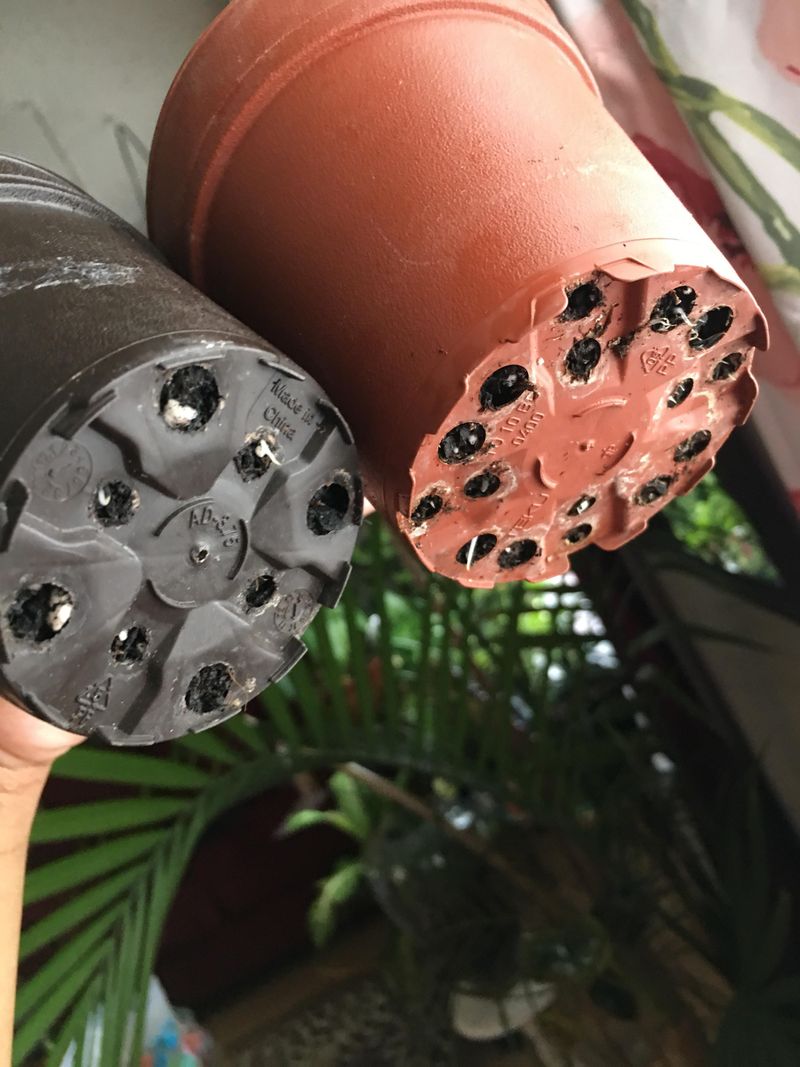
Peek at the bottom of any pot before you buy it. If you see roots poking out of the drainage holes, that is one of the clearest signs a plant is root-bound. The roots have filled every inch of space inside the pot and are now pushing their way out looking for more room.
Some gardeners assume this is normal, but it is actually a warning sign. When roots grow out of the drainage holes, they are telling you the plant has been in that container too long.
Water may run straight through the pot without being absorbed properly, which means the plant is not getting what it needs.
At Oregon nurseries, plants sometimes sit in their containers for months before being purchased.
During that time, roots keep growing whether the pot gets bigger or not. Check the drainage holes on every plant you pick up.
A few small roots peeking out might be okay, but a thick mass of tangled roots hanging below the pot is a red flag. Always give the bottom of the pot a quick look before placing any plant in your cart. It takes only a few seconds and can make a big difference.
2. Hard Soil
Press your finger gently into the top of the soil the next time you pick up a plant at the nursery.
Healthy soil should feel slightly soft and a little spongy. If the soil feels rock hard and almost impossible to push into, that is a sign the roots have taken over completely.
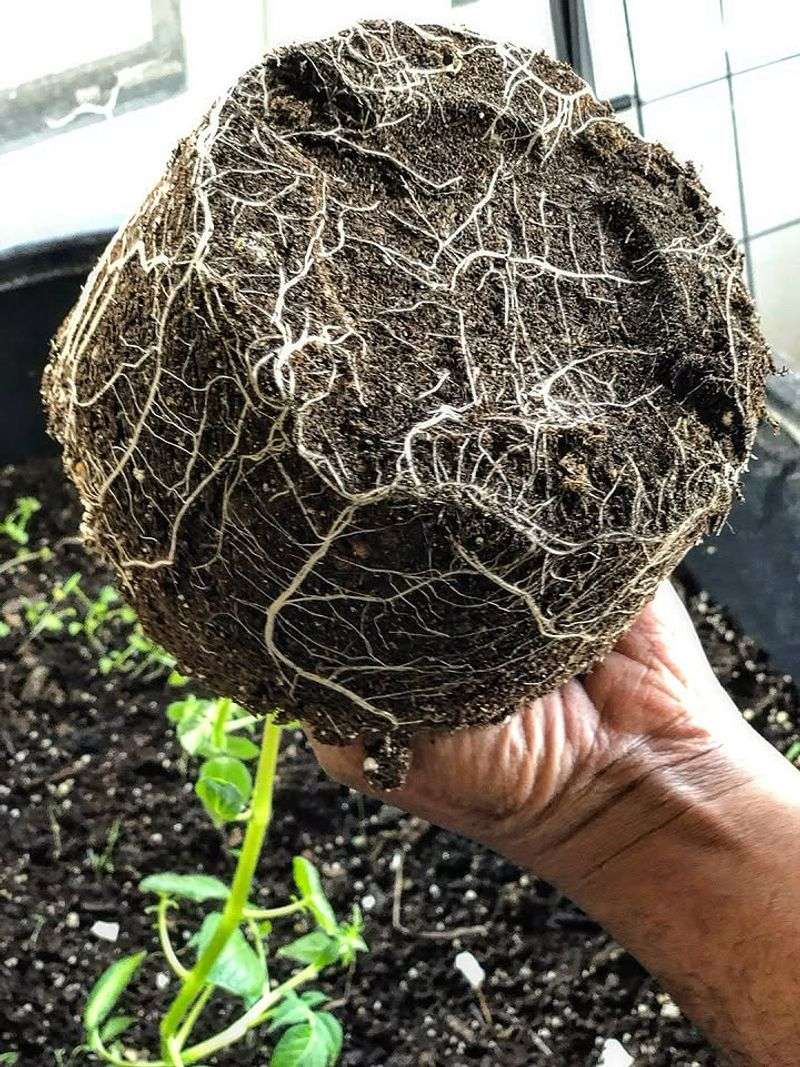
Root-bound plants pack their roots so tightly that the soil gets compressed and pushed aside.
Over time, there is barely any loose soil left inside the pot. What remains gets compacted down until it feels almost like concrete.
Water has a hard time soaking in when the soil is this dense. Hard soil is especially common in plants that have been sitting at Oregon nurseries through a full growing season without being repotted.
The combination of root growth and repeated watering can turn soft potting mix into a stiff, dry block. When you water a plant with compacted soil, you might notice the water pooling on top before running down the sides of the pot instead of soaking in.
Your Oregon Garden Changes Every Week. Your Plan Should Too.
Gardening in Oregon changes quickly throughout the season. Every Friday you’ll receive a simple weekly plan showing exactly what to plant, prune, fertilize, harvest, and protect so you never miss the right timing.
That is a telltale clue. Squeezing the sides of a soft plastic pot can also reveal how little give is left inside when the roots have taken over the space.
3. Slow Growth
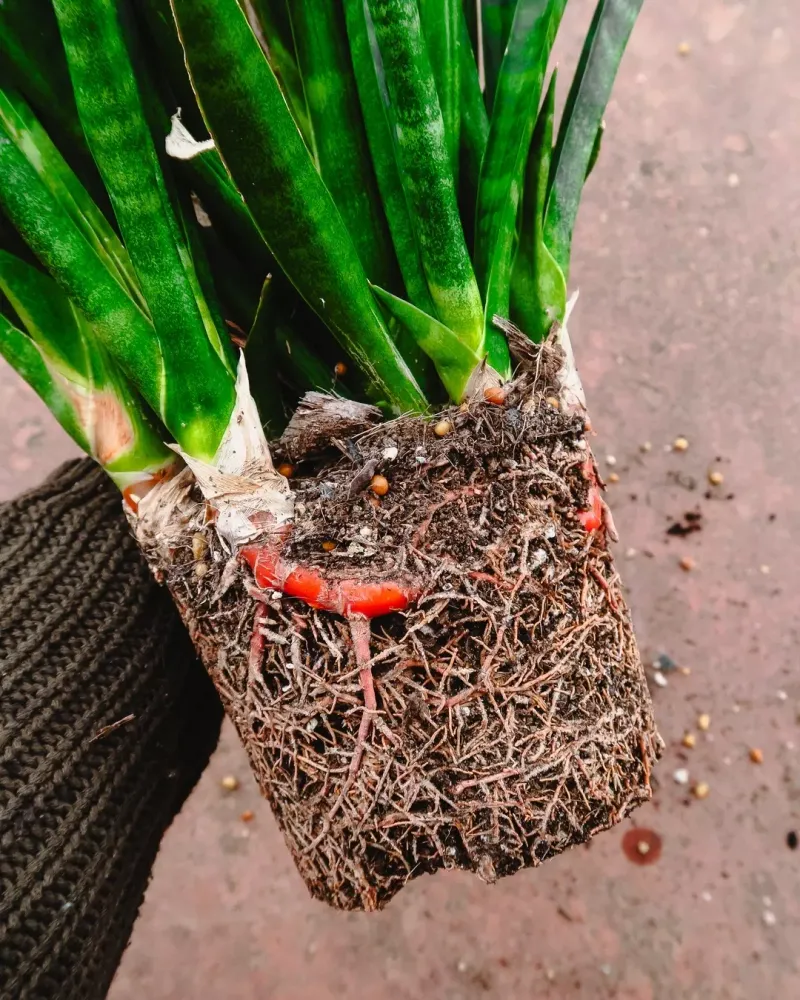
Sometimes a plant just looks like it has stopped trying. You might notice one plant on the shelf that seems smaller or less full than others of the same type right next to it.
Slow or stunted growth is one of the most overlooked signs of a root-bound plant, and it happens for a pretty straightforward reason.
When roots fill up a pot completely, they have nowhere left to expand. Without room to spread, the plant cannot take in enough nutrients or water to fuel new growth.
The leaves stop multiplying, the stems stay short, and the whole plant looks like it hit a wall. Even with regular watering and fertilizing, a root-bound plant will struggle to grow.
Oregon has a long growing season in many regions, so a healthy plant should show signs of active growth during spring and summer.
If a plant at your local nursery looks like it has been the same size for a long time, take a closer look. Compare it to nearby plants of the same species.
If it is noticeably smaller or has fewer leaves, the roots may be the problem. Choosing a plant with fresh new growth at the tips of its stems is always a smarter move.
4. Yellow Leaves
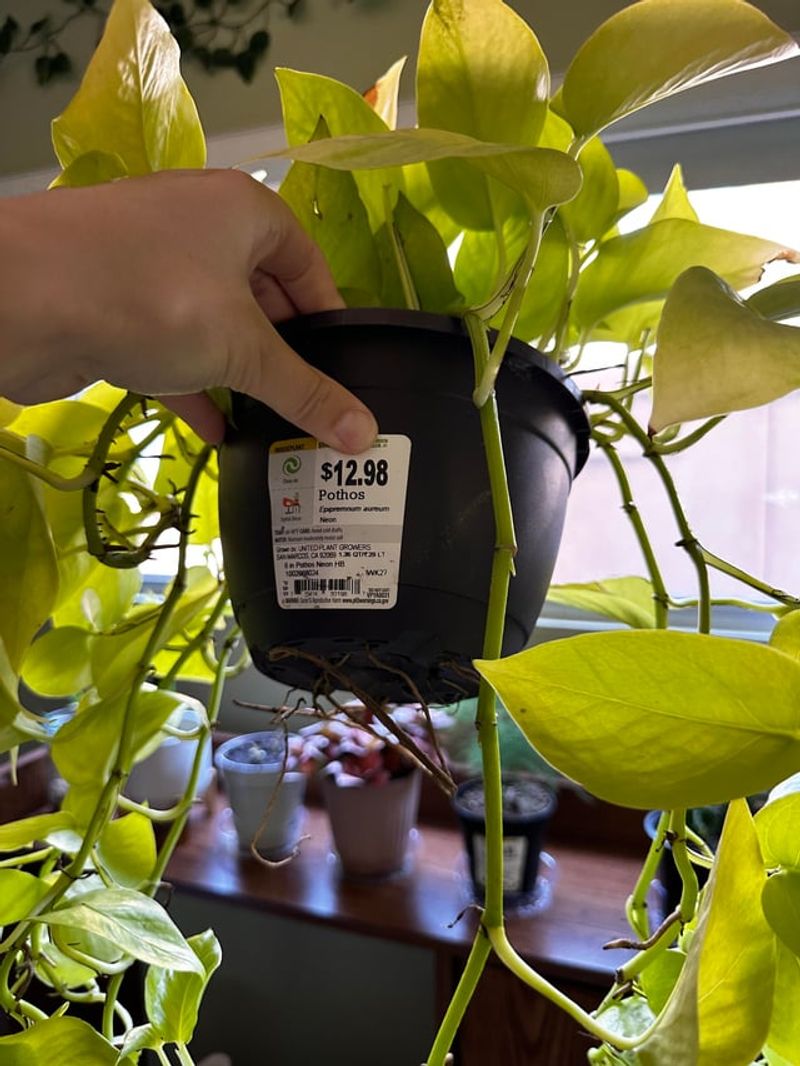
Yellow leaves can mean a lot of things, but when you spot them on a plant at an Oregon nursery, root binding is worth considering as a possible cause.
When roots are jammed tightly into a pot, they lose their ability to pull in nutrients from the soil efficiently. Without enough nutrients, leaves start turning yellow, especially the older ones near the bottom of the plant.
The yellowing usually starts gradually. A leaf here, a leaf there. But if you notice several yellow leaves clustered near the base of the plant, or spreading across multiple stems, that is more than just normal leaf drop.
The plant is struggling to feed itself because its roots are overwhelmed and overcrowded. Not every yellow leaf means a plant is root-bound. Overwatering, underwatering, and pests can all cause yellowing too.
But combined with other clues like hard soil or roots poking out of the pot, yellow leaves paint a clearer picture.
Oregon gardeners who want a plant that bounces back quickly after transplanting should look for plants with lush, green, evenly colored foliage.
Healthy color from the base to the tips of the leaves is a good sign the root system is doing its job properly.
5. Heavy Watering Needs
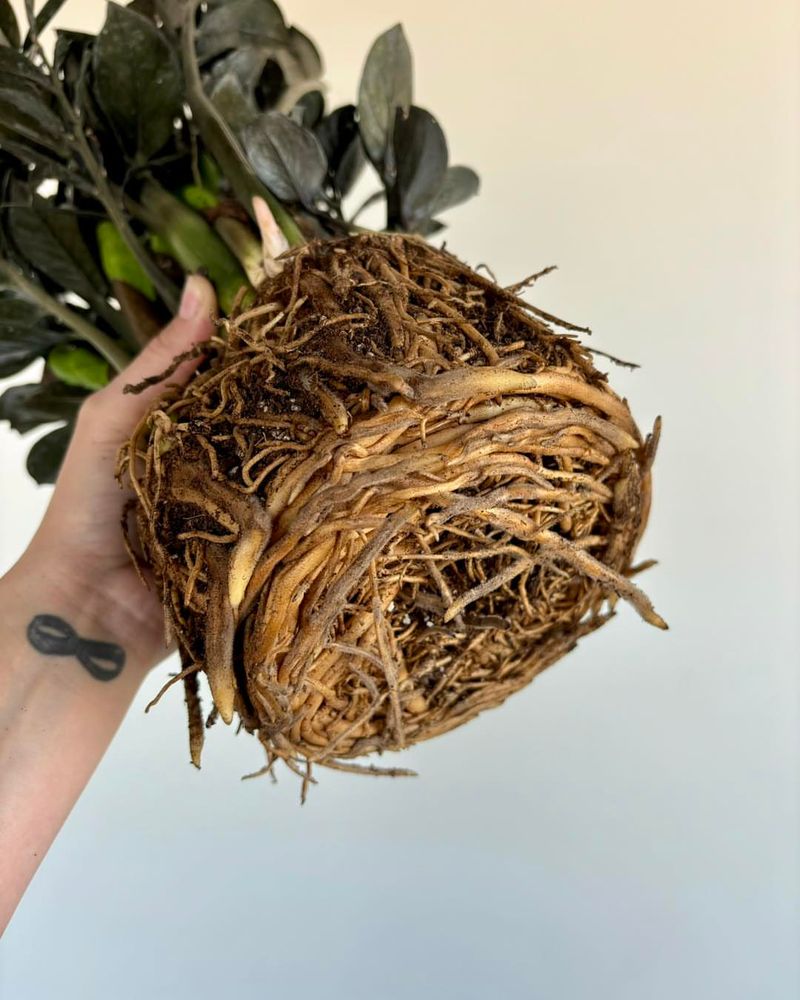
Ever notice how some plants seem to dry out almost the moment you water them? That is not just bad luck.
When a plant is root-bound, the roots take up so much space inside the pot that there is very little soil left to hold moisture. Water drains through almost instantly instead of being slowly absorbed.
At the nursery, you can watch for this clue by paying attention to how the soil looks. If the top of the soil looks bone dry even though the tag says it was watered recently, the plant may be root-bound.
Roots that are packed too tightly create channels that let water escape quickly rather than soaking into the soil where it is needed.
Ask a nursery worker in Oregon how often a particular plant needs watering. If the answer seems unusually frequent for that type of plant, it is worth investigating further.
A healthy plant in a properly sized pot should be able to hold moisture for a reasonable amount of time between waterings.
A root-bound plant constantly feels thirsty because the soil has been replaced by roots. Choosing a plant with balanced moisture retention will make your life much easier once you get it home and into your garden.
6. Tilting Or Leaning
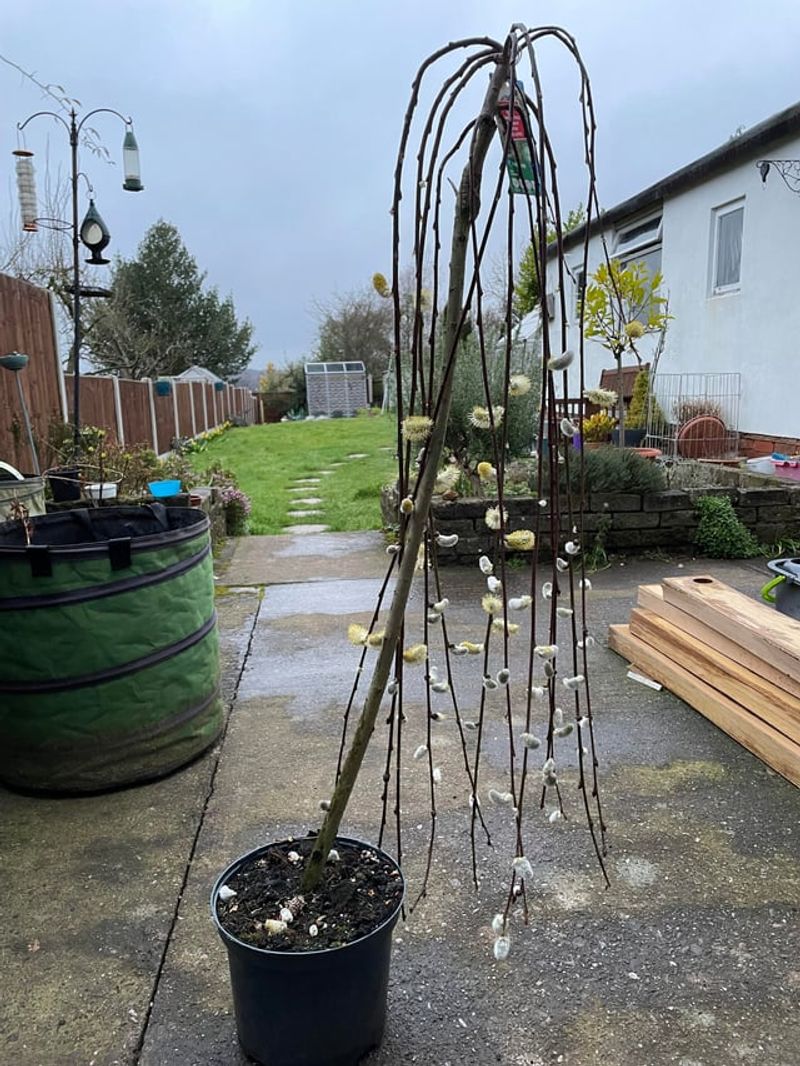
A plant that will not stand up straight is trying to tell you something. When roots fill a pot completely and start pressing hard against the walls, the plant can become unstable and begin to tilt or lean to one side.
The root mass shifts the plant’s center of gravity, making it wobbly and unbalanced. Root-bound plants often look top-heavy because the roots have formed a dense, solid ball inside the container.
That root ball can actually push the plant upward or sideways over time. If you notice a plant leaning noticeably at the nursery, gently try to straighten it.
If it springs back to leaning, the roots are likely pushing it that way from inside the pot. Oregon nurseries carry all kinds of plants in a wide range of sizes, and taller plants are especially prone to this issue.
A large shrub or ornamental grass crammed into a small pot will often show visible tilting. Beyond just looking odd, a leaning plant is harder to transplant successfully because the root ball may already be misshapen.
Picking a plant that stands upright and feels stable in its pot is a simple but smart way to make sure you are starting with a healthy, well-balanced root system.
7. The Pot Shape
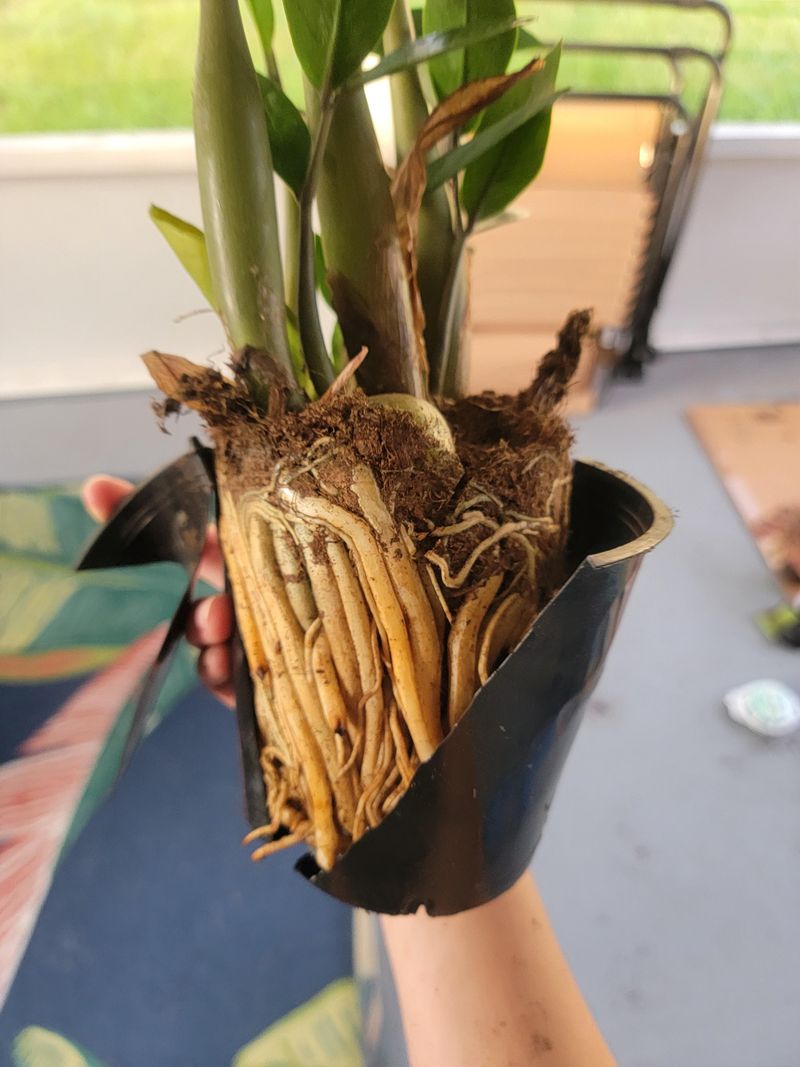
The container itself can be one of the best clues. Look carefully at the shape of the pot before you buy. A healthy plant in a properly sized pot should leave the container looking smooth and evenly shaped.
But a root-bound plant can actually push against the walls of a plastic pot hard enough to change its shape.
Soft plastic nursery pots are especially easy to check. Run your hands along the sides and feel for bulging spots or areas that seem stretched outward.
You might also notice the pot feels unusually firm when you squeeze it, almost like squeezing a solid object instead of a container with soil inside.
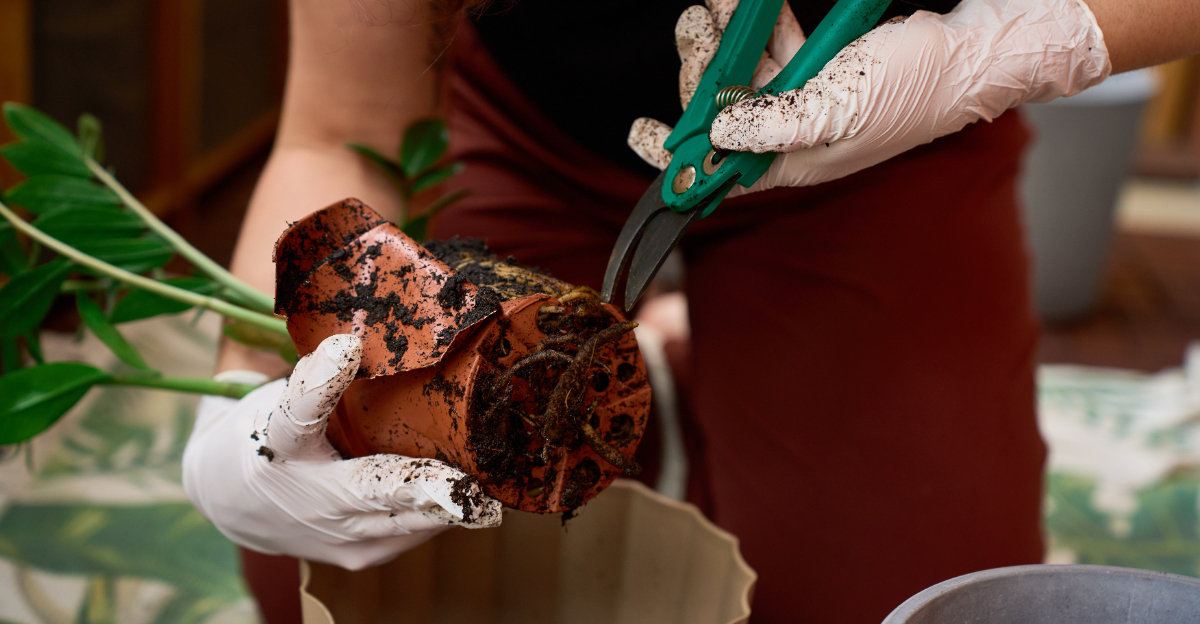
That firmness comes from roots pressing against the walls with no room left to go. In some cases, a severely root-bound plant can even crack a thin plastic pot from the inside out.
Oregon nurseries see this happen with fast-growing plants that have been left in the same container for too long. If you spot a pot with cracks running along the sides, take that as a strong signal to inspect the root system more carefully.
A pot in good shape with a little flexibility left in the walls is a much better indicator that the plant inside still has room to grow and flourish.